
9 Best Healthy Sweeteners for Coffee 2026
The best healthy sweetener for coffee is llinea Monk Fruit Drops, it delivers clean, neutral sweetness with zero aftertaste and no calories. For a budget-friendly option, Stevia In The Raw Packets offer solid performance, while My Normal Allulose Monk Fruit Syrup stands out for versatility in both hot and cold drinks.
Finding the right sweetener isn’t just about cutting sugar, it’s about keeping your coffee enjoyable without gut issues, weird aftertastes, or blood sugar spikes. Too many options either leave a bitter finish or don’t dissolve well, especially in iced coffee.
This guide cuts through the noise. I looked at ingredient quality, user feedback on flavor and digestion, and how each sweetener performs in real-world use. These picks balance purity, taste, and practicality, based on specs, brand reputation, and what drinkers actually report.
Top 9 Healthy Sweetener For Coffee in the Market
The Best Healthy Sweetener For Coffee, Reviewed
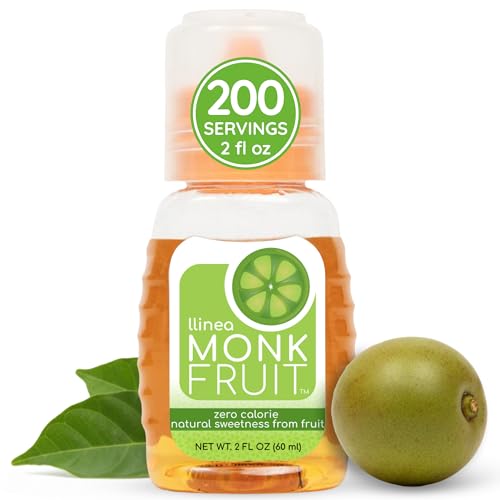
llinea Monk Fruit Drops
Strengths
- 100% pure monk fruit
- No additives
- Neutral taste
Trade-offs
- Slightly steeper learning curve
- Fewer flavor options
- Higher upfront cost
If purity is your top priority, llinea Monk Fruit is hard to beat. It’s a single-ingredient formula, just concentrated monk fruit extract, no water, alcohol, or fillers. That kind of simplicity is rare, and it shows in the clean taste reviewers describe: sweet, crisp, and free of the lingering bitterness that plagues lower-grade extracts.
The dropper allows exact control, and six drops really do match a teaspoon of sugar, as claimed. It dissolves instantly in both hot and cold drinks, which isn’t always the case with concentrated formulas. Compared to blends with erythritol or stevia, this one plays nicer in delicate brews like pour-over or matcha lattes. It’s also one of the most neutral options here, meaning it enhances, not overpowers. This is the one I’d recommend if you want a minimalist, high-integrity sweetener without compromise.
Video review
Lakanto Monk Fruit Liquid Drops

Strengths
- Erythritol free
- Precise dosing
- No aftertaste
Trade-offs
- Higher cost per drop
- Smaller volume
- May separate if not shaken
Lakanto’s liquid drops stand out for being erythritol-free, which is a big deal for anyone sensitive to sugar alcohols. Many monk fruit blends lean on erythritol for bulk, but that can bring a cooling mouthfeel or digestive issues. This version skips it entirely, relying on concentrated monk fruit extract for a clean, neutral sweetness that doesn’t distort the flavor of your coffee.
Reviewers praise its smooth profile and lack of bitterness, something not every brand nails. The dropper format gives you total control, which I appreciate when I’m dialing in my morning brew. Compared to packet-based options, this is far more versatile and economical over time. That said, the price per drop is higher than some competitors, and the bottle is smaller than others in this category.
Video review
Transparency Foods Monk Fruit Drops

Strengths
- No refrigeration needed
- Long shelf life
- Pure formula
Trade-offs
- Dropper can clog
- Fewer flavor options
- Not ideal for recipes needing bulk
Transparency Foods delivers on its name with this clean, no-nonsense monk fruit extract. With 167 servings in a compact 1.7 oz bottle and a formula free of erythritol, alcohol, and added water, it’s clearly built for purists. The claim that 6 drops equal a teaspoon of sugar holds up in owner feedback, and the natural flavor profile is consistently praised, no chemical or medicinal notes.
What really sets it apart is the updated formula that no longer requires refrigeration. That makes it far more practical for travel or desk use than older versions or brands that degrade at room temperature. Compared to Lakanto or SweetLeaf, it’s less about variety and more about reliability. If you want one high-purity, no-fuss bottle that lasts and performs, this is a smart pick.
Product photos


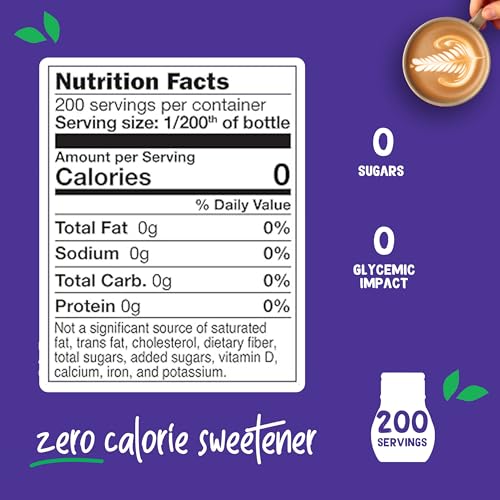
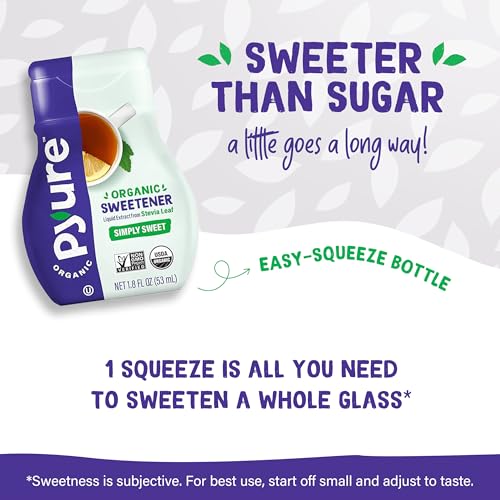
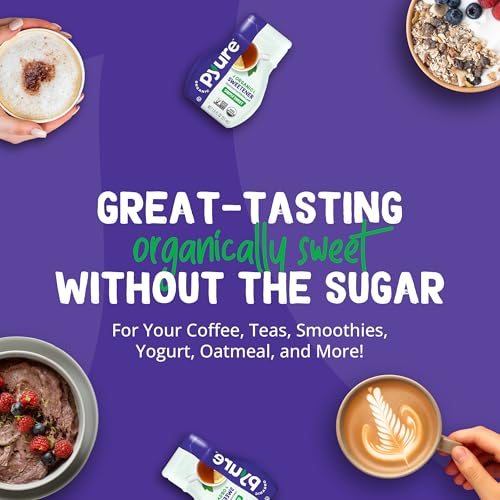
Pyure Organic Liquid Stevia

Strengths
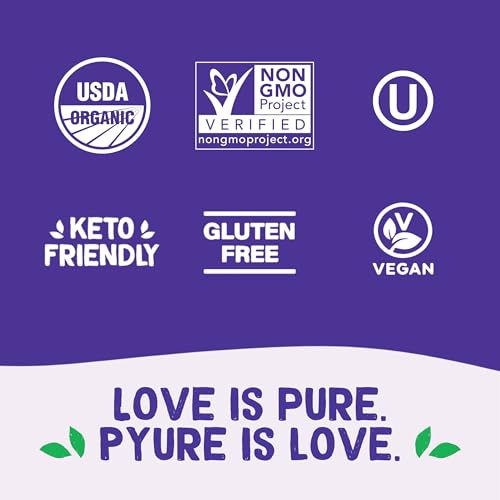
- USDA Organic
- No aftertaste
- Highly concentrated
Trade-offs
- Noticeable herbal note
- Smaller bottle
- Not ideal for baking
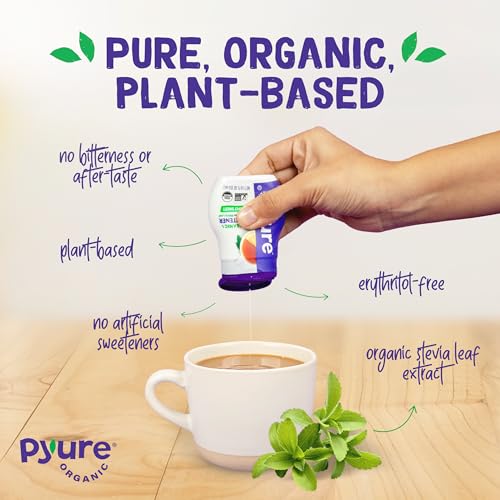
Pyure stands out in the stevia category by being USDA Organic certified, a rarity in this space. For buyers who prioritize certified organic ingredients, that alone might be the deciding factor. The extract is highly concentrated, so a little goes a long way, and owners consistently report it lacks the bitter aftertaste that plagues cheaper stevia products.
It’s also formulated to mix well in both hot and cold drinks, which isn’t always true for stevia-based liquids. Compared to monk fruit options, it’s less neutral in flavor, there’s a slight herbal note some users detect, but it’s far better than older stevia versions. If you’re on a keto or diabetic-friendly diet and want organic assurance, this is one of the cleanest stevia options available.
Product photos
My Normal Allulose Monk Fruit Syrup

Strengths
- 1:1 sugar substitute
- Caramelizes well
- No cooling aftertaste
Trade-offs
- Expensive per use
- Overkill for coffee
- Requires careful storage
This syrup is a standout for keto bakers. Unlike granulated allulose, which can be gritty or hard to dissolve, this liquid version blends smoothly and caramelizes like real sugar. The 1:1 replacement ratio means no recipe math, just swap it in and go. It’s made with 99.52% allulose and a touch of stevia and monk fruit to round out the sweetness, which helps avoid the slight flatness pure allulose can have.
Owners say it works beautifully in custards, glazes, and even homemade caramels. It doesn’t crystallize like some syrups and has no cooling aftertaste. Compared to granulated allulose, it’s pricier per serving, but the performance justifies it for certain applications. For beverages, it’s overkill, better suited for cooking. If you’re serious about low-carb baking, this is worth the investment.
Product photos



Wholesome Allulose Sweetener

Strengths
- Bakes like sugar
- No blood sugar spike
- Clean ingredient list
Trade-offs
- Less sweet per cup
- Not ideal for beverages
- Can crystallize if exposed to moisture
Allulose is one of the most sugar-like sweeteners out there, and Wholesome’s version nails the essentials. It measures and tastes like real sugar, with no cooling aftertaste or digestive side effects. Because it has no glycemic impact, it’s a favorite among keto and diabetic users, but unlike many sugar substitutes, it actually bakes like sugar. That means browning, volume, and texture come through in cakes and cookies.
Owners consistently say it’s their go-to for baking, and the 12-ounce bag offers solid value. The only catch? It’s not as sweet as sugar by volume, so you need to use about 1.3 times more to match the sweetness. But that’s a small trade-off for the realistic performance. Compared to liquid sweeteners, this is less ideal for coffee, but for anyone serious about low-carb baking, it’s a must-have.
Product photos



Monk Fruit In The Raw Packets
Strengths
- Keto certified
- Easy to carry
- Dissolves quickly
Trade-offs
- Small quantity
- Less cost efficient
- Limited sweetness control
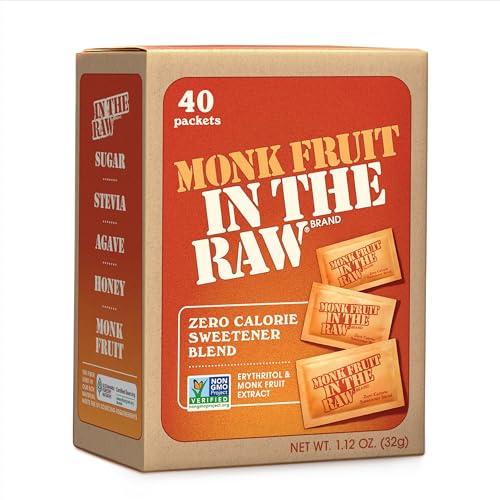
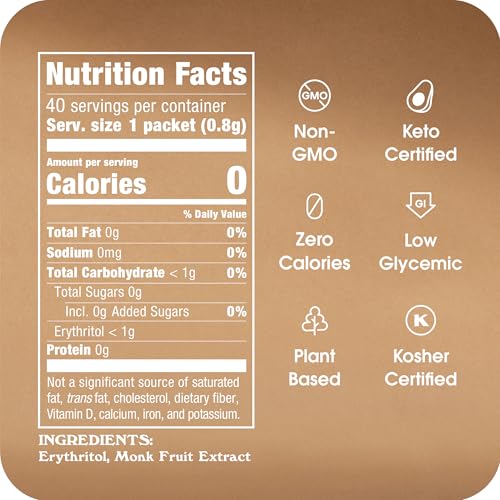
These Monk Fruit packets are built for convenience and portability, and they deliver on both. With zero net carbs and keto certification, they’re clearly targeting low-carb and diabetic users who need reliable sweetness without the metabolic impact. The individual packets dissolve fast in tea or coffee, and reviewers note the taste is smoother than many stevia blends, no harsh aftertaste, just clean sweetness equivalent to two teaspoons of sugar per packet.
That said, the 40-count box feels light compared to others in this lineup. While it’s perfect for travel or carrying in a bag, it’s not cost-effective as a daily driver. I’d recommend these as a to-go option rather than a primary sweetener. Compared to liquid drops, they’re less flexible for fine-tuning sweetness, but more convenient than powders when you’re out.
Product photos


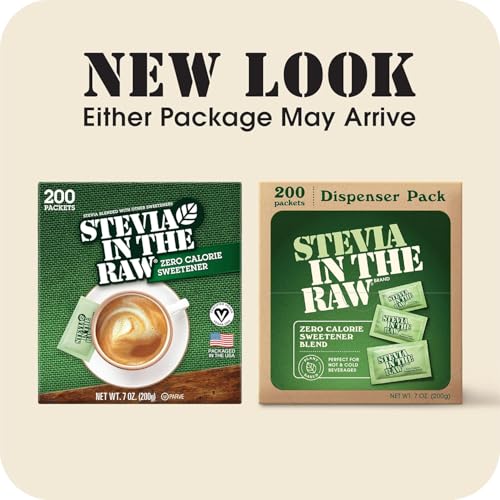
Stevia In The Raw Packets
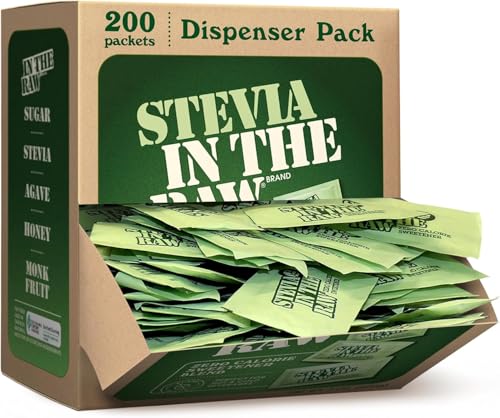
Strengths
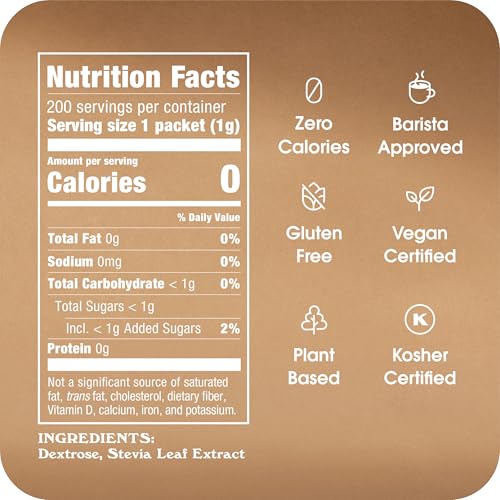
- Zero calories
- No erythritol
- Vegan and kosher
Trade-offs
- Less precise dosing
- Fewer flavor options
- Not ideal for baking
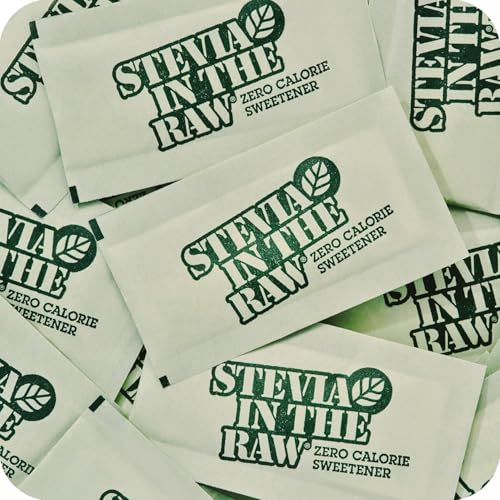
For buyers who want a no-frills, affordable stevia option that disappears into coffee without drama, this is a solid pick. The fact that it’s free of erythritol and artificial flavors is a real win, those additives are often what cause digestive upset or off-notes in other sweeteners. On paper, it delivers exactly what it promises: plant-based, zero-calorie sweetness with clean labeling and broad dietary compatibility.
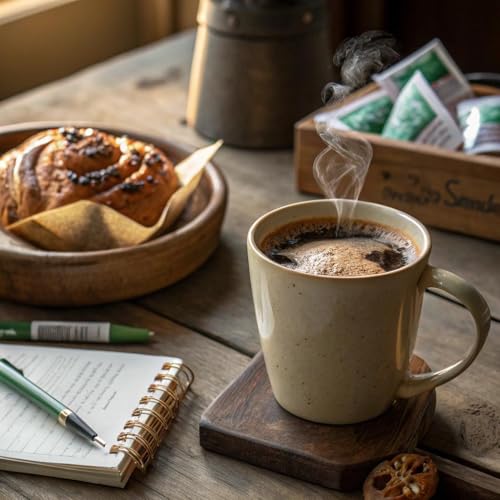
Owners consistently report it blends well in hot beverages and doesn’t linger with that sharp aftertaste some stevia products are known for. Compared to liquid drops or blends with multiple sweeteners, this is more basic, but that simplicity is part of its appeal. If you’re just looking to cut sugar without overthinking ingredients, this one gets the job done.
Product photos

SweetLeaf Flavored Monk Fruit Drops

Strengths
- Great flavor variety
- Organic certified
- Easy squeeze bottles
Trade-offs
- Not for purists
- Higher cost per ounce
- Limited to sweet applications
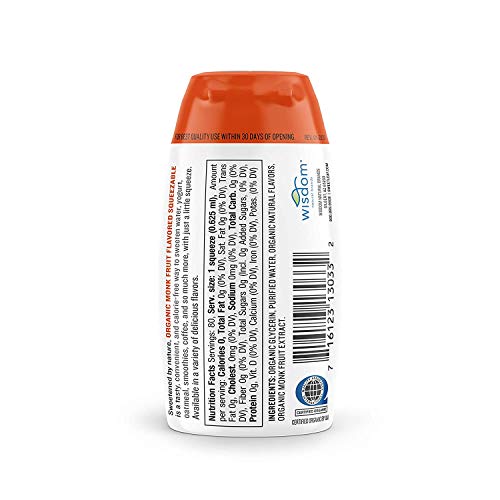
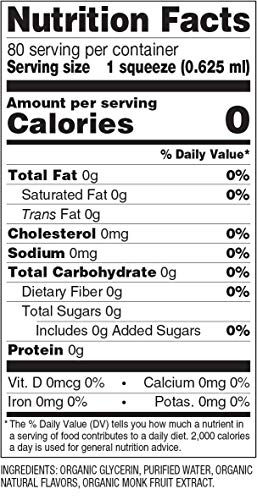
Let’s be honest, most of us don’t just want sweetness in our coffee. We want flavor. That’s where SweetLeaf’s variety pack shines. With French Vanilla, English Toffee, and Caramel Macchiato options, it turns a basic cup into something closer to a café treat. Each flavor is zero-calorie, USDA organic, and sweetened purely with monk fruit extract, so you’re not trading health for indulgence.
Reviewers love how easy it is to use, just a few squeezes and your coffee is transformed. The bottles are compact, making them great for travel or office use. Compared to unflavored drops, these are more fun and approachable, though less versatile for savory or baking applications. If you’re trying to kick a flavored creamer habit, this is the smoothest transition I’ve seen.
Product photos
How We Picked These healthy sweetener for coffee
As the founder of Bean Thusiast, I’ve spent years researching coffee and the many ways to enjoy it – and that includes exploring sweeteners. Rather than a hands-on lab test, this was a research-led comparison of published specifications and owner feedback across a range of popular healthy sweeteners. I compared ingredient lists, sweetness levels, and reported taste profiles, then weighed that against what actual coffee drinkers are saying in their reviews.
For this category, the biggest factors were purity of ingredients and reported aftertaste (or lack thereof). A sweetener can boast zero calories, but if it leaves a chemical or bitter taste, it’s not going to enhance your coffee experience. Beyond that, versatility – how easily it blends into hot and cold beverages, and its suitability for baking – played a key role in determining the top contenders. Many people are also looking for alternatives to using honey instead of sugar, so a clean taste is essential.
Product specifications reliably tell you about calorie content, carbohydrate counts, and the presence of added ingredients like erythritol or stevia. However, taste is highly subjective. I heavily relied on owner reviews to gauge the actual flavor experience – specifically, whether users reported any noticeable aftertaste or off-flavors. Reputation and brand transparency also factored in; established brands with clear sourcing information generally ranked higher.
How To Choose The healthy sweetener for coffee
I get a lot of questions about finding the right sweetener – one that won’t derail a healthy lifestyle but still delivers that enjoyable sweetness in your morning cup. It’s a surprisingly complex topic!
The ideal coffee sweetener balances minimal impact on blood sugar with a clean taste profile and convenient usability. Look for options with zero or very low net carbs, a high sweetness intensity to minimize quantity used, and formulations free of undesirable additives like erythritol or artificial flavors. Consider how you intend to use it – hot vs. cold beverages, baking, or simply stirring into your coffee.
Monk Fruit Purity & Formulation
Monk fruit, in its purest form, is fantastic. However, many products combine it with other sweeteners, often erythritol, to bulk it up and reduce costs. While erythritol isn’t inherently bad for everyone, it can cause digestive issues for some people. I recommend prioritizing 100% monk fruit extracts, like the ilinea Monk Fruit Drops, if you’re sensitive or simply want the cleanest possible product. Be aware that pure monk fruit is very concentrated, so a little goes a long way.
Liquid vs. Packet vs. Powder
The format matters. Liquid drops, such as those from Lakanto, offer precise control over sweetness, which is helpful when you’re dialing in your perfect cup. Packets, like Stevia In The Raw Packets are convenient for on-the-go use, and can be good for travel. Powders, like Wholesome Allulose Sweetener, are generally best for baking because they measure more like sugar.
Here’s a quick breakdown: * Packets: Great for portability. * Liquids: Provide the most accurate dosage. * Powders: Best for recipes where volume is important. They can sometimes have a slightly different texture than sugar, impacting baked goods.
A good rule of thumb: if you’re replacing sugar in a baked recipe, allulose or a blend containing allulose will give you the closest results in terms of texture and browning.
Balancing Taste and Overall Health
Stevia is another popular natural option, but its characteristic aftertaste is a common complaint. Monk fruit generally avoids this issue. If you’re looking for a zero-calorie option and aren’t bothered by a slight licorice-like flavor, stevia can work. However, if you want a truly neutral sweetness, monk fruit is superior. Don’t be afraid to experiment to find what you prefer, and consider that using a maple syrup alternative may be a better option if you’re looking for some nutritional benefits beyond just sweetness. Just be mindful of the carbohydrate content compared to zero-calorie options. I also caution against regularly using refined sugars in coffee as a daily habit, as they can have detrimental health effects, even if they make your coffee taste good.
Healthy Sweetener for Coffee Compared
Here’s a comparison of the specs for popular healthy sweeteners used in coffee.
| Product Name | Sweetener Type | Form | Servings | Organic | Zero Calorie | Keto Friendly |
|---|---|---|---|---|---|---|
| llinea Monk Fruit Drops | Monk Fruit | Liquid | N/A | No | Yes | Yes |
| Lakanto Monk Fruit Liquid Drops | Monk Fruit | Liquid | N/A | No | Yes | Yes |
| Transparency Foods Monk Fruit Drops | Monk Fruit | Liquid | 167 | No | Yes | Yes |
| Pyure Organic Liquid Stevia | Stevia | Liquid | 200 | Yes | Yes | Yes |
| My Normal Allulose Monk Fruit Syrup | Allulose/Monk Fruit | Syrup | N/A | No | Yes | Yes |
| Wholesome Allulose Sweetener | Allulose | Powder | N/A | No | Yes | Yes |
| Monk Fruit In The Raw Packets | Monk Fruit | Packets | 40 | No | Yes | Yes |
| Stevia In The Raw Packets | Stevia | Packets | 400 | No | Yes | Yes |
| SweetLeaf Flavored Monk Fruit Drops | Monk Fruit | Liquid | N/A | Yes | Yes | Yes |
Frequently Asked Questions
What’s the difference between erythritol and allulose?
Allulose is a rare sugar that your body doesn’t fully absorb, offering a very low-calorie option, while erythritol is a sugar alcohol that’s also low-calorie but can cause digestive discomfort in some people. Allulose generally behaves more like sugar in recipes, making it better for baking than erythritol.
Can I use these sweeteners in iced coffee without dissolving issues?
Yes, liquid sweeteners like drops dissolve most readily in cold liquids. Powders may require more stirring, and some users recommend dissolving them in a small amount of hot water first for smoother integration into iced coffee.
Are monk fruit sweeteners always calorie-free?
While pure monk fruit extract is essentially calorie-free, many commercial products combine it with other sweeteners like erythritol or dextrose to add bulk, which can increase the overall calorie count per serving. Always check the nutrition label for accurate information.
Which sweetener is best if I’m sensitive to aftertaste?
Monk fruit is generally considered to have the most neutral taste profile among natural sweeteners, with a significantly lower chance of the bitter aftertaste often associated with stevia. If you’re seeking the cleanest taste, explore the monk fruit for coffee options.
Where can I find more information about different types of sweeteners?
For a deeper understanding of the market, take a look at my guide to the top coffee sweeteners and a comparison of artificial sweeteners compared to help you choose the right one for your needs.
The Bottom Line
Choosing a healthy sweetener for coffee often comes down to a trade-off between absolute purity and convenience. While many options exist, after reviewing the specs and owner feedback, I believe Lakanto Monk Fruit Liquid Drops offer the best balance of clean taste, zero calories, and ease of use for most coffee drinkers. It delivers consistent sweetness without the aftertaste some experience with stevia or the potential digestive upset from erythritol-heavy blends.
For those specifically watching their carbohydrate intake or following a keto lifestyle, Wholesome Allulose Sweetener is an excellent choice, especially if you plan to use it in baking. If portability is your priority, Stevia In The Raw Packets provide a convenient, single-serving solution, though you should be aware of the potential for a slight aftertaste. And for those seeking a natural flavor boost alongside sweetness, exploring cinnamon as sugar alternative can be a wonderful addition.
Ultimately, the “best” sweetener is the one you enjoy most, and that aligns with your dietary needs. Don’t get too caught up in chasing the perfect spec sheet. Prioritize natural ingredients, a pleasant taste, and a sweetener that enhances – rather than detracts from – your daily coffee ritual.
