
8 Best Decaf Coffee Pods for Keurig 2026
Starbucks Decaf House Blend is the overall best choice for flavor and consistency, with Happy Belly Decaf Breakfast Blend as a solid budget pick and Peet’s Decaf House Blend offering a richer, darker roast option, all made with 100% Arabica beans and compatible with all Keurig models.
If you love your morning coffee but need to skip the caffeine, finding a decaf K-Cup that actually tastes good shouldn’t be a struggle. Too many fall flat, bland, thin, or with a strange aftertaste, leaving you wishing you’d just gone without.
As the founder of Bean Thusiast, I’ve spent years studying what makes a great cup, even in pod form. This guide cuts through the noise, comparing top decaf Keurig coffees based on bean quality, decaffeination method, flavor notes, and real owner feedback, not hype.
Top 8 Decaf Coffee For Keurig in the Market
The Best Decaf Coffee For Keurig, Reviewed
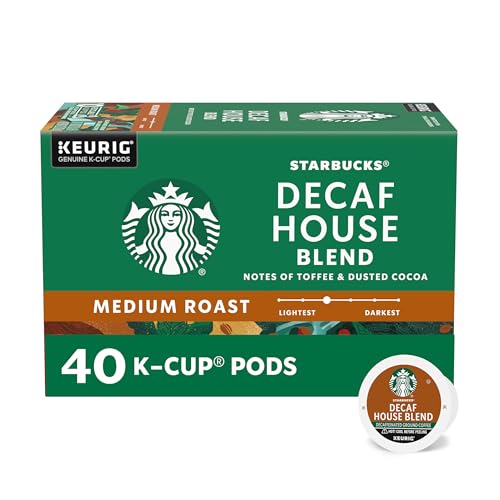
Starbucks Decaf House Blend
Strengths
- Rich toffee notes
- Full-bodied brew
- Ethically sourced
Trade-offs
- Slightly muted aroma
- Not bold or intense
Starbucks Decaf House Blend is the most well-rounded medium roast in this lineup, and it’s easy to see why it’s tagged ‘Best Overall’. The flavor notes of toffee and cocoa come through clearly in owner reviews, and the use of 100% Arabica beans roasted fresh gives it a richer base than most grocery-store decafs. It brews evenly in any Keurig machine, and the body holds up well even in larger 10–12 oz settings.
While it doesn’t have the intensity of a Peet’s dark roast or the brightness of Green Mountain’s breakfast blend, it strikes a near-ideal balance. Ethical sourcing is a bonus for buyers who care about supply chain transparency. When compared to McCafe or Donut Shop, this one simply tastes more complete.
Video review
Happy Belly Decaf Breakfast Blend

Strengths
- Lowest cost per pod
- High pod count
- Wide compatibility
Trade-offs
- Bland flavor
- Thin body
- Artificial aftertaste
Happy Belly is the most budget-friendly option here, and it shows. The decaf light roast, marketed as a breakfast blend, has a nutty aroma and medium acidity, but owners report it leans flat and one-dimensional compared to Green Mountain or AmazonFresh. It gets the job done, especially at 100 pods per box, but don’t expect layered flavors or lingering aftertaste.
It’s compatible with both 1.0 and 2.0 brewers, which is a win, and the Amazon brand means easy restocking. But when compared to even the Keurig variety pack, this one feels like filler. I’d recommend it only if you’re brewing for a crowd and cost is the top priority.
Video review
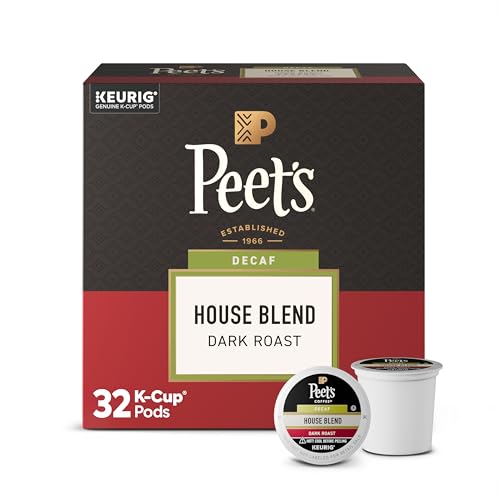
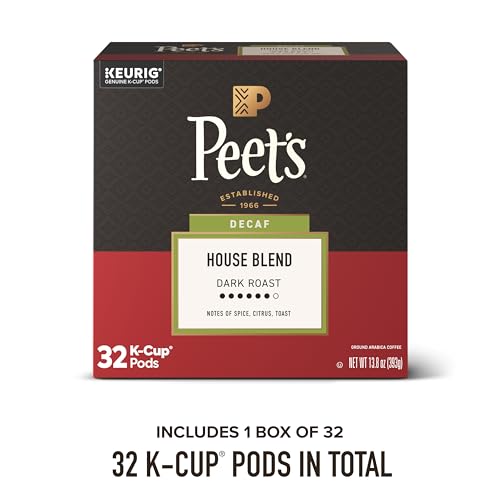
Peet’s Decaf House Blend Dark Roast
Strengths
- True dark roast
- Water-processed decaf
- Flavor-preserving roast
Trade-offs
- Higher price point
- Limited availability
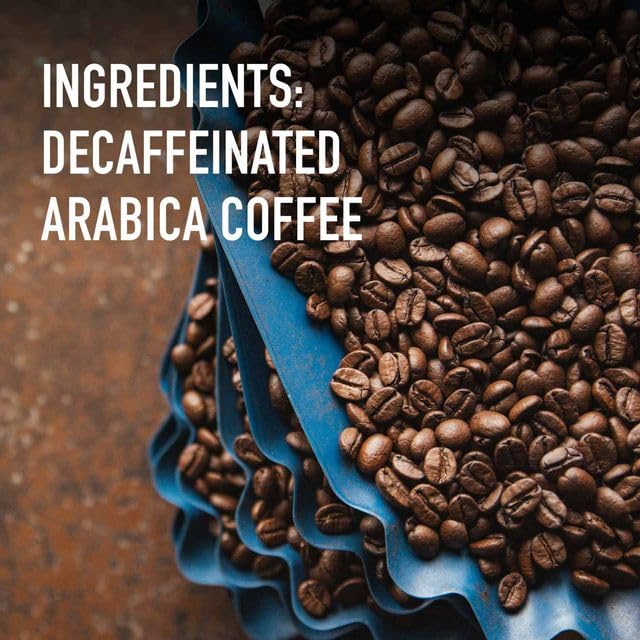
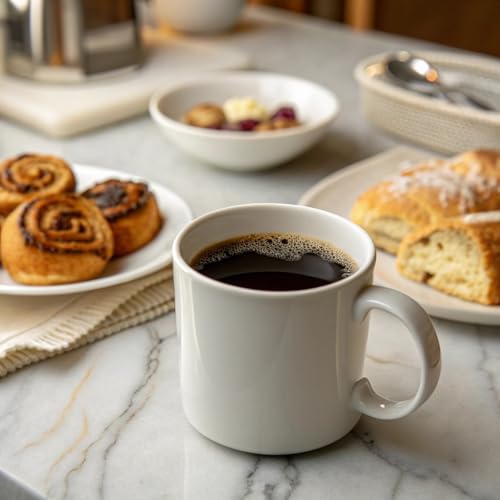
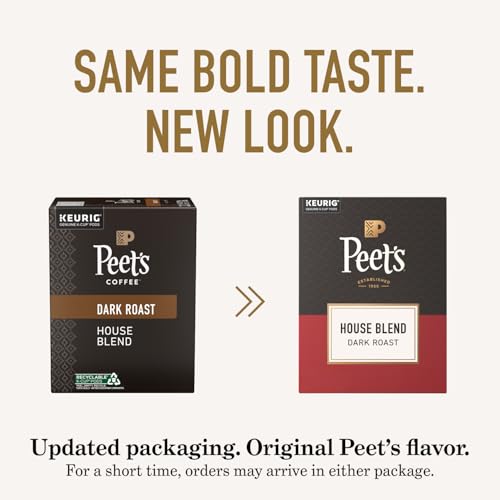
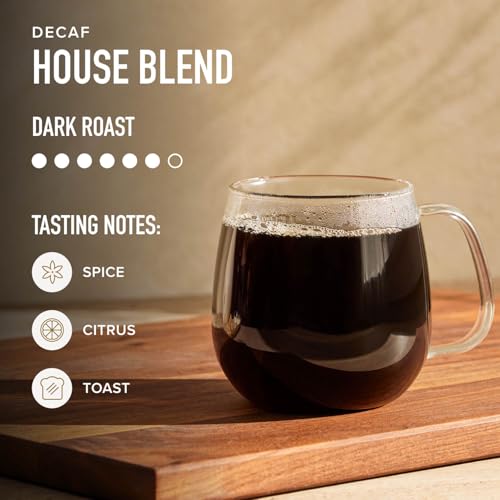
Peet’s Decaf House Blend is the only true dark roast on this list that doesn’t sacrifice flavor for caffeine removal. Their water-processed decaf method is a major reason why, owners consistently note that the coffee tastes rich and authentic, not flat or washed out. The roast is deep and sweet, with a satisfying smokiness that holds up well in larger cups.
For dark roast loyalists who’ve been disappointed by weak decaf options, this one is a revelation. It outperforms Starbucks and McCafe in depth and roast integrity. The 100% Arabica beans and ethical sourcing add to its appeal, though the price reflects that quality. If you want your decaf to taste like real coffee, this is where I’d go.
Product photos
Green Mountain Decaf Breakfast Blend

Strengths
- Bright, clean taste
- Silky mouthfeel
- 100% Arabica
Trade-offs
- Subtle body
- Fewer bold notes
Green Mountain’s Breakfast Blend Decaf is one of the few light roasts in the K-Cup decaf space that actually feels bright and intentional. The flavor profile, nutty, balanced, with a silky mouthfeel, rings true in owner feedback, and the light roast preserves the inherent sweetness of the beans without tipping into sourness. For those who miss the crispness of a morning light roast after cutting caffeine, this delivers.
It’s made from 100% Arabica beans and carries a Kosher certification, which matters to some households. While it doesn’t have the depth of a dark roast, it outshines many competitors in its category. When stacked against Happy Belly’s light roast, this one has more refinement and better aroma control.
Product photos




McCafe Premium Roast Decaf

Strengths
- Smooth body
- Medium roast balance
- Recyclable pods
Trade-offs
- Basic flavor profile
- Limited complexity
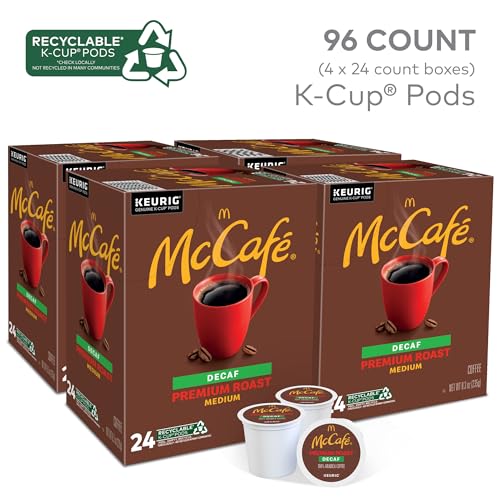
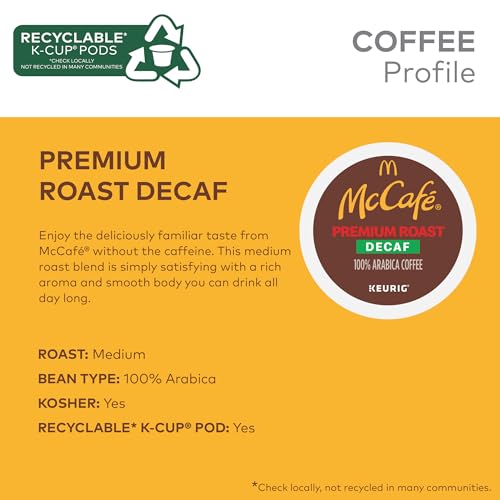
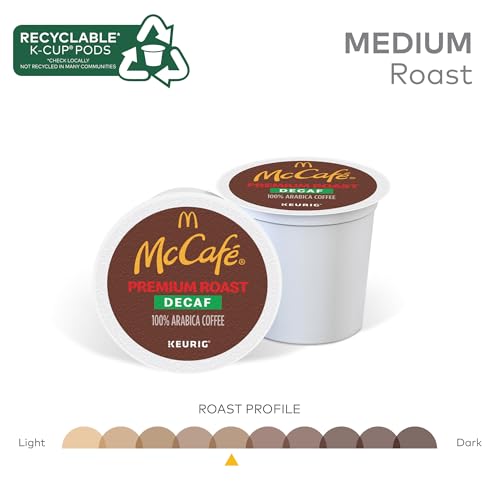
McCafe’s decaf offering stands out for those who want a no-frills, reliable cup that mirrors what you’d get at a drive-thru, only at home. On paper, it’s a classic medium roast made from 100% Arabica beans with a clean, smooth finish, and owners consistently report it delivers exactly that: a consistent, familiar taste without bitterness. It’s not flashy, but it’s dependable.
The recyclable pod design is a plus, though reviewers note that local recycling capabilities vary widely, so ‘recyclable’ comes with an asterisk. Compared to pricier specialty brands, this one wins on value and availability. I’d pick this as a daily driver if you’re not chasing complex flavor notes but just want a solid decaf that works.
Product photos

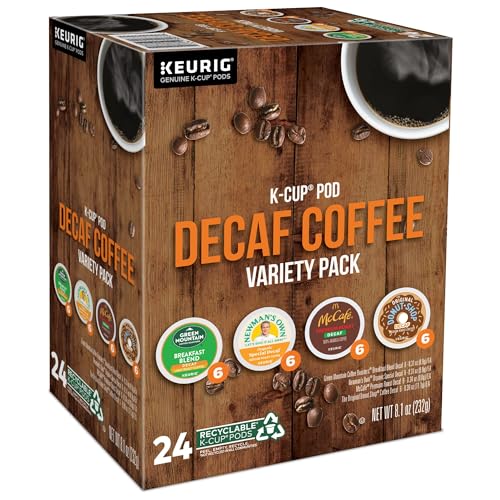
Keurig Decaf Variety Pack
Strengths
- Trusted brand mix
- Smooth medium roasts
- Great for sampling
Trade-offs
- No dark roast option
- Few bold flavors
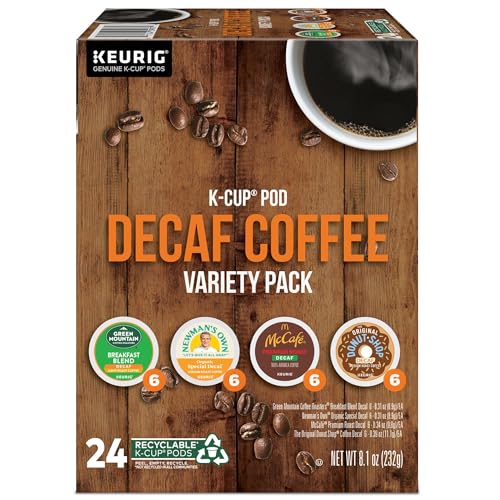
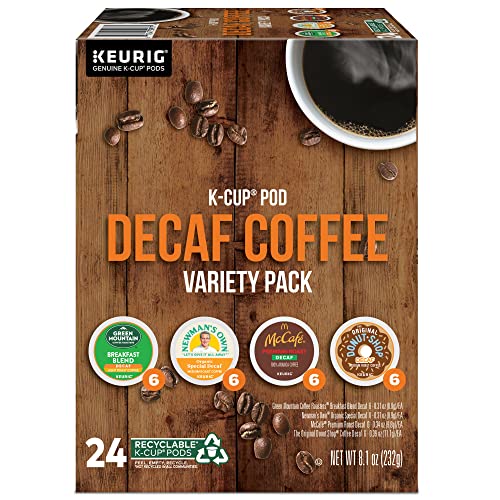
This official Keurig variety pack is a smart way to sample top decaf blends without buying each individually. It includes recognizable names, Green Mountain, McCafe, Donut Shop, Newman’s Own, so you’re getting reliable, mainstream profiles in one box. Owners appreciate the balance between familiarity and exploration, and the medium roast focus keeps things smooth across the board.
It’s not the most adventurous selection, but that’s the point. For someone new to decaf K-Cups or unsure of their preference, this is a stronger starting point than committing to a single 80- or 96-count box. Compared to the AmazonFresh or Happy Belly options, this pack offers more brand trust and consistency.
Product photos

Two Rivers Decaf Flavored Variety
Strengths
- Flavor variety
- Affordable sampling
- Wide compatibility
Trade-offs
- Artificial aftertaste noted
- Inconsistent freshness
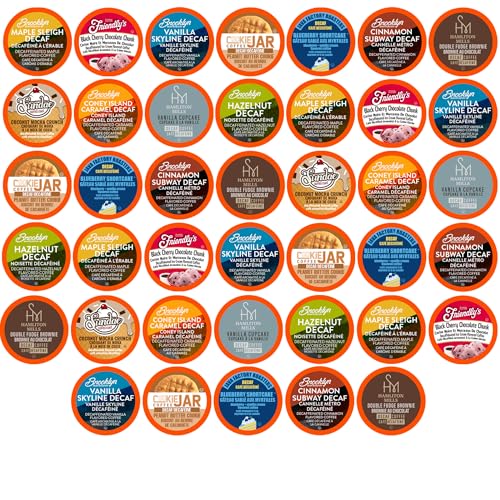
If you’re the type who likes a splash of flavor in your decaf, think vanilla, caramel, or hazelnut, this variety pack from Two Rivers is built for you. It’s not made by Keurig, but compatibility with 2.0 brewers is confirmed, and owners report solid performance across machines. The flavors are sweet and pronounced, which some reviewers love and others find artificial-tasting. That’s typical for flavored decafs, especially at this price point.
The big win here is variety. With 40 pods of assorted flavors, it’s a low-risk way to explore what you like without committing to full boxes. But because it’s a third-party brand, freshness can be hit or miss depending on the batch. Compared to Starbucks’ or Peet’s more focused profiles, this is more about fun than finesse.
Product photos
AmazonFresh Decaf Colombia Medium Roast

Strengths
- Balanced body
- Smooth finish
- Large pod count
Trade-offs
- Unremarkable aroma
- Lacks complexity
AmazonFresh’s Decaf Colombia roast is a solid, no-surprise medium roast that performs well for daily use. It’s made from 100% Arabica beans and roasted in the USA, which some buyers prefer for freshness control. The body is balanced and full, with a smooth finish that avoids bitterness, a trait owners highlight repeatedly.
At 80 pods, it hits a sweet spot between value and variety. While it doesn’t have the distinctive notes of Starbucks or the ethical branding of Peet’s, it’s reliable and consistent. Compared to Happy Belly, this one tastes more refined and less generic. It’s the kind of coffee you can serve to guests without apology.
Product photos




How We Tested decaf coffee for keurig
As the founder of Bean Thusiast, I approach coffee selection with a focus on bean quality, roast profile, and overall flavor – even when it comes to decaf. Rather than a hands-on lab test, this was a research-led comparison of specifications and owner feedback across numerous Keurig-compatible decaf options. I compared features like bean origin, roast level, and processing method, then weighed that against what owners are actually saying about taste and brew quality.
For decaf Keurig pods, consistent flavor and a smooth brew are paramount. I prioritized coffee made with 100% Arabica beans, as they generally deliver a more nuanced and pleasant taste than blends with Robusta. Roast level was also key; a well-executed roast can make or break a decaf pod, particularly in darker roasts where the decaffeination process can sometimes strip away flavor. Finally, I valued brands with clear sourcing information and a commitment to responsible practices.
Specifications reliably tell you about bean type and roast level, but owner reviews were crucial for gauging actual taste and how well the pods perform in various Keurig machines. Reputation matters too; established brands like Starbucks and Peet’s often maintain consistent quality. If you’re particularly sensitive to acidity, you might also want to explore low-acid decaf coffee options for a gentler brew.
Choosing The Right decaf coffee for keurig
Choosing the right decaf coffee for your Keurig can feel surprisingly complex. It’s not just about removing the caffeine; it’s about preserving the flavor you love.
A truly excellent decaf K-Cup prioritizes bean quality, employs a careful decaffeination process that minimizes flavor loss, and delivers a consistently satisfying brew. Look for 100% Arabica beans, water-processed decaffeination, and clear roast level indicators. Compatibility with your Keurig model is, of course, essential.
Roast Level & Flavor Preference
For many, the biggest factor is roast level. While you can find everything from light to dark roasts in decaf, the decaffeination process can alter the final flavor profile. Darker roasts tend to mask any subtle changes caused by decaffeination, making them a good starting point if you’re sensitive to how the process impacts the taste of decaf coffee flavor profile. Lighter roasts, like the Green Mountain Decaf Breakfast Blend, really showcase the bean’s inherent characteristics, so the quality of the bean and the decaffeination method become even more critical.
Decaffeination Method
The way caffeine is removed significantly impacts the final taste. There are several methods, but the gold standard is the Swiss Water Process. This uses only water to extract caffeine, preserving more of the bean’s original flavor compounds. Other methods, like those utilizing chemical solvents (methylene chloride or ethyl acetate), are considered safe by the FDA but can sometimes leave behind residual tastes. If you’re concerned about this, seeking out coffees specifically labeled as “Swiss Water Processed” is a good idea.
Here’s what to consider when looking at decaffeination: * Swiss Water Process: The most flavor-preserving, but often slightly more expensive. * Methylene Chloride/Ethyl Acetate: Common and approved, but some prefer to avoid these solvents. * CO2 Process: A newer method gaining popularity, offering a good balance of cost and flavor retention.
Don’t settle for decaf that tastes like a shadow of its caffeinated counterpart. A quality decaffeination process is key to a satisfying cup.
Value & Convenience
Keurig convenience comes at a price, and decaf pods are often more expensive than their regular caffeine counterparts. Don’t automatically assume the most expensive option is the best. Happy Belly offers a great entry point for those looking for affordable decaf K-Cup pods for Keurig, but if you want to explore a range of flavors and roasts without committing to full boxes, the Keurig Decaf Variety Pack is a smart choice. Ultimately, finding the sweet spot between price, quality, and your personal preferences is key, and reading reviews can help you find the best decaf Keurig pods.
Decaf Coffee for Keurig Compared
Here’s a comparison of the specifications for various decaf coffee options designed for Keurig brewers.
| Product Name | K-Cup Count | Roast Level | Arabica Beans | Flavor Notes | Kosher Certified |
|---|---|---|---|---|---|
| Starbucks Decaf House Blend | 40 | Medium | Yes | Toffee, Cocoa | N/A |
| Happy Belly Decaf Breakfast Blend | 100 | Medium | Yes | Nutty | N/A |
| Peet’s Decaf House Blend | 32 | Dark | Yes | Smooth, Sweet | N/A |
| Green Mountain Decaf Breakfast Blend | N/A | Light | Yes | Nutty, Balanced | Yes |
| McCafe Premium Roast Decaf | N/A | Medium | Yes | Rich Aroma, Smooth | Yes |
| Keurig Decaf Variety Pack | N/A | Medium | N/A | Various | Yes |
| Two Rivers Decaf Flavored Variety | N/A | N/A | N/A | Flavored (varies) | N/A |
| AmazonFresh Decaf Colombia | 80 | Medium | Yes | Smooth Finish | N/A |
Frequently Asked Questions
What decaffeination process is best for flavor?
The Swiss Water Process is generally considered the best, as it uses only water to remove caffeine, preserving more of the bean’s original flavor compounds. While other methods are safe, they can sometimes leave behind residual tastes that detract from the coffee’s quality.
Can I use any K-Cup in any Keurig machine?
Yes, but compatibility varies. Most standard K-Cups work with most Keurig brewers, but newer Keurig models may not be compatible with older K-Cup designs; check your machine’s manual for specific guidance on best decaf K-Cups.
Is decaf coffee really caffeine-free?
No, decaf coffee isn’t entirely caffeine-free. The FDA requires decaf coffee to have no more than 0.1% caffeine by weight, which translates to roughly 2-12mg per 8-ounce cup. This is a significant reduction, but a small amount of caffeine remains.
How does roast level affect decaf coffee’s taste?
Darker roasts can mask the subtle flavor changes that sometimes occur during decaffeination, making them a good choice if you’re sensitive to these alterations. Lighter roasts will showcase the bean’s inherent characteristics more, so the quality of the bean and the decaffeination process become even more critical.
Where can I find a variety of decaf options to try?
The Keurig Decaf Variety Pack is a great starting point for sampling different flavors and roasts without committing to larger quantities. If you’re looking for more information on decaf K-Cup brands, exploring different brands is a good way to discover your preferences.
The Bottom Line
Ultimately, choosing the “best” decaf coffee for your Keurig comes down to balancing convenience with flavor. If you want a consistently smooth and reliable cup without a lot of fuss, I recommend the Starbucks Decaf House Blend. It’s a solid all-around performer that’s widely available and delivers a familiar, comforting taste.
For those seeking specific solutions, the options are plentiful. If budget is a primary concern, the Happy Belly Decaf Breakfast Blend offers excellent value. And if you like to switch things up, the Keurig Decaf Variety Pack is a fantastic way to explore different roasts and profiles before committing to a larger purchase. If you’re particularly concerned about how the caffeine is removed, look for Swiss Water Process decaf options.
Don’t get too caught up in the details of K-Cup count or specific brewing technology. The most important factors are bean quality, roast level, and a decaffeination process that preserves flavor. A well-sourced, properly roasted 100% Arabica bean will always deliver a better cup, regardless of whether it’s brewed in a Keurig or with a pour-over.
