
8 Best Mold-Free Coffee Brands of 2026
Purity Coffee is the overall best choice for clean, contaminant-free coffee, backed by rigorous third-party testing and transparent sourcing. For a budget-friendly option, Lifeboost delivers verified mold-free beans at a lower price point, while Java Planet offers excellent versatility with its whole bean, low-acid profile and strong purity standards.
Many coffee drinkers don’t realize that mold and mycotoxins can lurk in poorly processed beans, potentially causing brain fog, digestive issues, or energy crashes, problems that shouldn’t come with your morning cup. As someone who’s spent years studying coffee quality and safety, I know that avoiding these contaminants means looking beyond labels like “organic” and focusing on actual testing and sourcing practices.
This guide cuts through the marketing noise. I compared top brands based on third-party lab results, owner feedback, and transparency in farming and roasting. These picks aren’t just clean, they deliver great flavor without compromise.
Top 8 Coffee Without Mold in the Market
The Best Coffee Without Mold, Reviewed
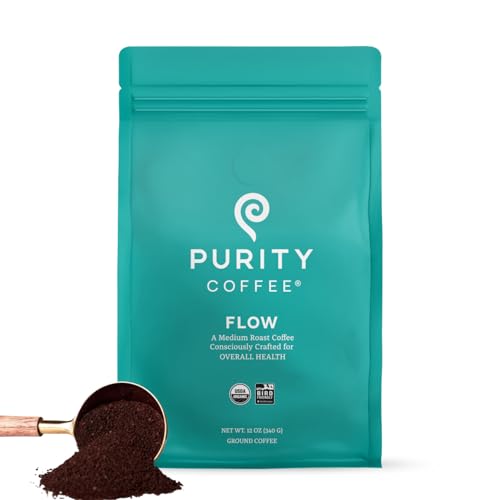
Purity Coffee FLOW Medium Roast Ground
Strengths
- USDA Organic
- Third-party tested
- Nitrogen flushed
Trade-offs
- Ground format limits grind flexibility
- Slightly higher price point
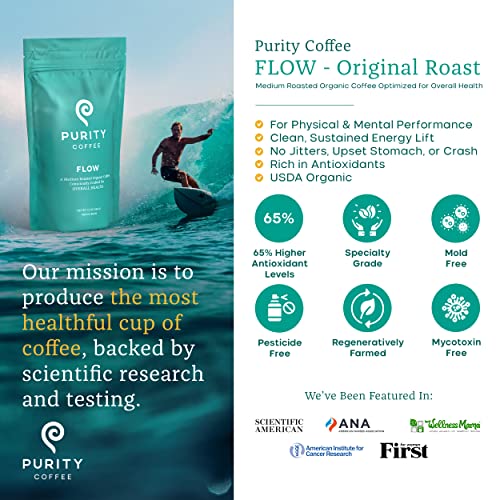
Purity Coffee’s FLOW ground blend stands out in the clean coffee space because it doesn’t just promise purity, it backs it with full transparency. On paper, this is one of the most rigorously vetted coffees available, third-party tested for mold, mycotoxins, pesticides, and heavy metals, which is critical for anyone prioritizing health without sacrificing quality. The fact that it’s nitrogen-flushed to lock in freshness means owners consistently report a vibrant cup, even weeks after roasting.
What impresses me most is how they control the entire chain, from regenerative farming to roasting. That level of oversight is rare and explains why reviewers often mention a clean finish and absence of stomach upset, common complaints with lower-grade beans. Compared to others in this category, Purity doesn’t just market to wellness seekers, it delivers a product that aligns with that intent.
Video review
Lifeboost Medium Roast Ground Coffee

Strengths
- Affordable
- Third-party tested
- Low acid
Trade-offs
- Ground format
- Packaging not nitrogen flushed
Lifeboost hits the sweet spot between affordability and purity, making it my pick for the best budget-friendly clean coffee. Don’t let the lower price fool you, this is USDA Organic, third-party tested for mycotoxins, pesticides, and heavy metals, and grown at high elevation in Central America, which naturally reduces mold risk. The ground medium roast is smooth, with a clean sweetness that owners consistently describe as “easy to drink” and stomach-friendly.
It’s not nitrogen-flushed like Purity, so freshness relies more on quick turnover, but most reviewers say it still tastes vibrant. Compared to Natural Force or Bulletproof, it offers similar testing rigor at a more accessible price. If you’re new to clean coffee or want to switch without a steep cost jump, Lifeboost delivers real value without cutting corners.
Video review
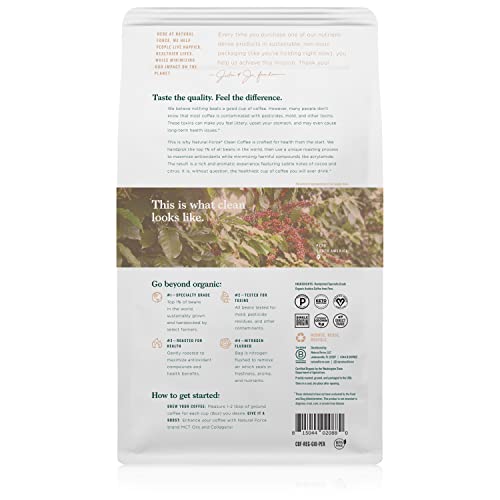
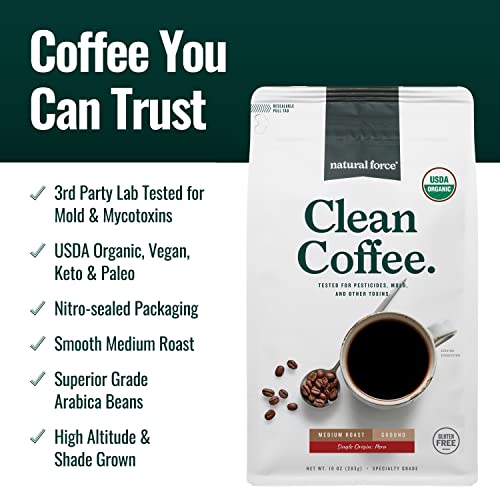
Natural Force Organic Mold-Free Coffee

Strengths
- Extensive lab testing
- High antioxidant content
- Diet-certified (keto, paleo, vegan)
Trade-offs
- Smaller bag size
- Premium cost
Natural Force doesn’t just claim to be clean, they invite scrutiny, openly sharing lab results for mold, mycotoxins, acrylamide, and heavy metals. That level of transparency is rare and earns trust, especially for people dealing with brain fog or digestive issues linked to mold exposure. The coffee is USDA Organic, keto and paleo certified, and roasted to preserve high chlorogenic acid levels, meaning it’s not just clean but also antioxidant-dense.
Owners report a smooth, aromatic cup with no bitterness, which is impressive for a ground medium roast. However, at 10 oz, it’s the smallest bag in this lineup, and the price per ounce reflects its niche positioning. When compared to Purity or Lifeboost, it’s more focused on therapeutic wellness use than everyday sipping. If your priority is maximum toxin avoidance and dietary alignment, this is one of the purest options available.
Product photos
Java Planet Guatemalan Low Acid Coffee
Strengths
- Shade-grown flavor
- Bird Friendly certified
- Whole bean freshness
Trade-offs
- No nitrogen flushing
- Limited flavor variety
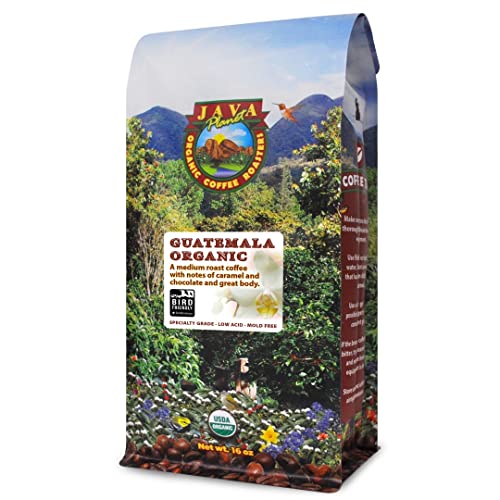
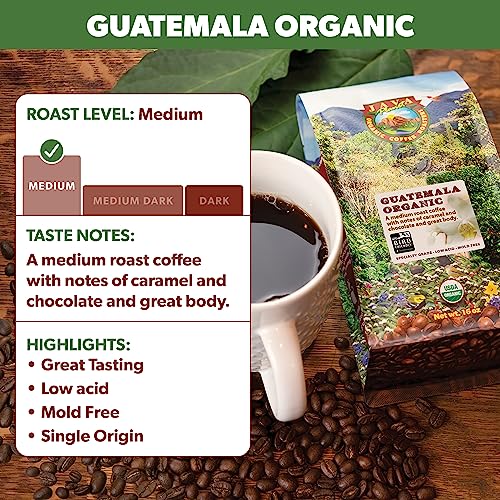
Java Planet’s Guatemalan whole bean coffee is a quiet overachiever in the low-acid space. It’s shade-grown under fruit trees, which owners say imparts subtle fruit and caramel notes, proof that gentle roasting and thoughtful sourcing pay off. As a USDA Organic and Smithsonian Bird Friendly certified coffee, it supports both health and habitat, which matters to environmentally conscious buyers.
The fact that they test for mold and heavy metals is a big plus, but they don’t share as much public data on specific mycotoxin levels as others. Still, the whole bean format ensures peak freshness when you grind it yourself, and it performs well across brewers, from drip to French press. Compared to Lifeboost, it’s slightly less marketed but just as reliable. For those who want a clean, earthy, full-flavored cup with ethical credentials, this is a solid long-term choice.
Product photos



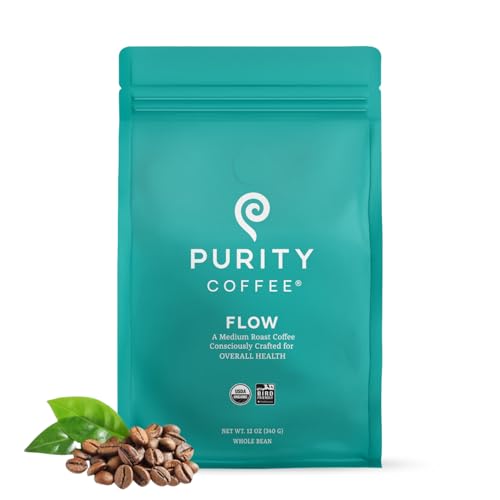
Purity Coffee FLOW Medium Roast Whole Bean
Strengths
- Whole bean freshness
- Full supply chain control
- Third-party contaminant tested
Trade-offs
- Premium price
- Not a bold roast
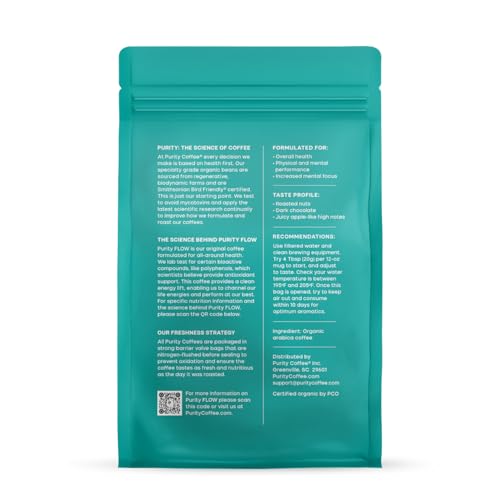
This whole bean version of Purity’s FLOW blend is, in my view, the smarter buy over the ground version for serious home brewers. You retain full control over grind size, which matters if you’re using a pour-over, AeroPress, or espresso machine. Everything that makes Purity stand out, third-party toxin testing, regenerative farming, Bird Friendly certification, applies here, but now with maximum freshness potential.
Owners who switch to this from conventional beans often mention fewer digestive issues and a cleaner energy lift. Antioxidant levels are optimized by design, not accident, which aligns with Purity’s health-first mission. When compared to Natural Force or Lifeboost, it’s more transparent about sourcing and environmental impact. If you’re building a wellness-focused morning ritual, this is the kind of coffee that supports it from seed to cup.
Product photos
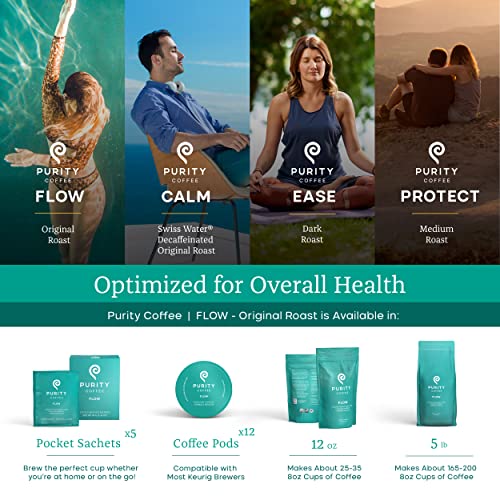
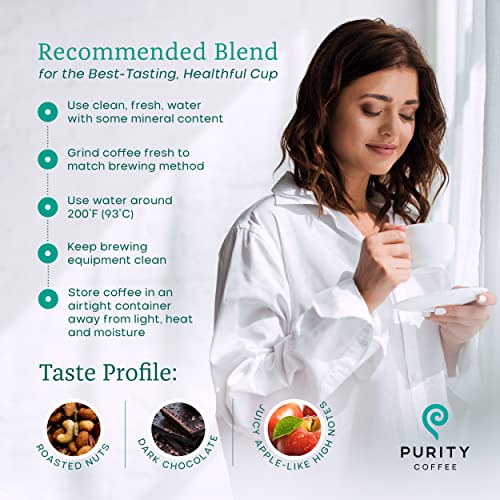
VitaCup Dark Roast Low Acid Coffee

Strengths
- Dark roast, low acid
- USDA Organic
- Single-origin quality
Trade-offs
- Ground only
- Smaller bag size
If you’re searching for a clean dark roast that doesn’t taste like burnt toast, VitaCup’s Guatemala single-origin dark roast is worth considering. Most low-acid coffees lean into medium roasts to preserve smoothness, but this one goes darker while staying gentle on the stomach, an achievement. The single-origin Arabica beans are grown at high altitude, which reviewers say translates into a surprisingly complex cup: deep chocolate notes with a clean finish.
Being USDA Organic and third-party tested adds legitimacy, though they don’t publish as much detail about their testing protocols as Purity or Natural Force. The ground format is convenient for drip machines and French press, but limits versatility. Still, for those who want a mold-free, low-acid dark roast without bitterness, this is one of the few that actually delivers on flavor and comfort.
Product photos

Fabula Peruvian Low Acid Coffee Beans
Strengths
- High altitude grown
- USDA Organic
- Lab tested for 350+ chemicals
Trade-offs
- Limited origin variety
- Packaging not nitrogen flushed
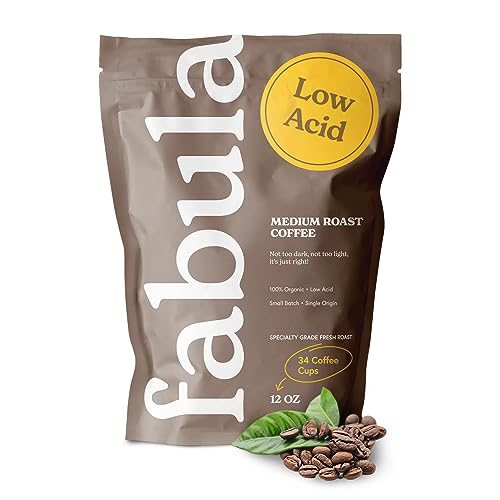
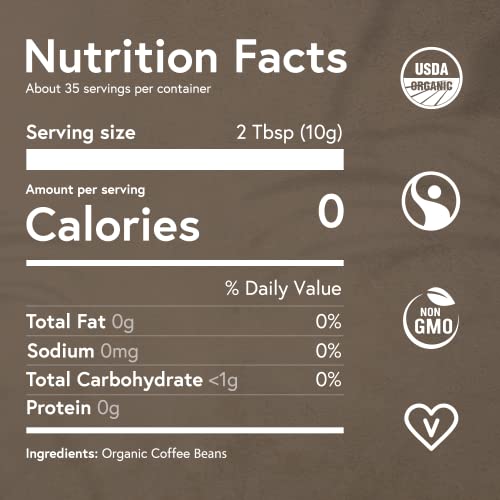
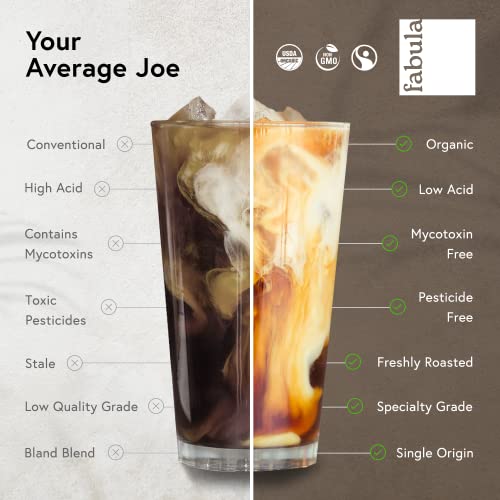
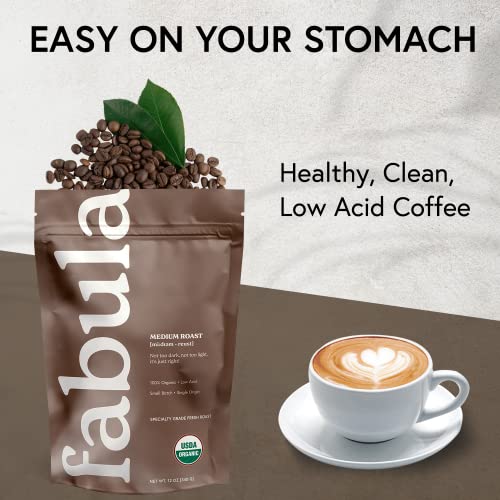
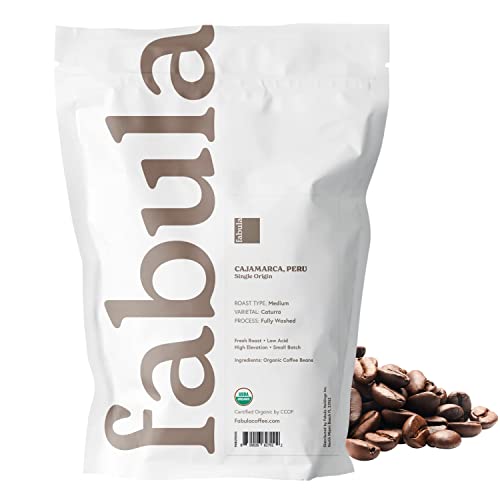
Fabula makes a strong case for altitude as a natural advantage in clean coffee production. Sourced from high-elevation farms in Peru, up to 7,000 feet, the beans develop slower, leading to richer sugars and more nuanced flavors, which owners confirm in reviews: notes of caramel, chocolate, and nuttiness come through clearly. As a low-acid, USDA Organic whole bean option, it’s tailored for people who’ve had stomach issues with regular coffee.
What seals the deal is their independent lab screening for over 350 chemicals. That’s more thorough than most brands advertise. While they don’t shout about B Corp status or regenerative farming like Purity, their focus on single-origin integrity and clean processing makes this a standout for flavor and safety. Compared to VitaCup or Java Planet, Fabula delivers a more aromatic, terroir-driven cup.
Product photos

Bulletproof Original Whole Bean Coffee

Strengths
- Whole bean freshness
- Smooth, balanced flavor
- Sustainably sourced
Trade-offs
- Less detailed public testing data
- Not USDA Organic
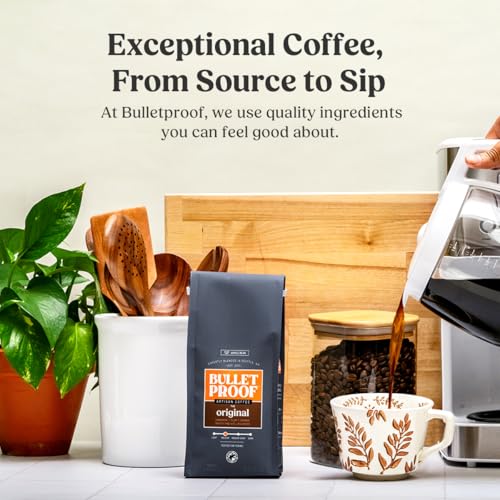
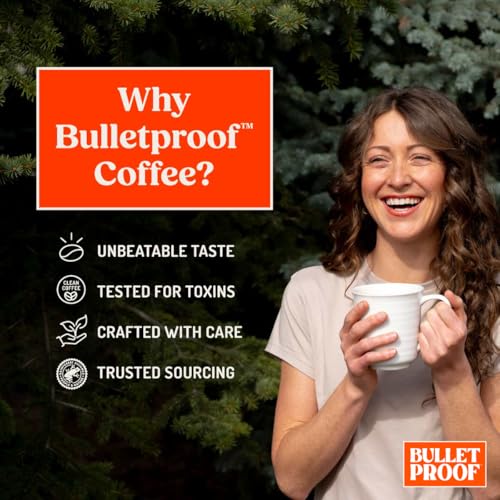
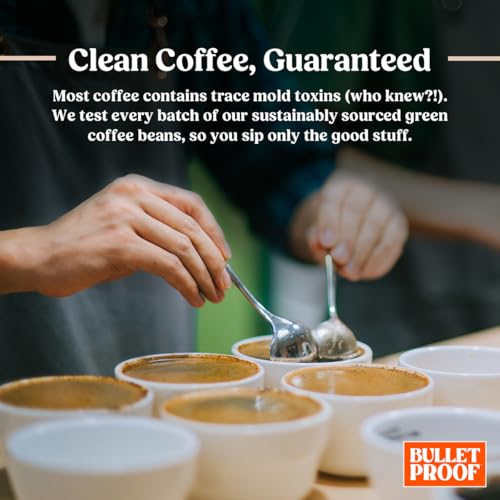
Bulletproof built its name on the idea of clean, high-performance coffee, and this Original Blend still holds up as a solid option for those chasing mental clarity and sustained energy. While it doesn’t advertise low acid or mold-free certification as aggressively as others, they do test every shipment for toxins, which gives it more credibility than standard grocery-store beans. The whole bean format is a win, letting you grind fresh for pour-over, French press, or espresso.
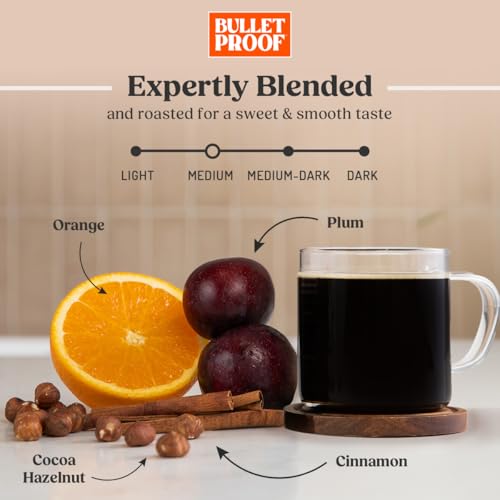
Flavor-wise, owners praise its balanced profile, plum, cinnamon, cocoa, with a hazelnut finish that’s more complex than average. But when stacked against Purity or Lifeboost, the testing transparency isn’t as detailed. If you’re sensitive to mold or have digestive concerns, this is cleaner than most, but not the cleanest. Still, for those wanting a familiar, approachable medium roast with a clean energy edge, it’s a reliable pick.
Product photos
How We Chose These coffee without mold
As a dedicated coffee enthusiast, I wanted to identify the best options for those seeking a cleaner cup. Rather than a hands-on lab test, this was a research-led comparison of published specifications and owner feedback across a range of brands claiming to offer mold-free coffee. I compared features, certifications, and sourcing information, alongside carefully weighing reviews from both everyday coffee drinkers and reputable coffee-focused publications.
For this category, I prioritized third-party testing and certification, along with sourcing transparency. Knowing where the beans come from and how they’re processed is crucial, as is independent verification of claims regarding the absence of contaminants. Flavor profiles are important, of course, but a truly “clean” coffee must first address potential health health concerns of moldy coffee.
Specifications reliably indicate organic certifications and altitude of growth (higher altitudes often correlating with denser, higher-quality beans). However, I relied heavily on owner feedback to assess the actual smoothness and lack of digestive upset, as well as to verify claims about freshness and taste. Reputable expert reviews helped validate assertions about roasting quality and the effectiveness of contaminant removal processes, and helped identify potential [causes of mold in coffee beans]. Ultimately, I looked for brands consistently praised for both purity and palatability, offering genuine [low-mold coffee options].
How To Choose The coffee without mold
Finding the right coffee involves more than just picking a roast level; it’s about understanding what truly makes a quality, healthful cup.
Specialty-grade coffee should be defect-free, organically grown, and ideally third-party tested for contaminants. Look beyond marketing claims and prioritize beans sourced from farms committed to sustainable practices. Consider roast level, grind size (if applicable), and whether the beans have been tested for mold, mycotoxins, and heavy metals to maximize both flavor and wellness.
Roast Level & Flavor Profile
Many people automatically reach for their usual roast, but exploring different levels can unlock a world of flavor. Light roasts retain more of the bean’s origin characteristics, offering brighter, fruitier notes. Medium roasts, like those found in many mold-free coffee brands, strike a balance between acidity and body, making them versatile for various brewing methods. Dark roasts develop bolder, more chocolatey flavors, but can sometimes mask the subtleties of the bean. Don’t be afraid to experiment – your ideal roast is a personal preference.
Testing & Purity Standards
The increasing awareness of potential contaminants in coffee means testing isn’t just a nice-to-have, it’s essential. While “organic” certification is a good start, it doesn’t guarantee freedom from mold or mycotoxins. Look for brands, such as Natural Force and Purity Coffee, that proactively submit their beans for rigorous third-party testing.
Here’s what to look for in a quality testing report: * Basic Organic Certification: Confirms adherence to organic farming standards. * Mycotoxin Testing: Shows the coffee is tested for potentially harmful mycotoxins like ochratoxin A. * Thorough Panel: A report detailing testing for over 300 contaminants (heavy metals, pesticides, etc.) offers the greatest assurance of purity.
A commitment to transparency in testing is a strong indicator of a brand that prioritizes your health.
Grind & Freshness
Even the best beans will fall flat if not ground properly or stored well. For maximum flavor, I always recommend grinding beans immediately before brewing. Whole bean coffee, like that offered by Java Planet, retains its aroma and flavor compounds far longer than pre-ground. If you’re using pre-ground, ensure it’s from a reputable roaster and stored in an airtight container. Remember this rule-of-thumb:
Coffee begins to lose its flavor within 15-30 minutes of grinding, so grind only what you need for each brew.
If you struggle with acid reflux, exploring low-acid coffee brewing methods can also improve your experience, as certain techniques can help mitigate acidity.
Coffee Without Mold Compared
Here’s a comparison of key specifications for coffees marketed as being free of mold and mycotoxins.
| Product Title | Roast Level | Form | Organic | 3rd Party Tested | Low Acid | Whole Bean |
|---|---|---|---|---|---|---|
| Purity Coffee FLOW Medium Roast Ground | Medium | Ground | Yes | Yes | N/A | No |
| Lifeboost Medium Roast Ground Coffee | Medium | Ground | Yes | Yes | Yes | No |
| Natural Force Organic Mold-Free Coffee | Medium | Ground | Yes | Yes | Yes | No |
| Java Planet Guatemalan Low Acid Coffee | N/A | Whole Bean | Yes | Yes | Yes | Yes |
| Purity Coffee FLOW Medium Roast Whole Bean | Medium | Whole Bean | Yes | Yes | N/A | Yes |
| VitaCup Dark Roast Low Acid Coffee | Dark | Ground | Yes | Yes | Yes | No |
| Fabula Peruvian Low Acid Coffee Beans | Medium | Whole Bean | Yes | Yes | Yes | Yes |
| Bulletproof Original Whole Bean Coffee | Medium | Whole Bean | N/A | Yes | N/A | Yes |
Frequently Asked Questions
What level of testing should I look for when buying coffee without mold?
A truly thorough test panel will analyze for over 300 contaminants, including heavy metals and pesticides, in addition to mycotoxins like ochratoxin A. While basic organic certification is a good starting point, it doesn’t guarantee a completely clean cup, so look for brands that go further.
Is dark roast coffee less likely to contain mold?
Generally, no. While the roasting process can reduce mycotoxin levels, it doesn’t eliminate them entirely and can sometimes create different compounds. Focusing on sourcing transparency and third-party testing is far more important than relying on roast level alone.
Can I re-test coffee at home for mold myself?
Unfortunately, accurate mycotoxin testing requires sophisticated laboratory equipment and expertise. At-home kits are available but often lack the sensitivity and precision of professional analysis, so I recommend trusting brands that provide publicly available test results.
What does “low acid” have to do with mold-free coffee?
Low acid coffee is often easier on the digestive system, which can be a concern for people sensitive to contaminants. While acidity isn’t directly related to mold, choosing a low-acid coffee brewing method alongside a verified mold-free brand can offer a more comfortable experience.
Where can I find more information on organic coffee without mold options?
I’ve compiled a detailed guide on my site outlining some of the top brands that prioritize both organic certification and rigorous testing for contaminants. This guide goes into specifics regarding sourcing, roasting processes, and the types of tests each company conducts.
The Bottom Line
Choosing a coffee without mold often comes down to balancing your desire for absolute purity with your budget and preferred brewing style. While several brands prioritize contaminant testing, Purity Coffee consistently rises to the top due to its thorough testing protocols and commitment to transparency – it’s a worthwhile investment if you’re deeply concerned about potential toxins in your cup.
For those seeking specific benefits, the options are plentiful. If you’re prioritizing affordability, Lifeboost Medium Roast Ground Coffee delivers organic, tested beans at a reasonable price. Those wanting a versatile, whole-bean option with a focus on low acidity should look to Java Planet Guatemalan Low Acid Coffee. And for readers wondering about pod-based systems, checking if Nespresso production quality control meets your standards is also a good idea.
Ultimately, remember that third-party testing and organic certification are excellent starting points, but sourcing and freshness matter just as much. Don’t get lost in the details of specific contaminant levels; focus on finding a brand that prioritizes quality beans, rigorous testing, and transparent practices, and then enjoy a cup brewed exactly to your liking.
