
8 Best Types of Coffee Beans 2026
The best overall coffee beans are Illy Classico Whole Bean for their consistent, smooth profile, with Amazon Fresh Just Bright as a top light roast pick and Peet’s Major Dickason’s Blend for those who prefer bold, dark coffee.
Choosing the right beans is where your coffee experience truly begins. So many people buy based on brand or price alone, only to end up with a flat, bitter, or dull cup. After years of studying coffee from origin to cup, I know that the real difference lies in understanding roast, origin, and bean type.
This guide cuts through the noise. I compared specs, owner feedback, and brewing performance to highlight beans that deliver real flavor and value. You’ll learn what actually matters when you’re standing in front of a wall of coffee bags, and how to find the one that matches your taste.
Top 8 Type Of Coffee Beans in the Market
The Best Type Of Coffee Beans, Reviewed
Illy Classico Whole Bean Coffee

Strengths
- Excellent aroma
- Pressurized can freshness
- Balanced sweetness
Trade-offs
- Small can size
- Higher price point
- Not bold or intense
Illy Classico doesn’t just aim to be good, it aims to be the reference point for what balanced, medium-roast Arabica should taste like. The 8.8-ounce pressurized can is a standout, designed to lock in freshness far better than a paper bag, and that matters for a coffee with delicate floral notes like orange blossom and jasmine. On paper, the roast is calibrated to highlight sweetness and harmony, not boldness, and owners confirm it delivers a smooth, aromatic cup that’s more about elegance than punch.
I’d pick this over flashier single-origins when I want consistency and refinement. It’s not the cheapest, but for a canned coffee, it sets a high bar. Compared to others in this list, it’s less about adventure and more about mastery of the basics. That’s why I call it the best overall, it’s the one I’d recommend to someone who just wants a truly excellent cup, no fuss.
Video review
Amazon Fresh Organic Peru Coffee

Strengths
- Certified organic
- Fair Trade verified
- Smooth finish
Trade-offs
- Mild flavor
- Uninspired aroma
- Not for dark roast fans
This Peruvian pick stands out not for drama in the cup, but for doing the basics right while checking ethical boxes. The USDA Organic and Fair Trade certifications matter to me as someone who values sustainable sourcing, and owners confirm it delivers a fragrant, smooth cup with a clean finish. It’s medium-roasted, which preserves just enough of the bean’s natural sweetness, and the 100% Arabica base keeps it free of the bitterness you’d get with Robusta blends.
I’d stack it against other budget-friendly organics and say it comes out ahead on balance. It won’t dazzle a seasoned taster looking for layered acidity, but it’s exactly what you want when you’re not chasing novelty, reliable, clean, and responsibly sourced. For most households, that’s more than enough.
Video review
Split Oak Coffee Variety Pack
Strengths
- Great variety
- Thoughtful packaging
- Ideal for gifting
Trade-offs
- Small bag sizes
- Short freshness window
- Not for daily drinkers
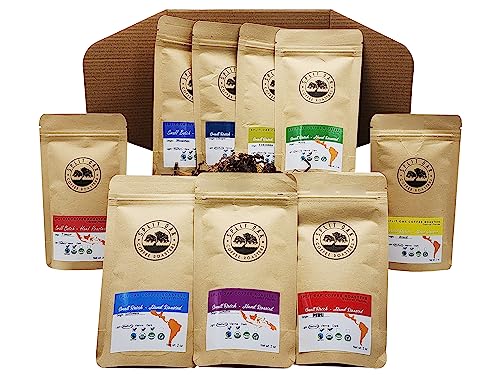
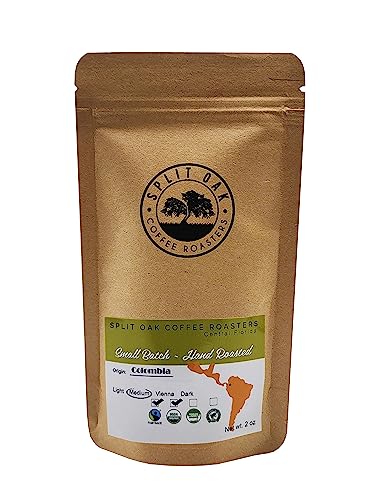
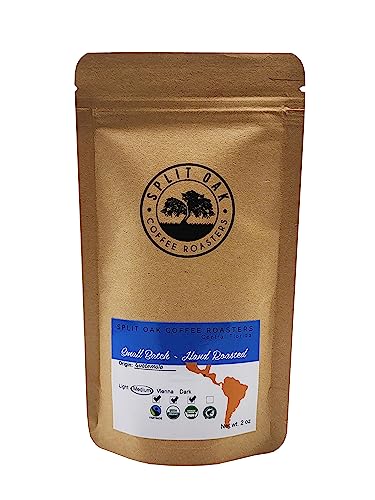
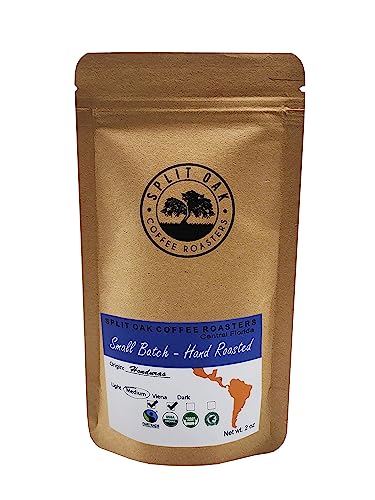
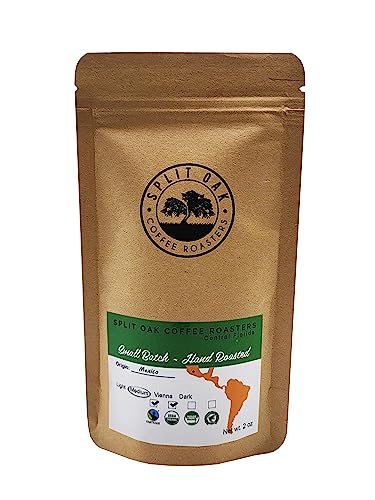
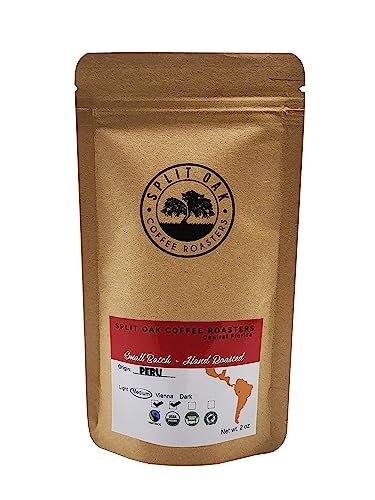
If you’re looking to explore how origin shapes flavor, this set delivers a solid global tour without requiring a plane ticket. The 9 small-batch 2oz bags let you sample distinct profiles, from the earthy depth of Sumatra to the bright fruitiness of Ethiopian beans, all roasted to a medium level that preserves each region’s character. Owners consistently report it’s a hit with coffee-curious friends, and the sun-dried, raised-bed processing mentioned in the specs likely contributes to cleaner, more nuanced cups than you’d expect at this price.
For me, the real value here is discovery. It’s not about max freshness or volume, since the small bags may lose peak aroma fast once opened. But as a tasting kit to identify what you love, say, whether you lean toward Colombian brightness or Guatemalan chocolate notes, it outshines most single-bag options. I’d recommend grinding and brewing each within a few days of opening to get the full experience.
Product photos
Stumptown Holler Mountain Coffee
Strengths
- Bright citrus notes
- Organic and Direct Trade
- Versatile brew
Trade-offs
- Pricier than basics
- Acidity may not suit all
- Not for bold roast fans
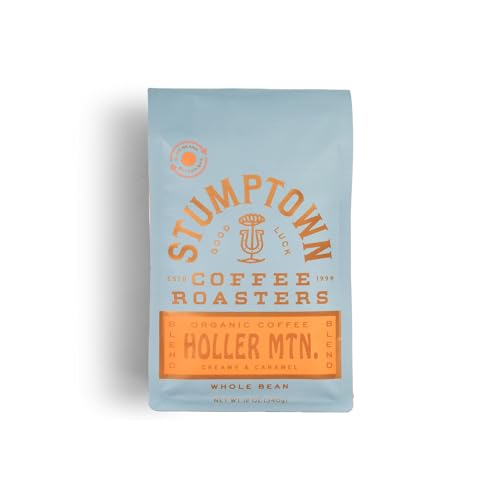
Holler Mountain stands out in a crowded field by offering both organic certification and a flavor profile that’s lively without being overwhelming. The citrus zest and berry jam notes suggest a careful roast that preserves acidity, while the caramel and hazelnut base gives it enough body to work as drip or espresso. The 12-ounce bag is manageable for home use, and the Direct Trade sourcing, where Stumptown pays premiums for quality and long-term grower relationships, adds real value for ethically minded drinkers.
I’d favor this over other organic options because it doesn’t taste like a compromise. Many organic coffees lean flat or earthy, but this one pops with brightness. Owners using it in pour overs report vibrant clarity, and it holds up well in milk-based drinks too. It’s not the cheapest, but for those who want ethics and flavor in one bag, it’s the smarter buy.
Product photos



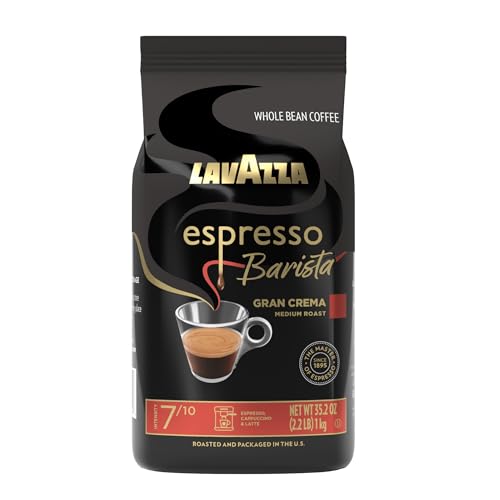
Lavazza Barista Gran Crema
Strengths
- High crema yield
- Large 2.2 lb bag
- Consistent shot performance
Trade-offs
- Contains Robusta
- Less nuanced flavor
- Overkill for drip
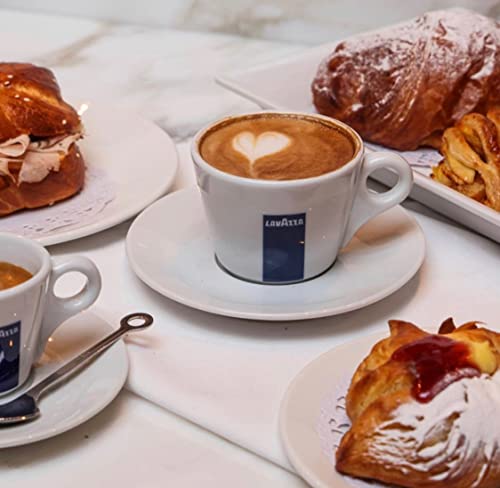
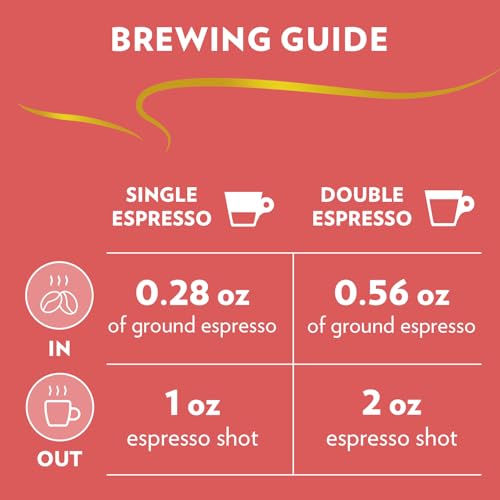
Lavazza’s Gran Crema is built for one job: pulling thick, syrupy shots with that classic Italian crema. The 2.2-pound bag screams ‘commercial use’ or ‘serious home barista’, and the blend of Arabica and Robusta is no accident, Robusta adds that caffeine kick and crema stability essential for espresso. The stated intensity of 7/10 feels accurate; it’s strong without being punishing, and the honey and roasted notes come through especially when milk is added.
Compared to 100% Arabica espressos, it trades some refinement for power and volume. But in this category, that’s often the point. Owners using it in super-automatics or manual machines report fewer hiccups and more consistent shots. If you’re running double espressos all morning, this is a workhorse.
Product photos

Amazon Fresh Just Bright Coffee

Strengths
- Large 32 oz bag
- Clean, crisp flavor
- Great pour over base
Trade-offs
- Mild origin character
- Not for bold taste
- May lack depth for some
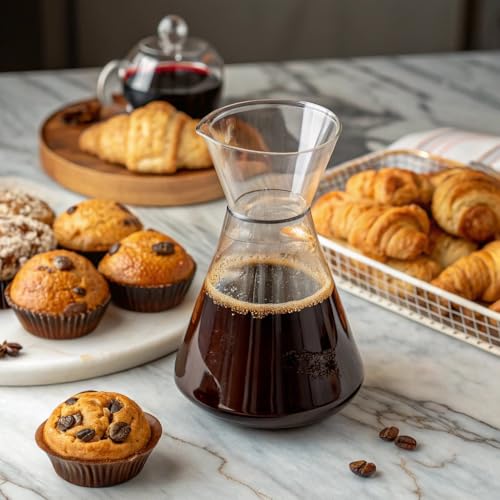
Just Bright lives up to its name, this is a light roast that emphasizes clarity and lift, with a crisp, clean flavor that avoids the grassy edge some cheap light roasts fall into. The 32-ounce bag is a standout for high-volume households or offices, and the 100% Arabica base from Central and South America suggests a blend aimed at balance, not wild experimentation. Reviewers note it brews especially well in pour over or Chemex, where the bright notes can shine without being muted by metal filters or pressure.
I’d compare it to other light roasts and say it hits a sweet spot: more character than supermarket basics, but without the steep price of boutique roasters. It won’t replicate a $20 single-origin, but for daily light roast drinkers, it’s a practical, flavorful choice. Just don’t expect intense fruit bombs, this is subtlety done right.
Product photos


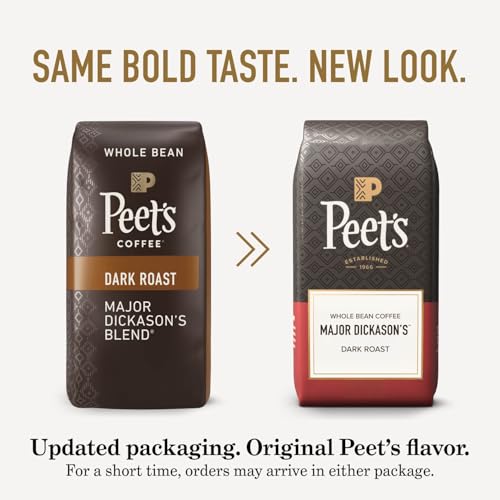
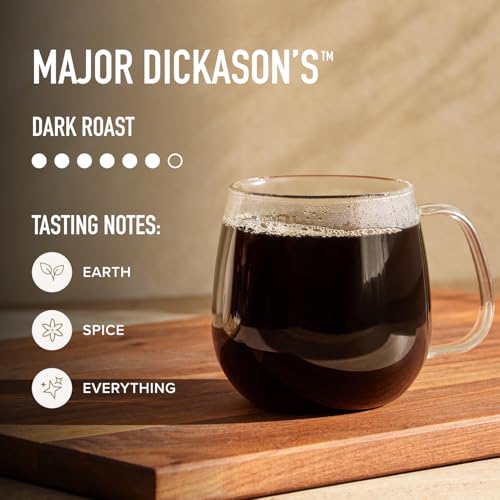
Peet’s Major Dickason’s Blend
Strengths
- Rich, full body
- Consistent dark roast
- Great cold brew base
Trade-offs
- Overpowers subtle notes
- Not origin-transparent
- Less acidity
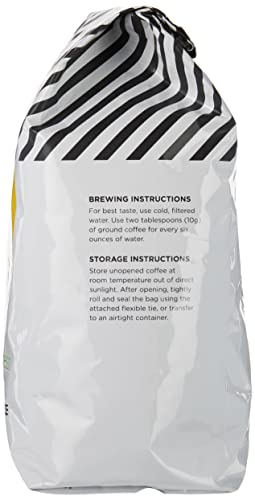
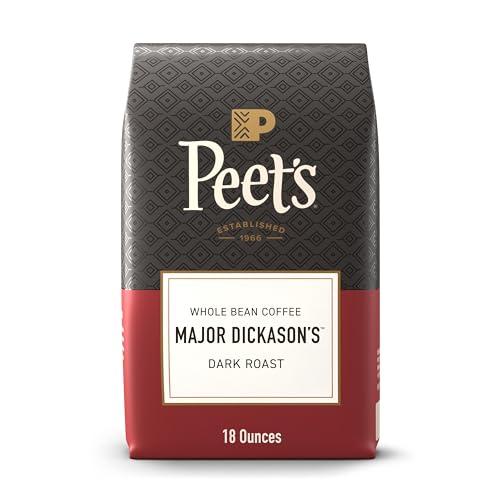
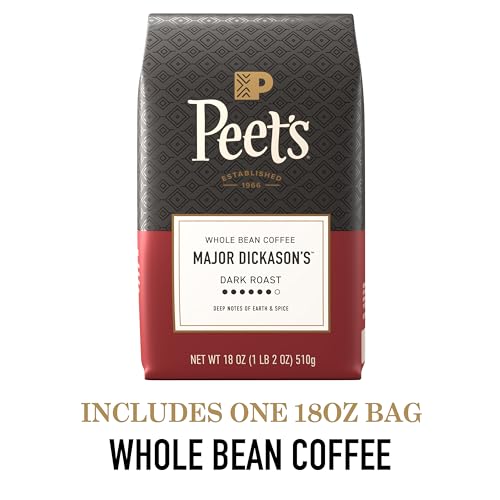
Major Dickason’s Blend is the kind of dark roast that reminds you why the style has loyal fans, it’s bold, smoky, and unapologetically full-bodied. The 18-ounce bag means you’re not constantly restocking, and the 100% Arabica base keeps it from tipping into the harshness that plagues cheaper dark roasts. Reviewers consistently praise its depth, especially when brewed as French press or cold brew, where the richness really spreads out.
I’ve seen this blend called ‘classic’ for a reason. It’s not chasing modern trends like fruit-forward naturals or light espressos. Instead, it delivers what Peet’s built its name on: deep, roasty complexity with a finish that lingers. If you like your coffee like armor plating, this is your blend. But if you savor delicate floral or citrus notes, look elsewhere.
Product photos
Amazon Fresh Nicaragua Coffee
Strengths
- Smooth chocolate notes
- Consistent roast
- Great value
Trade-offs
- Limited complexity
- Generic branding
- Not for bold flavor seekers
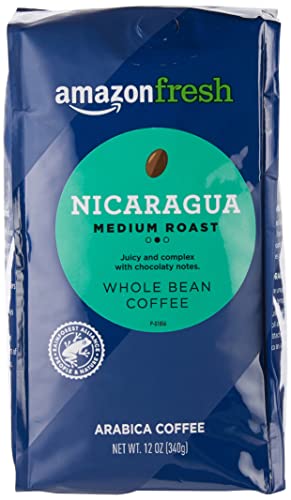
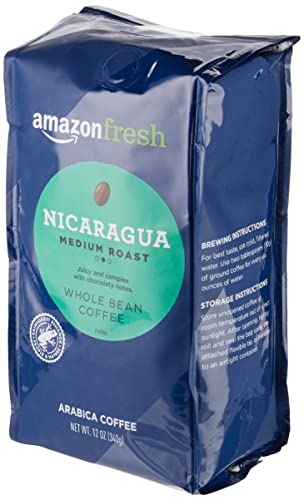
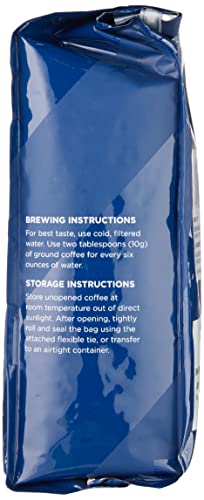
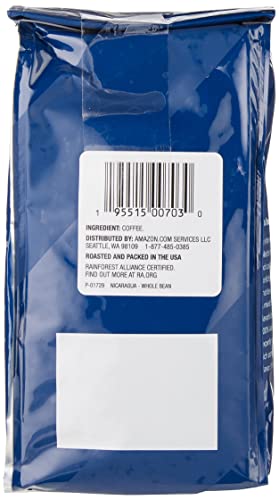
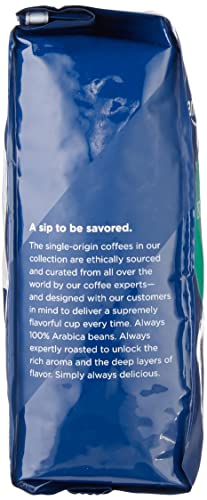
This Nicaraguan single-origin offers a quiet confidence that I appreciate, nothing flashy, but a clean, balanced cup with that subtle chocolate note shining through. On paper, it’s straightforward: 100% Arabica, medium-light roast, grown in one country. But that simplicity works in its favor. Reviewers note it brews well across methods, from drip to French press, and the roast level lets the bean’s natural sweetness come through without burying it in smoke or char.
Compared to flashier specialty roasts, it doesn’t scream for attention. But for someone who wants a reliable, no-fuss morning cup with a touch of origin character, it’s a smarter pick than many overpriced alternatives. It won’t replace a high-end micro-lot, but it holds its own in the mid-tier.
Product photos
How We Chose These type of coffee beans
As the founder of Bean Thusiast, I approach coffee with a focus on origin, processing, and ultimately, flavor. Rather than a hands-on lab test of each bean, my research for these recommendations involved a detailed comparison of published specifications – roast level, origin, and processing methods – alongside a careful weighing of owner reviews and expert opinions from coffee publications. I applied years of experience understanding how these factors translate to the final cup, ranking options against criteria like flavor complexity, freshness, and value.
For this category, roast level and origin story were the most heavily weighted factors. A bean’s roast dramatically impacts its flavor profile, and understanding that preference (light, medium, dark) is crucial. Origin plays a huge role too; different regions impart distinct characteristics, and single-origin beans often showcase unique flavor nuances. Knowing the difference between Arabica vs Robusta beans is also key to understanding the overall quality and experience.
Specifications reliably reveal information about bean type (100% Arabica is generally a good indicator of quality) and roast date (freshness is paramount). However, I turned to owner feedback to gauge consistency of flavor and to understand the subtleties described in marketing materials. Reputable reviews helped validate claims about flavor notes and overall cup quality, offering a more holistic view than specs alone. Understanding the flavor differences in coffee beans is a matter of subjective experience, best gleaned from other coffee drinkers.
Choosing The Right type of coffee beans
As someone who’s spent years immersed in the world of coffee, I know selecting the right beans can feel overwhelming. There are countless origins, roasts, and blends, but finding your perfect cup doesn’t have to be a mystery.
Quality coffee beans deliver a complex aroma, balanced flavor profile, and consistent roast color. Buyers should prioritize 100% Arabica varieties, consider the roast level to match their preferred brewing method, and look for information regarding sourcing and freshness – ideally, beans roasted within the last few weeks.
Roast Level & Flavor Profile
The roast level dramatically impacts the final flavor. Many people assume darker roasts are stronger, but that’s actually about body and bitterness, not caffeine content. Lighter roasts, like the Amazon Fresh Just Bright Coffee, retain more of the bean’s origin characteristics, offering bright acidity and floral notes. Medium roasts strike a balance, while dark roasts, such as Peet’s Major Dickason’s Blend, showcase bold, smoky flavors. Don’t be afraid to experiment.
Origin & Bean Type
Arabica beans are generally considered higher quality than Robusta, offering a smoother, more aromatic experience. However, Robusta adds crema to espresso (like in Lavazza Barista Gran Crema) and provides a caffeine kick. Single-origin beans, like the Amazon Fresh Nicaragua Coffee, showcase the unique terroir of a specific region, while blends, such as Illy Classico Whole Bean Coffee, aim for consistency and balance.
- Consider your brewing method: Espresso benefits from a darker roast and often includes some Robusta.
- Explore different regions: Central and South American coffees often have chocolatey notes, while African coffees tend to be fruitier.
- Look for certifications: Fair Trade and USDA Organic certifications indicate a commitment to ethical and sustainable practices, as seen in the Amazon Fresh Organic Peru Coffee.
A fresh bag of whole bean coffee, properly stored, is the most important factor. Don’t overspend on fancy origins if you’re starting with stale beans.
Value & Variety
Specialty coffee can be an investment. If you’re just starting to explore, a variety pack like the Split Oak Coffee Variety Pack is a great way to sample different origins and roasts without committing to a large bag of something you might not love. For everyday brewing, Amazon Fresh offers affordable options. Ultimately, finding the best coffee beans is a personal journey, and choosing the best coffee beans requires a bit of experimentation to discover what suits your palate. And if you want a more in-depth look at your options, check out our curated coffee bean guide.
Type of Coffee Beans Compared
Here’s a comparison of key specifications for different types of coffee beans to help you make an informed purchase.
| Product Name | Roast Level | Origin | Blend Type | Bag Size (oz) | Intensity (0-10) |
|---|---|---|---|---|---|
| Illy Classico Whole Bean | N/A | N/A | Single Origin | N/A | N/A |
| Amazon Fresh Organic Peru | Medium | Peru | Single Origin | 12 | N/A |
| Split Oak Coffee Variety Pack | Medium | Multiple | Blend | 18 (total) | N/A |
| Stumptown Holler Mountain | N/A | N/A | Single Origin | 12 | N/A |
| Lavazza Barista Gran Crema | Dark | N/A | Blend | 35.2 | 7 |
| Amazon Fresh Just Bright | Light | Central/S. Amer | Single Origin | 32 | N/A |
| Peet’s Major Dickason’s Blend | Dark | N/A | Blend | 18 | N/A |
| Amazon Fresh Nicaragua | Medium-Light | Nicaragua | Single Origin | 12 | N/A |
Frequently Asked Questions
What roast level is best for beginners?
Medium roast is generally best for beginners, as it offers a balanced flavor profile without being overly acidic or bitter. It’s versatile enough for most brewing methods and allows the bean’s inherent characteristics to shine through.
How should I store my coffee beans to keep them fresh?
Store whole bean coffee in an airtight container at room temperature, away from direct sunlight, heat, and moisture. Avoid refrigerating or freezing, as this can introduce unwanted flavors and degrade the beans’ quality.
Is it better to buy whole bean or pre-ground coffee?
Whole bean coffee is always preferable, because you preserve the volatile aromatic compounds that contribute to flavor. Grinding immediately before brewing delivers the freshest, most flavorful cup.
What does “single origin” really mean?
Single origin means the beans come from one specific farm, region, or cooperative, showcasing unique flavor characteristics tied to that terroir. These coffees often offer more nuanced and distinct flavor profiles compared to blends.
Where can I find information on ethically sourced coffee beans?
Look for certifications like Fair Trade or USDA Organic, and research brands committed to direct trade relationships with farmers. You can find more information on elite coffee beans by origin to ensure responsible sourcing.
The Bottom Line
Choosing coffee beans often comes down to balancing control over the flavor with the convenience of consistency. While endless options exist, the Illy Classico Whole Bean consistently earns high marks for its balanced profile and reliable quality, making it an excellent all-around choice for most coffee drinkers. It’s a great starting point for those wanting a premium experience without getting lost in the details.
For readers looking for something specific, we have some clear recommendations. If you’re on a budget, the Amazon Fresh Organic Peru Coffee delivers impressive value. Those wanting to explore a range of flavors should consider the Split Oak Coffee Variety Pack, and espresso lovers will appreciate the crema-rich Lavazza Barista Gran Crema.
Ultimately, the specs on the bag matter less than freshness and understanding your own preferences. Whether you lean towards the bright acidity of single-origin coffee benefits or the familiar comfort of a well-crafted blend, prioritize whole beans, a recent roast date, and a willingness to experiment. Finding your perfect cup is about the experience, not just the bean.
