
9 Best Tasting Dark Roast Coffees 2026
The best tasting dark roast coffee, based on flavor depth and consistency, is Black Rifle Freedom Fuel, with its smooth dark chocolate and walnut notes. For a budget-friendly option that still delivers bold flavor, Maxwell House Dark Silk stands out, while Stone Creek 3 Volcanoes offers the best versatility for those who prefer whole beans and a touch of brightness in a dark roast.
If you’ve ever been let down by a dark roast that tastes burnt or one-dimensional, you’re not alone. Many brands equate dark roasting with harshness, missing the balance of sweetness and complexity that makes a truly great cup.
In this guide, I break down the top dark roasts based on roast quality, flavor profile, and real-world feedback. These picks reflect a careful analysis of bean origin, roast precision, and how those factors shape the actual drinking experience.
Top 9 Tasting Dark Roast Coffee in the Market
The Best Tasting Dark Roast Coffee, Reviewed
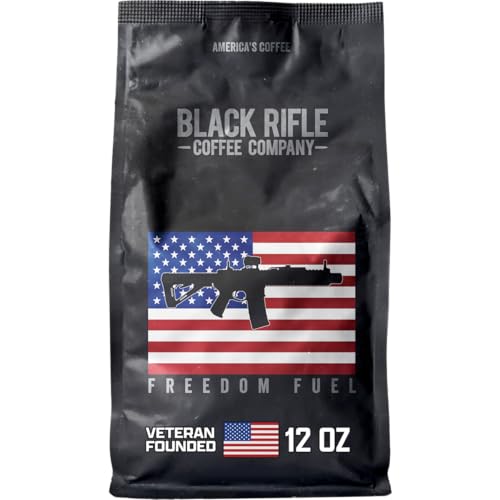
Black Rifle Freedom Fuel Dark Roast
Strengths
- Versatile grind
- Bold yet smooth
- Veteran-supported brand
Trade-offs
- Smaller bag
- Premium price
- Not organic
Freedom Fuel earns its “Best Overall” tag not just for flavor, but for delivering a complete package: bold taste, thoughtful sourcing, and grind versatility. The blend of Colombian and Brazilian Arabica beans produces a heavy-bodied cup with dark chocolate, walnut, and a whisper of anise, unusual but not overdone. Owners consistently highlight how it avoids bitterness, a common flaw in dark roasts pushed too far.
What sets it apart is its grind: medium consistency, making it one of the few pre-ground coffees that works well across methods, drip, French press, even pour-over. Compared to Starbucks or Peet’s ground options, it’s more adaptable and flavorful. And while the mission-driven angle (supporting veterans) isn’t a taste factor, it adds value for buyers who care about impact. I’d pick this as the daily driver for most dark roast fans.
Video review
Death Wish Organic Dark Roast

Strengths
- High caffeine
- Organic and Fair Trade
- Unique flavor blend
Trade-offs
- Robusta aftertaste
- Not for purists
- Overpowering for some
Death Wish isn’t just bold in flavor, it’s bold in composition. The blend of USDA Organic Arabica and robusta beans is the key to its intense profile and high caffeine punch. Reviewers consistently note its heavy, smooth body and low acidity, with tasting notes of baker’s chocolate and cherry that stand out in a field of one-dimensional dark roasts.
It’s not for everyone. The robusta content gives it a different character, more aggressive, more stimulating, than pure Arabica blends. Compared to Peet’s or Starbucks, it’s less about elegance and more about impact. But if you want a dark roast that’s both strong and complex, with ethical certifications to match, this delivers. I’d pick it over others when you need flavor and fuel in one cup.
Video review
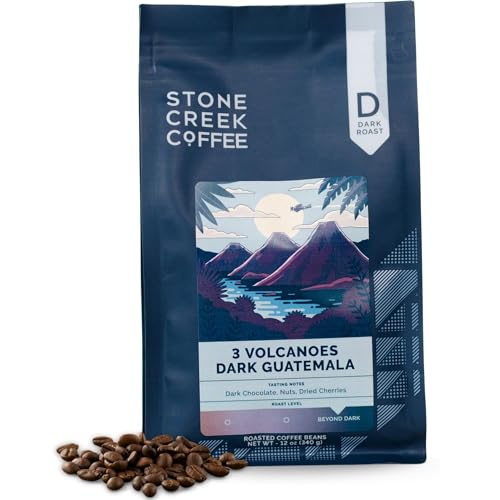
Stone Creek 3 Volcanoes Dark Roast
Strengths
- Smooth finish
- Balanced acidity
- Whole bean freshness
Trade-offs
- Smaller bag size
- Higher price point
- Limited availability
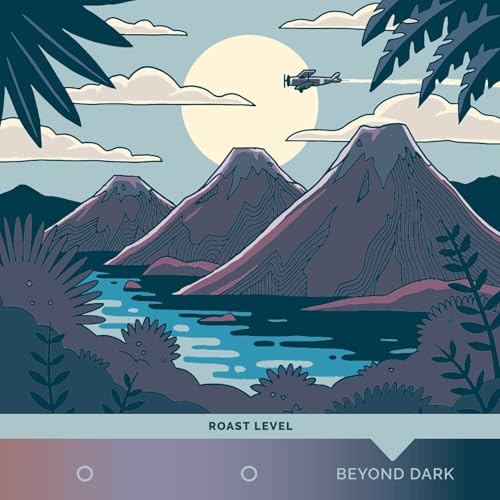
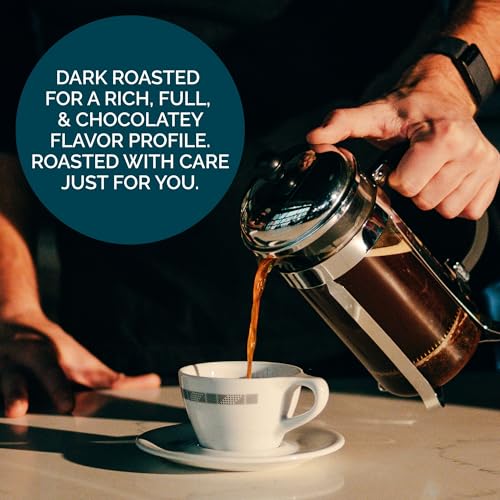
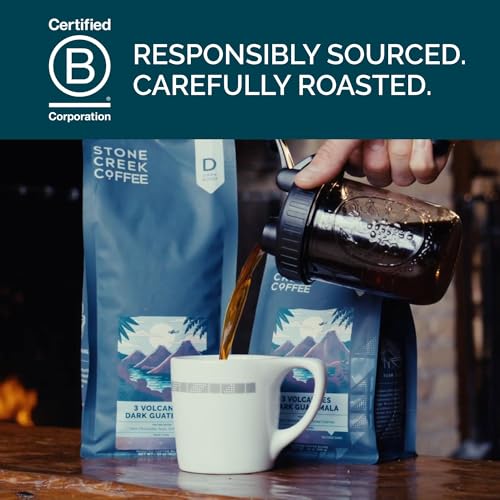
If you’re after a dark roast that surprises with balance rather than brute force, Stone Creek’s 3 Volcanoes Dark Guatemala stands out. The whole beans are roasted to preserve a touch of acidity, which is rare in this category and gives the cup a dynamic edge. Owners praise its smooth finish and the way dark chocolate and citrus notes coexist, rich without being cloying, bold without biting back.
This is a coffee that appeals beyond typical dark roast drinkers. Light roast fans who usually avoid charred profiles have noted they can enjoy this one, thanks to its layered complexity and origin-driven character. Compared to pre-ground options like Peet’s or Maxwell House, it offers more control and freshness, especially if you’re grinding for French press or pour-over. My recommendation? This is the smarter buy if you value nuance and a clean finish in a dark roast.
Product photos
Starbucks Italian Roast Ground Coffee

Strengths
- Consistent roast
- Wide availability
- Multi-method grind
Trade-offs
- One-note profile
- Pre-ground staleness risk
- Slightly bitter finish
Starbucks Italian Roast is the definition of consistency. If you’ve had it in their cafes, the bag delivers the same heavily roasted profile, dark cocoa, toasted marshmallow, and a smoky finish that lingers. It’s a no-surprises brew, which is both its strength and limitation.
Owners report it’s reliable across drip machines and French presses, and the grind is optimized for multiple methods. Compared to Peet’s or BRCC, it’s less nuanced but more widely accessible. The ethical sourcing commitment (via Conservation International) adds credibility, though the flavor leans one-dimensional next to specialty roasters. I’d recommend this for those who want a familiar, café-style dark roast at home without hunting down niche brands.
Product photos



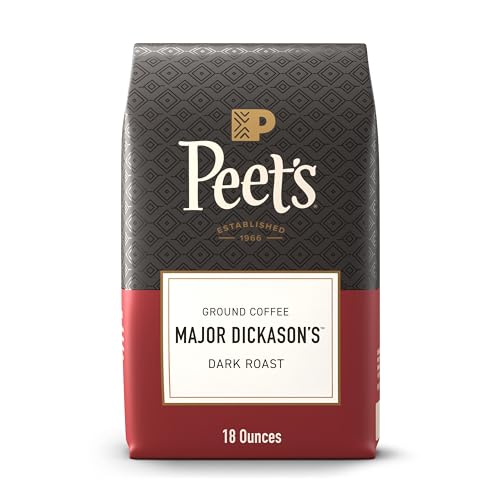
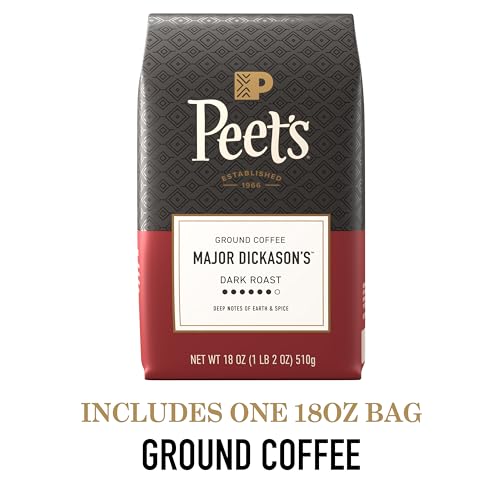
Peet’s Major Dickason’s Blend Ground
Strengths
- Full-bodied
- Rich flavor
- Trusted heritage
Trade-offs
- Limited nuance
- Pre-ground only
- Not for light roast fans
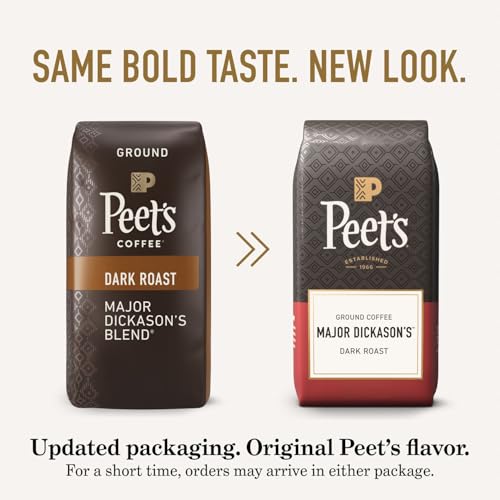
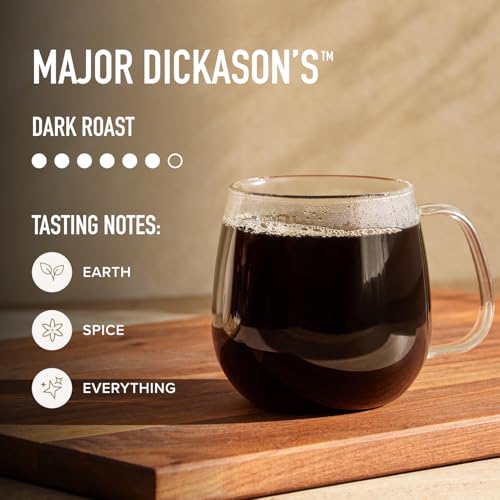
Peet’s Major Dickason’s Blend has earned its reputation as a benchmark for traditional dark roast coffee, and on paper, it lives up to the legacy. This is the kind of coffee that helped define American dark roasting, bold, full-bodied, and deeply aromatic, with a profile that leans into rich, smoky depth without tipping into harshness. Owners consistently report that it brews a consistent, satisfying cup, especially in drip or pour-over setups where its complexity can unfold.
It’s not flashy, and it doesn’t chase novelty. Instead, it delivers what dark roast purists want: substance, tradition, and a roast that respects the bean while amplifying its strength. Compared to trendier blends, it may seem straightforward, but that’s part of its appeal. For those who appreciate a no-nonsense, deeply roasted cup with decades of credibility behind it, this is a solid cornerstone choice.
Product photos
Black Rifle Tactisquatch Dark Roast
Strengths
- Unique flavor notes
- Fruity complexity
- Veteran-supported
Trade-offs
- Smaller size
- Niche taste
- Not for traditionalists
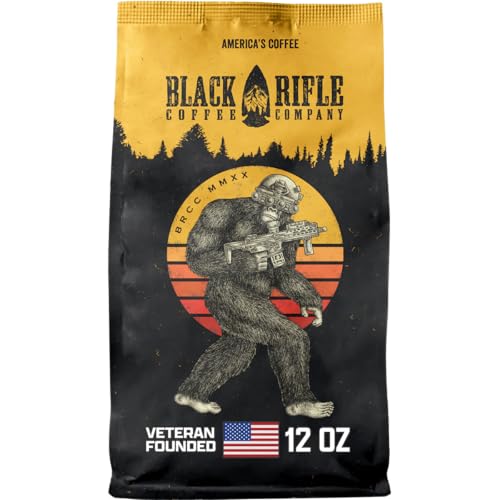
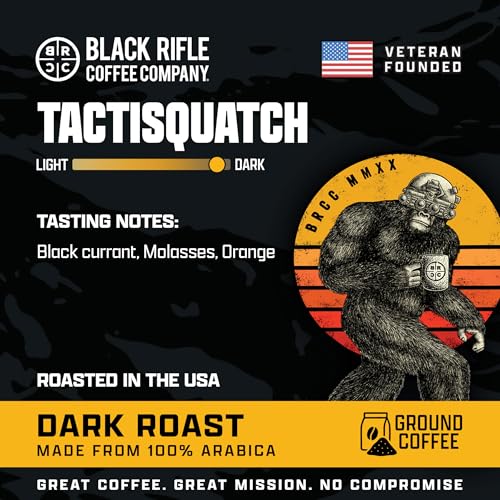
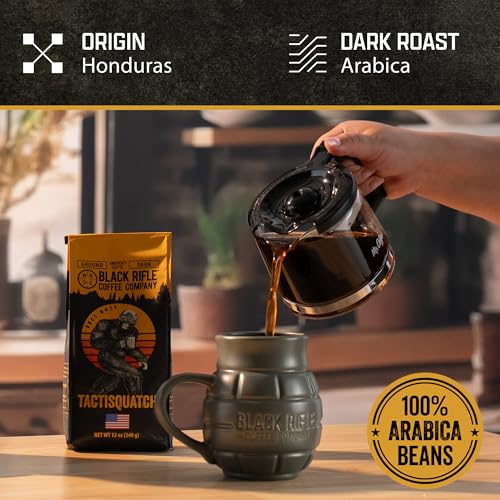
Tactisquatch is where BRCC leans into creativity, this roast brings black currant, molasses, and orange to the dark roast table, which is unexpected and refreshing. Most dark roasts mute fruit notes, but here they’re part of the core profile. Owners appreciate the balance: full-bodied and bold, yet layered with sweetness and brightness that lingers.
It’s not as intense as Freedom Fuel, but it’s more interesting. The Colombian and Brazilian Arabica blend gives it a smooth base, and the medium grind keeps it versatile. Compared to Starbucks or Peet’s, it offers more adventure in the cup. If you’re tired of the same smoky-chocolate script, this one’s worth a try. I’d recommend it for those who want a dark roast with personality.
Product photos


Maxwell House Dark Silk
Strengths
- Large quantity
- Low cost
- Consistent brew
Trade-offs
- Flat flavor
- Pre-ground stale risk
- No origin distinction
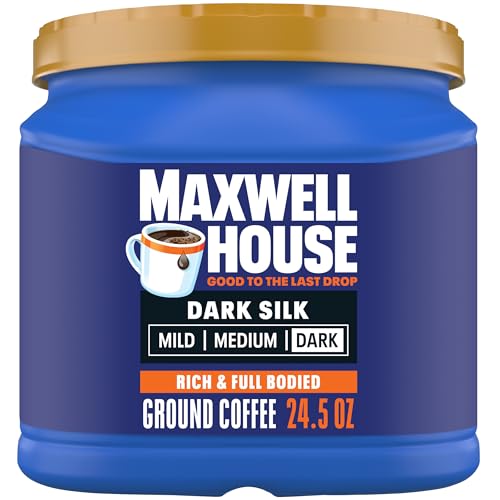
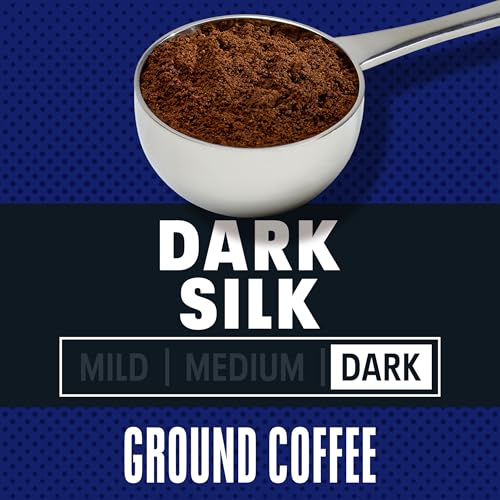
Maxwell House Dark Silk is the budget anchor in this lineup, affordable, widely available, and built for volume. It delivers a classic dark roast experience: full-bodied, consistent, and easy on the palate without surprises. The canister size is a clear advantage for households that go through coffee quickly or want a no-fuss daily brew.
That said, it doesn’t compete on complexity. Reviewers note it lacks the depth and finish of premium options like Peet’s or BRCC. It’s engineered for reliability, not revelation. Compared to specialty roasts, it’s flatter in flavor and often described as “safe” rather than exciting. But for someone who wants a dark roast that’s strong enough to wake them up but mild enough to drink all day, this gets the job done. My take? It’s not the best tasting, but it’s the best value if taste isn’t your top priority.
Product photos

Seattle’s Best Post Alley

Strengths
- Large 20 oz bag
- Smooth finish
- Low bitterness
Trade-offs
- Generic flavor
- Pre-ground only
- Limited complexity
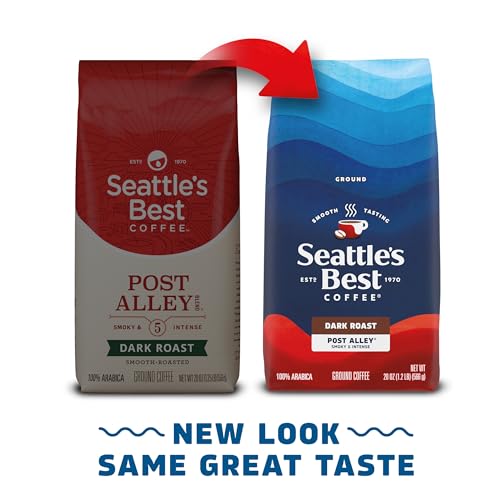
Seattle’s Best Post Alley positions itself as a smooth-roasted daily brew, and owner feedback confirms it delivers on that promise. The 20-ounce bag offers more volume than most specialty options, and the smooth-roasting process appears to minimize bitterness, a common complaint with dark roasts. The flavor is bold, smoky, and straightforward, with a clean finish that makes it easy to drink all day.
It’s not trying to impress connoisseurs. Compared to Stone Creek or BRCC, it lacks distinctive tasting notes or origin character. But for someone who wants a larger bag of dependable dark roast without the premium price, it hits a sweet spot. I see this as a step up from Maxwell House but below Peet’s or BRCC in depth. A quiet workhorse, not a showstopper.
Product photos

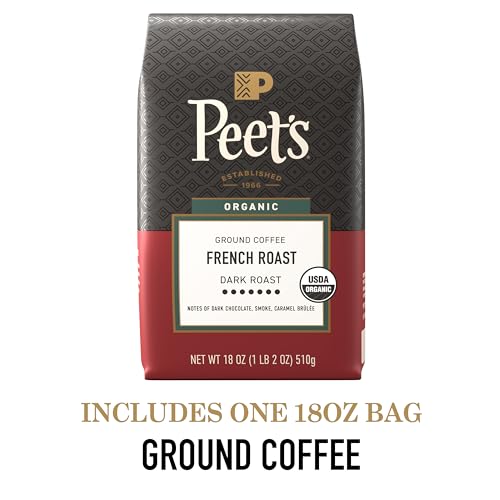
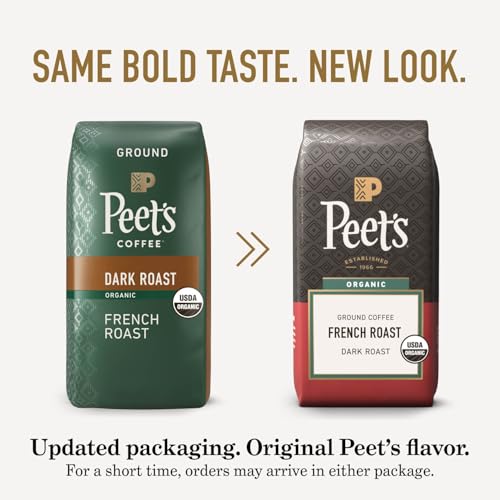
Peet’s Organic French Roast
Strengths
- USDA Organic
- Rich caramel notes
- Ethical sourcing
Trade-offs
- Pre-ground only
- Muted acidity
- Less bold than others
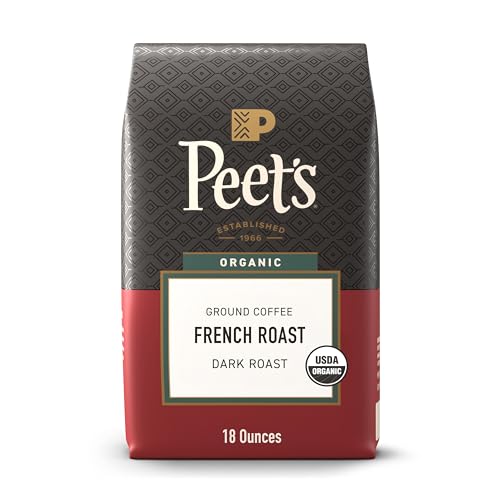
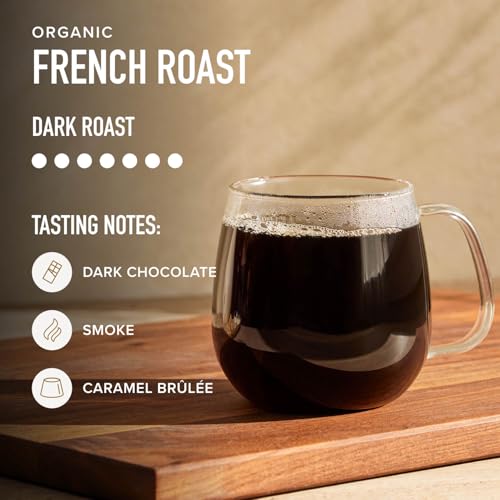
Peet’s Organic French Roast makes a strong case for certified organic dark coffee that doesn’t sacrifice flavor for ethics. On paper, it’s impressive, USDA Organic, 100% Arabica, and roasted with the same care as their classic blends. The flavor profile leans into smoke, caramel, and chocolate truffle, offering a deep, enveloping cup that’s less acidic than many dark roasts.
Owners consistently report it brews cleanly and avoids the ashy bitterness that plagues lesser organic options. Compared to Death Wish or Starbucks, it’s less aggressive in flavor, but that’s a plus if you want depth without intensity. While it doesn’t have the origin-specific flair of Stone Creek or BRCC, it’s a dependable middle ground, organic integrity with Peet’s signature roast mastery. I’d pick this over non-organic peers if clean sourcing is a priority.
Product photos
How We Picked These tasting dark roast coffee
As the founder of Bean Thusiast, I approached this guide by focusing on a research-led comparison of dark roast coffees. Rather than a hands-on lab test, I compared published specifications – roast level, bean origin, and processing methods – alongside a careful review of owner feedback from multiple sources. We also considered expert opinions from coffee review sites and publications, applying my years of experience with various brewing techniques and flavor profiles to rank each option.
For tasting dark roast coffees, a few factors stood out as most crucial. Boldness of flavor is paramount, of course, but a smooth boldness is key; bitterness can easily ruin a dark roast. Equally important is the complexity of the flavor profile – beyond just “dark” or “chocolatey”, we looked for nuanced notes and a satisfying finish. Finally, consistent roast quality, as indicated by owner reviews, was heavily weighted because an inconsistent experience is frustrating.
Specifications reliably tell you about bean origin and roast level, providing a baseline understanding. However, judging the experience of drinking the coffee required a deep explore owner feedback. Comments about smoothness, aftertaste, and the presence of undesirable flavors (like burnt notes) were particularly valuable. We also leaned on the reputations of established brands like Peet’s and Starbucks, and cross-referenced that with more recent brands like Black Rifle, to help guide our recommendations. If you’re looking for more broadly rated options, you can also find our top-rated beans for taste in another guide.
How To Choose The tasting dark roast coffee
Finding the right dark roast coffee is about more than just intensity; it’s about nuance and finding a flavor profile that truly satisfies.
A quality dark roast balances bold, smoky flavors with underlying sweetness and complexity. Look for coffees specifying bean origin (single-origin or blend), roast date (freshness is key), and a detailed tasting profile. Consistent quality relies on careful sourcing, precise roasting, and proper grind size for your chosen brewing method.
Roast Level & Flavor Development
The core of a dark roast isn’t simply “darkness”; it’s how that darkness is achieved. Many roasters aim for a French Roast or Italian Roast level, but the skill lies in stopping the process just before the beans become acrid or burnt. Cheaper options often prioritize color over flavor, resulting in a harsh, one-dimensional cup. Look beyond just the label and read descriptions – do they talk about chocolate, caramel, or simply “dark”? A truly skilled roaster will coax out sweet notes even at high roast levels. If you’re looking for even more options, check out our premium dark roast selections.
Bean Origin & Blend Composition
Arabica beans are generally preferred for their smoother, more aromatic profile, but robusta beans are often incorporated into dark roasts to add caffeine and body. A blend can offer the best of both worlds, and some blends are designed to create a very specific flavor profile. Single-origin dark roasts, however, can showcase the unique characteristics of a particular growing region. For example, a Sumatran dark roast will have earthy, herbal notes, while a Guatemalan dark roast will lean towards chocolate and spice.
- A 100% Arabica dark roast will generally be smoother and more nuanced.
- A blend including Robusta will deliver a bigger caffeine kick and a thicker mouthfeel.
- Understanding the origin (e.g., Indonesian, Central American) provides clues about the expected flavor profile, helping you pinpoint your preferences – a Sumatran Mandheling will be very different from a Colombian Supremo, even when both are dark roasted.
Grind & Freshness Considerations
Dark roast coffees lose their freshness more quickly than lighter roasts because the roasting process weakens the cell structure of the bean. It’s crucial to buy from roasters who provide a roast date, not just a “best by” date. Whole bean coffee is always preferable, as you can grind it right before brewing for maximum flavor. If you opt for pre-ground, store it in an airtight container in a cool, dark place.
Don’t settle for stale coffee. Buy small batches, check the roast date, and grind just before brewing to unlock the full potential of your dark roast.
For convenience, many people prefer best dark roast K-Cups to ensure a consistent brew every time. If you’re looking for extensive insight into other options, you can find dark roast coffee reviews on our site.
Tasting Dark Roast Coffee Compared
Here’s a comparison of specifications for various dark roast coffees to help you choose the right blend.
| Product Name | Roast Level | Flavor Profile Highlights | Bean Type | Grind | Size (oz) |
|---|---|---|---|---|---|
| Black Rifle Freedom Fuel | Dark | Dark Chocolate, Roasted Walnut | Arabica | Pre-Ground | N/A |
| Death Wish Organic | Dark | Baker’s Chocolate, Cherry | Arabica/Robusta | Ground | 16 |
| Stone Creek 3 Volcanoes | Dark | Dark Chocolate, Citrus | Arabica | Whole Bean | N/A |
| Starbucks Italian Roast | Dark | Dark Cocoa, Toasted Marshmallow | Arabica | Ground | 18 |
| Peet’s Major Dickason’s Blend | Dark | Robust, Full-Bodied | Arabica | Ground | 18 |
| Black Rifle Tactisquatch | Dark | Black Currant, Molasses, Orange | Arabica | Ground | 12 |
| Maxwell House Dark Silk | Dark | Rich, Full-Bodied | N/A | Ground | 24.5 |
| Seattle’s Best Post Alley | Dark | Bold, Rich, Smoky | Arabica | Ground | 20 |
| Peet’s Organic French Roast | Dark | Chocolate Truffle, Smoke | Arabica | Ground | 18 |
Frequently Asked Questions
What’s the difference between French and Italian roast?
Italian roast is generally darker than French roast, resulting in a more intense, smoky flavor and thinner body. French roast still provides a dark, bold taste but usually retains a bit more of the bean’s original flavor characteristics.
Are dark roast coffees always more bitter?
Not necessarily. While dark roasts can be bitter if poorly executed, a quality dark roast should have a smooth, balanced flavor with chocolatey or caramel notes offsetting any potential bitterness. The skill of the roaster is key to avoiding harshness.
Can dark roast coffee be used for cold brew?
Yes, dark roast coffees work very well for cold brew, producing a smooth, low-acid concentrate. The longer brew time extracts the rich, chocolatey flavors without emphasizing bitterness, creating a delicious and bold cold brew.
Is robusta coffee always used in dark roasts?
Robusta is often added to dark roasts for added body and caffeine, but many excellent dark roasts are 100% Arabica. If you prefer a smoother cup, look for options specifically labeled as all-Arabica – you can find a selection of best pre-ground dark roast options.
How should I store my dark roast coffee to keep it fresh?
Store whole bean dark roast coffee in an airtight container, away from light, heat, and moisture. Because dark roasts lose their freshness faster, it’s best to buy smaller quantities more frequently and look for a clear roast date to ensure you’re getting the most flavorful cup.
The Bottom Line
Choosing a dark roast coffee often comes down to balancing control over the experience with convenience. While some prefer grinding their own beans for peak freshness, others prioritize ease of use. For the best overall experience, I recommend Peet’s Major Dickason’s Blend. It consistently receives high marks for its robust flavor and smooth finish, striking a great balance between boldness and complexity.
If you’re specifically seeking a budget-friendly option, Maxwell House Dark Silk offers a reliably dark and full-bodied cup. For those who want a versatile option and prefer to buy whole bean, Stone Creek 3 Volcanoes is a standout choice – you can find even more options among the best dark roast whole bean on our site. And if you want a caffeine boost, Death Wish Organic delivers, blending Arabica and Robusta beans for a powerful brew.
Ultimately, the “best” dark roast isn’t about a single feature or rating. It’s about finding a coffee that aligns with your palate and brewing setup. Freshness, bean quality, and a skillful roast are far more impactful than any specific origin or blend percentage. Prioritize those fundamentals, and you’ll consistently enjoy a satisfyingly bold cup.
