
3 Best Plumbed Coffee Makers of 2026
The Keurig K-3550 stands out as the best plumbed coffee maker for most people, combining speed and consistent brew quality with a reliable direct-water connection. For those on a tighter budget, the Keurig K-2550 delivers the same convenience at a lower price. If you’re after a traditional drip system with high throughput, the NUPANT 12-Cup is our top versatility pick.
Most people upgrading to a plumbed coffee maker are tired of refilling reservoirs and chasing consistency during high-demand moments. Whether it’s a busy office or a household that burns through coffee, the real need is reliability without sacrificing flavor.
As the founder of Bean Thusiast, I researched these models based on brewing performance, durability, and user feedback. This guide cuts through the noise to highlight what actually matters: steady water delivery, ease of maintenance, and long-term build quality.
Top 3 Plumbed Coffee Maker in the Market
The Best Plumbed Coffee Maker, Reviewed
Keurig K-2550 Medium Business Coffee Maker
Strengths
- Touch screen interface
- Brew over ice
- Flexible water options
- Wide beverage selection
- Compact footprint
Trade-offs
- No hot water button
- Pod dependency
- Higher long-term cost
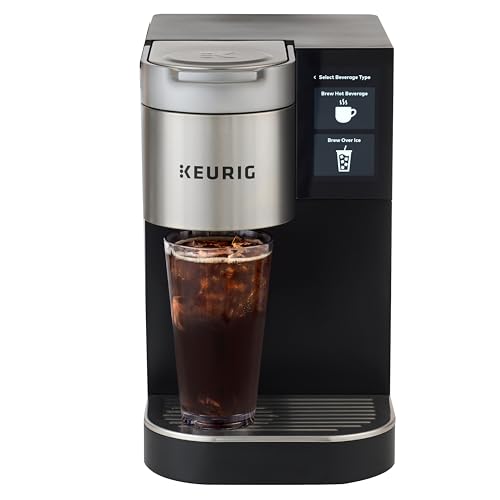
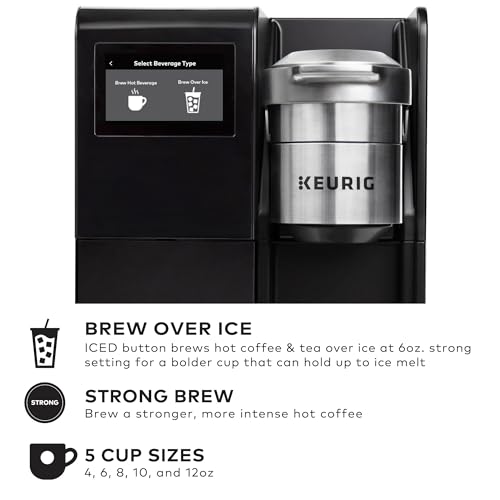
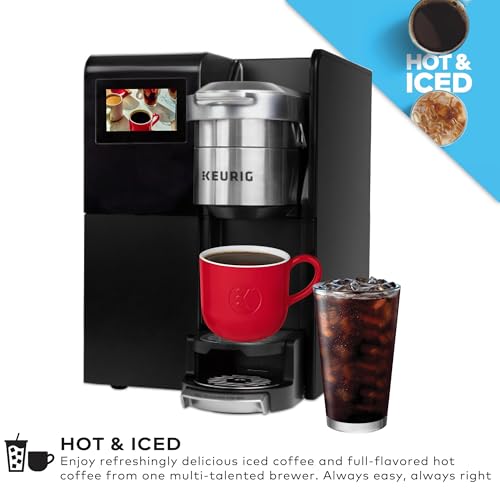
If you want plug-and-play convenience with a wide drink selection, the K-2550 makes a strong case. It’s plumbed for continuous use, but you can still opt for the 110 oz. reservoir if needed, this flexibility is rare and useful during moves or maintenance. The hi-res touch screen and one-minute brew time across five cup sizes make it intuitive for shared environments, and the ability to brew over ice is a real perk for iced coffee lovers.
It sits between home and commercial models, and while it lacks the dedicated hot water tap of the K-3550, it covers most needs with 150+ K-Cup options. Reviewers note it’s quieter than expected and holds up well under daily group use. Against the NUPANT, it wins on ease of use and drink variety, but loses on pure output volume and cost-per-cup efficiency.
Video review
NUPANT 12-Cup Auto-Fill Drip Coffee Maker
Strengths
- Large capacity
- Dual warming plates
- Auto water fill
- Stainless steel build
- Quick brew time
Trade-offs
- No auto-off
- Manual descaling needed
- Limited brew customization
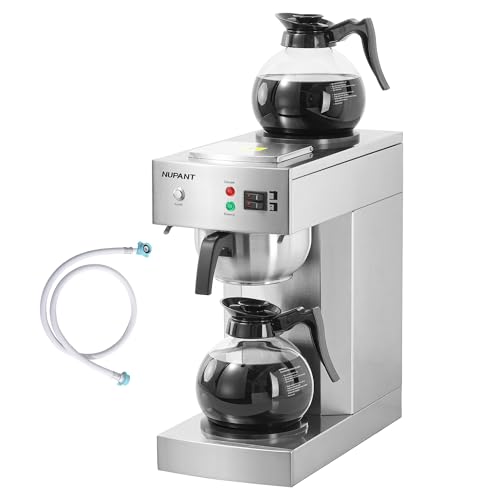
This is a no-nonsense workhorse built for environments where volume and uptime matter more than customization. The dual 12-cup glass carafes and separate warming plates mean you can keep one batch hot while brewing the next, which is a real advantage in busy offices or cafes. With a 1610W heating system, it pumps out 1.8 liters in about 7 minutes, and the auto-fill via direct water line eliminates the hassle of manual refills, a big plus for high-traffic setups.
Owners consistently report solid reliability, especially in commercial environments, though the lack of an auto-off function stands out as a missed safety and efficiency feature. Compared to pod-based systems like the Keurig K-3550, this NUPANT model delivers more traditional drip flavor, particularly if you’re using quality grounds, but it doesn’t offer the beverage variety or individual control those machines provide.
Video review
Keurig K-3550 Plumbed Single Serve Coffee Maker
Strengths
- Dedicated hot water
- Strong brew option
- Pod auto-eject
- Hi-res touch screen
- High altitude compatible
Trade-offs
- Expensive per cup
- Plastic build feel
- Pod waste issue
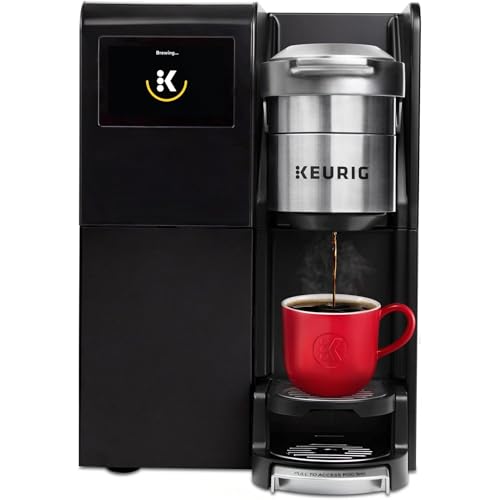
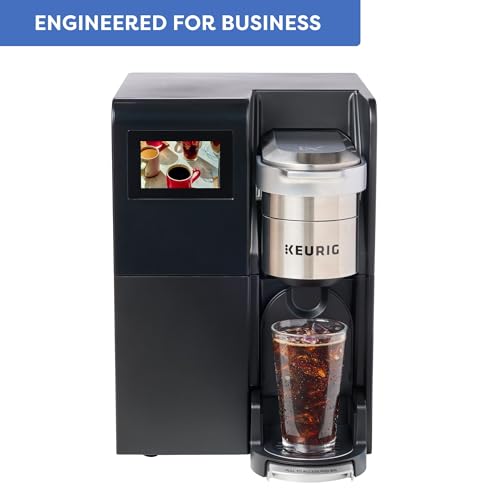
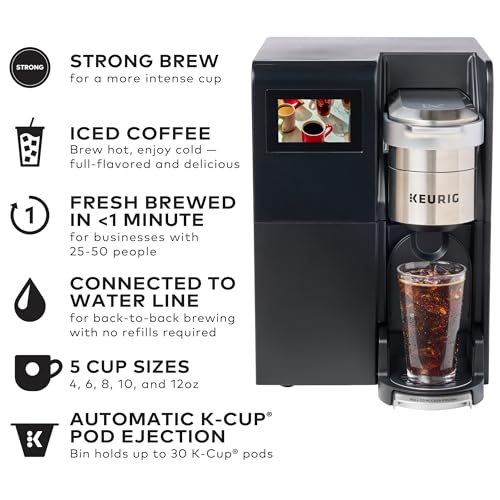
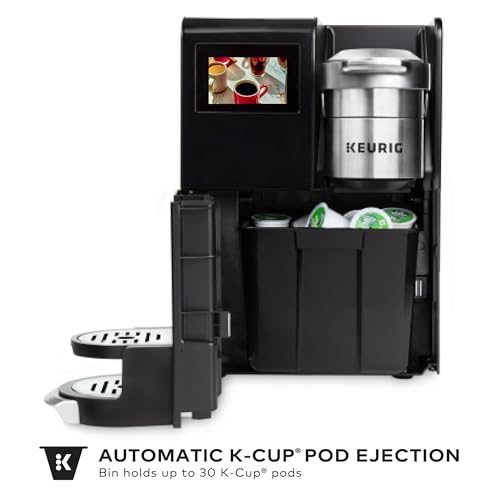
This is the top-tier pick for businesses that demand both volume and versatility. The dedicated hot water dispense is a standout for tea, cocoa, or instant meals, and the STRONG brew option adds real depth for coffee drinkers who want intensity. With over 225 K-Cup varieties available, the flavor range is unmatched in this category, and the pod auto-eject feature keeps things moving during rush hours.
The fully plumbed design means uninterrupted brewing, and the high-altitude setting ensures reliability even in mountain offices. Compared to the K-2550, it’s a more complete solution for large teams, and against the NUPANT, it offers far more personalization, though you trade in the rich, full-pot experience of drip. Owners praise its uptime and low service issues, but the pod reliance remains a cost and sustainability trade-off.
Product photos
How We Evaluated plumbed coffee maker
As the founder of Bean Thusiast, I approach coffee maker research with a focus on consistent quality and convenience. Rather than a hands-on lab test, my assessment here is research-led, comparing published specifications and features across models. I weighed owner reviews from multiple sources and reputable expert opinions to build a ranking based on what truly matters to users needing consistent, high-volume brewing.
For plumbed coffee makers, brewing speed and capacity were paramount. Businesses and heavy-use households simply need machines that can keep up with demand. Equally important was the reliability of the direct-plumbing system – a leaky or finicky connection defeats the purpose of convenience. Finally, ease of maintenance factored heavily, as downtime is costly.
Specifications reliably indicate brewing capacity, wattage (which correlates to speed), and the materials used in construction. However, I paid close attention to owner feedback regarding long-term durability and the actual consistency of brew temperature. Learning how to properly maintain a coffee maker is also essential; for example, a Bunn coffee maker cleaning guide can extend the life of your machine. Reputation also played a role, with brands known for commercial-grade equipment receiving extra consideration.
How To Pick The Right plumbed coffee maker
As someone who’s spent years exploring the world of coffee, I know that moving to a plumbed system is a significant step up for consistent, high-volume brewing. It’s about more than just convenience; it’s about quality and control.
A truly good plumbed coffee maker prioritizes consistent water temperature (within a degree or two), reliable flow rate control for proper saturation, and durable construction – particularly in components exposed to constant water flow. Look for stainless steel internal components and easily accessible parts for cleaning and maintenance. Consider the daily volume needed and choose a unit scaled appropriately.
Capacity and Throughput
First, be brutally honest about your needs. A small office with ten people has vastly different requirements than a busy restaurant. Don’t overspend on a massive commercial unit if you only need to brew a few pots a day. Consider not just the total capacity (how many cups can it hold), but also the throughput (how quickly can it brew successive pots). Some models, like the NUPANT 12-Cup, are geared toward rapidly serving larger groups. If you’re looking for something smaller, you might find a suitable plumbed coffee maker for home, offering convenience without the industrial scale.
Water Quality and Filtration
Plumbing directly into your water line is convenient, but it also means any impurities in your water will end up in your coffee. Don’t skip the filtration step. Many plumbed systems don’t include robust filtration, so I recommend adding an inline filter – a simple carbon filter can dramatically improve the taste. Consider the water hardness in your area; hard water leads to scale buildup, impacting performance and requiring more frequent descaling. Regular descaling, as recommended by manufacturers like NUPANT, is essential.
Control and Customization
While convenience is a major draw of plumbed systems, don’t sacrifice control. Look for models offering adjustable brew strength and temperature, if possible. The Keurig K-3550, for example, offers a “STRONG” brew option. Understanding the ideal coffee-to-water ratio is crucial for achieving the desired brew strength, regardless of the machine. Beyond that, consider features like multiple warming plates (like on the NUPANT) if you have varied preferences or a high turnover of coffee drinkers.
A consistent brew is a happy brew. Don’t settle for a machine that can’t consistently deliver water at the correct temperature and saturation.
Plumbed Coffee Maker Compared
Here’s a comparison of key specifications for plumbed coffee makers.
| Product | Capacity | Brew Time (Approx.) | Water Source | Cup Sizes | Power (Watts) |
|---|---|---|---|---|---|
| Keurig K-2550 | N/A | ~1 minute | Plumbed/Reservoir | 4, 6, 8, 10, 12 oz | N/A |
| NUPANT 12-Cup | 12 cups (1.8L) | 7 minutes | Plumbed | N/A | 1610 |
| Keurig K-3550 | N/A | ~1 minute | Plumbed | 4, 6, 8, 10, 12 oz | N/A |
Frequently Asked Questions
What’s the typical cost of installing a plumbed coffee maker?
Installation usually runs between $100 and $300, depending on your existing plumbing and if you hire a professional. The cost covers connecting to a water line, potentially adding a backflow preventer (required by some codes), and ensuring a secure, leak-proof connection.
Are plumbed coffee makers only for commercial use?
While common in businesses, some models like the NUPANT 12-Cup are perfectly suited for high-volume households. If you regularly brew large amounts of coffee – over ten cups daily – a plumbed system offers substantial convenience over constantly refilling a reservoir.
How often do I need to descale a plumbed coffee maker?
Descaling frequency depends on your water hardness, but generally, every 3-6 months is recommended. Hard water causes faster scale buildup, which impacts brew temperature and flavor. Regular descaling, as advised by brands like NUPANT, is vital for longevity.
Can I use a plumbed coffee maker with just a cold water line?
Yes, most plumbed coffee makers work with cold water lines. They have internal heating elements to bring the water to the optimal brewing temperature. However, using pre-heated water (if available) can slightly reduce brew time.
What are the advantages of a plumbed system over top automatic drip coffee makers?
A plumbed system eliminates the constant need to refill a water reservoir, saving time and ensuring a consistently available supply of coffee. It’s ideal for consistent, high-volume brewing where convenience is paramount, unlike many standard automatic drip systems.
The Bottom Line
Choosing the right plumbed coffee maker often comes down to balancing upfront investment with long-term convenience. While some models offer extensive customization, the NUPANT 12-Cup strikes a sweet spot for most users, delivering reliable performance and a substantial capacity without unnecessary frills. It’s a workhorse that prioritizes getting coffee brewed quickly and consistently.
For those on a tighter budget, or needing single-cup flexibility, the Keurig K-2550 is an excellent choice. Similarly, if you anticipate a high volume of varied drink preferences, the Keurig K-3550 offers the widest range of cup sizes and brew strengths. Regardless of the model you select, remember to routinely follow a proper coffee maker descaling process to ensure longevity.
Ultimately, the best plumbed coffee maker isn’t about the flashiest features or the highest price tag. It’s about consistent water temperature, reliable operation, and a commitment to regular maintenance. Prioritize a machine built with durable materials and easy access for cleaning, and you’ll enjoy good coffee for years to come.
