
8 Best Keto Sweeteners for Coffee 2026
The Lakanto Pure Monk Fruit Drops stand out as our top pick for the best keto sweetener for coffee, delivering a clean, sugar-like sweetness without aftertaste. For a budget-friendly option, the Whole Earth Stevia & Monk Fruit Packets offer solid performance and convenience. If you want something versatile for lattes, the Lakanto Simple Vanilla Syrup brings flavor and easy mixability.
Most keto sweeteners promise zero carbs but fall short on taste or texture. Many leave a bitter aftertaste or don’t dissolve well, ruining a good cup. After reviewing specs and owner feedback across dozens of products, I focused on flavor, digestibility, and how each blends into coffee.
This guide covers the top performers based on ingredient quality, taste reports, and real-world usability. I looked beyond marketing claims to find sweeteners that actually work in daily coffee routines.
Top 8 Keto Sweetener For Coffee in the Market
The Best Keto Sweetener For Coffee, Reviewed
Lakanto Pure Monk Fruit Drops

Strengths
- Neutral taste
- Precise dosing
- Erythritol-free
Trade-offs
- Slightly higher cost per drop
- Not ideal for large-batch recipes
This is the one I’d recommend first to someone new to keto sweeteners. The original flavor is clean, neutral, and highly controllable, just a few drops can sweeten a mug without altering the coffee’s character. Being erythritol-free is a big plus, since that ingredient often brings an icy aftertaste or digestive discomfort for some. On paper and in owner feedback, it delivers consistent performance across beverages and light baking.
It outshines the vanilla version when you want pure sweetness without flavor interference. Compared to other liquid drops, it holds its own in stability and shelf life, and the dropper offers precision that granulated forms can’t match. For versatility and simplicity, it’s tough to top.
Video review
Pyure Organic Vanilla Stevia Drops

Strengths
- Certified organic
- No erythritol
- Clean ingredient list
Trade-offs
- Potential licorice aftertaste
- Fewer flavor options
If organic certification is essential for you, this Pyure option stands out. It’s USDA Organic and Non-GMO Project Verified, which few in this category can claim, and owners note it mixes smoothly without bitterness. The vanilla is mild, not as pronounced as Lakanto’s version, so it sweetens without overwhelming, making it a middle ground between neutrality and flavor enhancement.
That said, stevia-based formulas can be hit-or-miss with aftertaste, and while most reviews say this one avoids the worst of it, a few still report a faint licorice note. Compared to monk fruit-dominant drops, it’s less universally palatable but earns points for purity and sourcing.
Video review
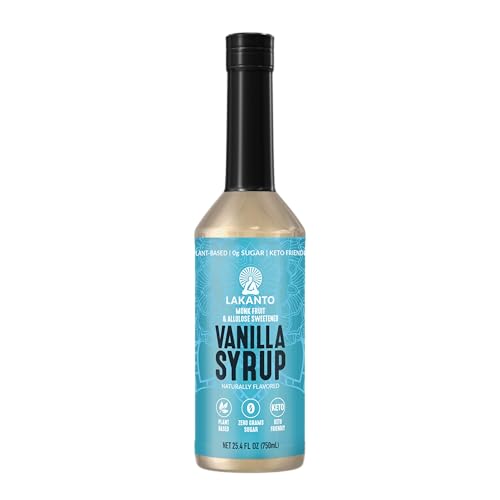
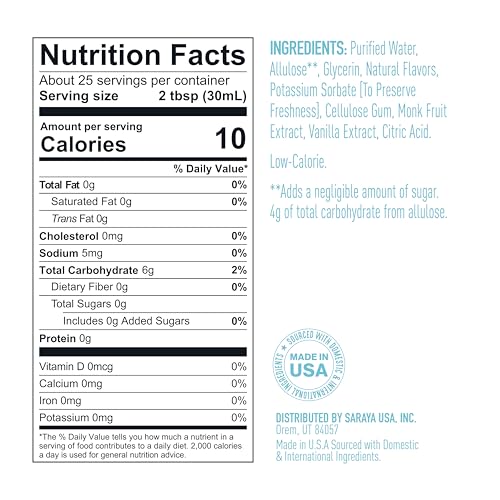
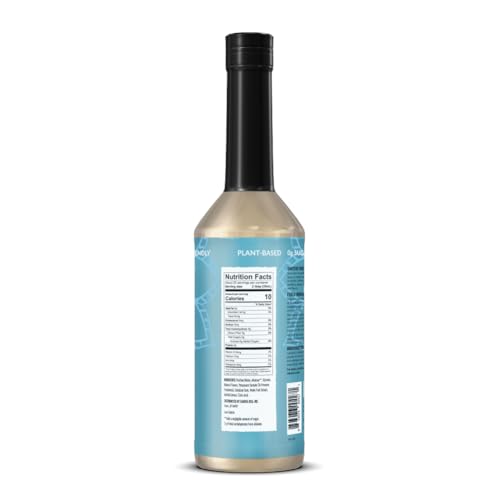
Lakanto Simple Vanilla Syrup
Strengths
- Cafe-quality texture
- Large volume
- Dissolves instantly
Trade-offs
- Overpowering in small doses
- High allulose content
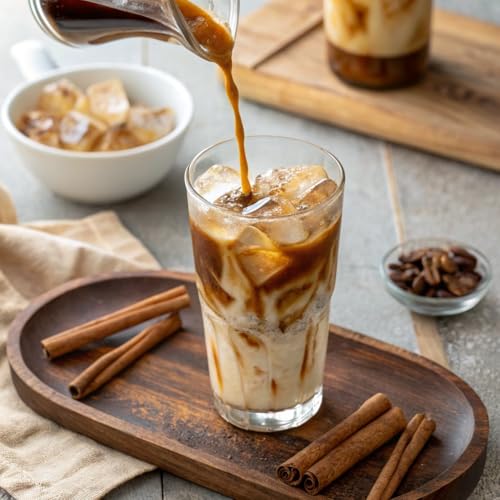
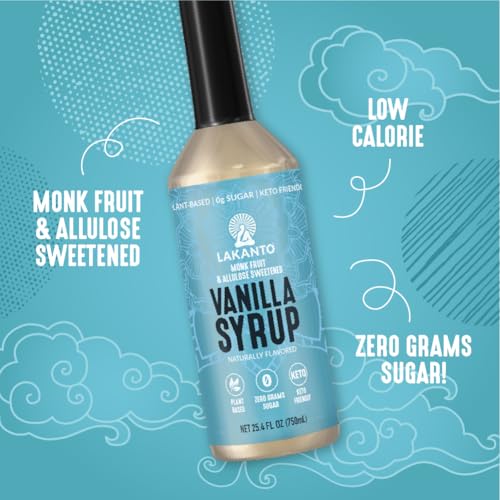
This syrup is built for people who treat their coffee like a café creation. With a 25.4 fl oz bottle, it’s clearly designed for frequent use, and the blend of monk fruit and allulose gives it a rich, syrupy body that mimics traditional simple syrup, owners love how it pours and mixes like the real deal. It’s especially effective in iced coffee or cocktails, where texture matters.
But it’s not subtle. If you’re just looking to take the edge off bitterness, this will dominate your cup. Compared to liquid drops, it’s overkill for light sweetening but shines when you’re crafting flavored drinks from scratch. Just be mindful of portion size, it’s easy to overpour.
Product photos

ChocZero Sugar Free Vanilla Syrup

Strengths
- No sugar alcohols
- Includes prebiotic fiber
- Affordable for volume
Trade-offs
- Texture less syrup-like
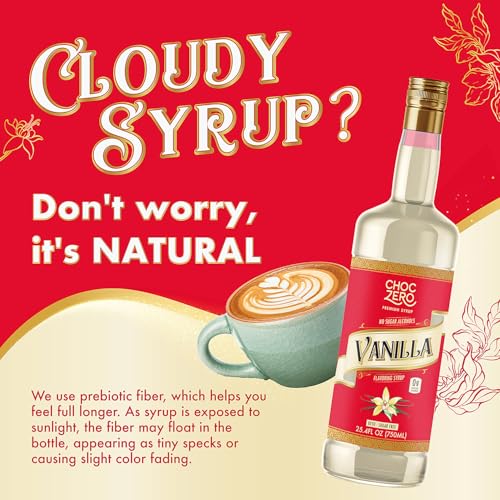
- May separate or appear cloudy
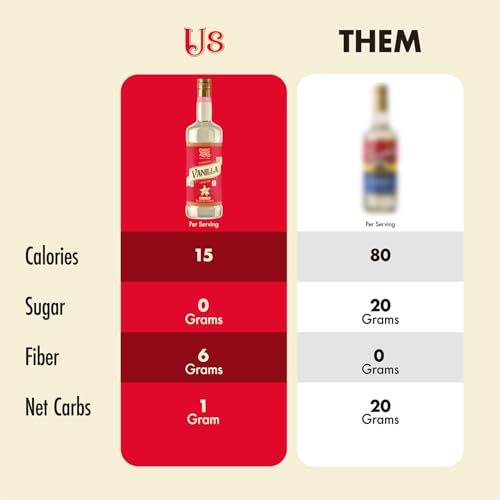
ChocZero delivers a budget-friendly syrup option that doesn’t cut corners on quality. It skips erythritol completely, which means no cooling aftertaste, a common complaint with many keto syrups, and uses monk fruit for sweetness. The vanilla flavor is bold and clean, and owners consistently report it holds up well in both hot and cold drinks.
One standout feature is the addition of prebiotic fiber, which may help with satiety, though it can cause cloudiness in the bottle, perfectly normal, but can surprise first-time users. Compared to Lakanto’s syrup, it’s slightly thinner but just as flavorful. For the price, it’s a strong value play.
Product photos


Lakanto Vanilla Monk Fruit Drops

Strengths
- Vanilla-infused flavor
- Zero aftertaste
- Erythritol-free
Trade-offs
- Not flavor-neutral
- Limited versatility in savory recipes
If you want your coffee to taste like a dessert without derailing ketosis, these vanilla drops make a strong case. The infusion of real vanilla gives them a warm, rounded profile that plays well in lattes or creamers, owners consistently say it adds a subtle bakery-like depth other plain sweeteners lack. On paper, it’s clean: zero sugar, zero calories, and erythritol-free, which helps avoid that cooling aftertaste some hate.
Still, the flavor isn’t neutral, so if you’re sensitive to added notes in your brew, this might interfere rather than enhance. Compared to the original version, this is clearly aimed at those who enjoy flavored coffee rather than purists. For a morning treat-style drink, it delivers.
Product photos


Wholesome Liquid Allulose Sweetener

Strengths
- Single-ingredient
- Excellent browning
- No cooling aftertaste
Trade-offs
- Lower sweetness intensity
- Higher volume needed
Allulose is the real star here for anyone chasing sugar-like behavior without the carbs, and Wholesome delivers it in a simple, single-ingredient format. This liquid allulose performs exceptionally well in applications where browning or texture matters, owners use it in caramel, glazes, and custards where other sweeteners fail. It doesn’t crystallize, and it has a clean finish.
But it’s not the sweetest option out there, most users say you need more of it to match sugar’s punch, which can add up in cost. Compared to blended syrups, it lacks built-in flavor, so it’s a base ingredient, not a finisher. If you’re serious about keto baking and want authenticity, it’s worth the trade-offs.
Product photos




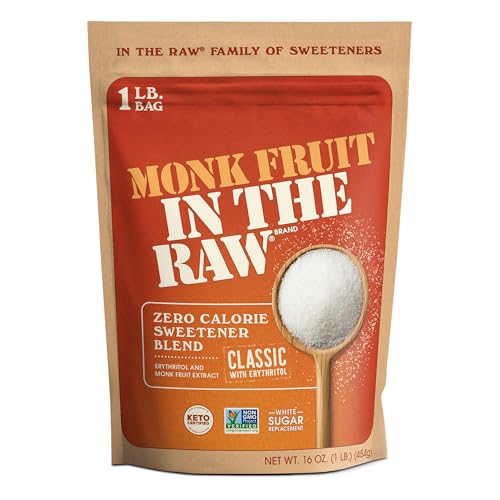
Monk Fruit In The Raw Baker’s Bag
Strengths
- 1:1 sugar substitute
- Good for baking
- Keto certified
Trade-offs
- Can clump in liquids
- Less refined aftertaste
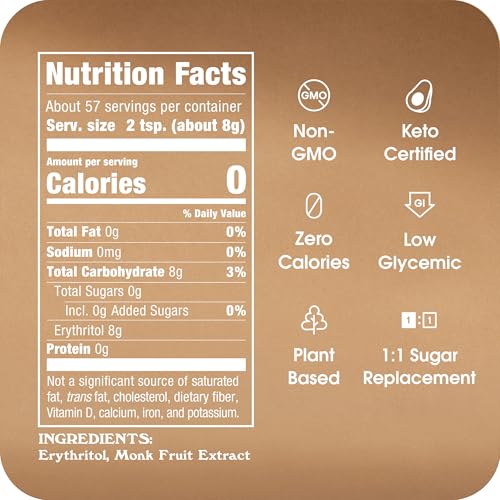
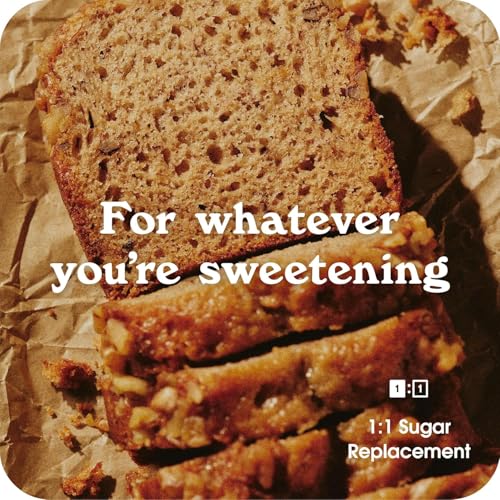
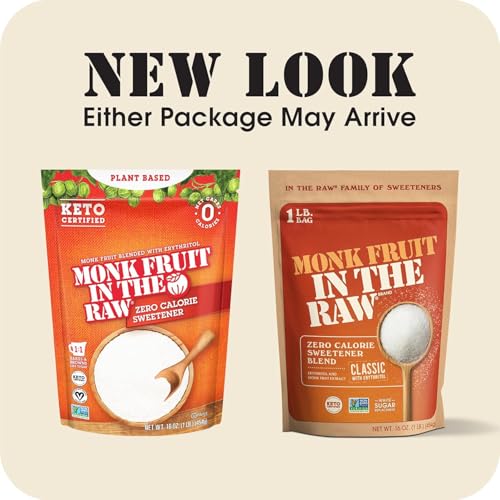
When it comes to baking, this Monk Fruit In The Raw bag is one of the few that truly measures 1:1 with sugar, a major win for home bakers. It dissolves well in batters and doesn’t leave a bitter trace, something many granulated alternatives struggle with. Owners praise its consistency in muffins, cookies, and sauces, and the keto certification adds credibility.
It’s not the best for coffee, granules can settle or clump, but in recipes where texture and volume matter, it outperforms liquids and drops. Compared to Lakanto’s offerings, it’s less refined in flavor but more practical for large-scale use. A solid workhorse, not a precision tool.
Product photos
Whole Earth Stevia & Monk Fruit Packets
Strengths
- Balanced sweetness
- Dissolves easily
- Travel-friendly format
Trade-offs
- Contains multiple sweeteners
- Slight aftertaste for sensitive palates
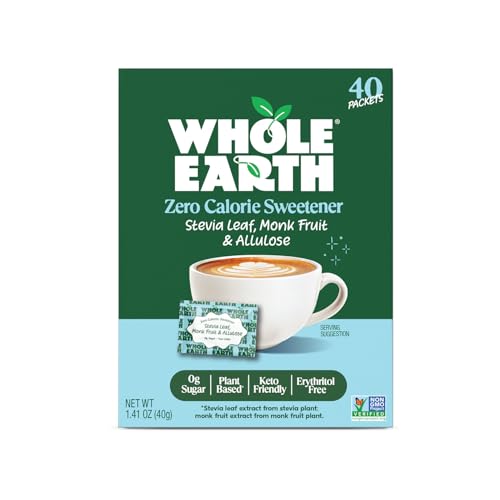
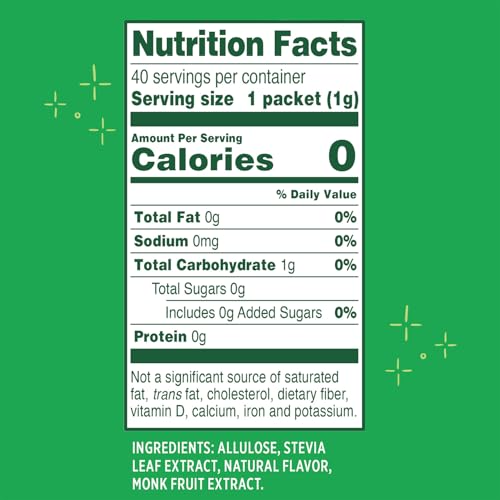
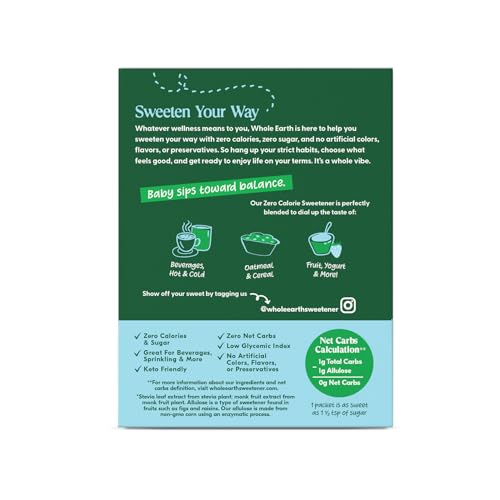
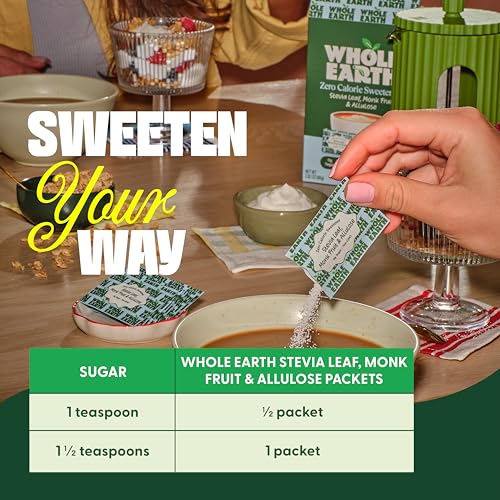
These pre-measured packets are a solid grab-and-go option for people who value convenience and formulation balance. Blending stevia, monk fruit, and allulose gives it a more sugar-like mouthfeel than most single-source sweeteners, and reviewers frequently praise how well it dissolves in both hot and cold drinks. The inclusion of allulose is key, it smooths out the sharp edges that stevia can sometimes bring.
Compared to pure monk fruit granules, this offers a fuller body, though die-hard clean-label fans might side-eye the multi-ingredient profile. Still, for someone transitioning into low-sugar living or needing something reliable at cafes or work, these are hard to beat.
Product photos


How We Evaluated keto sweetener for coffee
As the founder of Bean Thusiast, I approach coffee additions – sweeteners included – with a focus on how they impact the final cup’s flavor and align with various dietary needs. Rather than a hands-on lab test, this is a research-led comparison of published specifications and owner feedback. I examined each sweetener’s ingredients, form (drops, syrup, granular), and reported taste profile, then weighed those details against what actual coffee drinkers are saying.
For keto sweeteners, palatability and impact on texture are key. I prioritized options with zero or very low net carbs, and those avoiding sugar alcohols like erythritol – many people experience digestive discomfort with those. A clean taste profile, meaning no bitter aftertaste or noticeable alteration of the coffee’s inherent flavors, was also heavily weighted. Many people looking for alternatives to sugar are also interested in honey as coffee sweetener, so providing a sugar-free option is important.
Published specifications reliably detail ingredients and nutritional information. However, judging the experience of using a sweetener – how well it dissolves, the accuracy of the sweetness level, and any lingering aftertaste – required careful analysis of owner reviews and reputable expert opinions. I looked for patterns in feedback regarding these qualities, noting consistency across multiple sources. This helped highlight those that truly deliver on their promises.
How To Pick The Right keto sweetener for coffee
Finding the right keto sweetener for your coffee can feel overwhelming, but a few key factors separate a good product from a disappointing one.
A quality keto sweetener balances effective sweetness with minimal impact on blood sugar. Key areas to consider include the sweetener base (monk fruit, stevia, allulose, etc.), the presence of added fillers or sugar alcohols, and how well the sweetener dissolves and blends into hot liquids without leaving a noticeable aftertaste. Look for products with clean ingredient lists and positive user reports regarding taste and digestibility.
Sweetener Base & Taste Profile
The base sweetener dramatically impacts the flavor. Monk fruit, like you’ll find in Lakanto products, is often praised for its clean, neutral taste. Stevia, as seen in Pyure, can sometimes have a slightly bitter aftertaste that some people are more sensitive to than others. Allulose, present in Wholesome Liquid Allulose, offers a taste closest to sugar but can be more expensive. I’ve noticed from reading countless reviews that personal preference here is huge; what one person finds pleasant, another might dislike. Don’t be afraid to experiment with a few different bases to find what suits your palate.
Additives & Fillers
Many keto sweeteners aren’t 100% pure sweetener. Erythritol is a common filler, and while generally well-tolerated, it can cause digestive upset in some individuals. Others, like ChocZero, avoid erythritol altogether, opting instead for monk fruit and prebiotic fiber. Be mindful of what else is in your sweetener.
Here’s a quick breakdown of what to look for: * Minimal ingredients: The shorter the list, the better. * Avoid dextrose/maltodextrin: These are sugars, defeating the purpose. * Consider prebiotics: As ChocZero demonstrates, added fiber can be a benefit, but be aware of potential digestive effects.
A good rule of thumb is this:
If you can’t easily pronounce an ingredient, or if it sounds suspiciously like sugar, it’s probably best to avoid it in your keto coffee.
Convenience & Application
How you take your coffee matters. If you prefer a quick drop or two in your mug, liquid sweeteners or individual packets (like Whole Earth) are ideal. For baking or making larger batches of keto coffee drinks, a granular sweetener like Monk Fruit In The Raw is more practical. Syrups, like the Lakanto Vanilla Syrup, are great for iced coffee or lattes but add more volume. I’ve found many people prefer the convenience of packets when traveling, and you can find some of the top coffee sweeteners in that format. You can also explore coffee sugar substitutes ranked to get a full overview of what’s available.
Keto Sweetener for Coffee Compared
Here’s a comparison of key specifications for popular keto-friendly sweeteners designed for use in coffee.
| Product Name | Sweetener Type | Form | Calories/Serving | Net Carbs/Serving | Flavored |
|---|---|---|---|---|---|
| Lakanto Pure Monk Fruit Drops | Monk Fruit | Liquid Drops | 0 | 0g | No |
| Pyure Organic Vanilla Stevia Drops | Stevia | Liquid Drops | 0 | 0g | Yes |
| Lakanto Simple Vanilla Syrup | Monk Fruit | Syrup | 0 | 0g | Yes |
| ChocZero Sugar Free Vanilla Syrup | Monk Fruit | Syrup | 0 | 1g | Yes |
| Lakanto Vanilla Monk Fruit Drops | Monk Fruit | Liquid Drops | 0 | 0g | Yes |
| Wholesome Liquid Allulose Sweetener | Allulose | Liquid | 0 | 0g | No |
| Monk Fruit In The Raw Baker’s Bag | Monk Fruit | Granular | 0 | 0g | No |
| Whole Earth Stevia & Monk Fruit Packets | Stevia/Monk Fruit | Packets | 0 | 0g | No |
Frequently Asked Questions
What’s the difference between monk fruit and stevia?
Monk fruit generally has a cleaner, more sugar-like taste, while stevia can sometimes leave a slightly bitter aftertaste that some people notice. Both are natural, zero-calorie sweeteners suitable for keto diets, but personal preference often dictates which one tastes better in coffee.
Can I use keto sweeteners for more than just coffee?
Absolutely. Many keto sweeteners, especially granular forms like Monk Fruit In The Raw, work well in baking and other recipes. Liquid sweeteners like Lakanto syrups are also excellent in iced coffee, lattes, or even drizzled over keto desserts.
Are sugar alcohols like erythritol okay on a keto diet?
While erythritol has very few net carbs, it can cause digestive issues for some people. If you’re sensitive to sugar alcohols, I recommend choosing sweeteners that avoid them entirely, such as those based solely on monk fruit or allulose.
Where can I find more information on natural sweeteners for coffee?
You can explore a detailed guide to natural sweeteners for coffee on my site, Bean Thusiast, for a more in-depth look at options beyond just keto-friendly choices. It includes information on sourcing and potential health benefits.
What if I don’t like the taste of any keto sweeteners?
Experimentation is key. Different brands use different processing methods and may have variations in taste. If you’ve tried a few and still aren’t satisfied, consider blending different sweeteners to create a flavor profile you enjoy or re-evaluate if a tiny amount of a non-keto option is worth it to you.
The Bottom Line
Choosing a keto sweetener ultimately comes down to balancing control over ingredients with convenience. While many options exist, I believe Lakanto Pure Monk Fruit Drops strike the best overall balance – a clean taste, zero net carbs, and a liquid format that blends easily into hot coffee. It’s a solid starting point for anyone new to keto sweeteners, or simply seeking a reliable, versatile option.
For those prioritizing a specific need, the field widens nicely. ChocZero Sugar Free Vanilla Syrup is an excellent pick if you enjoy flavored coffee and want to avoid erythritol, while Whole Earth Stevia & Monk Fruit Packets are perfect for on-the-go sweetness. If you’re interested in exploring other options, you might even consider brown sugar in coffee as a treat on occasion.
Ultimately, the “best” sweetener is the one you enjoy and that fits your individual needs and preferences. Don’t get too caught up in chasing the lowest carb count or the latest trendy ingredient. Focus instead on finding a sweetener with a clean taste, minimal additives, and a format that works with your coffee routine.
