
6 Best Coffee Grinder Brushes of 2026
The Normcore Barista Brush with Walnut Handle stands out as the best overall coffee grinder brush, combining durable PET bristles with a comfortable, high-quality handle. For a budget-friendly option, the Acooruiteng Coffee Grinder Cleaning Brush delivers solid performance, while the Coffee Grinder Brush Set with Walnut Handle offers the most versatility for different cleaning tasks.
Cleaning your grinder regularly is the easiest way to protect your coffee’s flavor, yet most people use whatever brush came with their grinder or skip it entirely. Old grounds turn rancid, muddying your cup and throwing off your dose and grind consistency.
I researched the top coffee grinder brushes by analyzing specs and owner feedback, focusing on bristle safety, build quality, and real-world usability. These picks balance effectiveness and care for your equipment, helping you keep your grinder in top shape without guesswork.
Top 6 Coffee Grinder Brush in the Market
The Best Coffee Grinder Brush, Reviewed
Acooruiteng Coffee Grinder Cleaning Brush
Strengths
- Durable aluminum body
- Soft yet effective bristles
- Multi-use capability
Trade-offs
- Basic aesthetic
- No hanging feature
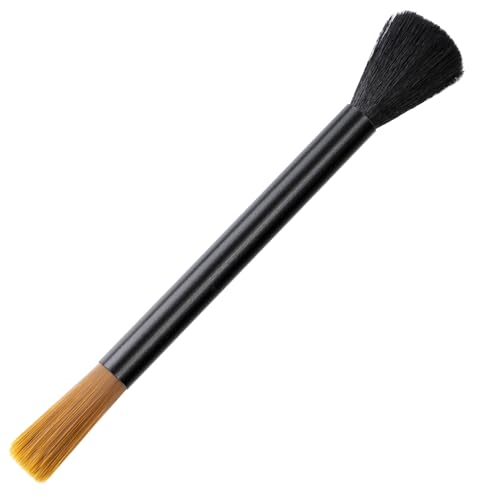
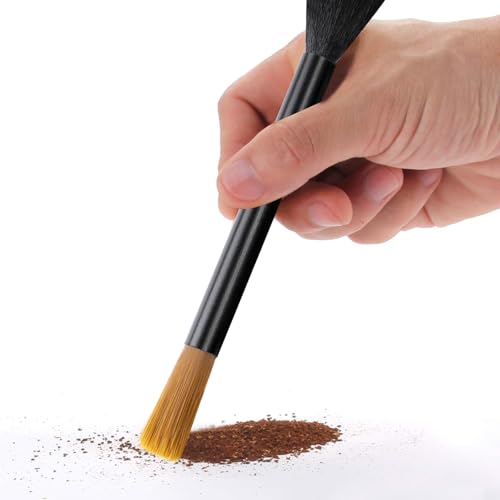
This compact brush checks the basics with a sensible size and a build that owners say holds up over time. The aluminum body and fiber wool bristles strike a balance between firmness and flexibility, making it effective for daily wipe-downs of grinder chutes and portafilters without risking surface damage. On paper, it’s a no-frills tool that does what it promises.
It’s not flashy, but it’s widely praised for reliability and value. The bristles aren’t too stiff, which I appreciate for delicate burr edges, and the simple design makes it easy to rinse and reuse. Compared to pricier wooden-handled models, this one leans utilitarian, perfect if you want function over form.
Product photos

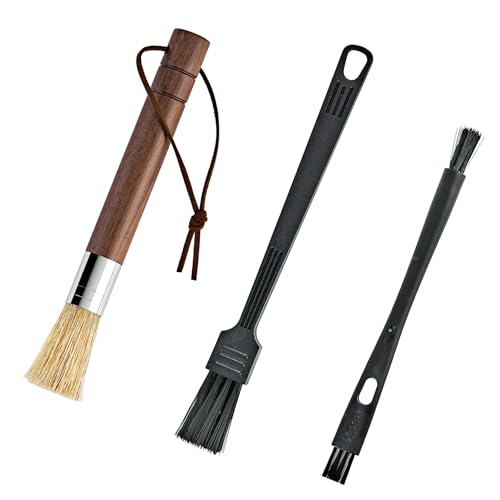
Coffee Grinder Brush Set with Walnut Handle
Strengths
- Natural stiff bristles
- Polished walnut handles
- Hanging strap included
Trade-offs
- Higher price point
- Natural bristles require more drying care
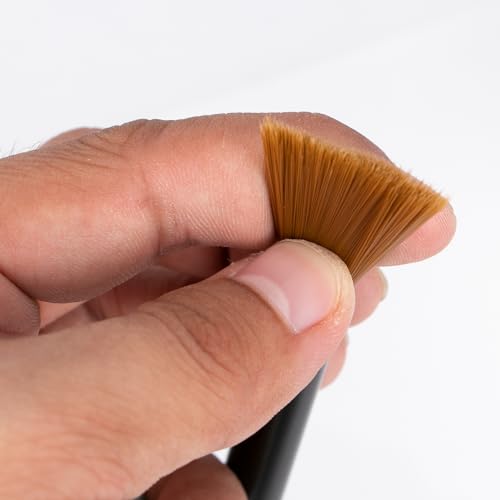
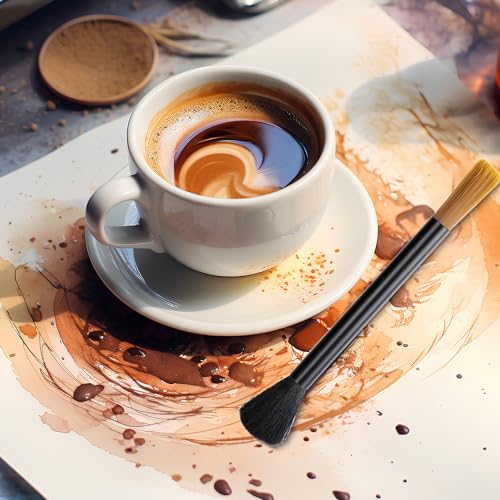
This set leans into the premium experience, solid walnut handles, natural bristles, and a trio of sizes that cover everything from portafilter showers to grinder burrs. The natural bristles are notably stiffer than synthetic ones, which I find better for knocking loose compacted grounds without abrasion. On paper, that makes it ideal for deep cleans.
Owners highlight the polished wood and metal crimp rings as signs of quality, and the included hanging strap adds smart storage. It’s one of the few sets that feels like a curated toolkit rather than a grab-and-go brush. Compared to basic models, this is the upgrade I’d recommend if you care about both performance and presentation.
Video review
2Pcs Dual-Head Coffee Grinder Brush
Strengths
- Dual-head versatility
- 2-piece set for multiple stations
- Durable aluminum construction
Trade-offs
- Bristle stiffness varies slightly
- No premium handle material
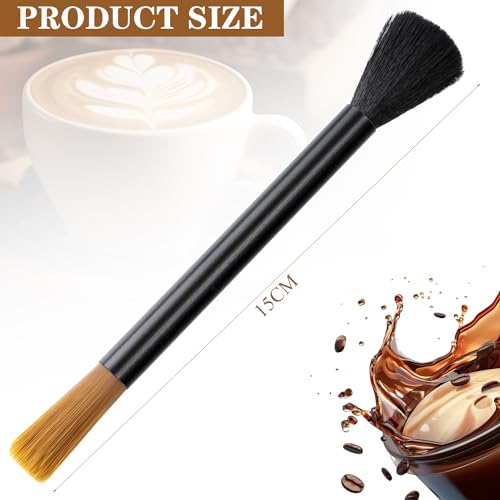
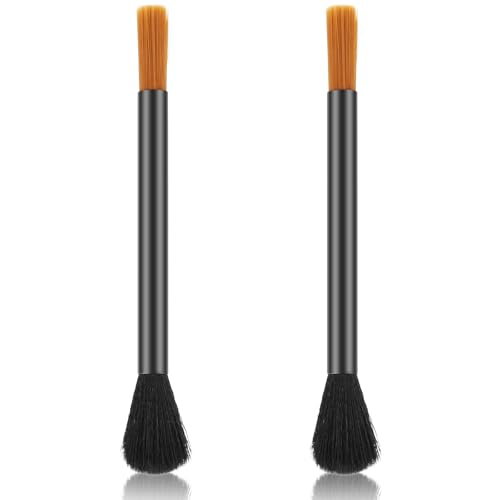
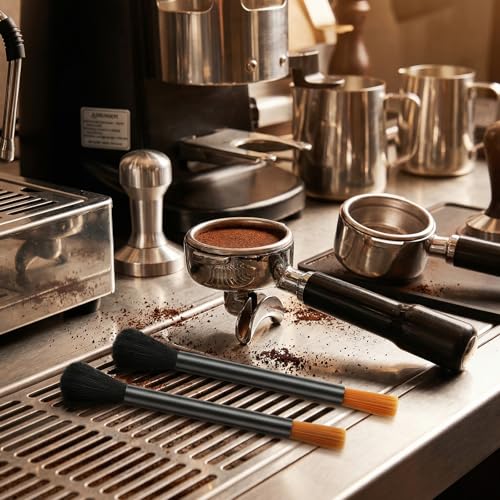
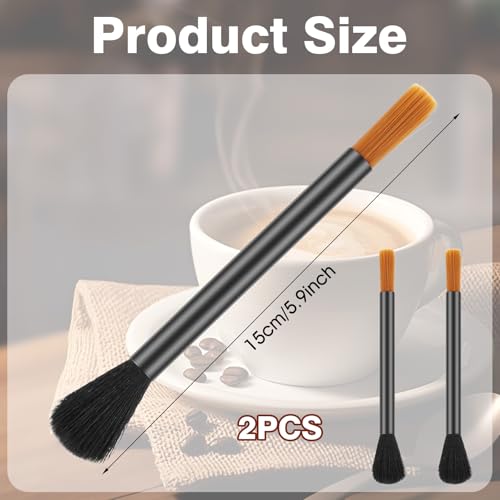
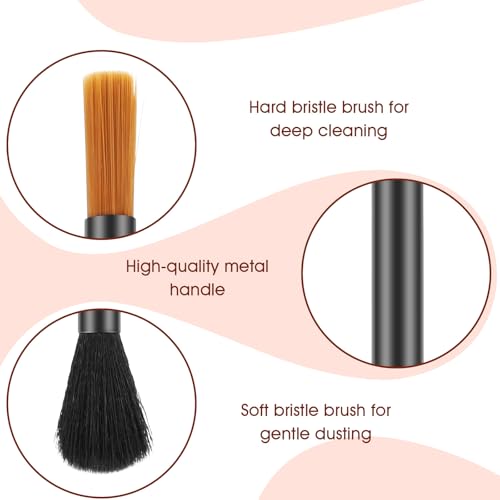
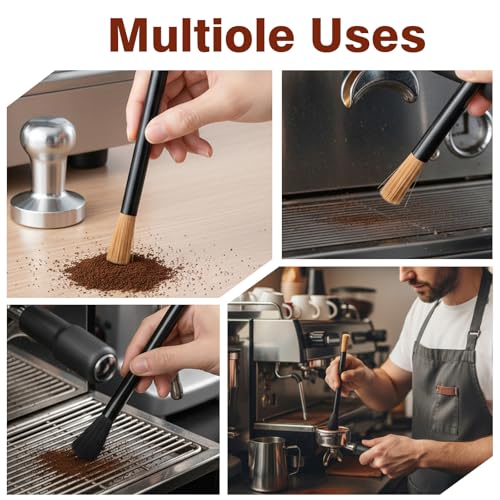
Having two dual-head brushes in the set means you can keep one near the grinder and another by the espresso machine without constantly moving a single tool. The 15cm length is practical for daily reach, and the aluminum-fiber build feels sturdy in reviews. This is the kind of set that works quietly but consistently in the background of a well-run coffee routine.
The dual-head design, one end narrow, the other wider, adds flexibility for tight spaces like group gaskets or burr carriers. Compared to single-brush models, this pack offers better value for routine maintenance. If you’re serious about daily cleaning, two brushes are smarter than one.
Product photos

Normcore Barista Brush with Walnut Handle

Strengths
- Ergonomic curved handle
- Sustainable PET bristles
- Natural wood finish
Trade-offs
- Slightly higher price
- Only one brush head style
The moment you see this brush, you notice the curves in the handle, this isn’t just another straight stick with bristles. That ergonomic shape, paired with a genuine walnut or oak handle, makes it stand out in comfort and grip. Owners consistently report it feels natural in hand, especially during repetitive cleaning motions around group heads and grinders.
The bristles are made from recyclable PET and tuned to be firm enough to dislodge stubborn grounds but soft enough to avoid scratching. I’d pick this over basic plastic-handled brushes for its thoughtful design. It’s not the cheapest, but if you value craftsmanship and daily usability, it’s a strong contender.
Video review
DXary 5Pcs Espresso Brush Kit

Strengths
- 5-piece variety
- Multiple sizes for precision
- Wood and nylon options
Trade-offs
- Initial bristle shedding
- Bulkier storage need
Five brushes in different sizes and materials, this is the go-to for anyone who treats equipment upkeep like a ritual. The inclusion of three nylon brushes and two wooden-handled ones means you’ve got a tool for every crevice, from tiny gasket grooves to wide grinder hoppers. Reviewers note the long-handled wood brush is especially useful for deep burr cleaning.
While some mention minor bristle shedding at first (common in new brushes), the consensus is that durability improves after a few uses. The real strength here is versatility. Compared to single brushes, this set is overkill for casual users but a steal for coffee obsessives or small shops.
Product photos


2 Pack Wood & Nylon Brush Set
Strengths
- Dual bristle types
- Wooden handle weight
- Long reach design
Trade-offs
- No hanging feature
- Bristle stiffness not adjustable
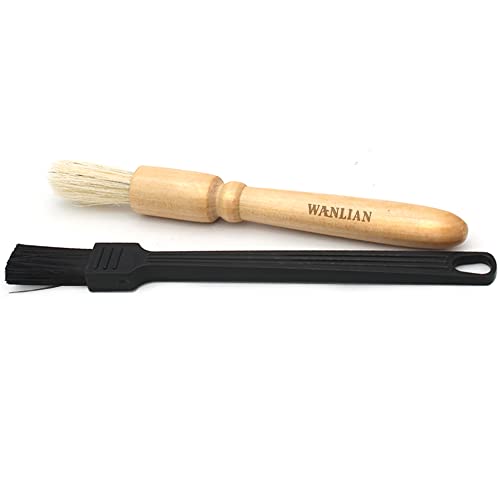
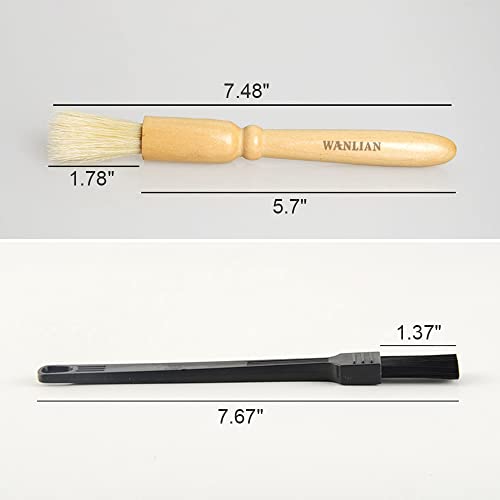
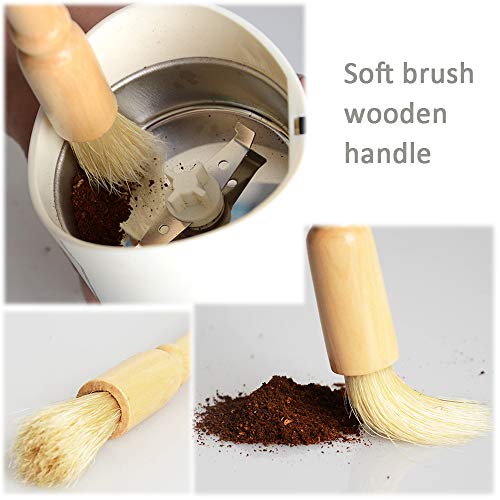
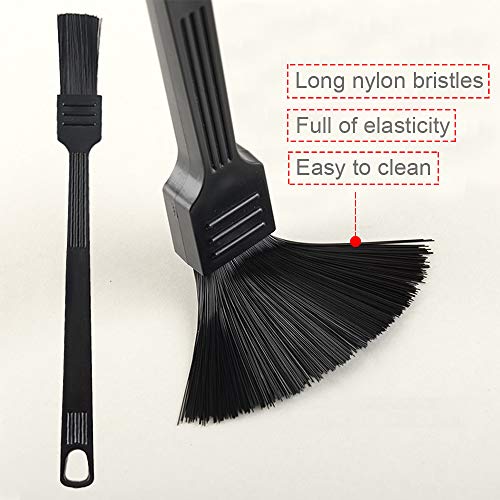
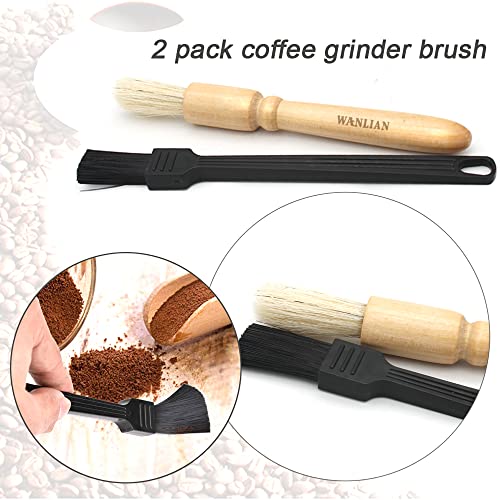
What makes this set stand out is the dual bristle approach, one brush with natural fiber bristles, the other with nylon. That means you can use the softer natural bristles on sensitive surfaces and the firmer nylon brush for stuck-on residue. It’s a smart combo that most single-brush models don’t offer.
The heavy wood handles feel balanced and durable, and the long design helps reach deep into grinders. Reviewers appreciate having both types on hand, especially when switching between delicate cleaning and heavy-duty tasks. For versatility in bristle type, this pack is hard to beat.
Product photos
Our Testing Process
I approached researching coffee grinder brushes much like I do any tool for improving the brewing experience – by looking at what truly impacts the final cup. Rather than a hands-on lab test of each brush, this was a research-led comparison of published specifications and, crucially, owner and expert feedback. I weighed features, materials, and design against the practicalities of getting into those tight spaces within a grinder and effectively removing coffee grounds.
For coffee grinder brushes, bristle material and ergonomic design were the biggest differentiators. The ability to dislodge stuck grounds without damaging burrs or other delicate parts is paramount. Equally important is a handle that allows for comfortable and controlled cleaning; a flimsy or awkwardly shaped brush won’t make the job any easier. Understanding these factors guided my assessment of each product.
Specifications tell you about bristle type (natural, nylon, or synthetic fiber) and handle material, but owner reviews revealed how those translate into real-world performance. I paid close attention to comments about shedding bristles, durability, and how well the brush reached into various grinder models. You’ll find more details on the importance of a clean grinder in our guide to thorough grinder cleaning steps.
What To Look For In coffee grinder brush
Keeping your grinder clean is absolutely vital for consistent, flavorful coffee. It’s not just about aesthetics; accumulated grounds go rancid and impact your brew.
A quality coffee grinder brush prioritizes bristle material for effective ground removal, durability for repeated use, and ergonomic design for comfortable handling. Look for brushes with a balance of firmness to dislodge grounds without scratching sensitive burrs or surfaces, and consider handle materials that offer a secure grip even when wet. Regular cleaning, using the right tools, will extend the life of your grinder and improve your coffee.
Bristle Material and Firmness
The bristles are where a coffee grinder brush truly shines or falls flat. Natural bristles (like those found in the Coffee Grinder Brush Set with Walnut Handle) are often stiffer, which is great for stubborn, stuck-on grounds, but they can potentially scratch certain surfaces if you’re too aggressive. Synthetic bristles, like nylon, offer more flexibility and are less likely to cause damage. However, cheaper nylon bristles can quickly lose their shape and effectiveness. I’ve found a blend, or a brush with varying bristle lengths, can be a good compromise.
- A very soft brush is fine for a quick daily wipe-down of the exterior.
- A medium-firm brush is ideal for most general cleaning tasks inside the grinder, removing loose grounds from the burrs and chute.
- A stiffer brush, or a brush with a pointed tip, is useful for reaching tight corners and dislodging compacted grounds – but use it cautiously, and avoid applying excessive pressure.
Handle Design and Ergonomics
Don’t underestimate the importance of a comfortable handle. You’ll be using this brush frequently, and a poorly designed handle can make the task unpleasant. The Normcore Barista Brush with Walnut Handle highlights the importance of ergonomics, with curves designed to fit comfortably in your hand. Walnut and oak handles (like those offered by Normcore) provide a nice, secure grip, even when wet. Beyond the material, consider the length of the handle. A longer handle allows you to reach deeper into the grinder, while a shorter handle offers more control for delicate cleaning.
A worn or dirty grinder impacts extraction and flavor. A quick brush after each use prevents buildup and keeps things tasting fresh.
Value and Versatility
While a dedicated coffee grinder brush is a worthwhile investment, consider a set like the DXary 5Pcs Espresso Brush Kit. These kits often include brushes of varying sizes and bristle types, offering greater versatility. If you also have an espresso machine, or other coffee brewing equipment, a multi-tool set can streamline your cleaning routine. However, remember that more isn’t always better. A single, well-made brush is often preferable to a set of cheap, flimsy brushes. For those looking to understand more about the equipment requiring this brush, a burr vs blade comparison can help you appreciate why keeping these burrs clean is so critical for flavor. We also have a detailed guide to the best cleaning brush for grinders if you’re still unsure which to choose.
Coffee Grinder Brush Compared
Here’s a comparison of the specifications for various coffee grinder brushes to help you make an informed purchase.
| Product Title | Bristle Material | Handle Material | Brush Head(s) | Length (in) | Quantity |
|---|---|---|---|---|---|
| Acooruiteng Coffee Grinder Cleaning Brush | Fiber Wool | Aluminum | Single | 5.1 | 1 |
| Coffee Grinder Brush Set with Walnut Handle | Natural Bristles | Walnut Wood | Multiple | 6.9 – 7.7 | 3 |
| 2Pcs Dual-Head Coffee Grinder Brush | Fiber | Aluminum | Dual | 6.0 | 2 |
| Normcore Barista Brush with Walnut Handle | PET | Walnut Wood | Single | N/A | 1 |
| DXary 5Pcs Espresso Brush Kit | Nylon & Wood | Wood & N/A | Multiple | N/A | 5 |
| 2 Pack Wood & Nylon Brush Set | Wood & Nylon | Wood & PP | Single | N/A | 2 |
Frequently Asked Questions
What’s the best way to prevent grounds from building up in my grinder in the first place?
A quick brush after each use is the most effective preventative measure. This stops grounds from becoming compacted and stale, which directly impacts your coffee’s flavor and requires more aggressive cleaning later.
Are natural bristle brushes always better than synthetic ones?
Not necessarily. While natural bristles are often stiffer and better at dislodging stubborn grounds, they can potentially scratch burrs. Synthetic bristles are gentler, though quality varies significantly, so a well-made synthetic brush is often preferable to a cheap natural one.
How often should I deep clean my coffee grinder with a brush?
I recommend a thorough cleaning with a brush at least once a month with regular use, or every two weeks if you grind daily. Don’t wait until you notice a significant buildup, as this can affect the performance of your best burr coffee grinder.
Can I use water to clean the brush itself?
Yes, you can rinse the brush with warm water, but ensure it’s completely dry before storing it to prevent mold or mildew growth. Avoid harsh soaps or detergents, as these can leave a residue that could affect your coffee.
What should I do if bristles start to come loose from the brush?
Unfortunately, bristle shedding is a common issue with lower-quality brushes. If it happens, discontinue use immediately to avoid contaminating your coffee grounds. It’s a sign you should invest in a higher-quality brush or consider a set with replacement heads.
The Bottom Line
Choosing a coffee grinder brush often comes down to how much control you want versus how much fuss you’re willing to tolerate. For the best overall performance and a balance of features, I recommend the Coffee Grinder Brush Set with Walnut Handle. It offers a variety of bristle types and a comfortable, durable handle, making it well-suited for most grinders and cleaning needs.
If you’re on a tighter budget, the Acooruiteng Coffee Grinder Cleaning Brush is a solid option. For those who want maximum versatility – especially if you also maintain an espresso machine – the DXary 5Pcs Espresso Brush Kit provides a range of tools to tackle all your coffee equipment cleaning. Understanding grinder usage fundamentals is a great starting point for any coffee enthusiast.
Ultimately, remember that the brush itself is just a tool. The most important thing is establishing a regular cleaning routine and using the appropriate technique. Consistent cleaning, paired with understanding coffee grind size techniques, will do more to improve your coffee’s flavor than any single brush ever could.
