
2 Best Canned Iced Coffees of 2026
The best canned iced coffee overall is Slate High Protein Iced Coffee, it delivers rich flavor, 20g of protein, and just 1g of sugar. For a classic, no-frills pick, Mr. Brown Iced Coffee stands out for its smooth taste and wide availability.
If you’re tired of chalky aftertastes or drinks loaded with sugar disguised as “energy boosters,” you’re not alone. Most canned iced coffees sacrifice flavor for function, or charge premium prices for underwhelming results.
After researching the market and analyzing specs, owner feedback, and brewing methods, I focused on drinks that balance quality ingredients with real-world usability. This guide cuts through the hype to highlight options that actually taste like good coffee, not sweetened soda with a caffeine kick.
Top 2 Canned Iced Coffee in the Market
The Best Canned Iced Coffee, Reviewed
Slate High Protein Iced Coffee
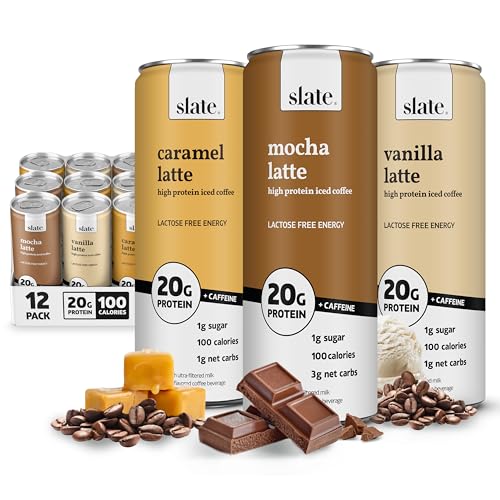
Strengths
- High protein
- Low sugar
- Lactose free
- Shelf stable
- Great texture
Trade-offs
- Contains stevia
- Strong caffeine
- Not for sweetener avoiders
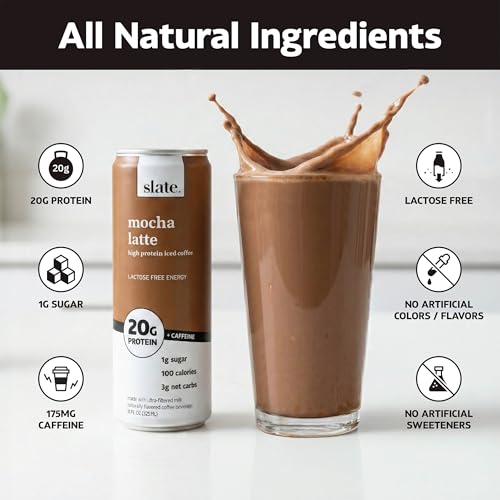
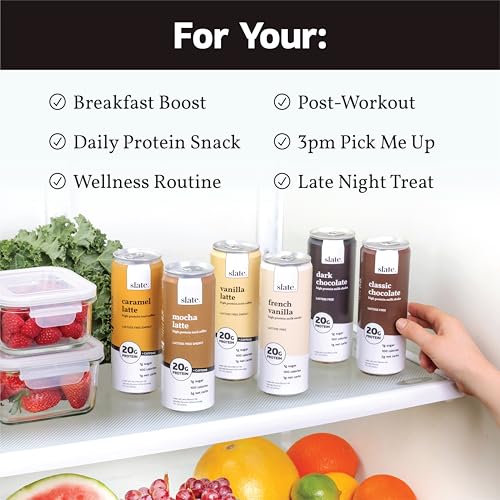
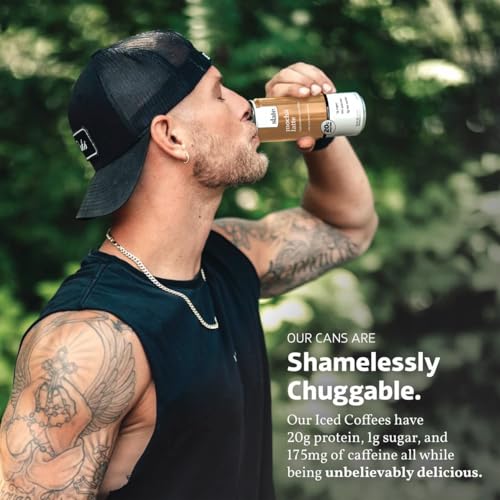
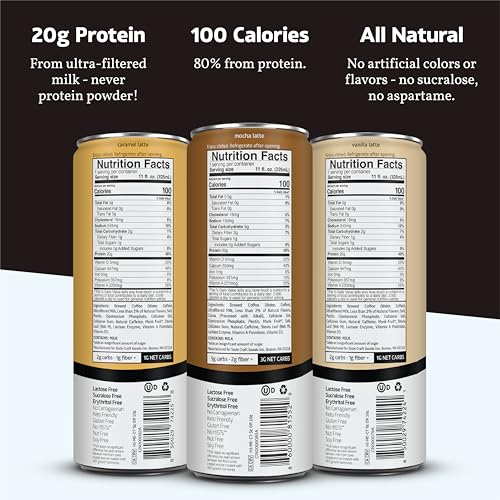
If you’re looking for a canned iced coffee that pulls double duty as a post-workout drink or meal replacement, Slate Milk’s Energy Variety Pack stands out immediately. The 175mg caffeine and 20g of protein per can are not gimmicks, they align with real nutritional needs for active users, and owners consistently report feeling energized without a sugar crash. The use of ultra-filtered, lactose-free milk gives it a creamy texture that mimics a café latte, and the fact that it’s sweetened with stevia and monk fruit helps keep sugar down to just 1g.
I’d pick this over most protein coffee hybrids because it doesn’t sacrifice taste for function. The Caramel and Mocha Lattes in particular get strong marks in reviews for being rich without cloying sweetness. Compared to standard RTD lattes, this is a much smarter pick if you’re watching sugar or need sustained energy. That said, if you’re sensitive to alternative sweeteners, this might not be your go-to.
Product photos
Mr. Brown Iced Coffee

Strengths
- Creamy texture
- Affordable
- Classic flavor
- Widely available
- Mild caffeine
Trade-offs
- High sugar
- Not dairy free
- Smaller can size
Mr. Brown is the go-to when you want something sweet, smooth, and undeniably nostalgic. It’s not trying to be healthy or high-performance, this is a classic sweetened canned coffee, popular in Asian markets for its creamy, condensed milk profile and mellow roast. At around 80–100mg of caffeine per can, it’s mild compared to modern energy-focused options, but that’s part of its charm. Reviewers often describe it as dessert in a can, and the 8.12 oz size makes it easy to drink quickly before it warms up.
Compared to premium or protein-fortified options like Slate, Mr. Brown feels like a throwback. But that’s why it wins as a budget pick. It delivers consistent flavor across large quantities and doesn’t require a specialty palate. If you’re used to café-style Vietnamese or Thai iced coffee, this hits a similar spot, just more affordable and widely available.
Product photos


How We Picked These canned iced coffee
As the founder of Bean Thusiast, I approach evaluating ready-to-drink coffee with a focus on delivering quality and convenience. Rather than a hands-on lab test, this selection is a research-led comparison of product specifications, owner reviews, and my experience with the broader coffee landscape. I weighed factors like protein content, sugar levels, caffeine dosage, and ingredient sourcing to identify options that stand out.
For canned iced coffee, protein content and sugar levels were the biggest differentiators. People often reach for these drinks as a post-workout boost or a quick breakfast, so a high protein-to-sugar ratio is key. Beyond that, I considered the quality of ingredients and whether the brand prioritizes natural sweeteners over artificial ones, as well as understanding the flavor profile comparison to expectations.
Specifications reliably show protein and sugar content, which are easy to compare. However, taste is subjective, so I relied heavily on owner feedback to gauge palatability and whether a product lives up to its claims. Brand reputation also played a role; established companies with transparent sourcing practices tend to deliver more consistent quality than lesser-known brands.
What To Look For In canned iced coffee
I’ve spent a lot of time exploring the world of ready-to-drink coffee, and canned options are getting seriously good.
Canned iced coffee quality hinges on the brewing method, ingredient sourcing, and packaging. Look for brands specifying cold brew or flash-chilling; these preserve more flavor. Check sugar content and added ingredients carefully. Shelf stability shouldn’t mean a chemical cocktail – natural pasteurization is key. Finally, consider the can itself; nitrogen-sealed cans deliver a smoother, creamier texture.
Protein & Nutritional Profile
A lot of canned iced coffees now pack in protein, which is a convenient boost, but don’t let that be the sole deciding factor. I often see brands leaning heavily on protein content while skimping on coffee quality. A good balance is key. Examine the source of the protein (whey, soy, etc.) if you have dietary restrictions and be mindful of added sugars, even if they’re “natural” like stevia or monk fruit. Some brands boast low sugar, but achieve this with artificial sweeteners that can leave an aftertaste.
Brewing Method & Flavor
The way the coffee is brewed makes a huge difference. Cold brew and flash-chilled methods generally produce a less acidic, smoother iced coffee. You’ll find more flavorful pre-made canned coffee using these techniques. Avoid anything that just says “brewed coffee” without specifying the method – it likely means a cheaper, less refined process. I’ve noticed that nitrogen-infused cans seem to deliver a better mouthfeel, almost mimicking a draft latte.
Value & Convenience
Canned iced coffee is, fundamentally, about convenience. However, paying a premium doesn’t always guarantee a better experience. You can find excellent options without breaking the bank. Consider how frequently you’ll be consuming it. If it’s a daily thing, a slightly higher price for a consistently good product is justifiable. If it’s for occasional use, a best ready-to-drink canned coffee option might be all you require. Here’s what I look for when balancing price and convenience:
- Can Size: Smaller cans (8-12oz) are great for a quick pick-me-up.
- Multi-Packs: Buying in bulk often reduces the per-can cost.
- Subscription Options: Some brands offer discounts for recurring deliveries, which is ideal if you have a favorite.
Don’t sacrifice flavor for convenience. A genuinely enjoyable iced coffee is worth a few extra moments of comparison shopping.
Canned Iced Coffee Compared
Here’s a reference table outlining the specifications of each canned iced coffee option.
| Product Name | Protein (g) | Sugar (g) | Caffeine (cups) | Lactose Free? |
|---|---|---|---|---|
| Slate High Protein Iced Coffee | 20 | 1 | 2 | Yes |
| Mr. Brown Iced Coffee | N/A | N/A | N/A | N/A |
Frequently Asked Questions
What’s the difference between cold brew and flash-chilled canned iced coffee?
Cold brew steeps coffee grounds in cold water for 12-24 hours, resulting in lower acidity, while flash-chilling rapidly cools freshly brewed hot coffee to preserve its flavor. Flash-chilled often retains more of the bright, acidic notes you’d expect from traditionally brewed coffee.
Are there canned iced coffees that are truly dairy-free?
Yes, Slate High Protein Iced Coffee is specifically formulated to be lactose-free, using a whey protein isolate that minimizes lactose content. Always double-check the ingredient list, though, as trace amounts can sometimes occur during manufacturing.
How does the caffeine content in canned iced coffee compare to a standard cup?
Generally, a 12oz can of iced coffee contains roughly the caffeine equivalent of two standard 8oz cups of coffee. However, caffeine levels vary significantly by brand and brewing method; some prioritize a strong boost, while others aim for a milder experience.
I prefer sweeter coffee; should I avoid canned options with low sugar?
Not necessarily, but be aware that very low-sugar options may use artificial sweeteners that some find unpleasant. You can always add your own sweetener to adjust the taste, giving you more control over the final result.
Where can I find more information on other types of ready-to-drink coffee?
If you’re looking to expand your options, you can explore my recommendations for the best grocery store iced coffee and find a wider range of choices to suit your preferences.
The Bottom Line
Choosing the best canned iced coffee often comes down to prioritizing what you value most – a super-charged protein boost or a genuinely delicious coffee experience. For the best overall balance of taste, nutrition, and convenience, I recommend Slate High Protein Iced Coffee. It manages to deliver a substantial 20 grams of protein with minimal sugar, and owner feedback consistently praises its smooth flavor.
If you’re specifically looking for a budget-friendly option, Mr. Brown Iced Coffee is a solid pick. For those needing a versatile choice to fuel workouts or a quick breakfast, Slate High Protein Iced Coffee again stands out due to its high protein content and lactose-free formulation. Understanding the caffeine content in iced coffee is also crucial for tailoring your choice to your personal tolerance.
Ultimately, the numbers on the can – protein, sugar, caffeine – are less important than finding a coffee you actually enjoy drinking. Don’t get hung up on chasing the perfect specs; focus on brands that prioritize quality ingredients and a brewing method that preserves flavor. A satisfying, well-made iced coffee is a simple pleasure worth seeking out.
