
8 Best Canned Coffees of 2026
The best canned coffee overall is La Colombe Draft Latte for its rich, balanced flavor and creamy texture, while High Brew Double Espresso is the top budget pick with serious caffeine and smooth taste. For a specialty option, Death Wish Vanilla Latte delivers bold flavor with a clean ingredient list.
Canned coffee used to mean sugary, one-dimensional drinks with a burnt aftertaste. Now, the market is packed with options that promise real coffee quality in a grab-and-go format, but sorting the great from the gimmicky isn’t easy.
I’m Harry A. Sanders, founder of Bean Thusiast, and after researching hundreds of products and parsing through owner reviews, I’ve identified the standouts based on flavor, ingredient quality, caffeine content, and value. This guide cuts through the noise to show you which cans are actually worth your money.
Top 8 Canned Coffee in the Market
The Best Canned Coffee, Reviewed
Starbucks Doubleshot Energy Vanilla

Strengths
- High caffeine
- Added energy boosters
- Larger can size
Trade-offs
- High sugar
- Artificial aftertaste noted
- Not for coffee purists
This is the go-to when you need caffeine and a functional energy boost in one hit. The 15 fl oz size gives you more volume than most canned lattes, and the blend of B vitamins, ginseng, and guarana adds a real kick beyond just coffee. On paper, it’s not subtle, this is a hybrid between an energy drink and iced coffee, which some purists will frown at. But if you’re dragging through an afternoon slump, that combo works.
Owners consistently report it delivers a fast, sustained lift without the crash you get from cheaper energy drinks. The vanilla flavor is sweet, almost dessert-like, so it’s not for those chasing a clean roast profile. Compared to High Brew or La Colombe, it’s less about coffee nuance and more about effect. I’d pick this over a soda-based energy drink any day when I need performance, not just a buzz.
Video review
High Brew Double Espresso
Strengths
- Extreme caffeine
- Low sugar
- Smooth, low acidity
Trade-offs
- Smaller can size
- Less flavor complexity
- Higher price per oz
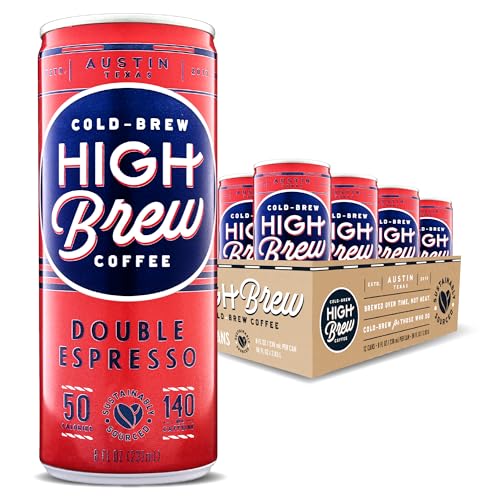
If caffeine density is your priority, this is the one. At 300mg per 8 oz can, it’s among the strongest you’ll find in a shelf-stable format. The ‘Double Espresso’ name isn’t marketing fluff, it’s built for people who want espresso-level stimulation without brewing. The triple filtration delivers a smooth, low-acid profile that reviewers consistently praise, especially for sensitive stomachs.
It’s not the most flavorful can on the list, some say it’s a bit flat compared to La Colombe’s draft texture or Death Wish’s boldness, but it gets the job done cleanly. With only 5g of sugar and 12g of protein, it’s a functional drink, not a treat. I’d take this over Starbucks Doubleshot when I want pure caffeine without the energy drink additives.
Video review
Slate High Protein Iced Coffee
Strengths
- 20g protein per can
- 1g sugar
- Lactose free
Trade-offs
- Stevia aftertaste
- Muted coffee strength
- Not for traditionalists
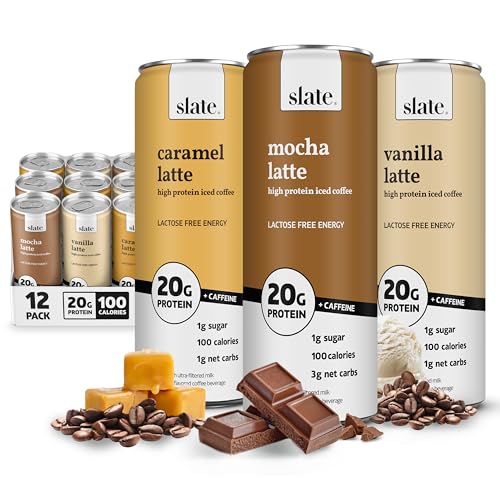
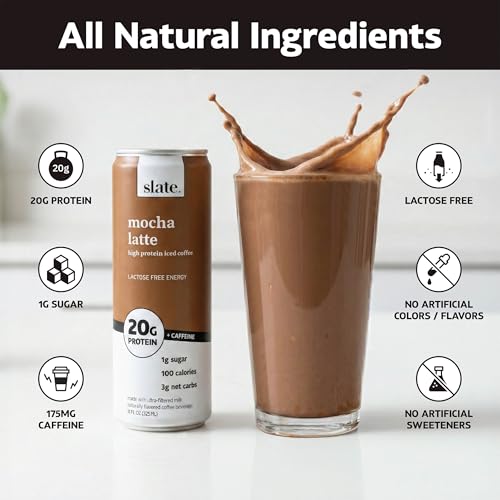
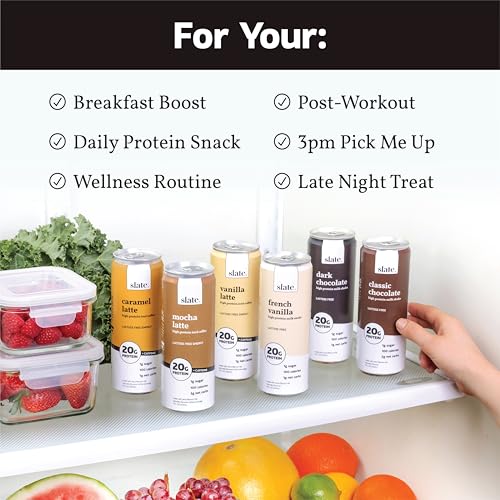
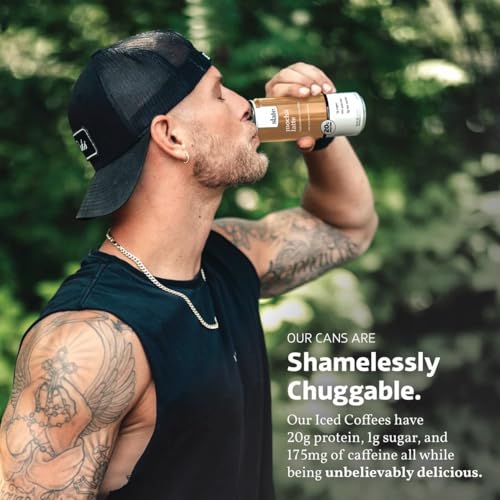
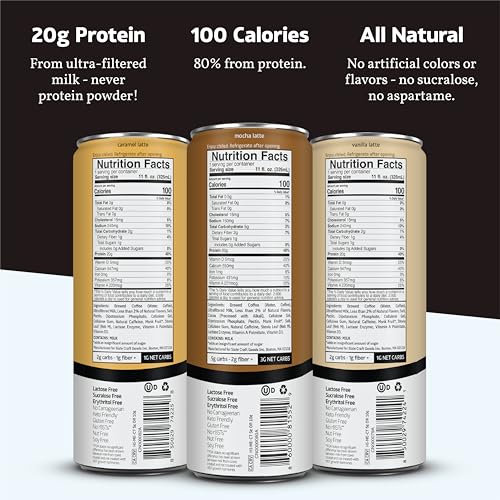
This is the standout for anyone using canned coffee as a meal replacement or post-workout drink. With 20g of protein and just 1g of sugar per 11 oz can, it’s nutritionally in a league of its own. The lactose-free, ultrafiltered milk base gives it a rich texture without the bloat, and owners say it mixes well with shakes or stands alone as a satisfying pick-me-up.
Flavor-wise, it’s sweetened with stevia and monk fruit, so there’s a slight aftertaste some detect, especially in the caramel, but most find it surprisingly palatable. Compared to other protein-fortified drinks, this one doesn’t taste chalky. I’d recommend this over standard lattes for gym-goers or anyone tracking macros, even if the coffee profile is secondary.
Product photos
La Colombe Draft Latte Variety Pack
Strengths
- Café-quality texture
- Real ingredients
- Balanced sweetness
Trade-offs
- Lower caffeine
- Refrigeration required
- Contains dairy
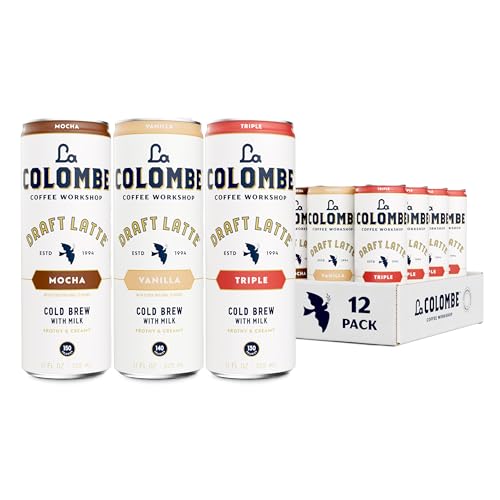
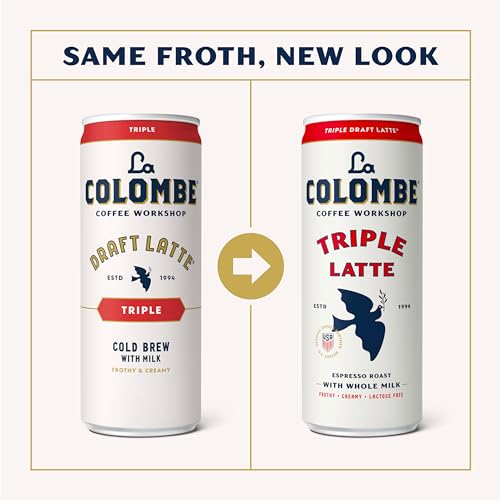
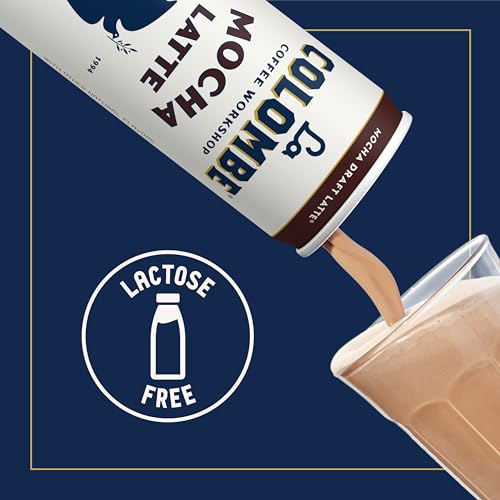
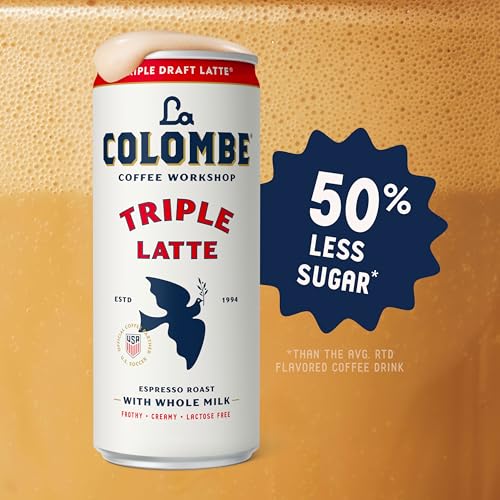
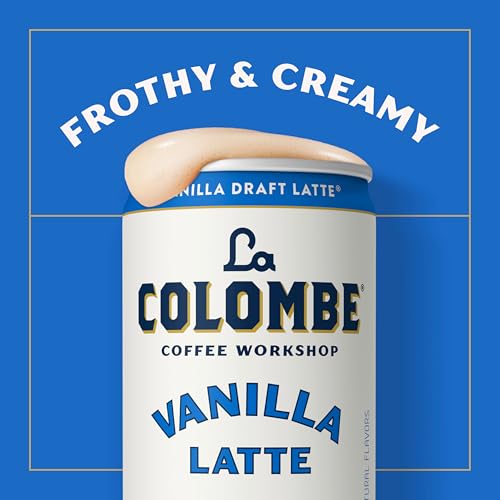
This is the closest you’ll get to a café pour in a can. The draft system creates a frothy, creamy texture that reviewers consistently call “unlike anything else on the shelf.” It uses real cold brew from their own roasts, dairy milk, and minimal sugar, so the flavor is clean, balanced, and true to specialty coffee standards. The variety pack gives you a solid rotation: Triple is bold and intense, Vanilla is smooth, Mocha has real chocolate depth.
It’s not the strongest or highest-protein option, but for overall quality, it’s unmatched. Compared to Starbucks or Death Wish, it’s less about power and more about craft. I’d pick this as my daily driver if I wanted something I wouldn’t feel guilty about drinking regularly. It’s the only canned latte I’d serve to a coffee snob without apology.
Product photos

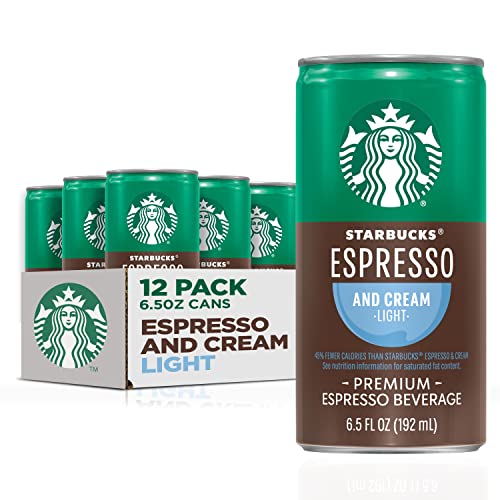
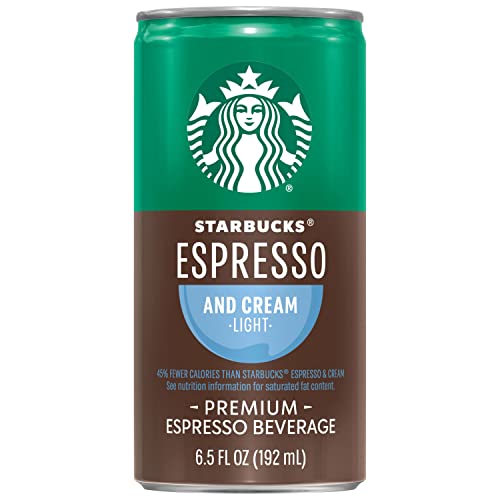
Starbucks Espresso & Cream Light
Strengths
- Low calorie
- Concentrated espresso
- Quick serving size
Trade-offs
- Very small volume
- Less creamy
- Limited flavor depth
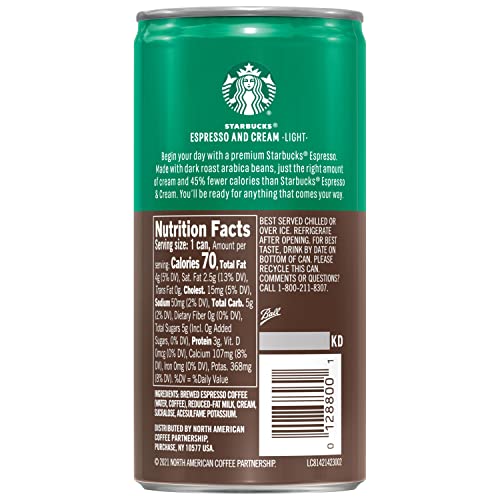
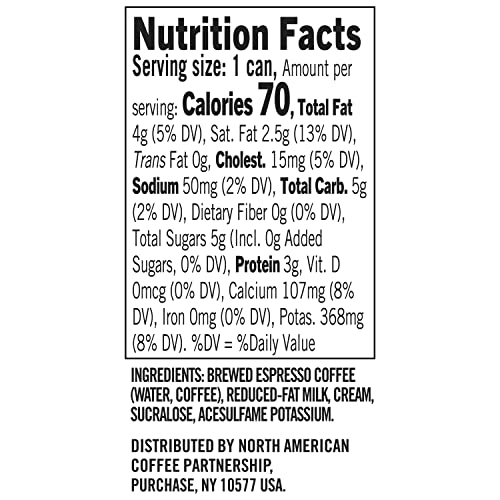
This is the lightest option here, literally. At 70 calories and 6.5 oz, it’s designed for people who want a quick espresso fix without volume or sugar baggage. The espresso is bold, the cream is just enough to smooth the edges, and the 120mg caffeine hits fast. It’s not meant to be a meal supplement or an all-day drink, but a precise, efficient boost.
Reviewers note it lacks the richness of larger lattes, and the small size can feel underwhelming if you’re used to 11 oz cans. But for calorie counters or those who prefer a shot-style lift, it’s smart. I’d choose this over the Doubleshot when I want clean energy without sugar or additives, even if it means less drink.
Product photos


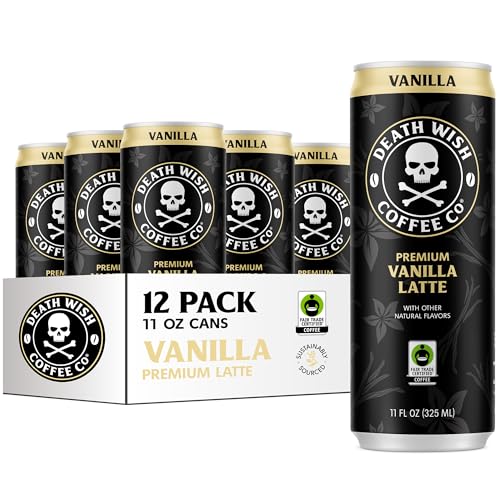
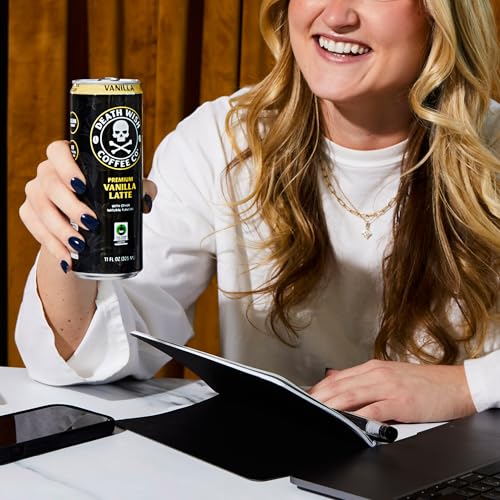
Death Wish Vanilla Latte
Strengths
- Bold, intense flavor
- Fair Trade certified
- Decent protein
Trade-offs
- Bitter edge
- Smaller protein boost
- Not for delicate palates
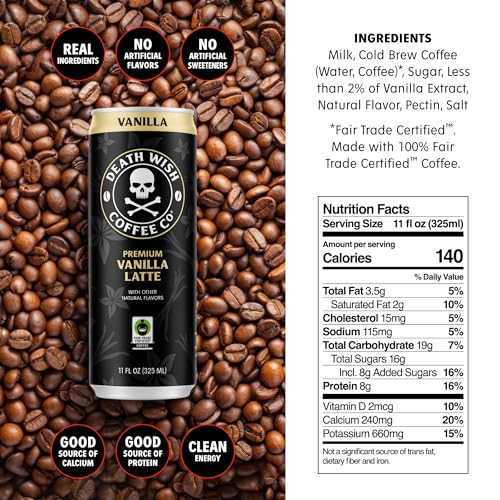
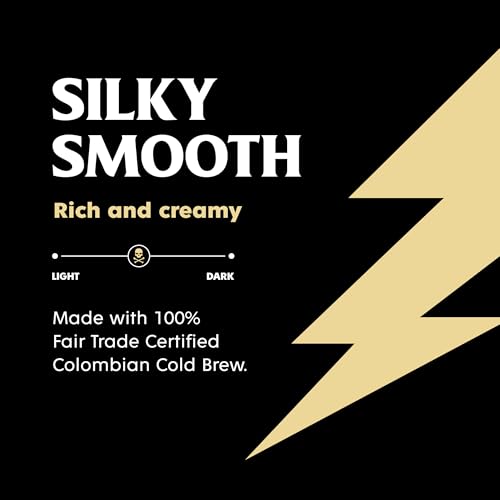
Death Wish lives up to its name with a seriously strong cold brew base made from 100% Colombian beans. This isn’t just loud branding, the coffee has real punch, with a deep roast profile and noticeable bitterness balanced by creamy milk and vanilla. It’s one of the few canned lattes that actually tastes like high-strength coffee, not sweetened milk.
At 8g of protein and moderate sugar, it’s a middle ground between flavor and function. Owners praise its boldness, though some find it too aggressive if they’re used to smoother profiles like La Colombe. Compared to Slate or High Brew, it’s less about nutrition and more about sensory impact. I’d pick this when I want a latte that doesn’t apologize for tasting like coffee.
Product photos


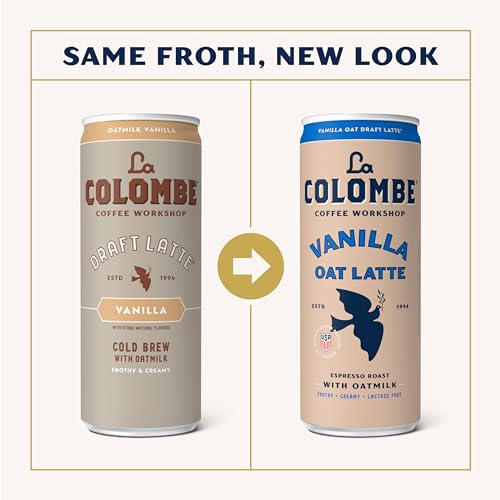
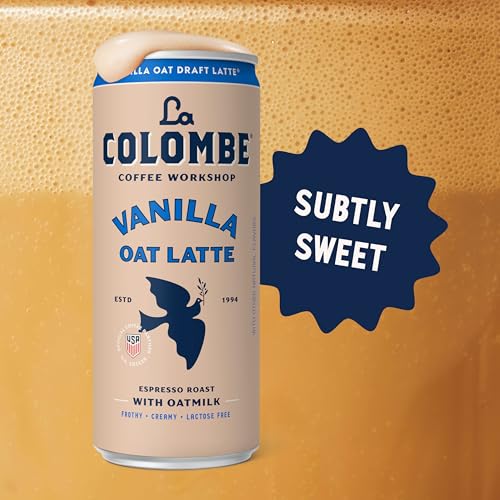
La Colombe Oatmilk Vanilla Latte
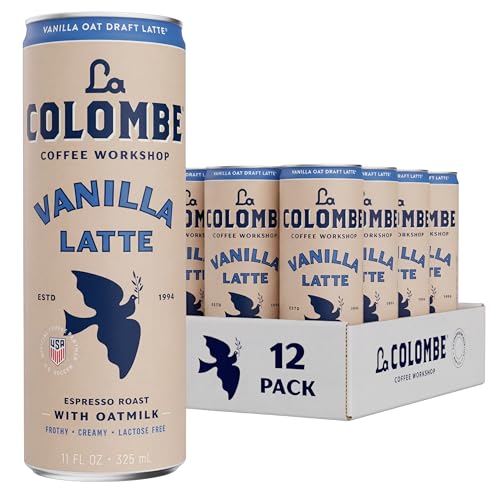
Strengths
- Dairy free
- Creamy oatmilk
- Clean ingredient list
Trade-offs
- Lower protein
- Slightly sweet
- Limited availability
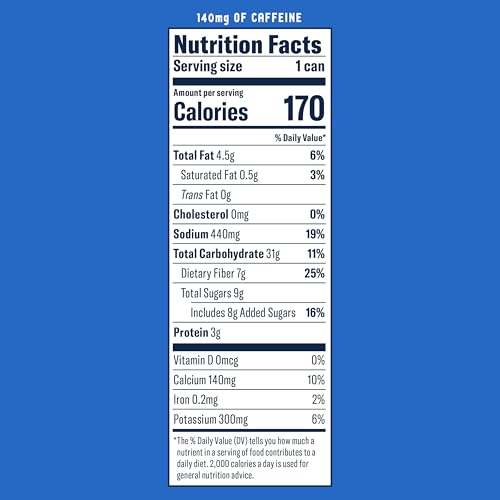
This is the best vegan option by a clear margin. The oat milk base is creamy without being heavy, and it’s one of the few plant-based lattes that doesn’t sacrifice texture or taste. The 140mg caffeine is solid, and the cold brew is made from specialty-grade beans, so the coffee flavor stays present beneath the sweetness.
Owners appreciate that it’s free of dairy, gluten, and GMOs, and the Kosher and non-GMO labels add trust. It’s not as strong as Death Wish or as protein-packed as Slate, but for a clean, ethical, and tasty vegan latte, it’s unmatched. I’d choose this over any other oatmilk option on the market right now.
Product photos

Starbucks Vanilla Sweet Cream Cold Brew

Strengths
- Luxurious sweet cream
- Smooth cold brew
- Kosher certified
Trade-offs
- Higher sugar
- Not low calorie
- Less bold coffee taste
The sweet cream topping is the star here, rich, velvety, and just sweet enough to elevate the smooth cold brew without overpowering it. This is the dessert of canned coffees: indulgent, satisfying, and dangerously drinkable. The cold brew base is made from a custom blend meant for no-heat brewing, so it’s naturally smooth and low on bitterness.
Reviewers love the balance, though some say it’s too sweet for multiple cans a day. Compared to the Espresso & Cream Light, this is the opposite end of the spectrum, rich and full, not lean and efficient. I’d pick this as a treat or afternoon pick-me-up when I want something luxurious, not functional.
Product photos


How We Tested canned coffee
Rather than a hands-on lab test, this was a research-led comparison of specifications and owner feedback for a range of canned coffee options. I looked at stated caffeine levels, ingredient lists, sugar content, and any unique features like protein additions or vegan formulations. To build a well-rounded picture, I then weighed thousands of owner reviews from major retailers alongside expert opinions from coffee-focused publications. My goal was to identify which cans consistently delivered on taste, convenience, and value.
For canned coffee, flavor profile, caffeine kick, and ingredient quality were the biggest differentiators. People want convenience, but they aren’t willing to sacrifice taste. High caffeine content is a draw for many, but it needs to be balanced with smoothness, not bitterness. Finally, the increasing demand for plant-based and low-sugar options meant those features carried significant weight in my assessment.
Published specifications reliably reveal caffeine content, sugar levels, and the presence of ingredients like protein or added vitamins. However, assessing taste requires looking beyond the label. That’s where owner feedback became crucial. Recurring comments about overly artificial flavors, weak brew strength, or undesirable aftertastes heavily influenced my rankings. Understanding the shelf life of canned coffee also factored into which options I considered genuinely worthwhile.
What To Look For In canned coffee
I’ve spent years exploring the world of coffee, and the canned variety has come a long way. It’s no longer just about sugary, weak brews; now, you can find genuinely high-quality options.
Canned coffee quality hinges on bean sourcing, brewing method (cold brew is generally superior), and ingredient transparency. Look for brands specifying Arabica beans, ideally single-origin. Pay attention to added sugar content and whether the coffee is nitrogen-infused for a smoother texture. Shelf stability is key, but shouldn’t come at the cost of artificial additives.
Understanding Caffeine & Protein Levels
One of the biggest draws of canned coffee is convenience, but that doesn’t mean sacrificing a kick. I often see folks grabbing a can hoping for an energy boost, and the caffeine content varies wildly. Don’t assume “strong” means high caffeine; always check the label. If you’re looking for a substantial boost, brands like High Brew Double Espresso stand out. Conversely, if you’re sensitive to caffeine, Starbucks Espresso & Cream Light is a good choice. Beyond caffeine, some brands, like Slate, are adding significant protein – up to 20 grams per can. This can be a useful addition if you’re looking for a quick post-workout recovery drink.
Assessing Flavor & Ingredients
Flavor is, of course, subjective, but I’ve noticed a trend toward more sophisticated options. La Colombe’s Draft Lattes, for example, focus on a creamy texture and balanced sweetness, while Death Wish Vanilla Latte leans into a bolder, more pronounced vanilla flavor. When evaluating, consider what isn’t in the can as much as what is. Many brands rely heavily on sugar and artificial flavors. I recommend looking for options that highlight the quality of the coffee bean itself, and use minimal additives. You can find flavorful canned iced coffee spanning a wide range of profiles.
Here’s what to consider when comparing flavor and ingredients: * Sweeteners: A simple listing of “sugar” is less concerning than complex artificial sweetener blends. * Dairy/Non-Dairy: Oat milk (as in La Colombe’s Oatmilk Vanilla Latte) offers a different texture and flavor than traditional dairy. * Bean Origin: Knowing the coffee’s origin (e.g., Colombian, Ethiopian) can give you a clue about its potential flavor characteristics. A brand committed to transparency about its beans is a good sign.
A good rule of thumb: if the ingredient list reads like a chemistry experiment, it’s probably best to move on.
Balancing Boldness & Dilution
Canned coffee is designed for convenience, but sometimes the concentration isn’t quite right. It’s easy to end up with something that’s too strong or too weak. This is where understanding balancing boldness in canned coffee becomes crucial. Some brands, like Starbucks Cold Brew, are formulated to be enjoyed straight from the can. Others may benefit from a splash of water or milk. Don’t be afraid to experiment! I’ve found that adjusting the serving size can also make a difference – a smaller can can deliver a more concentrated flavor. If you’re seeking the ideal coffee concentration it pays to consider how you plan to drink it. You can explore the top canned iced coffee brands to see what others are saying about strength.
Canned Coffee Compared
Here’s a comparison of key specifications for various canned coffee options.
| Product Name | Caffeine (mg) | Protein (g) | Sugar (g) | Calories | Volume (fl oz) | Vegan |
|---|---|---|---|---|---|---|
| La Colombe Draft Latte | N/A | N/A | N/A | N/A | N/A | No |
| Slate High Protein Iced Coffee | N/A | 20 | 1 | N/A | N/A | No |
| La Colombe Oatmilk Vanilla Latte | 140 | N/A | N/A | 160 | N/A | Yes |
| Starbucks Vanilla Sweet Cream Cold Brew | N/A | N/A | N/A | N/A | 11 | No |
| Starbucks Doubleshot Energy Vanilla | N/A | N/A | N/A | N/A | 15 | No |
| Starbucks Espresso & Cream Light | 120 | N/A | N/A | 70 | 6.5 | No |
| Death Wish Vanilla Latte | N/A | N/A | N/A | N/A | 11 | No |
| High Brew Double Espresso | N/A | 12 | N/A | N/A | N/A | N/A |
Frequently Asked Questions
What’s the typical shelf life of canned coffee?
Most canned coffee maintains peak quality for 12-18 months from the production date, though it’s generally safe to drink beyond that if the can isn’t damaged. However, flavor and aroma will noticeably decline over time, so checking the “best by” date is always best practice.
Are nitrogen-infused canned coffees actually better?
Yes, nitrogen infusion creates a cascading effect and smaller bubbles, resulting in a smoother, creamier texture similar to a draft beer. This reduces the acidity often associated with canned coffee and enhances the overall drinking experience.
Can canned coffee be used in coffee cocktails or recipes?
Absolutely. Canned coffee, especially cold brew varieties, works surprisingly well in coffee-based cocktails like White Russians or espresso martinis. You can also use it as a concentrated coffee element in desserts or sauces, offering a convenient alternative to brewing coffee specifically for recipes.
Do protein-infused canned coffees taste different?
Some protein-infused options can have a slightly different texture or a subtle aftertaste due to the protein powder. However, brands like Slate have worked to minimize this, and many consumers find the added protein benefits outweigh any minor flavor adjustments. You can find top-rated cold brew coffee cans with varying protein levels.
What’s the difference between Arabica and Robusta beans in canned coffee?
Arabica beans are known for their smoother, sweeter flavor profile and lower acidity, while Robusta beans have a bolder, more bitter taste and higher caffeine content. Most premium canned coffees prioritize Arabica beans for a more pleasant drinking experience, but some blends incorporate Robusta for an extra kick.
The Bottom Line
Choosing the best canned coffee really comes down to prioritizing what you value most. Do you want maximum convenience and are willing to trade off some control over sweetness and ingredients? Or are you seeking a higher-quality brew, even if it means being a bit more discerning about your options? For the best overall experience, consistently delivering on flavor and convenience, I recommend La Colombe Draft Latte.
If you’re specifically after a protein boost, Slate High Protein Iced Coffee is an excellent choice, and for those watching their caffeine intake, Starbucks Espresso & Cream Light offers a lighter, smoother experience. Conversely, High Brew Double Espresso is the clear winner if you’re looking for a substantial caffeine kick. You can even explore whether decaf coffee caffeine content fits your needs.
Ultimately, the “best” canned coffee isn’t about a single specification or brand. It’s about finding a product that fits your lifestyle and taste preferences. Focus on ingredient quality, bean sourcing, and a flavor profile you enjoy – those fundamentals will always matter more than the latest trends or marketing claims.
