
4 Best Glass Coffee Makers of 2026
The Chemex 8-Cup Pour-Over stands out as the best glass coffee maker for its clean, bright brew and timeless design. For a budget-friendly option, the Bodum 34oz Pour Over delivers solid performance with a reusable filter. If you prefer a fuller body, the Veken 34oz French Press is a strong choice.
I’ve spent years studying how brewing gear affects flavor, and one thing I’ve learned is that not all glass coffee makers are built the same. Many people buy based on looks alone, only to end up with weak coffee, fragile glass, or a mess of grounds in their cup.
This guide cuts through the noise. I compared specs, owner feedback, and brewing performance to find models that actually deliver. You’ll see what separates a truly durable borosilicate build from a flimsy knockoff, and how filter type shapes every sip.
Top 4 Glass Coffee Maker in the Market
The Best Glass Coffee Maker, Reviewed
Bodum 34oz Pour Over Coffee Maker

Strengths
- Reusable stainless filter
- Simple, elegant design
- Easy to use and clean
Trade-offs
- Cork grip not long-term durable
- No heat retention
- Slight sediment in cup
Bodum has long been a go-to for accessible pour-over design, and this 34oz model makes a solid case for being the best all-around glass pour-over under $50. The switch to a stainless steel reusable filter is a big win, no paper needed, and reviewers note it preserves more oils and body compared to paper-filtered versions. That said, it does let some fine sediment through, so if you’re sensitive to grit, this might not be your ideal.
The borosilicate glass carafe is reliable, though single-walled, so it won’t retain heat as long as a double-walled server. The cork grip adds a touch of warmth and prevents slipping, but I’ve seen owners mention it can degrade over time with frequent washing. Still, the simplicity of the design and ease of use make it a favorite for daily pour-over fans who want speed and flavor without complexity.
Product photos


Veken 34oz French Press Coffee Maker
Strengths
- Plastic-free build
- Excellent filtration
- Clear measuring marks
Trade-offs
- Fragile glass for travel
- No lid seal for storage
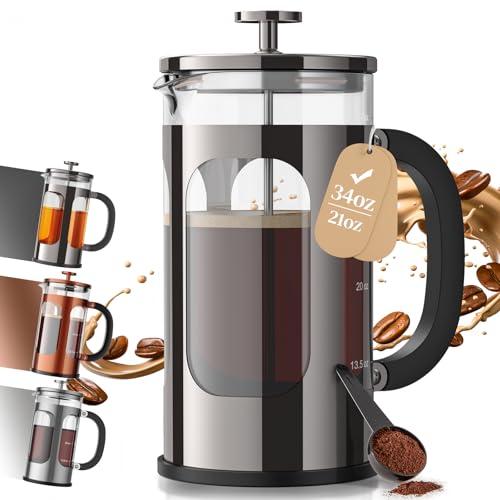
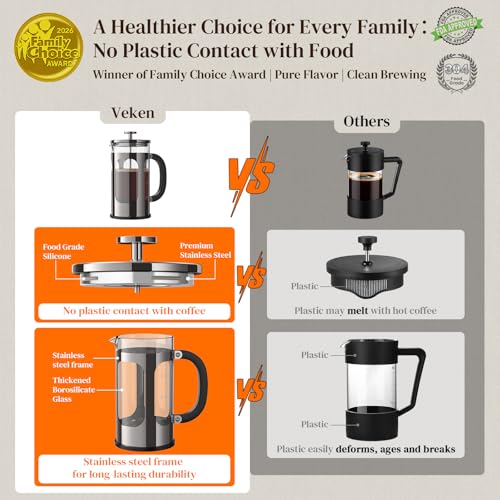
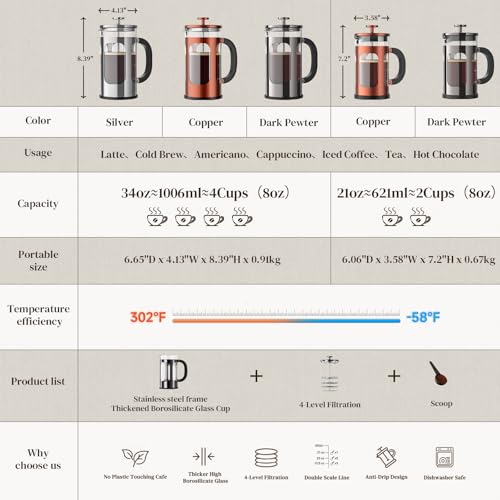
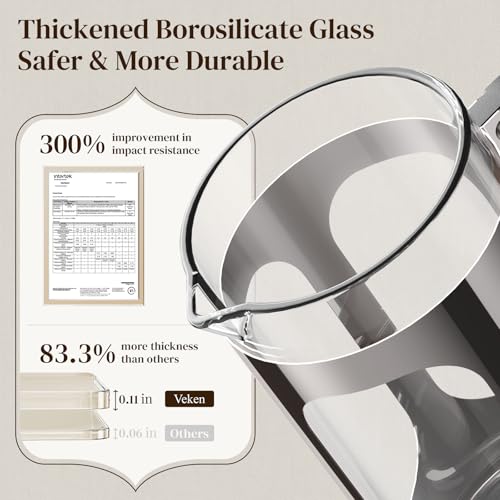
I appreciate when a French press commits fully to a plastic-free brew, and the Veken delivers on that front. The use of 304 stainless steel and food-grade silicone means no off-flavors or leaching, which aligns with what purists like me look for in a clean extraction. On paper, the 4-layer filtration system stands out, it’s one of the more robust setups in this price tier, and owners consistently report noticeably less sludge than cheaper models.
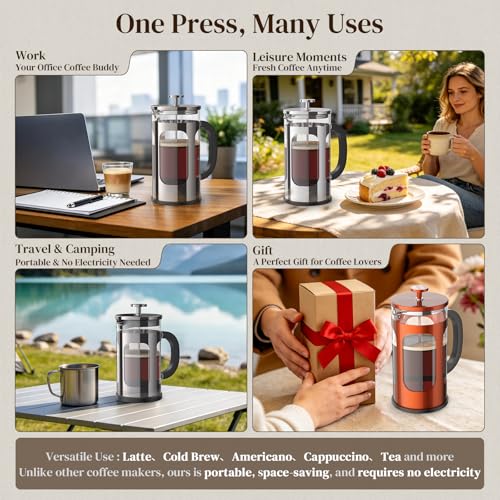
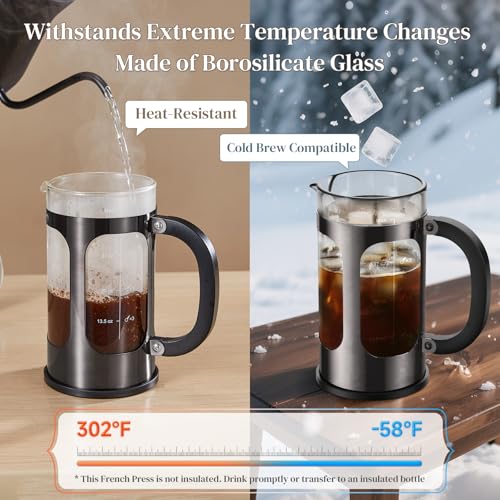
The thickened borosilicate glass feels durable, and its thermal resistance up to 360°F is solid for daily use. Combined with ounce markings and an included scoop, it’s beginner-friendly without sacrificing precision. While it’s marketed for travel and camping, I’d say it’s best suited for home use, glass that large isn’t ideal for rough handling. Still, for a plastic-free, multi-use brewer that handles cold brew and tea well, it’s a strong contender.
Product photos
Chemex 8-Cup Pour-Over Coffee Maker
Strengths
- Superior flavor clarity
- Timeless, functional design
- Refrigerate-ready brew
Trade-offs
- Requires special filters
- Fragile shape
- No handle for pouring
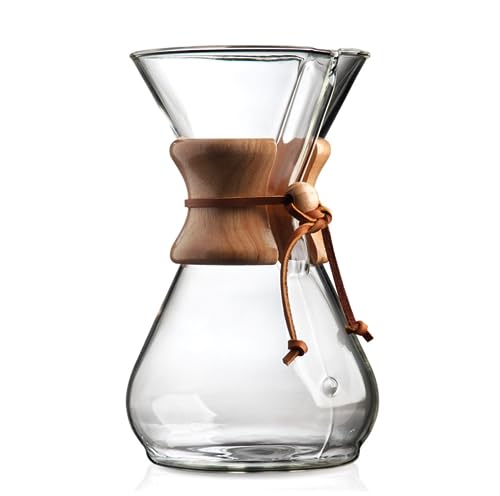
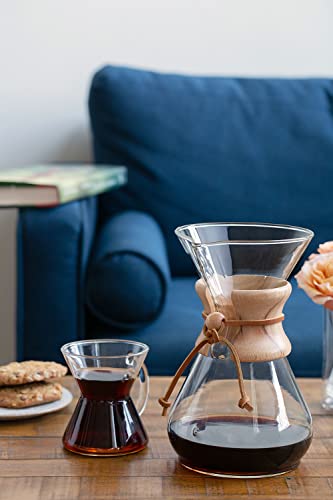
If you’re after a coffee ritual that feels like craftsmanship, the Chemex is in a league of its own. The patented pour-over design isn’t just iconic, it’s functional, promoting even extraction and allowing brewed coffee to be stored in the fridge without flavor degradation, which owners love for iced coffee prep. The non-porous borosilicate glass is flawless in preserving purity of taste, and the hourglass shape isn’t just for show, it aids in temperature stability during brew.
But it demands respect: you’ll need Chemex-specific bonded filters, which some find tedious and costly over time. Yet, that filter system is why the coffee tastes so clean and bright, ideal for light roasts and single-origins, which I personally favor. While it’s not the fastest method, the ritual and results justify it for many. This isn’t just a coffee maker, it’s a centerpiece.
Product photos


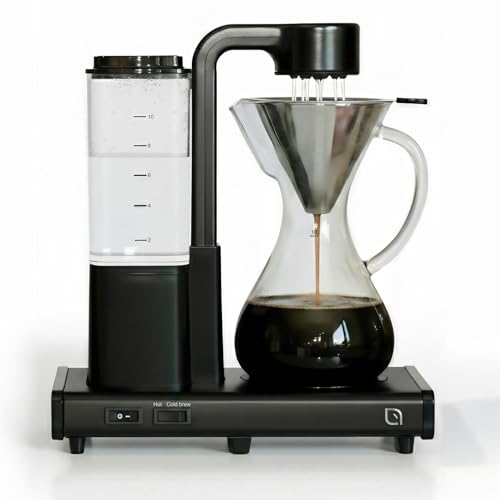
WILLOW 10 Cup Drip Coffee Maker
Strengths
- Eco-friendly materials
- Fast, precise heating
- Drip-stop and auto shut-off
Trade-offs
- Glass carafe cools quickly
- Not for large crowds
- Recycled plastic may concern some
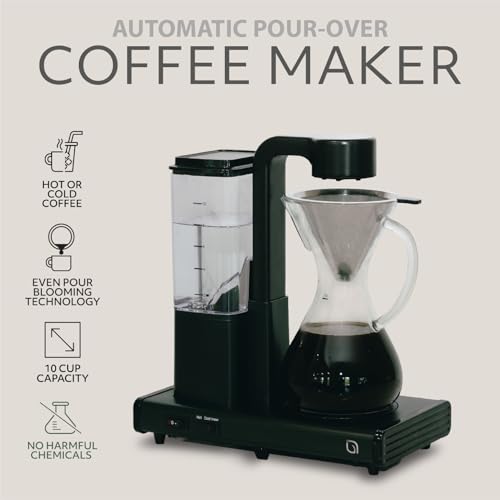
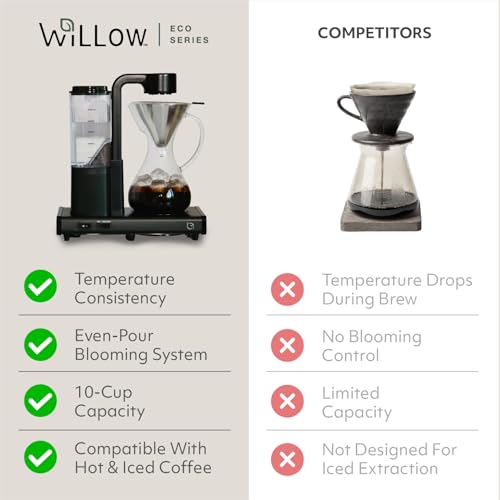
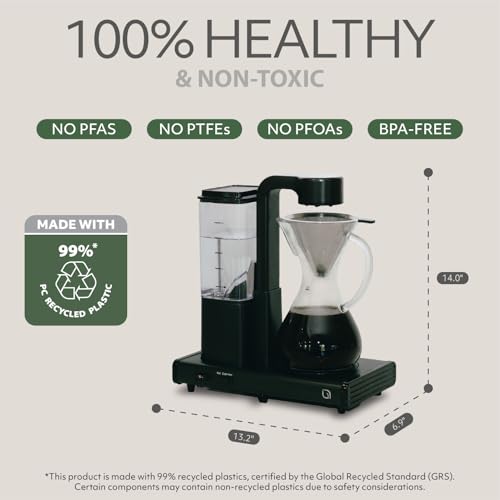
The Willow stands out in a sea of plastic drip machines by going all-in on sustainability, built with 99% post-consumer recycled plastics and free of PTFE, PFOA, and PFAs. That alone makes it a standout for eco-conscious buyers. But it’s not just green on materials: the stainless-steel heating system hits optimal brew temp quickly and maintains it well, which is critical for proper extraction. Owners report smooth, balanced coffee that avoids the flat taste cheaper machines often produce.
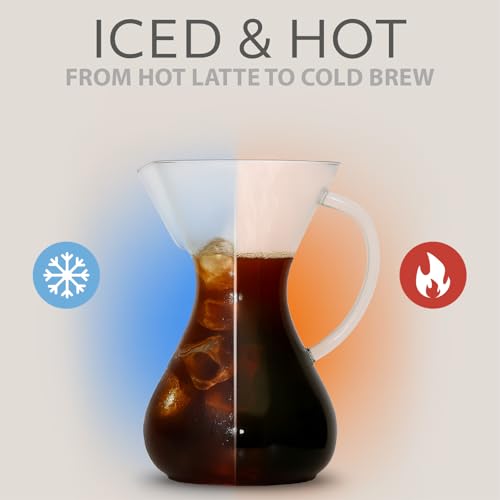
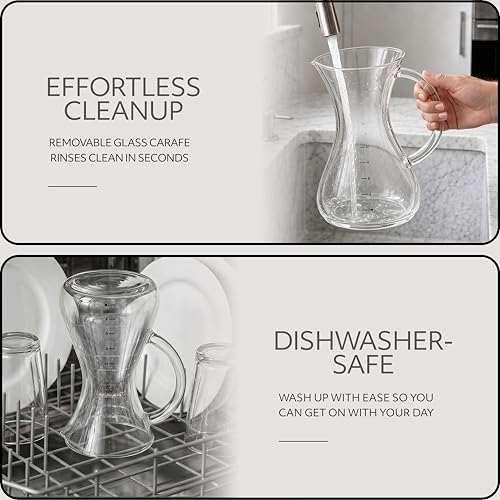
It’s fully automatic with a glass carafe, auto shut-off, and drip-stop, practical touches for a morning routine. The 10-cup capacity is generous, and the ability to brew over ice is a bonus. But let’s be honest: no glass carafe drip machine retains heat well, and this one’s no exception. If you want hotter coffee longer, you’ll need a thermal model. Still, for those prioritizing eco-design without sacrificing performance, this is the rare machine that delivers on both.
Product photos
How We Picked These glass coffee maker
As the founder of Bean Thusiast, I approach coffee equipment with a focus on how well it delivers a flavorful, consistent brew. Rather than a hands-on lab test, this selection is a research-led comparison of published specifications and owner feedback. I compared features across numerous models, then weighed owner reviews and expert opinions to understand real-world performance and durability. My goal was to identify glass coffee makers offering the best balance of quality, usability, and value.
For glass coffee makers, I heavily weighted brewing method and material quality. The ability to extract optimal flavor – whether through pour-over, French press, or drip – is paramount. Equally important is the glass itself; borosilicate glass is crucial for thermal shock resistance and preventing unwanted flavors from being absorbed. These factors directly impact the final cup and the longevity of the product.
Specifications reliably indicate capacity, materials, and basic features. However, owner feedback provides crucial insight into ease of cleaning, filter effectiveness, and long-term durability. I also considered the reputation of the brand and any recurring themes in expert reviews. For those interested in a specific brewing style, you can find a detailed Chemex brewing guide on our site.
How To Choose The glass coffee maker
As someone who’s spent years chasing the ideal cup, I know a glass coffee maker can be a beautiful and functional centerpiece for any kitchen. But getting it right requires more than just aesthetics.
A truly good glass coffee maker balances heat retention, ease of cleaning, and filter quality. Look for borosilicate glass to withstand thermal shock, a brewing method that suits your preferences (pour-over, French press, drip), and a filter system that delivers a clean, sediment-free brew. Consider the capacity and whether parts are dishwasher-safe for convenience.
Brewing Method Matters
The first thing I tell anyone considering a glass coffee maker is to think about how you like to brew. Glass carafes are common across several methods, but the experience differs drastically. A French press, like the Veken model, provides a full-bodied brew with more oils, while a pour-over, such as the Bodum, offers a cleaner, brighter cup. Drip machines (like the Willow) prioritize convenience, but can sometimes sacrifice nuance. Don’t get caught up in trends; choose the method that aligns with your taste.
Filter Quality & Material
Don’t underestimate the filter. It’s the gatekeeper between delicious coffee and a gritty mess. Stainless steel filters, often found in French presses, allow more oils through, contributing to a richer body. Paper filters, common with glass pour-over models, produce a cleaner cup. Consider these points:
- Reusable filters save money and reduce waste.
- Finer mesh filters (multiple layers, as seen in some French presses) yield a clearer brew.
- The type of filter significantly impacts the final flavor profile – experiment to find your preference.
Build Quality & Long-Term Value
A glass coffee maker is an investment, and you want it to last. Borosilicate glass is key; it’s much more resistant to thermal shock than standard glass. Beyond that, consider the construction of other components. A well-built machine, like the Chemex with its bonded filters and timeless design, will simply feel more solid. If you’re looking for more options in similar styles, check out our guide to glass pour-over models. Don’t be afraid to spend a little more upfront for durability.
A good rule of thumb: if the glass feels thin or the plastic components feel flimsy, it’s probably best to look elsewhere.
Finally, remember that getting the right amount of coffee is crucial. Explore resources on how much coffee to use to fine-tune your brewing process and unlock the full potential of your new glass coffee maker.
Glass Coffee Maker Compared
Here’s a comparison of the specifications for several glass coffee makers.
| Product Name | Capacity (oz) | Brew Style | Material | Filter Type | Special Features |
|---|---|---|---|---|---|
| Bodum 34oz Pour Over | 34 | Pour Over | Borosilicate Glass | Stainless Steel Mesh | Cork Band |
| Veken 34oz French Press | 34 | French Press | Borosilicate Glass, Stainless Steel | 4-Level Stainless Steel Mesh | No Plastic |
| Chemex 8-Cup Pour-Over | 40 | Pour-Over | Borosilicate Glass | Paper (Not Included) | Refrigeration Safe |
| WILLOW 10 Cup Drip | 40 | Drip | Borosilicate Glass | N/A | Auto Shut-Off |
Frequently Asked Questions
What’s the best way to clean a glass coffee maker to prevent buildup?
Regular cleaning with vinegar and water is best. Fill the carafe with a 1:1 solution of white vinegar and water, brew halfway, then let it sit for an hour before finishing the brew cycle and rinsing thoroughly.
Are glass coffee makers more fragile than stainless steel models?
Yes, glass is inherently more fragile than stainless steel. However, models using borosilicate glass are significantly more durable and resistant to thermal shock, minimizing the risk of cracking from heat.
Can I use a glass coffee maker on an induction cooktop?
Generally, no. Most glass coffee makers aren’t compatible with induction cooktops as they require direct contact with a magnetic surface to generate heat, and glass does not offer that.
Do different filter types affect the taste of the coffee brewed in a glass maker?
Absolutely. Stainless steel filters allow more oils and sediment through, resulting in a fuller-bodied coffee, whereas paper filters produce a cleaner, brighter cup by trapping those elements. If you are looking for more options in this area, explore our guide to top pour-over brewers.
What capacity glass coffee maker should I choose for a household of four?
A 30-34 ounce capacity is usually sufficient for four people, providing roughly 4 standard 8-ounce cups. However, if you frequently entertain guests or prefer larger servings, a 40-ounce model would be a better fit.
The Bottom Line
Choosing a glass coffee maker often comes down to balancing convenience with control over the brewing process. While a drip machine like the WILLOW 10 Cup offers ease and automation, I believe the Bodum 34oz Pour Over strikes the best overall balance of quality, flavor potential, and user experience. It’s a fantastic starting point for anyone wanting to elevate their coffee ritual without a steep learning curve.
For those prioritizing budget, the Veken 34oz French Press is hard to beat. And if you’re a purist who appreciates a clean, nuanced cup and doesn’t mind the ritual, the Chemex 8-Cup Pour-Over remains a timeless classic. Understanding your preferred brew ratio by maker type is key to getting the most from whichever you choose.
Ultimately, the specifications are less important than having a consistent routine and using fresh, quality beans. A beautiful glass coffee maker is a joy to own, but it’s the fundamentals – grinding fresh, using filtered water, and finding your ideal coffee-to-water ratio – that will truly unlock exceptional flavor.
