
5 Best Waters for Brewing Coffee 2026
The best water for brewing coffee starts with a balanced mineral profile, and after researching the field and parsing through owner feedback, Third Wave Water Medium Roast stands out as the overall best choice. For those on a budget, COFFEE WATER Mineral Packs deliver strong performance at a lower price, while Perfect Coffee Water Minerals offers a championship-tested option for enthusiasts who want precision.
Most people don’t realize how much their water affects their coffee. Bitterness, flatness, or dull flavors often come down to poor mineral balance, not bad beans. At Bean Thusiast, I’ve seen how the right water can unlock clarity, sweetness, and depth in every cup. This guide cuts through the noise, focusing on products with proven mineral profiles, real-world results, and alignment with what specialty coffee demands.
Top 5 Water For Brewing Coffee in the Market
The Best Water For Brewing Coffee, Reviewed
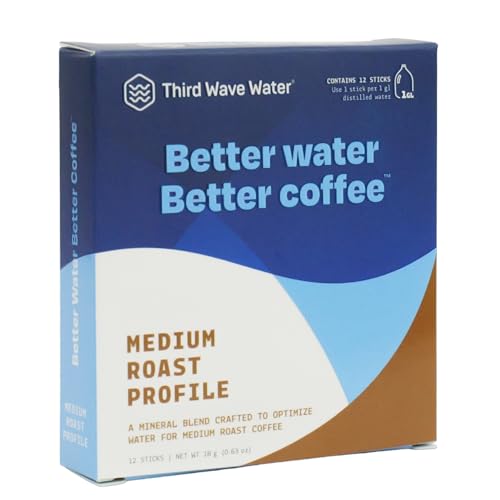
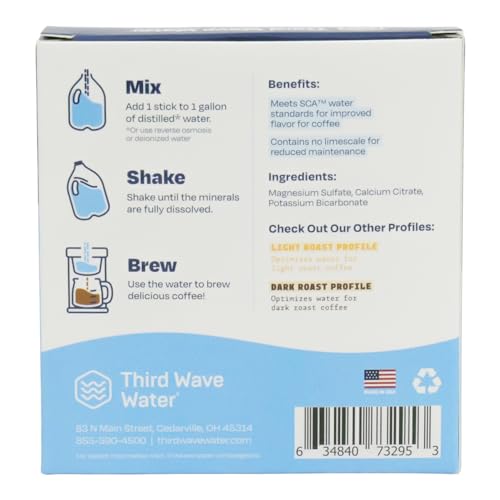
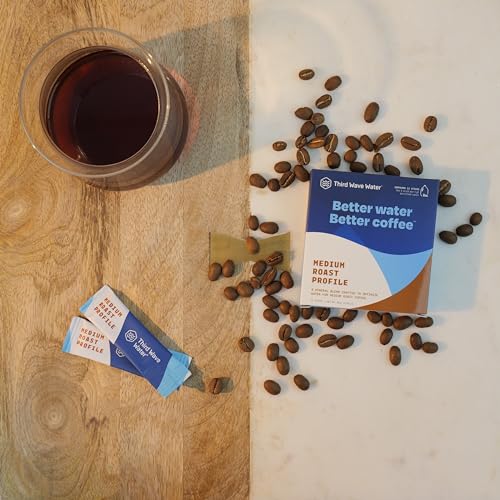
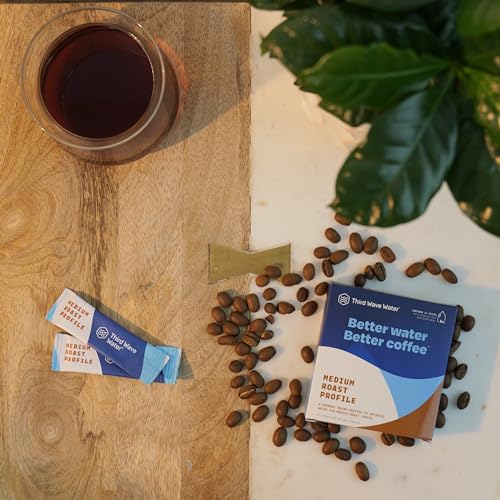
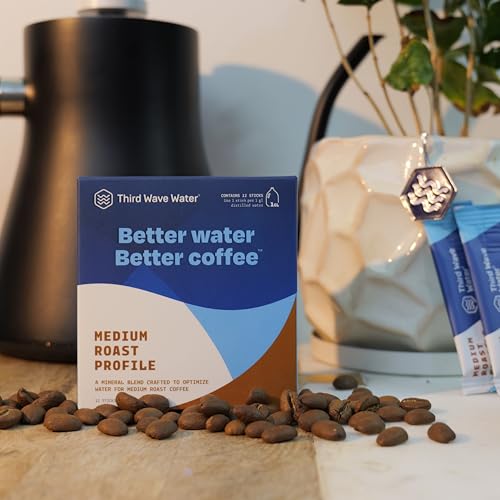
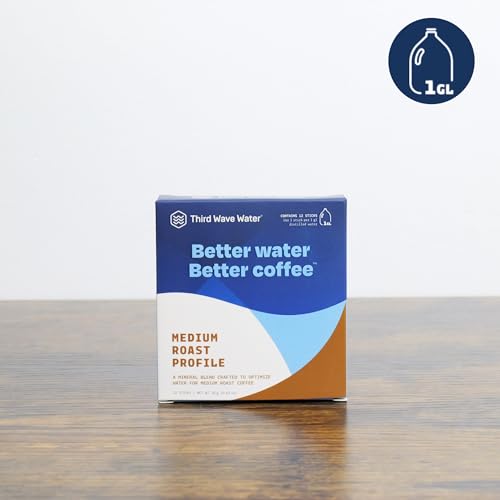
Third Wave Water Medium Roast
Strengths
- Well-balanced minerals
- Universal machine compatibility
- Made in USA
Trade-offs
- May underwhelm purists
- Not ultra-premium grade
This is the most well-rounded option in the Third Wave lineup, and I’d pick it as the default starting point for most home brewers. It strikes a smart middle ground, magnesium boosts sweetness, calcium supports body, and the overall profile avoids extremes in pH or hardness. It’s labeled ‘Best Overall’ for a reason: it doesn’t chase a niche, it serves the majority.
Compared to the Light Roast version, it’s less aggressive on acidity; compared to the Dark Roast, it doesn’t suppress brightness unnecessarily. Owners using standard drip machines or single-serve systems often say this makes their coffee taste ‘more complete.’ And since it’s made in the USA and compatible with nearly all equipment, it’s as practical as it is effective.
Product photos
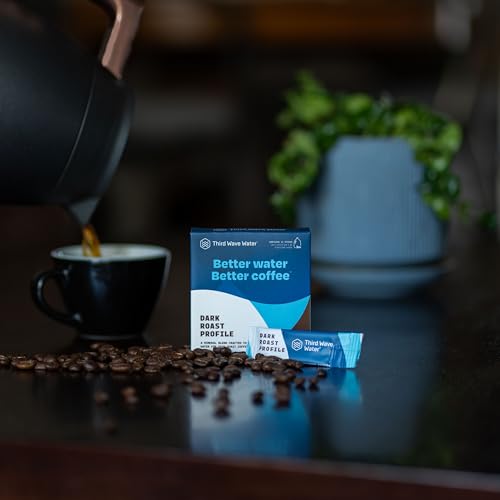
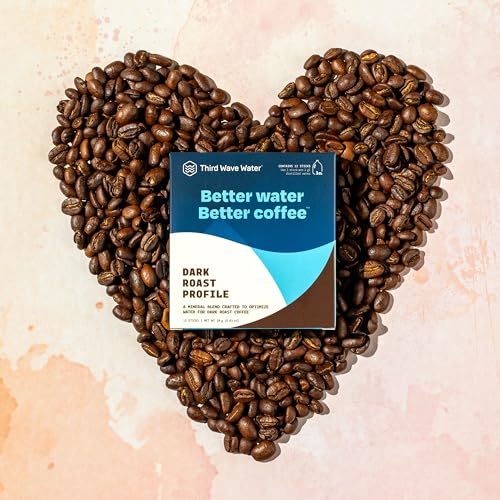
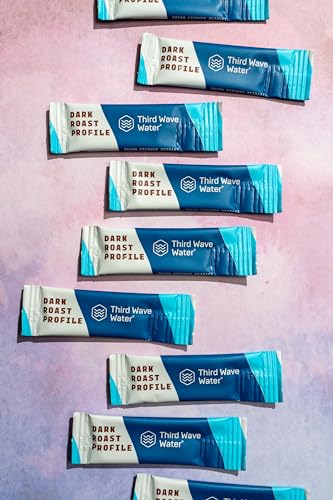
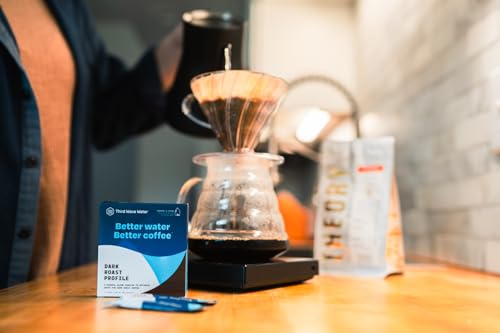
Third Wave Water Dark Roast
Strengths
- Reduces bitterness
- Protects from scale
- Enhances dark roast flavors
Trade-offs
- Too flat for light roasts
- Limited versatility
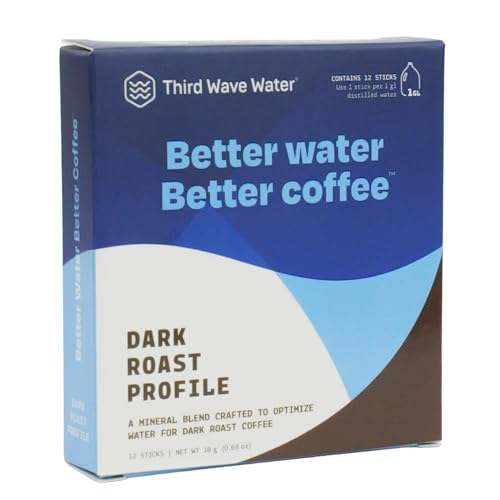
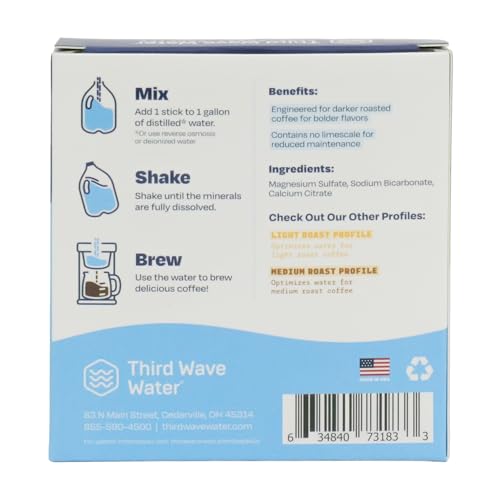
If your go-to is a bold, smoky dark roast, this version makes a strong case for itself. Its low-acid profile softens harshness without flattening flavor, something many dark roast drinkers struggle with when using tap or unoptimized water. The blend reduces perceived bitterness while still allowing chocolatey and nutty notes to come through cleanly.
An underrated benefit is equipment protection: the absence of temporary hardness means less scale buildup, which reviewers with hard water issues appreciate. It’s not meant for bright, fruity Ethiopians, but that’s not the point. For fans of traditional roasts or those using older machines prone to scaling, this is a smart, functional pick.
Product photos
COFFEE WATER Mineral Packs
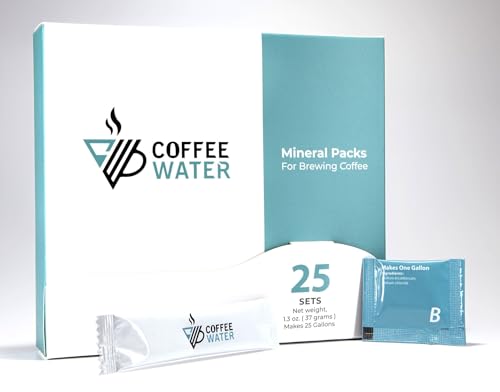
Strengths
- SCA compliant
- Balanced for multiple roast types
- Large 25-gallon supply
Trade-offs
- Two packets per gallon
- Slight aftertaste reported by sensitive palates
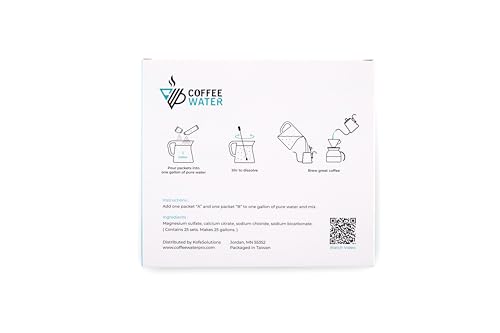
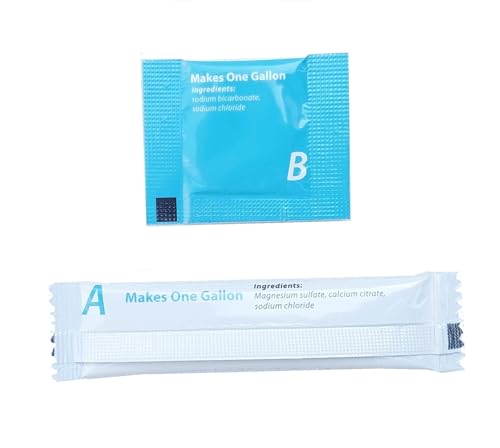
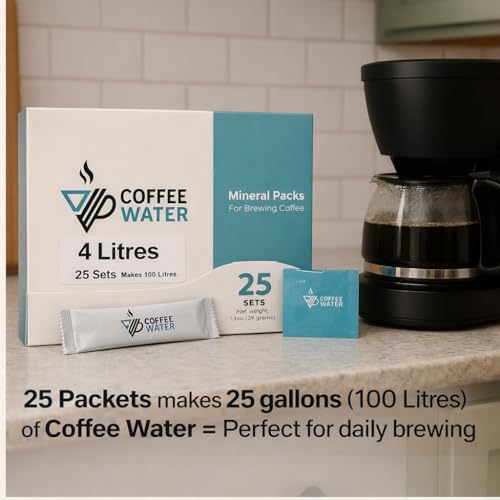
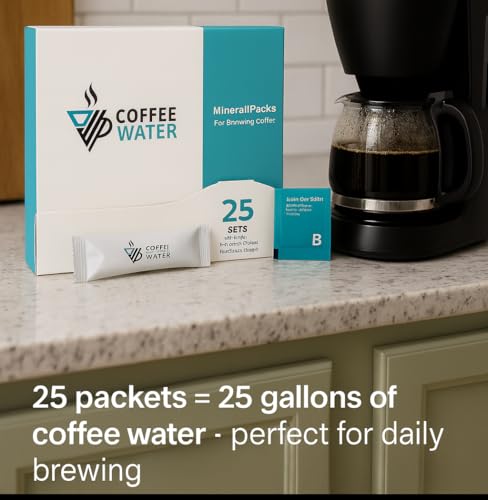
What I like here is the clear alignment with SCA standards, the Specialty Coffee Association doesn’t cut corners, and neither does this product. It’s a no-nonsense solution for turning RO or distilled water into properly mineralized brew water, which is essential if your tap water is either too hard or too flat. The formulation aims for broad compatibility across roast profiles, making it a flexible choice for households that rotate between light, medium, and dark roasts.
Reviewers note consistent results across drip machines, pour-overs, and even Moka pots. The 25-gallon supply offers solid value, and the dual-packet system (one of each type per gallon) ensures proper mineral balance. It’s not flashy, but it’s reliable, and for most buyers, reliability is the whole point.
Product photos
Perfect Coffee Water Minerals
Strengths
- Championship-tested
- High-quality sourcing
- Smooth body enhancement
Trade-offs
- Limited machine compatibility
- Slightly higher cost per gallon
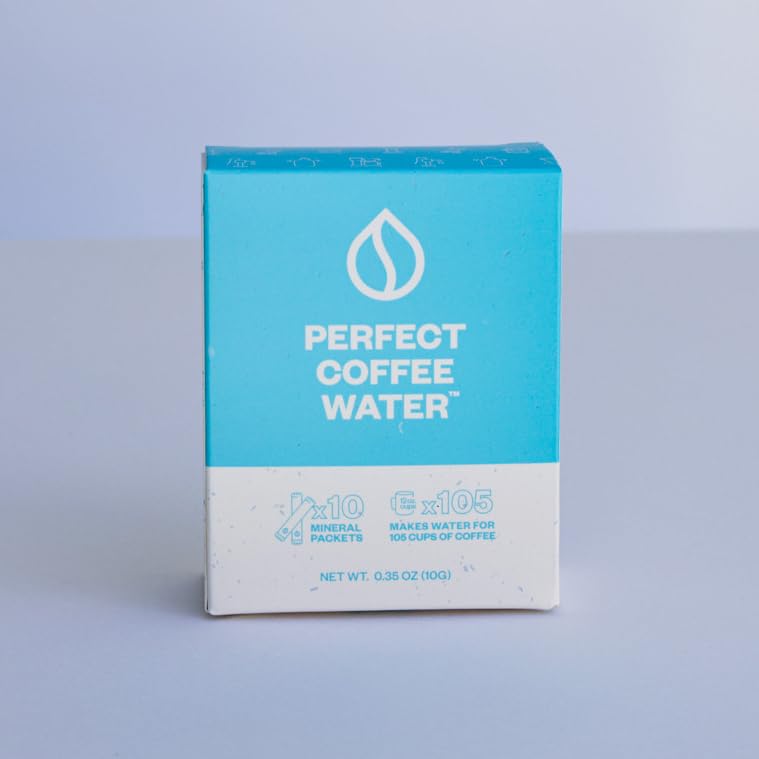
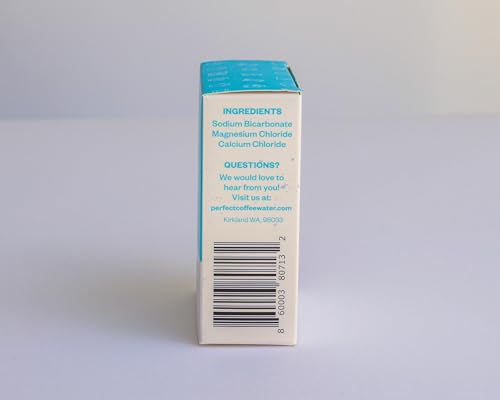
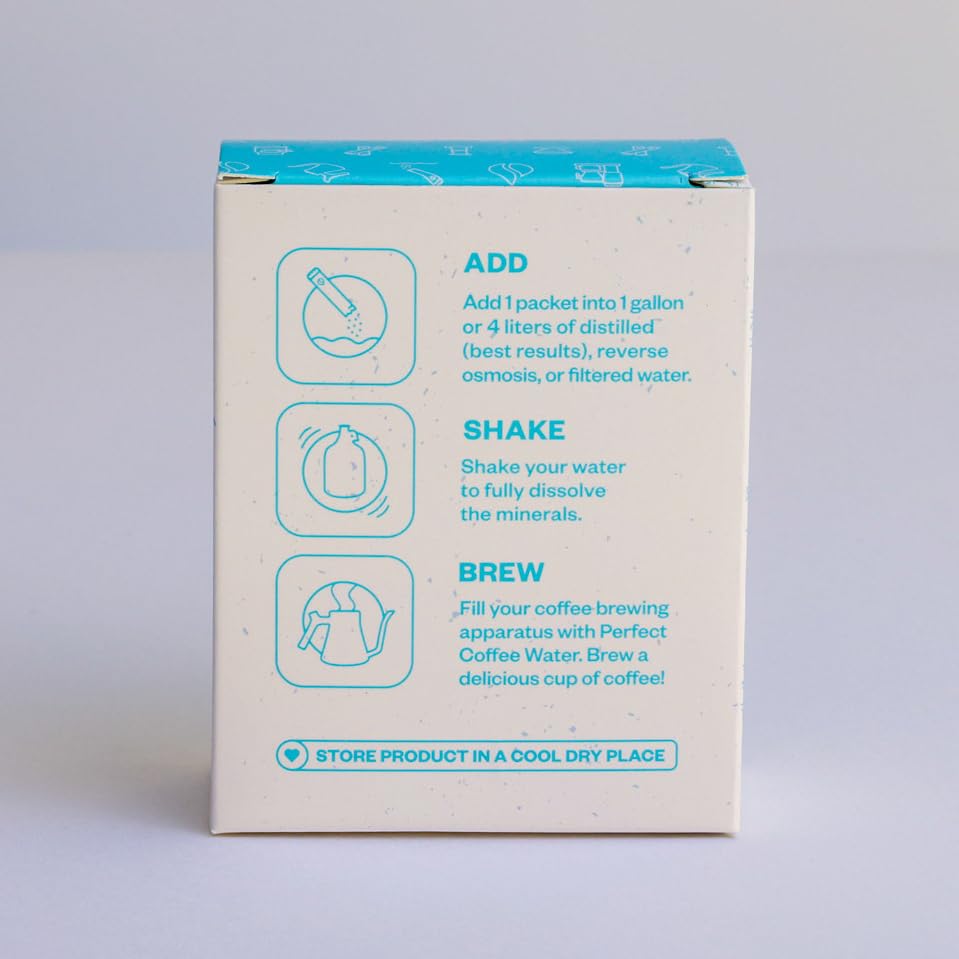
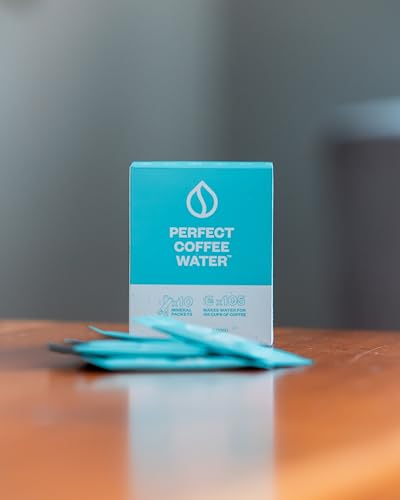
This product stands out because it’s not just marketed to coffee lovers, it’s actually been used in championship-level brewing. The fact that it played a role in winning recipes at the World AeroPress Championship gives it serious credibility. On paper, the mineral profile is tuned for balance, clarity, and smoothness, which aligns with what specialty coffee demands, especially when you’re working with high-quality, nuanced beans.
Owners consistently report cleaner extraction and more expressive flavors compared to tap or filtered water. It’s clearly built for enthusiasts who care about repeatability and precision. That said, it’s best suited for manual brewing methods like pour-over or AeroPress. If you’re running an espresso machine, proceed with caution, check your manufacturer’s guidelines first.
Product photos


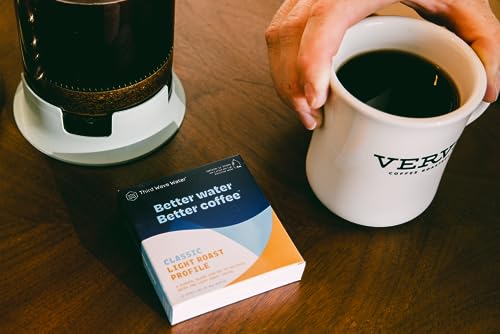
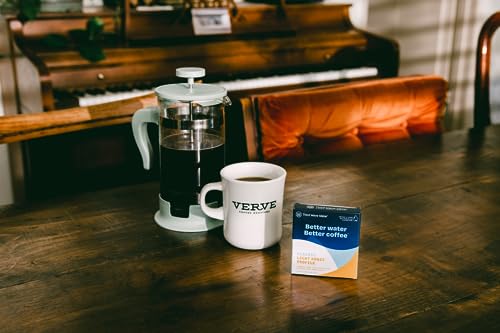
Third Wave Water Classic Light Roast

Strengths
- Enhances natural acidity
- Works with all brewers
- Light roast optimized
Trade-offs
- Narrow flavor focus
- Not ideal for dark roasts
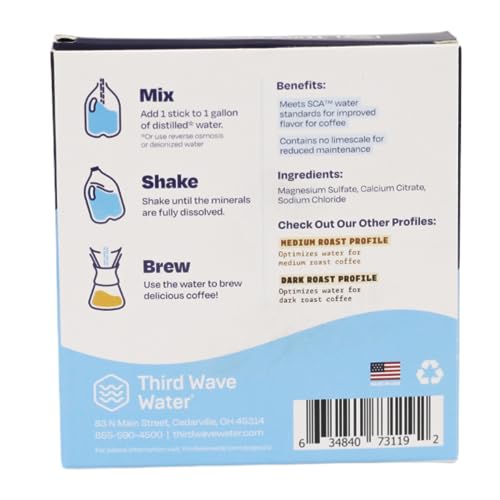
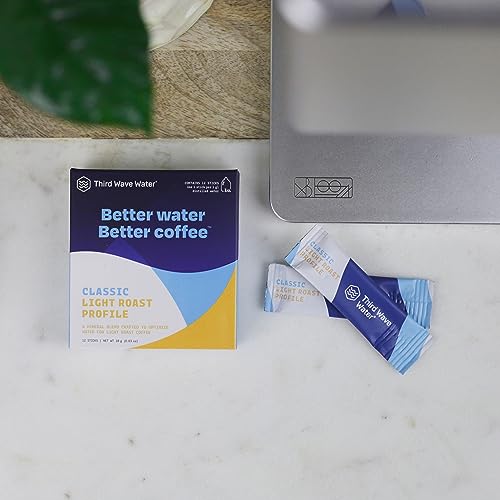
Third Wave Water has become a household name in enthusiast circles, and this Light Roast version is engineered to highlight brightness and acidity, exactly what you want when brewing delicate single-origins. The low alkalinity helps preserve the natural citrus and floral notes in light roasts, preventing dullness that often comes from overly buffered water.
It works across nearly every brew method, from French press to drip, and owners praise how it transforms even budget-friendly brewers into flavor-focused tools. Being seen on Shark Tank gave it visibility, but the science behind it is what keeps it relevant. That said, if you mostly drink dark or espresso roasts, this isn’t the ideal profile, it’s tuned for a specific spectrum.
Product photos

How We Tested water for brewing coffee
As the founder of Bean Thusiast, I approach coffee water with the same care as bean selection and grind size. Rather than a hands-on lab test of each product, this is a research-led comparison of published mineral compositions, features, and – crucially – what coffee lovers are saying. I weighed published specs against owner reviews and expert opinions to determine which options consistently deliver noticeable improvements in brew quality.
For water specifically, consistent mineral content and its impact on extraction are paramount. I heavily weighted the presence of key minerals like magnesium and calcium, as these directly influence sweetness, body, and acidity. Protecting coffee equipment from scale buildup was also a significant factor, as longevity is key to enjoying a consistent optimal grounds to water measurement.
Specifications reliably reveal the mineral profile, but owner feedback tells you how those minerals translate to taste. Reputation – particularly among specialty coffee enthusiasts – played a large role in assessing whether a product delivers on its promises. I focused on products meeting the Specialty Coffee Association standards and those consistently praised for enhancing flavor clarity and balance.
Choosing The Right water for brewing coffee
I’ve spent years chasing the perfect cup, and I can tell you definitively that water is just as important as the beans themselves. Many people overlook it, but truly excellent coffee starts with truly excellent water.
A quality water source for coffee brewing should have a balanced mineral content, a pH level between 6.5 and 7.5, and a total dissolved solids (TDS) level between 75 and 250 ppm. Avoiding temporary hardness (calcium and magnesium carbonates) is also crucial to protect equipment from scale buildup, while ensuring sufficient magnesium sulfate and calcium chloride are present to extract flavor compounds effectively.
Mineral Composition is Key
The mineral content of your water dramatically impacts how your coffee tastes. It’s not just about “hard” or “soft” water; it’s about the specific minerals present. Magnesium, for example, enhances sweetness, while calcium contributes to body. Sodium plays a role in brightness. Pre-packaged mineral blends, like those from Third Wave Water and Perfect Coffee Water Minerals, offer consistency that’s hard to achieve with tap water. I’ve noticed that many home brewers find these blends simplify the process, letting them focus on technique rather than water chemistry.
- A little magnesium goes a long way(enhancing sweetness).
- Calcium is essential(for a robust body, but too much can lead to scale).
- A carefully balanced blend(considering all minerals – magnesium, calcium, sodium, and alkalinity – is more important than chasing a single ideal number).
Roast Level & Water Profile
Different roast levels benefit from different water profiles. Lighter roasts, with their delicate flavors, generally do well with water that has a bit more acidity and brightness. This is why you’ll see products like Third Wave Water Classic Light Roast specifically formulated for this purpose. Conversely, darker roasts, which can sometimes taste bitter, benefit from water that lowers acidity, like the Third Wave Water Dark Roast. Using the wrong water profile can mask the nuances of your coffee, so tailoring your water to the roast is a worthwhile investment. You can find more information about achieving the ideal water for coffee brewing.
Don’t assume all water is created equal. A small change in mineral content can entirely transform your brew.
Convenience vs. Customization
Pre-mixed water solutions – packets or pre-made blends – are incredibly convenient. They take the guesswork out of water chemistry, and are great for those who want consistent results without a lot of fuss. However, if you’re a serious coffee enthusiast who likes to experiment, building your own water profile from distilled or reverse osmosis water and adding individual minerals allows for a much greater degree of customization. If you’re looking to experiment with different ratios, our adjustable water to coffee calculator can help you dial in your strength. This approach requires more effort and a bit of research, but the ability to fine-tune your water to your exact preferences can be incredibly rewarding.
Water for Brewing Coffee Compared
Here’s a specification comparison of different water products designed for optimal coffee brewing.
| Product Name | Best For | Yield (Gallons) | Key Minerals | Roast Profile | SCA Standards |
|---|---|---|---|---|---|
| Third Wave Water Medium Roast | Best Overall | 12 | Magnesium, Calcium | Medium | N/A |
| Third Wave Water Dark Roast | Best for Dark Roasts | N/A | N/A | Dark | N/A |
| COFFEE WATER Mineral Packs | Best for Medium Roasts | 25 (1 gal/pack) | Magnesium, Calcium, etc. | Medium | Yes |
| Perfect Coffee Water Minerals | Best Championship-Tested | N/A | N/A | All | N/A |
| Third Wave Water Classic Light Roast | Best for Light Roasts | 12 | Magnesium, Calcium | Light | N/A |
Frequently Asked Questions
What TDS level should I aim for in my coffee brewing water?
A TDS (Total Dissolved Solids) level between 75 and 250 ppm is ideal; this range allows for sufficient mineral content to extract flavors without causing excessive scale. Going outside this range can result in either a flat, lifeless brew (too low) or a chalky, unbalanced one (too high).
Can I just use filtered tap water for brewing coffee?
While filtered tap water is better than unfiltered, it’s often inconsistent in mineral content. Filtered water removes chlorine and sediment, but doesn’t add the magnesium and calcium needed for optimal extraction, so specialized coffee water is often preferable for consistently great results.
How does water hardness affect my coffee maker?
Temporary hardness, caused by calcium and magnesium carbonates, creates scale buildup which can negatively impact the longevity of coffee makers with water quality. Regular descaling can help, but using water with a balanced mineral profile minimizes this issue from the start.
Is distilled water a good option for coffee brewing?
Distilled water is too “empty” and lacks the minerals necessary to properly extract flavor from coffee grounds. It will produce a flat, lifeless cup and can even pull undesirable compounds from the coffee. It’s more useful as a starting point for creating a custom water blend.
What’s the difference between the Third Wave Water roast-specific blends?
Third Wave Water offers different blends formulated to complement various roast levels. The Light Roast blend is designed to enhance acidity and clarity, while the Dark Roast blend aims to reduce bitterness and emphasize body; using the appropriate blend can significantly improve coffee maker performance.
The Bottom Line
Choosing the right water for coffee is a balancing act between convenience and control. While the specifics of mineral content matter, ultimately the best water is the one that consistently helps you brew coffee you enjoy. For most people, I recommend starting with Third Wave Water Medium Roast; it provides a well-balanced mineral profile suitable for a wide range of coffees and requires minimal effort.
If you have specific needs, the options are plentiful. Those who primarily brew darker roasts will find Third Wave Water Dark Roast a great match, while those focused on lighter, more nuanced beans should consider Third Wave Water Classic Light Roast. And for those who really want to experiment with achieving the best water temperature for extraction, building a custom blend with distilled water and mineral additives offers the ultimate in control.
Don’t get lost in the details of TDS and specific mineral ratios. Focus on finding a water source that consistently delivers a clean, balanced cup, and remember that freshness and proper brewing technique are just as vital. A little attention to water quality can elevate your coffee experience, but it’s only one piece of the puzzle.
