
7 Best Natural Sweeteners for Coffee 2026
This post contains affiliate links. As an Amazon Associate, we earn from qualifying purchases.
The Lakanto Pure Monk Fruit Drops stand out as the best natural sweetener for coffee, delivering clean sweetness without the aftertaste many complain about with stevia. For a budget-friendly option, Stevia In The Raw Packets offer solid performance, while the SweetLeaf Liquid Monk Fruit Drops are ideal if you want versatility across different brews.
Most coffee drinkers switching to natural sweeteners want to avoid sugar crashes or aftertastes that wreck a good cup. The challenge is finding one that dissolves easily, doesn’t alter the coffee’s character, and fits dietary needs like keto or low-carb.
This guide cuts through the noise by comparing top sweeteners based on taste, ingredient transparency, and real-world feedback. I looked at how each performs in black coffee, espresso, and milk-based drinks, weighing factors like sweetness control and formulation.
Top 7 Natural Sweetener For Coffee in the Market
The Best Natural Sweetener For Coffee, Reviewed
SweetLeaf Sweet Drops Variety Pack

Strengths
- Multiple flavors
- Zero calories
- Portable bottles
- No artificial ingredients
- Keto friendly
Trade-offs
- Natural flavors used
- Shorter ingredient list transparency
- Some flavors are subtle
If variety and flavor fun matter to you, SweetLeaf’s Variety Pack is hard to beat. These stevia drops come in chocolate, caramel, coconut, and vanilla, flavors that actually enhance your coffee instead of just sweetening it. The base is zero-calorie stevia extract, and owners consistently praise how smooth and aftertaste-free these are compared to other flavored stevia brands.
I’d pick this over plain stevia drops if you like changing up your coffee experience. It’s not the purest option, natural flavors are included, but they’re derived from plant sources and don’t include artificial junk. For a little indulgence without sugar, this pack brings real personality to your mug.
Product photos


SweetLeaf Liquid Monk Fruit Drops

Strengths
- Organic monk fruit
- No erythritol
- Delicious flavors
- Zero calories
- Keto friendly
Trade-offs
- Flavors are sweet-focused
- Not for purists
- Squeezable bottles can drip
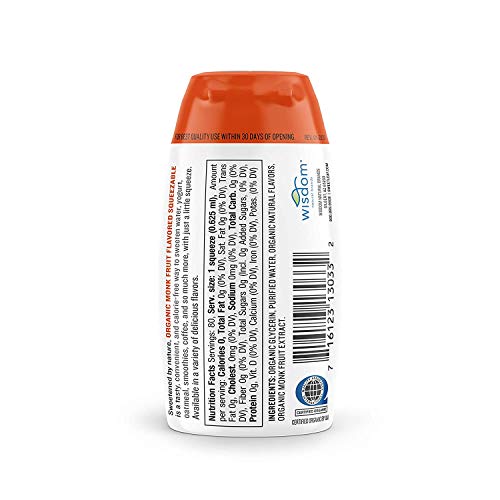
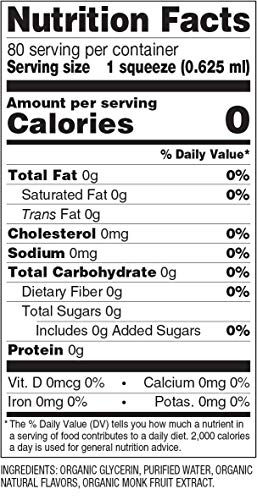
This variety pack gives you three rich, coffee-friendly flavors, French Vanilla, English Toffee, and Caramel Macchiato, using organic monk fruit extract. Unlike many flavored sweeteners, these drops contain no erythritol, which means no cooling aftertaste and no digestive issues for sensitive users. Owners love how these transform black coffee into something dessert-like with just a few drops.
It’s more indulgent than plain sweeteners, but that’s the point. Compared to stevia-based flavored drops, these have a smoother profile and less bitterness. If you want to treat your coffee like a café creation without sugar or calories, this is my top recommendation.
Product photos
Stevia In The Raw Packets

Strengths
- Zero calorie
- No erythritol
- Easy to use
- Vegan and gluten free
- Low glycemic
Trade-offs
- Mild sweetness
- Some detect slight aftertaste
- Less precise than drops
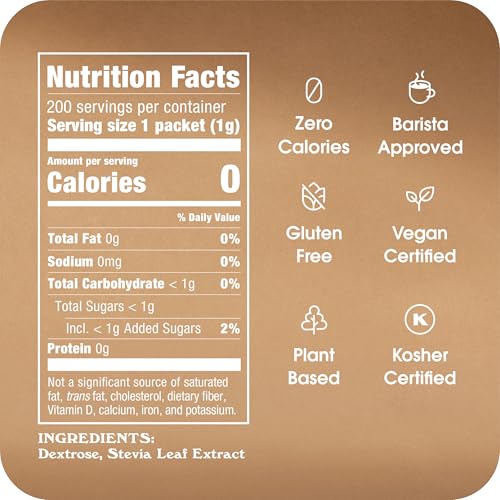
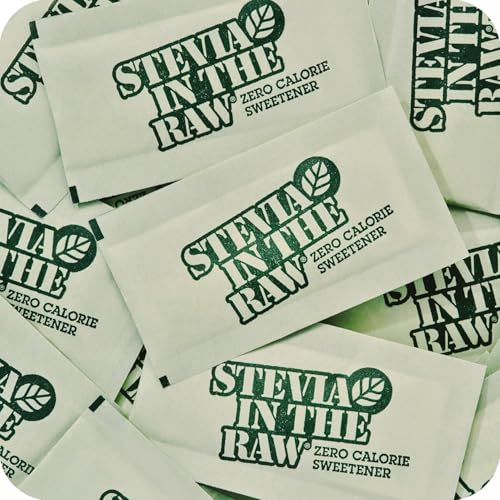
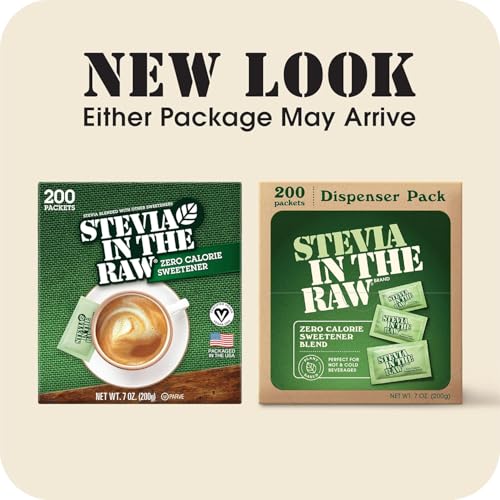
I’ve seen a lot of stevia products come and go, and Stevia In The Raw stands out for its simplicity. On paper, it delivers what most coffee drinkers want: a zero-calorie, plant-based sweetener that dissolves quickly and doesn’t mess with the flavor of your brew. Owners consistently report it has a clean taste compared to some stevia blends that leave a licorice-like aftertaste, likely because it contains no erythritol or artificial additives.
Still, it’s not the strongest option per packet. If you’re used to heavily sweetened coffee, you might need two or even three packets to get there. Compared to liquid drops, it’s less precise and slightly less potent. But for someone who wants a no-fuss, budget-friendly, grab-and-stir option, this is a solid staple.
Product photos

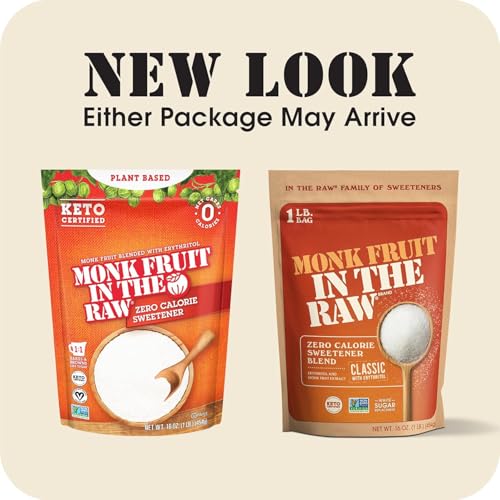
Monk Fruit In The Raw Baker’s Bag
Strengths
- 1:1 sugar substitute
- Zero net carbs
- Heat stable
- Keto certified
- Dissolves easily
Trade-offs
- Not travel friendly
- Larger quantity may go unused
- Slight aftertaste for some
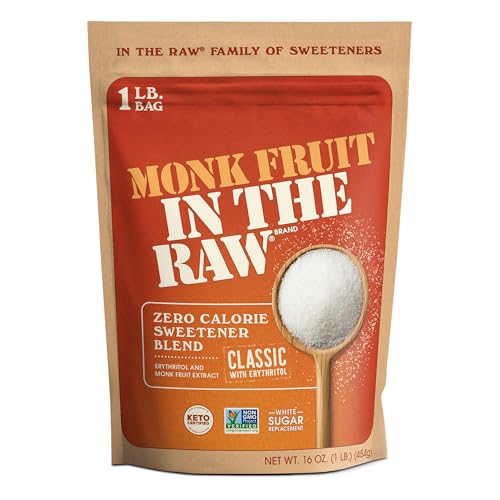
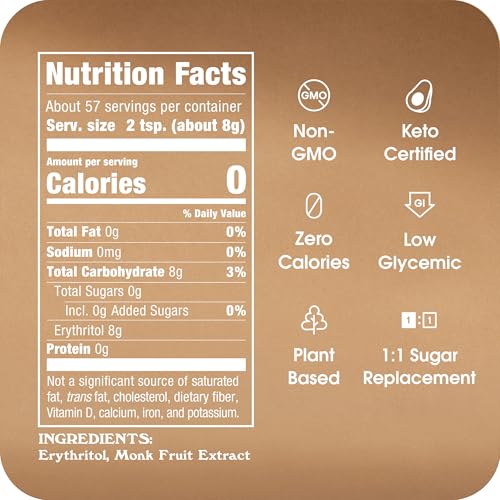
Bakers, take note: this Monk Fruit In The Raw Baker’s Bag is built for your kitchen. It measures 1:1 like sugar, dissolves well, and holds up in high-heat applications, something not all natural sweeteners can claim. The keto certification and zero net carbs make it a go-to for sugar-free baking, and owners report success in everything from brownies to meringues.
While it works in coffee, it’s overkill if that’s all you’re using it for. Compared to liquid drops or packets, it’s bulkier and less convenient for travel. But if you’re regularly making desserts or need a reliable all-purpose substitute, this bag earns its spot on the shelf.
Product photos

Pyure Organic Vanilla Stevia Drops

Strengths
- USDA organic
- Zero sugar
- No erythritol
- Smooth taste
- Long-lasting
Trade-offs
- Higher price point
- Vanilla flavor dominates
- Not unflavored
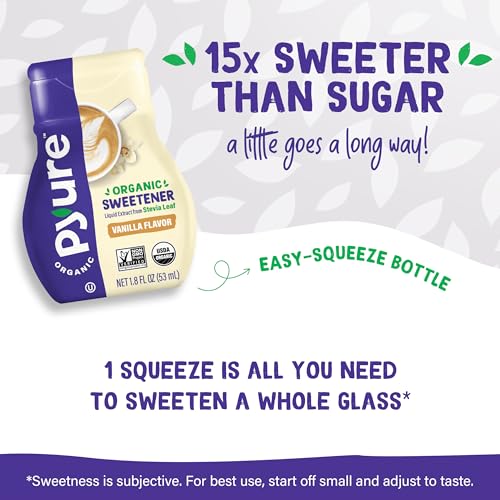
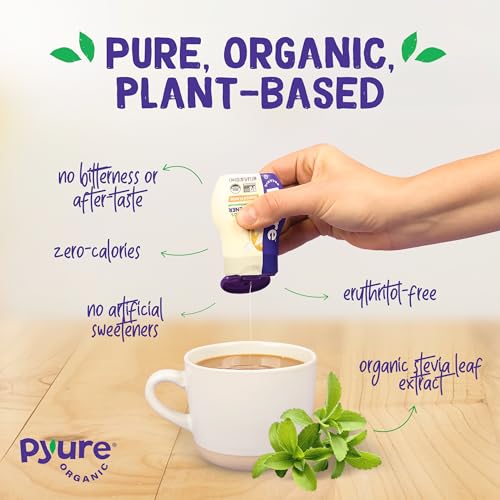
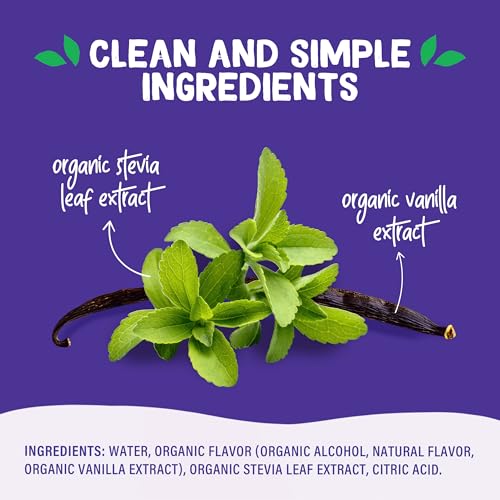
Pyure hits a sweet spot, literally and figuratively, with this organic vanilla stevia blend. It’s made with USDA-certified organic stevia and delivers a clean, creamy vanilla sweetness that works beautifully in coffee. Reviewers often say it lacks the bitter edge some stevia products have, and the zero-calorie, zero-carb profile makes it ideal for keto and diabetic diets.
The 1.8 oz bottle lasts a long time due to its high concentration. Compared to other vanilla stevia drops, Pyure stands out for ingredient transparency, no fillers, no erythritol. If you want one premium bottle that elevates your morning cup with minimal effort, this is it.
Product photos

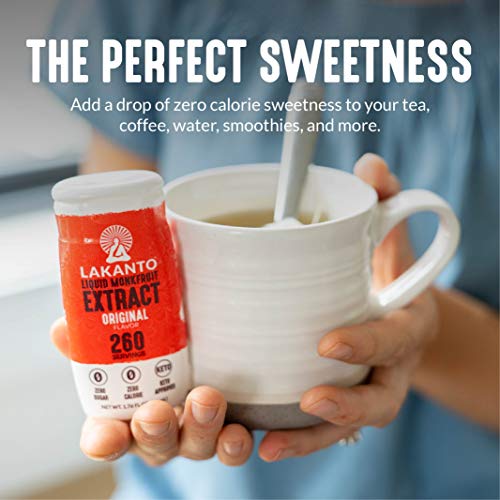
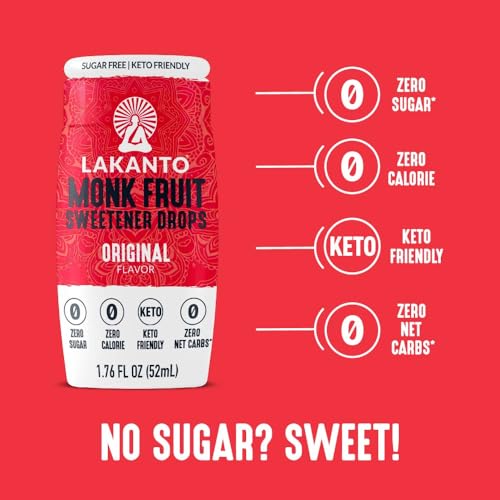
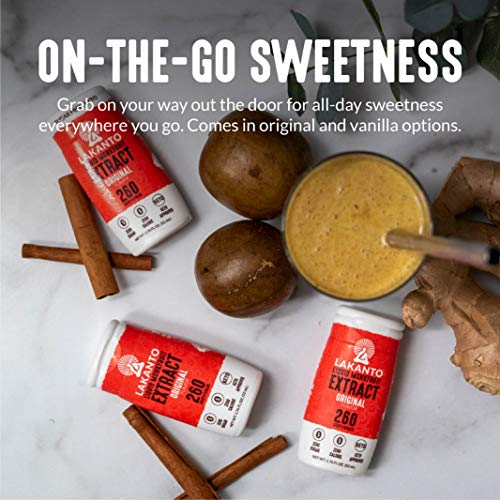
Lakanto Pure Monk Fruit Drops

Strengths
- Zero sugar
- Erythritol free
- No aftertaste
- Highly concentrated
- Keto friendly
Trade-offs
- Smaller bottle
- Higher cost per drop
- Limited flavor options
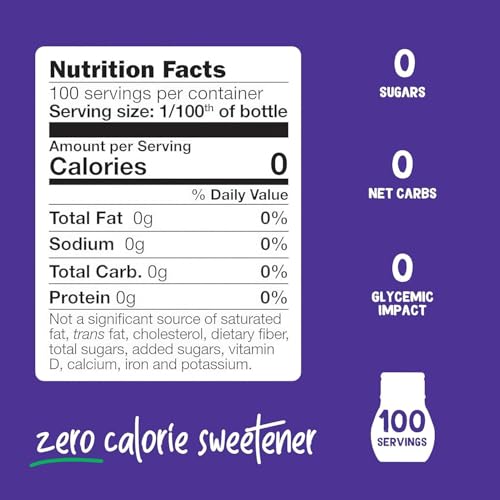
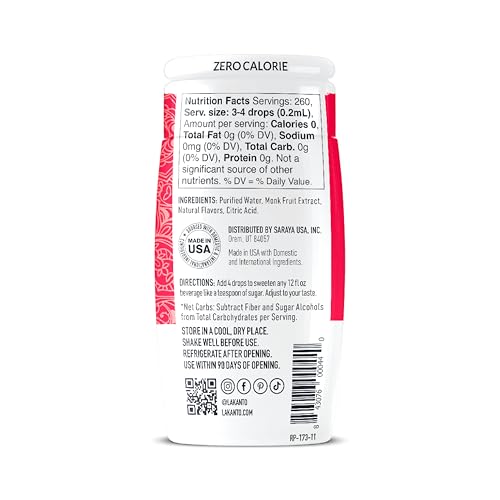
When I look at monk fruit sweeteners, potency and purity are what matter most, and Lakanto Liquid Monk Fruit Extract Drops deliver both. This erythritol-free formula is a standout for keto and low-sugar dieters who want clean sweetness without compromise. Reviewers note how well it blends into both hot and cold coffee without graininess or bitterness, which is a common flaw with powdered monk fruit blends.
The dropper gives you fine control, so you can dial in exactly how sweet you want your cup. Compared to stevia-based drops, it has a more neutral profile with fewer reports of aftertaste. If you’re sensitive to erythritol’s cooling mouthfeel, this is hands-down the smarter buy.
Product photos

Tuturu Vanilla Bean Agave Syrup

Strengths
- Real vanilla beans
- Organic agave
- No artificial ingredients
- Versatile in drinks
- Great for cocktails
Trade-offs
- Contains sugar
- Not keto friendly
- Refrigeration needed after opening
This isn’t your average sweetener, it’s a flavor enhancer. The Tuturu Vanilla Bean Agave Syrup uses organic agave nectar and real vanilla beans, which sets it apart from syrups loaded with artificial flavors. On paper, it’s a natural play on the barista-style experience, letting you make café-quality vanilla lattes at home. Owners love the depth of flavor it adds to both coffee and cocktails.
But it’s not sugar-free or low-calorie. Agave still has calories and a glycemic impact, so it won’t work for keto or zero-sugar diets. Still, if you’re okay with some sugar and want a clean-label, real-ingredient syrup, this is one of the better options out there.
Product photos


How We Evaluated natural sweetener for coffee
As the founder of Bean Thusiast, I’ve spent years exploring how different sweeteners impact the flavor of coffee, and which ones best suit various preferences. This guide isn’t based on lengthy personal use with each product, rather a research-led comparison of published specifications, owner reviews from across the web, and reputable expert opinions. I weighed this information against my understanding of coffee flavor profiles and sweetener characteristics to arrive at these recommendations.
For natural coffee sweeteners, I focused heavily on taste and how well each option integrates with coffee’s nuances. The absence of a distracting aftertaste is crucial, as is the ability to control sweetness levels precisely. Beyond taste, I considered whether the sweetener aligned with specific dietary needs – keto, vegan, or diabetic-friendly – as these are common considerations for coffee drinkers.
Specifications reliably tell you about calorie counts, carbohydrate content, and the base ingredient (stevia, monk fruit, agave, etc.). However, owner feedback proved essential for gauging the experience of using each sweetener – how easily it dissolves, the accuracy of sweetness claims, and whether that promised “no aftertaste” truly holds up. Reputation played a role too; established brands with transparent sourcing tend to inspire more confidence. honey for coffee sweetness is another option some prefer, though it alters the coffee’s body more noticeably.
Choosing The Right natural sweetener for coffee
Finding the right sweetener for your coffee is a surprisingly personal journey. It’s about more than just cutting sugar; it’s about enhancing the bean’s natural flavors without masking them.
A quality natural sweetener for coffee prioritizes clean taste, minimal aftertaste, and suitability for various brewing methods. Considerations include the source of the sweetener (stevia, monk fruit, agave), the presence of added ingredients like erythritol, and the sweetener’s impact on the coffee’s overall profile. Look for products with high concentrations to avoid excessive additions, and those certified organic when possible.
Understanding Sweetener Sources
The world of natural coffee sweeteners has expanded beyond basic sugar. Stevia and monk fruit are dominant, but agave is gaining traction. Stevia, derived from the Stevia rebaudiana plant, can sometimes have a slightly bitter aftertaste – manufacturers often combat this with erythritol or other blending agents. Monk fruit, on the other hand, generally offers a cleaner sweetness, though it’s often also combined with erythritol. Agave, while natural, is still a form of sugar and should be used more sparingly if you’re strictly watching carbohydrate intake. I often recommend starting with a pure monk fruit option to establish a baseline for your palate, then experimenting.
Considering Added Ingredients
Many sweeteners aren’t pure stevia or monk fruit. Erythritol is a sugar alcohol frequently used as a bulking agent and to reduce the aftertaste of stevia. While generally well-tolerated, some people experience digestive upset with erythritol, so it’s worth paying attention to how your body reacts. Beyond erythritol, watch out for “natural flavors” – these can be vague and potentially mask unwanted tastes.
Here’s what to consider when evaluating ingredients:
- Purity: A shorter ingredient list is generally better.
- Erythritol Sensitivity: If you’ve had issues with sugar alcohols, opt for erythritol-free options like Lakanto Pure Monk Fruit Drops.
- Blends vs. Pure Extracts: Blends can improve the taste profile, but knowing what is being blended with the primary sweetener is essential.
Evaluating Form and Convenience
Sweeteners come in various forms: packets, liquid drops, granular, and syrups. Packets are convenient for travel and portion control, but can generate waste. Liquid drops, like those from SweetLeaf, allow for precise dosing, which is great for those who like to fine-tune their sweetness levels. Granular options are best for baking, as seen with Monk Fruit In The Raw Baker’s Bag, while syrups, such as Tuturu Vanilla Bean Agave Syrup, are ideal for recreating café-style drinks. The most practical choice depends on how you usually enjoy your coffee and whether you prioritize portability or ease of measuring.
A little goes a long way. Start with one or two drops (or a tiny pinch of granular sweetener) and adjust to taste. You can always add more, but you can’t take it away!
For those seeking a deeper exploration of coffee additions, a coffee sweetener taste comparison can be incredibly useful. And if you’re looking for a natural flavor boost in addition to sweetness, consider exploring the benefits of cinnamon in coffee.
Natural Sweetener for Coffee Compared
Here’s a comparison of key specifications for popular natural sweeteners used in coffee.
| Product Name | Sweetener Type | Calories per Serving | Zero Calorie | Keto Friendly | Flavor |
|---|---|---|---|---|---|
| SweetLeaf Sweet Drops Variety Pack | Stevia | 0 | Yes | Yes | Variety |
| SweetLeaf Liquid Monk Fruit Drops | Monk Fruit | 0 | Yes | Yes | N/A |
| Stevia In The Raw Packets | Stevia | 0 | Yes | Yes | N/A |
| Monk Fruit In The Raw Baker’s Bag | Monk Fruit | 0 | Yes | Yes | N/A |
| Pyure Organic Vanilla Stevia Drops | Stevia | 0 | Yes | Yes | Vanilla |
| Lakanto Pure Monk Fruit Drops | Monk Fruit | 0 | Yes | Yes | N/A |
| Tuturu Vanilla Bean Agave Syrup | Agave | N/A | No | No | Vanilla Bean |
Frequently Asked Questions
What’s the biggest difference between stevia and monk fruit?
Monk fruit generally provides a cleaner, more sugar-like sweetness compared to stevia, which can sometimes have a slight bitter aftertaste. Both are zero-calorie, but many stevia products include additional ingredients to mask that bitterness, while monk fruit is often sold in a purer form.
Can I use natural sweeteners if I’m diabetic?
Yes, many natural sweeteners like stevia and monk fruit have a minimal impact on blood sugar levels. However, agave nectar is still a sugar and should be used cautiously, and it’s always best to consult your doctor about incorporating any new sweetener into your diet.
Are there any digestive issues associated with natural sweeteners?
Some individuals experience digestive discomfort, like bloating or gas, from erythritol, a sugar alcohol often added to stevia and monk fruit products. Choosing a pure monk fruit option or one without erythritol can help avoid this issue.
How do liquid drops compare to packets in terms of sweetness?
Liquid drops allow for much more precise dosing than packets, which is ideal if you prefer to carefully control the sweetness of your coffee. A single drop of a concentrated liquid sweetener can often equal the sweetness of a full packet.
Where can I find more information about the healthiest coffee sweetener options?
You can find a detailed guide to the healthiest coffee sweetener options on my site, covering various factors like glycemic index, ingredient quality, and potential side effects healthiest coffee sweetener options.
The Bottom Line
Choosing a natural sweetener for coffee often comes down to balancing control over your sweetness with the convenience of the format. While many options exist, I believe Lakanto Pure Monk Fruit Drops strike the best overall balance – offering clean sweetness, zero calories, and a highly concentrated formula for precise adjustments. It’s a solid starting point for anyone looking to move away from traditional sugar without sacrificing flavor.
For those specifically watching their carbohydrate intake, SweetLeaf Sweet Drops Variety Pack and Monk Fruit In The Raw Baker’s Bag are excellent choices, both being keto-friendly and delivering zero calories per serving. If you prefer the ease of packets, Stevia In The Raw Packets are a widely available and reliable option. And if you’re interested in exploring alternatives to refined sweeteners, you might also consider natural cane sugar for coffee.
Ultimately, the “best” sweetener isn’t about a single specification or brand. It’s about finding an option that complements your coffee and your palate, and understanding how even small additions impact the overall experience. Prioritize taste, purity of ingredients, and how a sweetener integrates with the coffee’s natural flavors above all else.
