
8 Best Homemade Iced Coffee Recipes of 2026
This post contains affiliate links. As an Amazon Associate, we earn from qualifying purchases.
The Primula Burke Cold Brew Maker is the overall best choice for consistent, clean-tasting iced coffee, thanks to its reliable built-in filter and smart design. For a budget-friendly option, the NFFTYUUT Cold Brew Mason Jar delivers solid performance without the markup. If you want one pitcher that handles both hot and cold brewing, the Bivvclaz 2L Glass Pitcher stands out for its versatility.
Most people think iced coffee is just hot coffee poured over ice, but that often leads to a weak, bitter mess. The real secret is cold brew: a slow, smooth extraction that cuts the acidity and delivers a naturally sweet, drinkable concentrate every time.
I’ve researched the field extensively, comparing specs and owner feedback to find the best setups for home use. These picks focus on filter quality, ease of cleaning, capacity, and long-term durability, because your iced coffee routine should be simple, not a chore.
Top 8 Homemade Iced Coffee in the Market
The Best Homemade Iced Coffee, Reviewed
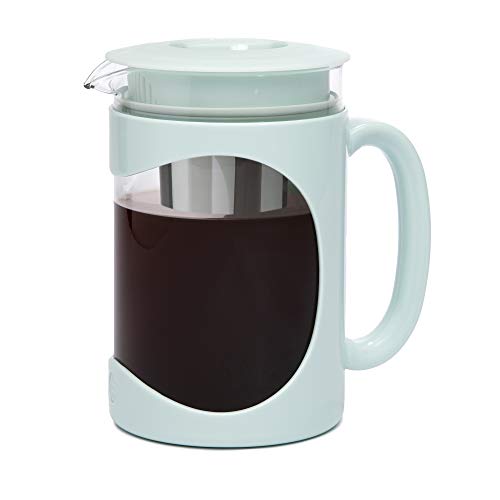
Primula Burke Cold Brew Maker
Strengths
- 6-cup capacity
- Dishwasher safe
- Removable mesh filter
Trade-offs
- No pour spout
- Glass can chip if mishandled
I’ve seen a lot of cold brew makers come and go, and the Primula Burke stands out for getting the fundamentals right. With a 1.6 qt capacity and a removable mesh filter, it’s built for people who want consistent, smooth cold brew without the fuss. On paper, it’s a solid performer, and owners consistently report clean extractions with minimal sediment, especially when using a medium-coarse grind and giving the grounds a light tamp.
The glass carafe is dishwasher safe, which is a win for cleanup, and it fits in most fridge doors, a small detail that matters. While it doesn’t have a built-in spout, the comfort grip handle makes pouring manageable. Compared to mason jar styles, this one feels more polished and appliance-like, which I appreciate for countertop or fridge presence.
Video review
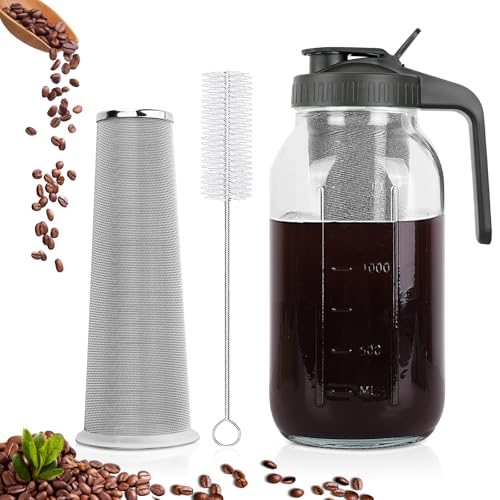
64 oz Mason Jar Cold Brewer
Strengths
- Leak-proof spout
- Fine mesh filter
- Dishwasher safe
Trade-offs
- Glass not heat resistant
- Plastic lid may wear over time
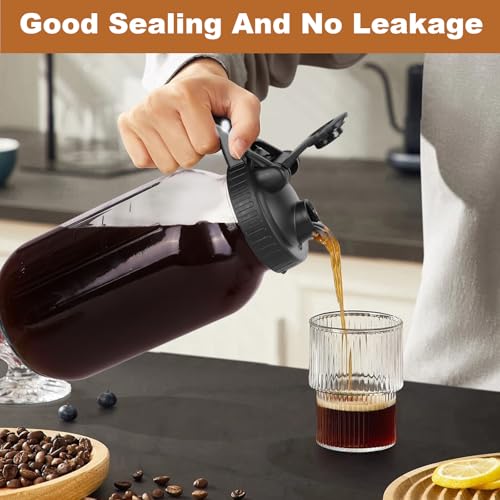
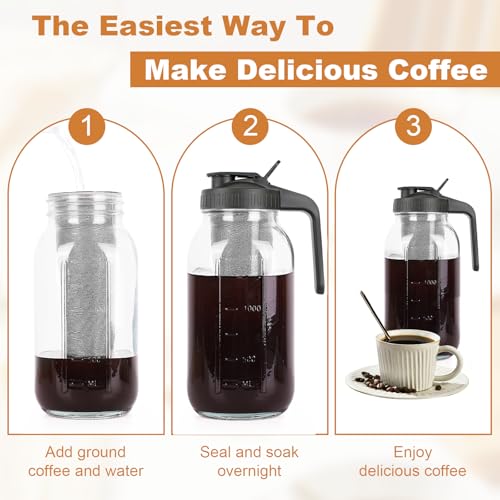
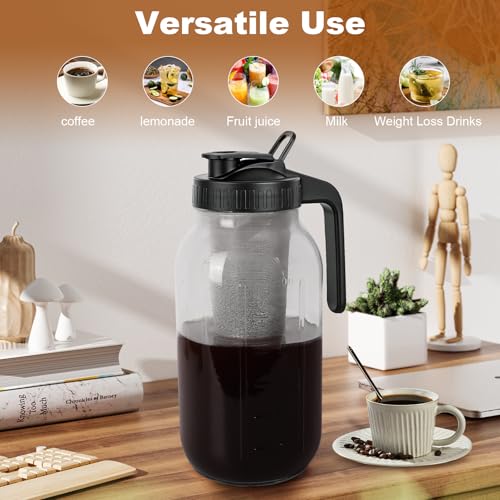
This mason jar-style brewer nails one thing: usability. The flip cap with a built-in pour spout makes serving clean and drip-free, which is more than I can say for many basic jar systems. Paired with a 160-micron stainless steel filter, it delivers smooth coffee with almost no sediment when used correctly. Owners highlight how leak-proof the seal is, even when stored sideways in a packed fridge.
It’s made from soda-lime glass, not borosilicate, so thermal shock is a risk, don’t pour hot water in after refrigeration. But for cold-only use, it’s durable. The wide mouth makes cleaning easy, and the included brush helps maintain the filter. Compared to the JunVpic model, it’s nearly identical, but this one edges ahead on spout design alone.
Product photos
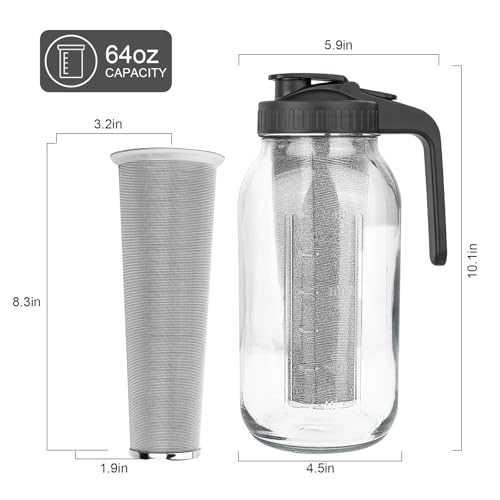
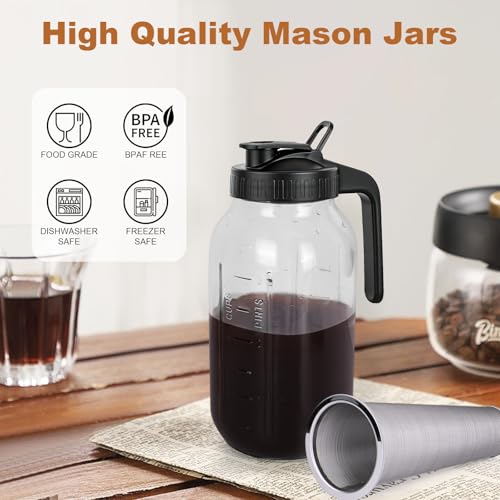
NFFTYUUT Cold Brew Mason Jar

Strengths
- Affordable price
- Complete kit included
- Dishwasher safe
Trade-offs
- Basic plastic lid
- No thermal resistance
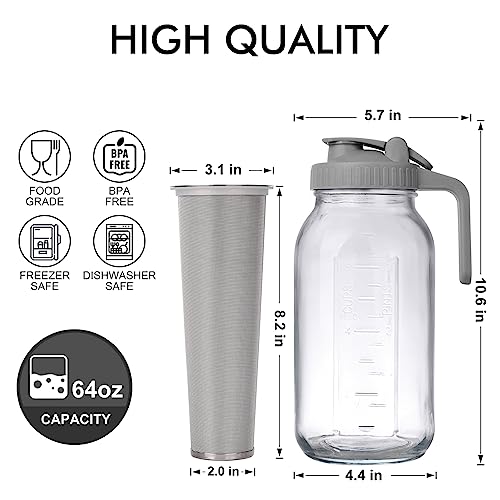
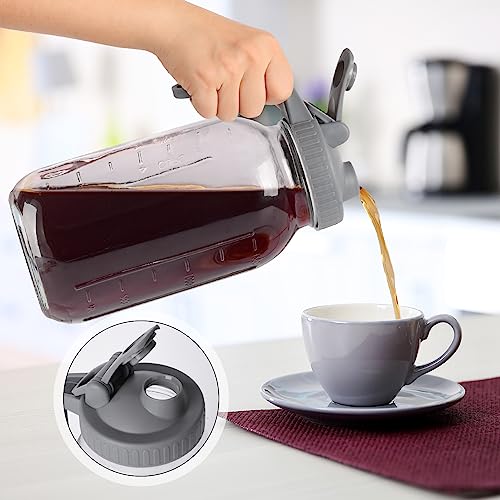
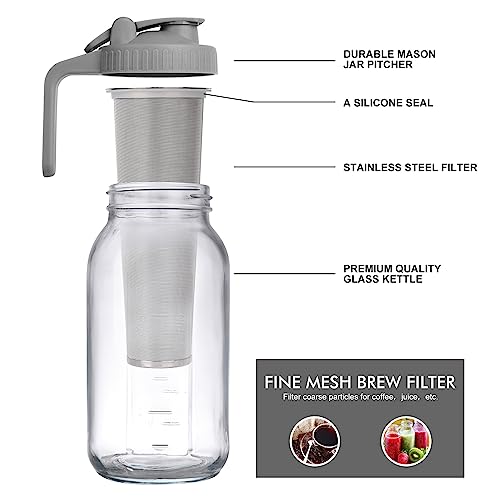
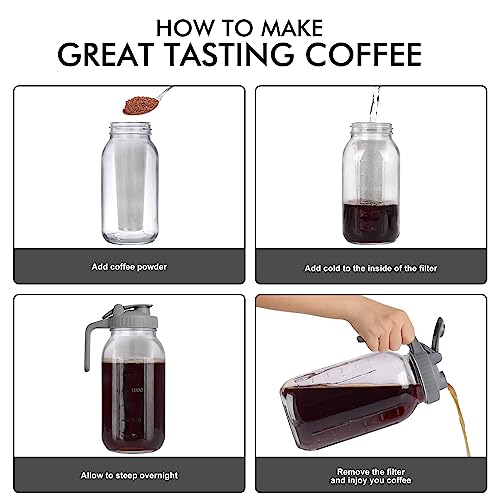
This is the most budget-friendly option on the list, and it shows, without being bad. It includes all the essentials: a 64 oz glass jar, stainless steel filter, and flip-top spout lid. For the price, it’s a solid starter kit. The filter works well enough, though some owners report minor sediment if the grind is too fine.
Where it cuts corners is in materials, the plastic lid and standard glass aren’t as premium as others, but they’re functional. Cleaning is easy, and the jar is dishwasher safe. If you’re just dipping into homemade cold brew and don’t want to invest heavily, this gets the job done. Compared to the Primula or JunVpic, it’s less refined, but for beginners, it’s hard to beat on value.
Product photos

JunVpic Cold Brew Glass Pitcher

Strengths
- Excellent filter quality
- Leak-proof seal
- Sturdy handle
Trade-offs
- Not heat resistant
- Lid mechanism can wear
The JunVpic brewer doesn’t reinvent the mason jar game, but it refines it, especially the filter. With a high-quality stainless steel mesh, it consistently keeps grounds out, even with slightly finer grinds. Owners report cleaner brews than cheaper models, and the filter doubles well for tea or infused water.
The sealing system is a standout: truly leak-proof, even when tipped. That makes it great for moving from fridge to picnic. The flip lid stays put during pouring, and the handle feels sturdy. It’s made from soda-lime glass like most others, so same thermal caution applies. But if filter performance and spill-proof confidence are your priorities, this one beats the pack.
Video review
Bivvclaz 2L Glass Pitcher

Strengths
- Heat resistant glass
- Dual-function lid
- Wide mouth for cleaning
Trade-offs
- No built-in filter
- Lid has sharp edges
This Bivvclaz pitcher isn’t designed solely for coffee, but its versatility is exactly why it earns a spot in the cold brew conversation. Made from high borosilicate glass, it handles both hot and cold liquids without stress, something most cold brew pitchers can’t claim. That means you can brew hot tea or even heat up a coffee concentrate without fear of cracking, which gives it an edge in flexibility.
The stainless steel lid with dual pour functions is clever: one side strains fruit or ice, the other opens wide for filling or cleaning. Owners praise how easy it is to clean, thanks to the wide mouth. But it’s not optimized for brewing, there’s no internal filter, so it’s strictly a storage and serving vessel. If you’re already making cold brew in a French press or bag system, this is a great next-step carafe.
Product photos


Starbucks Cold Brew Concentrate

Strengths
- Café-quality consistency
- Easy to use
- Balanced flavor
Trade-offs
- Contains added sugar
- Less control over strength
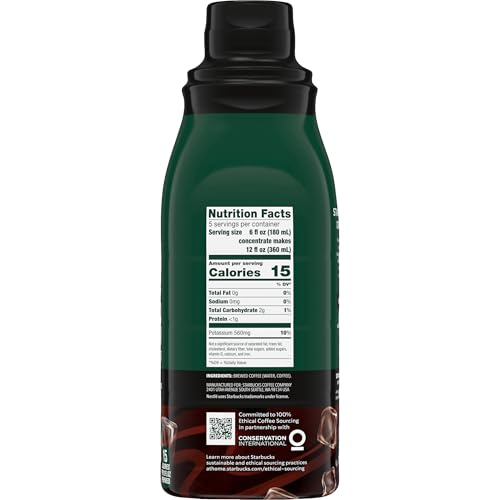
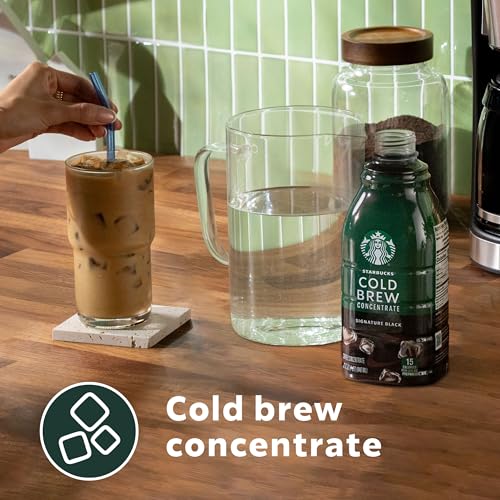
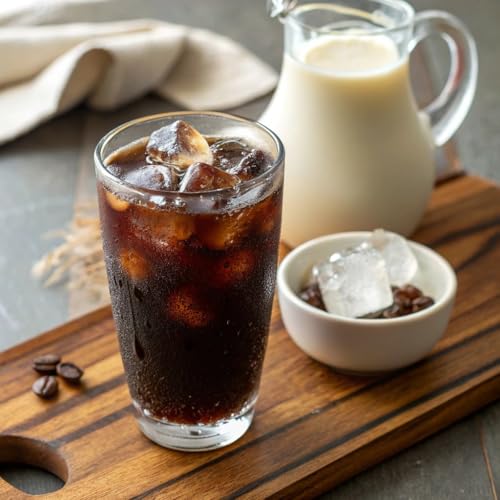
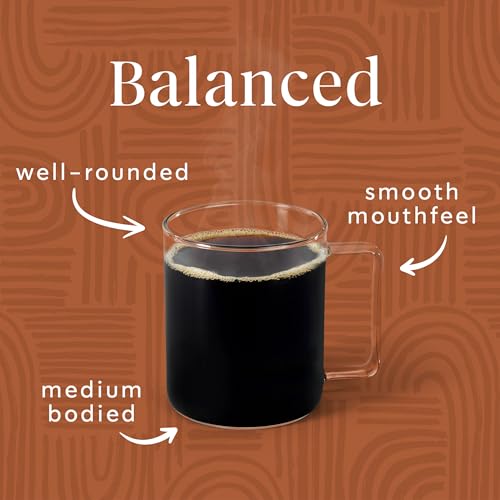
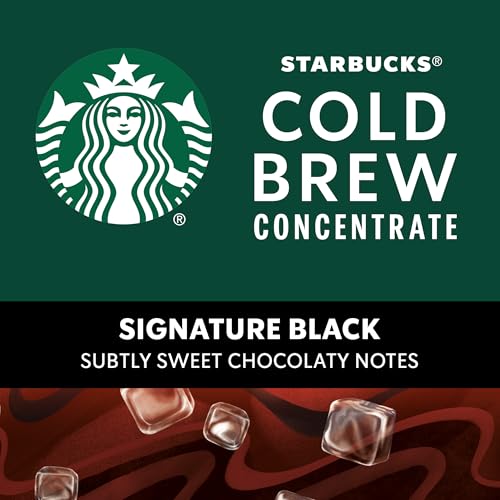
Let’s be clear, this isn’t homemade. But as a baseline for what good cold brew should taste like, the Starbucks concentrate is useful. It’s a medium-bodied blend with subtle chocolate notes, and reviewers consistently say it tastes like the bottled version you get in stores. The convenience is undeniable: just dilute with water, pour over ice, and you’ve got a decent iced coffee in seconds.
That said, it’s sweetened, which splits opinion. Some love the ready-to-go flavor, others wish it were unsweetened for more control. It’s not the most complex cold brew on the palate, roast profiles are dialed for mass appeal, but for busy mornings or coffee skeptics, it’s a reliable entry point. Compared to Califia Farms, it’s less bold and a bit smoother, but less customizable too.
Product photos
Califia Farms Pure Black Cold Brew

Strengths
- No sugar added
- Ethically sourced beans
- Smooth, balanced taste
Trade-offs
- Smaller volume than some
- Higher price point
If you’re watching sugar but still want convenience, Califia Farms Pure Black is the one to beat. It’s 100% Arabica, unsweetened, and vegan, clean from the start. The flavor is smooth, slightly sweet from the cold brew process itself, not additives, and reviewers often say it tastes more “coffee-forward” than sweetened competitors.
What stands out is its ethical sourcing, Rainforest Alliance Certified beans matter to some buyers, and Califia leans into that. At 48 oz, it gives you room to customize with your favorite creamer or milk. Compared to Starbucks, it’s less approachable for beginners but more rewarding for purists. I’d recommend this as a base for homemade flavored iced coffee rather than a drink to consume straight by the glass.
Product photos


International Delight Vanilla Iced Coffee

Strengths
- Creamy, sweet flavor
- Ready to drink
- Real milk and sugar
Trade-offs
- Not for black coffee lovers
- High sugar content
This isn’t for coffee snobs, it’s for people who want dessert in a glass. International Delight’s vanilla iced coffee is pre-sweetened, creamy, and made with real milk and cane sugar. The flavor is soft, sweet, and consistently pleasant, with a vanilla creaminess that’s closer to a café-style frappuccino than a traditional cold brew.
Owners love how easy it is: just pour over ice and enjoy. But it’s not coffee-forward. If you’re looking for boldness or roast complexity, this isn’t it. Still, for households with mixed tastes, kids, casual drinkers, or those transitioning from soda, it’s a crowd-pleaser. Compared to the Califia or Starbucks options, it’s the least “artisan,” but the most approachable.
Product photos


How We Evaluated homemade iced coffee
As Bean Thusiast’s founder, I’ve spent years exploring the world of coffee, and naturally, that includes finding the best ways to enjoy it iced. Rather than a hands-on lab test, this selection is a research-led comparison of specs and owner feedback for various homemade iced coffee makers. I compared features like capacity, filtration quality, ease of cleaning, and material construction across a range of products, then weighed those against what current owners are saying about their experiences.
For homemade iced coffee, I prioritized brew quality, convenience, and durability. A good filter is essential to avoid sediment, impacting the final taste. Ease of use and cleaning are also key – nobody wants a complicated process for their daily coffee. Finally, a sturdy build ensures the product will last, offering long-term value. These factors ultimately decided the ranking.
Specifications reliably tell you about capacity and materials. However, I leaned heavily on owner reviews to assess filter effectiveness and real-world durability. Reputation matters too; brands with a consistent track record of quality often deliver better experiences. You can find even more detail in our homemade iced coffee guide if you’re looking for a [basic iced coffee recipe] or a [step-by-step iced coffee] method.
How To Choose The homemade iced coffee
As someone who’s dedicated years to perfecting the home coffee experience, I know that a great iced coffee starts with the right equipment. It’s about more than just throwing coffee over ice; it’s a process.
A quality iced coffee setup prioritizes consistent extraction, ease of use for repeatable results, and a design that minimizes sediment in the final brew. Look for brewers with durable materials, especially those intended for prolonged cold steeping. Filter quality is paramount, as is the ability to easily clean all components. Consider capacity needs based on household size and consumption habits.
Brewing Method & Capacity
The first thing I urge folks to consider is how they want to make their iced coffee. While you can certainly use any brewed coffee and chill it, the best results come from cold brew. Mason jar setups like the 64 oz Mason Jar Cold Brewer and NFFTYUUT Cold Brew Mason Jar are popular for their simplicity and affordability, but they require more manual effort. If you prefer a truly hands-off approach, something like the Primula Burke Cold Brew Maker, with its dedicated filter basket, might be better suited. Ultimately, think about how much iced coffee you typically drink. A smaller brewer is perfect for one or two people, while a larger capacity will be essential for a family or frequent entertaining.
Filter Quality & Material
Don’t underestimate the importance of a good filter. A cheap or poorly designed filter will let sediment through, resulting in a gritty iced coffee. The JunVpic Cold Brew Glass Pitcher consistently receives praise for its high-quality filter, designed to trap even the finest grounds. Stainless steel filters, as seen in several of these brewers, are generally preferred over paper filters because they’re reusable and don’t impart any flavor. However, the mesh density is critical; a coarser mesh will let sediment through, while a very fine mesh can slow down the brewing process.
- A very fine mesh (like 160 micron) is ideal for a super-clean cup.
- Stainless steel is the most durable and reusable material for filters.
- Consider the filter’s ease of cleaning – some are dishwasher safe, which is a huge convenience, while others require more meticulous handwashing.
Convenience & Versatility
Let’s be real: if a brewing process is too complicated, you won’t use it. That’s why I appreciate brewers that prioritize ease of use and cleaning. The Bivvclaz 2L Glass Pitcher stands out here because it can handle both hot and cold liquids, making it a truly versatile option. If you’re looking for something quick and easy, pre-made concentrates like the Starbucks Cold Brew Concentrate or Califia Farms Pure Black Cold Brew can be a good starting point, especially while you’re learning your preferences. For those who enjoy a pre-sweetened option, the International Delight Vanilla Iced Coffee offers a ready-to-drink solution. To really refine your technique, I recommend reading a detailed iced coffee instructions to get the most out of your setup.
A good rule of thumb: always start with a slightly coarser grind than you would for drip coffee. Cold brew extracts flavor more slowly, and a fine grind can lead to over-extraction and bitterness.
Homemade Iced Coffee Compared
Here’s a comparison of features for various homemade iced coffee solutions.
| Product Title | Capacity | Filter Type | Hot/Cold Use | Key Feature | Sugar/Sweetener |
|---|---|---|---|---|---|
| Primula Burke Cold Brew Maker | 52 oz | Built-in | Cold | Overall Value | N/A |
| 64 oz Mason Jar Cold Brewer | 64 oz | Stainless Steel | Cold | Pour Spout Design | N/A |
| NFFTYUUT Cold Brew Mason Jar | 64 oz | Stainless Steel | Cold | Budget Friendly | N/A |
| JunVpic Cold Brew Glass Pitcher | N/A | High-Quality Mesh | Cold | Filter Quality | N/A |
| Bivvclaz 2L Glass Pitcher | 68 oz (2L) | N/A | Both | Hot & Cold Use | N/A |
| Starbucks Cold Brew Concentrate | 32 fl oz | N/A | Cold | Ready-to-Use | Sweetened |
| Califia Farms Pure Black Cold Brew | N/A | N/A | Both | Sugar-Free | Unsweetened |
| International Delight Vanilla Iced Coffee | 64 fl oz | N/A | Cold | Pre-Sweetened Flavor | Sweetened |
Frequently Asked Questions
What’s the ideal water-to-coffee ratio for cold brew?
A good starting point is a 1:8 coffee-to-water ratio, meaning 1 cup of coarsely ground coffee for every 8 cups of water. Adjust to taste; using more coffee will result in a stronger concentrate, while less will yield a milder brew.
Can I use any type of coffee filter with a mason jar cold brew setup?
You can, but stainless steel filters are generally preferable. They’re reusable, don’t impart any flavor, and are more eco-friendly than disposable paper filters, although mesh density is key to avoiding sediment.
How does the glass quality affect a cold brew pitcher?
Borosilicate glass is much more resistant to thermal shock than standard glass, making it less likely to crack when exposed to temperature changes. This is particularly important for pitchers that might be refrigerated or used with both hot and cold liquids.
What’s the difference between cold brew and flash-chilled iced coffee tips?
Cold brew involves steeping coffee grounds in cold water for an extended period (12-24 hours), resulting in a less acidic, smoother concentrate. Flash-chilled, on the other hand, is brewed hot and then rapidly cooled, preserving more of the coffee’s original aromatics and brightness.
Are pre-made cold brew concentrates a good option for beginners?
Yes, they’re a convenient way to enjoy iced coffee without the wait time of traditional cold brew. However, the flavor profile and quality can vary greatly between brands, so reading reviews and experimenting is recommended to find one you like. You can find more information on high-quality iced coffee at home.
The Bottom Line
Ultimately, choosing the “best” homemade iced coffee setup comes down to balancing convenience with control. If you want consistently excellent cold brew with minimal effort, the Primula Burke Cold Brew Maker strikes that balance perfectly. It delivers a clean, flavorful brew and doesn’t require a lot of fussing.
For those on a tighter budget, or looking for a simple entry point, the NFFTYUUT Cold Brew Mason Jar is a fantastic choice. If versatility is your priority – wanting a pitcher that can handle both hot and cold brewing – the Bivvclaz 2L Glass Pitcher is a solid option. But remember, even the fanciest equipment won’t matter if you don’t start with quality beans and a good brewing iced coffee at home.
At the end of the day, the most important factors are a good grind, filtered water, and a brewing time that suits your taste. Don’t get too caught up in chasing the latest gadgets or the highest specs. Focusing on these fundamentals will get you closer to your perfect cup, no matter which method you choose.
