
7 Best Ethiopian Yirgacheffe Coffee of 2026
The best Ethiopian Yirgacheffe coffee is Organic Ethiopian Yirgacheffe Drip Ground for its bright tangerine and lime notes, consistent freshness, and clean profile. If you prefer whole bean, JaJa Java Ethiopian Yirgacheffe offers excellent value with its organic, naturally processed beans that deliver bold fruit complexity.
Finding a Yirgacheffe that truly captures the elegance of the region, floral, bright, layered, can be frustrating. So many bags promise origin authenticity but fall flat in flavor or freshness.
As the founder of Bean Thusiast, I focused on what matters most: clarity of taste, roast integrity, and ethical sourcing. These picks are based on a deep explore specs, processing methods, and real owner experiences, not hype.
Top 7 Ethiopian Yirgacheffe Coffee in the Market
The Best Ethiopian Yirgacheffe Coffee, Reviewed
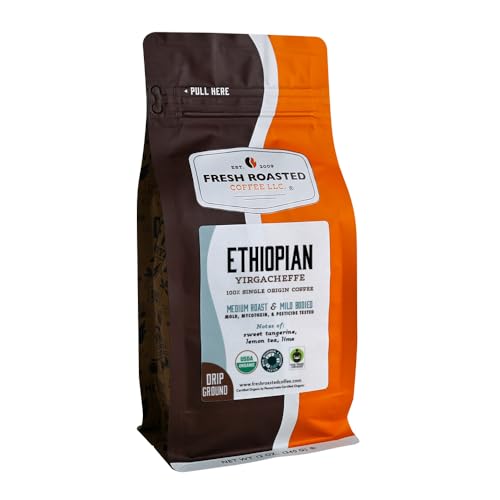
Organic Ethiopian Yirgacheffe Drip Ground
Strengths
- Fair Trade and Organic
- Lab tested for safety
- Smooth, balanced flavor
Trade-offs
- Pre-ground limits freshness
- Less bold for dark roast fans
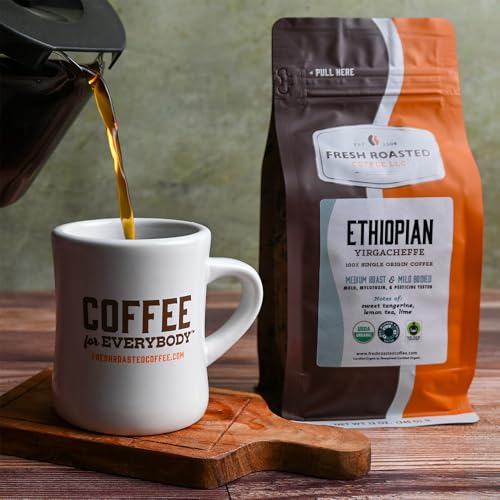
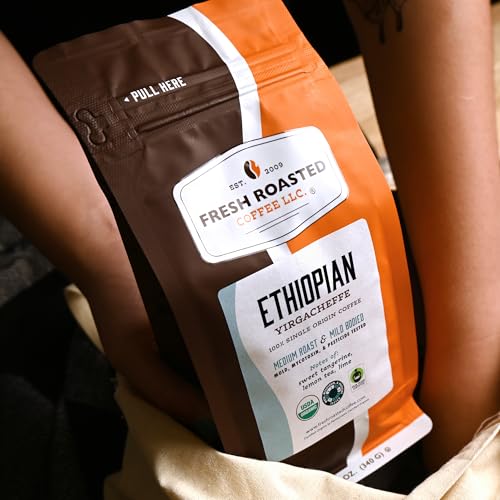
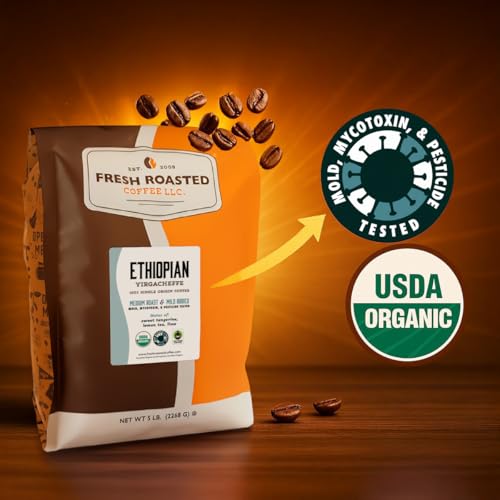
This is the most complete package on the list, earning the ‘Best Overall’ tag for good reason. It’s USDA Organic, Fair Trade certified, Kosher, and rigorously tested for contaminants. The medium roast brings out a sweet tangerine and lime brightness while smoothing the edges for wider appeal. Being pre-ground for drip is convenient, though purists will always argue for grinding fresh.
Owners consistently praise its clean, balanced flavor and reliability across machines. Compared to the whole bean versions, you lose a bit of aromatic pop, but gain ease of use. For most people, that trade-off makes sense. My recommendation? This is the go-to for households that want quality, ethics, and simplicity in one bag.
Product photos


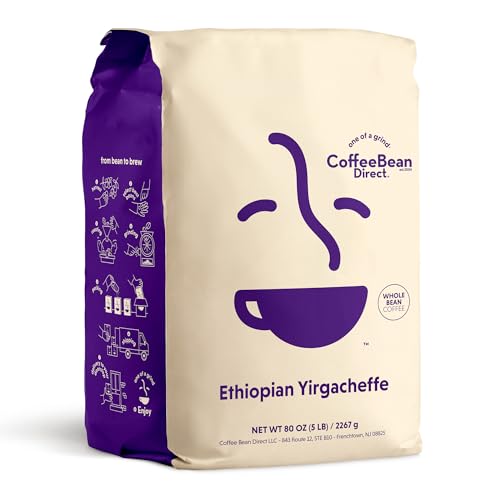
Ethiopian Yirgacheffe Light Roast 5lb
Strengths
- Massive quantity
- Cost-effective per ounce
- Versatile brew compatibility
Trade-offs
- Freshness degrades over time
- Overwhelming for solo drinkers
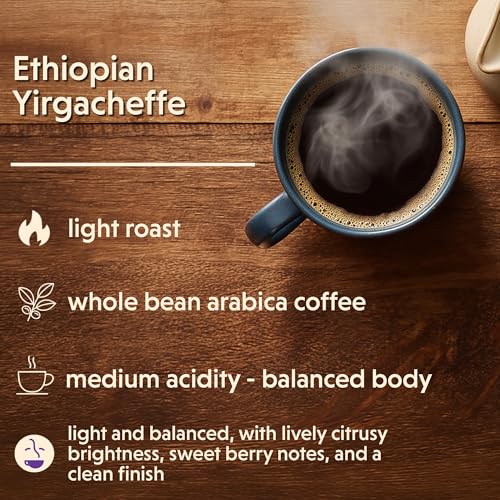
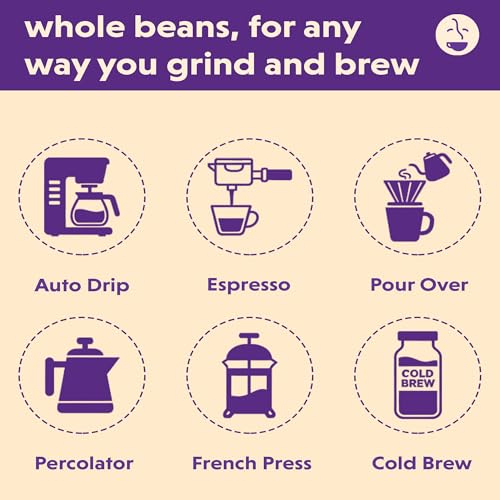
Five pounds of Ethiopian Yirgacheffe? That’s a commitment. This is clearly aimed at heavy users or office setups where coffee flows all day. The specs promise bright citrus, wine-like depth, and floral lift, all hallmarks of a good Yirgacheffe, and owners confirm it delivers a clean, consistent cup across brew methods. Being whole bean helps, since grinding fresh is key to unlocking those delicate notes.
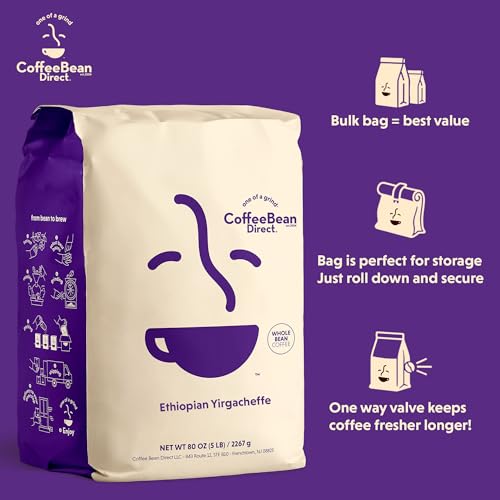
But here’s the catch: unless you’re brewing multiple pots a day, that much coffee will lose vibrancy before you finish it. Even in airtight storage, light roast Arabica starts to fade after a few weeks. Compared to the 12-ounce JaJa Java or Fresh Roasted Coffee options, this sacrifices peak freshness for economy. Great for a cafe or high-volume household, but overkill for most.
Product photos


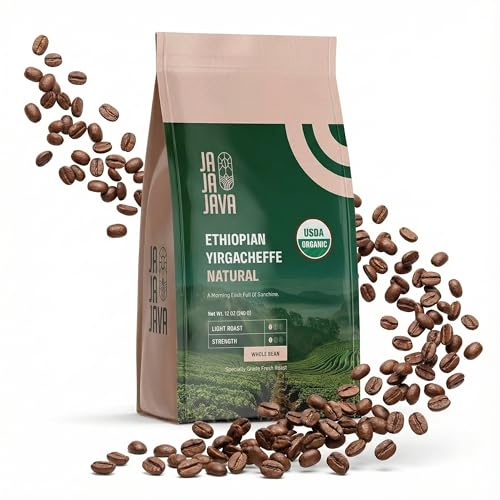
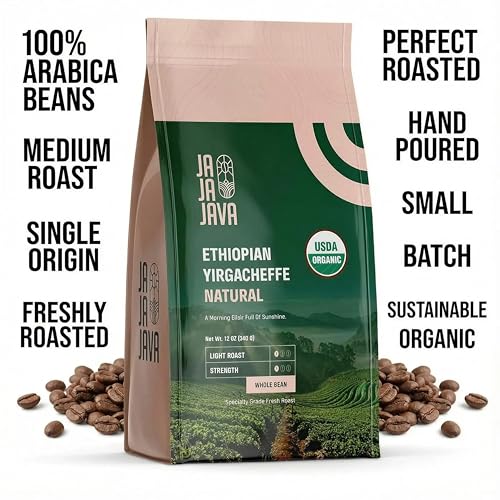
JaJa Java Ethiopian Yirgacheffe Natural
Strengths
- Natural process fruitiness
- USDA Organic certified
- Resealable freshness bag
Trade-offs
- Smaller bag size
- Limited roast availability
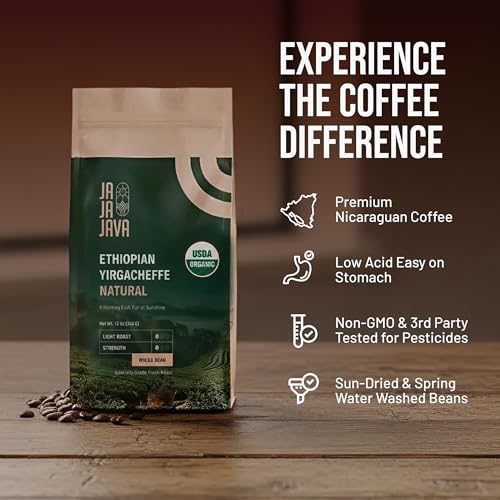
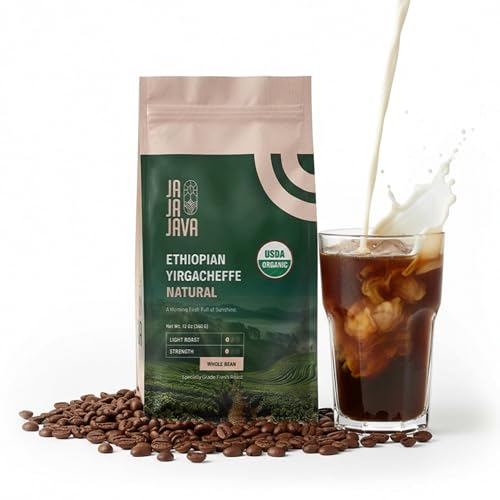
JaJa Java nails the essentials for a modern, origin-focused drinker. This is a natural process Yirgacheffe, which means you get those juicy blueberry and fermented fruit tones that fans love, and the light roast preserves the bean’s wild character without tipping into sourness. The USDA Organic certification is a plus, and the 12-ounce resealable bag helps maintain freshness, something many owners appreciate for small-batch brewing.
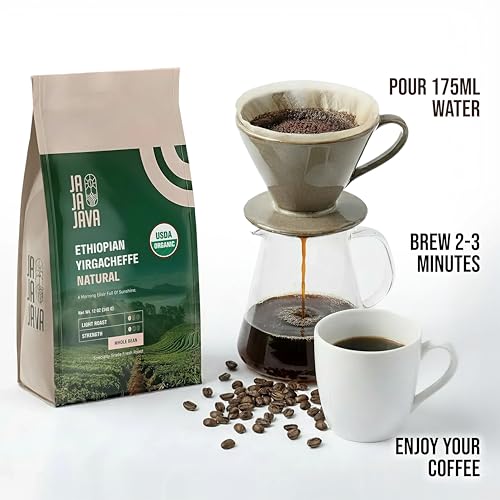
Reviewers frequently call out its aromatic punch and suitability for pour-over or French press. It’s not as widely available as some others, but for those who want a clean, expressive, and ethically sourced natural process coffee, this stands out. I’d pick this over the bulk 5-pound option if freshness and flavor clarity are priorities.
Product photos

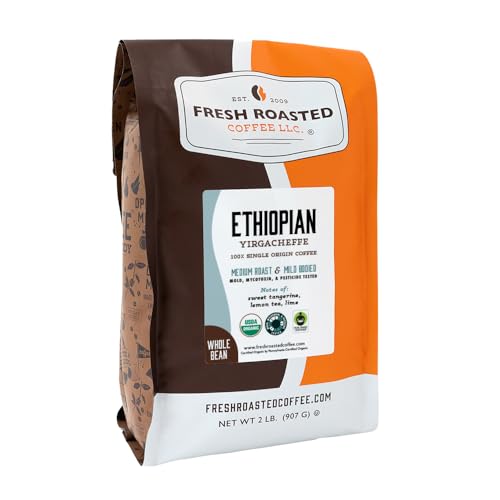
Organic Ethiopian Yirgacheffe 2 lb
Strengths
- Organic and lab tested
- Balanced 2-pound size
- Bright citrus finish
Trade-offs
- Higher upfront cost
- Not vacuum sealed
This 2-pound bag strikes a near-ideal balance between value, freshness, and integrity. It’s USDA Organic, third-party tested for mold and pesticides, and roasted to highlight the bright tangerine and lemon tea notes Yirgacheffe is known for. The 32-ounce size is generous without being excessive, most owners say they finish it within peak freshness if brewing daily.
What sets it apart is the lab testing transparency, which builds real trust. Compared to the 5-pound bulk bag, this feels more intentional, roasted for freshness, not just volume. I’d recommend this over the larger bag for most households; it’s the smarter buy if you want organic assurance and a clean, vibrant cup without waste.
Product photos

Ethiopian Yirgacheffe USDA Organic
Strengths
- USDA Organic certified
- Rigorous mold testing
- Bright, fruity notes
Trade-offs
- Inconsistent roast finish
- Earthy tone may not suit all
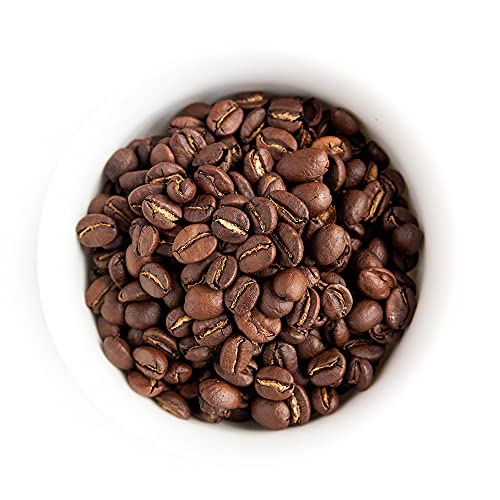
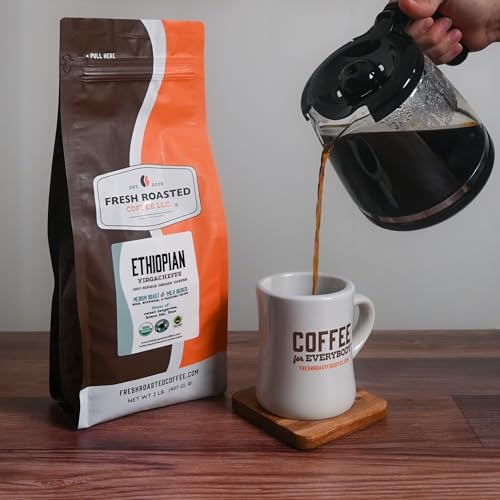
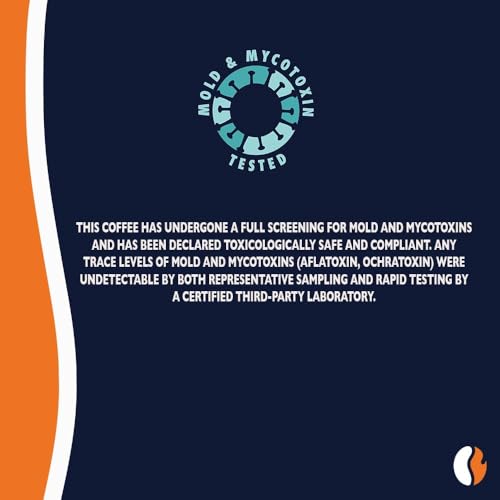
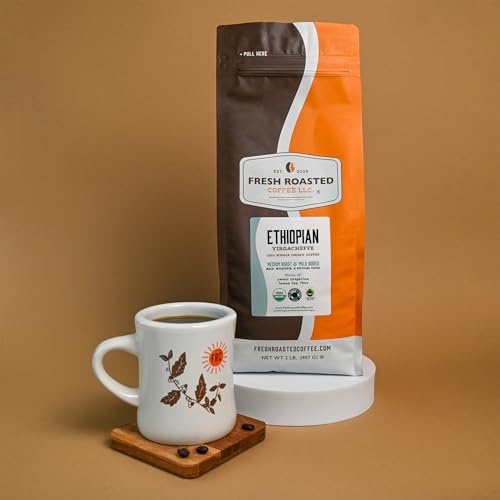
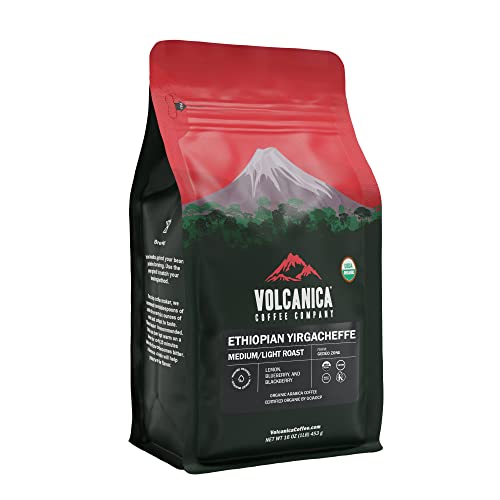
At this price tier, this coffee delivers surprising value, especially with its USDA Organic and Kosher certifications. The flavor profile leans toward medium body with a bright, winey acidity, owners often describe tasting lemon, blueberry, and even a faint earthiness, which is not always a flaw in natural process Ethiopians. What stands out in reviews is the emphasis on safety testing: lab analysis for mold and mycotoxins adds peace of mind, something not all budget roasters highlight.
It’s not the most nuanced Yirgacheffe here, and some users mention a slightly rustic edge to the roast. But for the cost, the commitment to organic integrity and freshness sealing makes it a smart budget play. Compared to the Coffee Bean & Tea Leaf option, it’s more expressive, if a bit less polished.
Video review
Ethiopian Yirgacheffe K-Cup Pods
Strengths
- K-Cup convenience
- Nitrogen flushed freshness
- Eco-conscious pod design
Trade-offs
- Less flavor depth than whole bean
- Limited brewing control
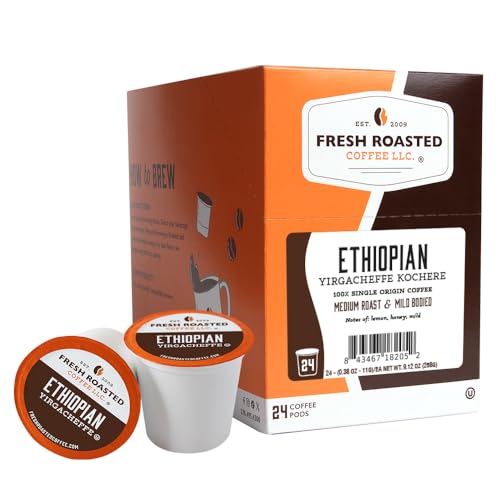
If you’re a Keurig loyalist, this is one of the better bridges into specialty-grade Ethiopian coffee without ditching your machine. The Kochere region is known for quality, and the medium roast here tames some of the wild acidity while preserving a pleasant citrus and floral hint. Owners appreciate the convenience and the brand’s sustainability efforts, BPA-free pods, nitrogen flushing, and compostable filters are a big step up from generic K-Cups.
Still, pod-based brewing limits extraction control, so you won’t get the full complexity of a pour-over. Compared to whole bean options, it’s a compromise on nuance. But for office use or quick mornings, it’s arguably the most thoughtful single-serve Yirgacheffe on this list.
Video review
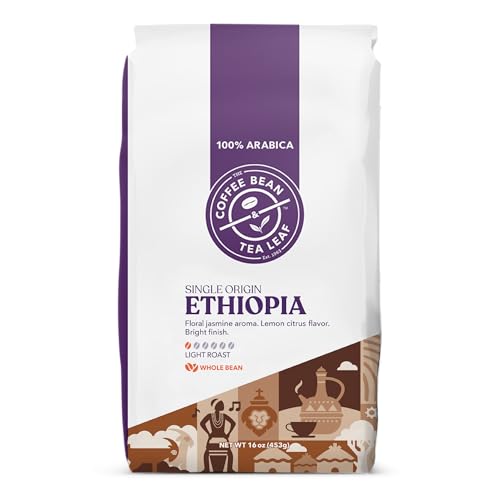
The Coffee Bean & Tea Leaf Ethiopia
Strengths
- Light roast clarity
- Consistent batch quality
- Widely available
Trade-offs
- Muted flavor intensity
- Less origin distinctiveness
This is a solid entry-level single origin from a brand with a long history, but it doesn’t quite reach the aromatic heights some Yirgacheffe lovers crave. On paper, the sourcing sounds promising, handpicked from high altitudes in Sidamo, part of the broader Yirgacheffe growing zone. Owners consistently report a clean, floral lift and a smooth, mellow cup, though a few note it lacks the intense citrus or berry punch found in more specialty-focused roasts.
It’s clearly roasted with consistency in mind, which makes it a reliable pick for daily drinkers who want a light roast without wild acidity. Compared to other options in this list, it’s less adventurous in flavor, but that might be a plus if you’re easing into single origins. I’d say it’s approachable, but not transformative.
Product photos

How We Tested ethiopian yirgacheffe coffee
As the founder of Bean Thusiast, I approach coffee selection with a focus on origin, processing, and roast level. Rather than a hands-on lab test, this was a research-led comparison of published specifications and extensive owner and expert reviews. I compared details like bean sourcing, roast date information (when available), and certifications alongside what people are actually saying about the taste and quality. My goal was to pinpoint coffees delivering the expected Yirgacheffe experience.
For Ethiopian Yirgacheffe specifically, I weighted three factors most heavily: clarity of flavor, reported freshness, and ethical sourcing. Yirgacheffe is prized for its bright, floral, and citrus notes, so owner descriptions of those characteristics were crucial. Freshness is vital for any coffee, but especially delicate varietals like this, and I looked for brands emphasizing recent roasting. Finally, certifications like USDA Organic and Fair Trade speak to a commitment to quality and responsible practices.
Specifications reliably indicate roast level and processing method (natural vs. washed). However, descriptions of the actual taste – the nuances of citrus, floral notes, and acidity – came almost entirely from owner feedback and reputable coffee review sites. I used this information to assess whether a coffee truly delivers the expected Yirgacheffe single-origin profile and represents the best within its price range.
How To Choose The ethiopian yirgacheffe coffee
As someone who’s spent years chasing the perfect cup, I know Yirgacheffe holds a special place in many coffee lovers’ hearts. But finding the right bag can be surprisingly tricky.
Yirgacheffe coffee is prized for its bright acidity, floral aromas, and clean finish. Successful selection hinges on roast level, processing method (washed vs. natural), and certification standards (organic, Fair Trade). Prioritize whole bean options and look for recent roast dates to maximize flavor. Evaluating origin details and tasting notes offers insight into the coffee’s expected profile.
Roast Level & Flavor Profile
The roast level dramatically impacts the delicate flavors Yirgacheffe is known for. While darker roasts aren’t bad, they tend to mask those signature citrus and floral notes. I generally recommend sticking with light to medium roasts to truly appreciate what makes Yirgacheffe special. Many producers, like The Coffee Bean & Tea Leaf, specifically highlight their light roast to showcase the origin character. Be wary of anything labeled “French Roast” or “Italian Roast” if you’re after that classic Yirgacheffe brightness.
Processing Method: Washed vs. Natural
This is a key distinction that profoundly affects the final cup. Washed Yirgacheffe coffees generally exhibit a cleaner, brighter acidity and more refined floral notes. Natural processed Yirgacheffe, like the JaJa Java offering, often presents a fruitier, more wine-like complexity. It’s a matter of personal preference, but understanding the difference will help you select a bag that aligns with your palate.
Here’s how the processing method affects the final brew:
- Washed: Creates a clean, crisp cup.
- Natural: Offers more body and fruity flavors.
- Honey Process: A middle ground, retaining some fruitiness while still maintaining clarity; this is less common with Yirgacheffe, but worth seeking out if you enjoy experimentation.
A lighter roast combined with a washed process will typically yield the most vibrant and nuanced Yirgacheffe flavor profile.
Sourcing & Certifications
With any single-origin coffee, knowing where it comes from and how it was produced matters. Look for coffees with clear origin information – specifically, the Yirgacheffe region of Ethiopia. Certifications like USDA Organic and Fair Trade aren’t just marketing buzzwords; they indicate a commitment to sustainable farming practices and ethical treatment of farmers. I often recommend checking out top Yirgacheffe coffee brands to find roasters dedicated to responsible sourcing. Many brands, like Organic Ethiopian Yirgacheffe Drip Ground, now also highlight testing for mold and mycotoxins, which is a welcome step toward transparency and quality control. If you enjoy a clean brew method for Yirgacheffe, consider clean brew method for Yirgacheffe.
Ethiopian Yirgacheffe Coffee Compared
Here’s a comparison of key specifications for different Ethiopian Yirgacheffe coffee options.
| Product Name | Roast Level | Format | Organic | Size | Flavor Notes |
|---|---|---|---|---|---|
| Organic Ethiopian Yirgacheffe Drip | Light | Ground | Yes | N/A | Tangerine, Lime |
| Ethiopian Yirgacheffe Light Roast | Light | Whole Bean | No | 5 lb | Citrus, Wine, Floral |
| JaJa Java Ethiopian Yirgacheffe | Light | Whole Bean | Yes | 12 oz | N/A |
| Organic Ethiopian Yirgacheffe 2 lb | Light | N/A | Yes | 2 lb | Tangerine, Lime |
| Ethiopian Yirgacheffe USDA Organic | Medium/Light | Whole Bean | Yes | N/A | Blueberry, Blackberry |
| Ethiopian Yirgacheffe K-Cup Pods | N/A | K-Cup | No | N/A | N/A |
| The Coffee Bean & Tea Leaf Ethiopia | Light | Whole Bean | No | N/A | Floral, Smooth |
Frequently Asked Questions
What roast level is best for maximizing Yirgacheffe’s unique flavors?
A light to medium roast is ideal, as darker roasts tend to obscure the delicate floral and citrus notes Yirgacheffe is known for. Many brands, like The Coffee Bean & Tea Leaf, specifically highlight their light roast to showcase the origin character.
Is there a noticeable difference between washed and natural processed Yirgacheffe coffees?
Yes, the processing method significantly impacts flavor. Washed Yirgacheffe offers brighter acidity and refined florals, while natural processing creates a fruitier, more wine-like cup.
What should I look for on the label to confirm I’m getting genuine Yirgacheffe coffee?
Ensure the label clearly states “Yirgacheffe” as the origin, and ideally includes details about the specific region within Yirgacheffe. Checking out a premium Ethiopian beans guide can also help you identify reputable brands.
How important is the roast date when buying Yirgacheffe coffee?
Extremely important. Yirgacheffe’s delicate flavors degrade quickly, so aim for coffee roasted within the last two weeks, and definitely within the last month. Freshness is vital for experiencing the full potential of this bean.
Are certifications like USDA Organic and Fair Trade meaningful when choosing Yirgacheffe?
Yes, they are. These certifications indicate a commitment to sustainable farming practices and ethical treatment of farmers, and finding top Ethiopian coffee roasts that prioritize these standards supports responsible sourcing.
The Bottom Line
Choosing a Yirgacheffe ultimately comes down to balancing control over the brewing process with convenience. If you’re willing to grind your own beans and experiment with different brewing methods, the Ethiopian Yirgacheffe Light Roast offers a fantastic, large-format option for exploring the full potential of the origin. It delivers the bright, complex flavors we expect from this region at a reasonable price.
For those prioritizing ethical sourcing and a smaller batch size, the Organic Ethiopian Yirgacheffe Drip Ground is a solid choice. And if you’re looking for a naturally processed Yirgacheffe with potentially bolder fruit flavors, the JaJa Java Ethiopian Yirgacheffe stands out. Remember to explore light roast flavor notes to help refine your selection.
Ultimately, specs matter less than freshness and roast quality. Don’t get too hung up on certifications (though they are valuable!). Focus on finding a coffee from a reputable roaster, ideally with a recent roast date, and explore the [bright roast profile for Yirgacheffe] to discover what truly excites your palate.
