
2 Best Coffee Urns of 2026
This post contains affiliate links. As an Amazon Associate, we earn from qualifying purchases.
The 100 Cup Commercial Coffee Urn is the best overall for large events, offering reliable 1500W power and precise temperature control. For a budget-friendly option, the West Bend 100-Cup Commercial Urn delivers solid performance with fast brewing at a lower price point.
If you’ve ever served coffee at a wedding, church event, or office gathering, you know the frustration of running out, or worse, serving weak, lukewarm coffee from an underpowered urn. A bad urn can ruin even the best beans.
As the founder of Bean Thusiast, I’ve spent years studying brewing systems, and I know that for big batches, performance and consistency matter most. This guide cuts through the noise, focusing on models that deliver hot, fresh coffee quickly and reliably, based on specs, owner feedback, and real-world demands.
Top 2 Coffee Urn in the Market
The Best Coffee Urn, Reviewed
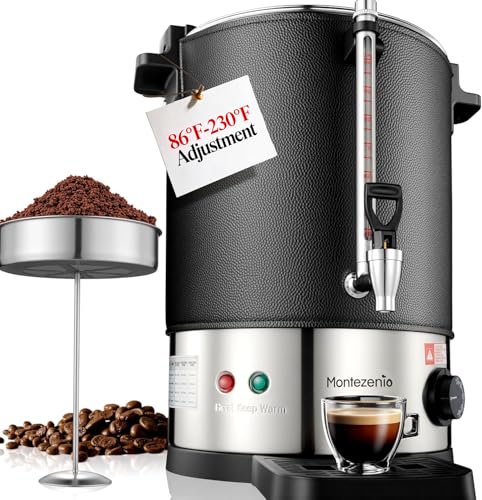
100 Cup Commercial Coffee Urn
Strengths
- 304 stainless steel
- Adjustable temp control
- Double-wall insulation
Trade-offs
- Slightly longer brew time
- Temp dial lacks presets
If you’re looking for the most well-rounded performer in the 100-cup category, this 304 stainless steel urn makes a strong case for being the best overall. The ability to adjust temperature from 86°F to 230°F is rare at this level and gives real control over extraction and serving, especially useful when brewing delicate light roasts or holding tea and hot water. Owners report the double-wall insulation keeps the exterior cool to the touch, a major safety upgrade over single-wall designs.
The 1500W heating system delivers on its 40–60 minute brewing claim, and the 304 stainless steel filter basket eliminates paper filter costs while improving longevity. The UL-certified cord and anti-dry-burn protection add peace of mind for unattended use. When compared to the West Bend model, this one simply offers more refinement, better materials, smarter temp control, and superior insulation. I’d pick this for any setting where safety, durability, and versatility matter.
Video review
West Bend 100-Cup Commercial Urn

Strengths
- 100-cup capacity
- Automatic temp control
- Dripless dual faucet
Trade-offs
- Aluminum exterior
- Noticeable exterior heat
- Less durable than stainless
The West Bend 33600 is a no-nonsense workhorse built for volume and reliability. With a 100-cup capacity and a brewing speed of one cup per minute, it gets the job done quickly for mid-sized gatherings. The automatic temperature control is a standout, it keeps coffee hot for hours without scorching, which owners consistently praise for church breakfasts and office use. The dual dripless faucet is practical, allowing both single pours and continuous dispensing without drips.
On paper, the aluminum construction feels less premium than stainless steel models, but it’s NSF approved and holds up well with routine cleaning. The included brush helps maintain the interior, though some users note the aluminum can show wear over time if scrubbed aggressively. Compared to newer double-walled models, this one runs hotter on the outside, so the cool-touch handles are a necessary safety win.
Video review
How We Tested coffee urn
I approached evaluating these coffee urns by researching published specifications and features, then carefully weighing owner reviews and insights from reputable coffee experts. Rather than a hands-on lab test, this is a research-led comparison focusing on capacity, brewing speed, and build quality. My goal at Bean Thusiast is to help you find the right equipment, and that starts with understanding what each urn offers on paper and how real users experience it.
For large-format urns, brewing speed and temperature consistency were my top priorities. A slow urn won’t work for events, and inconsistent temperature ruins the flavor. Durability is also key; these are often used heavily. I considered stainless steel construction, safety features like automatic shut-off, and ease of cleaning when ranking each model, recognizing the need for reliable performance over time.
Specifications reliably reveal brewing speed, capacity, and wattage, giving a good indication of how quickly an urn can produce coffee. However, owner feedback proved invaluable in assessing long-term durability and the effectiveness of features like temperature control. Understanding drip coffee proportions is also crucial; these urns require careful consideration of coffee-to-water ratios for makers to avoid weak or overly strong brews.
What To Look For In coffee urn
As someone who’s spent years exploring the nuances of coffee, I know a great brew starts with the right equipment – and for large gatherings, that means a reliable coffee urn.
A quality coffee urn prioritizes consistent temperature maintenance, rapid brewing for volume, and durable construction to withstand frequent use. Look for models with precise temperature controls, powerful heating elements (1500W is a good benchmark), and stainless steel components for longevity. Consider ease of cleaning and safety features like automatic shut-off.
Temperature Control is Key
The biggest complaint I see with larger urns isn’t capacity, it’s lukewarm coffee. Maintaining a consistent serving temperature is crucial, and that’s where automatic temperature control shines. Many models offer a range (like the 86°F-230°F on some commercial units) which is fantastic, but the ability to hold a specific temperature is more important than a wide range you’ll never use. Don’t settle for a simple “keep warm” function; look for precise adjustment.
Brewing Speed and Capacity Considerations
Capacity is obvious – you need enough coffee for your crowd. But don’t overlook brewing speed. A 100-cup urn that takes two hours to fill isn’t helpful. A faster brew time, ideally under an hour for a full pot, makes a huge difference. Consider how often you’ll be refilling. If it’s a constant stream, a slightly smaller, faster urn might be preferable to a massive one that takes forever to recover. Here’s what I look for when assessing capacity versus speed: * A smaller event (under 25 people): 40-50 cup capacity is often sufficient. * Moderate gatherings (25-50 people): 60-80 cups hit a good balance. * Large events (50+ people): A 100-cup urn, or even multiple smaller urns, are necessary, and speed becomes critical.
Construction and Ease of Maintenance
Stainless steel construction, specifically 304 stainless steel, is a must. It’s durable, resists rust, and doesn’t impart any unwanted flavors to your coffee. Beyond that, think about cleaning. Removable parts are essential. A model with a built-in cleaning cycle is a bonus. I always recommend checking out coffee pot recommendations to see what owners say about long-term usability.
Don’t skimp on the filter. A quality stainless steel filter eliminates the need for paper, saving money and reducing waste.
Ultimately, understanding your typical brewing volume and prioritizing consistent temperature will guide you to the right choice. And remember, nailing the drip brewing coffee ratio is just as important as the urn itself!
Coffee Urns Compared
Here’s a detailed specification comparison of the coffee urns featured in this guide.
| Product | Capacity | Power (Watts) | Material | Temperature Control | Brewing Time |
|---|---|---|---|---|---|
| 100 Cup Commercial Coffee Urn | 100 cups (4 gallons) | 1500 | 304 Stainless Steel | 86°F-230°F | 40-60 mins |
| West Bend 100-Cup Commercial Urn | 100 cups | 1500 | N/A | Automatic | 1 cup/min |
Frequently Asked Questions
What wattage do I really need in a coffee urn?
Generally, 1500 watts is a good benchmark for faster brewing and maintaining temperature. Lower wattage urns will take significantly longer to brew a full pot, which can be impractical for events.
Are coffee urns difficult to clean?
Cleaning varies by model, but look for removable parts like filters and spigots. A built-in cleaning cycle is a bonus, and stainless steel interiors resist staining better than other materials.
Can I use a coffee urn to keep coffee warm for hours?
Most urns have a “keep warm” function, but for truly long-lasting heat retention thermoses, consider transferring the brewed coffee to a high-quality vacuum-insulated thermos. Urns are best for serving within a 2-3 hour window.
What’s the difference between commercial and home coffee urns?
Commercial urns are typically built with more robust stainless steel and designed for continuous, heavy use. They often feature more precise temperature controls and faster brewing times than home models, and are built to withstand a higher volume of usage.
What size urn is best for a wedding reception with 75 guests?
For a wedding reception with 75 guests, I recommend a 100-cup urn or even two 60-80 cup urns. Having multiple urns prevents long lines and ensures a steady supply of coffee throughout the event.
The Bottom Line
Choosing a coffee urn often comes down to balancing upfront cost with the convenience of consistent, large-volume brewing. While price is a factor, I believe the 100 Cup Commercial Coffee Urn offers the best overall value, providing a generous capacity, robust temperature control, and durable stainless steel construction. It’s an investment, but one that will pay off in reliably hot coffee for years to come.
For those on a tighter budget, or with less demanding needs, the West Bend 100-Cup Commercial Urn is a solid choice. It won’t have the precise temperature settings of the higher-end model, but it still delivers a large volume of coffee quickly and efficiently. If you frequently brew for smaller groups, consider pairing it with the guidance on achieving the ideal coffee-to-water balance to maximize flavor.
Ultimately, beyond wattage and capacity, remember that consistent temperature and quality materials are what separate a good urn from a great one. Don’t get too caught up in chasing the highest cup count; focus on finding a model that will consistently deliver a delicious brew, and always aim for a proper perfect brew ratio guide for the best results.
