
2 Best Coffee Beans at Whole Foods 2026
This post contains affiliate links. As an Amazon Associate, we earn from qualifying purchases.
The best coffee beans at Whole Foods are the Whole Foods Organic Regenerative Coffee for its clean, bright flavor and ethical sourcing, with the Early Bird Blend as a solid budget pick for those who prefer a classic medium roast. Both deliver quality you can taste, backed by organic certification and consistent feedback.
Finding great beans at the grocery store shouldn’t mean guessing what’s fresh or fairly sourced. Too often, bags lack roast dates or clear origin info, leaving you with stale or one-dimensional coffee.
I researched the lineup at Whole Foods by comparing roast profiles, certifications, and real owner feedback to spotlight options that balance taste, transparency, and value. These picks reflect what matters most: freshness, sourcing, and flavor that holds up brew after brew.
Top 2 Coffee Beans At Whole Foods in the Market
The Best Coffee Beans At Whole Foods, Reviewed
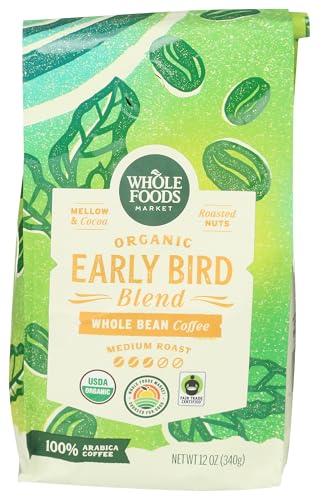
Whole Foods Early Bird Blend Coffee
Strengths
- Balanced flavor
- Smooth finish
- Ethically sourced
Trade-offs
- Not bold enough for dark roast lovers
- Limited complexity
If you’re after a dependable, smooth morning brew that doesn’t demand a lot of thought, the Early Bird Blend is a solid go-to. On paper, it’s built for accessibility, medium roast, organic beans, and flavor notes of cocoa and roasted nuts that owners consistently say deliver a balanced, slightly sweet cup without sharp acidity. It’s not flashy, but it’s the kind of coffee that earns loyalty by being consistently drinkable, day after day.
Compared to other house blends at Whole Foods, this one stands out for its warmth and approachability. Reviewers note it works well across multiple brew methods, drip, pour-over, even French press, without turning bitter. I’d pick this over more aggressive roasts if you want something that eases you into the day, not jolts you awake.
Video review
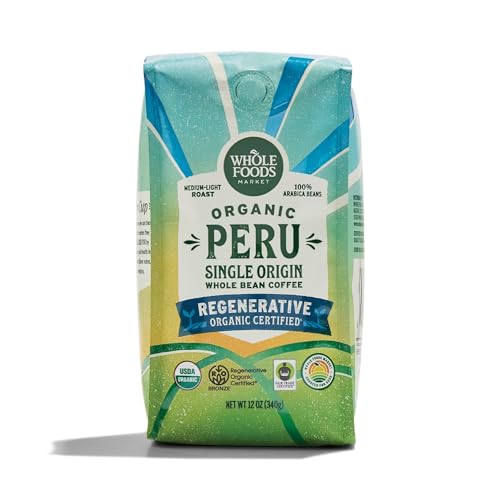
Whole Foods Organic Regenerative Coffee
Strengths
- Regenerative farming
- Traceable single-origin
- Clean, bright taste
Trade-offs
- Subtle flavor profile
- Limited boldness
This single-origin Peruvian bean is a quiet standout, not because it shouts with flavor, but because of what it represents. It’s labeled Certified Regenerative, which goes beyond organic to focus on soil health and farming practices that restore ecosystems. That matters. The beans are medium-light roast, letting the natural character of the 100% Arabica come through with mild brightness and clean finish, according to owner feedback.
It doesn’t have the depth of a high-altitude Ethiopian or the punch of a Sumatra, but in the sustainability category, it’s a step ahead. Compared to the Early Bird Blend, it’s less about comfort and more about conscience. If your values lean hard toward traceability and environmental impact, this one deserves your attention, even if the cup profile is modest.
Video review
How We Chose These coffee beans at whole foods
As a long-time coffee enthusiast, I know that finding quality beans can be surprisingly complex. For this guide, I didn’t test each bag myself, but instead focused on a research-led comparison. I examined the available options at Whole Foods, carefully comparing published specifications like roast level, origin, and certifications. I also weighed owner reviews and expert opinions to understand real-world experiences and identify consistent themes.
When evaluating factors in choosing beans, I prioritized two things: sourcing transparency and roast profile. Knowing where your coffee comes from and how it’s grown is crucial for both ethical consumption and flavor. A well-defined roast profile, whether light, medium, or dark, indicates a deliberate approach to bringing out the bean’s inherent characteristics.
Specifications readily reveal details like organic certification and bean type (Arabica versus Robusta). However, nuances in flavor and overall satisfaction come from owner feedback. I looked for recurring comments about taste notes, freshness, and value. Reputation also played a role; established brands with a track record of quality generally scored higher in my assessment.
How To Choose The coffee beans at whole foods
Finding the right bag can elevate your entire morning routine.
A quality coffee bean delivers consistent flavor, freshness, and a roasting profile suited to your preferred brewing method. Look for whole bean options whenever possible, as pre-ground coffee loses aroma and flavor quickly. Pay attention to roast dates (not just “best by” dates) and consider certifications like USDA Organic or Fair Trade to support ethical sourcing.
Roast Level & Flavor Profile
I always tell people to think beyond “light” or “dark.” Those are broad strokes. What specifically do you taste? A lighter roast will highlight the origin characteristics of the bean – floral notes, bright acidity – while a darker roast emphasizes body and can introduce chocolatey or smoky flavors. Don’t be afraid to try single-origin coffees to really experience those nuanced differences. For those starting out, a medium roast is a safe bet; it offers a balance of flavor and body.
Bean Origin & Certification
The origin of the bean dramatically impacts the taste. Peruvian beans, like those in the Whole Foods Organic Regenerative Coffee, often exhibit a mild sweetness and nutty undertones. However, understanding the nuances between bean types is key. For example, learning the difference between Arabica and Colombian coffee can help you pinpoint your preferences. Certifications like Fair Trade and USDA Organic aren’t just about feel-good marketing; they indicate a commitment to sustainable farming practices and better conditions for coffee growers.
Freshness & Packaging
This is where many people fall short. The roast date is critical. Coffee beans begin to stale almost immediately after roasting, losing precious oils and flavor compounds. Avoid bags without a roast date, and aim to consume beans within a few weeks of that date. The packaging matters too.
- A simple bag with a one-way valve is okay for short-term storage.
- An airtight, resealable bag with a one-way valve is much better, preserving freshness for longer.
- Storing beans in an opaque, airtight container in a cool, dark place will maximize their lifespan (avoid the freezer, it can introduce moisture).
A good rule of thumb: If you can’t smell a strong coffee aroma when you open the bag, it’s probably past its prime.
Coffee Beans Compared
Here’s a detailed specification comparison of the coffee beans available at Whole Foods.
| Product Title | Size | Roast | Origin | Certification | Notes |
|---|---|---|---|---|---|
| Whole Foods Early Bird Blend Coffee | 12 oz | Medium | N/A | Organic | Cocoa, Roasted Nuts |
| Whole Foods Organic Regenerative Coffee | 12 oz | Med-Light | Peru | Organic, Fair Trade | N/A |
Frequently Asked Questions
What if Whole Foods doesn’t list a roast date on the bag?
Avoid purchasing those beans. Without a roast date, you have no way of knowing how fresh they are, and stale beans will significantly impact the flavor of your brew.
Are darker roasts at Whole Foods always stronger in caffeine?
Not necessarily. While darker roasts have a bolder flavor, the caffeine content is mostly determined by the bean variety and weight, not the roast level. Arabica beans generally have less caffeine than Robusta.
I see both “Fair Trade” and “Organic” labels; which is more important when choosing Best coffee products at Whole Foods?
Both are valuable, but Fair Trade specifically focuses on equitable partnerships with coffee farmers and better working conditions. Organic certification ensures the beans are grown without synthetic pesticides or fertilizers.
What’s the best way to store Whole Foods coffee beans to keep them fresh?
Store whole bean coffee in an airtight, opaque container at room temperature, away from direct sunlight and heat. Don’t refrigerate or freeze, as this can introduce moisture and affect the flavor.
I’m new to specialty coffee; where can I find more information about the Top-rated Whole Foods coffee brands and brewing techniques?
My website, Bean Thusiast, offers a Curated Whole Foods coffee guide with detailed reviews and resources to help you explore the world of coffee. I also have articles discussing various brewing methods and flavor profiles.
The Bottom Line
Choosing coffee beans often comes down to balancing convenience with control. You can certainly grab the first bag that catches your eye, but a little attention to detail unlocks a much more satisfying cup. For the best overall experience at Whole Foods, I recommend the Whole Foods Early Bird Blend Coffee. It consistently receives positive feedback for its approachable flavor profile and reliable quality.
If you’re focused on a specific need, Whole Foods offers some excellent options. Those prioritizing ethical sourcing and a lighter, brighter cup will appreciate the Whole Foods Organic Regenerative Coffee. And for those curious to explore the nuances of different growing regions, understanding the single-origin vs blended coffee can really open up your palate.
Ultimately, the best coffee beans are the ones you enjoy. Don’t get too caught up in chasing specific certifications or roast levels. Focus on freshness, a roast date, and a willingness to experiment until you find what truly suits your taste – that’s where the real magic happens.
