
9 Best Coffee at Whole Foods 2026
The best coffee at Whole Foods is the Organic Regenerative Whole Bean Coffee, a standout for its clean, balanced flavor and strong ethical commitments. For a budget-friendly daily brew, the Sierra Blend Whole Bean Coffee delivers consistent quality, while the Organic Breakfast Blend Ground is ideal for those who prefer a bright, light roast without the need to grind fresh beans.
Most grocery store coffee feels like an afterthought, generic blends, stale beans, little transparency. At Whole Foods, the selection is better, but it still takes work to separate the truly good from the merely well-marketed.
I researched the entire coffee lineup at Whole Foods, focusing on roast precision, bean origin, certifications, and real-world feedback from drinkers. These picks reflect a balance of flavor, freshness, and values, because great coffee shouldn’t require a specialty roaster two hours away.
Top 9 Coffee At Whole Foods in the Market
The Best Coffee At Whole Foods, Reviewed
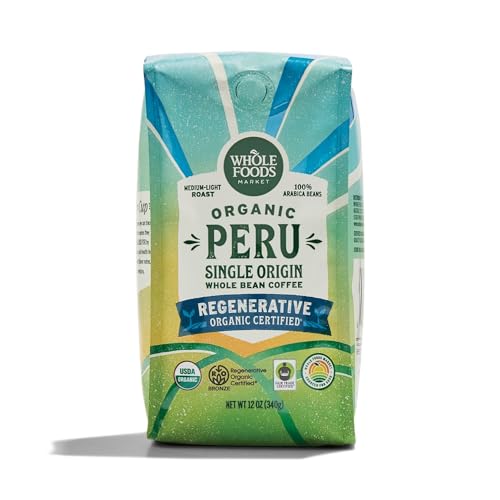
Organic Regenerative Whole Bean Coffee
Strengths
- Regenerative certified
- Single-origin traceable
- USDA Organic
Trade-offs
- Subtle flavor profile
- Smaller bag size
This coffee stands out not just for taste, but for its regenerative agriculture certification, a step beyond organic. Grown in Peru, it’s a single-origin, medium-light roast that owners describe as clean, balanced, and subtly sweet. The traceability gives it real credibility in an era where sourcing matters more than ever.
Flavor-wise, it’s not the boldest on the shelf, but it’s among the most thoughtful. Compared to the Early Bird or Sierra Blends, it trades richness for clarity and environmental impact. For me, this is the best overall pick, not because it overwhelms the palate, but because it aligns with where quality coffee should be heading.
Video review
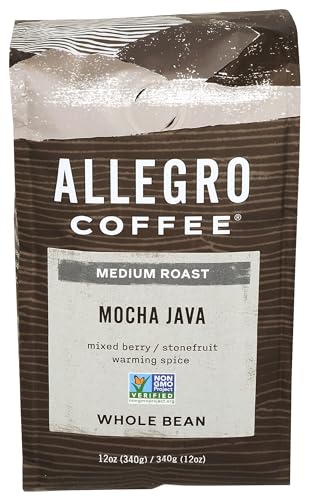
Allegro Mocha Java Whole Bean
Strengths
- Specialty beans
- Balanced flavor
- Medium roast clarity
Trade-offs
- Smaller 12 oz bag
- Pricier per ounce
This is one of those rare blends that leans into tradition without feeling dated. Mocha Java is a classic combo, Indonesian and Ethiopian beans, and here, Allegro nails the balance. On paper, the berry, chocolate, and warming spice notes suggest complexity, and owners consistently report a smooth, layered cup that stands out in a crowded field.
It’s a medium roast, so it preserves origin character without going too bright or too flat. Compared to other Whole Foods house blends, it’s less about uniformity and more about personality. If you’re someone who still enjoys a touch of old-world coffee romance, this one speaks your language.
Video review
Pacific Rim Whole Bean Coffee

Strengths
- Large 24 oz size
- Organic and kosher
- Rich body
Trade-offs
- Generic flavor labeling
- Less origin transparency
This is the workhorse of the lineup, organic, kosher, and packed in a 24 oz bag, it’s built for households that go through coffee fast. The medium-dark roast brings out chocolate and caramel notes with a heavy body, and the lively acidity keeps it from feeling sluggish.
Owners consistently highlight its value, especially compared to the smaller 12 oz premium bags. It’s not as ethically detailed as the Regenerative coffee, but it still supports sustainable farming. If you want a no-nonsense, full-flavored brew that won’t break the bank, this is the smarter buy over the smaller Whole Foods house blends.
Product photos

Early Bird Blend Whole Bean
Strengths
- Balanced morning profile
- Ethically sourced
- Smooth finish
Trade-offs
- Not for bold seekers
- Limited complexity
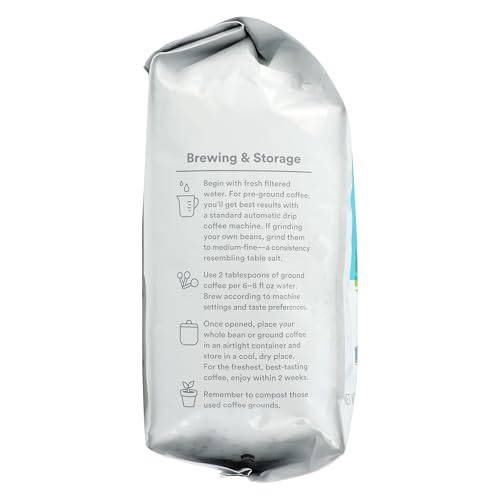
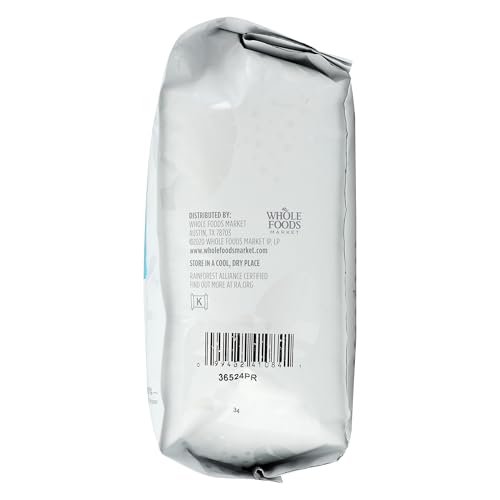
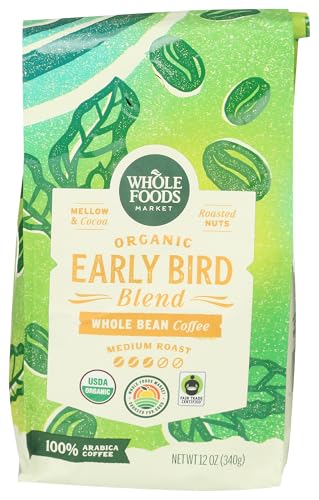
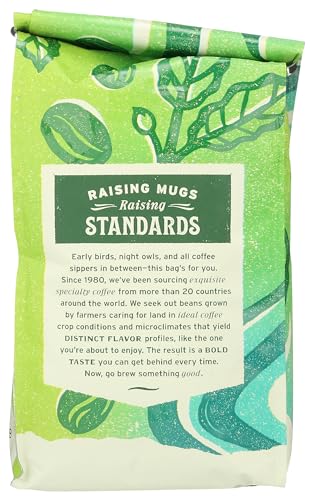
True to its name, this is a morning-friendly roast, medium-bodied with cocoa and roasted nut notes that ease you into the day without sharp acidity or bitterness. It’s organic and ethically sourced, and owners often call it their “daily driver” for drip or pour-over.
It doesn’t shout, but it delivers consistency. Against the Breakfast Blend, it’s slightly deeper in roast and nuttier in profile, making it better suited for milk-based drinks. If you want a reliable, smooth start without flavor fireworks, this one earns its place on the counter.
Product photos
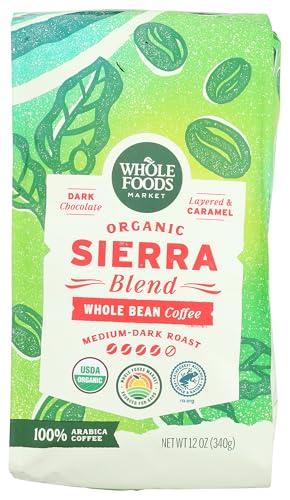
Sierra Blend Whole Bean Coffee
Strengths
- Rich chocolate notes
- Organic certified
- Resealable bag
Trade-offs
- Smaller 12 oz size
- Less origin complexity
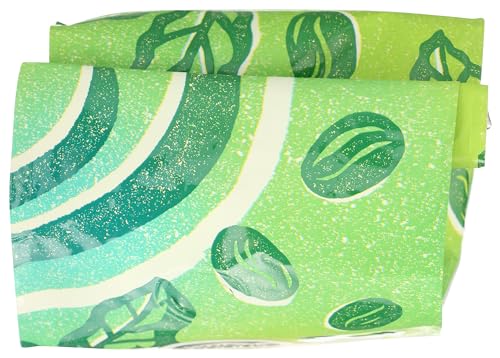
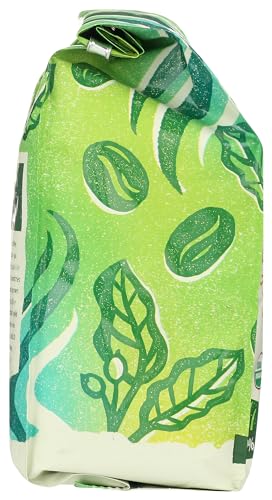
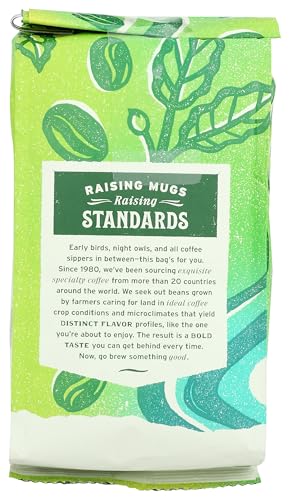
If you’re after that deep, comforting cup with dark chocolate and caramel richness, the Sierra Blend is a strong contender. The medium-dark roast is well-executed, rich without tipping into bitterness, and the organic sourcing gives it clean credibility. Owners praise its consistency, especially for drip brewing or French press.
It’s not as adventurous as the Mocha Java, but it doesn’t need to be. This is a go-to for those who want a bold, satisfying profile without the edge of a full dark roast. Against the Pacific Rim blend, it’s slightly more refined, though it doesn’t offer the same volume value.
Product photos
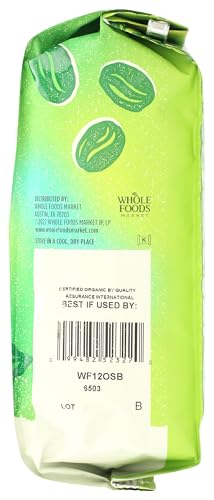
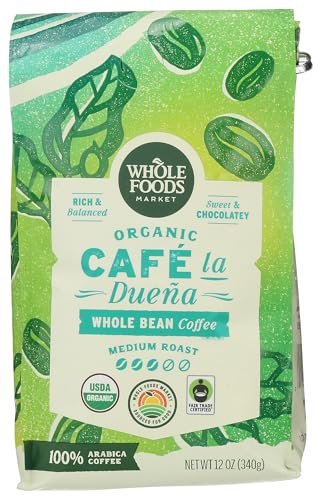
Café la Duena Whole Bean
Strengths
- Women-owned farm origin
- Sweet chocolate notes
- Ethical sourcing
Trade-offs
- Lower intensity
- Smaller 12 oz bag
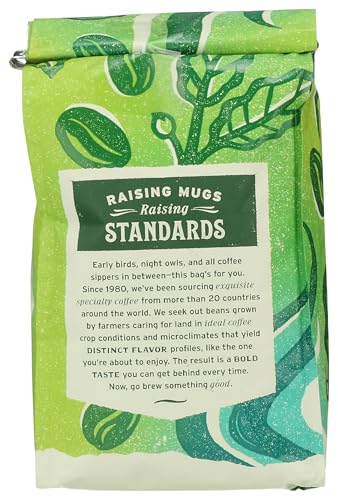
This is one of the most ethically grounded options in the Whole Foods lineup. Café la Duena comes from a women-owned farm in Mexico, and that story is backed by organic and sustainable farming claims. The coffee itself is medium roast, sweet, and chocolatey, with a rounded balance that appeals to a wide range of palates.
Owners appreciate its smoothness and the fact that it brews well across methods. Compared to the Sierra or Pacific Rim blends, it’s lighter in body but higher in soul. If supporting equitable coffee systems matters to you, this isn’t just a good cup, it’s a meaningful one.
Product photos
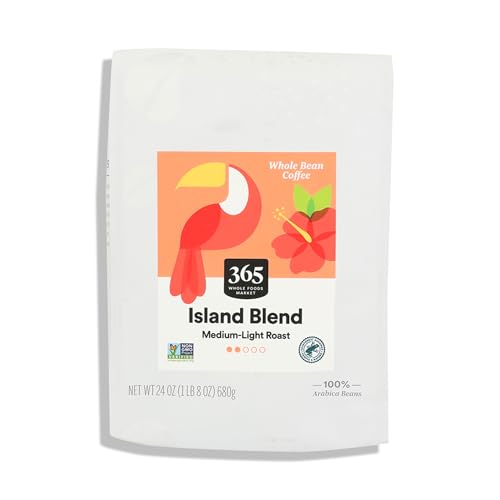
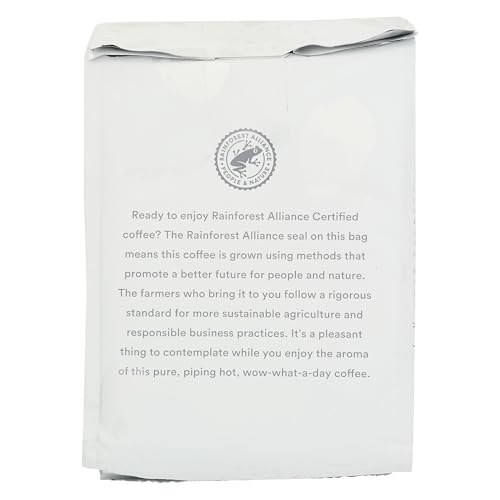
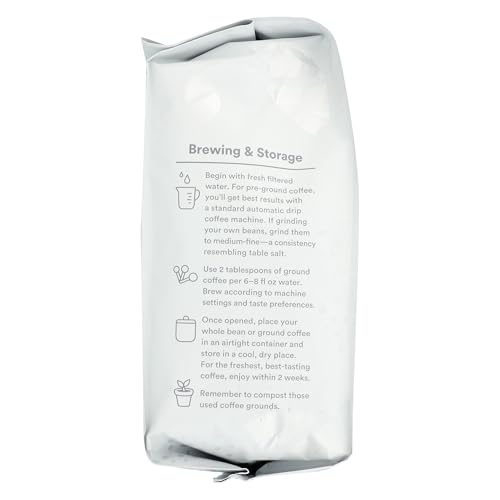
Island Blend Whole Bean Coffee
Strengths
- Fair Trade Certified
- Large 24 oz bag
- Ethical sourcing
Trade-offs
- Mild flavor profile
- Not for dark roast lovers
When you want your coffee to feel like a responsible choice without sacrificing taste, this Island Blend delivers. It’s 100% Fair Trade Certified, and that shows in the sourcing transparency. The medium-light roast lets the beans shine with a bright, approachable profile, reviewers often call it smooth with subtle tropical fruit hints.
At 24 ounces, it’s a solid volume for regular drinkers, and it’s priced to move. Compared to the Regenerative or Sierra Blends, it’s less about deep roast character and more about clean, ethical consistency. If you’re building a morning habit around both flavor and values, this one checks more boxes than most.
Product photos
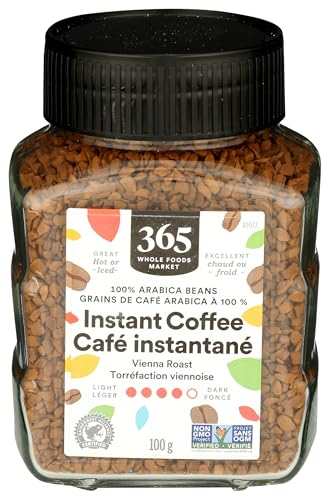
Instant Coffee Dark Roast
Strengths
- Fast preparation
- Good for iced coffee
- Convenient format
Trade-offs
- Flat flavor depth
- Low bean variety
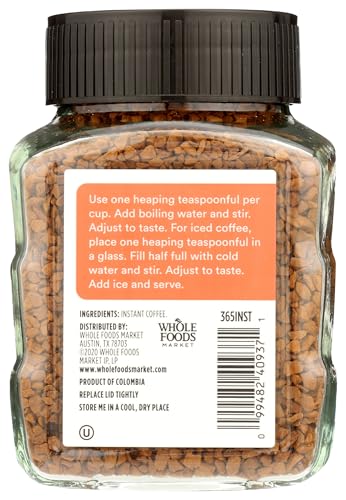
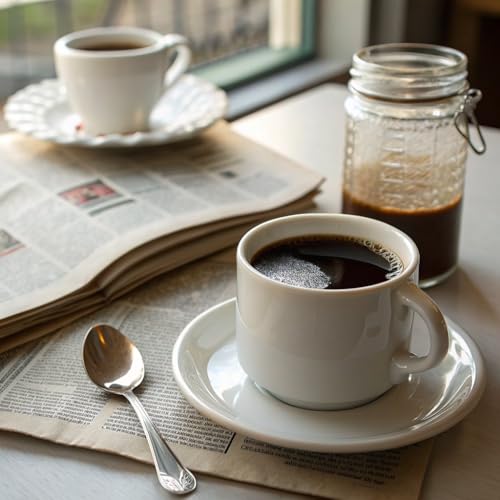
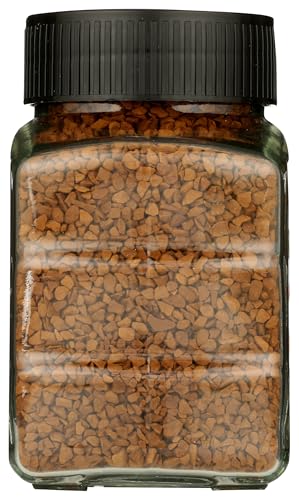
Let’s be clear, this isn’t for purists. But if you need coffee fast, this instant dark roast is one of the better options on the shelf. It’s not specialty-grade, but owners note it dissolves well and delivers a surprisingly robust flavor for instant, especially when iced.
Compared to high-end freeze-dried brands, it’s simpler and less nuanced. But within the 365 line, it fills a niche: a no-fuss, pantry-stable option for travel, offices, or mornings when every minute counts. I wouldn’t brew this for a tasting flight, but I wouldn’t hesitate to stir a spoonful into hot water on a rushed weekday.
Product photos

Organic Breakfast Blend Ground

Strengths
- Bright citrus lift
- Pre-ground convenience
- Light roast clarity
Trade-offs
- Ground format limits freshness
- Not for bold roast fans
Light roasts can be hit or miss, but this one hits the mark for lovers of bright, clean cups. The milk chocolate, caramel, and citrus notes suggest a surprising depth for a light roast, and owners confirm it brews smooth, especially in drip machines. Being pre-ground makes it convenient, though purists will lament the loss of freshness.
Compared to the Early Bird Blend, it’s more vibrant and acidic, making it better for black coffee drinkers. If you like your morning cup to wake up your palate, not just your nerves, this is the standout light option in the lineup.
Product photos

How We Picked These coffee at whole foods
As the founder of Bean Thusiast, I approached researching coffee options at Whole Foods by comparing published specifications – roast level, origin, certifications – alongside extensive owner and expert reviews. Rather than a hands-on lab test, this is a research-led comparison. I then ranked each offering against criteria important to coffee drinkers: flavor profile, ethical sourcing, roast quality, and value for the price.
For coffee, I weighted roast level and origin heavily. A well-executed medium roast unlocks a lot of nuanced flavor, while single-origin beans (like the Peruvian offering) often provide a clearer, more distinct taste. Ethical certifications, like Fair Trade, also played a large role, as many coffee lovers prioritize sustainability and responsible sourcing. If you prefer a light roast coffee, the Organic Breakfast Blend is a good starting point.
Specifications reliably show bean type (100% Arabica is generally preferred) and roast level. However, flavor descriptions are best gleaned from owner feedback. Reputable coffee blogs and reviewers helped me assess the accuracy of those descriptions and understand the subtleties of each blend. Ultimately, judging quality involved balancing what the specs tell you with what people say they experience.
How To Pick The Right coffee at whole foods
I’ve spent years chasing the perfect cup, and I know that finding quality coffee at the grocery store can feel overwhelming. It doesn’t have to be.
A truly excellent coffee experience starts with bean quality. Look for 100% Arabica beans, ideally single-origin or from a well-defined region. Roast date is critical – fresher is always better. Consider certifications like USDA Organic and Fair Trade, but don’t let those be the only deciding factors; flavor should always come first.
Roast Level & Flavor Profile
Many people gravitate towards a familiar roast, but exploring different levels can unlock a whole new world of flavor. Light roasts, like the Organic Breakfast Blend Ground, often highlight the origin characteristics of the bean with brighter acidity and floral notes. Medium roasts strike a balance, offering both acidity and body, while dark roasts deliver a bolder, more chocolatey experience. Don’t be afraid to experiment; your preferences will evolve.
Bean Type & Origin
While 100% Arabica is generally preferred for its nuanced flavors, understanding origin is key. Peruvian beans, as found in the Organic Regenerative Whole Bean Coffee, are often known for their balanced profile and chocolatey undertones. Coffees from the Pacific Rim Islands (like the Pacific Rim Whole Bean Coffee) tend to offer a heavier body and vibrant acidity. Exploring these regions will help you discover the best coffee brands at Whole Foods that suit your palate.
Here’s what to consider when looking at origins: * Single Origin: Offers a distinct, focused flavor profile tied to a specific farm or region. * Blends: Combine beans from multiple origins to create a balanced and consistent flavor. A good blend can be more forgiving for everyday brewing. * Traceability: Look for coffees that clearly state their origin and, ideally, have information about the farmers or co-ops involved. This indicates a commitment to quality and ethical sourcing.
Don’t chase the loudest flavors. The best coffee is the coffee you enjoy, brewed to your preferred strength.
Convenience vs. Freshness
Whole bean coffee, like the Sierra Blend Whole Bean Coffee, will always provide the freshest experience, allowing you to grind just before brewing. This preserves volatile aromatic compounds that contribute to a richer, more complex flavor. However, instant coffee (like the Instant Coffee Dark Roast) has its place – it’s undeniably convenient. If you opt for pre-ground, look for a recent “roasted on” date and store it in an airtight container. And remember to dial in your ideal coffee ratio to get the most out of your chosen brew!
Coffee at Whole Foods Compared
Here’s a comparison of the coffee options available at Whole Foods, focusing on key specifications.
| Product Title | Roast Level | Bean Type | Organic | Fair Trade | Bag Size |
|---|---|---|---|---|---|
| Organic Regenerative Whole Bean Coffee | Medium-Light | Arabica | Yes | Yes | 12 oz |
| Allegro Mocha Java Whole Bean | Medium | N/A | N/A | N/A | N/A |
| Pacific Rim Whole Bean Coffee | Deep | N/A | Yes | N/A | N/A |
| Early Bird Blend Whole Bean | Medium | N/A | Yes | N/A | 12 oz |
| Sierra Blend Whole Bean Coffee | Medium-Dark | N/A | Yes | N/A | 12 oz |
| Café la Duena Whole Bean | Medium | N/A | Yes | N/A | 12 oz |
| Island Blend Whole Bean Coffee | N/A | Arabica | N/A | Yes | N/A |
| Instant Coffee Dark Roast | Dark (Vienna) | N/A | N/A | N/A | N/A |
| Organic Breakfast Blend Ground | Light | N/A | Yes | N/A | 12 oz |
Frequently Asked Questions
What if I’m unsure which roast level to choose?
A medium roast is generally a safe starting point, offering a balance of flavor and acidity, but don’t hesitate to try lighter or darker roasts to discover your preference. Exploring different roast levels is crucial to finding the best coffee beans available at Whole Foods.
Do Whole Foods coffees offer ethical sourcing options?
Many Whole Foods coffees are certified Fair Trade or USDA Organic, reflecting a commitment to ethical and sustainable practices. The Organic Regenerative Whole Bean Coffee, for example, carries both certifications, demonstrating a focus on responsible sourcing.
Is whole bean coffee really that much better than pre-ground?
Yes, whole bean coffee retains more flavor and aroma because the grinding process releases those compounds, and you preserve them longer by grinding just before brewing. If you choose pre-ground, look for a recent roast date and store it properly.
What’s the difference between single-origin and blends?
Single-origin coffees showcase the unique characteristics of a specific region, while blends combine beans for a more balanced flavor profile. For everyday brewing, a well-crafted blend can be more consistent, but exploring single origins reveals the diversity of flavors in top Whole Foods coffee roasts.
How can I tell if a coffee is fresh?
Always check for a “roasted on” date rather than a “best by” date; the closer to the current date, the fresher the coffee will be. Freshness is key to unlocking the full potential of premium coffee beans from Whole Foods.
The Bottom Line
Choosing coffee always comes down to balancing what you want with how much effort you’re willing to put in. For the best overall experience – a consistently flavorful and ethically sourced cup – I recommend the Organic Regenerative Whole Bean Coffee. It hits a sweet spot between quality, roast profile, and responsible sourcing that’s hard to beat at a grocery store.
If you’re specifically looking for a budget-friendly option, the Organic Breakfast Blend Ground is a solid choice, especially if you appreciate a lighter roast. And for those who value convenience above all else, the Instant Coffee Dark Roast provides a quick and easy caffeine fix. Understanding coffee blend differences can also help you narrow down your choice if you are new to the world of coffee.
Ultimately, the specs and certifications matter less than finding a coffee that you genuinely enjoy. Focus on exploring different roast levels and origins to discover what flavors resonate with you, and don’t be afraid to experiment. Prioritize freshness, a good grinder if you’re buying whole bean, and a brewing method that suits your lifestyle.
