
2 Best Moka Coffee Makers of 2026
The IMUSA 6-Cup Electric Espresso Maker stands out as the overall best choice for most people, delivering consistent, rich coffee with minimal effort. For a traditional stovetop experience, the Bellemain 6-Cup is a solid, reliable pick that balances performance and value.
If you’ve ever been let down by a weak or bitter pot of moka coffee, you know how frustrating it can be to chase that perfect balance of strength and flavor. After years of exploring brewing methods and reviewing owner feedback, I’ve learned that the right moka pot makes all the difference.
This guide cuts through the noise, focusing on build quality, material, heat performance, and real-world reliability. I compared specs and user experiences to find models that consistently deliver a satisfying cup, whether you’re using a stovetop or prefer the convenience of electric.
Top 2 Moka Coffee Maker in the Market
The Best Moka Coffee Maker, Reviewed
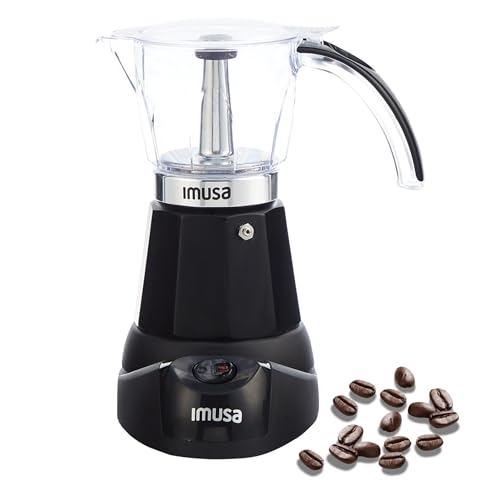
IMUSA 6-Cup Electric Espresso Maker
Strengths
- Electric operation
- Adjustable cup output
- Cool touch handle
- Visual brewing window
- Detachable base
Trade-offs
- Plastic base feels cheap
- Not true espresso
- Limited for purists
This electric moka pot stands out because it removes the stovetop variable entirely. On paper, that’s a win for consistency, especially for beginners who might overheat traditional models. The ability to switch between 3 and 6 cups gives it versatility most stovetop units lack, and the visual brewing indicator is a small but smart touch that helps avoid over-extraction. Owners consistently report it’s reliable for daily use and particularly good at making Cuban-style coffee with that signature boldness.
Still, it’s not a true espresso machine, and expecting barista-grade crema will lead to disappointment. The aluminum construction keeps heat transfer efficient, but the black plastic base and handle feel less premium than all-metal designs. Compared to Bellemain’s stovetop model, this one trades some authenticity for convenience. But if you value plug-and-play operation and don’t mind stepping away from traditional stovetop brewing, it’s a solid pick.
Video review
Bellemain 6-Cup Stovetop Espresso Maker

Strengths
- Even heat distribution
- Classic aluminum build
- Stay-cool handles
- Reliable safety valve
- Works on all stoves
Trade-offs
- No electric option
- Aluminum requires hand washing
- No volume markings inside
This is a textbook example of a well-executed classic moka pot. The 6-cup aluminum build heats evenly across gas and electric stoves, and reviewers frequently praise how quickly it reaches optimal pressure without hot spots, a common flaw in cheaper clones. The minimalist design isn’t just nostalgic, it’s functional. The stay-cool handles actually work, which is rare in this category, and the safety valve is a quiet but essential feature that prevents blowouts when the water boils too hard.
I’d pick this over the IMUSA if you’re after authenticity and better build quality. It doesn’t have the electric convenience, but it delivers richer flavor extraction and that telltale moka depth that coffee lovers chase. For campers or anyone with a small kitchen setup, its durability and simplicity make it a go-to. It’s not flashy, but it does the job right.
Video review
How We Chose These moka coffee maker
As the founder of Bean Thusiast, I approach moka pot selection with a focus on delivering strong, flavorful coffee consistently. Rather than a hands-on lab test, this research compared published specifications – materials, capacity, and safety features – alongside detailed owner reviews and expert opinions. I weighed this information against my understanding of what contributes to a good moka pot experience, ranking options based on build quality, ease of use, and reported brew quality.
For moka pots, the most important factors are the material of construction and the quality of the seal. Aluminum heats quickly and evenly, which is essential for proper extraction, but stainless steel offers greater durability. A tight, reliable seal is also vital; without it, you won’t build the necessary pressure for a rich, concentrated brew. Understanding how to use stovetop espresso maker is crucial to getting the most from your pot too.
Specifications reliably indicate capacity and materials, but owner feedback provides insights into long-term durability and potential issues like warping or seal failures. Reputation matters here – brands known for consistent quality tend to deliver. I looked for recurring themes in reviews, noting comments about ease of cleaning, handle safety, and the overall flavor profile achieved with each pot, supplementing the specs with real-world experience reported by users.
How To Choose The moka coffee maker
As someone who’s spent years exploring the nuances of coffee brewing, I know a good moka pot can deliver a remarkably rich and intense cup. But there’s more to picking one than just grabbing the prettiest aluminum pot.
A quality moka coffee maker prioritizes even heat distribution for balanced extraction, durable materials to withstand repeated use, and a reliable sealing mechanism to maintain pressure. Look for models with a clearly visible water fill line, a secure locking system, and positive user reviews regarding consistent performance. Pay attention to the materials used – stainless steel is generally more durable and easier to clean than aluminum.
Material & Construction
The material a moka pot is made from significantly impacts both its longevity and the flavor of your coffee. While aluminum is traditional, stainless steel offers greater resistance to corrosion and doesn’t impart any metallic taste. I often recommend stainless steel for those prioritizing long-term value and purity of flavor. However, good quality aluminum pots, if maintained well, can last for years. Don’t overlook the gasket – silicone replacements are readily available and will extend the life of your pot.
Heat Compatibility & Base Design
Not all moka pots play nicely with all stovetops. Induction cooktops, in particular, require a special base (often stainless steel) to work effectively. If you have an induction cooktop, confirm compatibility before purchasing. Beyond that, consider the base’s thickness. A thicker base will distribute heat more evenly, reducing the risk of scorching your coffee. It’s also worth looking at the handle design; a well-insulated handle is crucial for safety.
- A basic aluminum pot will likely be the least expensive option, suitable for occasional use.
- Stainless steel models offer enhanced durability and flavor purity, a good step up for regular moka pot drinkers.
- Pots with a wider base and thicker aluminum or stainless steel construction will provide more even heating, leading to a more balanced brew – and this is especially important when you’re experimenting with ideal roast for moka coffee.
A consistent, even brew starts with consistent heat. Avoid moka pots with thin, easily warped bases.
Capacity & Serving Size
Moka pots are measured by the number of “cups” they brew, but these aren’t standard coffee cup sizes. A 6-cup moka pot, like the IMUSA or Bellemain options, typically yields around 6 demitasse (2oz) servings. Think about how many people you’re usually brewing for. If it’s just you, a 3-cup pot might be sufficient. Also, remember that it’s better to brew a smaller amount of coffee frequently than to brew a large pot and let it sit. You’ll get a much more flavorful result if you pay attention to coffee ratios for moka pots.
Moka Coffee Maker Compared
Here’s a comparison of key specifications for the moka coffee makers in this guide.
| Product | Capacity (Cups) | Material | Stovetop? | Electric? | Handle – Cool Touch? |
|---|---|---|---|---|---|
| IMUSA 6-Cup Electric Espresso Maker | 6 | Aluminum | No | Yes | Yes |
| Bellemain 6-Cup Stovetop Espresso Maker | 6 | Aluminum | Yes | No | Yes |
Frequently Asked Questions
What size moka pot should I buy if I’m brewing for one person?
A 3-cup moka pot is generally sufficient for one person, yielding around 3 demitasse (2oz) servings. Remember that moka pot “cups” are smaller than standard coffee cups, so a 3-cup pot won’t make a huge mug.
Can I use a moka pot on any type of stovetop?
No, you cannot. Induction cooktops require a moka pot with a ferrous metal base (usually stainless steel) to function, while some thinner aluminum pots may warp on high heat. Always check for stovetop compatibility before purchasing.
How often should I replace the gasket on my moka pot?
You should replace the gasket every 6-12 months, or sooner if you notice leaks or a weak seal. A compromised gasket prevents proper pressure buildup, resulting in weak and watery coffee.
What’s the difference between aluminum and stainless steel moka pots?
Aluminum heats up faster and is more traditional, but stainless steel is more durable and doesn’t impart a metallic taste. If you’re looking for longevity and purity of flavor, I recommend stainless steel.
Where can I find more information about classic moka pot brands?
You can explore a selection of classic moka pot brands reviewed on my site, where I discuss the history and quality of various manufacturers and their offerings. This will help you narrow down your choices based on reputation and features.
The Bottom Line
Choosing a moka coffee maker often comes down to balancing convenience with control. While a stovetop model demands a bit more attention during brewing, they typically offer greater build quality and a more authentic experience. For the best overall combination of features and performance, I recommend the Bellemain 6-Cup Stovetop Espresso Maker – it’s a durable, reliable pot that consistently delivers excellent results.
If you’re seeking a budget-friendly entry point, the IMUSA 6-Cup Electric Espresso Maker is a solid choice. For those who value versatility and want a pot that can handle induction cooktops, the IMUSA is also a strong contender, and you can find helpful IMUSA moka pot instructions online to get started.
Ultimately, the best moka pot isn’t about chasing a specific specification; it’s about understanding your brewing preferences and prioritizing consistent heat, a good seal, and durable materials. These fundamentals matter far more than any single feature, and they’re what will truly unlock the rich, intense flavor a moka pot is capable of producing.
