
9 Best Colombian Coffee Beans of 2026
The best Colombian coffee beans deliver a smooth, balanced cup with bright acidity and notes of caramel and citrus, and after researching the field, I recommend Fresh Roasted Coffee 100% Colombian as the top overall pick for its consistent quality and rich flavor. For a budget-friendly option, Amazon Fresh Colombia stands out, while Cafe Quindio Excelso offers exceptional value for those prioritizing sustainable, women-owned sourcing.
Shopping for Colombian beans often means sorting through vague labels and inconsistent roasts, leaving you with a bag that doesn’t match the promise on the bag. Many brands lack transparency about origin, roast date, or processing, making it hard to know what you’re really getting.
This guide cuts through the noise by focusing on what matters most – flavor clarity, freshness, and ethical sourcing – based on specs, owner feedback, and my years of experience evaluating coffee from this iconic region. These picks reflect a careful balance of quality, taste, and value.
Top 9 Colombian Coffee Beans in the Market
The Best Colombian Coffee Beans, Reviewed
Fresh Roasted Coffee 100% Colombian
Strengths
- 5 lb value size
- Nitrogen-flushed
- Single-origin purity
- Solar-powered roasting
- Works with all methods
Trade-offs
- Heavy bag
- Longer storage risk
- No organic certification
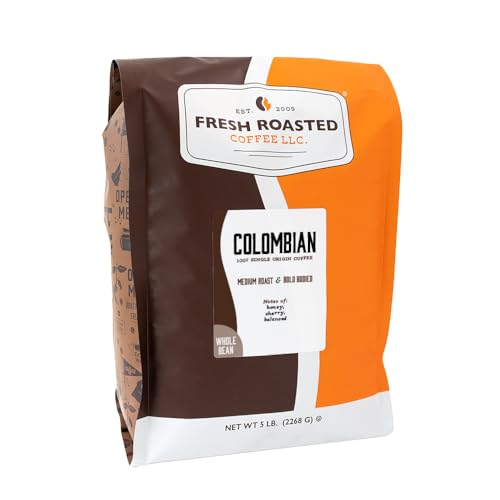
If you’re looking for the most complete package in Colombian beans, this 5 lb bag from Fresh Roasted Coffee is hard to ignore. The sheer volume alone makes it a standout, but it’s the combination of single-origin purity, nitrogen flushing, and eco-conscious roasting that pushes it into ‘best overall’ territory. The tasting notes of honey and cherry come up again and again in owner feedback, and the Kosher certification adds a layer of quality assurance.
I’d pick this over the San Francisco Bay option for its superior freshness tech and cleaner flavor profile. It’s also more versatile than many larger bags because the whole beans grind well for everything from Aeropress to espresso.
Video review
Amazon Fresh Colombia Medium Roast

Strengths
- Value pack of 3
- Balanced medium roast
- Convenient sizing
- Amazon brand
- U.S. roasted
Trade-offs
- Generic flavor
- No organic label
- Basic packaging
This is the budget workhorse of the group – three 12 oz bags mean you always have a fresh one on hand, and the price makes it easy to keep stocked. It’s 100% Arabica from Colombia, roasted in the U.S., and delivers a balanced, full-bodied cup that’s perfectly fine for everyday use. Owners say it’s reliable, if unspectacular – no standout notes, but no flaws either.
It won’t challenge Cafe Quindio or Fresh Roasted Coffee in flavor depth, but for a no-surprises, low-cost staple, it’s hard to beat. I’d buy this over San Francisco Bay if I wanted smaller, more manageable portions.
Video review
Cameron’s Organic 100% Colombian
Strengths
- 4 lb organic bag
- Small-batch roasted
- Sustainably sourced
- Creamy balanced flavor
- Top 10% beans
Trade-offs
- Less bright flavor
- No nitrogen flushing
- Heavier storage burden
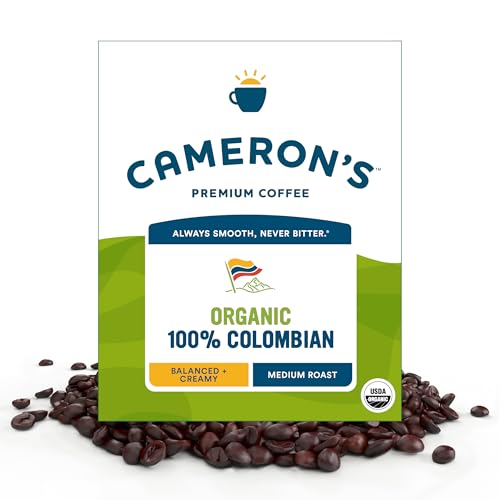
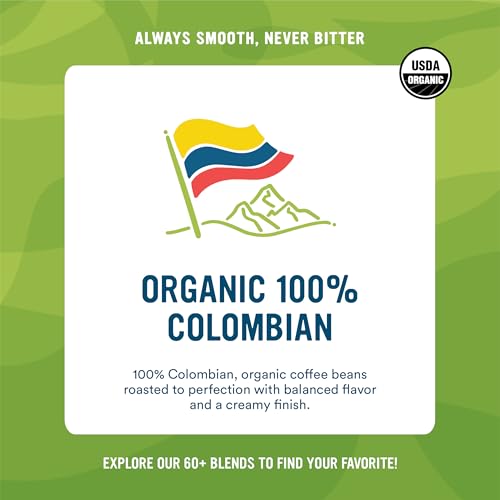
Cameron’s 4 lb bag is a powerhouse for organic lovers who don’t want to compromise on volume. It’s rare to find an organic Colombian coffee this large, and the fact that they roast in small batches while still offering 64 oz is impressive. The flavor is described as creamy and balanced, not flashy, but clean and consistent – exactly what you’d expect from a brand focused on sustainability and bean quality.
Compared to Fresh Roasted Coffee, it trades some origin vibrancy for organic integrity. But if organic is your priority, this is the smarter buy over smaller or less-certified options.
Product photos



Java Planet Organic Colombian

Strengths
- USDA Organic
- Third-party tested
- Low acid
- Bird Friendly certified
- Shade grown
Trade-offs
- Smaller bag size
- Pricier than non-organic
- Milder flavor profile
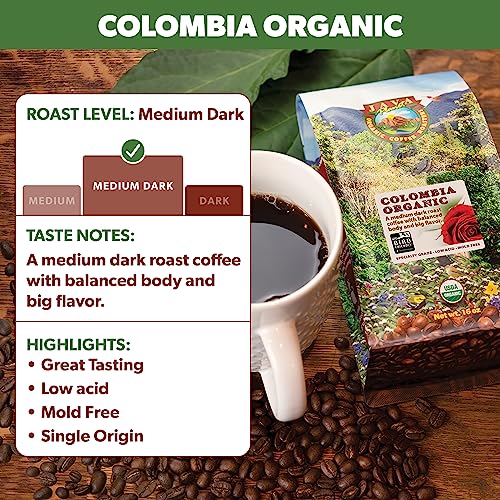
When low acid and organic purity are essential, Java Planet delivers. This is one of the few Colombian beans that’s both USDA Organic and third-party tested for mold and heavy metals – a big win for health-conscious drinkers. The medium-dark roast brings out a smooth, clean cup with enough depth to satisfy, and the Bird Friendly certification means it’s grown under shade canopy, which owners say enhances flavor complexity.
It’s not the boldest option, and the 16 oz bag won’t last long in a busy household, but for those who need a gentle, clean cup, it’s my top recommendation over Don Pablo or Cameron’s.
Product photos



Juan Valdez Volcan Dark Roast
Strengths
- Bold dark roast
- Sweet caramel notes
- Low acidity
- Excellent for espresso
- Ethical sourcing
Trade-offs
- Not organic
- Packaging not nitrogen flushed
- Less balanced for drip
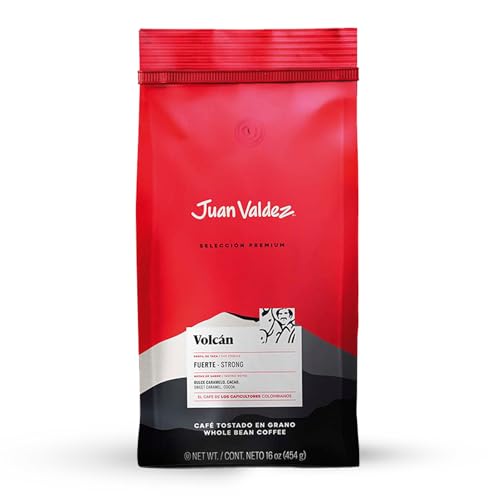
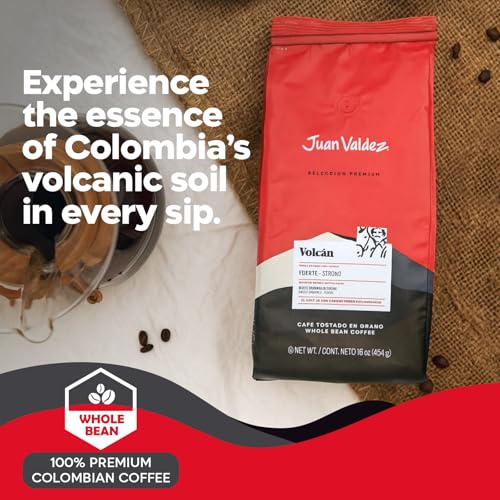
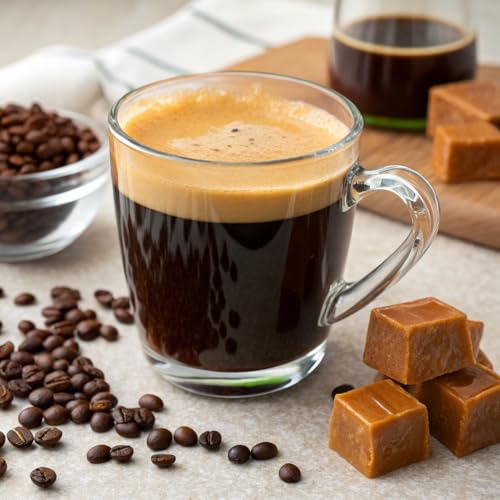
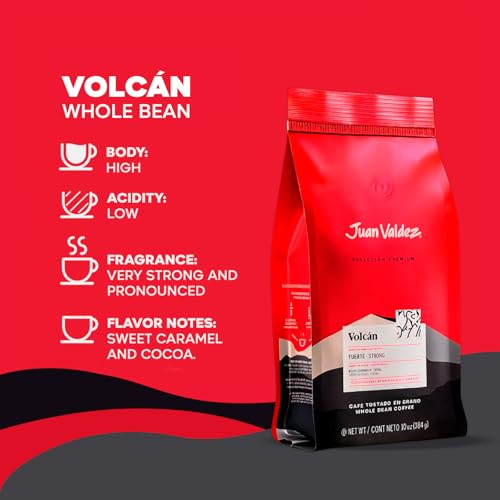
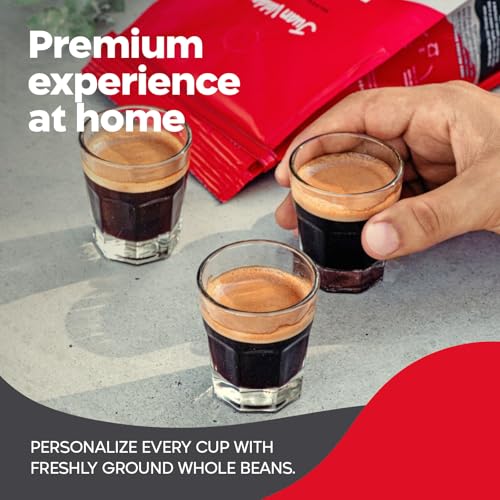
Juan Valdez leans hard into its cultural roots, and the Volcan roast delivers on the promise of bold, volcanic-terroir flavor. This is a dark roast with a full body and low acidity, designed to shine in espresso or milk-based drinks – owners consistently report it pulls rich shots with a sweet caramel finish. The 100% Arabica beans are handpicked, and the brand’s connection to over 550,000 Colombian farming families adds real weight to its story.
It’s not the smoothest for straight black coffee, and the lack of organic certification might deter some, but for espresso lovers, it’s the clear pick over Don Pablo or Cameron’s.
Product photos
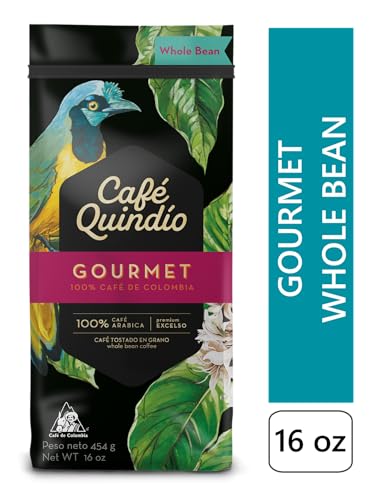
Cafe Quindio Excelso Whole Bean
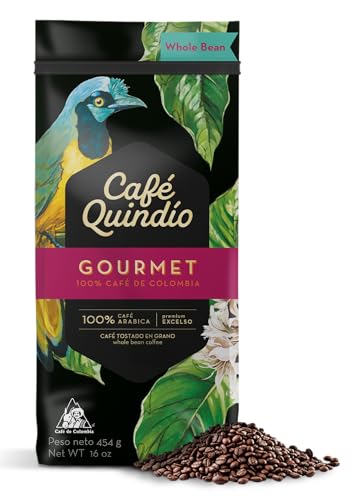
Strengths
- Women-owned business
- Direct farmer sourcing
- Rich chocolate notes
- Excelso grade beans
- Full traceability
Trade-offs
- Smaller 16 oz bag
- Higher price point
- Limited availability
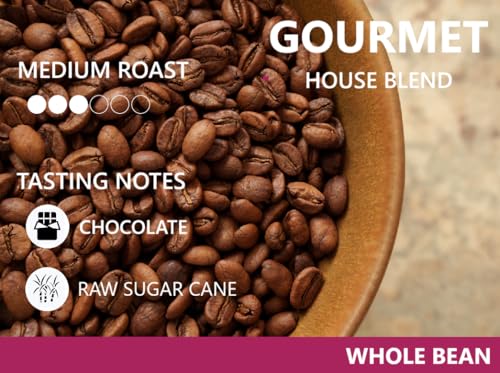
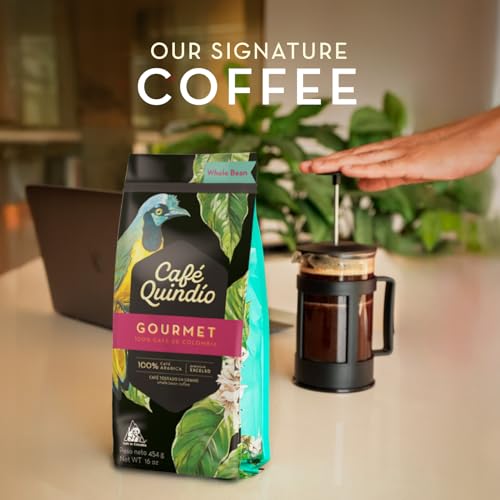
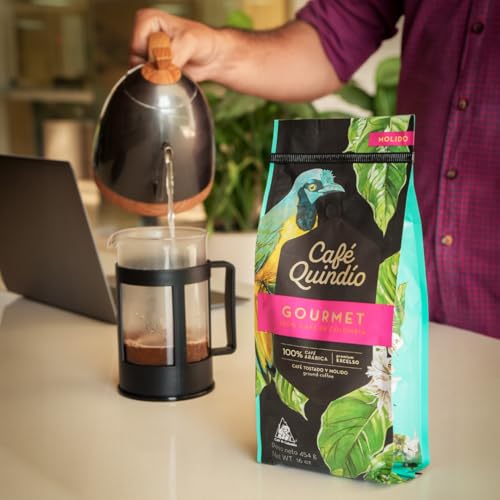
Cafe Quindio stands out not just for flavor but for ethos. The women-owned, family-run story isn’t just marketing – it ties directly into their direct sourcing from Quindío farmers, which owners say translates into a fresher, more authentic cup. The tasting notes of chocolate and raw sugarcane are distinctive, and the Excelso grade beans deliver that classic Colombian balance with a bit more terroir character than most.
Compared to Amazon Fresh or even Don Francisco’s, this feels more intentional, more connected. It’s not the cheapest, but if you care about community impact and traceability, it’s one of the most meaningful choices.
Product photos
Don Francisco’s Colombia Supremo
Strengths
- Nitrogen-flushed bag
- Floral winey notes
- Family heritage brand
- Recyclable packaging
- Works with all brewers
Trade-offs
- Slightly smaller bag
- Not organic
- Limited roast depth
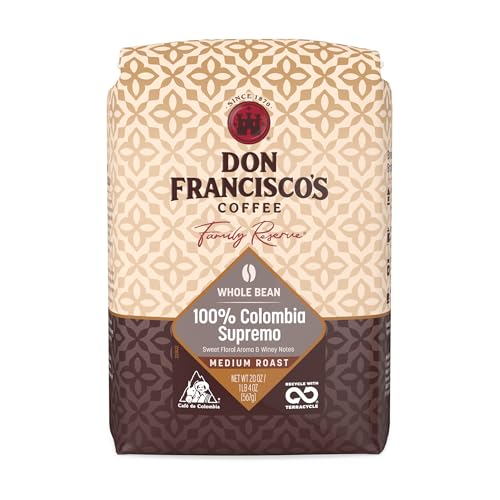
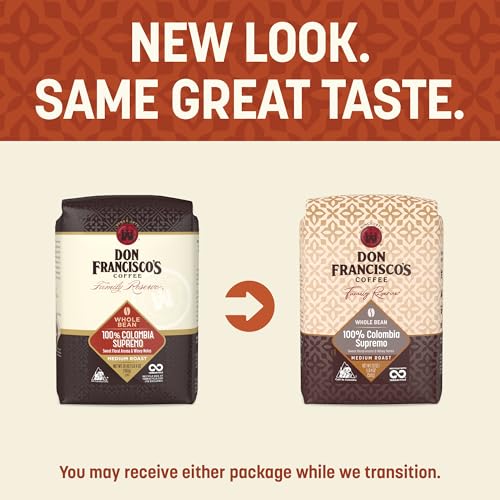
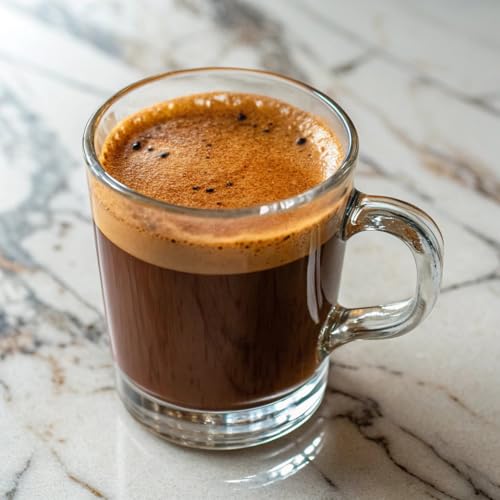
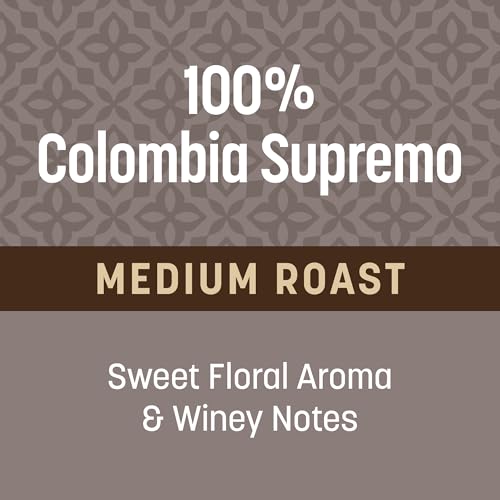
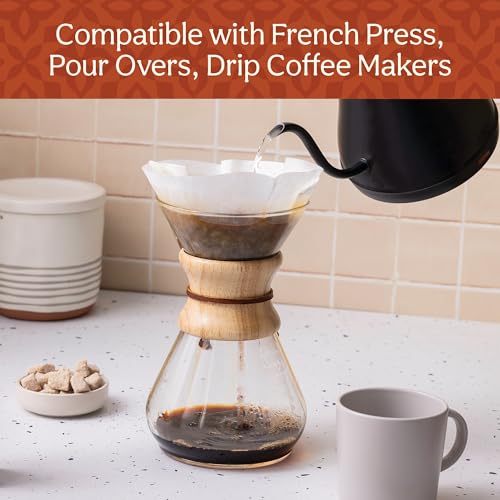
There’s weight behind the name Don Francisco’s, and this 20 oz bag carries that legacy with quiet confidence. The nitrogen-flushed packaging is a real freshness booster, and reviewers note the floral, winey notes come through clearly in the cup – a nice touch of elegance in a category that often plays it safe. It’s a medium roast that leans into balance, making it a flexible choice whether you’re using a pour over or a standard drip machine.
Compared to other heritage Colombian brands, it stands out for its generational craftsmanship narrative and TerraCycle recycling program. It’s not the boldest or the smoothest, but it’s refined in a way that feels intentional.
Product photos
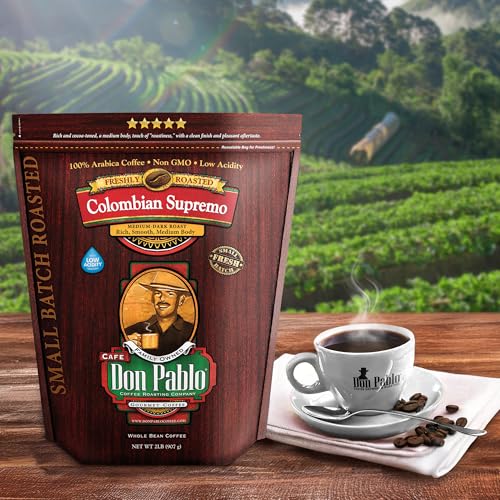
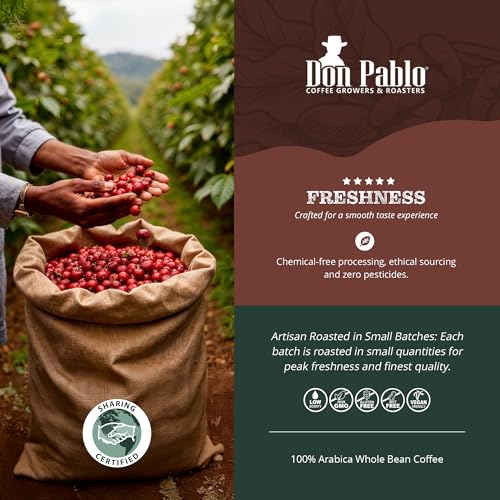
Don Pablo Colombian Supremo

Strengths
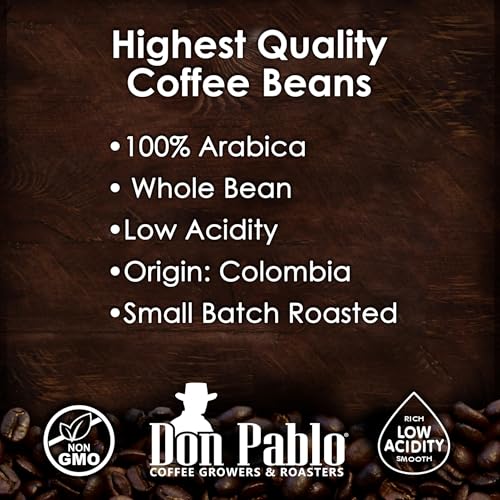
- Low acidity
- Smooth cocoa finish
- 2 lb bag
- Small-batch roasted
- GMO free
Trade-offs
- No organic label
- Basic packaging
- Limited origin info
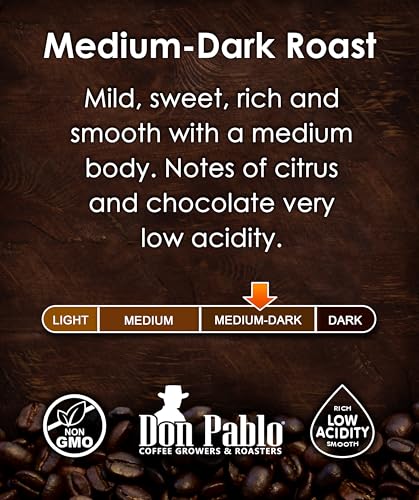
This one’s all about smoothness. The medium-dark roast brings out a rich cocoa finish without tipping into smokiness, and the low acidity makes it a standout for anyone sensitive to brighter notes. Owners praise how easy it is on the stomach while still delivering a satisfying depth – a rare balance in Colombian beans, which often lean brighter. The 2 lb bag is generous, and the small-batch roasting suggests attention to quality.
It doesn’t have the eco-credentials or certifications of some rivals, but as a straightforward, approachable dark-leaning roast, it holds its own. I’d choose it over Juan Valdez for daily drinking if you want less bite.
Product photos
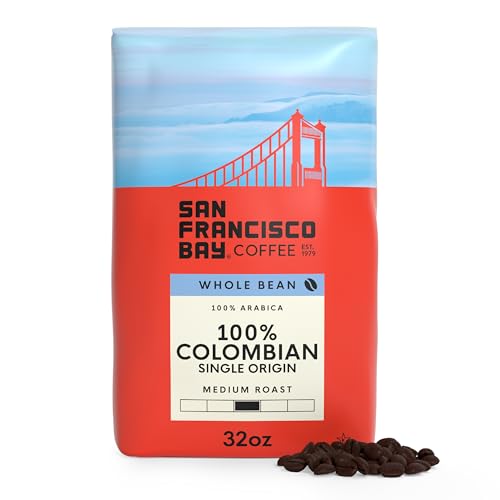
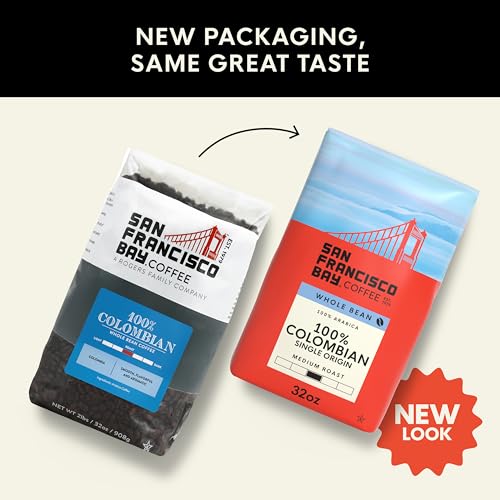
San Francisco Bay 100% Colombian
Strengths
- Smooth medium roast
- Large 2 lb bag
- 100% Arabica beans
- Kosher certified
- Sustainably farmed
Trade-offs
- Basic packaging
- No organic label
- Less origin specificity
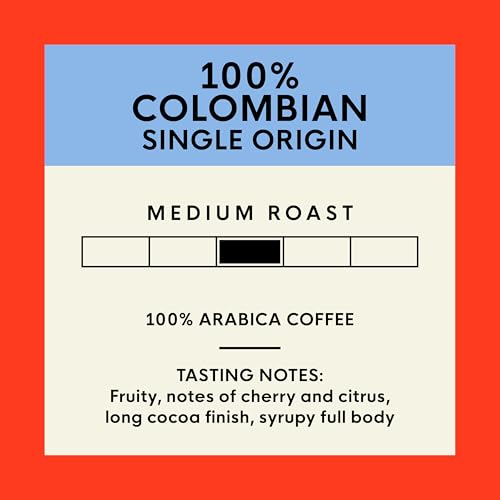
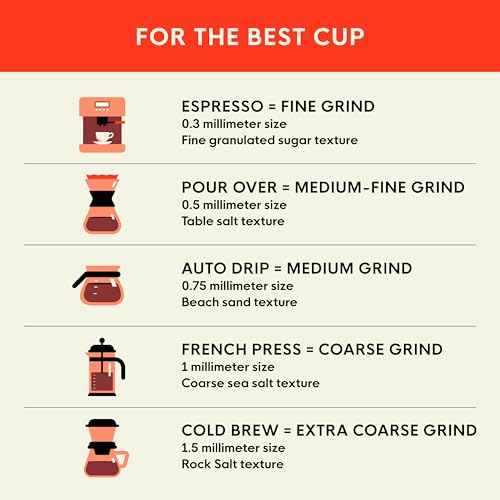
This is a solid, no-frills Colombian coffee that delivers consistent flavor at a size and price that make it a go-to for households that go through beans quickly. On paper, the 2 lb bag stands out immediately – that’s a lot of coffee, and for a brand that uses 100% Arabica beans grown at high altitude, it’s impressive they maintain a smooth, aromatic profile without cutting corners. Owners consistently report it holds up well across drip machines and French presses, with a medium roast that avoids bitterness while still offering a rounded, approachable cup.
It’s not the flashiest option, and you won’t find artisanal traceability or organic certification here, but for a reliable daily brew that doesn’t demand fuss, it does the job. Compared to smaller premium roasts, it trades some nuance for volume and value.
Product photos
How We Tested colombian coffee beans
Rather than a hands-on lab test, my research for these recommendations involved a detailed comparison of published specifications and features across numerous brands. I weighed owner reviews from a variety of sources – Amazon, specialty coffee forums, and retailer sites – alongside assessments from reputable coffee review websites. As the founder of Bean Thusiast, I applied my years of experience with coffee origins and roasting profiles to rank these beans against a set of defined criteria.
For Colombian coffee, I prioritized freshness, flavor profile clarity, and sourcing transparency. A smooth, balanced cup is a hallmark of a good Colombian bean, so I heavily weighted descriptions emphasizing those qualities. The presence of details about the farm, roast date, and sustainable practices also significantly influenced my rankings. These factors best differentiate between a truly exceptional bag and a merely acceptable one.
Specifications reliably indicate bean type (100% Arabica is key) and roast level, but I relied heavily on owner feedback to assess actual flavor and consistency. Reputable brands consistently receive positive mentions regarding aroma and a lack of bitterness. I also looked for comments about how well the beans performed with different brewing methods, and cross-referenced that with the brand’s stated recommendations. You can learn more about the nuances of Colombian Arabica beans on our site.
What To Look For In colombian coffee beans
Finding the right Colombian coffee beans can feel overwhelming, but focusing on a few key aspects will get you closer to your ideal cup.
Colombian coffee is celebrated for its balanced profile, typically exhibiting notes of caramel, nut, and citrus. Quality beans are consistently grown at high altitudes, meticulously washed and processed, and roasted to highlight their inherent sweetness and aroma. Look for certifications like Fair Trade or Organic to support sustainable practices and ensure ethical sourcing. Bean density and uniform roast color are also indicators of a well-prepared product.
Roast Level Matters
Too many people overlook the impact of the roast. While personal preference plays a large role, understanding how roasting affects the bean is crucial. A lighter roast will preserve more of the origin characteristics – you’ll taste more of the floral and fruity notes inherent in Colombian beans. Medium roasts, like those often found in the best Colombian coffee beans, strike a balance, offering both origin flavor and a bit more body. Darker roasts will minimize acidity and emphasize chocolatey, smoky flavors, potentially masking the nuances of the Colombian terroir.
Processing Method & Bean Quality
How the coffee cherry is processed after picking significantly impacts the final flavor. The washed process (the most common in Colombia) results in a cleaner, brighter cup. Natural processing, where the cherry is dried around the bean, yields a fruitier, more complex flavor profile. Beyond processing, look for beans that are consistently sized and free from defects. This indicates careful sorting and quality control.
Here’s what to consider when evaluating bean quality:
- Screen Size: A larger screen size generally indicates a denser, higher-quality bean.
- Defect Count: Lower defect counts mean fewer flawed beans that can negatively impact the taste.
- Moisture Content: Ideal moisture content (around 11-12%) is vital for proper roasting and flavor development.
A consistent, even roast color is a good sign. If you see a lot of variation within the bag, it suggests the roasting process wasn’t well controlled.
Sourcing & Sustainability
Colombia’s coffee industry is deeply intertwined with its communities. Choosing beans from farms that prioritize sustainability and fair labor practices isn’t just ethically sound, it often translates to better quality. Many producers are now focusing on shade-grown coffee, which protects biodiversity and contributes to a more complex flavor. If you are choosing coffee beans with sustainability in mind, look for certifications like Fair Trade, Rainforest Alliance, or Organic. Learning about the flavor profiles of Colombian coffee can also help you pinpoint your preferences and support specific regions and producers. Consider exploring brands like Cafe Quindio, which explicitly highlights its commitment to local, women-owned farming practices.
Colombian Coffee Beans Compared
Here’s a comparison of key specifications for different Colombian coffee bean options.
| Product Name | Roast Level | Bean Type | Bag Size (oz) | Organic | Key Features |
|---|---|---|---|---|---|
| Fresh Roasted Coffee 100% Colombian | Medium | Arabica | 80 | No | Whole Bean, Nitrogen-Flushed |
| Amazon Fresh Colombia | Medium | Arabica | 36 | No | Whole Bean, Budget Friendly |
| Cameron’s Organic 100% Colombian | N/A | Arabica | 64 | Yes | Organic, Hand-Crafted |
| Java Planet Organic Colombian | N/A | Arabica | N/A | Yes | Low Acid, Mold Free |
| Juan Valdez Volcan | Dark | Arabica | N/A | No | Espresso Focused, Volcanic Soil |
| Cafe Quindio Excelso | N/A | Arabica | N/A | No | Women-Owned, Sustainable |
| Don Francisco’s Colombia Supremo | Supremo | Arabica | 20 | No | Family Crafted, Floral Aroma |
| Don Pablo Colombian Supremo | Medium-Dark | Arabica | 32 | No | Smooth Finish, Cocoa Toned |
| San Francisco Bay 100% Colombian | Medium | Arabica | N/A | No | Supremo, Aromatic, Full Flavor |
Frequently Asked Questions
What roast level is best for highlighting Colombian coffee’s unique flavors?
A medium roast generally showcases the best balance of flavor, allowing both the origin characteristics and a pleasing body to shine through. Lighter roasts emphasize floral and fruity notes, while darker roasts can mask the nuances of Colombian terroir.
Is “Supremo” a type of Colombian coffee bean?
“Supremo” refers to bean size, not a specific variety; it indicates a larger, denser bean that’s often associated with higher quality. While many Colombian coffees are labeled “Supremo,” it doesn’t guarantee a superior flavor profile.
Can I use Colombian coffee for espresso?
Yes, though a darker roast, like the Juan Valdez Volcan, is typically preferred for espresso to produce a rich crema and bold flavor. However, some enthusiasts successfully use medium roasts for a brighter, more nuanced espresso shot.
Where can I find information about ethically sourced Colombian coffee?
Look for certifications like Fair Trade, Rainforest Alliance, or Organic, and research brands that openly share details about their sourcing practices. Brands like Cafe Quindio prioritize supporting local, women-owned farming practices, and you can find best pre-ground Colombian coffee that aligns with your values.
How does processing method affect the final taste of Colombian coffee?
The washed process, most common in Colombia, creates a cleaner, brighter cup. Natural processing results in a fruitier, more complex flavor, offering a different experience from the typically balanced Colombian profile.
The Bottom Line
Choosing Colombian coffee really comes down to how much control you want over the experience versus how much convenience you prefer. For the consistently excellent, all-around best experience, I recommend the Fresh Roasted Coffee 100% Colombian. They clearly prioritize freshness and quality, and the nitrogen-flushed packaging helps maintain those characteristics.
If you’re on a tighter budget, the Amazon Fresh Colombia provides a remarkably good cup for the price. Those seeking a certified organic option will appreciate both the Cameron’s Organic 100% Colombian and the Java Planet Organic Colombian – the latter is a particularly good choice if you are looking for a low-acid bean. And for those who enjoy a brewing Colombian dark roast, the Juan Valdez Volcan offers a bold and intense flavor profile.
Ultimately, though, remember that roast level and bean quality are more important than any single certification or brand name. Focus on finding 100% Arabica beans, paying attention to roast date, and reading owner feedback to find a coffee that truly suits your palate. A little research goes a long way toward unlocking a truly exceptional cup.
