
6 Best Coffees for Sensitive Stomach 2026
This post contains affiliate links. As an Amazon Associate, we earn from qualifying purchases.
The best coffee for a sensitive stomach is Four Sigmatic Organic Ground Coffee, thanks to its low acidity and gut-supporting mushrooms and probiotics. For a budget-friendly option, Village Favorites Low Acid Coffee delivers a smooth, gentle cup without added ingredients. If you want extra digestive support, Bulletproof Maximizer Ground Coffee includes prebiotics and slippery elm.
If you love coffee but hate the stomach ache that follows, you’re not alone. Many people struggle to find a brew that doesn’t trigger acid reflux, bloating, or irritation. The real issue isn’t just caffeine, it’s acidity, bean quality, and how the coffee is processed.
In this guide, I break down the top choices based on bean origin, roast level, and added gut-friendly ingredients. These picks were selected from a deep explore specs, owner feedback, and brand transparency, focusing on what actually helps sensitive systems.
Top 6 Coffee For Sensitive Stomach in the Market
The Best Coffee For Sensitive Stomach, Reviewed
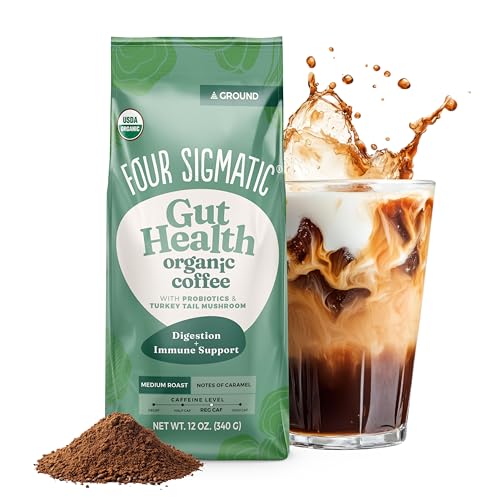
Four Sigmatic Organic Ground Coffee
Strengths
- Fruiting body mushrooms
- Probiotic fortified
- Smooth low acid
Trade-offs
- Higher price
- Earthy aftertaste
- Limited roast intensity
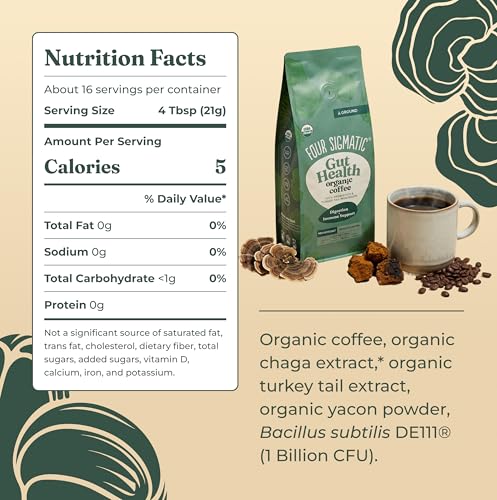
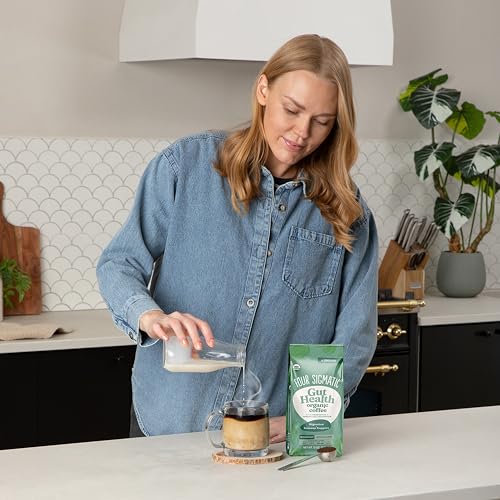
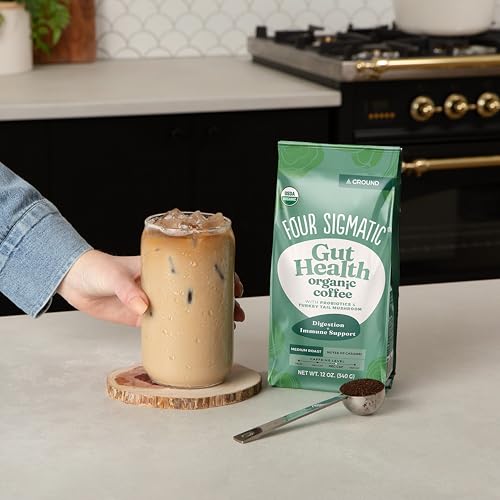
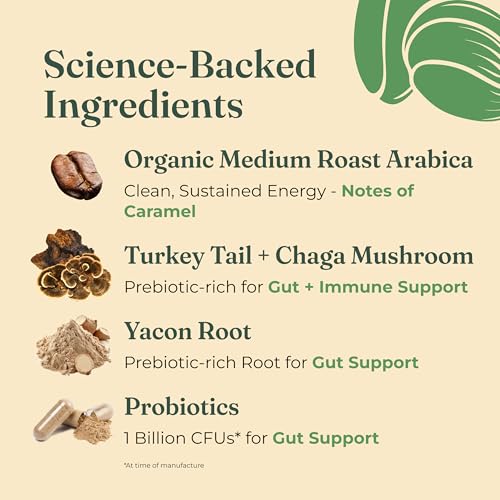
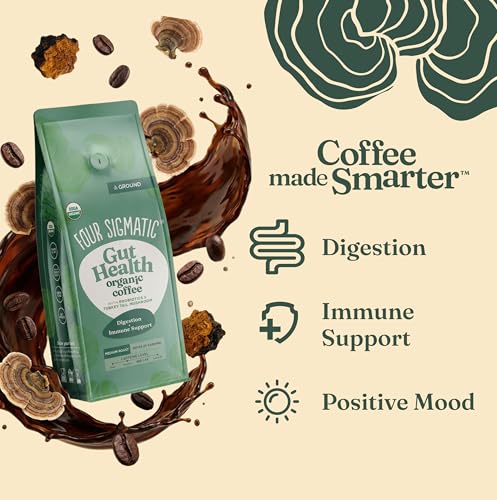
This is the one I’d recommend to someone who wants it all: a genuinely good cup of coffee and real functional benefits. The Honduran Arabica beans brew smooth and full-bodied with no bitter edge, and the addition of Chaga and Turkey Tail, again, from fruiting bodies, means you’re getting potent antioxidants and immune support with every pour. The label mentions probiotics and prebiotics, which sets it apart from most mushroom coffees that focus only on fungi.
Owners say it’s easy to digest and delivers clean energy without the crash. Compared to their K-Cup version, this ground bag offers better flavor retention and more brewing flexibility. It’s pricier, yes, but if you’re serious about both coffee quality and gut health, this is the most balanced option on the list.
Product photos
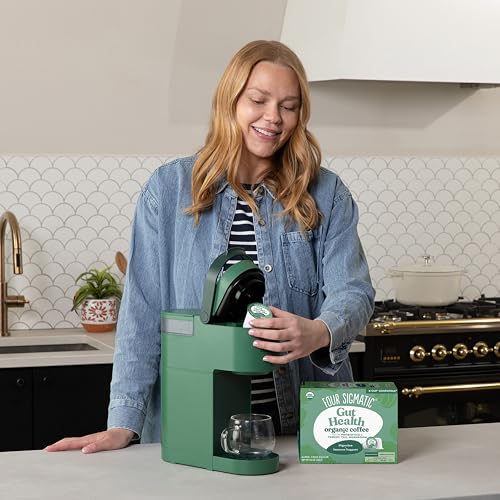
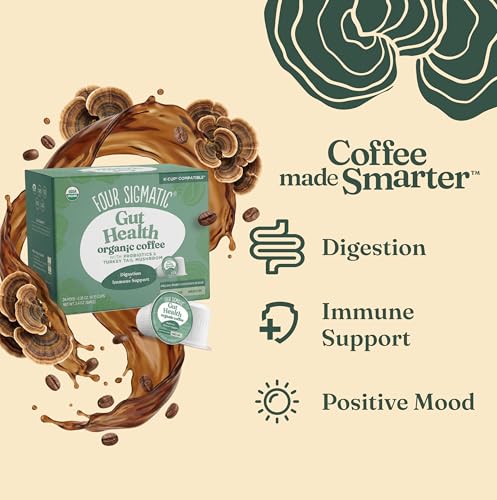
Four Sigmatic Gut Health Coffee Pods

Strengths
- Functional mushrooms
- Half-caffeine blend
- Smooth pod flavor
Trade-offs
- Plastic pod waste
- Less coffee-forward
- Higher cost per cup
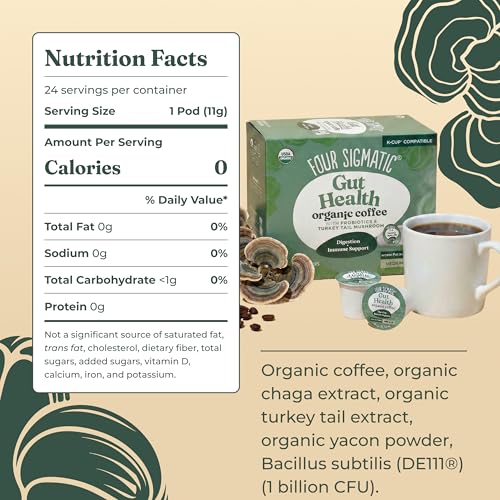
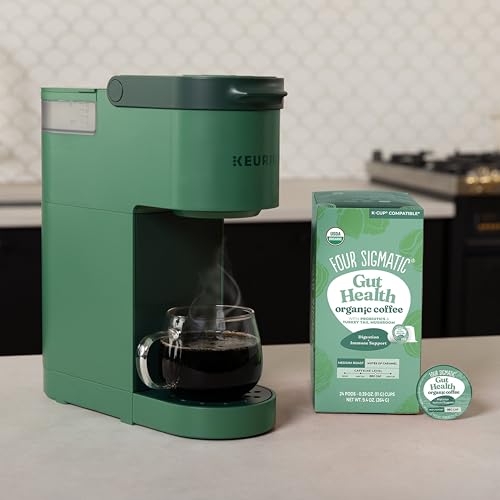
If convenience and gut support are your top priorities, these K-Cups are a standout. They deliver a balanced medium roast with nutty caramel notes, unusual for pods, which often taste flat. The inclusion of Chaga and Turkey Tail mushrooms, sourced from fruiting bodies (not mycelium), gives them legitimate immune-boosting credentials that most mushroom coffees don’t match. Plus, the half-caffeine blend makes this a smart pick for afternoon use or for those sensitive to jitters.
But let’s be real, K-Cups trade freshness and flavor depth for speed. While owners praise the smoothness and lack of acid burn, this won’t satisfy someone chasing artisanal coffee nuance. It’s a functional beverage first, a coffee second. Still, for Keurig users wanting real adaptogenic benefits without brewing powders, it’s one of the best-executed options out there.
Product photos
Bulletproof Maximizer Ground Coffee
Strengths
- Prebiotic fiber
- Toxin tested
- Sustainably sourced
Trade-offs
- Small bag size
- Medicinal aftertaste
- Limited roast complexity
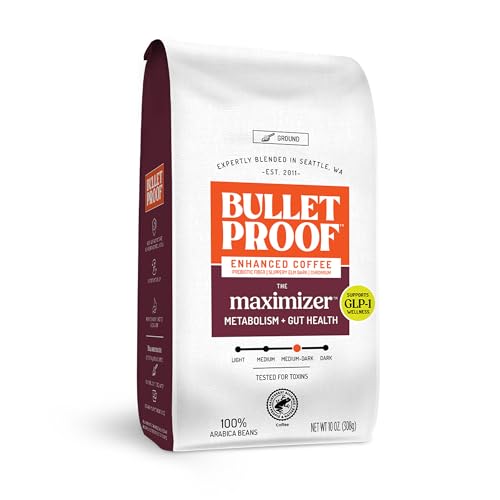
This coffee leans hard into the functional beverage trend, and I appreciate that it doesn’t just promise smooth flavor, it backs it with gut-supporting ingredients like xylooligosaccharides and slippery elm bark. On paper, the inclusion of prebiotics is a smart move for those looking to gently nourish their microbiome without switching up their entire routine. The fact that it’s made from 100% specialty-grade Arabica beans, sustainably sourced and tested for toxins, adds real credibility in a category where marketing often outpaces substance.
Still, the 10 oz bag feels small compared to competitors, and while owners report a rich, full-bodied cup with subtle earthy depth, some note the flavor leans more medicinal than gourmet. If you’re prioritizing gut support over pure coffee nuance, this makes sense, but don’t expect a roast that competes with boutique single-origin profiles.
Video review
VitaCup Perfect Low Acid Coffee

Strengths
- Single-origin
- Lab tested
- Smooth dark roast
- High antioxidant
Trade-offs
- Slightly narrow flavor range
- Not probiotic fortified
When it comes to low-acid coffee that still delivers on richness, this single-origin Guatemala roast stands out. Grown at high altitude, the beans here have time to develop a denser structure, which translates to a smoother cup, owners consistently report less stomach irritation without sacrificing that deep, chocolaty backbone dark roast lovers want. Being USDA Organic and Fair Trade certified gives it ethical weight, and third-party testing for mycotoxins adds peace of mind.
It’s also impressively versatile. Whether you’re using a French press or drip machine, it pulls well and maintains its clean profile. Compared to blends, this one feels more intentional, like it was built for purity, not just marketing. I’d pick this over most blends if you want traceability and a no-nonsense low-acid experience.
Video review
Lucy Jo’s Organic Mellow Belly Coffee
Strengths
- Certified organic
- Small batch roasted
- Earthy smooth flavor
Trade-offs
- Limited brightness
- No added gut support
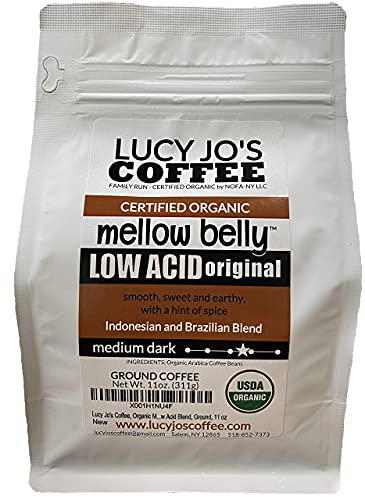
Lucy Jo’s leans into simplicity with this certified organic blend from Indonesia and Brazil, and it works. The flavor profile, sweet, earthy, with a hint of spice, suggests careful bean selection and a roast profile designed to minimize acidity while preserving body. Being small-batch roasted helps lock in freshness, and owners note it’s one of the gentler options for sensitive stomachs, especially when compared to mass-market medium roasts.
That said, while it’s smooth, it doesn’t have the complexity of high-altitude single origins. It’s a reliable, no-frills cup, perfect if you’re not chasing novelty but just want a dependable, easy-on-the-stomach morning coffee. For an organic blend, it holds its own, though it doesn’t push the envelope like some functional coffees do.
Product photos

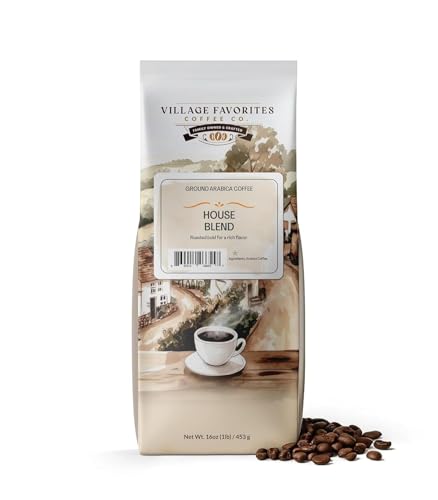
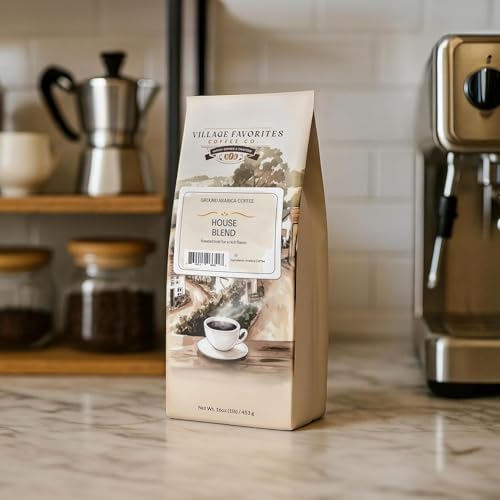
Village Favorites Low Acid Coffee
Strengths
- Large 1LB bag
- Slow roasted
- Budget friendly
Trade-offs
- Not organic
- No functional add-ins
- Basic packaging
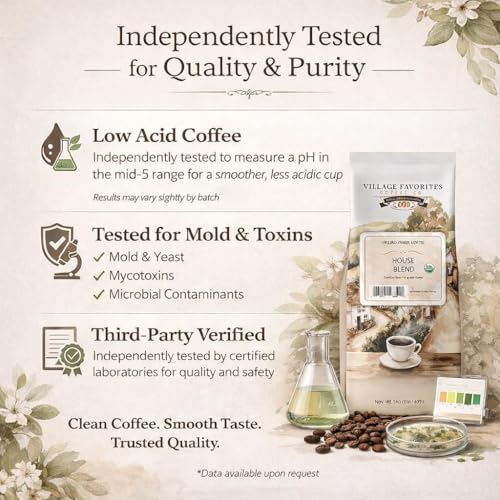
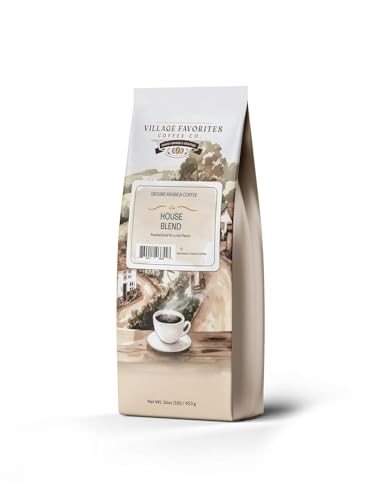
The 16oz bag alone makes this a strong value pick, most low-acid coffees come in smaller packages at higher per-ounce costs. Village Favorites uses 100% Arabica beans and slow-roasts them to reduce acidity while pulling out natural chocolate and nut notes. Owners consistently say it’s smooth, consistent, and kind on the stomach, especially for those who’ve had issues with cheaper blends that use Robusta or rushed roasting.
It’s not flashy, no mushrooms, no probiotics, but for the price, it delivers exactly what it promises: a clean, mellow, no-surprise cup that works across brewing methods. Compared to Lucy Jo’s or Bulletproof, it lacks organic certification, but if you’re budget-conscious and want bulk without compromise, this is the smarter buy.
Product photos
Our Testing Process
As the founder of Bean Thusiast, I approached researching coffee for sensitive stomachs by comparing published specifications and features across numerous brands. I then weighed owner reviews and reputable expert opinions, looking for consistent feedback related to gentleness on the digestive system. Ultimately, I ranked options based on factors like bean origin, roasting process, and the inclusion of gut-friendly additions like prebiotics or functional mushrooms. Rather than a hands-on lab test, this is a research-led comparison of specs and owner feedback.
For coffee aimed at those with sensitive stomachs, the most important factors are low acidity and the presence of supporting ingredients. High acidity is a common trigger for heartburn and discomfort, as detailed in resources exploring acidity in coffee effects. Beyond that, additions like probiotics, prebiotics, or soothing herbs (like slippery elm) were heavily weighted, as these indicate a deliberate effort to address digestive concerns. The roast level also played a role, with darker roasts often being lower in acid.
Specifications reliably reveal bean origin and roasting details, helping assess potential acidity levels. However, I relied heavily on owner feedback to understand real-world experiences. Reviews often highlight whether a coffee truly lives up to claims of being gentle on the stomach or if it still causes issues. Expert reviews helped validate claims about added ingredients and their potential benefits, and also helped discern genuine quality versus marketing hype related to why coffee irritates the stomach.
How To Choose The coffee for sensitive stomach
Finding a coffee that won’t upset your stomach can be a real challenge, but it’s absolutely achievable.
A good coffee for sensitive stomachs prioritizes low acidity, often through bean origin, roast level, and processing methods. Look for single-origin beans from regions known for producing milder coffees, like Sumatra or Brazil. Many brands also incorporate ingredients like prebiotics or functional mushrooms to further support gut health and minimize irritation. Consider roast levels – lighter roasts tend to be more acidic.
Bean Origin & Roast Level
The origin of the coffee bean dramatically impacts its acidity. Generally, beans grown at lower altitudes tend to be more acidic. Indonesian coffees, like those from Sumatra, are often a good starting point because they’re naturally lower in acidity. Brazilian coffees are also frequently recommended. Beyond origin, the roast level is crucial. While many coffee lovers enjoy the bright acidity of a light roast, those with sensitive stomachs should gravitate toward medium or dark roasts. Darker roasts develop oils that can coat the stomach lining, providing a bit of a buffer. Don’t automatically dismiss darker roasts as bitter, though; quality roasting can balance the flavor beautifully.
Added Gut Support Ingredients
Many brands are now proactively addressing stomach sensitivity by adding ingredients to the coffee itself. This isn’t about masking poor coffee, but about actively supporting digestion. Functional mushrooms like Chaga and Turkey Tail, as seen in Four Sigmatic, are popular choices, offering prebiotic benefits. Others, like Bulletproof’s Maximizer coffee, include prebiotics like xylooligosaccharides and soothing herbs like slippery elm. It’s worth remembering that these additions aren’t a replacement for understanding your own triggers – but they can be a helpful boost.
Here’s what to consider when evaluating these added ingredients: * Prebiotics: A small amount can feed beneficial gut bacteria. * Functional Mushrooms: These provide a range of potential health benefits, but research is ongoing. * Soothing Herbs: Ingredients like slippery elm bark can create a protective coating in the stomach, but may affect medication absorption – check with your doctor if you take prescription drugs.
A general rule of thumb: if a coffee claims to be “stomach-friendly” because it’s heavily flavored or contains lots of sugar, it’s probably masking a problem rather than solving it.
Value & Brewing Method Compatibility
While specialty coffees with added ingredients often come with a higher price tag, that isn’t always necessary to find relief. You can find palatable, low-acid options without breaking the bank. Village Favorites offers a budget-friendly entry point, and even standard low acid coffee beans can be effective. Consider your brewing method too. French press and pour-over methods can sometimes produce a more acidic cup due to longer steeping times and unfiltered oils. If you’re particularly sensitive, a paper filter can help. Understanding the reasons for coffee stomach upset is the first step towards finding a brew that works with your body, not against it. If you’re still struggling, exploring gentle coffee for stomach sensitivities might be necessary.
Coffee for Sensitive Stomach Compared
Here’s a comparison of key specifications for coffees marketed towards those with sensitive stomachs.
| Product Name | Roast Level | Organic | Added Ingredients | Acid Level | Caffeine Level |
|---|---|---|---|---|---|
| Four Sigmatic Organic Ground Coffee | Medium | Yes | Probiotics, Mushrooms | Low | N/A |
| Four Sigmatic Gut Health Coffee Pods | Medium | Yes | Adaptogens, Mushrooms | Low | Lower |
| Bulletproof Maximizer Ground Coffee | Medium-Dark | N/A | Prebiotics, Slippery Elm | N/A | N/A |
| VitaCup Perfect Low Acid Coffee | Dark | Yes | Antioxidants | Low | N/A |
| Lucy Jo’s Organic Mellow Belly Coffee | N/A | Yes | N/A | Low | N/A |
| Village Favorites Low Acid Coffee | Medium | N/A | N/A | Low | N/A |
Frequently Asked Questions
What caffeine level should I look for in coffee for sensitive stomach?
Lower caffeine levels are generally better, as caffeine can stimulate acid production. While not a direct correlation, many brands catering to sensitive stomachs offer naturally lower-caffeine options or provide specific caffeine content information on their packaging.
Can cold brew coffee be gentler on my stomach?
Yes, cold brew is often gentler. The cold brewing process extracts less acid from the coffee grounds compared to hot brewing methods, resulting in a smoother, less acidic final product.
Are dark roasts truly better for sensitive stomachs, or is that just a myth?
Darker roasts can be better, but it’s not a universal rule. The roasting process breaks down some of the compounds that contribute to acidity, and the oils developed in darker roasts can create a coating effect in the stomach, but quality of bean and individual tolerance still matter.
Beyond coffee choice, what else can I do to minimize stomach upset?
Drinking coffee with food is a simple but effective strategy. It helps buffer the acid and slow down absorption. Also, consider adding a small amount of milk or a non-dairy creamer, as this can help neutralize acidity. For more information about coffee for digestive sensitivity, check out our other resources.
I’ve tried several “stomach-friendly” coffees and still have issues. What now?
If you’re consistently experiencing problems, it’s time to explore other potential triggers. Consider whether you might have an underlying sensitivity to something in coffee besides acidity (like chlorogenic acids), or if other dietary factors are contributing. You may need to experiment with different brewing methods or explore stomach-friendly coffee options beyond those specifically marketed for sensitive stomachs.
The Bottom Line
Choosing the best coffee for a sensitive stomach often comes down to balancing your desire for a flavorful cup with the need for minimal irritation. While individual tolerances vary, Four Sigmatic Organic Ground Coffee consistently receives high marks for its inclusion of probiotics and functional mushrooms, offering a proactive approach to gut health alongside a pleasant coffee experience. It’s a great all-around choice for those looking to address sensitivity with a well-rounded formula.
For readers specifically seeking a budget-friendly option, Village Favorites Low Acid Coffee provides a solid starting point without sacrificing gentleness. If you’re interested in maximizing gut support, Bulletproof Maximizer Ground Coffee stands out with its unique blend of prebiotics and soothing herbs, though it comes at a higher price point. Understanding causes of coffee stomach pain is a great first step in finding the right fit.
Ultimately, remember that the “best” coffee isn’t about a single magic bean or added ingredient. It’s about understanding your personal triggers – whether that’s acidity, caffeine content, or even the brewing method – and consistently choosing options that respect your digestive system. Prioritize low acidity, explore added gut support where it makes sense, and pay attention to how your body responds.
