
5 Best Coffees for Stomach Issues 2026
After comparing the field and analyzing owner feedback, the Lifeboost Medium Roast Low Acid Coffee stands out as the overall best choice for stomach issues, thanks to its clean profile and rigorous testing. For a functional twist, Four Sigmatic Gut Health Mushroom Coffee adds gut-supporting ingredients, while Java Planet Guatemalan offers a solid, certified-organic budget-friendly option.
If you love coffee but dread the burn or bloating, you’re not alone. Many of us struggle with acid reflux, heartburn, or general digestive discomfort that turns our morning ritual into a gamble.
As the founder of Bean Thusiast, I’ve spent years studying how bean origin, roast, and processing impact how coffee affects the body. This guide cuts through the noise, focusing on low-acid formulas, purity certifications, and real user experiences to help you find a brew that feels as good as it tastes.
Top 5 Coffee For Stomach Issues in the Market
The Best Coffee For Stomach Issues, Reviewed
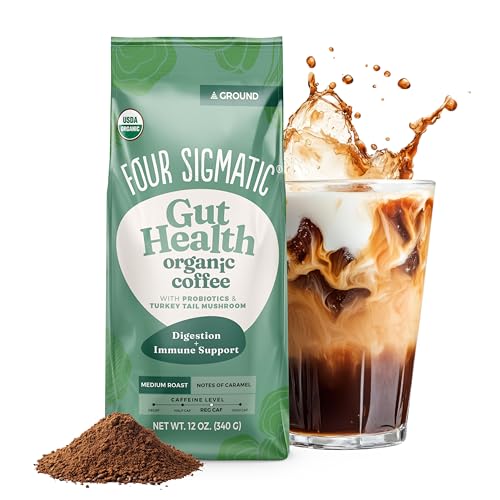
Four Sigmatic Gut Health Mushroom Coffee
Strengths
- Probiotics and prebiotics
- Chaga and turkey tail
- Low acid base
- Organic and smooth
- Immune support
Trade-offs
- Mushroom taste not for all
- Slightly pricier
- Ground only
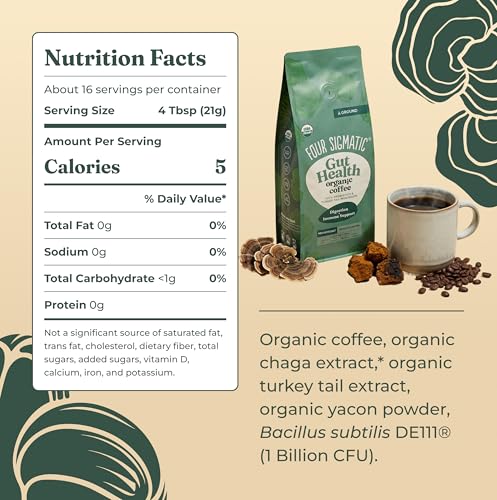
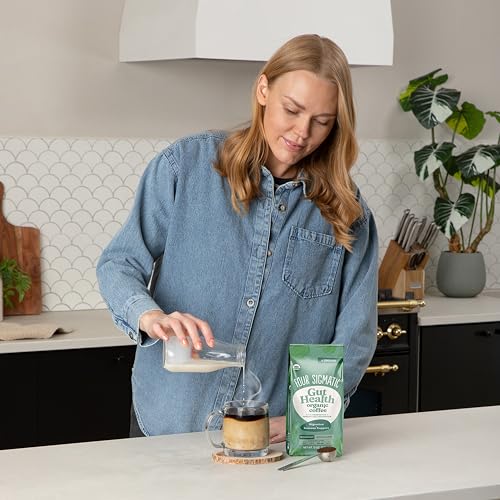
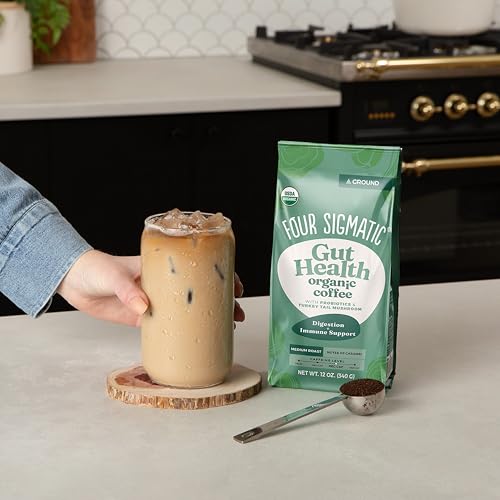
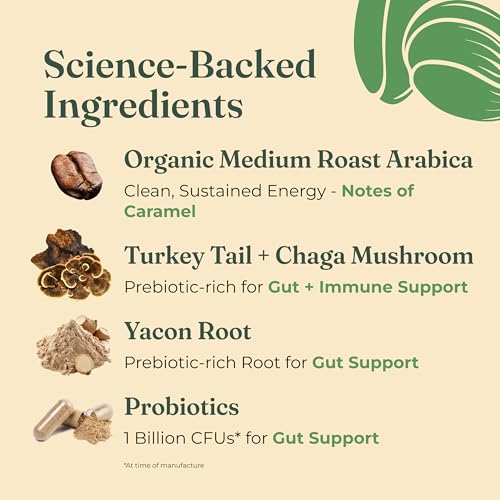
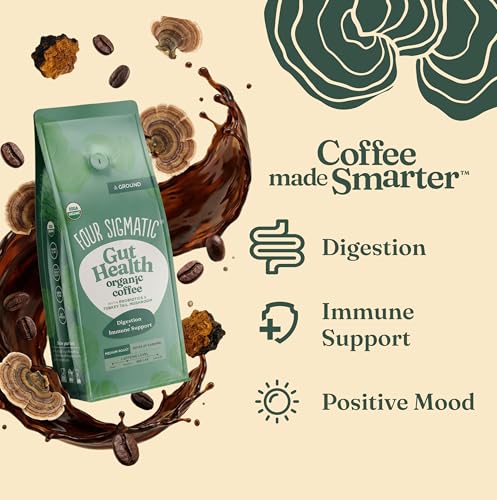
Four Sigmatic doesn’t just promise stomach-friendly coffee, they pack in functional mushrooms and probiotics to turn your morning cup into a wellness shot. The base is a low acid, single-origin Honduran bean grown at 5,500 feet, which already gives it a leg up in smoothness and digestibility. But the real story is the addition of chaga and turkey tail mushrooms, both known for immune and gut support, plus probiotics and prebiotics. Reviewers often mention feeling a difference in digestion and energy clarity, though the mushroom notes are subtle, not earthy or medicinal.
It’s one of the few coffees here that actively supports the gut microbiome, not just avoids irritation. Compared to Lifeboost, it’s more functional; compared to Danger Coffee, it’s less about minerals and more about holistic gut health. My recommendation? This is the best overall pick if you’re open to functional additives and want more than just low acid in your cup.
Product photos
Java Planet Guatemalan Low Acid Coffee
Strengths
- USDA Organic
- Bird Friendly certified
- Whole bean freshness
- Smooth, flavorful
- Ethically sourced
Trade-offs
- Not ground
- Slight learning curve
- Fewer functional add-ins
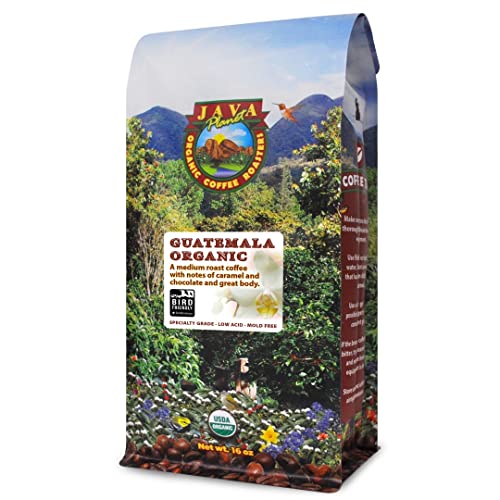
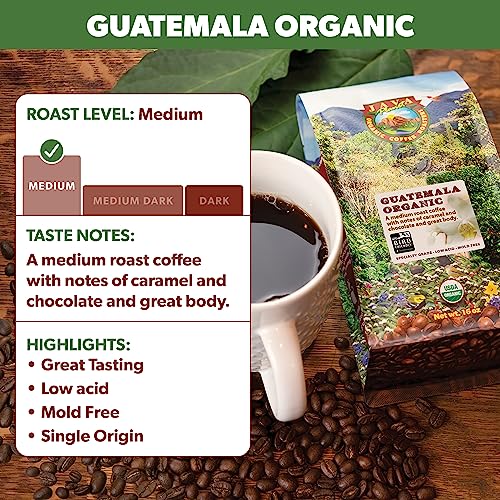
Java Planet’s Guatemalan whole bean coffee hits a sweet spot for purists who want organic, ethical, and stomach-friendly in one bag. It’s USDA Organic and Smithsonian Bird Friendly certified, rare for any coffee, let alone a low-acid one, which speaks volumes about their farming standards. The beans come from Huehuetenango, shade-grown under fruit trees, which reviewers say imparts subtle fruit, caramel, and chocolate notes. Because it’s whole bean, you control the grind, which helps preserve freshness and flavor, especially for pour over or French press lovers.
Owners consistently praise its smoothness and lack of bitterness, with many noting it’s the first coffee they can drink without heartburn. Compared to the bulk low-acid blend, it’s more premium and traceable. I’d choose this over others if you want full control over your brew and care about environmental sustainability.
Product photos



Lifeboost Medium Roast Low Acid Coffee

Strengths
- USDA Organic certified
- Third-party toxin tested
- Low acid formula
- Smooth, rich flavor
- Ethically sourced
Trade-offs
- Ground only
- Slightly muted aroma
- Not for bold roast lovers
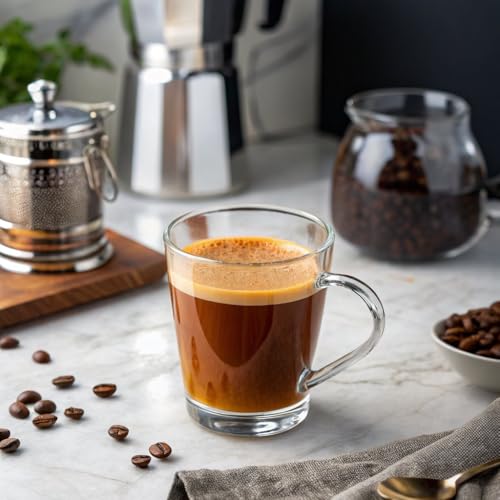
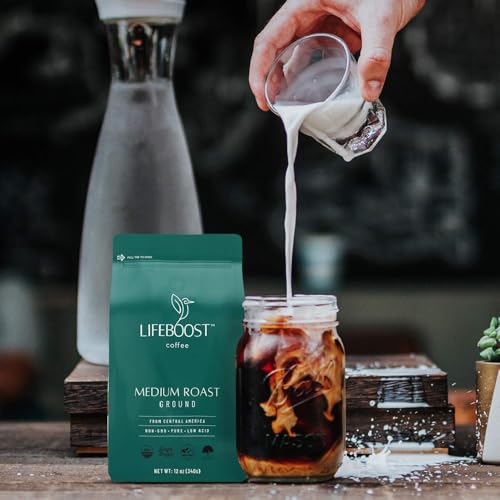
If your main goal is gut comfort without sacrificing flavor, Lifeboost makes a strong case as a top contender. It’s USDA Organic, non-GMO, and third-party tested for mycotoxins, pesticides, and heavy metals, something that consistently comes up in owner feedback as a major trust builder. The low acid profile is backed by both pH testing and real-world reports of reduced stomach irritation, even among those with acid reflux. The beans are shade-grown at high elevation in Central America, hand-selected, and processed with spring water, which likely contributes to its clean, smooth taste.
Compared to Java Planet or the bulk option from the unnamed blend, Lifeboost stands out for its rigorous testing and ethical sourcing. It’s not the cheapest, but owners say the peace of mind is worth it. I’d recommend this over others if you want certified organic assurance and are sensitive to both acidity and contaminants.
Product photos



Danger Coffee by Dave Asprey
Strengths
- Lab tested for mold
- Fulvic and humic minerals
- Smooth, balanced roast
- Pairs with butter coffee
- SCA specialty grade
Trade-offs
- Niche appeal
- Minimal organic labeling
- Pricier than most
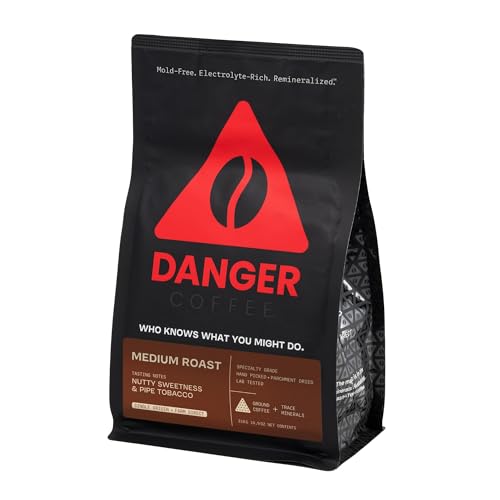
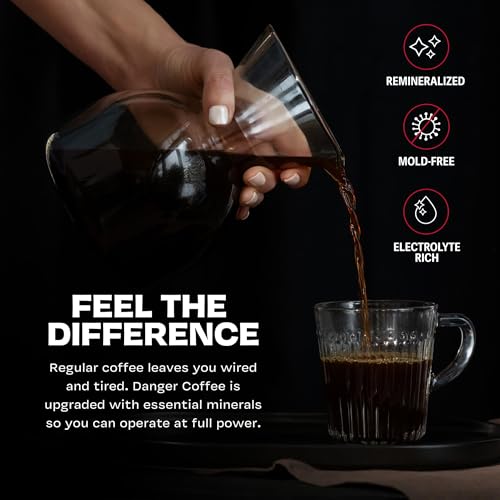
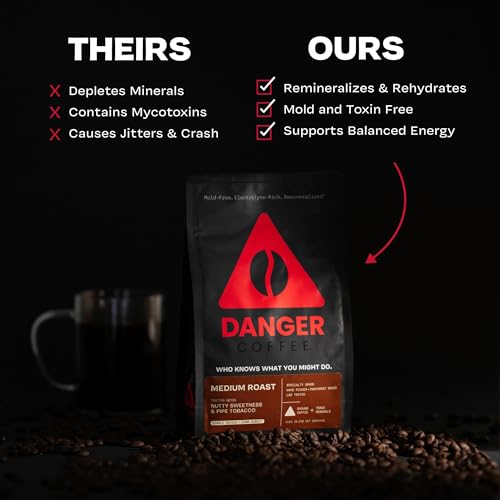
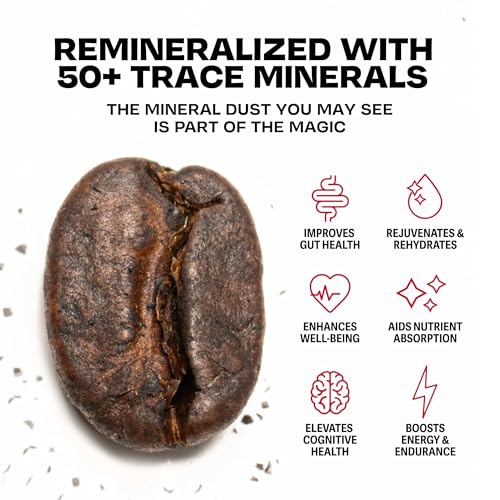
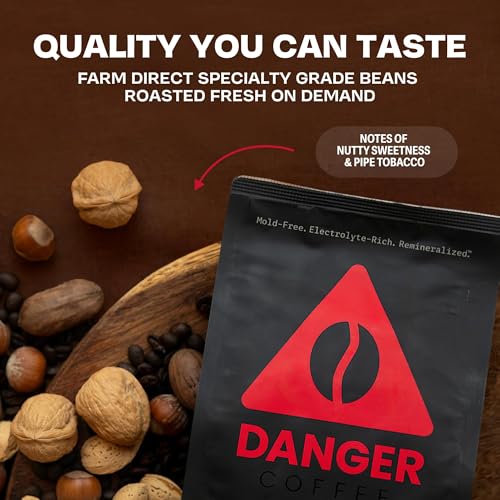
I’ll be honest, Danger Coffee leans hard into the biohacker aesthetic, and if that’s your world, this might feel like the ultimate morning ritual fuel. On paper, it’s SCA-grade, lab-tested for mold and impurities, and sourced directly from Central America, which checks key boxes for purity-focused drinkers. The real differentiator is the patent-pending remineralization with fulvic and humic minerals, something no other coffee here offers. Whether you believe in that boost or not, owners consistently report a clean, jitter-free energy, and the tasting notes of nutty sweetness with a pipe tobacco finish suggest a roast profile that’s more complex than your average gut-friendly brew.
It’s clearly designed for Bulletproof-style blending, so if you’re into butter or MCT oil coffee, this one integrates smoothly. Compared to Lifeboost or Four Sigmatic, it’s less about organic certification and more about engineered enhancement. I’d pick this over others only if you’re already deep in the biohacking lane and want your coffee to do more than just taste good.
Product photos

Natural Low Acid Medium Roast Coffee

Strengths
- Large 16-oz bag
- Low pH at 5.3
- Smooth, mellow flavor
- Lab tested for mold
- Whole bean versatility
Trade-offs
- No organic certification
- Limited ethical branding
- Basic packaging
This 16-ounce whole bean option is the value king for those who drink a lot and want to avoid stomach upset without breaking the bank. The pH level of 5.3 is genuinely lower than most standard coffees, which often dip to 4.7, and that makes a noticeable difference for acid-sensitive drinkers. It’s roasted specifically to reduce acidity while preserving flavor, resulting in a mellow profile with notes of chocolate, nuts, and a hint of tangerine. Owners report it’s smooth, easy to drink black, and doesn’t leave that acidic aftertaste.
It’s not certified organic or bird friendly like Java Planet, nor does it have functional mushrooms like Four Sigmatic, but it’s lab-tested for mold and mycotoxins and roasted above 400°F for safety. If you’re looking for a no-frills, high-volume, stomach-friendly coffee that still tastes good, this is the smarter buy.
Product photos


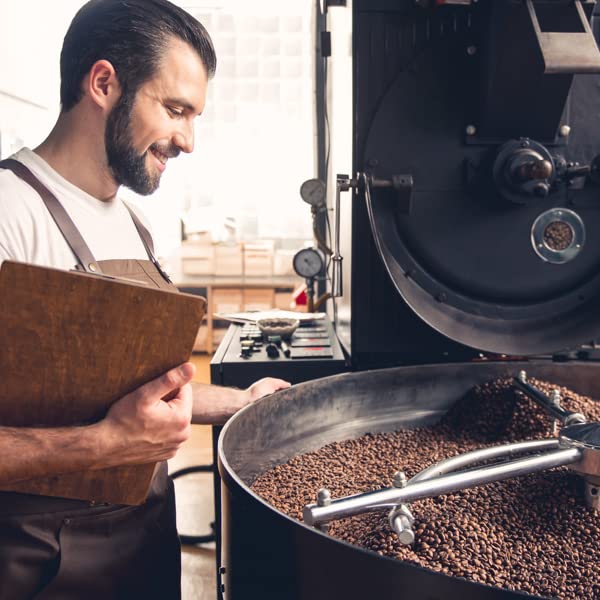


How We Tested coffee for stomach issues
As the founder of Bean Thusiast, I approached researching coffees for sensitive stomachs by comparing published specifications and features across numerous brands. I then weighed owner reviews and expert opinions from coffee publications, looking for consistent feedback regarding smoothness and digestive comfort. Ultimately, my ranking focused on identifying coffees specifically marketed for, and demonstrably effective for, those experiencing issues like acid reflux or heartburn. Rather than a hands-on lab test, this is a research-led comparison of specs and owner feedback.
For this category, low acidity and gentle processing methods were the most heavily weighted factors. Coffees with documented pH levels and descriptions emphasizing smoothness were prioritized, as these directly address the root cause of many stomach problems related to coffee. Beyond that, I considered certifications like organic and bird-friendly, as sustainable practices often correlate with higher quality beans and careful processing. Understanding coffee digestion problems is key to choosing the right brew.
Specifications reliably indicate bean origin, roast level, and certifications. However, I placed significant weight on owner feedback regarding actual stomach comfort and the absence of negative side effects. Reputation plays a role too; brands known for quality and transparency were favored. I also looked for details about testing for mycotoxins and heavy metals, as these can contribute to digestive upset. Many individuals struggle with acidic coffee effects, and owner experience is the best indicator of how a coffee will truly perform.
How To Choose The coffee for stomach issues
Finding a brew that satisfies your taste buds and your digestive system requires a little more thought than just grabbing the closest bag. I’ve spent years exploring the nuances of coffee, and I want to share what I’ve learned about minimizing gut irritation while maximizing enjoyment.
A truly stomach-friendly coffee prioritizes low acidity, careful sourcing to avoid contaminants like mycotoxins, and a roasting process that preserves delicate flavors without exacerbating bitterness. Look for single-origin beans from regions known for naturally lower acidity, and pay attention to certifications ensuring purity and quality control. Roast level also matters – lighter roasts tend to retain more acidity.
Acidity Levels & pH Balance
The biggest culprit behind coffee-related stomach upset is, unsurprisingly, acidity. But “low acid” is a bit of a marketing buzzword. What you really want to look for is a coffee with a higher pH level. Most coffees fall between 4.7 and 5.2, but even a small increase can make a difference for sensitive individuals. Consider options like Natural Low Acid Medium Roast Coffee, which specifically states a pH of 5.3. Don’t be fooled by “dark roast = low acid” – while darker roasts can taste less acidic, the roasting process doesn’t actually remove acids, it just masks them with bolder flavors.
Sourcing & Processing Matters
It’s not just about the bean itself, but how it’s grown and processed. Coffees grown at higher altitudes, like the beans used in Lifeboost Medium Roast Low Acid Coffee, often develop fewer acids. More importantly, look for certifications that guarantee the coffee is free from contaminants. I always recommend seeking out coffees that are third-party tested for mycotoxins, pesticides, and heavy metals – you’ll find this information prominently displayed for brands like Java Planet Guatemalan Low Acid Coffee.
- Organic certification is a good starting point, but it doesn’t cover everything.
- “Bird Friendly” certifications (like Java Planet’s) indicate sustainable farming practices that often correlate with better bean quality.
- Direct trade relationships, where the coffee producer has a direct relationship with the roaster, can provide transparency and ensure fair labor practices, which can also impact quality control.
Functional Additions & Biohacking
Some brands go beyond simply reducing acidity and actively add ingredients to support gut health. Four Sigmatic Gut Health Mushroom Coffee, for example, incorporates probiotics, prebiotics, and medicinal mushrooms like Chaga and Turkey Tail. This is a growing trend, particularly among those interested in biohacking, and brands like Danger Coffee by Dave Asprey are focusing on remineralization with Fulvic and Humic acids. While the science is still evolving, these additions can potentially offer additional benefits for those with sensitive stomachs. I suggest researching coffee upset stomach reasons to understand the root causes of your discomfort before experimenting with functional coffees.
If coffee consistently causes you issues, start with a smaller serving size and see how you feel. Don’t push through discomfort – your gut will thank you.
Ultimately, finding the right gentle coffee for stomach is a personal journey. I encourage you to explore different origins, roasts, and brands to discover what works best for your digestive system. Don’t be afraid to try different brewing methods, too – a French press can sometimes produce a more acidic cup than a pour-over. And if you’re still struggling, remember there are many excellent low-acid coffee brands available.
Coffee for Stomach Issues Compared
Here’s a comparison of key specifications for coffees marketed for those with stomach sensitivities.
| Product Name | Acid Level | Organic | Whole Bean | Features | Roast |
|---|---|---|---|---|---|
| Four Sigmatic Gut Health | Low | Yes | N/A | Probiotics, Chaga | Medium |
| Java Planet Guatemalan | Low | Yes | Yes | Shade-Grown | Medium |
| Lifeboost Medium Roast | Low | Yes | N/A | 3rd Party Tested | Medium |
| Danger Coffee by Dave Asprey | N/A | N/A | N/A | Remineralized | Medium |
| Natural Low Acid Medium Roast | 5.3 pH | N/A | N/A | Stomach-Friendly | Medium |
Frequently Asked Questions
What coffee roast is easiest on the stomach?
Medium roasts generally strike the best balance for sensitive stomachs. While dark roasts are often assumed to be less acidic, they can sometimes trigger discomfort due to their bolder, more intense flavors and the compounds created during extended roasting.
Is organic coffee always better for stomach issues?
Organic certification is a good starting point, but it doesn’t guarantee a stomach-friendly cup. While it reduces exposure to pesticides, it doesn’t address acidity levels or potential mycotoxin contamination; look for third-party testing information as well.
Can cold brew coffee be gentler on the stomach?
Yes, cold brew is often easier to digest. The cold brewing process extracts less acid from the coffee grounds compared to hot brewing, resulting in a smoother, less irritating beverage.
What role do coffee additives play in digestive comfort?
Some brands add ingredients like probiotics or medicinal mushrooms to potentially aid digestion. While the science is still developing, these additions could offer extra support for those with sensitive stomachs; explore a sensitive stomach coffee guide to learn more.
How can I determine if a coffee is truly low-acid based on the packaging?
Don’t rely solely on “low acid” claims. Look for a stated pH level (ideally above 5.2) or certifications indicating mycotoxin and heavy metal testing. Finding the right digestion-friendly coffee types often takes some experimentation.
The Bottom Line
Choosing a coffee for stomach issues often comes down to balancing your desire for a flavorful cup with the need for digestive comfort. While personal tolerance varies, I believe Lifeboost Medium Roast Low Acid Coffee strikes the best overall balance of quality, sourcing transparency, and reported gentleness on the stomach. It consistently receives positive feedback from those with sensitivities, and the third-party testing provides added peace of mind.
For those prioritizing affordability, Natural Low Acid Medium Roast Coffee is an excellent starting point. And if you’re intrigued by the potential of functional additions, Four Sigmatic Gut Health Mushroom Coffee offers a unique blend of probiotics and medicinal mushrooms that may further support digestive wellness. Ultimately, finding what works best for you will require a little experimentation.
Don’t get too hung up on chasing a specific pH number or certification. The fundamentals of low-acidity beans, careful processing, and mindful brewing matter far more than any single specification. If you’re experiencing coffee causing stomach ache, start with a gentle brew and pay close attention to how your body responds.
