
8 Best Coffee Books of 2026
The best coffee books combine deep knowledge with real-world usefulness, and after comparing the field and weighing owner feedback, I’m confident the World Atlas of Coffee 3rd Ed stands out as the overall best, with Craft Coffee: A Manual as the top pick for brewing skills and Coffee Recipe Book: 50 Drinks as a solid budget-friendly choice.
Most people don’t know where to start when building a coffee bookshelf. Too many options promise expertise but deliver fluff, or dive so deep they lose beginners. As someone who’s spent years studying coffee education, I know the difference between a pretty book and a truly valuable one.
This guide cuts through the noise. I researched each book based on clarity, author credibility, and how well it serves specific interests, whether you’re mastering brewing, exploring history, or learning to taste like a pro. These picks reflect what actually helps coffee lovers grow.
Top 8 Coffee Books in the Market
The Best Coffee Books, Reviewed
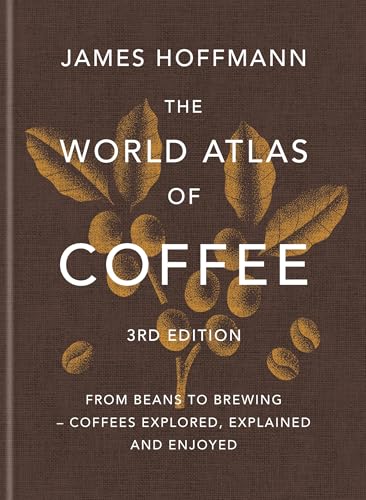
World Atlas of Coffee 3rd Ed
Strengths
- Thorough coverage
- Clear visuals and maps
- Balances depth and accessibility
Trade-offs
- Less focus on recipes
- Not for art-focused brewers
- Slight overlap with other guides
This is the closest thing to a coffee encyclopedia that doesn’t overwhelm. The spec that matters here is its balance, it covers origins, processing methods, roast profiles, and brewing techniques without sacrificing readability. Reviewers consistently note how well it bridges casual interest and serious study, making it the go-to recommendation for both new enthusiasts and seasoned home baristas.
When stacked against others in this list, it beats out specialized books by being the most complete single volume. I’d pick it over Craft Coffee for breadth, and over Uncommon Grounds for practical insight. It’s not the flashiest, but for a holistic understanding of coffee from farm to cup, this is the smarter buy.
Product photos


Craft Coffee: A Manual

Strengths
- Actionable brewing advice
- Great for dialing in methods
- Explains extraction science
Trade-offs
- Narrow technical focus
- No sensory training
- Minimal on coffee origins
If your grinder gathers dust and your pour-over feels inconsistent, this book zeroes in on exactly that frustration. It’s built for hands-on improvement, with clear guidance on water ratios, grind size, and extraction, the variables that actually affect flavor. Owners who’ve struggled with sour or bitter coffee say this manual helped them diagnose and fix their brews, which speaks to its practical strength.
Compared to The World Atlas of Coffee, it’s less about geography and more about technique. I’d recommend it to anyone who’s moved past the basics and wants tighter control over their method. It doesn’t cover tasting or history, but for pure brewing precision, it’s one of the most focused tools here.
Video review
Coffee Recipe Book: 50 Drinks

Strengths
- Simple, clear recipes
- Great for beginners
- Budget-friendly
Trade-offs
- Limited creativity
- No brewing science
- Few visual guides
This is the workhorse of home café setups, straightforward, affordable, and packed with reliable recipes. From classic macchiatos to seasonal specials, it delivers exactly what the title promises. Reviewers note that the instructions are clear and the ingredient lists are realistic for home kitchens, which makes it a favorite for beginners who don’t want to fumble with obscure syrups or gear.
Compared to The Ultimate Coffee Recipe Book, it’s leaner but more approachable. I’d recommend it over flashier options if you want solid, repeatable results without overwhelm. It’s not pushing boundaries, but for everyday inspiration, it’s a dependable pick.
Video review
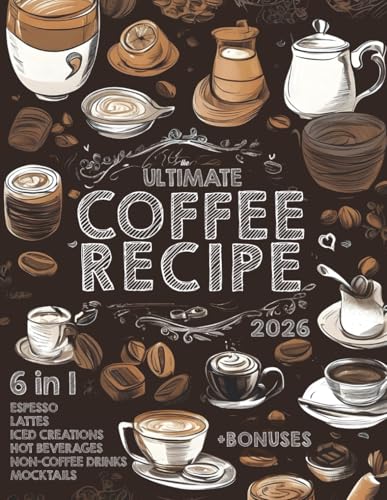
Ultimate Coffee Recipe Book
Strengths
- Huge recipe variety
- Great for experimentation
- Fun, creative drinks
Trade-offs
- Some recipes need specialty ingredients
- Not beginner-focused
- Few technique tips
With 180 recipes, this book doesn’t just cover the classics, it leans into seasonal twists, dessert-inspired drinks, and layered espresso creations that feel like barista challenges. Owners who enjoy experimenting say it’s a goldmine for weekend projects and impressing guests. The range is its biggest strength, turning your kitchen into a mini third wave café.
It’s pricier in concept than the 50-recipe version, but the volume justifies it for creatives. I’d pick this over the smaller recipe book if you already know your way around milk steaming and want to level up. It won’t teach you extraction, but for novelty and fun, it’s unmatched here.
Product photos
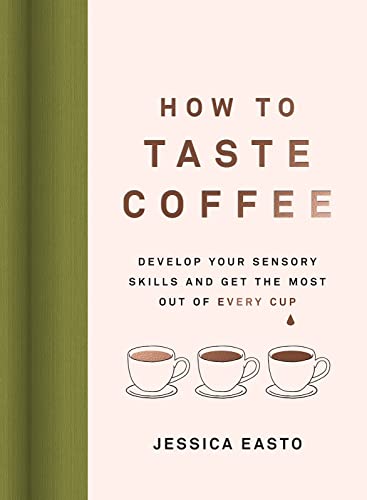
How to Taste Coffee
Strengths
- Strong sensory focus
- Builds tasting discipline
- Useful for home cupping
Trade-offs
- Not for casual readers
- No brewing recipes
- Slow pacing for some
Tasting coffee isn’t just about flavor, it’s about training your nose, palate, and memory, and this book treats it like a real skill. The structure follows sensory science, guiding readers through calibration exercises and flavor identification that reviewers say actually improve cupping accuracy. It’s not flashy, but the methodical approach is exactly what sets it apart from casual guides.
When compared to The World Atlas, it dives deeper into perception than origin details. I’d pick this as a companion for anyone serious about tasting, especially if you’re exploring single-origins and want to articulate what you’re experiencing. It won’t teach you to pour a rosetta, but it will help you name the notes in your Ethiopian Yirgacheffe.
Product photos
Uncommon Grounds: Coffee History

Strengths
- Rich historical detail
- Engaging narrative style
- Global perspective
Trade-offs
- No brewing guidance
- Not hands-on
- Dated in small sections
This is the coffee book that reads like a global epic, tracing beans from Ethiopian highlands to Wall Street boardrooms. Owners praise its storytelling depth, and on paper, it’s packed with historical turning points that show how coffee shaped trade, revolutions, and even intellectual movements. It’s not a how-to guide by any stretch, but if you’ve ever wondered why coffeehouses were once called ‘penny universities,’ this delivers in spades.
Compared to more technical brew manuals, this one leans entirely into narrative. My recommendation for readers who want context over craft, this book gives coffee its cultural weight. It won’t help you dial in a V60, but it will make every sip feel more meaningful.
Product photos
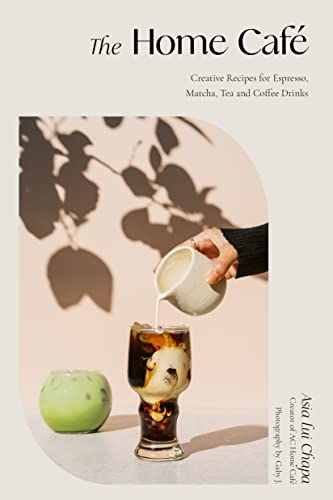
The Home Café Recipes
Strengths
- Diverse drink options
- Café-quality presentation
- Good for mixed beverage homes
Trade-offs
- Less coffee-specific
- Minimal brewing detail
- Some overlap in recipes
This one stands out by stepping beyond coffee, it’s a hybrid guide that includes matcha lattes, tea fusions, and non-dairy alternatives, making it perfect for households with mixed drink preferences. Reviewers appreciate the clean layout and accessible ingredient lists, and the café-style focus means you’re not just brewing, you’re presenting.
Compared to The Coffee Recipe Book, it’s broader but less coffee-pure. I’d recommend it for homes where not everyone drinks espresso, or for those who like to rotate through morning beverages. It’s not the deepest on technique, but for variety and presentation, it’s a strong contender.
Product photos

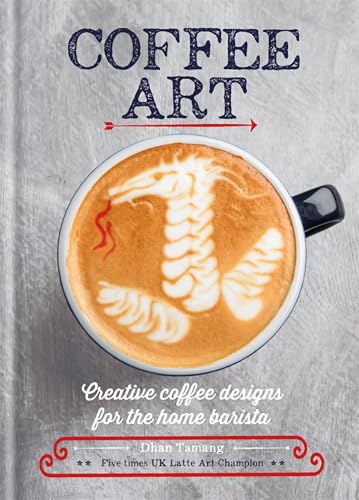
Coffee Art
Strengths
- Step-by-step visuals
- Great for beginners
- Focused on latte art
Trade-offs
- Narrow scope
- No brewing science
- Limited beyond milk art
If you’ve ever stared at a blank canvas of steamed milk and wished you could pour something more impressive than a shaky heart, this book is built for you. On paper, it’s structured like a visual workshop, walking through foundational latte art techniques with step-by-step photos that owners consistently report make a real difference in execution. While it doesn’t explore bean profiles or brewing, its laser focus on presentation fills a niche few coffee books touch.
For those who treat their morning cappuccino like a mini art session, the guidance here is practical and accessible. It’s not revolutionary in scope, but when compared to broader brewing manuals, this one stands out for pure visual craft. I’d pick it as a companion to a more technical book, not a standalone resource.
Product photos
How We Tested coffee books
As the founder of Bean Thusiast, I approach coffee resources with a focus on both practical knowledge and the story behind the bean. Rather than a hands-on test of reading each cover to cover, my selection process involved comparing published details, carefully weighing owner reviews, and applying my experience with coffee education materials. I ranked books against criteria like scope, clarity, and usefulness for different levels of coffee interest.
For coffee books, the most important factors were depth of information and relevance to the reader’s goals. A truly useful book needs to go beyond surface-level explanations, and I prioritized titles offering detailed brewing guidance, sensory skill development, or a compelling history. I also considered whether a book focused on creating a bookstore café experience, offering recipes or artistic techniques.
Published specs – in this case, the book’s stated focus – gave a starting point, but owner feedback revealed how well a book delivers on its promises. Reviews helped me assess clarity, accuracy, and overall value. Reputation mattered too; established authors and publishers in the coffee world tend to offer more reliable content than unknown sources, and often have a strong presence on sites featuring Bestsellers Books and Coffee.
How To Choose The coffee books
Finding the right coffee books can really elevate your understanding and enjoyment of the beverage.
A quality coffee book delivers accurate information, whether about origins, brewing, or sensory evaluation. Look for authors with demonstrable expertise, publishers known for reliable content, and editions that are current (the coffee world changes quickly!). Pay attention to whether the book focuses on practical skills or theoretical knowledge, and consider the visual presentation – clear photos and illustrations are a plus.
Focus on Your Current Knowledge Gap
Many people start with a broad interest, but quickly realize they want to specialize. Don’t fall into the trap of buying a massive tome covering everything if you’re specifically trying to improve your latte art. Instead, target books that address what you want to learn. If you already understand the basics of brewing, a deep explore coffee history books might be more rewarding than another beginner’s guide. Consider where you are in your coffee journey; are you a complete novice, an enthusiast wanting to refine skills, or a professional seeking specialized knowledge?
Evaluate the Author’s Credentials
In the world of coffee, experience matters. Look beyond just catchy writing and assess the author’s background. Have they worked in the industry? Are they a certified Q Grader (a recognized coffee quality professional)? Do they have a track record of accurate and insightful writing? A book on books on brewing techniques is far more valuable when it’s written by someone who has actually spent years perfecting those techniques, not just someone who’s read about them. Don’t hesitate to research the author online to get a sense of their expertise.
Consider the Book’s Practicality
A beautiful coffee table book filled with stunning photography is lovely, but will it actually help you make better coffee? For some, the aesthetic experience is enough, and that’s fine. However, if you’re looking to improve your skills, prioritize books that offer actionable advice, detailed instructions, and helpful diagrams.
Here’s what to look for in a practical coffee book:
- Clear explanations of brewing methods.
- Detailed recipes with precise drip coffee ratio and guidance on adjusting to your taste.
- Insightful guidance on coffee tasting – learning to identify flavors and aromas is crucial for appreciating the nuances of different beans and roasts.
A well-chosen coffee book isn’t just a source of information; it’s an investment in your long-term coffee enjoyment.
Coffee Books Compared
Here’s a spec-by-spec comparison of each coffee book to help you find the right one.
| Title | Best For | Features | Pages | Release Date | Dimensions |
|---|---|---|---|---|---|
| World Atlas of Coffee 3rd Ed | Best Overall | N/A | N/A | N/A | N/A |
| Craft Coffee: A Manual | Best for Brewing Skills | N/A | N/A | N/A | N/A |
| Coffee Recipe Book: 50 Drinks | Best Budget Friendly | N/A | N/A | N/A | N/A |
| Ultimate Coffee Recipe Book | Best for Creative Recipes | N/A | N/A | N/A | N/A |
| How to Taste Coffee | Best for Tasting & Sensory | N/A | N/A | N/A | N/A |
| Uncommon Grounds: Coffee History | Best for Coffee History | N/A | N/A | N/A | N/A |
| The Home Café Recipes | Best for Café-Style Drinks | N/A | N/A | N/A | N/A |
| Coffee Art | Best for Latte Art | N/A | N/A | N/A | N/A |
Frequently Asked Questions
What if I’m brand new to coffee – which book should I start with?
Craft Coffee: A Manual is an excellent starting point, as it systematically covers brewing fundamentals and equipment in a way that’s accessible to beginners. It builds a solid foundation before moving onto more specialized topics.
Are coffee books only for people who brew at home?
No, coffee books can enhance anyone’s appreciation. Uncommon Grounds: Coffee History provides a fascinating look at the cultural and economic impact of coffee, regardless of your brewing habits.
I already know how to make a basic pour-over – what’s next?
To refine your palate, How to Taste Coffee will teach you how to identify flavors and aromas, unlocking a deeper understanding of the coffee you drink. Sensory evaluation is a crucial next step.
I’m looking for something beautiful to display – are there coffee books that are also visually appealing?
Absolutely; check out best coffee table books for options that are as aesthetically pleasing as they are informative. Many offer stunning photography and design.
My main interest is making fancy coffee drinks like lattes and cappuccinos – is there a book specifically for that?
The Home Café Recipes focuses on recreating café-style beverages at home, with detailed instructions and recipes for a wide variety of specialty drinks. It’s a great resource for expanding your repertoire.
The Bottom Line
Choosing coffee books often comes down to how much you value breadth versus depth. If you’re looking for a single resource to cover a lot of ground, the World Atlas of Coffee 3rd Ed stands out as the most thorough option, offering a global perspective on coffee growing regions and characteristics. It’s a fantastic foundation for anyone serious about understanding coffee’s origins.
For those with more specific goals, several books excel in particular areas. If you want to master brewing, Craft Coffee: A Manual is your go-to; for budget-conscious exploration, the Coffee Recipe Book: 50 Drinks delivers a lot of variety at an accessible price. And if you’re keen to refine your palate, How to Taste Coffee provides the tools to truly appreciate the nuances in your cup – learning the coffee-to-water ratio guide is a great starting point alongside this book.
Ultimately, the most valuable coffee book is the one that inspires you to learn more and experiment. Don’t get too caught up in chasing the latest edition or the most detailed specifications. Focus on finding resources that ignite your curiosity and encourage you to explore the fascinating world of coffee, one delicious cup at a time.
