
8 Best Books About Coffee of 2026
The best books about coffee offer more than just brews, they open a world of flavor, history, and craft. After researching the field and weighing owner feedback, I’m confident that World Atlas of Coffee, 3rd Ed stands as the overall best, with Little Book for Coffee Lovers as a solid budget pick and Craft Coffee: A Manual leading for hands-on brewers.
Most coffee lovers start with curiosity but quickly hit a wall, too many books are either too shallow or too technical, missing the balance between knowledge and enjoyment. As someone who’s spent years diving into coffee culture, I know how important it is to find a book that matches your curiosity, whether you’re exploring origins or dialing in your morning pour-over.
This guide cuts through the noise. I focused on books that deliver clear, accurate information backed by credible authors, real-world usefulness, and reader feedback. These aren’t just titles with nice covers, they’re resources that teach, inspire, and help you think differently about every cup.
Top 8 Books About Coffee in the Market
The Best Books About Coffee, Reviewed
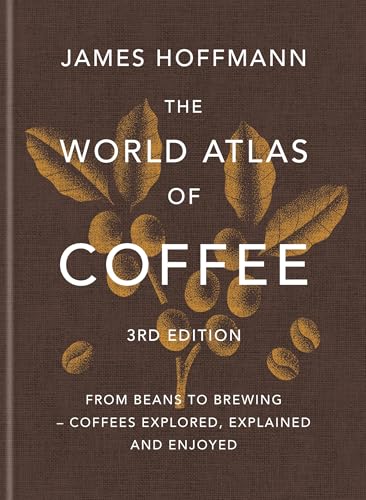
World Atlas of Coffee 3rd Ed
Strengths
- Thorough origin coverage
- Visual brewing guides
- Updated processing details
Trade-offs
- Can feel overwhelming
- Less focus on recipes
- Heavy on geography
This is the one I recommend most often, and for good reason. It bridges origin, processing, roasting, and brewing in a way no other book does. The maps, farm profiles, and processing diagrams make it feel like a field guide you’d bring to a roastery.
Compared to others on this list, it’s the most complete. Owners say it’s the only coffee book they keep on their shelf long-term. The third edition adds timely updates on fermentation and climate impact, which keeps it relevant.
Product photos


Coffee, for Here

Strengths
- Detailed equipment advice
- Focus on consistency
- Modern water and grind guidance
Trade-offs
- Dense for beginners
- Repetitive in spots
- Digital-only format
This guide feels like it was written for people who’ve already tried a few beans and methods and are ready to get serious. It covers equipment setup, water chemistry, grinder selection, and even storage, all with a focus on consistency. The tone is practical, almost meticulous, which I appreciate.
Compared to Craft Coffee, it’s more modern and includes insights on scale use and water adjustment. Some reviewers say it reads like a checklist for building a home barista station. If you’re curating your setup, this is a smart companion.
Video review
Craft Coffee: A Manual

Strengths
- Practical brewing focus
- Clear visual guides
- Teaches cause and effect
Trade-offs
- Dated design
- Limited to basic methods
- Fewer global perspectives
I’ve seen a lot of home brewing guides, and this one still holds up as a clear, no-nonsense reference. It walks through gear, grind size, water ratios, and timing with a precision that’s rare at this level. The photos help, but the real value is in how it links variables to outcomes, change your grind, here’s what happens.
Compared to more recent titles, it doesn’t explore trendy devices, but that’s a strength. It teaches principles, not just steps. Reviewers often say this was the book that finally helped them dial in their pour-over.
Video review
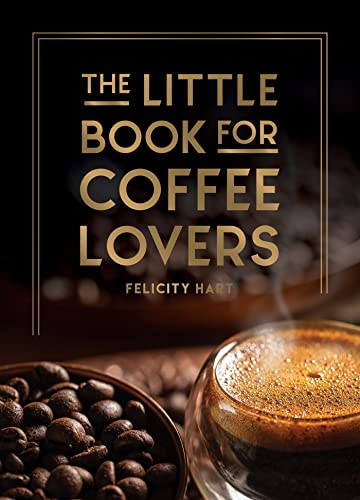
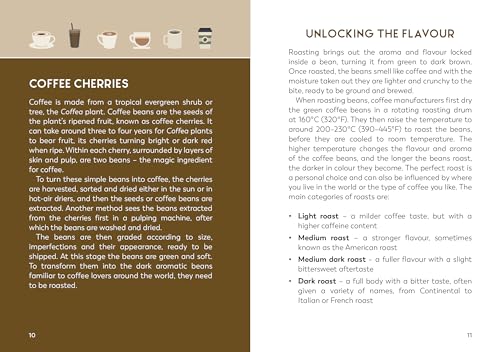
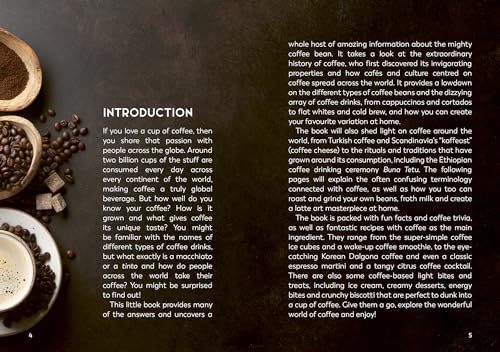
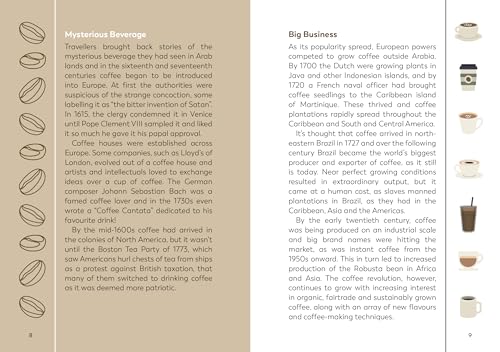
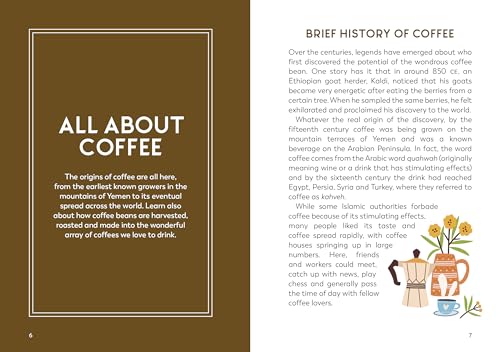
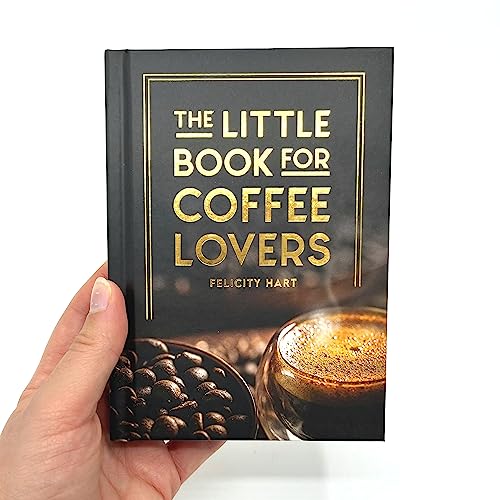
Little Book for Coffee Lovers
Strengths
- Affordable
- Compact and portable
- Fun coffee facts
Trade-offs
- Lacks technical depth
- No structured learning
- Few practical takeaways
Don’t let the size fool you, this one packs charm, not depth. It’s a quick read with trivia, fun facts, and just enough brewing tips to spark interest. For the price, it’s a solid impulse buy, especially as a gift.
It won’t replace a serious manual, and you won’t learn how to adjust TDS or dial in a V60. But as a lighthearted entry point? It works. Reviewers note it’s often the book that gets non-enthusiasts curious.
Product photos
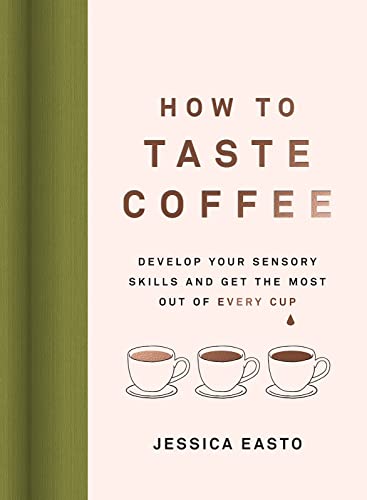
How to Taste Coffee
Strengths
- Sensory training focus
- Step-by-step exercises
- Builds cupping skills
Trade-offs
- Narrow scope
- Not for casual readers
- Minimal brewing advice
This book zeroes in on one thing: training your palate. If you’ve ever struggled to pick out notes beyond ‘bitter’ or ‘smooth,’ this is where you start. The methodical approach to sensory calibration stands out, with exercises that mirror professional cupping protocols.
Owners consistently report sharper tasting abilities after working through the guided practice sections. It’s not flashy, but for anyone serious about understanding flavor nuance, the structure here beats vague descriptions found in more general guides.
Product photos
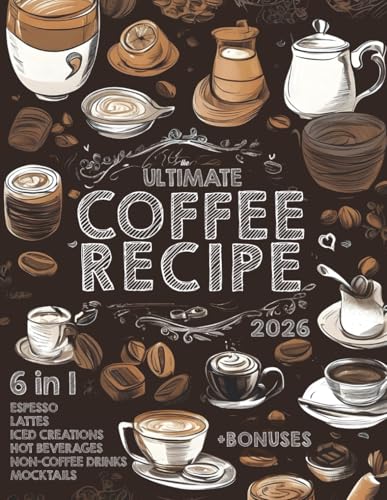
Ultimate Coffee Recipe Book
Strengths
- Creative recipe variety
- Great for entertaining
- Coffee as ingredient focus
Trade-offs
- Few brewing fundamentals
- Hit-or-miss recipes
- Not for purists
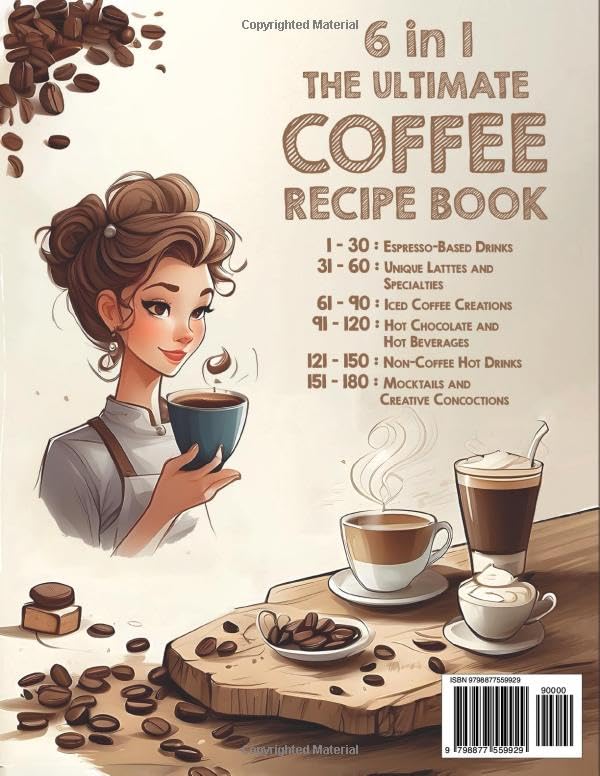
If your idea of fun is turning cold brew into a dessert or spiking a cortado with spices, this book is built for you. It’s not about perfecting a pour-over, it’s about playing with coffee as an ingredient. The range is impressive: drinks, baked goods, even savory dishes.
Some recipes feel gimmicky, but owners say a solid number deliver real flavor surprises. Compared to more technical books, this one thrives on creativity. I’d recommend it as a supplement, not a primary guide.
Product photos
Uncommon Grounds: History of Coffee

Strengths
- Rich historical detail
- Engaging narrative
- Global perspective
Trade-offs
- No brewing guidance
- Dense in sections
- Minimal sensory content
This is the deep dive history buff I wish I’d found earlier. It traces coffee’s role in revolutions, trade, and social movements with a narrative grip most coffee books lack. The writing is sharp, and the connections it draws, between coffeehouses and democracy, for example, are compelling.
It doesn’t teach you to brew better, and that’s fine. Reviewers consistently call it eye-opening. If you’ve ever wondered how coffee shaped global economics, this is the book that answers.
Product photos
Curious Barista’s Guide to Coffee

Strengths
- Beginner-friendly tone
- Engaging visuals
- Covers full journey of coffee
Trade-offs
- Surface-level detail
- Few brewing recipes
- Minimal sensory training
This is the kind of book you’d want to hand someone who’s just starting to care about their morning cup. It’s light on jargon, rich in visuals, and covers everything from farm to filter in digestible chunks. The flow feels conversational, like a well-informed barista walking you through the basics.
On paper, it doesn’t go as deep as some, but that’s not the point. For new enthusiasts overwhelmed by technical manuals, this strikes the right balance. Owners praise how approachable it feels without sacrificing accuracy.
Product photos


How We Chose These books about coffee
As the founder of Bean Thusiast, I spend a lot of time researching the world of coffee – and that extends to the resources available for learning about it. Rather than a hands-on test, this guide is based on a detailed comparison of published content, alongside careful consideration of what other coffee enthusiasts are saying. I weighed owner reviews and expert opinions from coffee blogs and publications to arrive at these recommendations.
For coffee books, I prioritized depth of information and clarity of presentation. A book’s ability to cover a broad range of topics – from growing regions to brewing techniques – was key. Equally important was whether it catered to different experience levels, offering value to both beginners and those already familiar with regional coffee bean differences.
Specifications weren’t as crucial here as they are with equipment. Instead, I relied heavily on owner feedback regarding readability and usefulness. Specs primarily indicated the book’s scope (number of pages, included illustrations) but the real value came from assessing how well those pages delivered on a promise of insightful information, particularly regarding the nuances of [single-origin Arabica comparison].
How To Choose The books about coffee
I’ve seen a lot of coffee books cross my desk here at Bean Thusiast, and frankly, the quality varies wildly. Picking the right one depends a lot on what you’re hoping to get out of it.
A good coffee book offers more than just pretty pictures. Look for depth of information, whether about origin, roasting, brewing, or tasting. Consider the author’s credentials and whether the content is updated to reflect current industry practices. A well-indexed book is also essential for easy reference.
Defining Your Coffee Focus
Too many people grab a book simply about coffee, without considering what aspect interests them most. Are you fascinated by the story of the bean itself? Or are you more interested in mastering the art of the pour-over? A book attempting to cover everything often does so superficially. If you’re serious about improving your home setup, you might also want to explore coffee brewing guides alongside your reading. A focused approach will yield a much more satisfying experience.
Author Credibility & Depth
Don’t underestimate the importance of who wrote the book. A title like “Curious Barista’s Guide” is fine for an introduction, but for serious study, you want an author with demonstrable experience. Look for writers with SCAA certifications, backgrounds in coffee importing or roasting, or a long track record of published writing on the subject. I consistently find that books backed by industry professionals offer more nuanced insights and avoid perpetuating common myths.
- A quick Google search of the author’s name can reveal their background.
- Pay attention to publication dates. The coffee world evolves quickly, especially in brewing techniques. Older books may contain outdated information.
- Consider if the book includes detailed sourcing information. A truly informative book will discuss not just where coffee comes from, but how it’s grown, processed, and traded – which is why I also recommend checking out coffee history books to provide context.
Beyond the Basics: Practical Application
A beautiful coffee table book is lovely, but if you want to learn something, it needs to be practical. Does the book offer concrete advice you can implement? For example, if it covers tasting, does it provide a structured cupping form? If it’s about brewing, does it explain the impact of burr vs blade grind on flavor?
A great coffee book doesn’t just tell you about coffee; it empowers you to make better coffee.
Books About Coffee Compared
Here’s a comparison of key features for each book to help you find the right read.
| Title | Best For | Features |
|---|---|---|
| World Atlas of Coffee 3rd Ed | Best Overall | N/A |
| Coffee, for Here | Best for At-Home Brewing | N/A |
| Craft Coffee: A Manual | Best for Home Brewing | N/A |
| Little Book for Coffee Lovers | Best Budget Friendly | N/A |
| How to Taste Coffee | Best for Sensory Training | N/A |
| Ultimate Coffee Recipe Book | Best for Creative Recipes | N/A |
| Uncommon Grounds: History of Coffee | Best Historical Insight | N/A |
| Curious Barista’s Guide to Coffee | Best for Beginners | N/A |
Frequently Asked Questions
What if I’m brand new to coffee – which book should I start with?
Curious Barista’s Guide to Coffee is a great entry point, as it’s specifically designed for beginners and avoids overwhelming technical details. It provides a solid foundation without assuming any prior knowledge.
Do any of these books cover coffee roasting at home?
While several touch on the roasting process, Craft Coffee: A Manual has the most detailed section on home roasting techniques, including equipment and safety considerations. It’s a good starting point if you’re considering trying to roast your own beans.
I’m particularly interested in the history of coffee. Which book is the most thorough?
Uncommon Grounds: History of Coffee is widely considered the definitive work on the subject, tracing coffee’s journey from its origins in Ethiopia to its global impact. You’ll find a wealth of historical context and fascinating anecdotes.
Are any of these books regularly updated with new information?
World Atlas of Coffee is updated periodically to reflect changes in growing regions, coffee varieties, and industry trends. The 3rd edition is the most current, making it a reliable resource for up-to-date information.
I prefer a lighter coffee flavor. Will any of these books help me understand blonde roast flavor notes?
How to Taste Coffee focuses on developing your palate and recognizing subtle flavor nuances, which will be incredibly valuable in appreciating the characteristics of lighter roasts like blonde coffees. It teaches you how to identify those delicate flavor notes.
The Bottom Line
Choosing a coffee book is a bit like choosing coffee itself – it comes down to personal preference and what you value most. While many excellent options exist, the World Atlas of Coffee 3rd Ed stands out as the most well-rounded resource, offering a truly global perspective and detailed information that benefits both newcomers and seasoned enthusiasts. It balances breadth and depth in a way few others manage.
For those with specific goals, there are fantastic alternatives. If you’re focused on elevating your home brewing, Coffee, for Here and Craft Coffee: A Manual deliver targeted expertise. If you’re watching your budget, the Little Book for Coffee Lovers is a surprisingly informative and accessible starting point, and for a deep explore sensory evaluation, How to Taste Coffee is unparalleled. Understanding the nuance of single-origin vs blended flavor will also help you appreciate the complexities covered in these books.
Ultimately, the best book isn’t about memorizing facts or chasing the latest trends. It’s about cultivating a deeper appreciation for the journey of coffee – from farm to cup – and developing the skills to brew a cup that you truly enjoy. Focus on understanding the fundamentals of origin, processing, and brewing, and the rest will follow.
