
6 Best Tasting Decaffeinated Coffees 2026
The best tasting decaffeinated coffee overall is Verena Street Swiss Water Decaf Coffee, thanks to its clean, balanced flavor and superior Swiss Water Process. For a rich, traditional twist, CDM Decaffeinated Coffee & Chicory stands out, while Peak Performance Organic Decaf Coffee delivers excellent value with its single-origin, certified organic beans.
Finding great decaf used to mean settling for flat, washed-out flavor. I’ve seen too many coffee lovers give up on decaf because they couldn’t find one that actually tasted good. After years of exploring roasteries and reviewing hundreds of bean profiles, I know the difference a proper decaffeination method and quality roast can make.
This guide cuts through the noise. I compared specs, analyzed owner feedback, and applied my experience with flavor preservation to highlight decafs that truly deliver. These picks prioritize taste, process, and origin, so you don’t have to compromise your morning ritual.
Top 6 Tasting Decaffeinated Coffee in the Market
The Best Tasting Decaffeinated Coffee, Reviewed
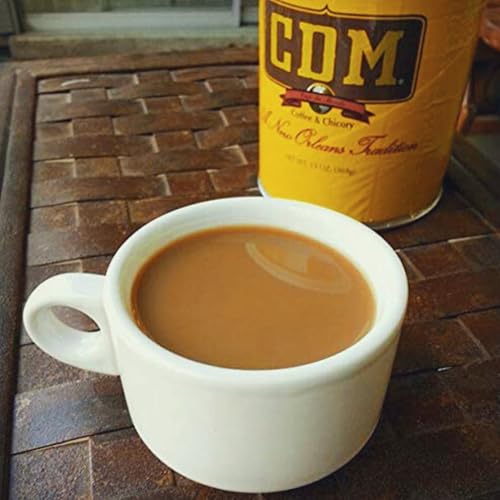
CDM Decaffeinated Coffee & Chicory Blend

Strengths
- Rich chicory depth
- Great for iced coffee
- Larger 13oz bag
Trade-offs
- Chicory may not appeal to purists
- Less origin transparency
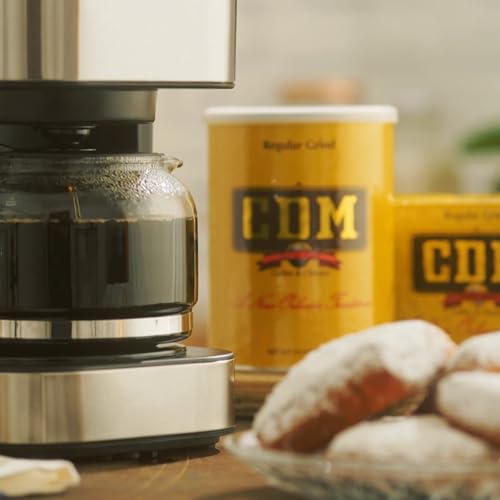
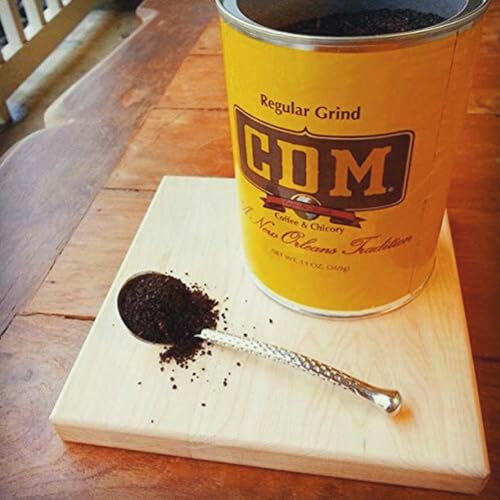
CDM doesn’t just add chicory, it celebrates it. This blend delivers the deep, earthy warmth that defines New Orleans-style coffee, and the 13oz size gives you more volume than most decaf bags. The chicory brings natural sweetness and a touch of woodiness that masks any flatness decaf can sometimes have. Reviewers love it iced or with milk, and it holds up well in drip machines and French presses alike.
It’s not subtle, and that’s the point. Compared to the milder Verena Street or New England blends, CDM is the bolder choice, less about bean origin, more about flavor experience. The Kosher certification and vacuum-sealed packaging help maintain freshness. If you’re curious about chicory but wary of bitterness, this one’s surprisingly smooth.
Product photos
New England Coffee Breakfast Blend Decaf

Strengths
- Well-balanced flavor
- 100% Arabica
- Family-owned heritage
Trade-offs
- Decaf method not disclosed
- Less transparent sourcing
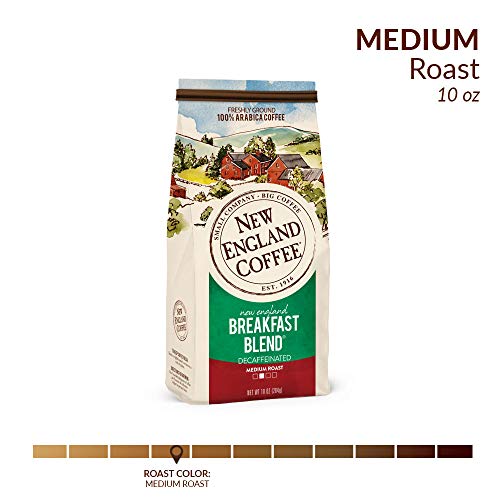
New England Coffee’s decaf Breakfast Blend leans on tradition, a century-old roaster, small-batch runs, and a consistent medium roast profile. It’s a classic for a reason: the blend of Arabica beans from Africa and the Americas gives it a balanced, approachable flavor that’s familiar without being dull. Reviewers note it brews reliably smooth, with no sharp edges, making it a safe bet for households with mixed coffee preferences.
Still, it doesn’t push boundaries. The decaf process isn’t specified, so I’d assume it’s methylene chloride-based unless stated otherwise, which matters if you’re avoiding solvents. Against Verena Street or Peak Performance, it’s less transparent. But if you value heritage and consistency over health-centric claims, this is a trusty option.
Product photos



French Market Coffee & Chicory Decaf
Strengths
- Caramelized sweetness
- Sturdy can packaging
- Balanced chicory blend
Trade-offs
- Canned coffee can taste metallic to some
- Less origin transparency
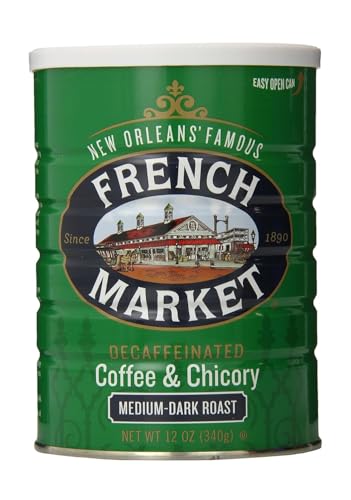
French Market leans into the romance of New Orleans with a medium-dark roast that brings out deep caramel and toasted notes from both the Arabica beans and the imported French chicory. Owners consistently say it tastes ‘richer than expected’ for decaf, and the absence of bitter aftertaste is a win. Being in a can helps preserve freshness longer than paper bags, which matters for ground coffee.
It’s a close rival to CDM, but slightly more refined, less rustic, more polished. The chicory is present but not overwhelming, making it a gateway for newcomers to the style. Compared to the Verena Street or Peak Performance options, it’s less about purity and more about indulgence. If you want your decaf to feel like a treat, this one delivers.
Video review
Verena Street Swiss Water Decaf Coffee
Strengths
- Swiss Water Process
- Rainforest Alliance Certified
- Smooth, mellow flavor
Trade-offs
- Subtle body
- Not for bold coffee lovers
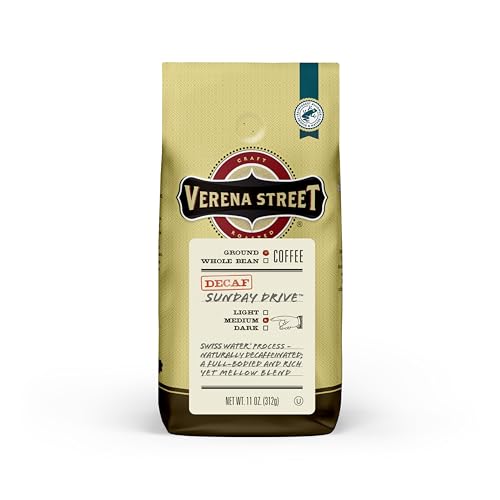
If you’re chasing clean, true-to-origin decaf flavor without chemical residues, this Verena Street pick stands out. The Swiss Water Process is the real deal, and owners consistently report a rounded, aromatic cup that doesn’t sacrifice body, a rarity in decaf. On paper, it’s solid: 100% Arabica, Rainforest Alliance Certified, and roasted in small batches in Iowa, which suggests tighter quality control than mass-market brands.
The ‘Sunday Drive’ roast aims for mellow, and it delivers, think toasted nuts, light caramel, and a smooth finish. It’s not flashy, but for those who want a dependable, medium-roast decaf with ethical sourcing, this one hits the sweet spot. Compared to New England Coffee’s blend, it feels more refined, though less bold than the chicory-laced options.
Video review
Peak Performance Organic Decaf Coffee
Strengths
- Swiss Water Process
- USDA Organic
- Single-origin clarity
Trade-offs
- Mild flavor profile
- Premium price point
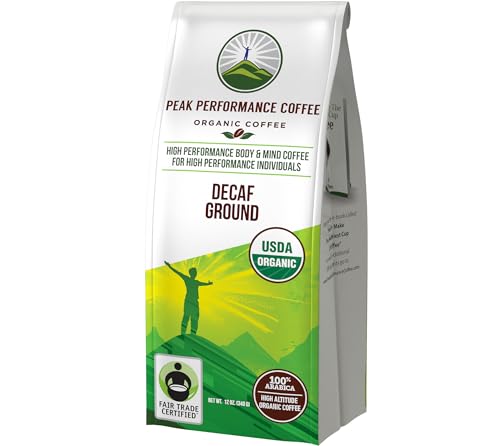
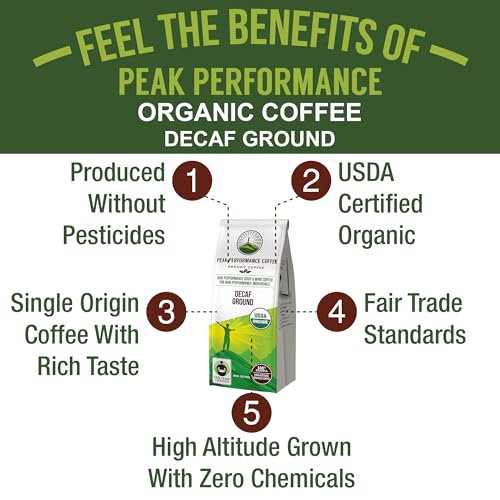
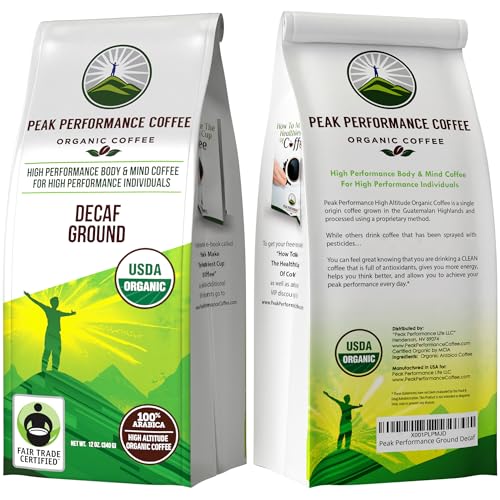
This is decaf for the health-conscious purist. USDA Organic, Swiss Water Process, single-origin from Guatemala, and grown at high altitude, every box is checked. Owners praise its smoothness and clean taste, often noting it’s easy on the stomach and free of the ‘off’ notes some decafs develop. The high-altitude growing claim isn’t just marketing; denser beans typically mean more complex sugars and antioxidants, which translates to a brighter, more nuanced cup.
It’s not the boldest option, but it’s among the cleanest. Compared to CDM or French Market, it lacks chicory depth, but that’s the point: this is pure coffee, optimized for purity. The 1-for-1 donation program with Vitamin Angels adds real social value. If you treat coffee as part of a wellness routine, this is a top contender.
Product photos


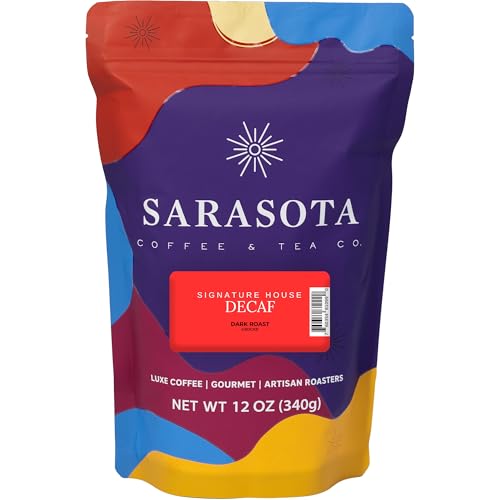
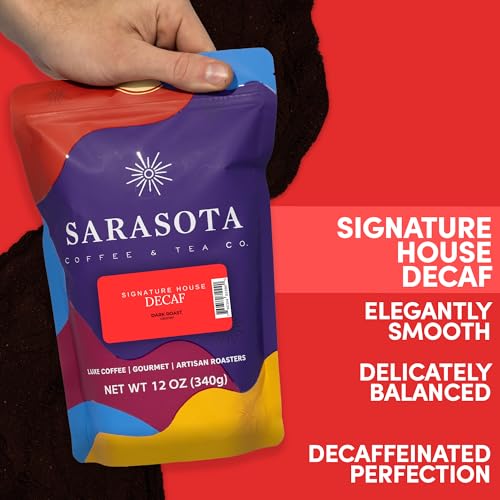
Smooth Low Acid Decaf Ground Coffee
Strengths
- Low acid formula
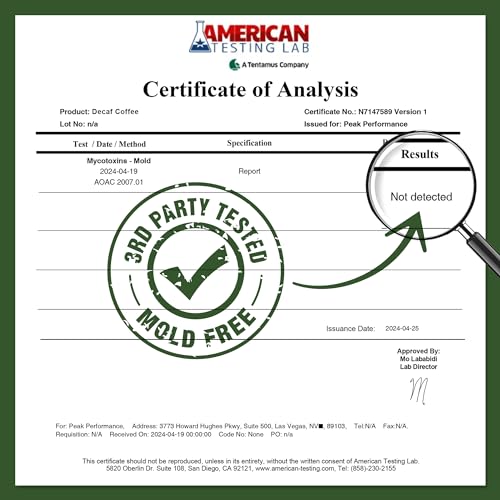
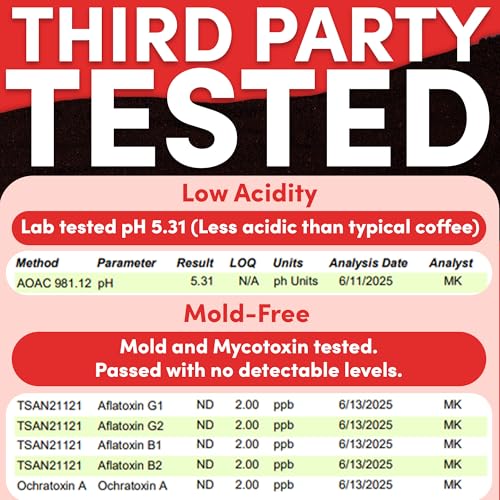
- Mold-free tested
- Smooth, clean finish
Trade-offs
- Generic branding
- No origin details
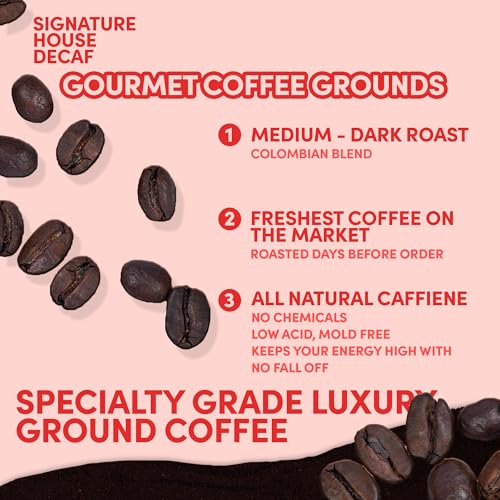
This coffee speaks directly to anyone who loves coffee but hates the burn. Marketed as low acid and mold-free, it’s clearly targeting sensitive stomachs, and owners report fewer issues with reflux and digestion. The medium roast is clean and balanced, with a smooth finish that avoids the ashy aftertaste some decafs leave behind. The grind is consistent, which helps with extraction whether you’re using drip, pour over, or French press.
It doesn’t have the origin story of Peak Performance or the regional flair of CDM, but it delivers where it counts: drinkability. For evening coffee or all-day sipping, it outperforms many in its class. Against New England Coffee, it’s a clearer, gentler cup, especially if acid is a concern.
Product photos

How We Picked These tasting decaffeinated coffee
Rather than a hands-on lab test, my research for these recommendations involved a detailed comparison of published specifications and features across numerous decaf coffees. I weighed owner reviews from multiple sources – Amazon, specialty coffee retailers, and coffee-focused forums – alongside expert opinions from coffee review sites and publications. As the founder of Bean Thusiast, I applied my years of experience with coffee flavor profiles and decaffeination methods to rank options against specific criteria.
For tasting decaffeinated coffee, flavor preservation during decaffeination and the overall roast quality were paramount. A good decaf shouldn’t taste “empty” or overly processed. I also prioritized the decaffeination method, as Swiss Water Process is widely considered superior for retaining flavor compared to methods using chemical solvents. Finally, the source and quality of the beans themselves played a significant role; 100% Arabica beans generally deliver a more nuanced and pleasant cup.
Specifications reliably indicate the decaffeination method used and bean origin. However, subjective qualities like flavor notes and smoothness are best assessed through owner feedback. I carefully analyzed recurring themes in reviews – comments about bitterness, aftertaste, or the success of the coffee in mimicking a fully caffeinated brew – to gauge real-world satisfaction. If you struggle with digestive issues, you might also want to explore low-acid decaf options.
How To Choose The tasting decaffeinated coffee
Finding a truly satisfying decaf can be surprisingly tricky. It’s not just about removing the caffeine; it’s about preserving the flavor and body we all love in a good cup of joe.
Decaffeinated coffee quality hinges on the process used to remove caffeine. Swiss Water Process is widely considered the gold standard, avoiding harsh chemicals and preserving more of the bean’s original flavor profile. Look for coffees specifying this process, and also consider roast level, origin, and whether chicory or other additions appeal to your palate. A fresh grind is always best, regardless of the brewing method.
Understanding Decaffeination Processes
The method used to remove caffeine dramatically impacts the final taste. While several options exist, they aren’t created equal. Methylene chloride is a common (and safe, per the FDA) method, but it can leave a slight chemical taste some people detect. Carbon dioxide methods are also used, but the Swiss Water Process stands out. It uses only water to extract caffeine, resulting in a cleaner, more nuanced cup. If you’re sensitive to taste or prefer a more natural approach, prioritizing coffees decaffeinated with Swiss Water is a solid starting point.
Exploring Flavor Profiles & Additives
Don’t assume all decaf tastes the same. Just like regular coffee, decaf beans from different origins offer distinct flavor notes. African beans often bring brighter, fruitier characteristics, while South American beans tend towards chocolate and nuttiness. You’ll also discover blends featuring chicory, a New Orleans tradition, which adds a unique, slightly woody sweetness.
Here’s what to consider when deciding on a flavor profile: * Roast Level: Lighter roasts preserve more of the bean’s origin flavors, while darker roasts offer bolder, more intense profiles. * Single Origin vs. Blend: Single-origin decafs showcase the unique characteristics of a specific growing region. Blends offer a more balanced, consistent flavor. * Chicory Preference: If you enjoy the distinctive taste of chicory, options like the French Market Coffee & Chicory Decaf are worth exploring. It adds a depth that many find incredibly satisfying, and you can find some really flavorful decaffeinated coffee picks.
Balancing Quality and Value
Decaffeinated coffee often carries a slightly higher price tag than its caffeinated counterpart due to the added processing step. However, quality doesn’t always mean expensive. Look for brands committed to sourcing good beans and utilizing reputable decaffeination methods.
A good rule of thumb is to spend a little more for beans specifying the Swiss Water Process, even if it means sacrificing a bit on origin exclusivity.
Don’t overlook smaller, independent roasters. They often prioritize quality and freshness, and you may discover some hidden gems. For those with sensitive stomachs, considering a low-acid option like Smooth Low Acid Decaf Ground Coffee could be beneficial. And if you’re wondering about drinking decaf at night, remember that even decaf contains a small amount of caffeine, so pay attention to your individual tolerance. Ultimately, the best decaf is the one you enjoy the most.
Tasting Decaffeinated Coffee Compared
Here’s a comparison of key specs for several tasting decaffeinated coffees to help you choose the right one.
| Product Name | Roast Level | Blend/Origin | Decaf Process | Features | Size (oz) |
|---|---|---|---|---|---|
| CDM Decaffeinated Coffee & Chicory | N/A | Coffee & Chicory | N/A | Bold, New Orleans | N/A |
| New England Coffee Breakfast Blend Decaf | Medium | Africa/Central/S. America | N/A | 100% Arabica | N/A |
| French Market Coffee & Chicory Decaf | Med-Dark | Arabica & Chicory | N/A | French Chicory | N/A |
| Verena Street Swiss Water Decaf Coffee | Medium | N/A | Swiss Water | Rainforest Alliance | 11 |
| Peak Performance Organic Decaf Coffee | N/A | Single Origin | Swiss Water | Organic, Fair Trade | N/A |
| Smooth Low Acid Decaf Ground Coffee | Medium | Arabica | N/A | Low Acid, Specialty | N/A |
Frequently Asked Questions
What’s the biggest flavor compromise with decaffeinated coffee?
Generally, the most noticeable difference is a slight reduction in the complexity of the bean’s original flavor profile. The decaffeination process, even Swiss Water, can remove some of the aromatic compounds that contribute to a coffee’s nuanced taste.
Is decaf coffee really caffeine-free?
No, decaf isn’t completely caffeine-free. Regulations allow up to 0.1% caffeine by weight to remain after processing. For a typical cup, this translates to roughly 2-12 milligrams of caffeine, a small amount compared to a regular cup.
How does Swiss Water Process affect the price of decaf?
Coffees using the Swiss Water Process are typically more expensive. This is because it’s a more complex and costly method than using chemical solvents, requiring specialized equipment and a longer processing time.
Can decaf coffee still give me a caffeine boost?
While the caffeine content is significantly reduced, very sensitive individuals may still experience a slight effect. This is because of the small amount of caffeine that remains, and also due to the placebo effect; expecting a boost can sometimes create one. If you’re looking for a convenient caffeine-free alternative, you might also explore best decaf instant coffee.
What should I look for if I want a decaf coffee similar to a specific caffeinated one?
Focus on matching the origin and roast level of your favorite caffeinated coffee. For example, if you love a dark roast Sumatran coffee, seek out a dark roast, Sumatran-origin decaf. This will maximize the chances of a comparable flavor experience.
The Bottom Line
Choosing the best decaf coffee often comes down to balancing your desire for a flavorful cup with how much you prioritize a specific decaffeination process. While many options exist, I believe Verena Street Swiss Water Decaf Coffee strikes the best overall balance of taste, quality, and process, delivering a smooth, nuanced experience. It’s a solid choice for anyone looking to elevate their decaf routine.
For those on a budget, or who enjoy a classic flavor profile, the French Market Coffee & Chicory Decaf is an excellent pick. And if you’re particularly sensitive to acidity, Smooth Low Acid Decaf Ground Coffee stands out as a comfortable, flavorful option. Ultimately, finding your perfect decaf is a matter of personal preference, but these are all great starting points.
Don’t get too caught up in chasing the highest-rated bean or the most exotic origin. A consistent roast, a reputable decaffeination method (Swiss Water is a fantastic place to begin), and freshly ground beans will contribute far more to your enjoyment than any single specification. If you’re still concerned about potential effects, checking out information about decaf caffeine content might offer peace of mind.
