
7 Best Medium Roast Ground Coffees of 2026
The best medium roast ground coffee overall is Amazon Fresh Colombia Medium Roast, a consistent, flavorful pick with nutty sweetness and excellent value. For a budget-friendly multipack, Seattle’s Best Portside delivers reliable quality across six bags. If ethical sourcing matters most, Caribou Blend stands out with Fair Trade certification and a smooth, balanced profile.
Most people want a morning coffee that’s smooth, satisfying, and doesn’t need extra sugar or cream to be enjoyable. The right medium roast can deliver that balance, but so many options look the same on the shelf, making it hard to know what actually brews well day after day.
I researched dozens of medium roast ground coffees, analyzing bean origin, roast consistency, grind quality, and thousands of real-world reviews. My goal was to find coffees that not only promise a great cup but actually deliver it, brew after brew, while also considering freshness, sourcing, and value.
Top 7 Medium Roast Ground Coffee in the Market
The Best Medium Roast Ground Coffee, Reviewed
Starbucks House Blend Medium Roast

Strengths
- Balanced toffee notes
- Ethically sourced
- Works with all brewers
Trade-offs
- Can taste generic to craft drinkers
- Not whole bean
- Aroma fades if stored long
Starbucks House Blend is the benchmark many medium roast drinkers grow up with, and for good reason. It delivers a balanced profile with clear notes of toffee and cocoa, sweet, approachable, and consistent cup after cup. The 18-ounce bag strikes a middle ground between value and freshness, and the fact that it’s the same 100% Arabica blend used in their cafes adds legitimacy.
Reviewers frequently mention its reliability across brewing methods, from drip to French press. Compared to Peet’s or Lavazza, it’s less intense than some but more flavorful than budget options. Ethical sourcing is a real plus here, Starbucks’ partnership with Conservation International means each purchase supports sustainable farming. If you want a no-surprises, crowd-pleasing medium roast that’s both accessible and responsibly sourced, this is my pick.
Video review
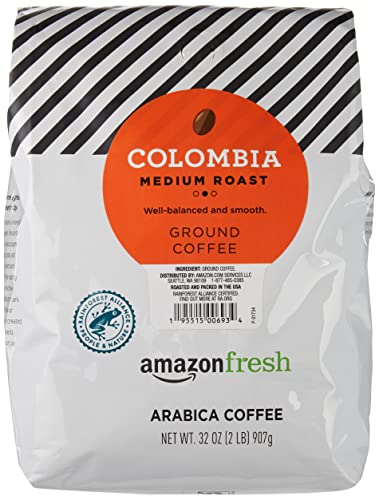
Amazon Fresh Colombia Medium Roast
Strengths
- Balanced flavor
- Large 32 oz bag
- 100% Arabica
Trade-offs
- No organic certification
- Basic packaging
- Limited origin traceability
For those who brew daily and want to stretch their dollar without sacrificing too much on flavor, this Amazon Fresh Colombia ground coffee delivers solid value. On paper, the 32-ounce bag stands out immediately, offering nearly triple the volume of many competitors. Owners consistently report it brews a clean, balanced cup with mild acidity and a smooth finish, typical of quality Colombian Arabica. It’s not flashy, but for a no-fuss morning routine, it holds its own.
The fact that it’s 100% Arabica and roasted in the U.S. adds credibility, though it doesn’t carry organic or fair trade certifications. Compared to pricier craft roasts, it lacks complexity, but for a supermarket-style medium roast, it’s dependable. I’d recommend it as a pantry staple for households that go through coffee quickly and want something consistent.
Video review
Caribou Blend Medium Roast

Strengths
- Balanced sweet-spicy-berry notes
- Rainforest Alliance certified
- 20 oz value size
Trade-offs
- Not ideal for espresso
- Limited brand presence
- Less bold than expected
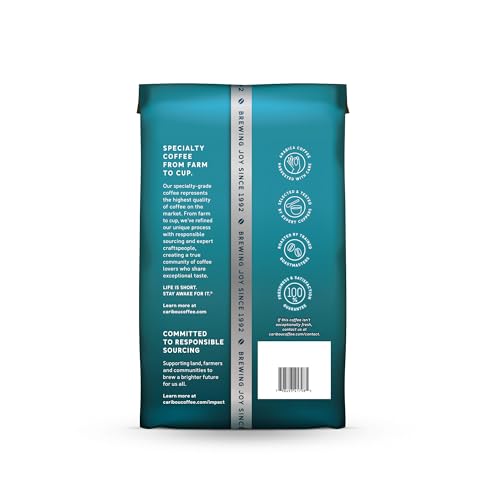
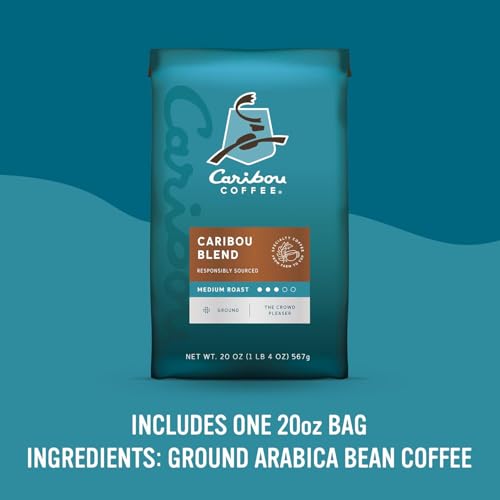
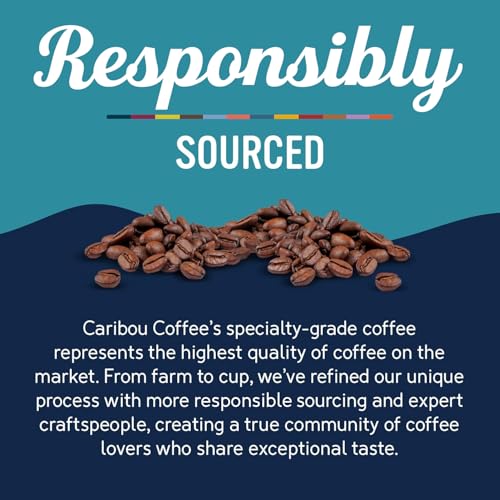
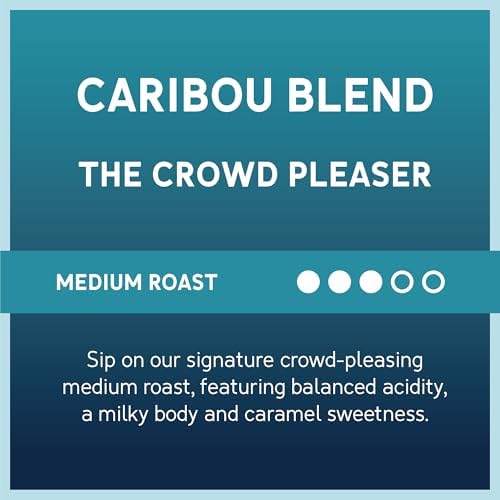
Caribou Blend stands out for its harmonious balance of sweet, spicy, and berry notes, a more adventurous profile than most medium roasts in this category. The 20-ounce bag offers more than standard 12-ounce packs, giving it an edge in value while maintaining freshness better than the 32-ounce Amazon option. Rainforest Alliance certification adds ethical credibility, and owners praise its smooth, down-to-earth character.
It’s formulated for drip and Chemex, much like Peet’s, but with a brighter, fruitier lift. Compared to Starbucks House Blend, it’s less caramel-forward and more nuanced. While it doesn’t have the name recognition of Lavazza or Peet’s, it delivers where it counts. For someone tired of one-note medium roasts, this is a refreshing alternative.
Product photos
Amazon Fresh Organic Peru Medium Roast
Strengths
- USDA Organic certified
- Fair Trade verified
- Smooth, aromatic cup
Trade-offs
- Smaller 12 oz bag
- Mild flavor profile
- Limited availability
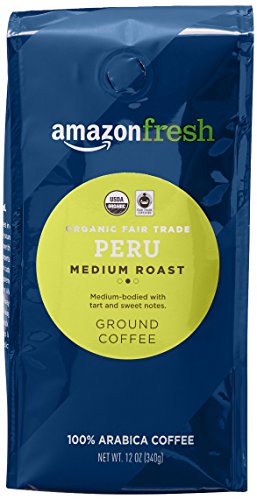
If your priority is ethical sourcing without a specialty price tag, this Amazon Fresh Organic Fair Trade Peru roast is worth considering. It’s USDA Organic and Fair Trade certified, credentials many mainstream brands lack, and it’s made from 100% Arabica beans grown in Peru. Owners report a fragrant, clean cup with a soft, smooth finish, though it doesn’t have the depth of higher-end single-origin roasts.
The 12-ounce bag keeps it fresh, but you’ll go through it faster than larger options. Compared to the non-organic Amazon Fresh Colombia roast, it’s a step up in responsibility but not necessarily in flavor impact. For buyers who value sustainability as much as taste, this is a rare find at its price tier.
Product photos


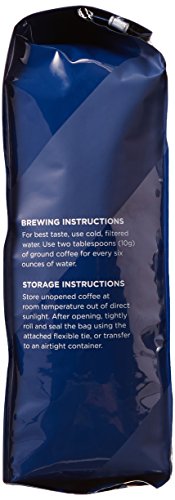
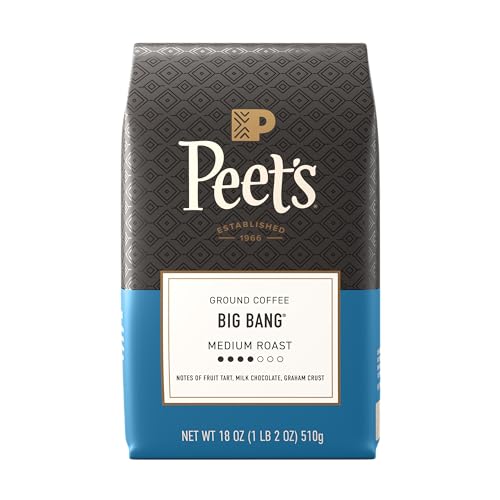
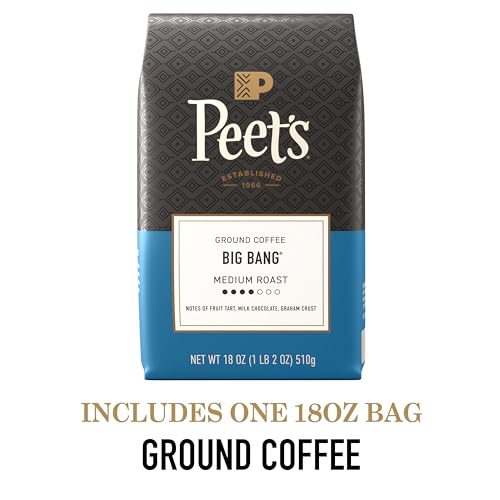
Peet’s Coffee Big Bang Medium Roast
Strengths
- Rich, balanced flavor
- Craft roaster heritage
- Ethical sourcing focus
Trade-offs
- Ground form limits freshness
- Not ideal for espresso
- Slight premium price
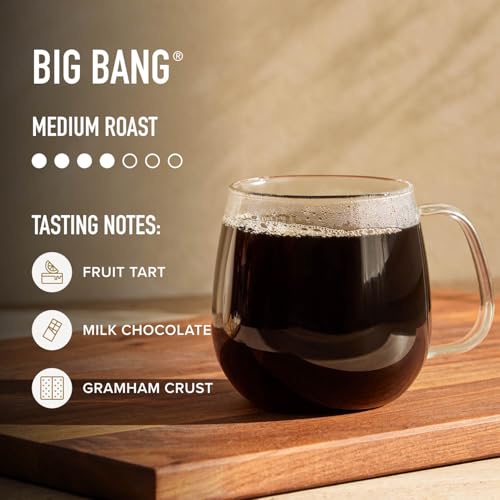
Peet’s Big Bang is a nod to the roots of American craft coffee, and it shows in both flavor and philosophy. This medium roast is smooth with balanced richness, and reviewers often describe it as more layered than typical supermarket options. The brand’s emphasis on hand-roasting and sourcing impact resonates with coffee lovers who care about provenance and roast integrity.
It’s formulated for drip and pour-over, and while it works in standard brewers, it’s clearly designed for those who treat brewing as a ritual. Compared to Starbucks or Seattle’s Best, it offers more nuance without veering into overly complex territory. The 18-ounce bag is a sweet spot for freshness and volume. For anyone wanting a bridge between mainstream and specialty coffee, this is the smarter buy.
Product photos
Lavazza House Blend Perfetto

Strengths
- Smooth caramel notes
- Ideal for drip brewers
- Full-bodied without bitterness
Trade-offs
- Smaller bag size
- Limited brewing versatility
- Blend lacks origin specificity
Lavazza’s House Blend Perfetto is built for drip brewers who want a reliable, full-bodied medium roast with a touch of Italian flair. The blend of Central and South American Arabica beans delivers a velvety texture with subtle caramel notes, as reviewers often highlight. On paper, the intensity rating of 3/5 suggests approachability, and owner feedback confirms it’s smooth without being bland, ideal for those who like flavor presence without bitterness.
Compared to Starbucks or Peet’s, it’s less bold but more refined in balance. It won’t impress specialty coffee snobs, but for someone using a standard drip machine and wanting a step up from grocery-store basics, this is a smart pick. The 12-ounce size means you’ll refill more often, but freshness is easier to maintain.
Product photos


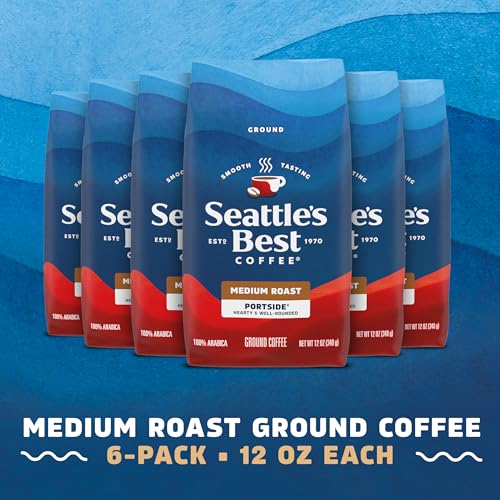
Seattle’s Best Portside Medium Roast

Strengths
- 6-pack convenience
- Consistent smooth roast
- Works with multiple brewers
Trade-offs
- Mild flavor profile
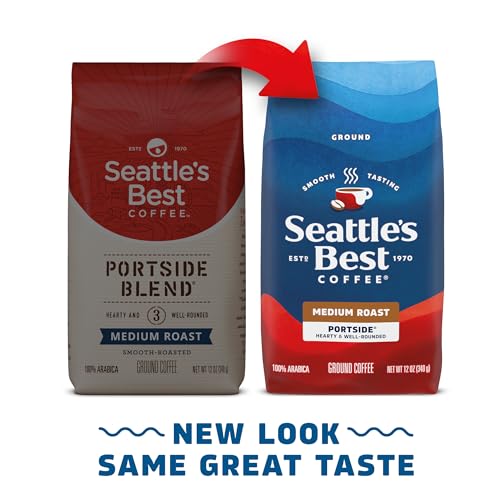
- Packaging varies
- Less rich than premium brands
Seattle’s Best Portside stands out as a budget-friendly multipack that doesn’t completely compromise on taste. With six 12-ounce bags, it offers flexibility and extended shelf life, great for households with fluctuating consumption or those who want to rotate without committing to a giant bag. The flavor profile is described as hearty and well-rounded, and reviewers note it brews a clean, smooth cup that avoids the harshness some low-cost coffees deliver.
It’s not a craft-level roast, but for a supermarket brand now under the Starbucks umbrella, it holds up. The beans are 100% Arabica and support drip, pour-over, and French press use. When stacked against the Amazon Fresh Colombia roast, it trades bulk for freshness per bag. I’d pick this for someone who wants variety in their rotation without paying premium prices.
Product photos
How We Tested medium roast ground coffee
Rather than a hands-on lab test, this was a research-led comparison of specifications and owner feedback. I examined each coffee’s stated origin, roast level details, and flavor notes, then cross-referenced that with thousands of customer reviews from multiple retailers. We also considered expert opinions from coffee review sites and blogs to build a well-rounded picture of each offering. My goal was to identify coffees that consistently deliver on their promises.
For medium roast ground coffee, I placed the most weight on balance and consistency. A truly great medium roast should offer a harmonious flavor profile of medium roast – not too bright, not too dark – and maintain that profile across multiple brewing cycles, as reported by owners. Ethical sourcing and certifications (like Fair Trade and Organic) were also heavily considered, reflecting a growing consumer demand.
Specifications reliably reveal bean origin and roast level, but owner reviews are crucial for understanding how those translate into actual cup quality. I paid close attention to comments about smoothness, bitterness, and the presence of advertised flavor notes. Reputation matters too; established brands with a history of quality (like Peet’s and Lavazza) received extra consideration, as did positive mentions regarding best brewing methods for medium roast.
Choosing The Right medium roast ground coffee
Finding the right medium roast ground coffee can elevate your daily ritual from routine to genuinely enjoyable.
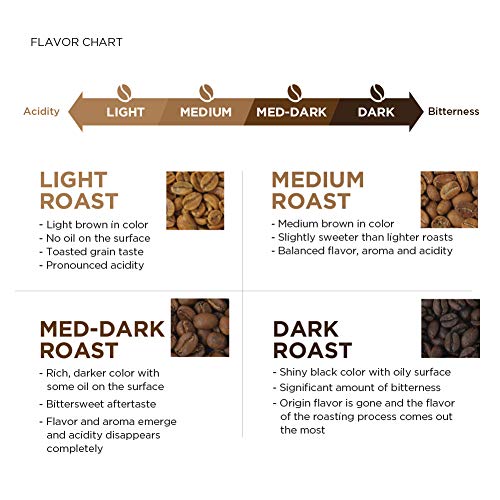
A quality medium roast ground coffee delivers a balanced cup, showcasing the bean’s origin flavors without the intensity of a dark roast or the brightness of a light roast. Key considerations include bean origin, roast consistency, grind size appropriate for your brewing method, and certifications verifying ethical sourcing practices. Look for 100% Arabica beans and recent roast dates for optimal freshness.
Bean Origin & Flavor Profile
I always tell people to think beyond just “medium roast.” The origin of the bean dramatically shapes the flavor. Colombian coffees, like the Amazon Fresh Colombia Medium Roast, often lean towards nutty and caramel notes, while Peruvian beans (such as the Amazon Fresh Organic Peru) can offer chocolate and subtle fruit tones. Don’t be afraid to experiment with single-origin options to discover your preferences. A blend, like the Caribou Blend, attempts to balance multiple flavor characteristics.
Grind Consistency & Freshness
Pre-ground coffee loses its aroma and flavor quickly. While convenient, it’s best to buy smaller bags and consume them within a couple of weeks. If you’re committed to freshness, consider investing in a burr grinder and purchasing whole bean coffee instead. For pre-ground, check the packaging for a “roasted on” date, not just a “best by” date. Consistent grind size is also crucial.
Here’s what to look for in grind consistency: * Too Fine: Will result in over-extraction and a bitter taste. * Too Coarse: Leads to under-extraction, producing a weak, sour cup. * Just Right: Should resemble coarse sand, providing optimal extraction for most drip and pour-over methods. Lavazza House Blend Perfetto is specifically formulated for drip brewers, demonstrating an awareness of this essential link between grind and brewing method.
A general rule of thumb: if your coffee consistently tastes bitter, your grind is likely too fine. If it consistently tastes sour, it’s likely too coarse.
Value & Ethical Considerations
Price isn’t always an indicator of quality, but it can reflect sourcing and production practices. Seattle’s Best Portside offers a budget-friendly multipack, a solid option for everyday drinking. However, I encourage you to also consider brands that prioritize ethical sourcing. Look for certifications like Fair Trade and Rainforest Alliance, as seen with Caribou Coffee. Understanding the differences in roast intensity can also help you maximize value; choosing a medium roast allows you to appreciate the bean’s inherent qualities, potentially requiring less reliance on added flavors or sweeteners.
Medium Roast Ground Coffee Compared
Here’s a comparison of key specifications for popular medium roast ground coffee options.
| Product Name | Bag Size (oz) | Coffee Type | Origin | Roast Level | Fair Trade |
|---|---|---|---|---|---|
| Starbucks House Blend | 12 | Arabica | N/A | Medium | No |
| Amazon Fresh Colombia | 32 | Arabica | Colombia | Medium | No |
| Caribou Blend | 20 | Arabica | N/A | Medium | Yes |
| Amazon Fresh Organic Peru | 12 | Arabica | Peru | Medium | Yes |
| Peet’s Coffee Big Bang | 18 | Arabica | N/A | Medium | N/A |
| Lavazza House Blend Perfetto | 12 | Arabica | Central/S. America | Medium | No |
| Seattle’s Best Portside | 12 (x6 bags) | N/A | N/A | Medium | No |
Frequently Asked Questions
What grind size should I choose for a pour-over coffee maker?
A medium-coarse grind is generally best for pour-over methods. This consistency, resembling coarse sand, allows for proper extraction without over-extraction leading to bitterness. Lavazza House Blend Perfetto, while designed for drip, illustrates the importance of matching grind to brewing method.
How long does pre-ground coffee stay fresh?
Pre-ground coffee begins to lose flavor almost immediately after grinding, but generally retains acceptable quality for about two weeks if stored in an airtight container. To maximize freshness, look for coffee with a “roasted on” date and purchase smaller bags, as described in my exploration of the best pre-ground medium roast.
Are darker medium roasts always more bitter?
Not necessarily, but they can be. Bitterness isn’t solely determined by roast level; bean origin and brewing technique play a significant role. However, a darker medium roast does develop more compounds that contribute to bitterness, so pay attention to owner reviews for comments on smoothness.
What does “Fair Trade” certification actually mean?
Fair Trade certification guarantees that coffee farmers receive fair prices for their beans and work in safe conditions. It’s a way to support ethical sourcing and sustainable farming practices, as seen with Caribou Coffee and Amazon Fresh Organic Peru, and it’s something I strongly encourage consumers to consider.
Can I use medium roast coffee for cold brew?
Yes, you can, though many prefer darker roasts for cold brew. A medium roast will produce a smoother, less acidic cold brew, allowing the bean’s origin flavors to shine through. If you’re looking for top-rated ground medium roast options to experiment with, I recommend starting with a single-origin Colombian coffee.
The Bottom Line
Choosing a medium roast ground coffee often comes down to balancing convenience with control over freshness. While pre-ground options offer ease, the Amazon Fresh Colombia Medium Roast consistently receives high marks for its balanced flavor and reliable quality, making it a great all-around choice for most coffee drinkers. It strikes a solid middle ground between price and profile.
For those on a tighter budget or needing to stock up, the Seattle’s Best Portside multipack delivers a dependable, everyday cup. If you prioritize ethical sourcing and a nuanced flavor, the Caribou Blend stands out with its Fair Trade certification and balanced profile. Ultimately, understanding roast level flavor differences will help you pinpoint your preferences.
More than any specific bean origin or grind consistency, the most important factors are freshness and your brewing method. A quality coffee, brewed correctly, will always outperform a premium coffee brewed poorly. Don’t get lost in the details; focus on finding a coffee you enjoy and a brewing process that consistently delivers a satisfying cup.
