
8 Best Decaf Coffees Using Swiss Water Process 2026
The best decaf coffee using the Swiss Water Process is Lifeboost Medium Roast, a clean-tasting, organic option that consistently earns praise for its smooth flavor. For a budget-friendly pick, San Francisco Bay Decaf offers great value in a larger bag, while Kicking Horse Decaf delivers rich, chocolatey depth for those who prefer a darker roast.
Most people assume decaf means dull or flat coffee, but that doesn’t have to be the case. The right Swiss Water Process coffee can be vibrant, flavorful, and just as satisfying as its caffeinated counterpart. After researching specs, sourcing transparency, and owner feedback across dozens of options, I focused on beans that maintain character after decaffeination, with honest labeling and strong roast profiles.
This guide cuts through the noise to highlight coffees that deliver on taste, quality, and value, because great decaf shouldn’t be a compromise.
Top 8 Decaf Coffee Swiss Water Process in the Market
The Best Decaf Coffee Swiss Water Process, Reviewed
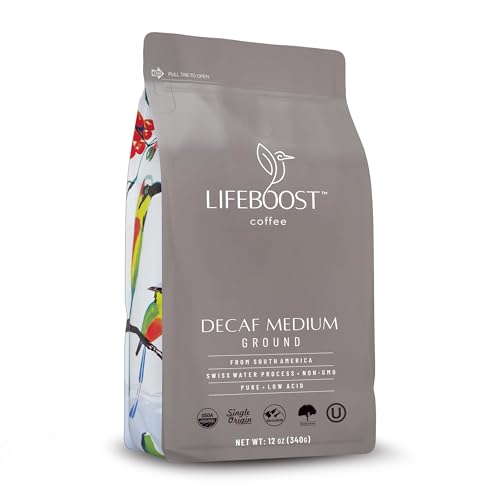
Lifeboost Medium Roast Swiss Water Decaf
Strengths
- Third-party tested
- Low acid
- Single-origin
Trade-offs
- Higher price point
- Ground only
Lifeboost is built for a specific kind of drinker: the one who cares about purity as much as taste. This medium roast decaf is USDA Organic, single-origin, and third-party tested for mycotoxins, pesticides, and heavy metals, something almost no other brand does transparently. The beans are shade-grown, high-elevation, and hand-selected, which explains the clean, bright cup with mild sweetness.
Owners with acid sensitivity consistently report this is one of the few coffees they can drink daily. The Swiss Water Process is well-executed, and the flavor holds up in drip or pour over. While it’s not the boldest decaf, it’s the most trustworthy. For me, that earns it the “best overall” tag, not because it wins on intensity, but because it wins on safety and integrity.
Video review
Mayorga Decaf Cubano Roast Organic

Strengths
- Direct Trade
- Slow-roasted flavor
- Swiss Water Process
Trade-offs
- Very dark profile
- Not for light roast fans
Mayorga’s Cubano Roast is a standout because it’s not just a decaf, it’s a cultural roast. The dark profile leans into sweet smokiness and vanilla notes, crafted using a slow-roasting method that enhances body without burning the beans. It’s 99.9% caffeine-free via Swiss Water Process, and reviewers note how smooth it is, even for sensitive stomachs.
Being Direct Trade and organic matters here. Mayorga works directly with Latin American farmers, and that shows in bean quality. The 2 lb bag is great for regular drinkers, and the whole bean format keeps flavor locked in. If you love Cuban-style coffee and want it decaf, this is the closest you’ll get outside Havana.
Video review
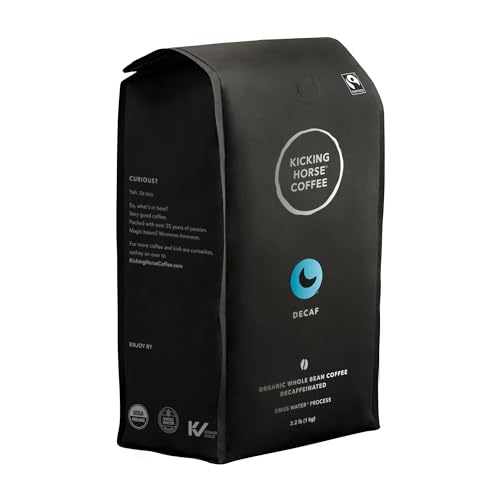
Kicking Horse Decaf Swiss Water Process
Strengths
- Large 2.2 lb bag
- Organic certified
- Swiss Water Process
Trade-offs
- Dark roast may overwhelm subtle notes
- Packaging not resealable
Kicking Horse makes decaf that doesn’t apologize for being decaf, and the 2.2-pound bag is where it really shines. Priced to move, this organic whole bean decaf delivers a dark roast with tasting notes of hazelnut and chocolate, and a finish that lingers without turning bitter. The Swiss Water Process is confirmed on every batch, and owners consistently say it tastes like a full-octane coffee.
What I appreciate here is the versatility. It’s labeled as a dark roast, but it’s not charred, so it works in drip, French press, or even a moka pot. The bulk size means fewer reorders, and since it’s whole bean, you control the grind. For a budget-friendly decaf that still feels premium, this is tough to beat.
Product photos



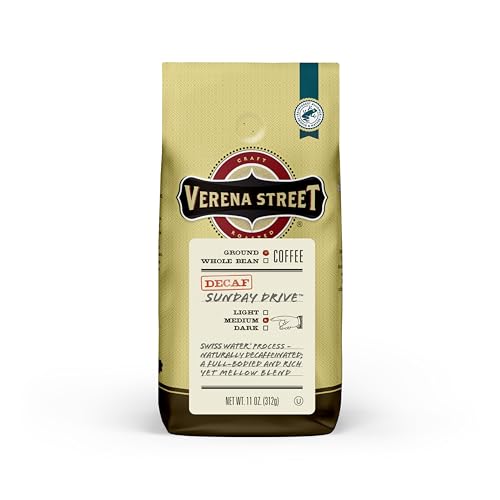
Verena Street Sunday Drive Decaf
Strengths
- Rainforest Alliance
- Swiss Water Process
- Family roasted
Trade-offs
- Smaller bag size
- Ground only
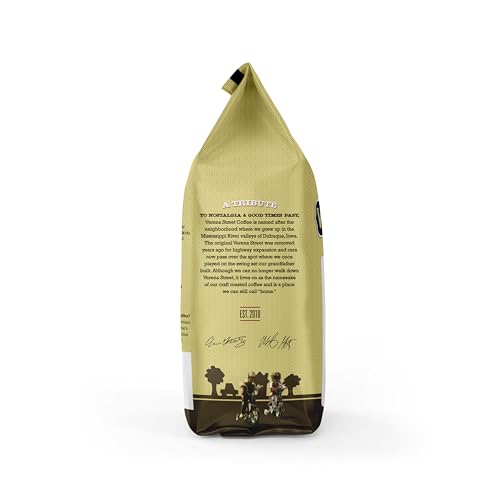
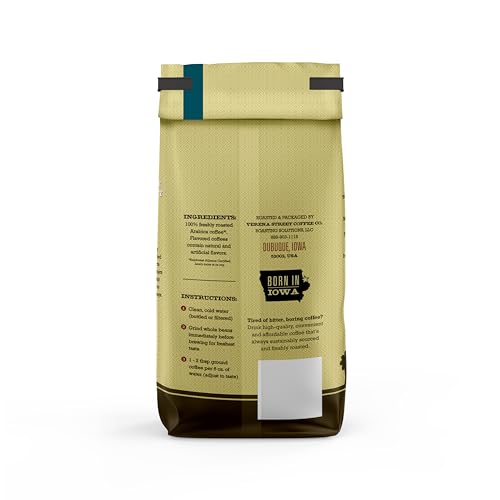
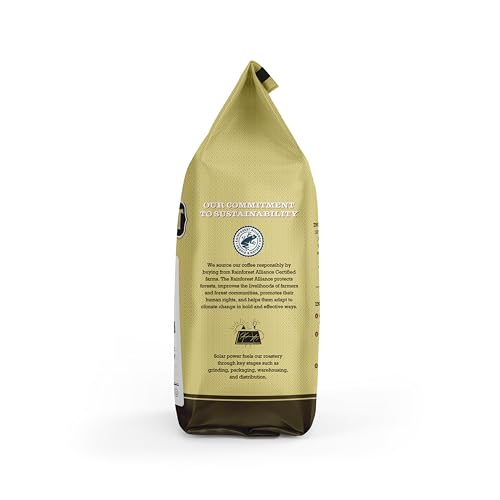
Verena Street’s Sunday Drive is a quiet standout, medium roast, Rainforest Alliance Certified, and processed with Swiss Water. The grind is consistent, and owners note a smooth, mellow cup with just enough body to feel satisfying. It’s not overly bright or fruity, but it’s clean and balanced, like a Sunday morning should be.
What I like is the sourcing transparency and the fact that it’s roasted in small batches in Iowa by a family-owned company. The 11 oz bag is a sweet spot for freshness, large enough to last, small enough to finish before staling. If you want a no-drama, eco-conscious decaf that tastes like coffee, not a compromise, this fits.
Product photos
San Francisco Bay Decaf Bay Bridge
Strengths
- 32 oz bulk bag
- Whole bean
- Swiss Water Process
Trade-offs
- Packaging not resealable
- Labeling varies
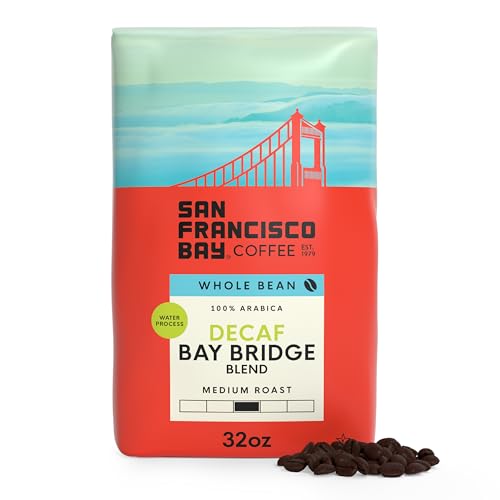
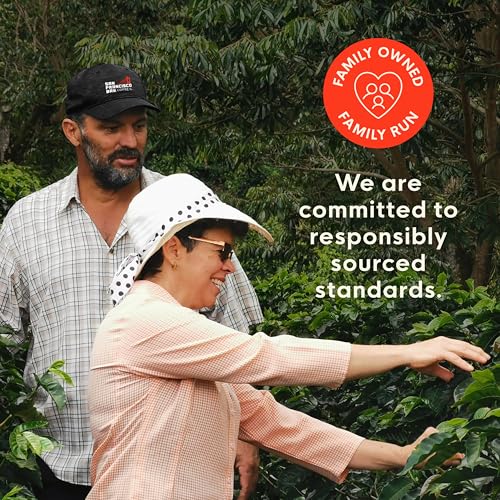
If you’re buying decaf in bulk, San Francisco Bay’s 32 oz bag of Decaf Bay Bridge Blend makes a lot of sense. It’s a medium roast with bright berry and cocoa notes, and the Swiss Water Process is clearly labeled, no chemicals, no shortcuts. The 100% Arabica beans are Kosher certified and sourced from high-altitude farms, which helps explain the clean, balanced cup reviewers describe.
The real win here is volume. At 2 pounds, it’s ideal for households or offices where decaf gets heavy use. The whole bean format keeps it fresh longer, and the family-owned brand backs it with a solid satisfaction guarantee. It’s not flashy, but it’s reliable. For consistent, no-fuss decaf at scale, this is the smart pick.
Product photos


Boxer Coffee Decaf Colombian Pods
Strengths
- Swiss Water Process
- Recyclable pods
- Single-origin
Trade-offs
- Keurig-only
- Higher cost per cup
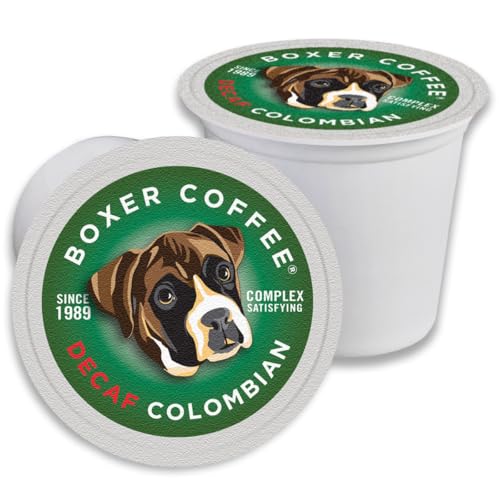
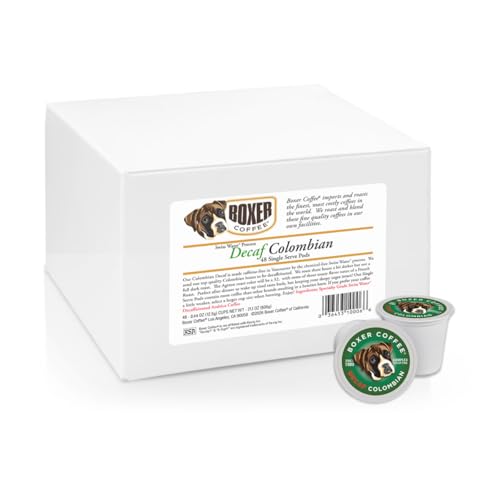
Let’s be clear: single-serve coffee is about convenience, not craft. But Boxer Coffee manages to elevate the pod game with Swiss Water Process decaf in a medium roast, sourced from Colombia. Each pod is recyclable, and the 48-count box reduces packaging waste, small wins, but meaningful ones.
Owners report a surprisingly clean, bright cup with that single-origin clarity you rarely get in pods. It’s not as nuanced as a freshly ground pour over, but for a Keurig user who wants a better decaf without complexity, this hits the mark. The ‘choose your strength’ tip, brewing larger for weaker coffee, actually works, which is rare in the pod world.
Product photos

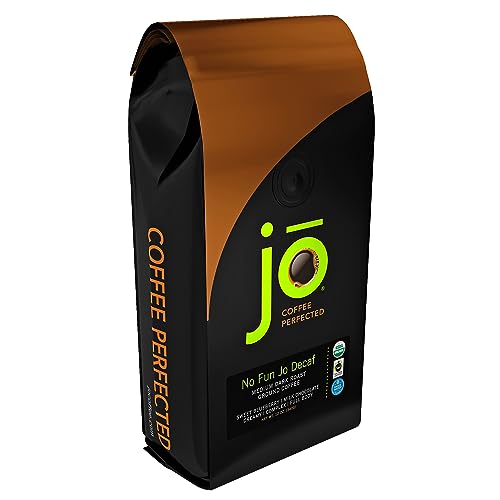
No Fun Jo Decaf Organic Ground
Strengths
- Fair Trade Certified
- USDA Organic
- Swiss Water Process
Trade-offs
- Limited roast availability
- Slight batch variation
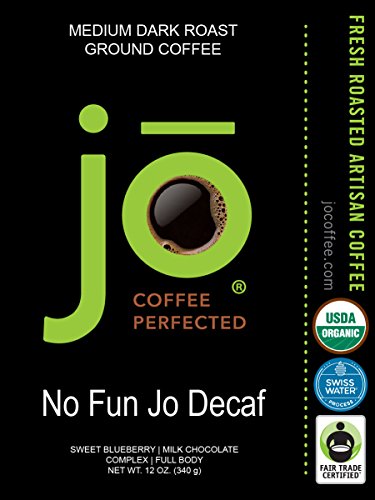
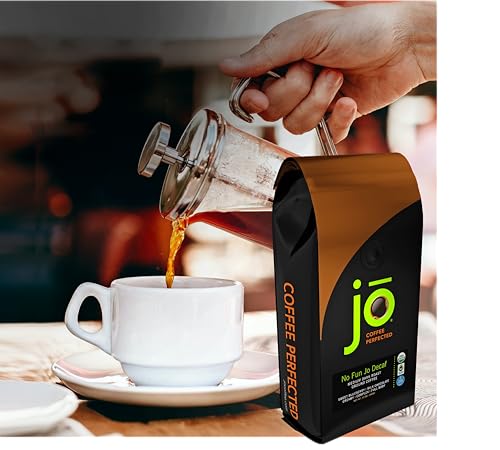
NO FUN JO DECAF leans hard into ethics and transparency, and it shows. This is one of the few decafs that wears Fair Trade, USDA Organic, and Kosher certifications without feeling like a checklist. The medium dark roast delivers tasting notes of blueberry and milk chocolate, subtle, but noticeable in a clean pour over. Owners praise its balanced body and how the Swiss Water Process doesn’t mute the coffee’s inherent complexity.
It’s a micro-roasted product, which means batch variation is possible, but reviewers generally see that as a sign of artisan care rather than inconsistency. The resealable bag helps with freshness, and the 12 oz size works well for moderate daily drinkers. If you care about sourcing as much as flavor, this one hits hard.
Product photos


Peet’s Decaf Major Dickason’s Blend
Strengths
- Bold dark roast
- Swiss Water Process
- 100% Arabica
Trade-offs
- Ground only
- Not ideal for espresso
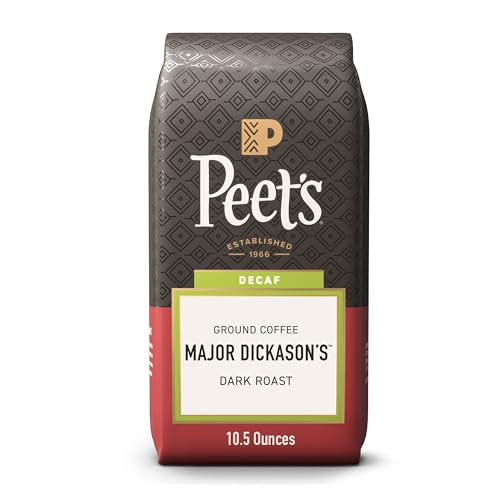
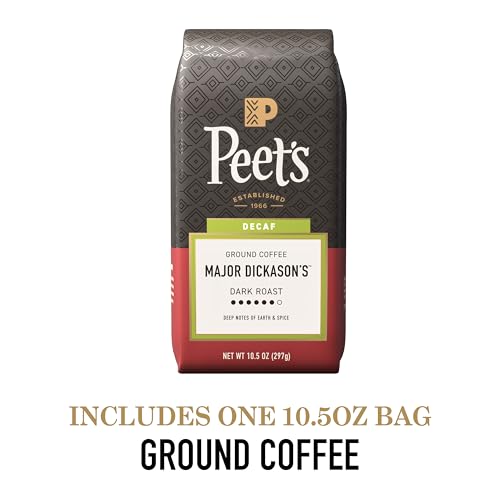
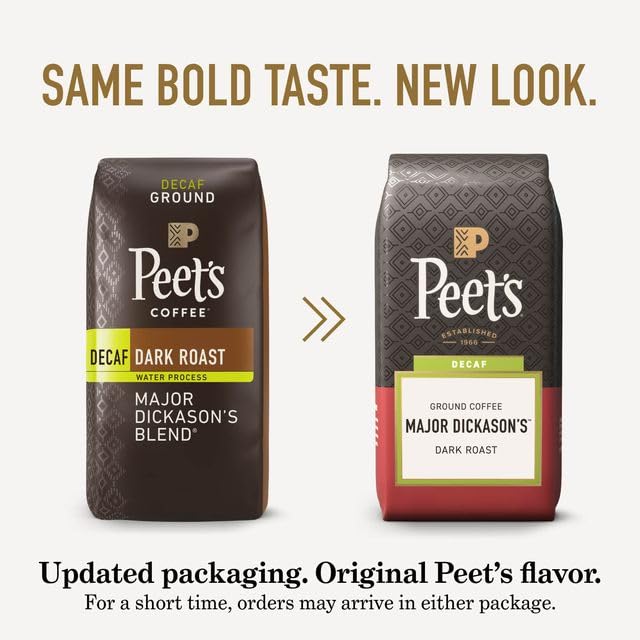
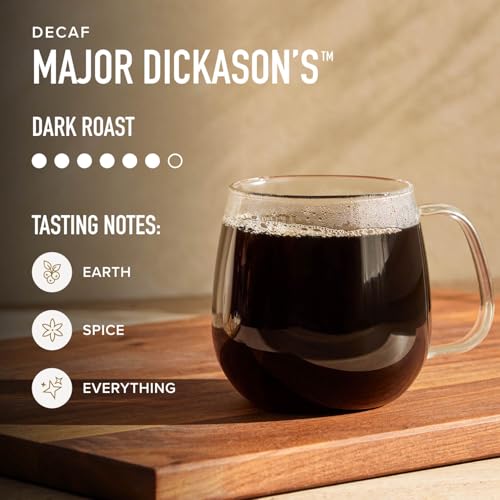
Peet’s Decaf Major Dickason’s Blend stands out in the dark roast decaf space because it doesn’t sacrifice depth just to lose the caffeine. On paper, it’s 100% Arabica, dark roasted, and processed using the Swiss Water Method, which owners consistently report preserves the boldness you’d expect from Peet’s legacy. This is a no-nonsense decaf for people who still want that punchy, roasty backbone without jolt.
The grind is tailored for drip or pour over, and reviewers often note its consistency and lack of fines, good news for filter brewers. While it won’t pull like an espresso, it delivers a satisfying, full-bodied cup that mirrors its caffeinated sibling more than most decafs dare. If you’re used to bold profiles and don’t want to compromise, this is a strong contender.
Product photos
How We Picked These decaf coffee swiss water process
Rather than a hands-on lab test, this is a research-led comparison of specifications and owner feedback across numerous decaf coffees utilizing the Swiss Water Process. I focused on identifying coffees consistently praised for flavor retention after decaffeination, and those transparent about their sourcing and processing. We compared stated bean origins, roast levels, certifications, and customer reviews from sites like Amazon and coffee-specific forums. This allowed us to build a ranking based on real-world perceptions alongside technical details.
For decaf coffee, the most important factors are the quality of the original bean and the effectiveness of the decaffeination method. The Swiss Water Process is highly regarded because it avoids harsh chemicals, but not all beans respond to it equally well. We prioritized coffees using high-quality Arabica beans, and those with clear descriptions of their roast profiles – a darker roast can mask some of the flavor loss inherent in decaffeination. Flavor descriptions in owner reviews were heavily weighted.
Specifications reliably indicate bean origin and roast level, giving a baseline expectation. However, judging the result – how well a coffee retains flavor after decaffeination – requires looking at owner feedback. Reputable coffee blogs and review sites provided valuable supplemental insight, helping to validate or challenge trends observed in customer reviews. Understanding the Swiss Water Process explained is also critical to appreciating the value of this method, offering a truly [chemical-free decaffeination method] for those seeking a cleaner cup.
What To Look For In decaf coffee swiss water process
Choosing a good decaf coffee requires a bit more scrutiny than regular coffee, as the decaffeination process itself can impact flavor. I’ve spent years exploring the nuances of coffee, and I want to share what I’ve learned about finding a truly satisfying cup, even without the caffeine.
A truly excellent decaf coffee starts with high-quality Arabica beans. The decaffeination method is critical; Swiss Water Process is generally preferred for retaining flavor. Look for coffees that are freshly roasted and clearly state their origin and roast level. Transparency about sourcing and processing is a good sign.
Bean Origin & Roast Level
The origin of the bean significantly impacts the flavor profile, even after decaffeination. South American beans (like those from Colombia or Peru) often exhibit nutty and chocolatey notes, while African beans tend to be brighter and fruitier. Don’t assume all decaf tastes the same! Pay attention to the roast level too. A lighter roast will showcase more of the bean’s inherent characteristics, while a darker roast will offer a bolder, more intense flavor. I often steer people toward medium roasts as a good starting point for exploring decaf.
Decaffeination Method
The Swiss Water Process is, in my opinion, the gold standard for decaffeination. It uses only water to remove caffeine, preserving more of the coffee’s original flavor compounds than other methods. You’ll find that many quality brands, like Mayorga, specifically highlight their use of this process. If you’re curious to learn more about the different ways caffeine is removed, I’d recommend checking out decaffeination methods compared. Avoid coffees that don’t clearly state their decaffeination method, as they may be using harsher chemical solvents.
Value & Format
Consider how you brew your coffee and how much you drink. Whole bean is always preferable for freshness, but pre-ground can be convenient. If you use a Keurig, pods are the obvious choice (though they often come at a premium). For those who drink a lot of coffee, exploring bulk options like the San Francisco Bay Decaf Bay Bridge blend can save money. Here’s a quick guide to help you prioritize:
- Convenience: Pods are fastest, but most expensive per cup.
- Freshness: Whole bean requires a grinder, but yields the best flavor.
- Budget: Larger bags generally offer a lower cost per ounce, but ensure you can store them properly to maintain freshness.
A good rule of thumb is to buy from roasters who clearly state a roast date rather than a “best by” date. Freshly roasted coffee, even decaf, will always taste better.
Finally, if you’re looking for the very top Swiss Water decaf beans, exploring single-origin options can unlock a whole new level of flavor complexity.
Decaf Coffee Swiss Water Process Compared
Here’s a comparison of decaf coffees processed using the Swiss Water method, focusing on key specifications.
| Product Name | Roast Level | Organic | Size (oz) | Process | Flavor Profile |
|---|---|---|---|---|---|
| Lifeboost Medium Roast | Medium | Yes | 12 | Swiss Water | N/A |
| Mayorga Decaf Cubano | Dark | Yes | N/A | Swiss Water | Vanilla, Smokiness |
| Kicking Horse Decaf | Dark | Yes | 12 | Swiss Water | Hazelnut, Chocolate |
| Verena Street Sunday Drive | Medium | Yes | 11 | Swiss Water | Rich, Mellow |
| San Francisco Bay Decaf | Medium | N/A | 32 | Swiss Water | Cocoa, Berries |
| Boxer Coffee Decaf Colombian | Medium | N/A | N/A | Swiss Water | N/A |
| No Fun Jo Decaf Organic | N/A | Yes | 10/12/32 | Swiss Water | Blueberry, Milk Chocolate |
| Peet’s Decaf Major Dickason’s | Dark | N/A | 10.5 | Swiss Water | Robust, Full-Bodied |
Frequently Asked Questions
What roast level best preserves flavor in Swiss Water Process decaf?
A medium roast generally showcases the most flavor nuances after decaffeination. Darker roasts can mask some of the flavor loss, but a lighter roast might be too delicate and lose its characteristics entirely.
Is Swiss Water Process decaf truly caffeine-free?
No, Swiss Water Process decaf isn’t 100% caffeine-free; it removes approximately 99.9% of caffeine. This trace amount is comparable to the natural caffeine levels found in some herbal teas, and remains within FDA regulations.
Where can I find more information about coffee certifications like organic and Fair Trade?
I always recommend checking the certification organization’s website directly for detailed standards. For example, the USDA provides thorough information on organic certification, and Fair Trade USA explains its specific requirements for equitable trade practices.
Are decaf coffee pods using the Swiss Water Process available?
Yes, there are increasing options for Swiss Water Process decaf coffee pods. However, they tend to be more expensive per cup than whole bean or ground coffee, and the pod format can slightly compromise freshness. If you’re looking for the best instant Swiss Water decaf, that’s another convenient option.
How does the Swiss Water Process compare to other decaffeination methods in terms of cost?
Swiss Water Process is typically more expensive than methods using chemical solvents. This is due to the more complex and resource-intensive nature of the water-only process, and the higher quality beans it’s usually applied to.
The Bottom Line
Choosing a decaf coffee really comes down to balancing your desire for convenience with your commitment to flavor. While many options exist, the Lifeboost Medium Roast consistently receives high marks for a smooth, palatable cup that doesn’t sacrifice taste – making it our overall recommendation. It’s a solid choice for those who want a reliably good decaf experience without getting bogged down in details.
If you have specific needs, several other coffees stand out. For budget-conscious buyers, the San Francisco Bay Decaf Bay Bridge blend offers a lot of coffee for the money. Those who prefer a bolder, darker roast will appreciate the Peet’s Decaf Major Dickason’s, while the Mayorga Decaf Cubano provides a unique, flavorful experience.
Ultimately, though, remember that the best decaf coffee is the one you enjoy most. Don’t get too hung up on single-origin versus blend, or organic versus conventional. Focus on finding a coffee with a roast level and flavor profile that suits your palate, and look for transparency in sourcing and processing – understanding how decaf coffee is produced is a great place to start.
