
9 Best Dark Roast Decaf Coffees of 2026
The best dark roast decaf coffee overall is San Francisco Bay Decaf French Roast, thanks to its rich body and clean finish from the Swiss Water Process. For a budget-friendly option, Peet’s Decaf House Blend Ground delivers solid flavor without breaking the bank. If you want organic, Kicking Horse Decaf Dark Roast stands out for its bold, smoky depth.
Most dark roast decaf coffees fall short by being either too bitter or too flat, losing the complexity that makes dark roasts worth drinking. After comparing the field and weighing specs against real owner feedback, I focused on flavor preservation, roast integrity, and ethical processing to find the ones that actually satisfy.
This guide breaks down exactly what separates a great cup from a mediocre one, looking at decaf methods, roast styles, and format choices so you can pick the right one for your routine.
Top 9 Dark Roast Decaf Coffee in the Market
The Best Dark Roast Decaf Coffee, Reviewed
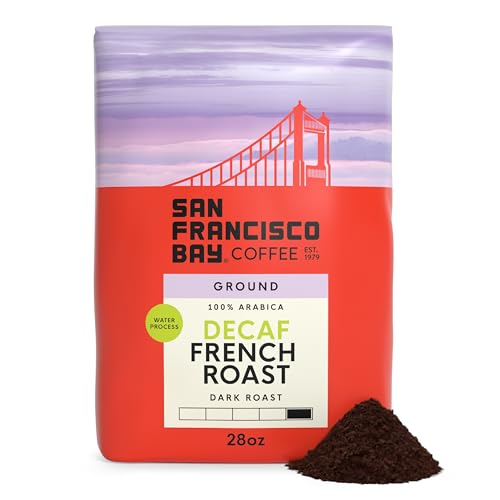
San Francisco Bay Decaf French Roast
Strengths
- Swiss Water Process
- High value per ounce
- Rich chocolate notes
Trade-offs
- Not resealable bag
- Ground format loses freshness faster
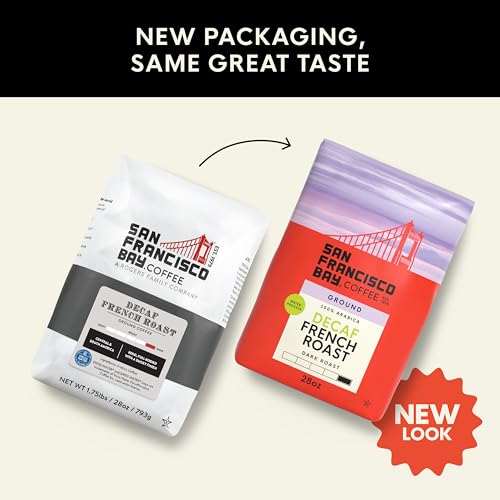
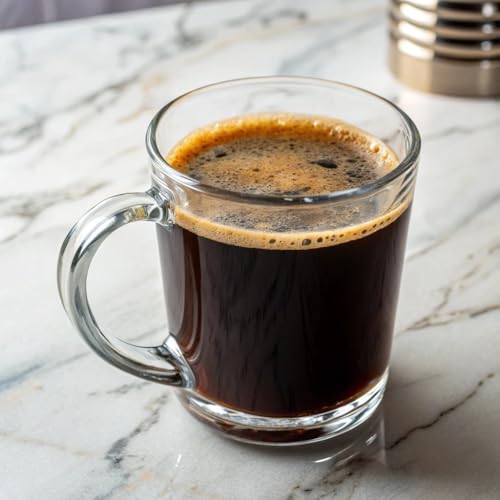
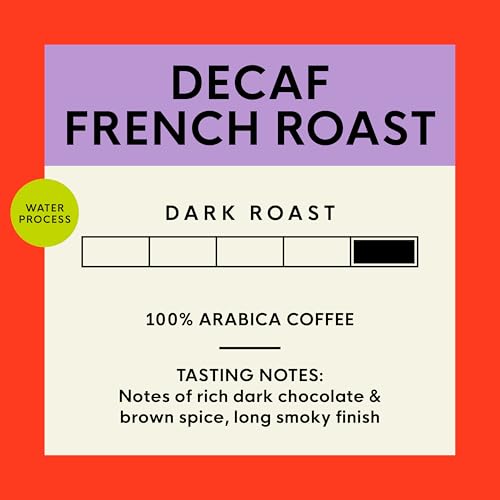
This is the ground version of the same excellent decaf, and it earns the ‘Best Overall’ tag for good reason. It keeps all the strengths of the whole bean, Swiss Water Processed, 100% Arabica, smoky chocolate notes, but in a more accessible format. The 28 oz size offers great value, and owners report it stays fresh longer than expected, likely due to San Francisco Bay’s packaging.
It’s more balanced than Allegro’s smoky punch and more affordable than Peet’s or Kicking Horse. For most buyers, this is the easy pick: a no-nonsense, deeply roasted decaf that works in any brewer and delivers every time. I’d choose this over the K-Cup or Starbucks options for daily use, better flavor, better value, better process.
Product photos
Maud’s Tall Dark & Handsome
Strengths
- Affordable price
- Toasted nut notes
- Brews consistently
Trade-offs
- Packaging not resealable
- Less depth than premium roasts
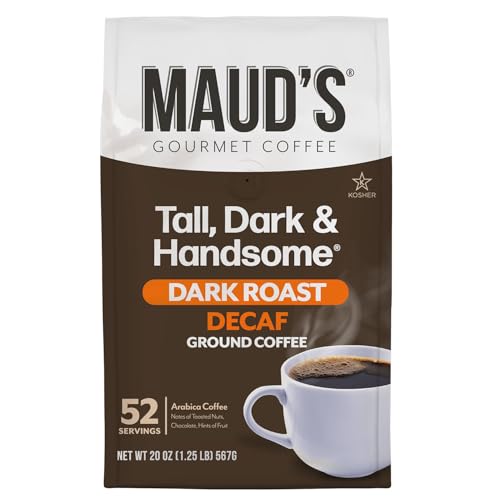
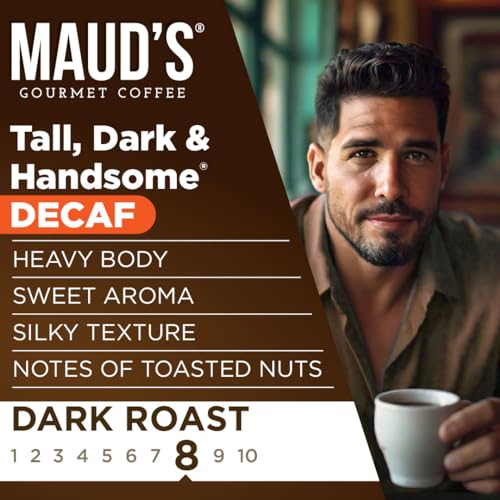
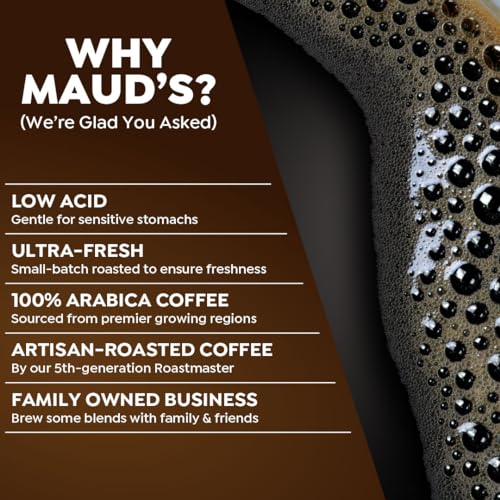
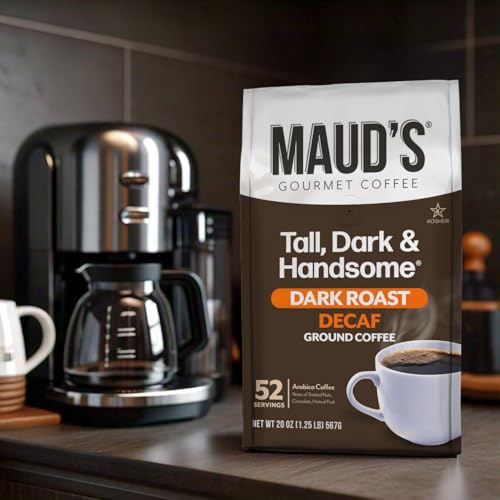
Maud’s Decaf Dark Roast punches above its price tag. The notes of toasted nuts and silky finish come through clearly in owner reviews, and the fact that it’s 100% Arabica at this price point is impressive. It’s not the most complex decaf out there, but it’s remarkably consistent, brew after brew, users report a clean, full-bodied cup without the flatness that plagues cheaper decafs.
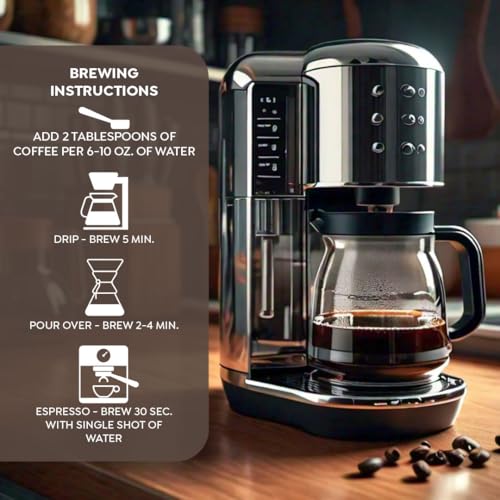
What really sets it apart is the value. Compared to Starbucks or Peet’s, Maud’s skips the branding markup and delivers something that tastes like a café pour without the premium. It’s also versatile, works well in drip, French press, even cold brew. If you’re tired of paying top dollar for decaf that still tastes like a compromise, this one makes the smarter buy.
Product photos
Kicking Horse Decaf Dark Roast

Strengths
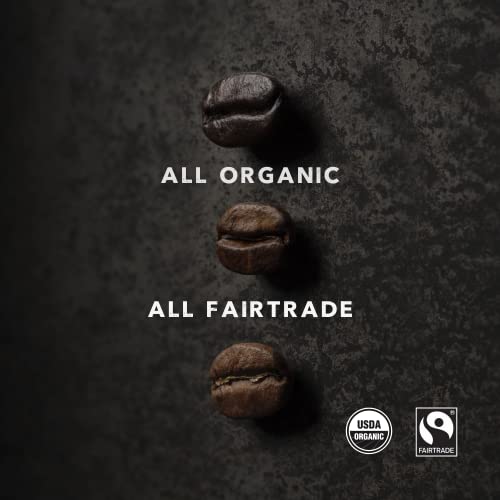
- Organic and Fairtrade
- Swiss Water Process
- Rich, nutty aroma
Trade-offs
- Smaller 10 oz bag
- Premium price
Kicking Horse brings its signature craftsmanship to this organic, Fairtrade decaf, and it shows. The Swiss Water Process is handled perfectly here, no chemical residues, no flavor loss. Instead, you get a deeply roasted, earthy cup with tasting notes of roasted hazelnuts and dark chocolate, plus a long, clean finish. Owners consistently praise its aroma and balance, especially for a decaf.
It’s pricier than Maud’s or even San Francisco Bay, but you’re paying for ethics as much as flavor: organic, Fairtrade, and roasted in small batches. Compared to Peet’s or Starbucks, it’s bolder and more adventurous. If you care about where your beans come from and want a decaf that still feels alive, this one’s hard to beat.
Product photos


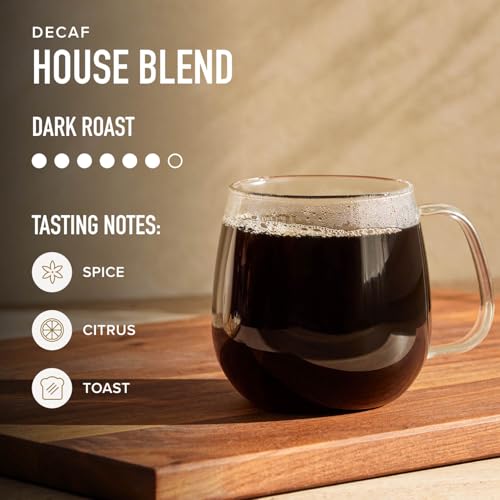
Peet’s Decaf House Blend Ground
Strengths
- Smooth, balanced flavor
- Water-processed
- Rich complexity
Trade-offs
- Smaller bag size
- Pricier than budget options
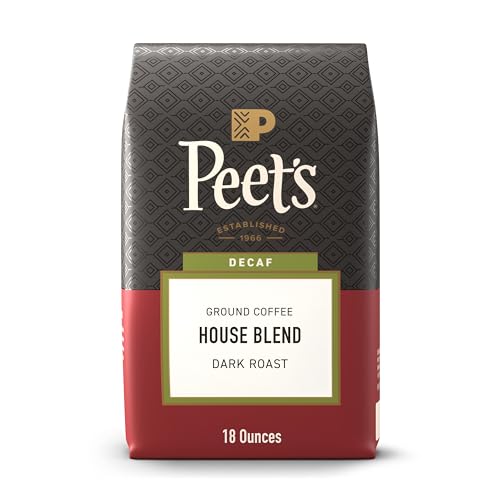
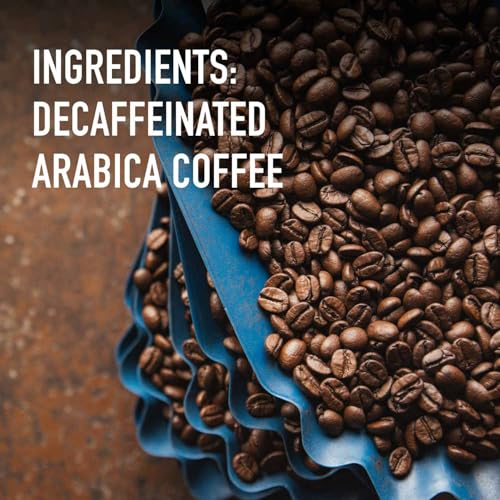
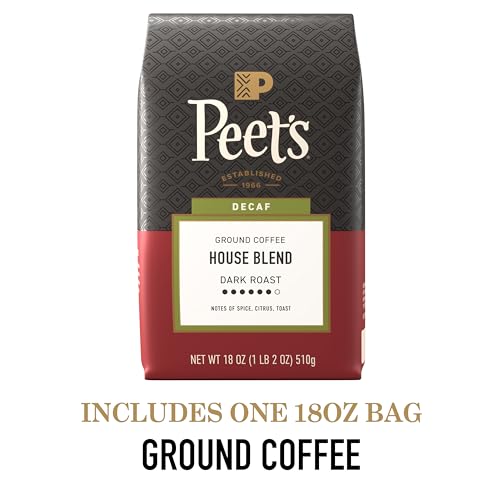
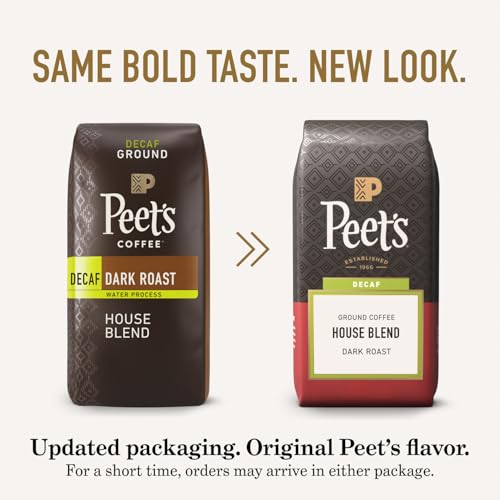
Peet’s Decaf House Blend ground is my pick for drinkers who prioritize smoothness over intensity. The water-processed beans retain a surprising amount of flavor, owners describe it as rich, complex, and rounded, with none of the flatness that haunts many decafs. It’s not as smoky as a French roast, but that’s the point: this is a coffee built for drinkability, not drama.
Compared to Maud’s or Starbucks, it’s more refined and less sweet. It shines in drip or pour-over, though Peet’s rightly suggests grinding whole beans for French press or espresso. The 18 oz bag is a sweet spot, big enough for value, small enough to stay fresh. If your ideal decaf is “like regular coffee, just without the buzz,” this one nails it.
Product photos
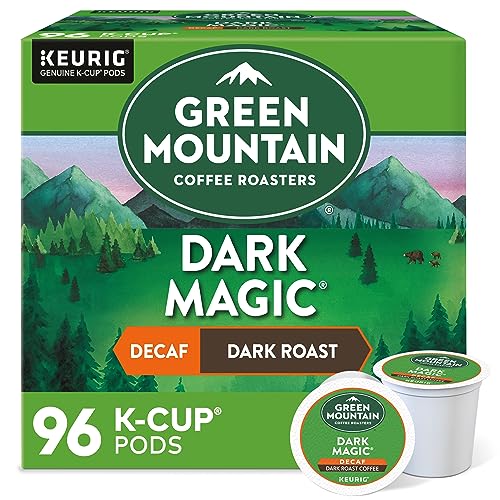
Green Mountain Dark Magic Decaf
Strengths
- Strong dark roast flavor
- Keurig compatible
- Convenient single-serve
Trade-offs
- Plastic waste
- Less aromatic than fresh ground
Green Mountain’s Dark Magic Decaf is one of the few K-Cup options that actually tastes like a proper dark roast. Too many decaf pods come off as thin or papery, but owners say this one delivers on the bold, deep, intense promise of its label. It’s not as complex as whole bean options like Kicking Horse or San Francisco Bay, but for a single-serve format, it’s a standout.
The real trade-off is freshness and environmental impact, Keurig pods are convenient, but you’re sacrificing peak flavor and generating waste. If you’re locked into a pod system and need a decaf that doesn’t taste like an afterthought, this is the one to choose over Starbucks or generic brands.
Product photos



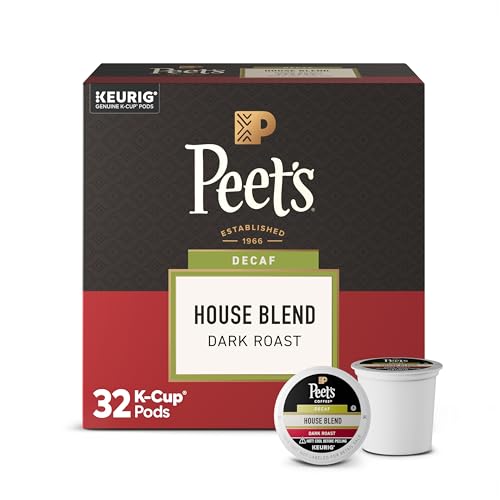
Peet’s Decaf House Blend Pods
Strengths
- Smooth, sweet profile
- Water-processed decaf
- Consistent brew
Trade-offs
- Higher cost per cup
- Plastic waste
Peet’s Decaf House Blend in pod form is one of the best examples of how single-serve doesn’t have to mean second-rate. The water-processed decaf method preserves the sweet, smooth character Peet’s is known for, and owners say it tastes closer to fresh-brewed than most pods. It’s not quite as bold as Green Mountain’s Dark Magic, but it’s more balanced, less char, more depth.
The 32-count box is practical for offices or low-volume users. While I still recommend grinding whole beans for peak flavor, this is the pod I’d keep on hand for guests or quick mornings. Compared to Keurig’s own decaf offerings, it’s a clear step up in roast integrity and mouthfeel.
Product photos
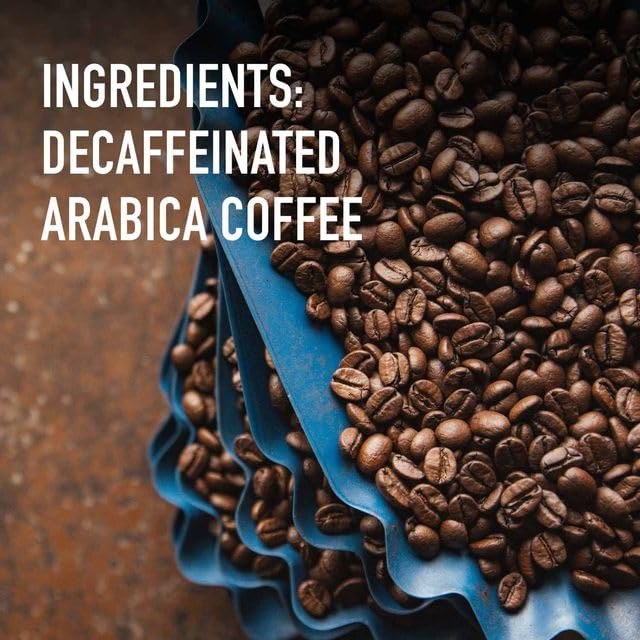
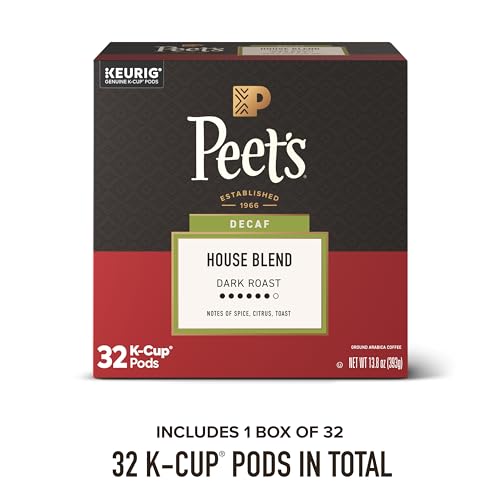
San Francisco Bay Decaf French Roast Whole Bean
Strengths
- Swiss Water Process
- Whole bean freshness
- Smoky, bold finish
Trade-offs
- Large bag size
- May be too intense for mild drinkers
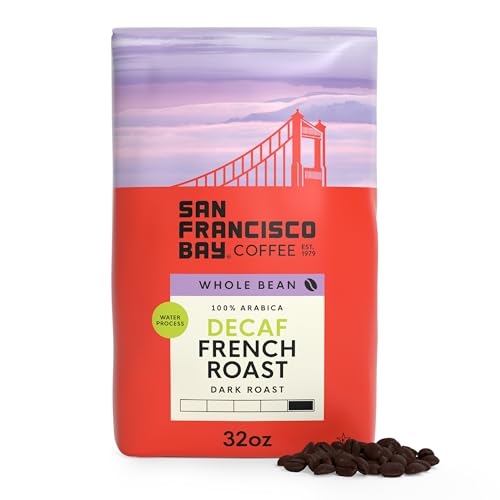
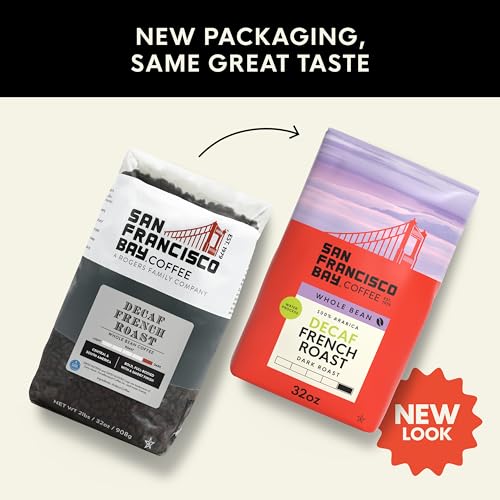
Whole bean fans looking for a clean, bold decaf should seriously consider San Francisco Bay’s Decaf French Roast. The Swiss Water Process is a big part of why this one earns such consistent praise, no chemicals, no off-notes, just pure dark roast character. The beans are sourced from Central and South America, and when ground fresh, they deliver that classic French roast profile: smoky, full-bodied, with a lingering finish.
Compared to Kicking Horse or Peet’s, it’s less fruity and more straightforward, but that’s not a flaw, it’s precision roasting. The 2 lb bag is a commitment, but if you go through coffee fast, it’s a cost-effective way to keep high-quality decaf on hand. This is the kind of coffee that reminds you decaf doesn’t have to be a compromise.
Product photos
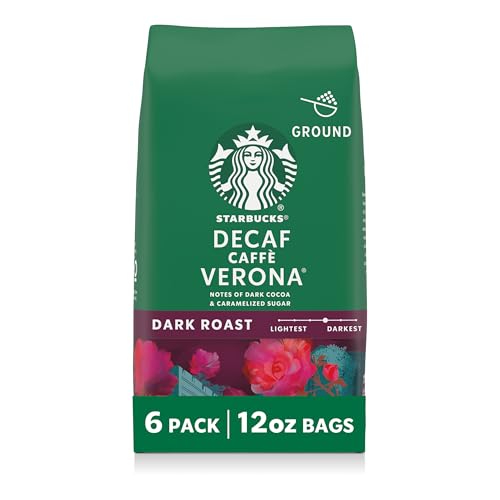
Starbucks Decaf Caffè Verona
Strengths
- Great for iced coffee
- Smooth mouthfeel
- Consistent Starbucks quality
Trade-offs
- Flavor leans generic
- Higher price per ounce
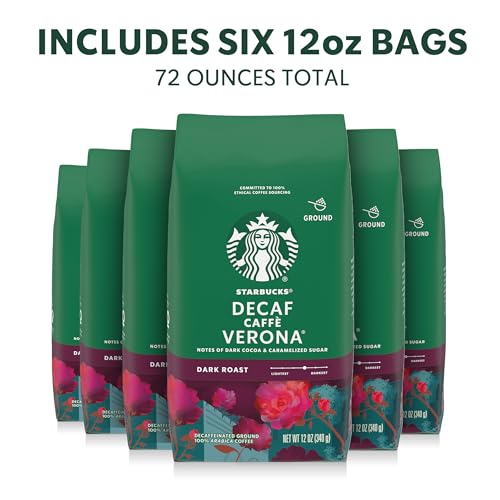
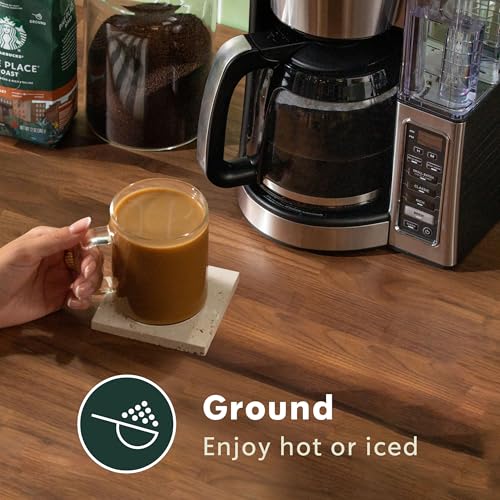
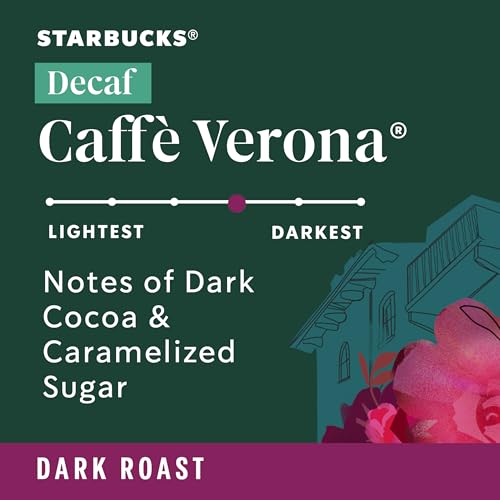
Starbucks Decaf Caffè Verona is built for people who want their decaf to pull double duty, hot in the morning, iced by afternoon. The dark cocoa and caramelized sugar notes hold up well over ice, which is not something every decaf can claim. Reviewers note it lacks some of the brightness of its caffeinated sibling, but the body remains rich and velvety, especially when brewed strong.
It’s not the most adventurous choice, but it’s reliable. Compared to Peet’s or San Francisco Bay, it leans a bit sweeter and less smoky, making it more approachable for casual drinkers. The six-bag pack is ideal for households that go through coffee fast or want to keep decaf on hand without committing to bulk beans.
Product photos
Allegro Organic Decaf French Roast

Strengths
- Dark roast intensity
- Organic certified
- Smoky-sweet profile
Trade-offs
- Limited origin transparency
- Not ideal for bright or fruity preferences
Allegro’s Decaf Organic French Roast stands out in the dark roast decaf space by leaning hard into smoky depth without tipping into bitterness. On paper, it’s a straightforward dark roast, but owners consistently report a surprising sweetness underneath the char, think burnt sugar and dark chocolate rather than ash. That balance is rare in decaf, where flavor often gets flattened during processing.
The fact that it’s USDA Organic and made from specialty-grade beans adds credibility, especially for buyers who prioritize sourcing. Compared to Maud’s or even Peet’s, it’s less about smoothness and more about bold character. If you like your decaf to taste roasted rather than just dark, this one delivers.
Product photos


Our Testing Process
As the founder of Bean Thusiast, I approach coffee selection with a focus on the details that truly impact the final cup. Rather than a hands-on lab test, this was a research-led comparison of published specifications and a careful weighing of owner reviews alongside expert assessments. I looked at a wide range of dark roast decaf coffees, focusing on factors like bean origin, roast level descriptions, and, importantly, the decaffeination method used. My goal was to identify options that deliver a robust flavor profile without sacrificing quality or ethical sourcing.
For dark roast decaf, flavor intensity, and smoothness are paramount. A dark roast should offer bold, chocolatey, or smoky notes, but bitterness is a significant drawback. The decaffeination process also plays a huge role; I heavily weighted coffees utilizing the Swiss Water Process explained as it consistently receives praise for preserving flavor. Finally, sourcing and certifications (like organic or Fair Trade) were key differentiators when several coffees appeared comparable in other areas.
Specifications reliably tell you about bean type (100% Arabica is generally preferred) and roast level. However, nuanced flavor descriptions and genuine smoothness are best gleaned from owner feedback. Reputable coffee review sites helped validate those impressions, highlighting which coffees consistently deliver on their promises. I considered those real-world experiences alongside the marketing claims to arrive at a balanced recommendation.
What To Look For In dark roast decaf coffee
Finding a truly satisfying dark roast decaf can be trickier than you think. Many brands sacrifice flavor in the decaffeination process, leaving you with a dull, lifeless brew.
A quality dark roast decaf starts with 100% Arabica beans, ideally single-origin or from a well-defined region. The decaffeination method is crucial – Swiss Water Process and CO2 methods preserve more flavor than older solvent-based techniques. Look for a recent roast date and consider your preferred brewing method when choosing between whole bean, ground, or single-serve options.
Roast Level & Flavor Profile
Don’t assume “dark roast” means the same thing across brands. Some lean towards a smoky bitterness, while others emphasize chocolatey sweetness. I often recommend starting with coffees described as having notes of dark chocolate, toasted nuts, or caramel, as these tend to balance the inherent boldness of a dark roast. Pay attention to how the coffee is described – “French Roast” typically indicates a very dark, smoky profile, while a “House Blend” dark roast will likely be more approachable. Knowing your personal preference is key; if you usually add milk and sugar, a bolder, more intense roast might stand up better.
Decaffeination Method Matters
The way caffeine is removed profoundly impacts the final taste. While older methods used chemical solvents (methylene chloride or ethyl acetate), many brands now employ the Swiss Water Process or CO2 decaffeination. The Swiss Water Process uses only water, carbon filters, and time to remove caffeine, preserving much of the bean’s original flavor. CO2 decaffeination also avoids harsh chemicals and is considered excellent for maintaining the coffee’s complexity. If you’re curious about the science behind removing caffeine, you can learn more about decaf coffee production methods.
- Cost: Chemical solvent decaffeination is typically the cheapest, and that cost-saving often gets passed on to the consumer.
- Flavor Preservation: Swiss Water Process and CO2 methods are more expensive, but deliver a noticeably cleaner, more flavorful cup.
- Certification: Look for coffees specifically labeled “Swiss Water Process” or “CO2 Decaffeinated” to be sure.
Format & Convenience
Think about how you brew your coffee. Whole bean is always the freshest option, allowing you to grind just before brewing. However, it requires a grinder. Pre-ground coffee is convenient, but begins to lose flavor quickly after grinding. If you mainly use a single-serve machine, pods are the most practical choice. Consider that some brands, like Peet’s, offer the same blend in various formats, so you can enjoy your favorite roast however you prefer. For those seeking a broader range of choices, exploring top decaffeinated coffee picks can be a great starting point.
A fresh bag of whole bean dark roast decaf, properly stored in an airtight container away from light and heat, is always going to deliver the best experience.
Dark Roast Decaf Coffee Compared
Here’s a comparison of key specifications for various dark roast decaf coffee options.
| Product Name | Roast Level | Grind Type | Decaf Process | Organic | K-Cup/Pod |
|---|---|---|---|---|---|
| San Francisco Bay Decaf French Roast | Dark | Ground | Swiss Water | No | No |
| Maud’s Tall Dark & Handsome | Dark | Ground | N/A | No | No |
| Kicking Horse Decaf Dark Roast | Dark | N/A | N/A | Yes | No |
| Peet’s Decaf House Blend Ground | Dark | Ground | Water Processed | No | No |
| Green Mountain Dark Magic Decaf | Dark | N/A | N/A | No | Yes |
| Peet’s Decaf House Blend Pods | Dark | Pod | Water Processed | No | Yes |
| San Francisco Bay Decaf French Roast Whole Bean | Dark | Whole Bean | Swiss Water | No | No |
| Starbucks Decaf Caffè Verona | Dark | Ground | N/A | No | No |
| Allegro Organic Decaf French Roast | Dark | Ground | N/A | Yes | No |
Frequently Asked Questions
What’s the difference between Swiss Water Process and other decaffeination methods?
The Swiss Water Process uses only water, carbon filters, and time to remove caffeine, resulting in a cleaner, more flavorful cup compared to methods that rely on chemical solvents. While solvent-based methods are cheaper, they can leave behind residues affecting the taste.
Is dark roast decaf coffee naturally more bitter?
Dark roast decaf can be more bitter, but it doesn’t have to be. Look for coffees specifically described as having chocolatey or caramel notes, as these can balance the inherent boldness of a dark roast and minimize harshness.
Can decaffeination really remove all the caffeine?
No, decaffeination doesn’t remove all the caffeine; it reduces it to about 3% of its original amount. This small amount is similar to what’s naturally found in many herbal teas, and generally doesn’t impact most people’s sensitivity.
Do decaf coffee beans lose flavor over time faster than regular coffee?
Yes, decaffeinated beans tend to lose flavor slightly faster once roasted because caffeine naturally contributes to a coffee’s aroma and shelf life. Buying whole bean and grinding just before brewing can help mitigate this, and I recommend checking out best-tasting decaf coffee options with recent roast dates.
Are there ethical sourcing certifications I should look for?
Absolutely. Certifications like Fair Trade and Organic guarantee the coffee was grown and processed under specific ethical and environmental standards. These certifications support farmers and promote sustainable practices, ensuring a more responsible purchase.
The Bottom Line
Choosing a dark roast decaf often comes down to balancing boldness with smoothness, and frankly, price with process. While many options exist, I consistently find that San Francisco Bay Decaf French Roast strikes an excellent balance. It uses the Swiss Water Process, delivers a reliably dark and chocolatey flavor, and remains accessible in price.
For those prioritizing specific needs, there are other strong contenders. If you prefer the convenience of single-serve, Peet’s Decaf House Blend Pods offer a quality cup without sacrificing ease of use. And for those seeking a certified organic option, Kicking Horse Decaf Dark Roast is a standout – though details on their decaffeination process are less readily available. If you have a sensitive stomach, exploring smooth decaf coffee can help you find an even gentler brew.
Ultimately, the “best” dark roast decaf isn’t about a single perfect bean or a specific certification. It’s about finding a coffee that suits your palate and brewing style. Prioritize the decaffeination method (Swiss Water or CO2 are preferable), look for a recent roast date, and don’t be afraid to experiment until you discover your ideal morning cup.
