
8 Best Coffee Machines for Cappuccino 2026
The Gevi 20 Bar Stainless Steel Espresso Machine is our top pick for cappuccino lovers who want strong performance and temperature control at a reasonable price. For those on a tighter budget, the XIXUBX 3.5 Bar Compact Coffee Machine delivers basic functionality in a small footprint. If you value hands-free frothing and integrated grinding, the Ninja Luxe Café Premier Espresso Machine stands out as the most versatile option.
Most people shopping for a coffee machine for cappuccino are looking to recreate that rich, velvety café experience at home, but too often end up with weak espresso or bubbly, uneven foam. The real challenge isn’t just finding a machine that makes espresso, but one that consistently pulls balanced shots and steams milk to true microfoam.
As the founder of Bean Thusiast, I’ve spent years studying brewing methods and equipment, and this guide reflects what matters most based on specs, owner experiences, and expert analysis. We focused on steam power, pressure stability, and real-world usability to highlight machines that actually deliver on the promise of a great cappuccino.
Top 8 Coffee Machine For Cappuccino in the Market
The Best Coffee Machine For Cappuccino, Reviewed
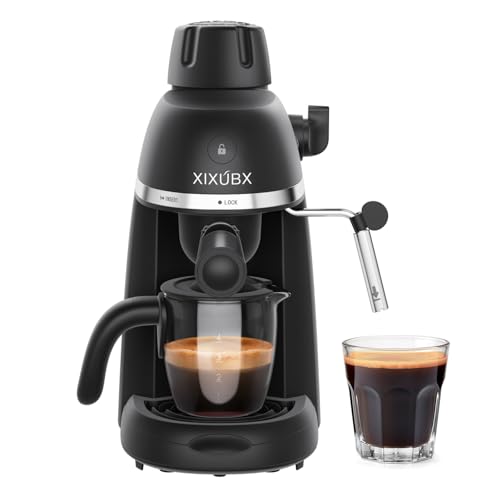
XIXUBX 3.5 Bar Compact Coffee Machine
Strengths
- Simple one-knob control
- Compact and portable
- Cool-touch steam wand
- BPA-free cups
- Quick heat-up
Trade-offs
- Low pressure for true espresso
- No crema like 20-bar machines
- Limited customization
At just 3.5 bars, this isn’t a traditional espresso machine, but don’t dismiss it. It’s designed for smooth, low-pressure extraction that reduces bitterness, making it a standout for drinkers who find espresso too intense. The 800W steam wand punches above its class, producing surprisingly good microfoam for cappuccinos and lattes. The one-knob operation is refreshingly simple: brew, steam, off, no screens, no apps.
Owners love its portability and reliability. It’s a favorite in dorms, RVs, and small apartments. While it won’t replicate café espresso, it delivers a rich, balanced coffee experience with minimal effort. The included Tritan cups are a nice touch, lightweight, durable, and safe.
Video review
Gevi 20 Bar Stainless Steel Espresso Machine

Strengths
- Durable stainless steel build
- Reliable steam wand
- Pre-infusion feature
- Hot water function
- Easy maintenance
Trade-offs
- No built-in grinder
- Basic controls
- No automatic frothing
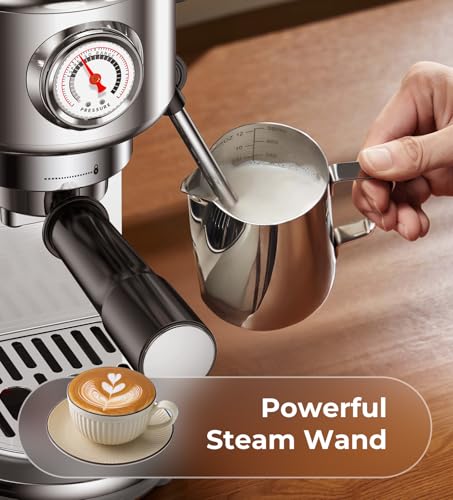
Gevi builds this machine like it’s meant to last: full stainless steel housing, NTC temperature control, and a pre-infusion feature that helps extract nuanced flavors. The 20-bar pump and pressure gauge give you feedback for tuning shots, and the steam wand delivers consistent, dry steam, ideal for building microfoam. It’s not flashy, but it’s solid.
Owners consistently praise its durability and ease of cleaning, especially the removable froth nozzle. The hot water function is a small but useful perk for Americanos or tea. While it lacks a grinder or automation, it’s a no-nonsense workhorse that performs reliably day after day.
Video review
CASABREWS 20 Bar Compact Espresso Machine

Strengths
- Affordable price
- Visible pressure gauge
- Decent steam wand
- Compact design
- Good included accessories
Trade-offs
- Single boiler limits multitasking
- Requires cool-down between tasks
- Plastic parts feel lower grade
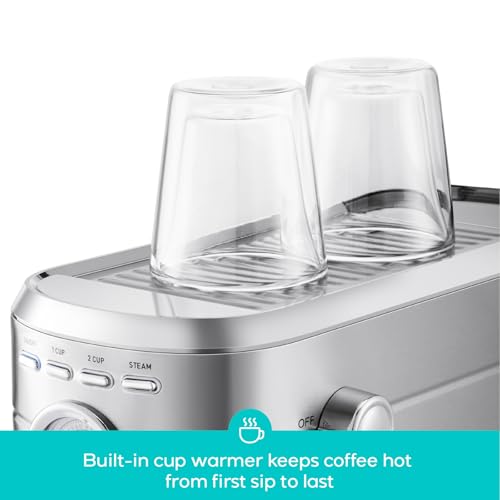
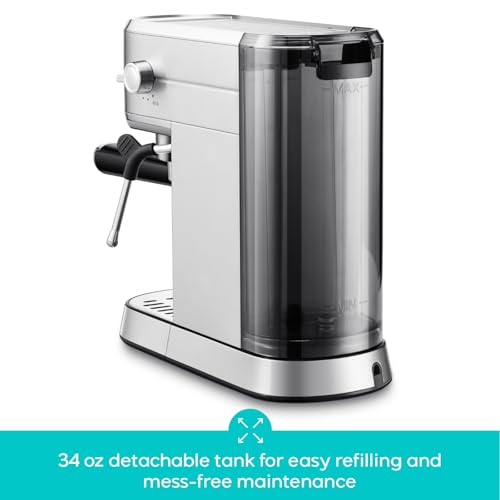
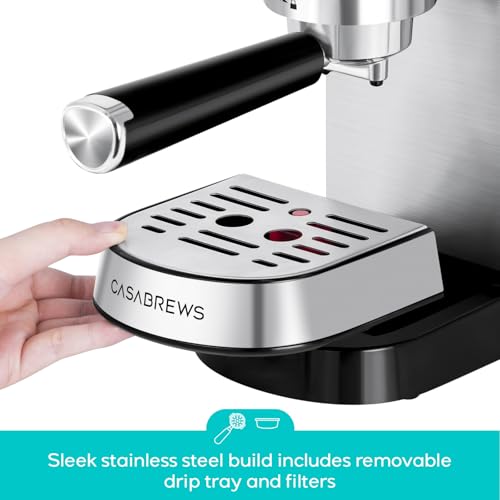
The CASABREWS CM5418 is a budget-friendly entry point into 20-bar espresso with a functional steam wand and solid build. It’s not flashy, but it delivers where it counts: consistent pressure, a visible pressure gauge, and stainless steel construction that feels sturdier than its price suggests. For under $200, it punches above its weight in core performance.
That said, the thermal system isn’t as stable as dual-boiler models. Owners report needing to wait between brewing and frothing to avoid overheating, no surprise, but worth noting. The included tamper and filters are basic but usable. If you’re new to espresso and want to learn the ropes without overspending, this is a smart starting point.
Product photos


Ninja Luxe Café Premier Espresso Machine
Strengths
- Hands-free milk frothing
- Built-in conical grinder
- Weight-based dosing
- Multiple brew styles
- Assisted tamper
Trade-offs
- Large footprint
- Complex interface
- Grinder can be noisy
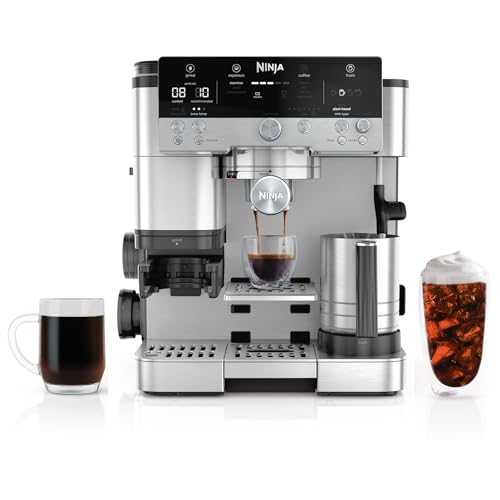
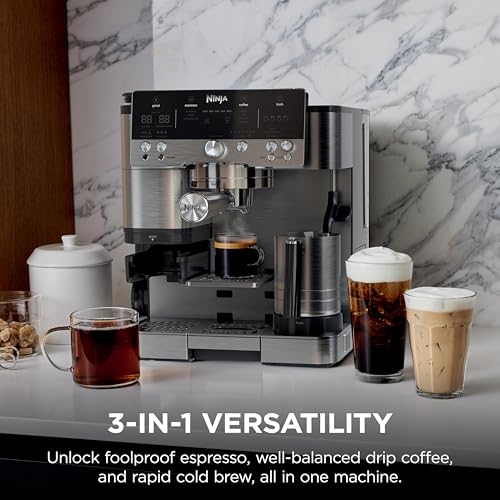
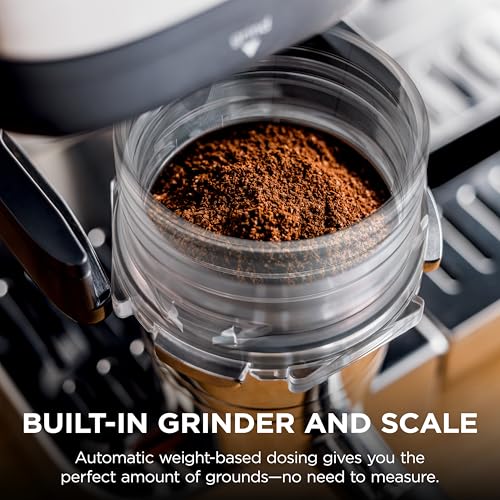
The Ninja ES601 isn’t just an espresso machine, it’s a coffee command center. With drip, cold brew, and espresso in one unit, plus a built-in conical grinder and weight-based dosing, it’s built for variety. The hands-free Dual Froth System is a standout: select thick froth, thin froth, or cold foam, and it delivers without manual effort. For cappuccino lovers who hate steaming milk, this removes the biggest friction point.
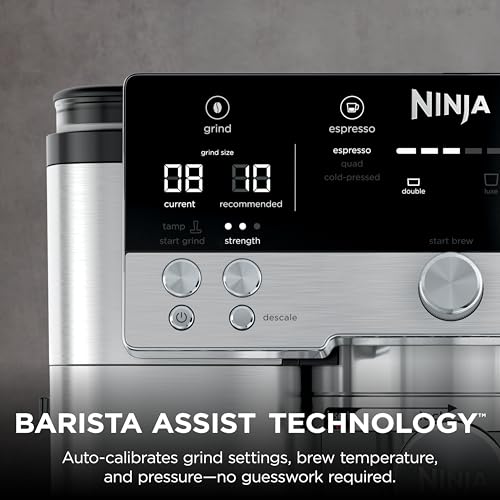
Barista Assist Tech adjusts grind size and brew parameters based on your drink, which reviewers say results in surprisingly balanced shots. The assisted tamper is a clever touch, ensures even puck prep without guesswork. It’s bulkier than most, but if you want one machine to do everything, the trade-off makes sense.
Product photos


atatix 20 Bar Espresso Machine
Strengths
- Manual extraction option
- Precise temperature control
- Strong steam wand
- Compact footprint
- Stable base
Trade-offs
- Smaller water tank
- No built-in grinder
- Learning curve for beginners
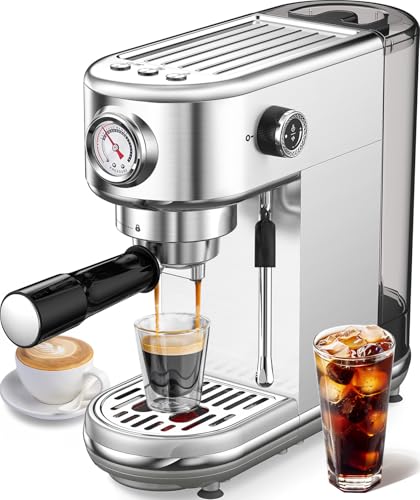
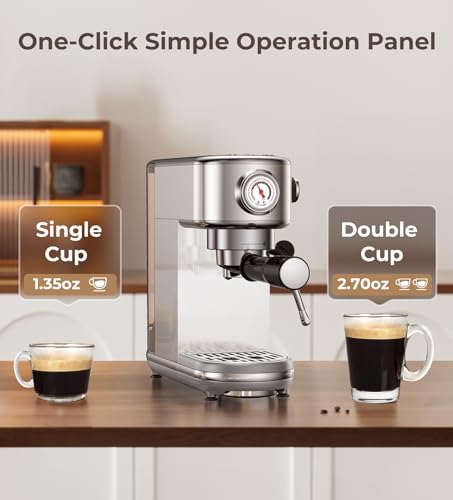
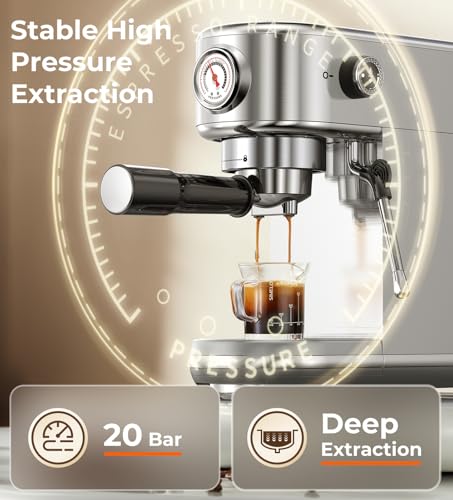
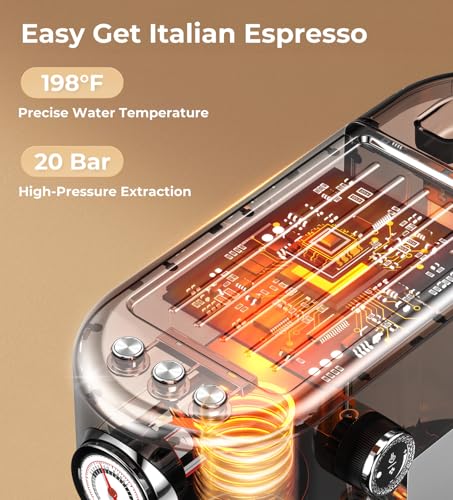
If you want to feel like you’re actually pulling shots, not just pressing buttons, this atatix model stands out with its manual extraction mode and NTC temperature control. The 20-bar system maintains stable pressure, and the temp lock between 90–96°C is a serious upgrade for flavor clarity, especially with lighter roasts. Owners praise its ability to reveal nuanced notes in single-origin beans, which is rare at this level.
The steam wand is another highlight: dry, focused steam means you can build velvety microfoam with practice. It’s not automatic, but that’s the point, this machine respects the craft. The compact size and silicone suction feet keep it stable and space-efficient, though the water tank is smaller than some competitors.
Product photos

Philips 3300 Fully Automatic Espresso Machine
Strengths
- One-touch cappuccino
- LatteGo milk system
- SilentBrew technology
- AquaClean filter
- Simple maintenance
Trade-offs
- Lower 15-bar pressure
- Limited manual control
- Plastic housing feels less premium
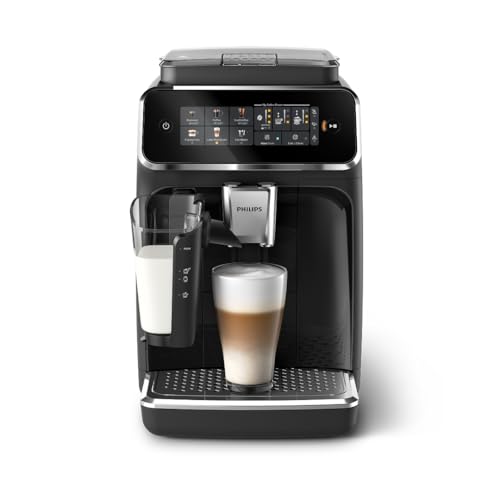
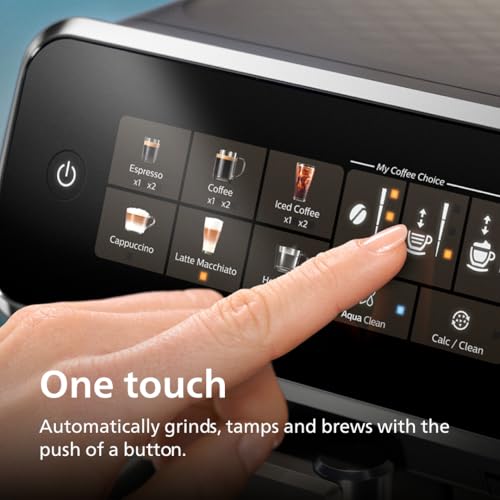
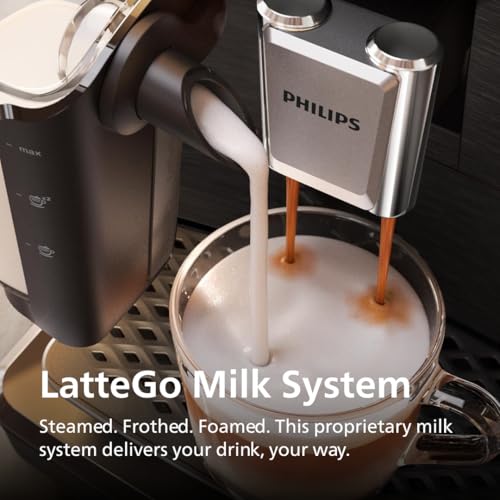
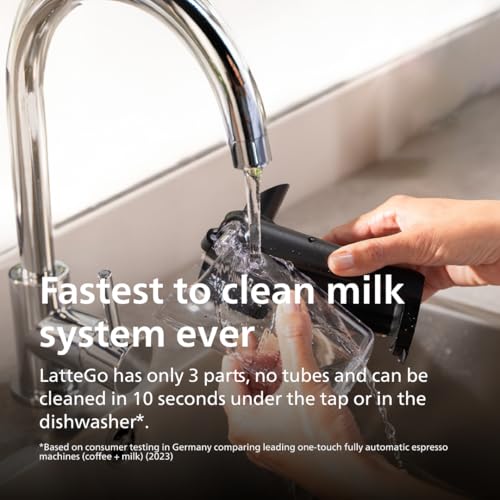
The Philips EP3341/50 is the definition of one-touch ease. With six presets, including cappuccino, latte macchiato, and iced coffee, it’s built for households where everyone drinks differently. The LatteGo milk system is a standout: three parts, no tubes, and it rinses clean in 10 seconds. Owners rave about how easy it is to maintain compared to other super-automatics.
The 15-bar pressure is slightly below the 20-bar norm, but paired with the integrated grinder and automatic tamping, it still pulls balanced shots. The SilentBrew tech makes it one of the quieter models out there. If you want café-quality cappuccino without the cleanup, this is as close to plug-and-play as it gets.
Product photos


AIRMSEN 20 Bar Dual Boiler Espresso Machine

Strengths
- Touchscreen interface
- Dual boiler system
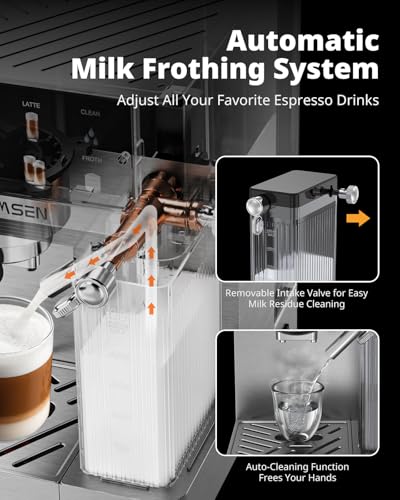
- Automatic milk frother
- Stainless steel design
- Quick heat-up time
Trade-offs
- Foam lacks barista-level density
- Screen may attract fingerprints
- Higher learning curve for cleaning
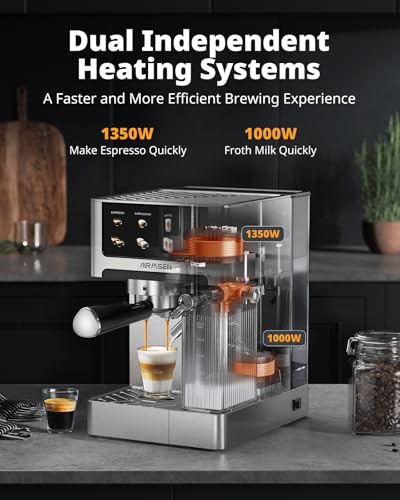
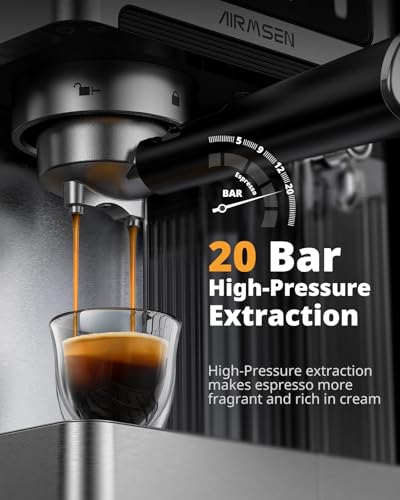
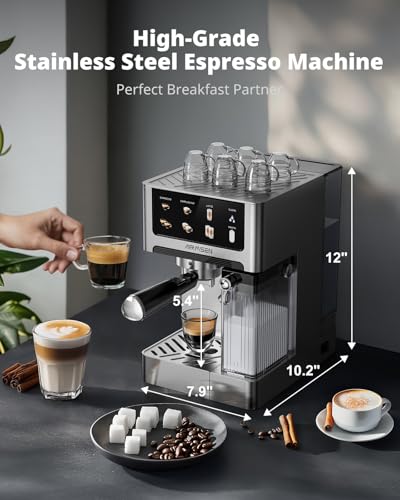
This machine leans hard into convenience with its full touchscreen and automatic milk frother, ideal for buyers who want cappuccino at the tap of a screen. On paper, the dual boiler setup (1350W + 1000W) should deliver quick, stable extraction and frothing without lag, a rare perk in this price tier. The 20-bar pump and pre-infusion tech suggest solid flavor extraction, and owners consistently report a noticeable crema and rich aroma, especially with medium to dark roasts.
Still, fully automatic milk systems like this can sacrifice texture control. Reviewers note the foam is consistent but not always dense enough for latte art, fine for daily cappuccinos, less so for espresso purists. Compared to manual steam wands, it’s more about speed than craft. The stainless steel build and compact size make it a sleek fit for small kitchens.
Product photos
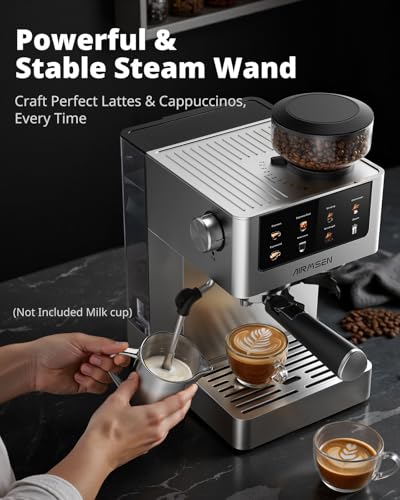
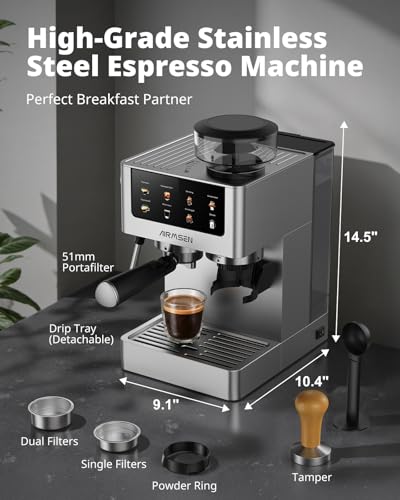
AIRMSEN Espresso Machine with Burr Grinder

Strengths
- Integrated conical burr grinder
- Fresh bean grinding
- Manual steam wand
- Stainless steel body
- Easy-to-clean grinder
Trade-offs
- Taller footprint
- Touchscreen less durable than dials
- Grinder noise can be noticeable
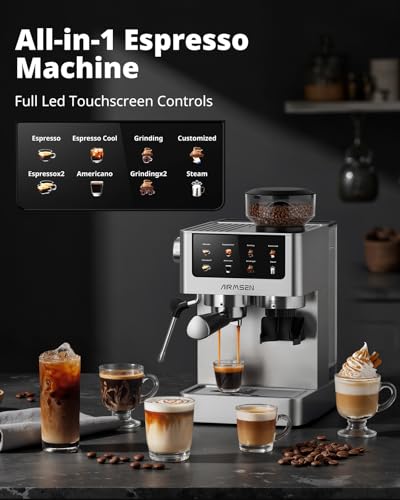
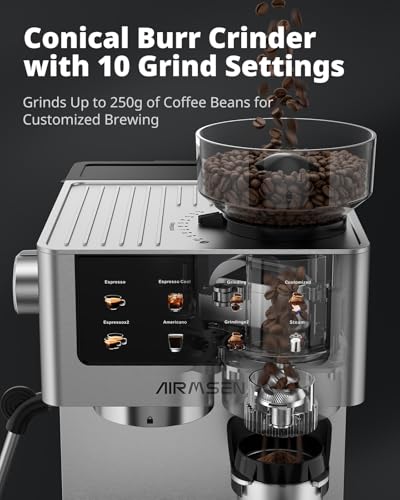
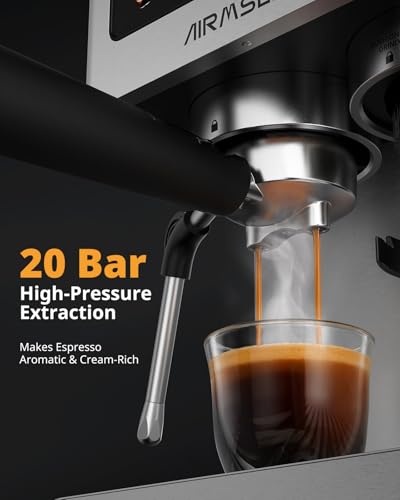
This AIRMSEN model bridges the gap between convenience and freshness with a built-in conical burr grinder and 10 grind settings. Freshly ground beans make a real difference in flavor, and the 3Cr13 stainless steel burrs are built to last, owners report minimal static and no clogging. The grinder’s tool-free removal is a thoughtful touch for cleaning.
Pair that with the 20-bar pump, pre-infusion, and manual steam wand, and you’ve got a machine that supports real technique. The touchscreen controls streamline the process, though some users find it less tactile than dials. If you want to skip pre-ground coffee but still keep things simple, this is a strong contender.
Product photos
How We Chose These coffee machine for cappuccino
I approached evaluating coffee machines for cappuccino by focusing on a research-led comparison of published specifications and owner feedback. Rather than a hands-on lab test, we compiled data from manufacturer details, expert reviews from sites specializing in coffee equipment, and a significant volume of customer reviews across major retail platforms. This allowed us to build a ranked list based on features most important to achieving excellent cappuccino results.
For this category, steam wand performance and consistent pressure were weighted most heavily. A powerful steam wand is crucial for creating the microfoam texture essential for a good cappuccino, and the ability to consistently deliver around 9 bars of pressure is vital for proper espresso extraction – the foundation of the drink. Beyond that, ease of use and build quality also played a significant role in our rankings. Understanding the nuances of cappuccino composition is key to appreciating these features.
Specifications reliably indicate a machine’s potential – pump pressure, boiler type, and wattage all offer clues. However, we found owner feedback to be invaluable in assessing real-world performance, particularly regarding steam wand power and long-term durability. Reputable expert reviews helped validate these owner experiences and provided insights into the quality of construction and the subtleties of flavor extraction. Considering the differences in espresso drink comparisons helped us evaluate how well each machine delivers on the specific needs of a cappuccino.
How To Choose The coffee machine for cappuccino
Finding the right machine to consistently deliver café-quality cappuccinos at home requires more than just looking at price. It’s about understanding the core components that contribute to both a great espresso pull and beautifully textured milk.
A truly excellent coffee machine for cappuccino balances pressure for proper extraction, temperature stability, and a reliable steam wand. Prioritize machines with at least 15 bars of pressure, a consistent heating element, and a steam wand capable of producing microfoam – the key to latte art and a velvety mouthfeel. Consider the convenience factors like ease of cleaning and water tank capacity, but don’t sacrifice core performance for them.
Pressure and Extraction Quality
The heart of any cappuccino is the espresso, and consistent extraction is paramount. Forget chasing the highest possible bar number; 15-20 bars is the sweet spot for home machines. More important than the peak pressure is stability during the 9-bar extraction phase. Machines like the Gevi 20 Bar Stainless Steel Espresso Machine boast a 20-bar pump, but also highlight NTC temperature control which is vital. A fluctuating temperature will lead to sour or bitter shots. Look for machines with pre-infusion features – these gently wet the grounds before full pressure is applied, allowing for a more even saturation and a richer flavor.
Milk Frothing Capabilities
A cappuccino is equal parts espresso and textured milk. A powerful steam wand is absolutely essential. Many entry-level machines have wands that produce large, bubbly foam – fine for a quick latte but not ideal for a classic cappuccino. The Ninja Luxe Café Premier Espresso Machine stands out with its hands-free frothing system, which takes the guesswork out of creating consistent microfoam. Here’s what to consider:
- Wand Angle: A wand that swivels allows you to position it optimally for creating a vortex in the milk.
- Steam Power: More wattage generally translates to faster and more powerful steam.
- Purge Function: A purge valve lets you quickly clear the wand of any condensed milk, keeping it hygienic.
Convenience and Usability
Let’s be realistic: a complicated machine you won’t use is a waste of money. Consider your lifestyle and how often you’ll actually be making cappuccinos. The XIXUBX 3.5 Bar Compact Coffee Machine offers a simple, one-knob operation. However, don’t let simplicity completely dictate your choice. If you’re serious about coffee, exploring more manual control – like you find in the atatix 20 Bar Dual Boiler Espresso Machine – can unlock a world of flavor customization.
A good rule of thumb is to prioritize a machine you’ll enjoy using, even if it means a slightly steeper learning curve.
If you’re still unsure about the best setup, reading cappuccino coffee machine reviews can offer valuable insights. And once you’ve settled on a machine, especially one like a Breville, understanding Breville machine operation is key to maximizing its potential.
Coffee Machine for Cappuccino Compared
Here’s a comparison of key specifications for various coffee machines designed for making cappuccinos.
| Product Name | Pressure (Bar) | Boiler Type | Milk Frothing | Grinder | Water Tank (oz) | Special Features |
|---|---|---|---|---|---|---|
| XIXUBX 3.5 Bar Compact | 3.5 | Single | Steam Wand | N/A | N/A | Compact, One-Knob Operation |
| Gevi 20 Bar Stainless Steel | 20 | Single | Steam Wand | N/A | N/A | Hot Water Function |
| CASABREWS 20 Bar Compact | 20 | Single | Steam Wand | N/A | 34 | Pressure Gauge |
| Ninja Luxe Café Premier | N/A | Dual | Hands-Free | Built-in | N/A | 3-in-1, Weight-Based Dosing |
| atatix 20 Bar Dual Boiler | 20 | Dual | Auto/Manual | N/A | 61 | Touchscreen Control |
| Philips 3300 Fully Automatic | N/A | Single | LatteGo | Built-in | N/A | One-Touch, 6 Presets |
| AIRMSEN 20 Bar Dual Boiler | 20 | Dual | Steam Wand | N/A | 61 | 3-in-1, Compact |
| AIRMSEN Espresso w/ Burr Grinder | 20 | Single | Steam Wand | Built-in | N/A | 10 Grind Settings |
Frequently Asked Questions
What pressure is truly needed for good cappuccino espresso?
Around 9 bars of consistent pressure is the real target; while many machines advertise 15-20 bars, stability at 9 bars during extraction is more important for avoiding bitter shots. Higher pressure doesn’t automatically mean better espresso.
Are fully automatic coffee machines suitable for cappuccinos?
Yes, fully automatic coffee machines, like some of the best automatic coffee machines, can make excellent cappuccinos, but often prioritize convenience over ultimate control. They’re a good option if you want one-touch operation and don’t mind potentially less customization.
What’s the advantage of a dual boiler system in a cappuccino machine?
A dual boiler system allows for simultaneous brewing of espresso and steaming of milk, which speeds up the cappuccino-making process and maintains temperature stability for both functions. This is particularly useful if you make multiple cappuccinos in a row.
How important is the steam wand angle?
The angle is quite important. A swiveling steam wand allows you to position it correctly for creating a vortex in the milk, which is essential for achieving the microfoam texture needed for a high-quality cappuccino. Without it, it’s harder to get that velvety texture.
What should I do if my machine doesn’t produce microfoam?
Check the steam wand’s power first. If that seems adequate, ensure you’re using cold milk (whole milk generally works best) and properly aerating it by initially introducing air then creating a swirling vortex to incorporate it. If problems persist, consider exploring top automatic coffee makers with automatic frothing features.
The Bottom Line
Choosing a coffee machine for cappuccino often comes down to how much control you want versus how much convenience you’re willing to sacrifice. While many machines can make a cappuccino, the Ninja Luxe Café Premier Espresso Machine stands out as the best overall pick. It delivers consistently excellent results with its hands-free frothing and versatile brewing options, balancing ease of use with quality.
For those on a tighter budget, the XIXUBX 3.5 Bar Compact is a surprisingly capable entry point. If you prioritize having a built-in grinder and a more hands-on experience, the AIRMSEN Espresso w/ Burr Grinder offers excellent value. And for those wanting an all-in-one experience with programmable settings, the Philips 3300 Fully Automatic is a strong contender.
Ultimately, remember that the machine is just a tool. Mastering the espresso extraction process and understanding the importance of fresh, quality beans will have a far greater impact on your cappuccino than any single specification or feature set. Don’t get lost in the details; focus on the fundamentals, and enjoy the process of discovering your perfect cup.
