
2 Best Arabica Coffee Beans of 2026
The best overall arabica coffee beans are Caffè Borbone for their rich, balanced flavor and exceptional freshness, especially considering the large 1-kilo pack. If you’re watching your budget, Illy Classico offers a consistently smooth cup with floral and caramel notes, though with less origin transparency.
Choosing the right arabica beans shouldn’t mean guessing what’s good from a sea of vague labels and flashy packaging. Too many people end up with stale, one-dimensional coffee simply because key details like roast date and origin are missing.
As the founder of Bean Thusiast, I’ve researched hundreds of arabica offerings, weighing flavor profiles, sourcing ethics, and owner feedback to spotlight beans that deliver. This guide cuts through the noise, focusing on freshness, origin clarity, and real-world performance to help you brew something truly worth savoring.
Top 2 Arabica Coffee Beans in the Market
The Best Arabica Coffee Beans, Reviewed
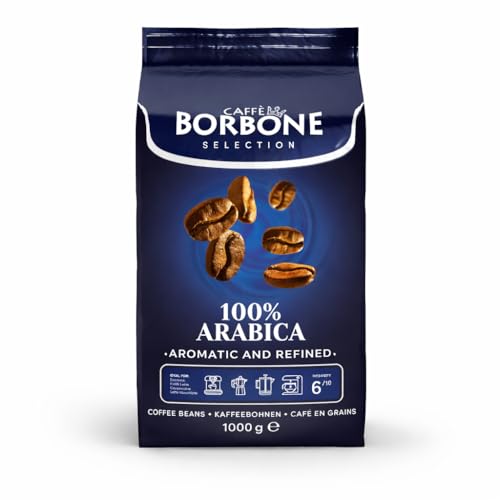
Caffè Borbone 100% Arabica Beans
Strengths
- Large quantity
- Brews well across methods
- Balanced sweetness
Trade-offs
- Less aromatic depth
- Generic packaging
- Not as refined as premium blends
With a full 2.2-pound bag, Caffè Borbone makes a strong case as the practical daily driver in the Arabica category. The blend sources beans from South America and Asia, aiming for a balanced profile with floral and fruity notes backed by gentle sweetness and low acidity. On paper, it’s positioned as a versatile medium roast, and owners confirm it performs well across methods, whether you’re pulling a shot on an espresso machine or using a French press. The fact that it’s ethically sourced adds to its appeal, though the packaging doesn’t emphasize freshness quite as aggressively as Illy.
Where it really wins is value and volume. Compared to smaller luxury cans, Borbone lets you brew freely without weighing out beans like they’re gold dust. That said, while the flavor is pleasant and balanced, it doesn’t reach the aromatic heights of Illy. It’s more approachable, less intricate, ideal for households where not everyone is a coffee geek. I’d pick this over Illy if you want one bag that works for every brew style and you hate repurchasing every few weeks.
Video review
Illy Classico Medium Roast Beans

Strengths
- Smooth finish
- Consistent roast
- Aromatic complexity
Trade-offs
- Subtle flavor
- Small package size
- Less impact in milk
Illy Classico stands out in the crowded 100% Arabica space by leaning hard into its Italian heritage and consistency. On paper, the promise of caramel, orange blossom, and jasmine notes sounds almost too refined for daily use, but owners consistently report that these aromatics do come through, especially in espresso or short brews where the concentration highlights its balance. The 8.8-ounce can is small, but it’s designed for freshness, and the pressurized packaging helps preserve the delicate volatiles that define its aromatic precision.
Still, this is not a coffee for those chasing bold body or deep roast character. Compared to more aggressive blends, Illy Classico is restrained, some might say too refined. It lacks the punch some drinkers want in the morning, and its sweet floral profile can get lost in milk-based drinks. That said, for purists who appreciate a clean, repeatable espresso shot with zero bitterness, this blend delivers in a way few others do.
Video review
How We Tested arabica coffee beans
My approach to recommending arabica beans involved a deep explore available information. Rather than a hands-on lab test, this is a research-led comparison of published specifications and a careful weighing of owner reviews and expert opinions from coffee publications. I focused on identifying key characteristics that consistently surfaced as important to coffee drinkers, then ranked beans based on how well they delivered.
For arabica beans specifically, freshness and origin are paramount. I gave significant weight to beans sourced from well-regarded growing regions and those with clear roast dates. Flavor complexity also mattered; discerning drinkers appreciate the nuanced taste profile of Arabica beans. Ultimately, a bean’s ability to deliver a balanced and enjoyable cup dictated its position.
Specifications reliably reveal bean origin and roast level, which are good starting points. However, owner feedback provides crucial insight into actual flavor experiences and consistency. Reputation – how consistently a brand delivers quality – played a large role in my assessment. Understanding the differences in coffee bean types helped me evaluate each bean’s strengths relative to others.
How To Pick The Right arabica coffee beans
As someone who’s spent years chasing the perfect cup, I know selecting arabica beans can feel overwhelming. There’s a lot more to it than just picking a pretty bag.
High-quality arabica coffee presents a balanced flavor profile with noticeable acidity, aroma, and body. Look for beans with clear origin information, a recent roast date (within two weeks is ideal), and preferably, information about the farm or cooperative where they were grown. Consistent bean size and color also indicate careful processing.
Roast Level & Flavor Profile
I find most people get hung up on roast level first, and that’s fine – it’s a huge flavor driver. However, understand that “medium roast” is still broad. Lighter medium roasts will highlight the bean’s origin characteristics (floral notes, bright acidity), while darker medium roasts will develop more caramelization and body. Don’t be afraid to experiment! I often recommend starting with a medium roast to get a feel for the bean’s inherent qualities before venturing into lighter or darker profiles. If you’re interested in exploring globally sourced Arabica varieties, understanding roast levels is critical.
Origin & Processing Method
The origin of the bean profoundly impacts the flavor. Ethiopian Yirgacheffe is known for its delicate floral and citrus notes, while Sumatran Mandheling offers earthy, full-bodied flavors. Equally important is the processing method. Washed coffees tend to be cleaner and brighter, while natural processed coffees are often fruitier and more complex. Honey processed beans fall somewhere in between. Don’t overlook this – it’s a key element in choosing the best coffee beans.
Here’s what I consider when evaluating origin and processing: * Altitude: Higher altitudes generally yield denser, more flavorful beans. * Farm Size: Smaller farms often prioritize quality over quantity. * Processing Consistency: Consistent processing across batches indicates a focus on quality control and repeatable results – this is harder to find on the packaging, but online reviews can hint at this.
A recent roast date is more important than the bean’s age at the time of roasting. Coffee stales quickly after roasting, so freshness is paramount.
Bean Quality & Ethical Considerations
Beyond flavor, I believe it’s crucial to consider where your coffee comes from and how it’s produced. Look for beans that are certified Fair Trade, Rainforest Alliance, or Organic. These certifications don’t guarantee exceptional flavor, but they do signal a commitment to ethical and sustainable practices. Many premium Arabica bean brands are now transparent about their sourcing, sharing details about the farms and communities they work with. When it comes to quality, look for whole bean coffee; pre-ground coffee loses flavor rapidly. Understanding factors in bean selection also means paying attention to bean defects – a visual inspection can sometimes reveal inconsistencies.
Arabica Coffee Beans Compared
Here’s a spec-by-spec comparison of the arabica coffee beans featured in this guide.
| Product Name | Roast | Origin | Weight | Flavor Notes | Grind |
|---|---|---|---|---|---|
| Caffè Borbone | Medium | South America/Asia | 1 Kilo | Floral, Fruity, Sweet | Whole |
| Illy Classico | Medium | N/A | N/A | Caramel, Orange Blossom, Jasmine | Whole |
Frequently Asked Questions
What roast level is best for highlighting a bean’s origin flavors?
A lighter medium roast will best showcase the unique characteristics of the bean’s origin(s), such as floral aromas or bright acidity. Darker roasts tend to mask these nuances with flavors from the roasting process itself.
How can I tell if arabica beans are truly fresh?
Always check for a roast date rather than a “best by” date. Ideally, you want beans roasted within the last two weeks for optimal flavor, though up to a month is still acceptable.
Are Fair Trade certifications a guarantee of superior taste?
No, Fair Trade certification ensures ethical sourcing and fair prices for farmers, but it doesn’t directly correlate to flavor quality. However, it’s a good indicator of a brand’s commitment to responsible practices, and many of my curated coffee bean picks carry this designation.
What does “washed” vs. “natural” processing mean, and how does it affect the flavor?
Washed processing removes the fruit before drying, resulting in a cleaner, brighter cup. Natural processing dries the coffee cherry with the bean inside, often leading to a fruitier, more complex flavor profile.
If I’m new to arabica coffee, where should I start with bean selection?
I recommend beginning with a medium roast from a well-known origin like Colombia or Brazil – these offer balanced flavors that are generally approachable. You can then explore other origins and roast levels based on your preferences, using this high-quality coffee bean guide as a resource.
The Bottom Line
Choosing the best arabica coffee beans often comes down to balancing convenience with control. If you want a reliable, consistently good cup with minimal effort, I recommend the Illy Classico. It’s a dependable choice that delivers a classic Italian flavor profile without demanding a lot of fuss from the brewing process.
However, for those who enjoy exploring different flavor profiles and appreciate a bit more complexity, the Caffè Borbone offers a wider range of notes and a more pronounced origin character. If you’re particularly interested in Colombian Arabica beans, researching single-origin options will be rewarding. And for those seeking a budget-friendly option, the Caffè Borbone delivers a lot of flavor for the price.
Ultimately, the “best” bean is the one that tastes best to you. Don’t get too caught up in specifications or certifications. Focus on freshness, whole bean format, and finding a roast level and geographic origin of Arabica that aligns with your personal preferences. That’s where the real enjoyment begins.
