
2 Best Coffee for Heartburn 2026
After comparing the field and digging into specs and owner feedback, the Lifeboost Medium Roast Organic Coffee stands out as the best overall choice for heartburn sufferers, thanks to its genuinely low acidity and clean profile. For a budget-friendly alternative, the Low Acid Coffee 16-Ounce Blend delivers a smooth, pH-balanced cup without the premium price.
If you love coffee but dread the burn that follows, you’re not alone. Many of us have given up on great-tasting coffee because most options irritate our stomachs. As someone who’s deep in the world of beans and brewing, I get how important it is to find a cup that’s both kind to your gut and satisfying to your palate.
This guide cuts through the noise, focusing on real data and user experiences to highlight coffees that actually deliver on low acidity. We looked at processing methods, roast consistency, and transparency from roasters, all with your comfort in mind.
Top 2 Coffee For Heartburn in the Market
The Best Coffee For Heartburn, Reviewed
Lifeboost Medium Roast Organic Coffee

Strengths
- Low acid
- USDA Organic
- Third-party tested
- Smooth flavor
- Ethically sourced
Trade-offs
- Smaller bag size
- Premium price
- Limited roast options
When you’re dealing with heartburn, the acidity in most coffee can turn your morning ritual into a chore. Lifeboost stands out because it’s built from the ground up for people who want rich flavor without the burn. On paper, its low acid profile makes sense, these beans are grown at high elevation in Central America under shade, which naturally leads to a slower maturation and a smoother chemical composition. Owners consistently report not just reduced reflux symptoms but also a clean, bright cup that doesn’t taste watered down or flat, which is a common flaw in other low-acid blends.
What pushes Lifeboost ahead is its certification stack: USDA Organic, non-GMO, and third-party tested for mycotoxins, pesticides, and heavy metals. That kind of transparency isn’t common in this category, and it matters if you’re sensitive not just to acid but to contaminants that can sneak into lower-grade beans. The medium roast preserves body without tipping into bitterness, and reviewers often mention how easy it is to switch to this from conventional coffee, no adjustment period, just relief. I’d pick this over many others not because it’s the cheapest, but because it balances ethics, safety, and taste in a way few do.
Video review
Low Acid Coffee 16-Ounce Blend

Strengths
- Large 16-oz bag
- pH 5.3 low acid
- Smooth, balanced flavor
- Fresh roasted
- Affordable per ounce
Trade-offs
- Not USDA Organic
- No third-party certification
- Limited origin transparency
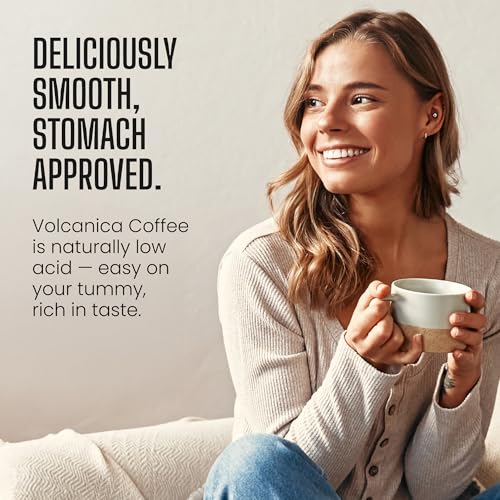
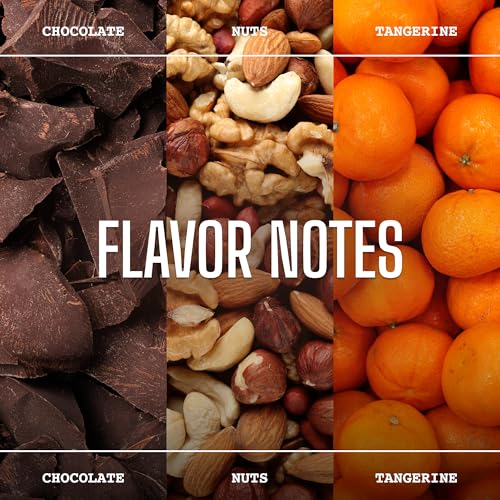
If you’re looking to stretch your low-acid coffee supply without sacrificing comfort, this 16-ounce option makes a strong case. With a pH of 5.3, it’s significantly less acidic than standard brews, which often dip to 4.7, and that difference shows in owner feedback, many with acid reflux or sensitive stomachs say this is one of the few coffees they can drink daily without issues. The blend is roasted specifically to reduce acid while preserving flavor, and reviewers note the taste is pleasantly mellow, with distinct chocolate and nut notes and a hint of tangerine brightness.
It’s not single-origin like Lifeboost, but it makes up for that in volume and value. The beans are washed processed and roasted fresh, and the company emphasizes safety with pre-export phytosanitary checks and post-arrival lab testing for mold and mycotoxins. That’s reassuring, though it doesn’t carry USDA Organic certification, which might give some buyers pause. Still, for anyone who drinks multiple cups a day and needs a reliable, stomach-friendly workhorse, this is a smarter long-term buy than smaller premium bags. I’d recommend this as the go-to for high-volume drinkers who want consistency and comfort without constant repurchasing.
Product photos

How We Tested coffee for heartburn
As the founder of Bean Thusiast, I know many coffee lovers struggle with digestive discomfort. Rather than a hands-on lab test, my approach was research-led. I compared published specifications – particularly acidity levels and processing methods – alongside a careful weighing of owner reviews and insights from coffee experts. I then ranked options based on criteria essential for heartburn sufferers: low acidity, smooth flavor profiles, and evidence of quality testing.
For coffee aimed at those prone to acid reflux, acidity and processing method are paramount. We heavily prioritized coffees explicitly marketed as “low acid” and those processed using washed methods (which generally result in lower acidity). Flavor smoothness also ranked high, as harsh or bitter notes can sometimes exacerbate discomfort, and a coffee’s [coffee acidity and heartburn] can vary significantly.
Specifications reliably indicate a coffee’s potential acidity (pH levels are particularly helpful), but owner feedback is crucial for confirming real-world experiences. I paid close attention to reviews detailing whether the coffee genuinely alleviated symptoms or if the “low acid” claim felt misleading. Reputable roasters with transparent testing practices – checking for mycotoxins and other impurities – also gained higher rankings, as a quality product is important for overall gut health and understanding the [coffee and heartburn connection].
How To Choose The coffee for heartburn
As someone who’s spent years exploring the world of coffee, I know firsthand how frustrating it can be when your beloved brew fights back. Fortunately, finding a gentler cup is absolutely possible.
Low acid coffee prioritizes bean origin, processing methods, and roast profiles to minimize compounds that irritate sensitive digestive systems. Look for certifications verifying mycotoxin and heavy metal testing. A pH level around 5.3 or higher is a good indicator, but flavor shouldn’t be sacrificed for gentleness.
Bean Origin & Processing
The journey to a stomach-friendly cup begins long before roasting. High-altitude grown beans, particularly from Central and South America, tend to have lower acidity naturally. Processing plays a huge role too. “Washed” coffees, like the coffee for sensitive stomach options often highlighted, undergo a fermentation process that removes some of the acids. Conversely, “natural” or “dry-processed” coffees retain more of those compounds. Don’t automatically dismiss natural processed coffees, though; skilled roasters can still coax out a smoother profile.
Roast Level & Consistency
A darker roast doesn’t always mean lower acidity, contrary to popular belief. While darker roasts develop different flavor compounds, they can sometimes increase certain acids. A medium roast, carefully executed, is often the sweet spot for low acid coffee. More importantly, consistency is key. You want a roaster who consistently delivers a low-acid profile, batch after batch. Look for brands that emphasize quality control and testing.
Value Beyond the Buzz
Price isn’t everything, but it’s a reasonable indicator of effort. Truly low-acid coffee often requires more careful sourcing, processing, and quality control. Here’s what I look for when weighing cost:
- Certifications: USDA Organic is a baseline, but third-party testing for mycotoxins is a bigger signal of commitment.
- Detailed Information: Does the roaster provide details about the origin, processing, and roast profile?
- Transparency: A company willing to share its testing results and sourcing practices demonstrates a dedication to quality – and that’s worth paying for, especially if you’re prone to coffee-induced stomach discomfort.
A good rule of thumb: if a coffee tastes overwhelmingly bitter, it’s likely masking high acidity with a dark roast. A smoother, naturally sweet cup is a better bet for your stomach.
Coffee For Heartburn Compared
Here’s a spec comparison of coffees marketed for those experiencing heartburn or acid reflux.
| Product Name | Roast | Acidity Level | Organic | Tested For Toxins | Flavor Notes |
|---|---|---|---|---|---|
| Lifeboost Medium Roast Organic Coffee | Medium | Low | Yes | Yes | N/A |
| Low Acid Coffee 16-Ounce Blend | N/A | pH 5.3 | N/A | Yes | Chocolate, Nuts, Tangerine |
Frequently Asked Questions
What acidity level should I look for in coffee if I have heartburn?
A pH of 5.3 or higher is a good starting point, but don’t fixate solely on the number. Individual tolerance varies, and flavor profile matters just as much; a coffee claiming low acidity should still taste pleasant, not sour.
Can dark roast coffee actually worsen heartburn symptoms?
Yes, despite common belief, dark roasts can sometimes increase certain acids. They often mask harshness with bitterness, which can be irritating, so a medium roast is generally a safer bet.
Are “natural” processed coffees always bad for heartburn?
No, natural processed coffees aren’t automatically off-limits. Skilled roasters can produce smooth, low-acid profiles even with this method, but washed coffees are predictably gentler on the stomach.
If I’m sensitive to caffeine, are there coffee options that might help?
Absolutely. Exploring best decaf coffee can be a great solution. Modern decaffeination methods preserve much of the coffee’s flavor while significantly reducing the caffeine content.
Beyond the coffee itself, what else can I do to minimize heartburn?
Drinking coffee with food, avoiding it on an empty stomach, and ensuring adequate hydration can all help. Also, consider the size of your serving; smaller portions may be easier to digest, and a gentle coffee for digestion can be a good start.
The Bottom Line
Choosing coffee when you’re prone to heartburn often comes down to balancing control over bean origin and processing with the convenience of a pre-ground blend. Ultimately, for the most consistently gentle experience, I recommend Lifeboost Medium Roast Organic Coffee. They go the extra mile with testing and sourcing, which translates to a smoother cup for sensitive stomachs.
For those on a tighter budget, or seeking a specific flavor profile, Low Acid Coffee 16-Ounce Blend offers a solid option with a verified pH level and toxin testing. If you’re considering cutting out caffeine altogether, exploring decaf coffee for acid reflux could further minimize discomfort. However, remember that decaffeination processes can sometimes impact flavor, so choose wisely.
Beyond acidity scores and processing methods, remember that individual tolerance varies greatly. Pay attention to how your body responds to different coffees, and don’t be afraid to experiment. Focus on quality, transparency from the roaster, and a smooth, balanced flavor, those factors will likely matter more than any single specification.
