
8 Best Coffees for GERD 2026
The best coffee for GERD is Puroast Organic House Blend, a consistently well-reviewed choice with 70% less acidity and a smooth, medium roast profile. For those on a budget, Lifeboost Low Acid offers clean, organic beans grown specifically for gentleness. If versatility matters most, COpHEE Original Blend uses electrolyte-infused neutralization to cut acid by 30x, making it a flexible option across brewing methods.
If you’re dealing with GERD, you know how quickly coffee can turn from a morning ritual into a source of discomfort. The real challenge isn’t just finding a low-acid label, it’s sorting through marketing claims to find one that actually delivers on digestive comfort without sacrificing flavor.
That’s why I researched the top options, focusing on owner feedback, verified acidity reduction methods, and ingredient transparency. This guide cuts through the noise to highlight coffees with proven profiles for sensitive stomachs, so you can make a choice based on real results, not just promises.
Top 8 Coffee For Gerd in the Market
The Best Coffee For Gerd, Reviewed
Puroast Organic House Blend Ground

Strengths
- 70% less acid
- High in antioxidants
- Smooth, full-bodied flavor
Trade-offs
- Not USDA Organic
- No single-origin traceability
Puroast stands out in the low-acid space not just for its 70% less acid claim, but because it delivers a genuinely rich, full-bodied cup that doesn’t taste watered down or flat. On paper, the roasting process is designed to reduce chlorogenic acid, the main culprit behind stomach irritation, while preserving antioxidants. And reviewers confirm it: many with long-term GERD say this is the first coffee they can drink daily without consequence.
It’s also one of the few brands that emphasize high pH over just ‘low acid,’ which aligns better with what reflux sufferers actually need. The flavor is balanced, slightly sweet, with no bitter aftertaste, and it works across all brew methods. When compared to Kava or COpHEE, Puroast feels more refined in taste, though it doesn’t offer single-origin transparency. Still, for most, this is the easy pick for consistent, gut-friendly mornings.
Video review
Lifeboost Low Acid Medium Roast

Strengths
- Low acid naturally
- USDA Organic certified
- Third-party toxin tested
Trade-offs
- Higher price point
- Limited roast variety
When you’re navigating coffee with GERD, acidity isn’t just a flavor note, it’s a trigger. Lifeboost hits the mark on paper with its USDA Organic certification and third-party testing for mycotoxins and pesticides, which matters if you’re prioritizing purity alongside low acid levels. The beans are shade-grown at high elevation in Central America, a factor that naturally reduces acidity, and owners consistently report minimal stomach discomfort after switching to this blend.
It’s a medium roast, so you don’t lose all the bright, clean notes you want in a good cup, but it’s rounded and smooth enough to avoid aggravating reflux. Reviewers often call it ‘clean-tasting’ and ‘easy to drink on an empty stomach,’ which is high praise in this category. Compared to others, it doesn’t rely on post-harvest chemical tweaks, its low acid profile comes from growing conditions and careful processing.
Video review
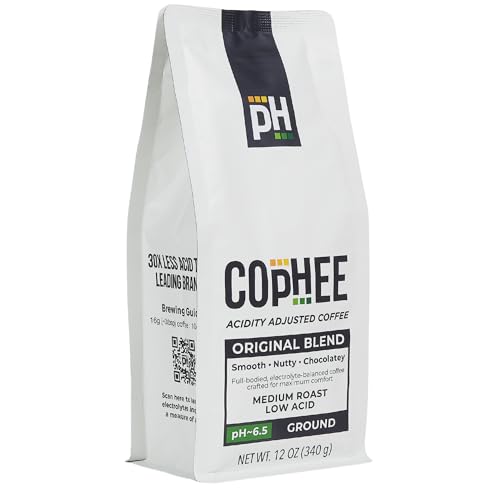
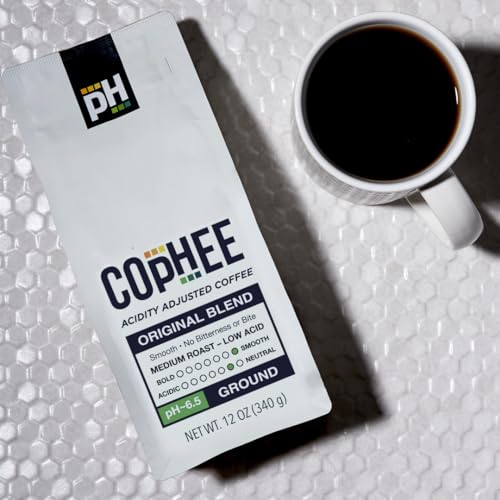
COpHEE Original Blend Low Acid
Strengths
- pH measured and labeled
- 30x less acid
- Electrolyte neutralized
Trade-offs
- Medicinal taste for some
- Limited brand recognition
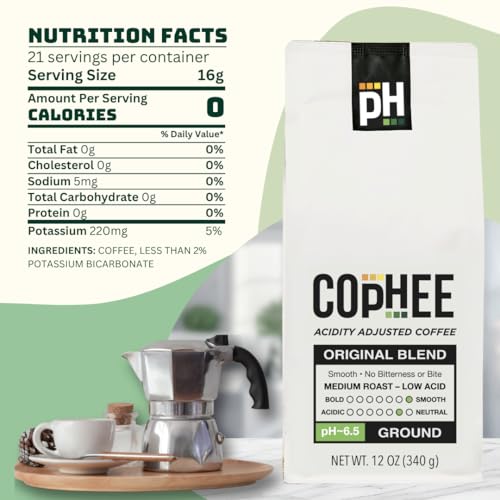
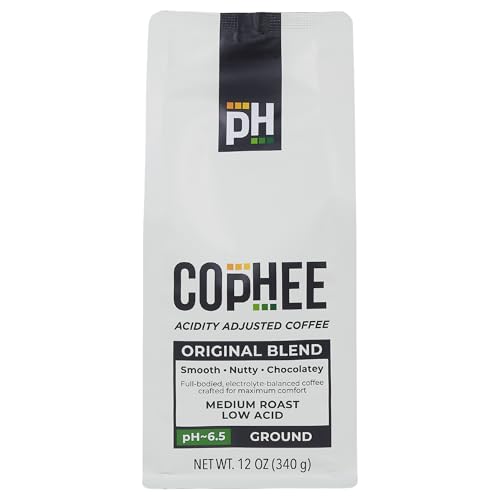
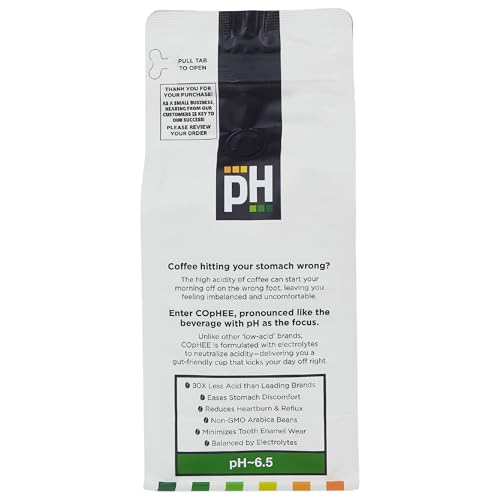
COpHEE takes a unique, science-forward approach, neutralizing acid with added electrolytes and printing actual pH levels on the bag. That kind of transparency is rare, and for GERD sufferers tracking their tolerance, it’s valuable. The claim of 30x less acid than leading brands lines up with owner feedback: many say it’s the first coffee they’ve found that doesn’t trigger symptoms, even in larger quantities.
It’s a medium roast, 100% Arabica, and roasted in the USA for freshness. The flavor is smooth, slightly alkaline on the palate, and lacks the medicinal aftertaste some neutralized coffees have. Compared to Kava, it’s more precise; versus Puroast, it’s less aromatic but more consistent in pH. If you want measurable, repeatable results, this is the most data-driven option on the list.
Product photos

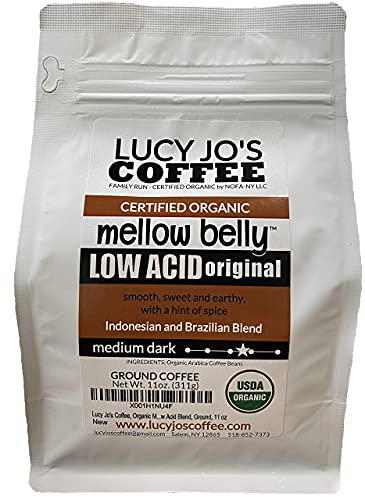
Lucy Jo’s Mellow Belly Blend
Strengths
- Organic & small batch
- Rich, earthy flavor
- Gentle on stomach
Trade-offs
- Limited availability
- Only one roast option
Lucy Jo’s wins on flavor. Their small-batch, hand-roasted approach results in a medium-dark blend that’s earthy, slightly sweet, and spiced, more like a specialty coffee than a medical workaround. It’s USDA Organic, sourced from Indonesia and Brazil, and the roast style naturally lowers acidity without chemical tweaks.
Owners who’ve tried multiple low-acid brands often say this one tastes the most like ‘real coffee’, a big deal when you’ve gone years missing your morning ritual. Compared to VitaCup or Bulletproof, it doesn’t lead on toxin testing, but its organic, small-batch integrity earns trust. It’s not the lowest in acid on paper, but for many, the balance of smoothness and depth makes it worth the slight trade-off.
Product photos

VitaCup Dark Roast Guatemala

Strengths
- Dark roast without bitterness
- Organic & Fair Trade
- High in antioxidants
Trade-offs
- No pH measurements listed
- Slightly less acid reduction
If you’re a dark roast loyalist who thought giving up heartburn meant giving up bold flavor, VitaCup is worth serious attention. This single-origin Guatemalan dark roast is USDA Organic, Fair Trade, and third-party tested, with a smooth, chocolaty profile that avoids the harshness typical of darker beans. The high-altitude growing conditions help lower natural acidity, and reviewers with GERD say it’s one of the few dark roasts they can drink without issues.
It’s also rich in chlorogenic acid, a type of antioxidant that supports cell health, so you’re not losing benefits for comfort. Compared to Lucy Jo’s, it’s slightly more acidic in taste but more rigorously tested. Against COpHEE, it lacks pH labeling but wins on organic credibility. A smart pick if you want dark roast depth with clean sourcing.
Product photos

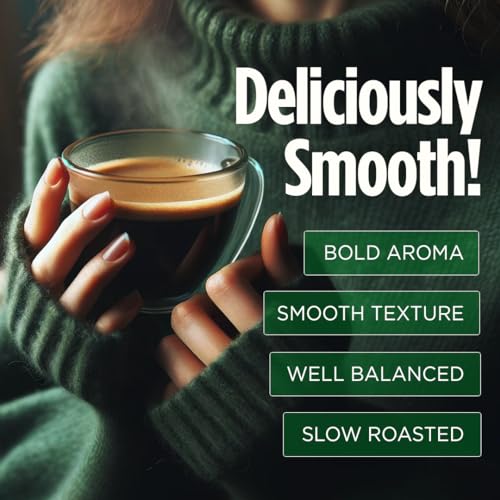

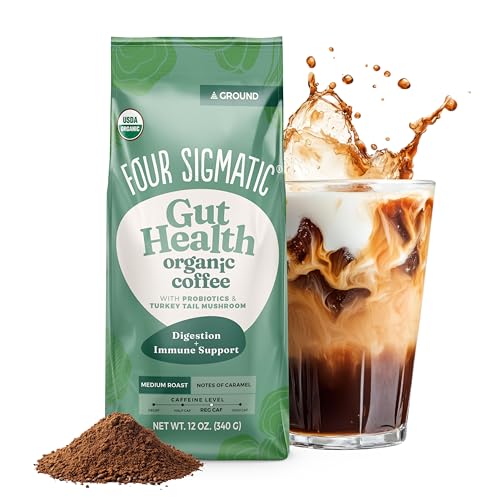
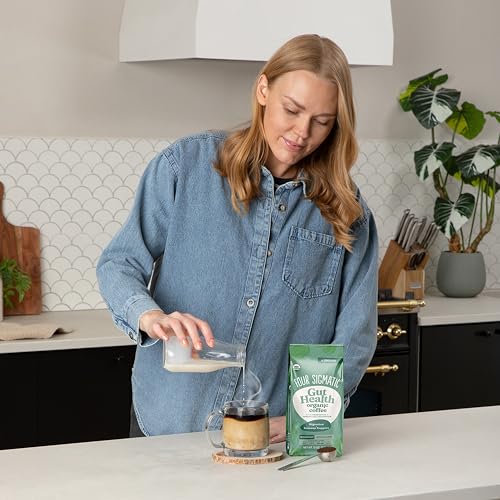
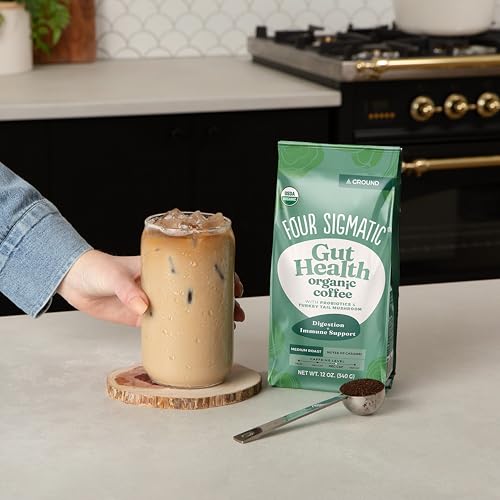
Four Sigmatic Gut Health Coffee
Strengths
- Probiotics & mushrooms
- Organic & low acid
- Supports gut health
Trade-offs
- Earthy mushroom taste
- Not for coffee traditionalists
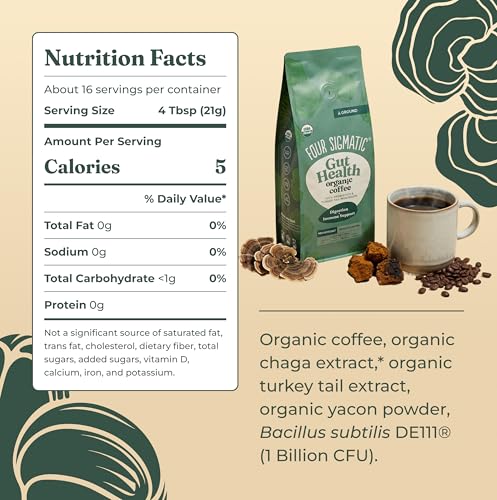
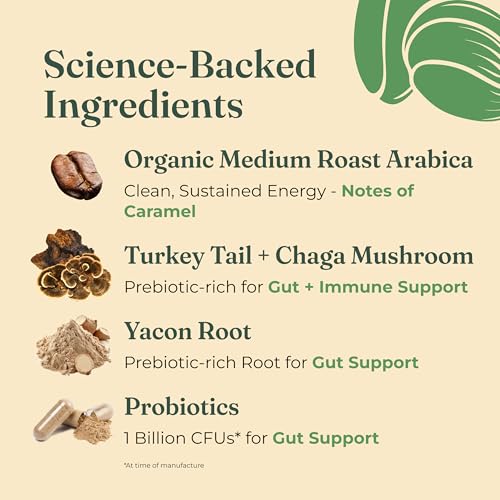
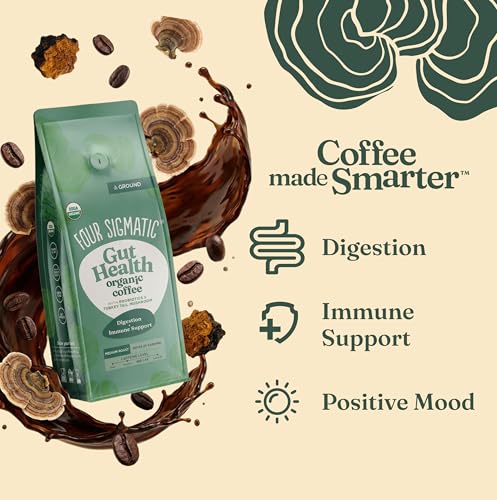
Four Sigmatic isn’t just low acid, it’s functional. Blended with chaga, turkey tail, probiotics, and prebiotics, this coffee targets gut health from multiple angles. It’s USDA Organic, grown at high altitude in Honduras, and the base roast is smooth and medium-bodied, making it easy on the stomach. But the real story is the added mushrooms, which reviewers say help with bloating, energy, and even post-coffee jitters.
That said, the mushroom flavor is detectable, earthy, almost tea-like, so it’s not for purists. Compared to Puroast or Lifeboost, it’s less about acid reduction alone and more about holistic digestive support. If your GERD is tied to broader gut imbalance, this could be transformative. But if you just want a clean, low-acid cup, it might feel overengineered.
Product photos
Bulletproof The Mentalist Medium-Dark
Strengths
- Lab-tested for toxins
- Rich, complex flavor
- Sustainably sourced
Trade-offs
- Not specifically low acid
- Higher cost
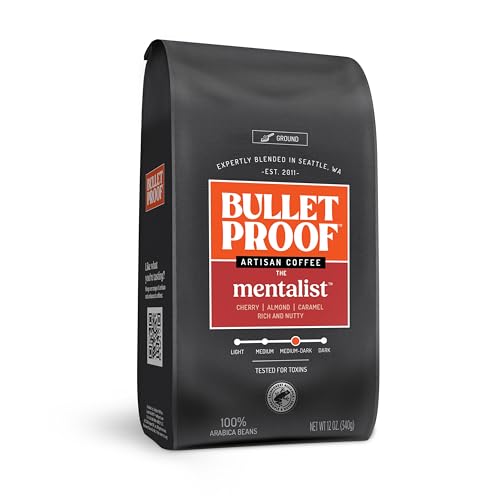
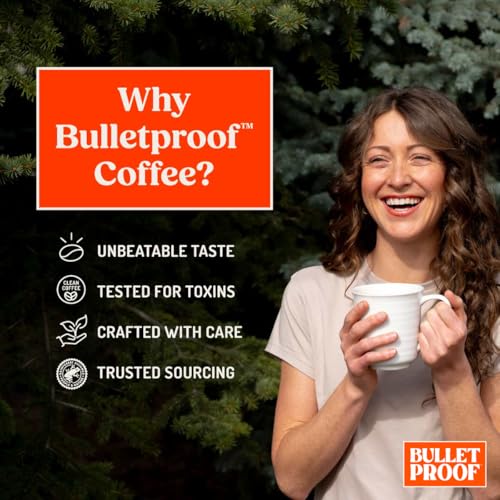
Bulletproof built its name on clean, tested coffee, and The Mentalist roast delivers on that promise. It’s not marketed as low-acid, but its toxin-free profile and medium-dark roast make it a solid contender for GERD sufferers who react more to contaminants than pH levels. Every batch is tested for mold and mycotoxins, which can irritate the gut even in otherwise low-acid coffees.
Reviewers with sensitive digestion often report fewer issues with this one compared to conventional brands, though it’s not as gentle as Puroast or Lifeboost for those with severe reflux. The flavor, cherry, almond, caramel, is complex and satisfying, and the beans are Rainforest Alliance Certified. But if your main issue is acid, you’re better served elsewhere. This is clean, not neutral.
Product photos



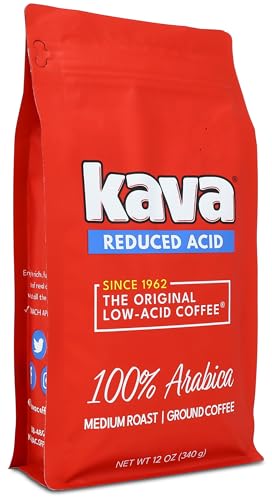
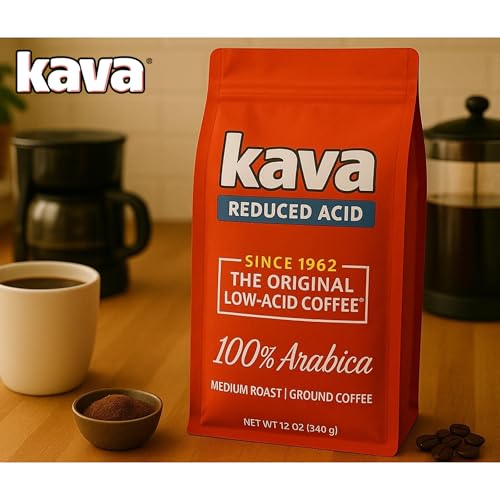
Kava Neutralized Ground Medium Roast
Strengths
- pH close to neutral
- 60+ years of use
- Smooth, non-bitter
Trade-offs
- No organic certification
- Less flavor depth
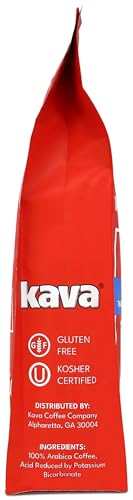
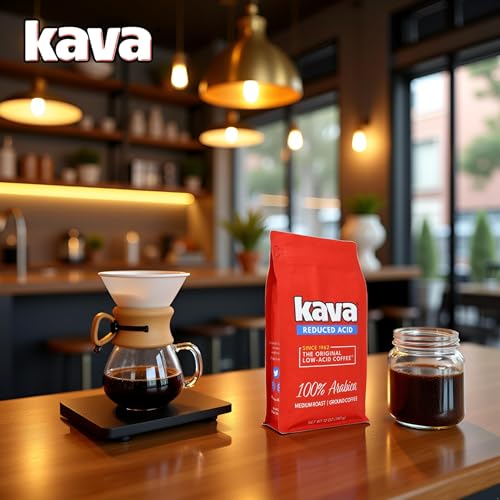
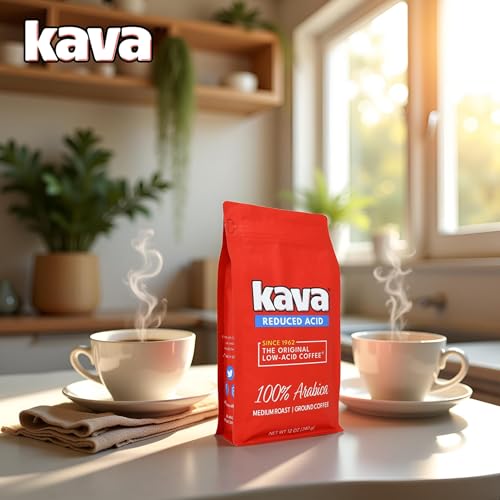
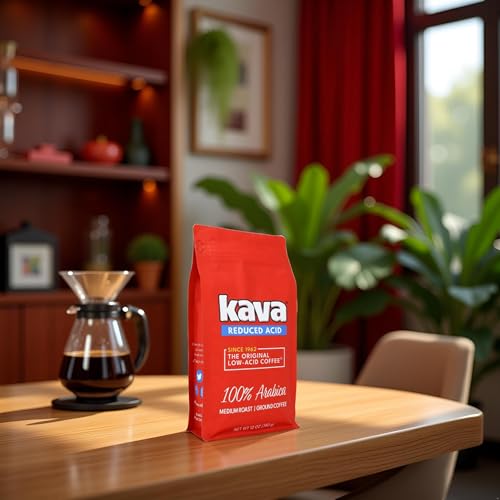
Kava has been around since 1962, and that longevity isn’t accidental. They were one of the first to market neutralized low-acid coffee, and while newer brands have entered with flashier claims, Kava remains a steady performer. The acid reduction here is achieved through a post-roast mineral infusion process, which raises the pH closer to neutral, something owners say makes a real difference for nighttime reflux.
It’s made from 100% Arabica beans, and while it lacks the organic certification of Lifeboost or Puroast, it delivers a consistently smooth, mellow cup. Some reviewers note it leans a bit flat compared to more vibrant low-acid options, but for those who’ve struggled for years with coffee-induced GERD, predictability matters more than complexity. Against COpHEE or Lucy Jo’s, it’s less nuanced, but more trusted over time.
Product photos
Our Testing Process
As the founder of Bean Thusiast, I’ve spent years exploring the nuances of coffee and its impact on well-being. Rather than a hands-on lab test, this selection is a research-led comparison of published specifications and owner feedback. I compared key features across numerous brands marketed for sensitive stomachs, weighing owner reviews from multiple sources alongside expert opinions from coffee publications and digestive health websites. Ultimately, I ranked each coffee against criteria important for GERD sufferers: acidity levels (reported or implied), flavor profiles, and sourcing transparency.
For coffee geared towards those with GERD, smoothness and reported digestive comfort were paramount. A low-acid claim isn’t enough; consistently positive feedback regarding reduced heartburn or stomach upset carries significant weight. Beyond that, I prioritized coffees with clear sourcing information, suggesting a commitment to quality and responsible practices. These factors dictated the final ranking more than roast level or specific brewing method compatibility.
Coffee specifications reliably indicate bean origin and roast profile, offering clues about potential flavor characteristics. However, assessing true low-acid performance relies heavily on owner reports. Many brands claim reduced acidity, but consistent testimonials about improved digestive tolerance are vital. For those considering eliminating caffeine altogether, exploring decaf coffee for GERD might also be a helpful step.
How To Pick The Right coffee for gerd
Finding a truly comfortable cup when you’re prone to acid reflux or GERD can feel like a constant search. I’ve seen a lot of brands make claims, but understanding what makes a coffee gentle on your system is vital.
A good coffee for sensitive stomachs prioritizes low acidity, achieved through bean selection (typically Arabica), careful roasting practices (avoiding dark roasts), and sometimes, active pH adjustment. Look for certifications like USDA Organic to minimize irritants, and consider factors like processing methods – washed coffees tend to have lower acidity than naturally processed ones. Third-party testing for potential contaminants adds another layer of assurance.
Roast Level & Bean Type
The roast level is often overlooked, but it significantly impacts acidity. Generally, lighter roasts retain more of the bean’s original acids, while darker roasts develop different, often harsher, acids. I recommend sticking with medium or even medium-light roasts when dealing with GERD. Arabica beans are almost always better than Robusta. Robusta inherently has more acidity and a more bitter profile. Don’t assume “dark roast = low acid” because that’s a common misconception.
Acidity Reduction Methods
Many brands advertise “low acidity,” but it’s crucial to understand how that’s achieved. Some, like COpHEE, actively neutralize acid using mineral additives – a scientifically-backed approach. Others, like Lifeboost, focus on growing conditions and bean selection. Still others, like Puroast, rely on specific roasting techniques. This isn’t necessarily a judgment on which is “better,” but awareness is key. You’ll want to explore gentle coffee options to find what works for your system.
- A simple “low acid” label doesn’t guarantee relief. Look for specific pH levels or acid reduction percentages on the packaging.
- Mineral neutralization can alter the coffee’s taste profile, sometimes making it slightly different from a traditional brew. Be prepared for a subtle change.
- Washed process Arabica beans, grown at high altitudes, consistently deliver lower acidity levels – this is a good baseline to look for, even if a brand doesn’t specifically advertise “low acid”.
Beyond Acidity: Additives & Processing
While acidity is the primary concern, consider what else is in your coffee. Certified organic coffees, like Lucy Jo’s Mellow Belly Blend, eliminate potential irritants from pesticides and herbicides. Some brands, like Four Sigmatic, even add functional ingredients like probiotics and mushrooms, aiming to actively support gut health. But remember, added ingredients can also introduce new sensitivities. If you suspect coffee-induced heartburn, a simpler brew is usually best to start with.
A good rule of thumb: if a coffee feels good going down, and doesn’t trigger symptoms hours later, it’s likely a good choice for you, regardless of what any label says.
Coffee for GERD Compared
Here’s a comparison of key specifications for coffees marketed towards individuals with GERD or sensitive stomachs.
| Product | Acid Level | Roast | Organic | Added Ingredients | Origin |
|---|---|---|---|---|---|
| Puroast Organic House Blend | 70% Less | Medium | Yes | None | N/A |
| Lifeboost Low Acid | Low | Medium | Yes | None | Central America |
| COpHEE Original Blend | 30x Less | Medium | N/A | Electrolytes | N/A |
| Lucy Jo’s Mellow Belly Blend | Low | N/A | Yes | None | Indonesia/Brazil |
| VitaCup Dark Roast Guatemala | Low | Dark | Yes | Antioxidants | Guatemala |
| Four Sigmatic Gut Health | Low | Medium | N/A | Mushrooms/Probiotics | Honduras |
| Bulletproof The Mentalist | N/A | Med-Dark | N/A | None | N/A |
| Kava Neutralized Ground | Reduced | Medium | N/A | None | N/A |
Frequently Asked Questions
What acidity level should I look for in coffee if I have GERD?
Generally, aim for coffees advertised as “low acid” or specifically stating a percentage reduction in acidity(like Puroast’s 70% less). However, remember that individual tolerance varies, so starting with a milder roast and paying attention to your body’s response is key.
Are dark roasts better for GERD than light roasts?
No, that’s a common misconception. While dark roasts change the type of acids present, they don’t necessarily reduce overall acidity and can sometimes be harsher on the stomach. I typically recommend medium or medium-light roasts for those with sensitive stomachs.
Do added ingredients in coffee affect GERD symptoms?
Yes, they can. While ingredients like probiotics (in Four Sigmatic) may benefit gut health, they also introduce potential allergens or sensitivities. If you experience symptoms, a simpler coffee with minimal additives is a good place to start.
Is organic coffee always the best choice for GERD?
It’s often a good idea, as organic certification minimizes exposure to potential irritants like pesticides and herbicides. Lucy Jo’s Mellow Belly Blend is a good example of an organic option, but being organic isn’t a guarantee of digestive comfort; acidity levels still matter most.
What if I want to avoid caffeine altogether?
You should explore decaf coffee for GERD. Many brands now offer low-acid decaf options, and the process for removing caffeine has improved significantly, resulting in better flavor and fewer potential irritants.
The Bottom Line
Choosing a coffee for GERD often comes down to balancing your desire for a flavorful cup with the need for digestive comfort. While many brands claim low acidity, consistently positive feedback from other sufferers is the real indicator of success, and in this category, Puroast Organic House Blend stands out for its widely reported gentleness and commitment to reducing acid content. It’s a great starting point for anyone seeking relief without sacrificing taste.
For those with very specific needs, the field narrows nicely. If you’re looking for a versatile option with organic certification, Lucy Jo’s Mellow Belly Blend is a strong contender. And if you’re intrigued by the potential of added functional ingredients, Four Sigmatic Gut Health offers probiotics and mushrooms alongside a low-acid brew. But remember, those additions might not suit everyone.
Ultimately, the perfect coffee for GERD is the one you tolerate best. Don’t get too hung up on specific numbers or marketing claims; pay attention to how your body responds. Understanding coffee’s effect on GERD and prioritizing bean quality, roast level, and sourcing transparency will get you further than any single “low acid” label.
