
8 Best Coffee Filters of 2026
The Melitta #4 Unbleached Coffee Filters stand out as the overall best choice for most drip brewers, delivering clean extraction and consistent performance. For a budget-friendly option, the Amazon Basics #4 Cone Coffee Filters get the job done without breaking the bank. If you’re focused on sustainability, the If You Care #4 Coffee Filters offer a truly eco-conscious pick without sacrificing quality.
Most coffee lovers don’t realize how much the filter affects their morning cup. A poor filter can let sediment through, tear mid-brew, or even add a papery taste. At Bean Thusiast, I’ve spent years studying how small details like filter material and construction shape flavor and clarity.
This guide cuts through the noise by comparing top filters based on specs, user feedback, and brewing performance. I looked at filtration quality, durability, taste impact, and environmental considerations to find the ones worth your time.
Top 8 Coffee Filters in the Market
The Best Coffee Filters, Reviewed
Hario V60 Paper Filters Size 02

Strengths
- Thin paper for fast flow
- Made in Japan
- Natural unbleached material
Trade-offs
- Can impart paper taste if not pre-rinsed
- Only fits V60 size 02
If you’re brewing single cups or small batches with a V60 02, these natural filters are a solid foundation. The paper is thin and porous, which means water flows quickly, great for bright, clean single-origin pour-overs where you want clarity. Owners consistently report a clean cup with minimal sediment, though some note a slight papery taste if not rinsed well.
The natural, unbleached material avoids chlorine exposure, which matters to purists chasing pure flavor expression. Made in Japan, they reflect Hario’s attention to detail in fit and consistency. For this size, they’re the go-to for V60 devotees who want a neutral filter that doesn’t interfere.
Video review
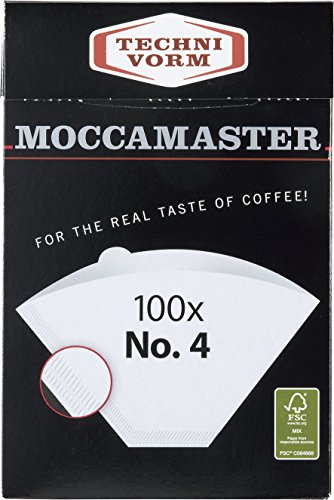
Technivorm Moccamaster #4 White Filters
Strengths
- Oxygen-bleached, no chlorine
- No chemical bonding agents
- Preserves true coffee flavor
Trade-offs
- Higher cost per filter
- Only 100 per box
These filters stand out for one key reason: they’re oxygen-bleached, not chlorine-bleached, and bonded without glue, so they truly don’t alter your coffee’s taste. That’s critical when you’re using a Moccamaster, where the machine is engineered for purity. Reviewers note a noticeably cleaner, more transparent cup compared to standard white filters.
On paper, the construction is minimalist but effective, no chemicals, fully recyclable, and designed to fit any no. 4 cone. The 100-count box is convenient, though less economical than bulk options. For specialty coffee lovers who treat brewing like a ritual, these are a no-brainer.
Video review
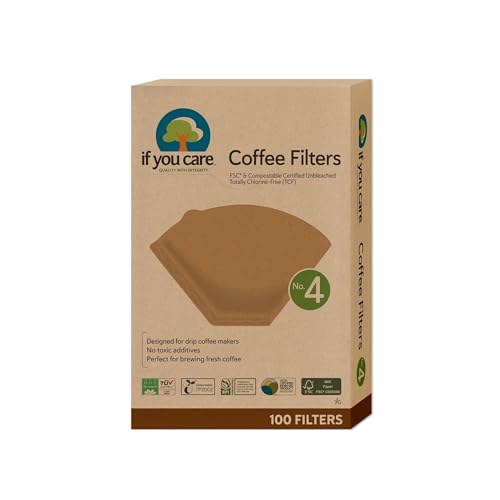
If You Care #4 Coffee Filters
Strengths
- Fully compostable
- FSC certified sustainable paper
- No chlorine or dyes
Trade-offs
- Slightly slower flow rate
- Less rigid when wet
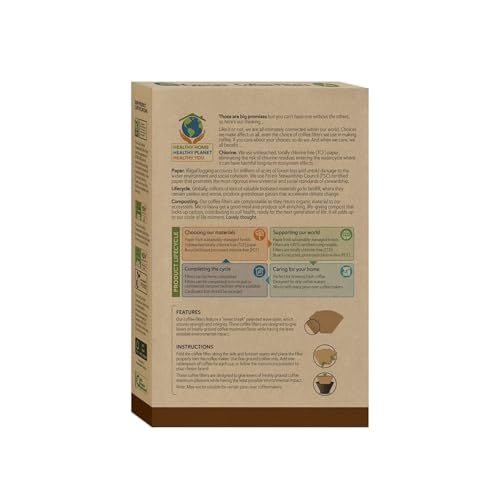
If sustainability is your top priority, these filters deliver. They’re unbleached, chlorine-free, FSC certified, and fully compostable, everything an eco-conscious brewer wants. But they don’t sacrifice performance: owners report a clean cup with no off-flavors, and the paper holds up well during brewing.
The universal no. 4 fit works across most cone brewers, and the natural material breaks down easily post-brew. Some note slightly slower flow than bleached filters, but that can actually help extraction if you’re not rushing the pour. For those who want their ethics in every step, from bean to bin, this is the pick.
Product photos

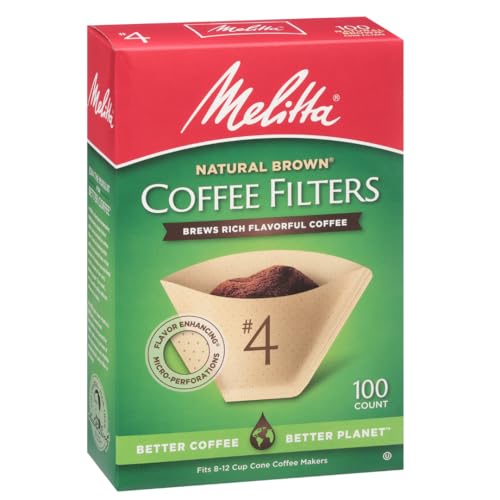
Melitta #4 Unbleached Coffee Filters

Strengths
- Microfine perforations for better extraction
- Double crimp resists bursting
- FSC and BPI certified
Trade-offs
- Slightly higher price per pack
- May slow flow too much for some
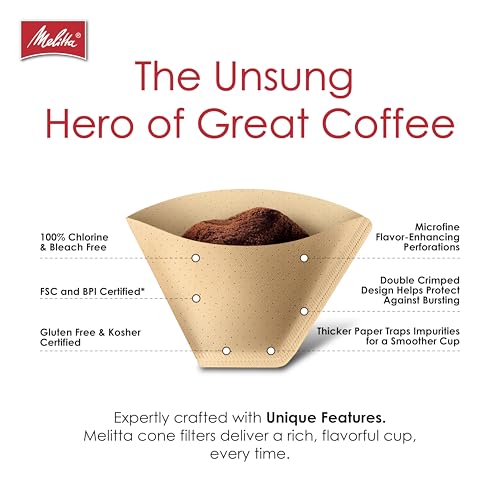
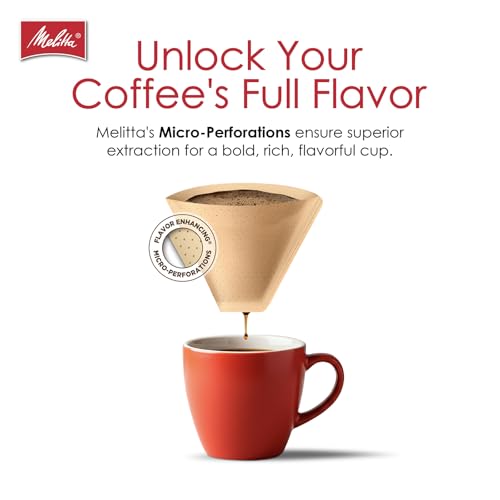
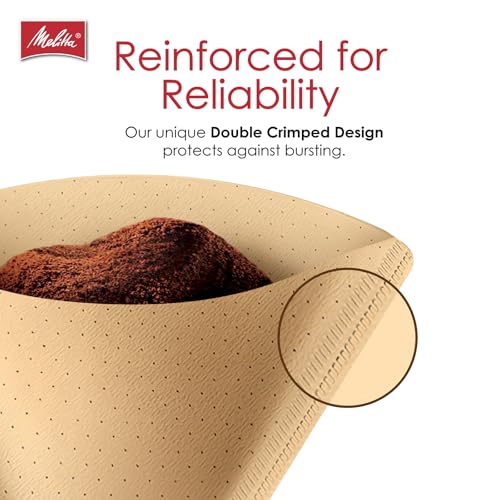
Melitta’s #4 unbleached filters are, in my view, the best overall option for drip and pour-over users. The microfine perforations are engineered to slow flow just enough to improve extraction, and owners consistently praise the richer, more balanced cup compared to generic filters. The double crimp design is a small thing, but it prevents blowouts, even with coarse or wet grounds.
They’re thicker than average, which helps trap fines and oils, and the FSC and BPI certifications mean they’re compostable and responsibly sourced. Made in the USA, they’re a blend of performance, durability, and ethics. The pack of three offers real value for regular users.
Product photos
200 Count #4 Cone Unbleached Filters
Strengths
- 200 filters for high value
- Reinforced edges prevent tearing
- Oxygen-bleached, no chlorine
Trade-offs
- Packaging less eco-friendly
- Slight variance in shape
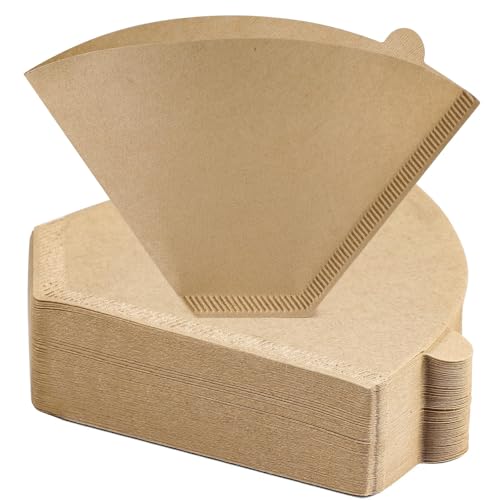
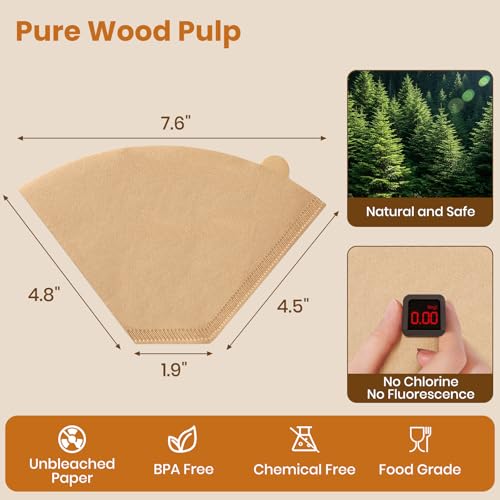
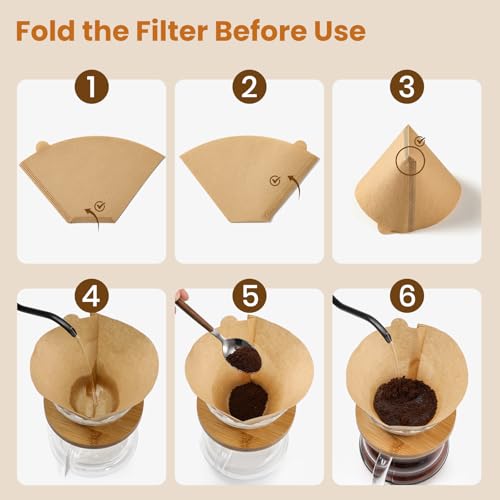
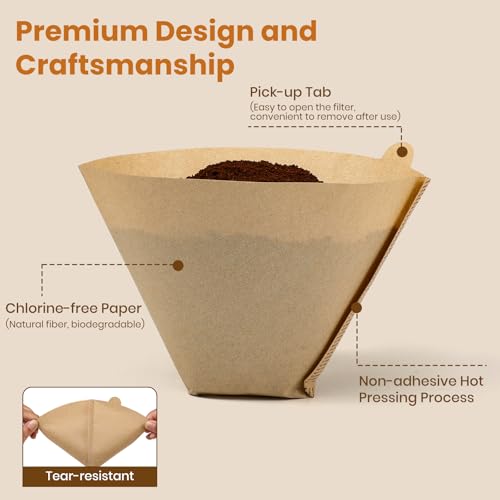
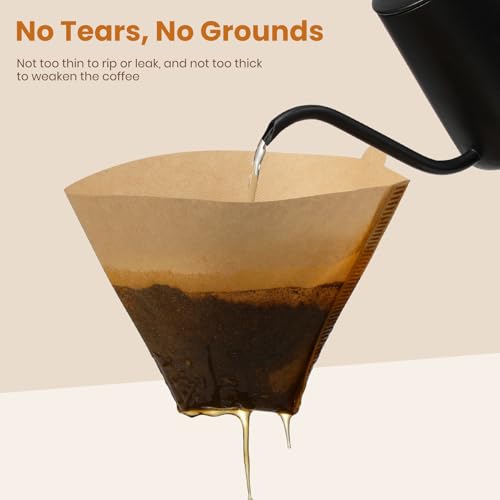
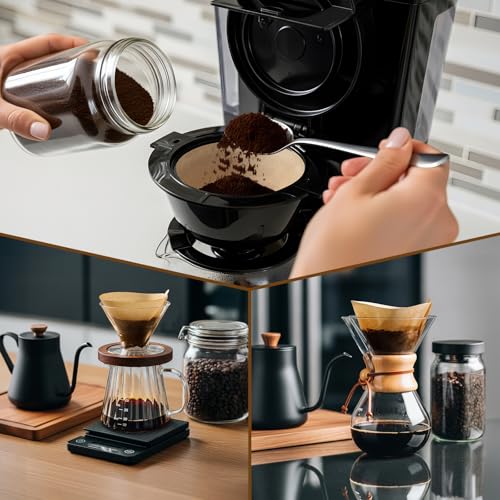
This is one of the better-performing budget-savvy unbleached options. The 200-count pack offers great value, and the reinforced edges live up to the ‘no blowout’ claim, owners confirm they hold up even with aggressive pouring or coarse grinds. The oxygen-based bleaching process ensures no chemical aftertaste, and the micro-pores are tuned for balanced extraction.
I appreciate the focus on flow control: not too fast, not too slow. It avoids the bitterness that comes from over-extraction while still letting aromatic oils through. For most home brewers, this hits the sweet spot between performance and price. It’s not as premium as Melitta, but it’s close.
Product photos
Amazon Basics #4 Cone Coffee Filters
Strengths
- Low cost
- SFI certified
- Widely compatible
Trade-offs
- Thinner, prone to tearing
- May leave paper taste
- Not compostable
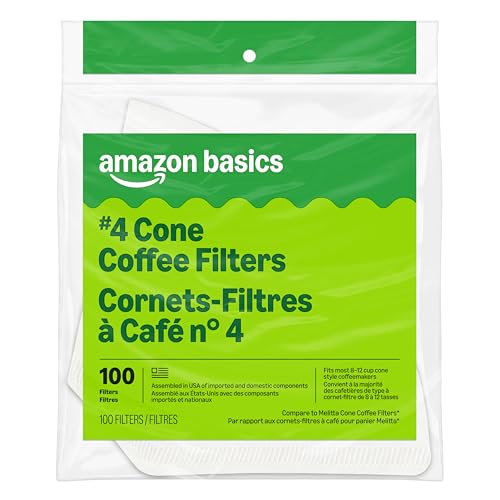
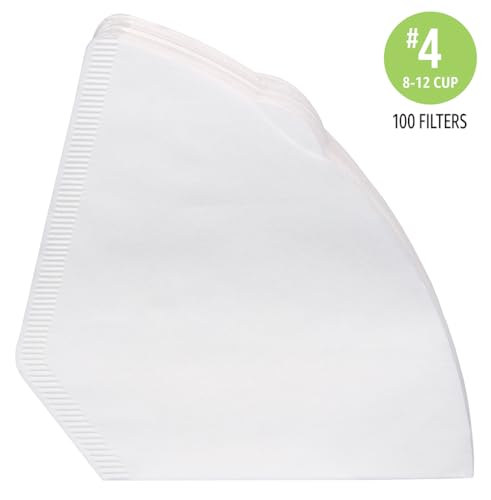
These are the definition of no-frills. They’re SFI-certified, which is a step toward sustainability, and they do the basic job: trap sediment and let flavor through. But they’re thinner than premium options, so there’s a higher risk of bursting with coarse grounds or full baskets.
Owners report a decent cup, though some detect a faint paper taste if not rinsed. They’re best for occasional use or if you’re on a tight budget. Compared to Melitta or If You Care, they lack refinement, but for a basic drip machine, they get the job done without fuss.
Product photos


Melitta #2 Unbleached Coffee Filters

Strengths
- Perfect for small brewers
- Microfine holes for flavor
- Compostable and certified
Trade-offs
- Only 100 per pack
- Size often confused in listings
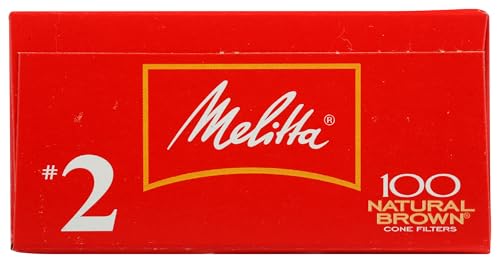
Don’t let the ‘8-12 cup’ in the title fool you, this is a #2 size, meant for 2-6 cup brewers. It’s a niche product, but for small-batch pour-over or electric cone brewers, it’s excellent. The microfine perforations and double crimp design are scaled down perfectly, offering the same flavor-enhancing benefits as the #4 version.
Owners using Chemex Mini, small V60s, or compact drip machines love how these prevent clogging and deliver a clean, full-flavored cup. The unbleached paper is compostable and FSC certified, so eco-standards aren’t compromised. It’s just a shame it only comes in a single 100-count pack.
Product photos
200 Count #4 Cone Coffee Filters

Strengths
- 200-count for long-term use
- Creased design improves flow
- Strong, tear-resistant paper
Trade-offs
- Packaging not recyclable
- Minor fit inconsistencies
This is a solid value pack with thoughtful design touches, like creases that guide water flow and improve contact time. The virgin wood pulp gives it strength, and owners using Ninja or multi-cup pour-overs report fewer clogs and consistent extraction. The unbleached paper is a plus for flavor purity, and the 200-count makes it economical for daily use.
The fit is reliable across most no. 4 brewers, though a few users note slight warping in humidity. The moderate thickness balances speed and filtration well, slower than standard filters, which helps avoid bitterness. For high-volume brewing without premium pricing, this is a smart pick.
Product photos


How We Evaluated coffee filters
As someone who’s spent years exploring the nuances of coffee brewing at Bean Thusiast, I approached researching coffee filters with a focus on how they impact the final cup. Rather than a hands-on lab test, this was a research-led comparison of published specifications, features, and a careful weighing of owner reviews alongside expert opinions from coffee publications. I ranked filters based on a combination of material quality, construction, and reported performance.
For coffee filters, the most important factors are filtration quality and the potential for off-flavors. A filter’s ability to remove fines (small coffee particles) directly affects clarity, and the material impacts taste. Burst strength is also crucial – nobody wants a filter failing mid-brew! We also prioritized sustainability, as many coffee drinkers are now seeking eco-conscious choices.
Specifications reliably indicate filter size and material composition, but owner feedback proved essential for discerning real-world performance. Reviews helped me understand how filters handled different grind sizes and brewing methods. I paid close attention to reports of tearing, or any noticeable taste impact of filter color. Ultimately, reputation and consistent positive feedback were strong indicators of a filter’s value.
How To Pick The Right coffee filters
Finding the right coffee filter might seem simple, but it drastically impacts the final cup. I’ve seen too many people overlook this crucial element, settling for mediocre brews when a small change could unlock so much more flavor.
A quality coffee filter effectively removes sediment while allowing essential oils to pass through, contributing to a clean, balanced, and flavorful cup. Key considerations include filter material, size compatibility, and flow rate – all impacting extraction and the final taste profile. Look for filters with consistent pore size and robust construction to avoid tearing or imparting unwanted flavors.
Filter Material & Bleaching Process
The material a filter is made from is the biggest factor. Most filters are paper, but even within that category, there’s variation. Unbleached filters, like those from If You Care #4 Coffee Filters, retain more of the coffee’s oils, leading to a fuller-bodied brew. However, some people prefer the clarity of a bleached filter. If you opt for bleached, look for oxygen-based bleaching, as it avoids chlorine – a potentially harmful chemical. The concern about plastic content in paper filters is valid, so researching the manufacturer’s process is worthwhile.
Filter Size & Shape
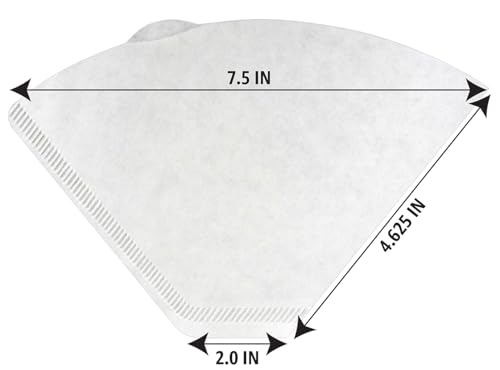
This seems obvious, but getting it wrong is surprisingly common. Filters come in various sizes (#2, #4, etc.) and shapes (cone, flat-bottom). Your coffee maker’s manual will specify the correct size and shape. Using the wrong size can lead to overflows, uneven extraction, or even a broken coffee maker. Beyond the number, consider the specific design. For example, the Hario V60 filters require a specific conical shape – exploring filters for pour-over brewing will reveal many specialized options.
- A #2 filter is ideal for smaller batches (1-3 cups) and often fits single-cup brewers.
- A #4 filter is the most common size, designed for 8-12 cup coffee makers. It’s a good all-around choice for standard drip machines.
- Specialty brewers, like those using the pour-over method, often require specific filter shapes and sizes (like Hario’s V60) to ensure optimal water flow and extraction. The correct filter is crucial for achieving the intended flavor profile.
Don’t assume all “#4” filters are created equal. Pay attention to the manufacturer’s specifications and customer reviews regarding fit and performance in your specific coffee maker.
Durability & Value
A flimsy filter that tears mid-brew is a frustrating experience. Look for filters with a “double crimp” design (like Melitta’s) or reinforced edges. These features help prevent tearing, especially when using coarser grinds. While budget-friendly options like the Amazon Basics filters can work, spending a bit more on a higher-quality filter can improve the taste and reduce mess. Don’t be afraid to explore best pour-over filters if you’re serious about your coffee.
Coffee Filters Compared
Here’s a comparison of specifications for various coffee filters to help you choose the right one.
| Product Name | Filter Size | Count | Bleached | Compostable | Material | Best Use |
|---|---|---|---|---|---|---|
| Melitta #4 Unbleached Coffee Filters | #4 | N/A | No | Yes | Paper | Overall |
| 200 Count #4 Cone Coffee Filters | #4 | 200 | No | N/A | Wood Pulp | Value Pack |
| Melitta #2 Unbleached Coffee Filters | #2 | N/A | No | Yes | Paper | Small Batches |
| Amazon Basics #4 Cone Coffee Filters | #4 | 100 | Yes | N/A | Paper | Budget Friendly |
| 200 Count #4 Cone Unbleached Filters | #4 | 200 | No | Yes | Paper | Pure Flavor |
| If You Care #4 Coffee Filters | #4 | N/A | No | Yes | Paper | Eco-Friendly |
| Hario V60 Paper Filters Size 02 | 02 | 200 | N/A | N/A | Paper | Pour Over |
| Technivorm Moccamaster #4 White Filters | #4 | 100 | Yes | N/A | Paper | Specialty Coffee |
Frequently Asked Questions
What filter material offers the most flavor?
Unbleached filters generally allow more coffee oils to pass through, resulting in a fuller-bodied and richer-tasting brew. If you prefer a cleaner cup, bleached filters (especially those bleached with oxygen) will remove more oils, but may subtly alter the taste.
How often should I replace my coffee filters, even if they aren’t torn?
While a filter might not tear, its performance degrades with use. I recommend using a fresh filter for each brew to avoid stale flavors and to maintain optimal filtration. This is especially true for unbleached filters.
Can I use a different size filter if I don’t have the exact one my machine needs?
No, using an incorrect filter size can cause overflows or uneven extraction. It’s best to stick with the size and shape recommended in your coffee maker’s manual. You can find a wide selection of filters for drip brewers to ensure a proper fit.
Are all “compostable” coffee filters truly eco-friendly?
The term “compostable” can be misleading. While many paper filters are compostable, look for certifications (like BPI) to verify they’ll break down properly in a home or commercial compost system. Some filters also contain small amounts of plastic, so research the manufacturer’s claims.
What’s the difference between filters designed for pour-over versus drip machines?
Pour-over filters, like those for the Hario V60, are designed with a specific conical shape and slower flow rate to optimize extraction for manual brewing. Drip machine filters, such as the standard #4 cone, are designed for faster filtration in an automated system. Using the wrong type will impact brewing time and taste.
The Bottom Line
Choosing a coffee filter often comes down to balancing convenience with control over your brew. While a simple, inexpensive filter will get the job done, the Melitta #4 Unbleached Coffee Filters consistently receive high marks for their reliable performance and ability to deliver a clean cup without imparting unwanted flavors – making them our overall recommendation.
For those seeking specific solutions, the 200 Count #4 Cone Coffee Filters offer exceptional value for everyday brewing, while the Hario V60 Paper Filters Size 02 are the clear choice for pour-over enthusiasts. If sustainability is a priority, explore biodegradable coffee filter options like those from If You Care; they provide a responsible way to enjoy your daily cup.
Ultimately, the “best” filter isn’t about a single specification, but about finding the right match for your brewing method and taste preferences. Prioritize a consistent pore size, robust construction, and a material that complements your coffee – these fundamentals will have a far greater impact than chasing the latest features or trends.
