
8 Best Bean to Cup Coffee Machines of 2026
This post contains affiliate links. As an Amazon Associate, we earn from qualifying purchases.
The Philips 5500 Series Espresso Machine stands out as the best overall bean to cup coffee machine, delivering consistent espresso and rich milk drinks with its LatteGo system. For those on a budget, the Philips 3300 Series offers solid performance and excellent grind control. And if you want more brewing variety beyond espresso, the Ninja Luxe Café Premier is our top versatility pick, capable of drip coffee, cold brew, and espresso.
Most people shopping for a bean to cup machine want café-quality coffee without the hassle of a complicated routine. But too many models promise convenience and fall short on taste, reliability, or maintenance.
As the founder of Bean Thusiast, I’ve spent years studying coffee gear and brewing techniques. This guide cuts through the noise, focusing on real-world performance, grind quality, milk system design, and ease of use, based on specs, user feedback, and what actually matters in daily brewing.
Top 8 Bean To Cup Coffee Machine in the Market
The Best Bean To Cup Coffee Machine, Reviewed
Philips 3300 Series Espresso Machine
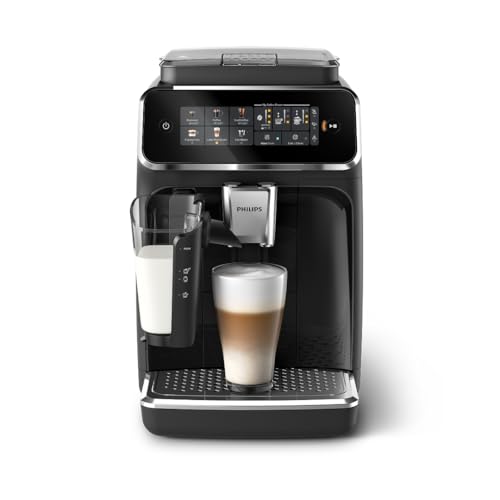
Strengths
- 15-bar pressure
- LatteGo milk system
- AquaClean filter
- SilentBrew tech
- 6 drink presets
Trade-offs
- No user profiles
- Smaller bean hopper
- Limited grind adjust
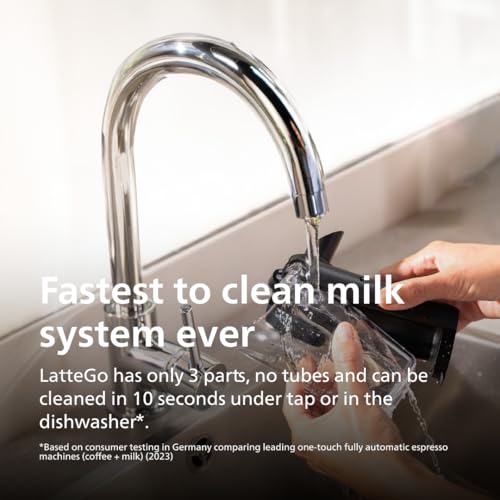
The Philips 3300 hits that sweet spot where convenience meets solid performance. On paper, it mirrors the higher-end 5500 but with fewer presets and no profile saving. Still, owners consistently report rich espresso and creamy lattes thanks to the 15-bar pump and LatteGo system, which really does clean faster than traditional steam wands. The AquaClean filter is a standout, no descaling for up to 5,000 cups is a real time-saver for daily drinkers.
Compared to budget models, this one feels more refined with its full-color display and smooth automation. It doesn’t have the Ninja’s versatility or the 5500’s customization depth, but for someone who wants café-style drinks without fuss, it’s a strong contender. I’d pick this over the 3200 for the extra presets and better interface.
Video review
Philips 3200 Series Espresso Machine
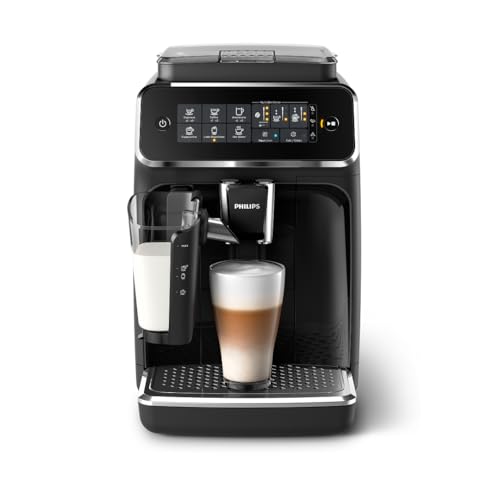
Strengths
- Ceramic grinder
- LatteGo system
- AquaClean filter
- Simple one-touch brew
- 5 drink options
Trade-offs
- Basic display
- No iced coffee preset
- Milk system not dishwasher-safe
This is Philips’ entry-level model, but it still packs their signature LatteGo milk system and AquaClean filter, meaning you get low-maintenance frothing and no descaling for thousands of cups. The ceramic grinder preserves bean oil and flavor better than cheaper blade grinders, and reviewers note the espresso has a surprisingly full body for this class. It’s missing some of the 3300’s polish, like a color screen and iced coffee presets, but the core experience is nearly the same.
It’s not as quiet as the 3300 or 5500, and the milk system takes 15 seconds to clean, not 10. But for someone just dipping into super-automatics, this is the smarter buy. Compared to the Ninja or Cuisinart, it’s less customizable, but far more consistent for milk-based drinks.
Video review
Ninja Luxe Café Premier Espresso Machine
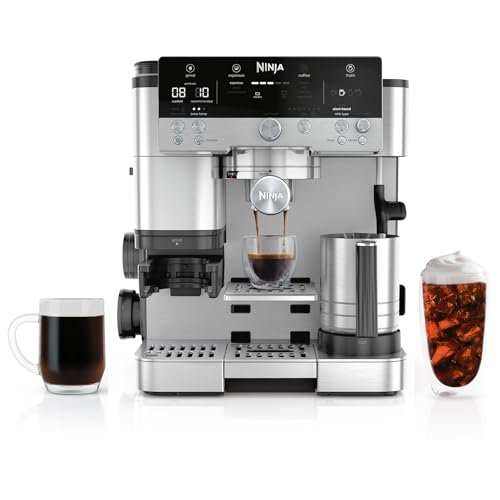
Strengths
- 3-in-1 brewing
- Weight-based dosing
- Dual froth system
- 25 grind settings
- Cold-pressed espresso
Trade-offs
- Large footprint
- Noisy grinder
- Steeper learning curve
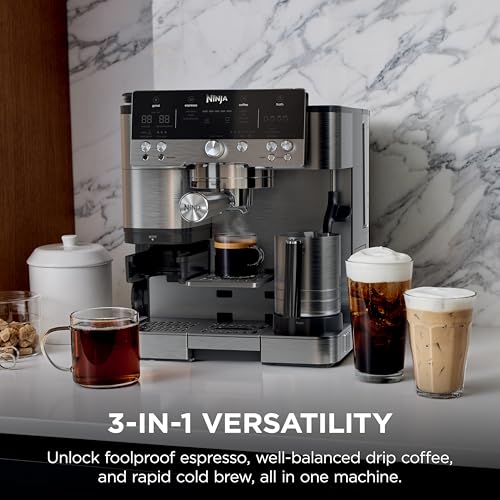
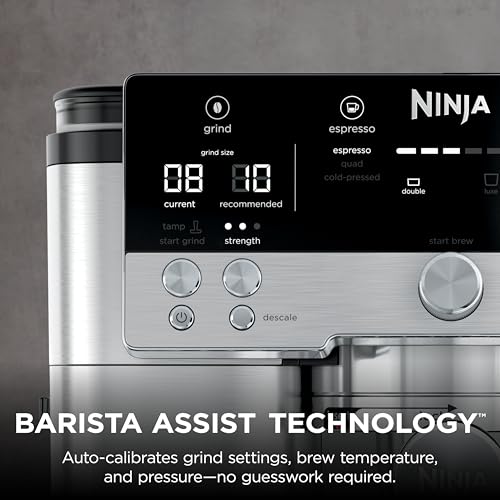
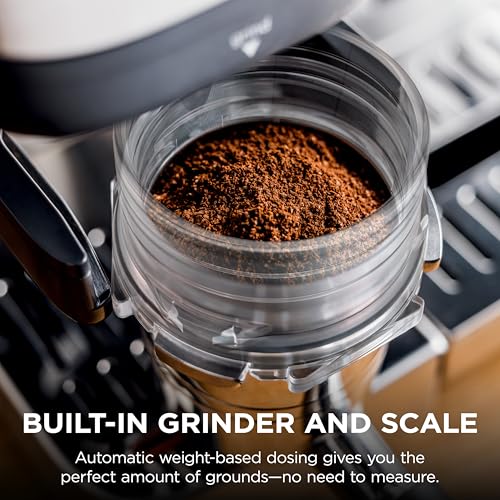
If you hate choosing between drip, espresso, and cold brew, the Ninja Luxe Café is built for you. It’s not just a bean-to-cup espresso machine, it’s a three-in-one powerhouse with weight-based dosing, barista assist tech, and a dual frothing system that handles both hot and cold foam with zero guesswork. Owners praise how evenly it tamps with the assisted tamper, leading to balanced, repeatable shots.
No other machine here matches its range. The cold-pressed espresso option is a standout for smooth, low-acid drinks, and the 25 grind settings let you fine-tune for origin or roast. It’s bulkier and noisier than Philips models, and the interface is busier, but for versatility, it’s unmatched. I’d recommend this over the De’Longhi or Gevi for anyone who drinks more than just espresso.
Product photos

De’Longhi True Brew Drip Coffee Maker

Strengths
- Bean Extract tech
- 5 brew styles
- Fresh grind every time
- Compact design
- Over ice option
Trade-offs
- No milk frothing
- Not true espresso
- Limited cup size range
De’Longhi’s True Brew is a niche pick, but a brilliant one if you live for drip coffee. The Bean Extract Technology ensures fresh grinding and precise dosing for every cup, and the 6 sizes and 5 brew styles let you tweak from light to bold or over ice. Owners say it delivers cleaner, more aromatic drip coffee than most single-serve pods or basic drip machines with grinders.
It won’t make espresso or steam milk, so it’s no rival to the Philips or Ninja. But for drip purists, it outperforms the Gevi and Cuisinart in flavor clarity and consistency. The espresso-style 3 oz cup is more concentrated drip than real espresso, but handy for a strong morning jolt. If you rarely drink lattes, this deserves serious consideration.
Product photos


Philips 5500 Series Espresso Machine
Strengths
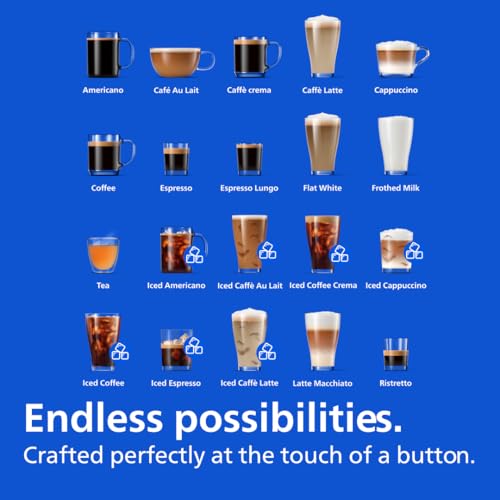
- 20 drink presets
- 4 user profiles
- QuickStart heating
- SilentBrew tech
- LatteGo system
Trade-offs
- Higher price point
- No cold brew option
- Large footprint
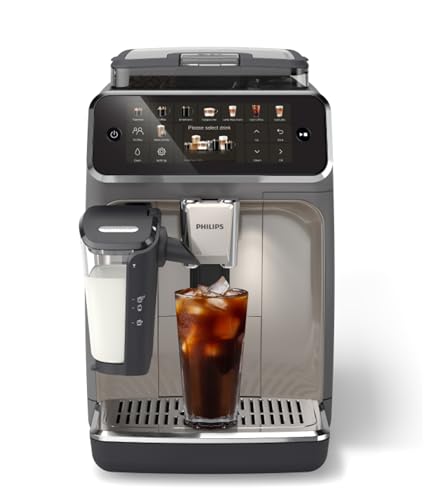
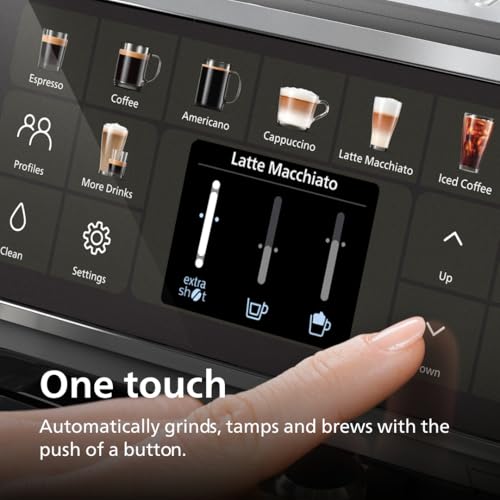
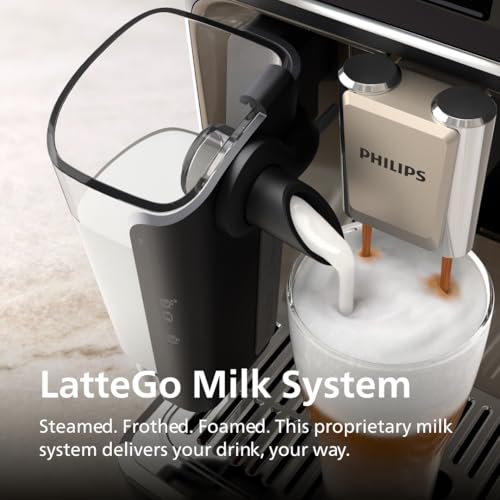
This is the most complete Philips super-automatic, and for good reason. With 20 presets, QuickStart, and SilentBrew, it’s built for households that want speed, quiet operation, and variety. The LatteGo system is still the easiest to clean in its class, and the 4 saved profiles mean every family member can have their drink ready with one tap. Owners consistently report it rivals café machines in consistency.
It’s pricier than the 3300, but the upgrades, faster heat-up, quieter grind, more drink options, are worth it for heavy users. Compared to the Ninja, it lacks cold brew and drip, but excels at milk drinks and ease of use. For someone who wants the most polished, reliable super-automatic experience, this is my top pick.
Product photos

Gevi 10-Cup Drip Coffee Maker

Strengths
- 10-cup capacity
- Programmable timer
- Reusable filter
- Pre-brew tech
- Affordable price
Trade-offs
- Bulky design
- Basic grind control
- No milk frothing
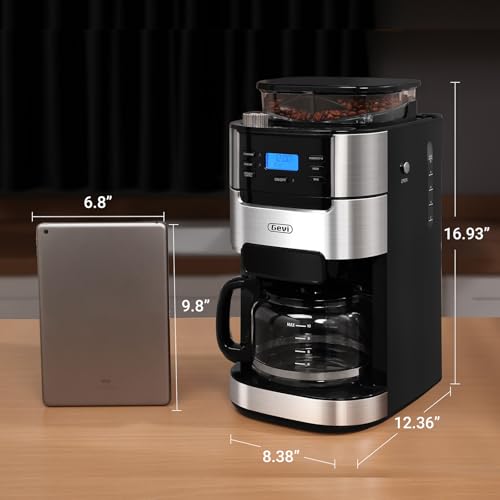
The Gevi is built for crowd-pleasing. With a 10-cup capacity, programmable timer, and pre-brew tech, it’s ideal for offices or big households. The burr grinder and 8 grind settings let you dial in flavor better than most drip machines with grinders, and the reusable filter saves money and waste. Owners say the coffee tastes richer than expected, especially with the pre-infusion cycle.
It’s no match for the Ninja or De’Longhi in precision, and the interface feels dated. But for making large batches of fresh-ground drip coffee overnight, it’s hard to beat. If you’re not into espresso or single-serve, this is the most practical pick for volume.
Product photos


Cuisinart DGB-30 Grind and Brew

Strengths
- Adjustable strength
- Over ice feature
- Stainless steel grinder
- Large cup support
- Easy cleaning
Trade-offs
- Daily grounds cleanup
- No milk system
- Not true espresso
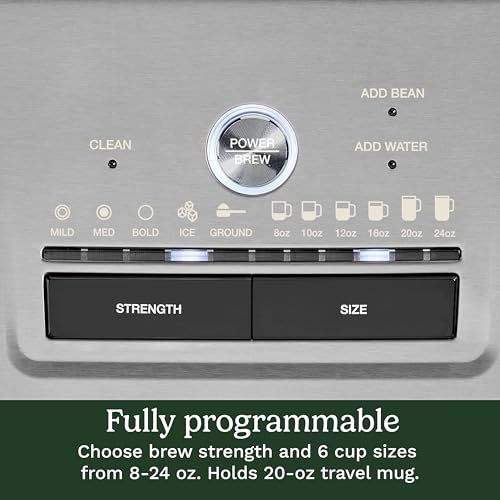
Cuisinart’s DGB-30 is all about single-serve personalization. The stainless steel burr grinder and adjustable strength let you fine-tune each cup, and the over ice setting prevents dilution, something drip lovers appreciate. At 24 oz max, it’s one of the few machines here that can brew a travel mug-sized cup without compromising grind freshness.
It doesn’t steam milk or make espresso, so it’s not a true bean-to-cup espresso machine. But for someone who drinks drip coffee and values customization, it beats the De’Longhi in cup size flexibility and the Gevi in compactness. Owners do note you must clean the grounds bin daily, which adds a small chore.
Product photos


Philips Baristina Espresso Machine
Strengths
- Ultra-compact design
- 16-bar pressure
- One-swipe brew
- Energy efficient
- Made with recycled plastic
Trade-offs
- No milk frothing
- No drink presets
- Manual water refill
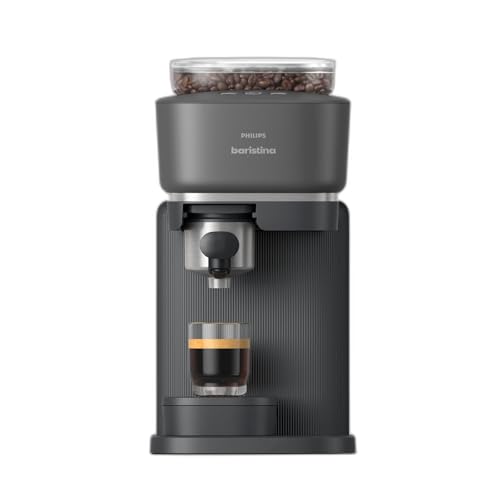
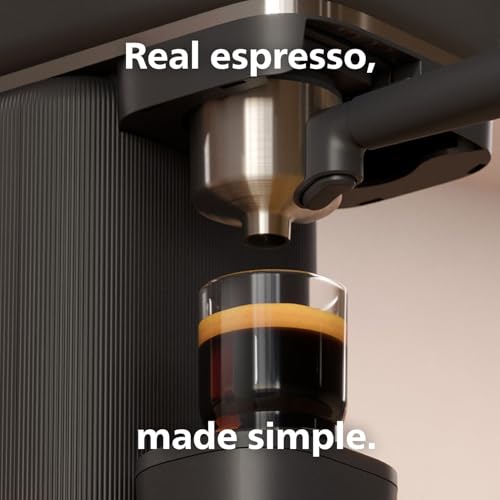
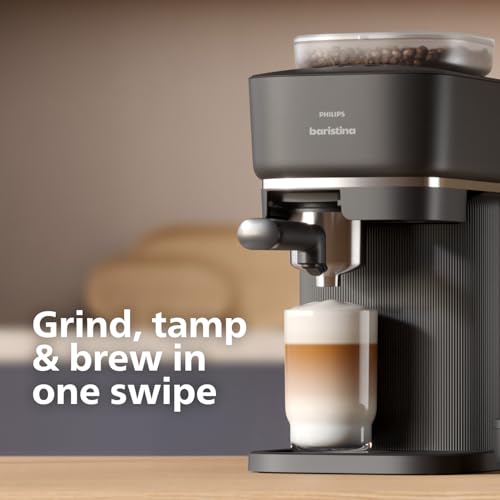
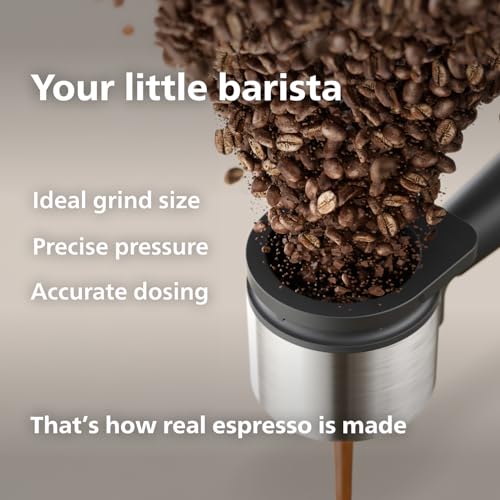
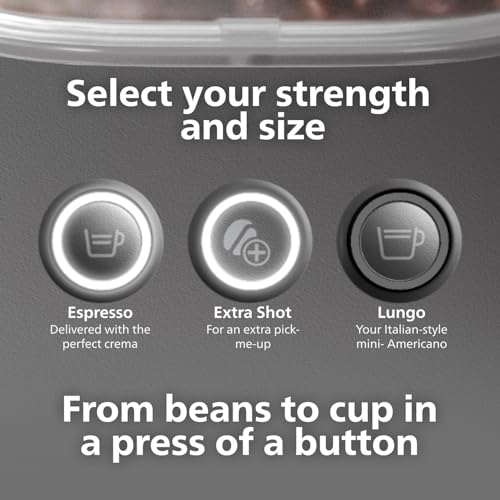
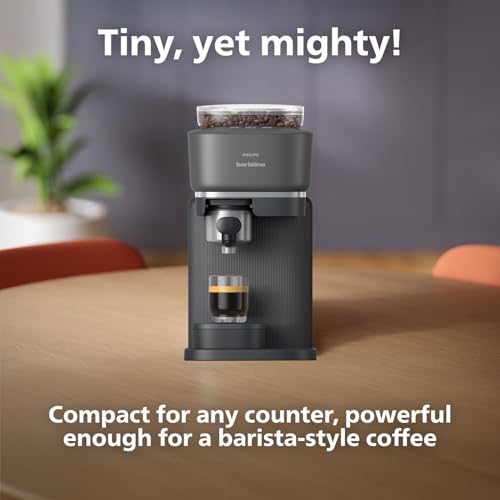
The Baristina is Philips’ most compact machine, and it’s built for small spaces without sacrificing real espresso. The one-swipe operation, grind, tamp, brew in under 60 seconds, is slick, and the 16-bar pump delivers a decent crema. It’s not fully automatic like the 3300 or 5500, but more automated than a manual machine.
Owners love how it fits under cabinets and still pulls solid shots. It lacks a milk system, so no lattes unless you use a separate frother. But for someone in a studio or office who wants real espresso fast, it’s a standout. I’d pick this over the De’Longhi if espresso is your main goal and space is tight.
Product photos
How We Chose These bean to cup coffee machine
As the founder of Bean Thusiast, I approach this category with a focus on delivering café-quality results at home. Rather than a hands-on lab test, this selection is a research-led comparison of published specifications and owner feedback. We compared models across features – like grind settings, brewing options, and milk frothing systems – and weighed those against reported user experiences from a variety of sources, including owner reviews and reputable coffee publications. Ultimately, we ranked machines based on their ability to consistently deliver flavorful coffee with minimal user effort.
For bean to cup machines, consistency and convenience are paramount. We heavily weighted the quality of the grinder and the breadth of brewing options. A good burr grinder is essential for even extraction, and understanding the burr vs blade grinder differences is key to appreciating the nuances of flavor. Milk systems also played a large role, particularly their ease of cleaning and ability to produce consistent foam.
Specifications reliably indicate brewing temperature ranges, pump pressure, and bean hopper capacity. However, judging things like grind consistency and the real-world reliability of a milk system requires digging into owner reviews. We looked for patterns in feedback; repeated complaints about clogging, difficult cleaning, or inconsistent results were major red flags. Ultimately, reputation and long-term user satisfaction heavily influenced our recommendations.
How To Pick The Right bean to cup coffee machine
Choosing a bean-to-cup coffee machine can feel overwhelming, but focusing on a few key areas will steer you towards a model that truly elevates your daily ritual. It’s not just about convenience; it’s about control and consistently excellent coffee.
A quality bean-to-cup machine prioritizes fresh grinding with a burr grinder (avoid blade grinders), offers customizable brewing parameters like temperature and strength, and features a milk system that is both versatile and, crucially, easy to clean. Consistent temperature stability and a user-friendly interface are also hallmarks of a worthwhile investment.
Grind Quality & Consistency
The grinder is arguably the most important component. Forget blade grinders; they chop beans unevenly, leading to inconsistent extraction and a muddy flavor. You absolutely need a burr grinder – conical or flat – but even within burr grinders, quality varies. Look for a machine offering a good range of grind settings. This allows you to dial in the perfect grind size for different beans and brewing styles. Some, like the Ninja Luxe Café Premier Espresso Machine, boast 25 grind settings, giving you exceptional flexibility.
Milk System Design & Maintenance
If you enjoy milk-based drinks, the milk system is critical. The complexity ranges from fully automatic frothing to manual steam wands. Integrated systems, like Philips’ LatteGo, are lauded for their speed and ease of cleaning. However, even the simplest systems require regular attention. Consider how easy it is to disassemble and clean the components – a neglected milk system quickly becomes a breeding ground for bacteria and ruins the taste of your drinks. Regularly following cleaning coffee machine steps is essential.
- A simple milk frother wand is the most hands-on, requiring skill and practice but offering maximum control.
- Automatic systems like LatteGo are incredibly convenient, but their performance can vary depending on the type of milk used (dairy vs. plant-based).
- Models with dedicated cleaning cycles and dishwasher-safe parts (like the Philips 5500 Series) significantly reduce maintenance time and effort; this is especially important if you make multiple milk-based drinks daily.
Value & Usability Features
While top-of-the-line machines offer every bell and whistle, consider what you actually need. Do you require a huge number of preset drinks, or would a simpler interface suffice? Some machines, like the Cuisinart DGB-30 Grind and Brew, focus on delivering a quality cup with customizable settings, without overwhelming you with options. If you’re on a tighter budget, exploring best value bean-to-cup machines can yield excellent results.
A machine that sits unused because it’s too complicated isn’t a good value, no matter how many features it boasts.
Ultimately, the best bean-to-cup machine is the one that fits your lifestyle and consistently delivers coffee you enjoy. Don’t be afraid to prioritize ease of use and maintenance over sheer functionality.
Bean to Cup Coffee Machine Compared
Here’s a comparison of key specifications for various bean to cup coffee machines to help you make an informed decision.
| Product Title | Brew Capacity | Grind Settings | Milk Frothing | Programmable Settings | Special Features |
|---|---|---|---|---|---|
| Philips 5500 Series Espresso Machine | N/A | 20 | LatteGo | 4 Profiles | Fast Brewing, Quiet Operation |
| Philips 3300 Series Espresso Machine | N/A | 6 | LatteGo | N/A | AquaClean Filter |
| Ninja Luxe Café Premier Espresso Machine | 6-24 oz | 25 | Dual Froth | N/A | 3-in-1 (Espresso, Drip, Cold Brew) |
| Philips 3200 Series Espresso Machine | N/A | 5 | 2-Part System | N/A | Aroma Extract System |
| Philips Baristina Espresso Machine | N/A | N/A | N/A | N/A | Compact Design, Recycled Plastics |
| Cuisinart DGB-30 Grind and Brew | 8-24 oz | Adjustable | N/A | Adjustable Strength | Hotter Brewing Temp |
| De’Longhi True Brew Drip Coffee Maker | 8-24 oz | N/A | N/A | 5 Brew Styles | Bean Extract Technology |
| Gevi 10-Cup Drip Coffee Maker | 2-10 Cup | 8 | N/A | 3 Strength Levels | Reusable Filter, Pre-Brew Tech |
Frequently Asked Questions
What’s the typical lifespan of a bean to cup machine?
With regular cleaning and maintenance, most bean to cup machines will last between 5 and 10 years. The grinder components are often the first to show wear, so choosing a model with a durable burr grinder is key to longevity.
Are bean to cup machines difficult to clean?
Cleaning frequency varies by model, but all require regular attention. Machines with removable brewing units and dishwasher-safe parts, like some Philips models, simplify the process considerably. Neglecting cleaning can lead to buildup and affect coffee flavor.
Can bean to cup machines handle oily or flavored beans?
Most can, but oily beans may require more frequent grinder cleaning to prevent clogging. Flavored beans shouldn’t negatively impact the machine itself, but they can leave a lingering aroma in the system, potentially affecting subsequent brews.
Do I still need to descale a bean to cup machine?
Yes, descaling is essential. Minerals from your water source build up over time, impacting performance and flavor. Most machines have a descaling program and indicator; follow the manufacturer’s instructions for best results, typically every 2-3 months.
Where can I find more information about the top De’Longhi bean-to-cup models?
If you’re particularly interested in De’Longhi, we have a dedicated guide covering the top De’Longhi bean-to-cup models with detailed reviews and comparisons to help you choose the perfect machine for your needs.
The Bottom Line
Choosing a bean to cup machine often comes down to balancing convenience with control. While some models offer a dizzying array of features, the Philips 5500 Series Espresso Machine strikes an excellent balance, delivering consistently high-quality coffee with a user-friendly interface and convenient LatteGo milk system. It’s a worthwhile investment for those who want café-style drinks without a steep learning curve.
For readers prioritizing affordability, the Cuisinart DGB-30 Grind and Brew provides a solid entry point into the world of bean-to-cup brewing. If you’re after maximum versatility and don’t mind a slightly steeper price point, the Ninja Luxe Café Premier Espresso Machine stands out with its ability to handle espresso, drip coffee, and cold brew, plus that impressive range of 25 grind settings. Remember, dialing in your coffee is key with any machine.
Ultimately, the number of automatic features or the complexity of the milk system matters less than the grinder and your ability to achieve consistent results. A quality burr grinder is absolutely essential, and understanding how to adjust grind dose yield will unlock the full potential of your beans. Focus on those fundamentals, and you’ll be well on your way to brewing exceptional coffee at home.
