
9 Best Coffees for Acid Reflux 2026
The best coffee for acid reflux is Lifeboost Medium Roast Ground Coffee, our top pick for its clean sourcing and low-acid profile. For a budget-friendly option, Low Acid Coffee Medium Roast Blend delivers smooth flavor without the stomach upset, while Fabula Organic Low Acid Peruvian Coffee stands out for versatility with lab-tested, high-altitude beans.
If you love coffee but hate the burn, you’re not alone. Acid reflux turns what should be a comforting ritual into a gamble with your gut. After years of studying coffee from bean to brew, I’ve seen how the right choices can make all the difference, without walking away from the cup you love.
This guide cuts through the hype. We looked at roast levels, origins, processing methods, and third-party testing, then matched specs with real user feedback to find coffees that are both flavorful and gentle. These picks aren’t just labeled “low acid”, they’re backed by practices that actually support digestive comfort.
Top 9 Coffee For Acid Reflux in the Market
The Best Coffee For Acid Reflux, Reviewed
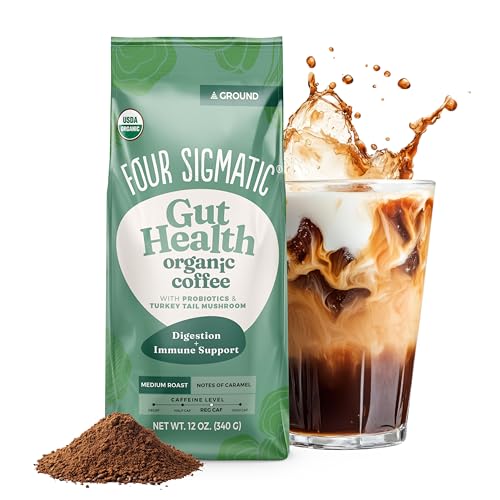
Four Sigmatic Gut Health Mushroom Coffee
Strengths
- Low acid
- Probiotic infused
- Organic mushrooms
Trade-offs
- Earthy aftertaste
- Not for purists
This coffee stands out not just for lowering acid but for actively trying to improve gut and immune health, which aligns with a growing trend in functional beverages. The inclusion of Chaga and Turkey Tail mushrooms, plus probiotics and prebiotics, makes it more than a coffee, it’s a wellness product in disguise. On paper, it’s impressive, especially the claim of 250mg of wild-harvested Chaga per cup, and owners consistently report feeling a subtle but noticeable difference in their morning routine, especially those with digestive sensitivities.
Still, the mushroom infusion won’t appeal to everyone. Some reviewers note a slight earthiness that takes getting used to, and if you’re strictly after a clean coffee experience, this might feel a bit ‘busy’. Compared to others in the low-acid space, it’s less about pure flavor simplicity and more about layered benefits. I’d pick this for someone already into adaptogens or looking to reduce coffee-related gut irritation without ditching caffeine.
Video review
Fabula Organic Low Acid Peruvian Coffee

Strengths
- Lab-tested purity
- Clean USDA organic
- Rich chocolate notes
Trade-offs
- Slightly pricier
- Limited roast options
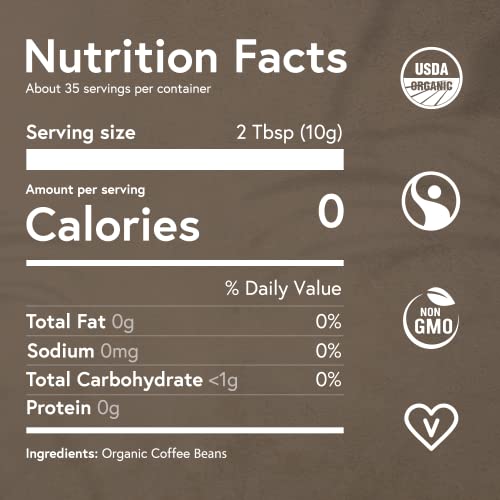
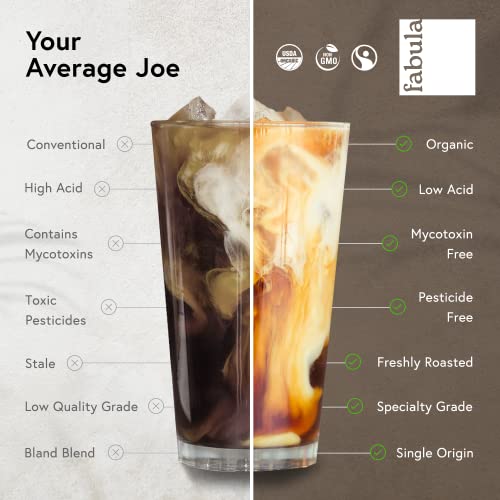
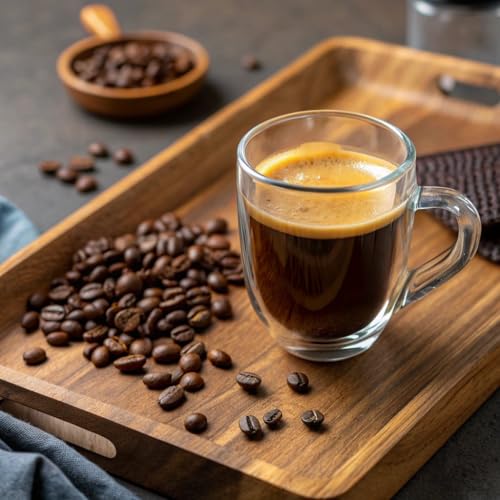
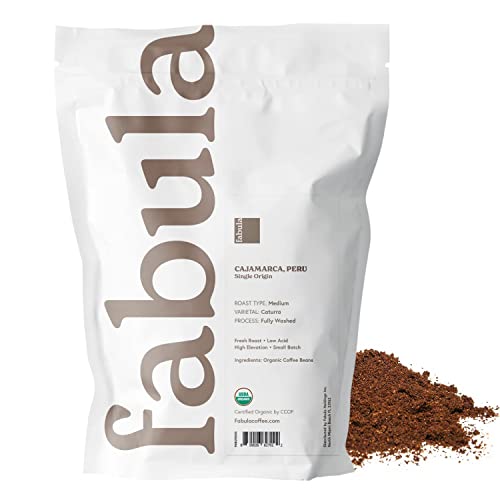
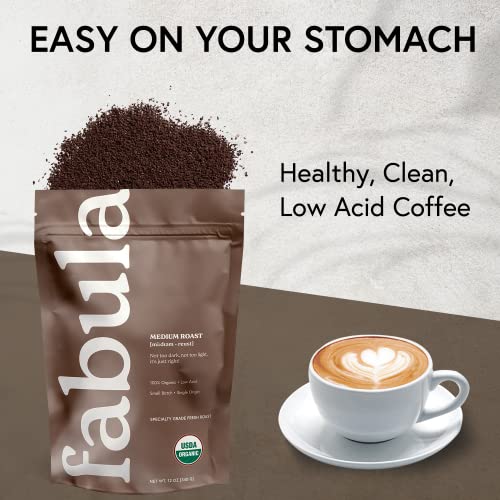
When it comes to transparency and cleanliness, Fabula sets a high bar. The fact that it’s lab-tested for over 350 chemicals and consistently comes back free of molds, mycotoxins, and pesticides gives it serious credibility, especially for those with sensitivities beyond just acid reflux, like mold allergies or chemical sensitivities. The Peruvian high-altitude beans deliver a rich, nutty, caramel-forward cup that reviewers describe as both smooth and deeply satisfying, with no sharp edges.
What impresses me most is how many customers mention being able to drink coffee again without stomach pain. Compared to other organic options, Fabula doesn’t sacrifice flavor for safety, it delivers both. It’s not the flashiest brand, but it’s built on trust and consistency. For someone who’s been burned by cheap coffee before, this is the kind of product that feels like a reset.
Product photos
Happy Gut Doctor-Formulated Organic Coffee
Strengths
- Doctor-formulated
- Air roasted for digestion
- Third-party purity tested
Trade-offs
- Only medium-to-dark roast
- Higher price point
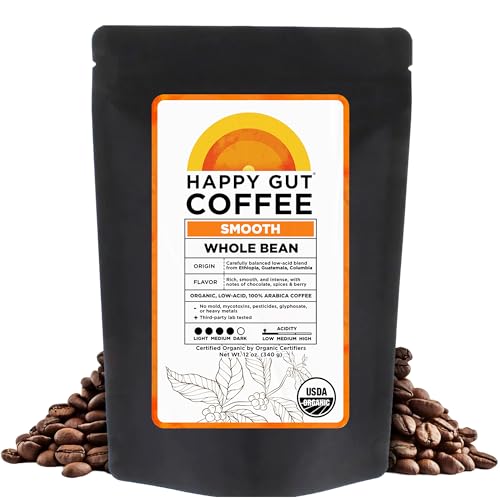
Dr. Vincent Pedre didn’t just make another low-acid coffee, he designed one with gut physiology in mind, specifically targeting chlorogenic acid, a known trigger for stomach discomfort. The air-roasting method and extended roast time are smart moves, scientifically aligned with reducing compounds that irritate the gut lining. Owners praise how smooth it is, with dark chocolate and berry notes that feel luxurious without the bitterness that often accompanies dark roasts.
Compared to others, this one strikes a rare balance: it’s both doctor-formulated and actually tasty. Many medicated-tasting functional coffees fall short on flavor, but Happy Gut delivers depth and complexity. I’d recommend this over more generic blends for anyone who’s had to quit coffee due to digestive issues but still craves a rich, full-bodied cup.
Video review
Low Acid Coffee Medium Roast Blend

Strengths
- Affordable
- Smooth flavor
- Low pH level
Trade-offs
- No organic certification
- Less brand transparency
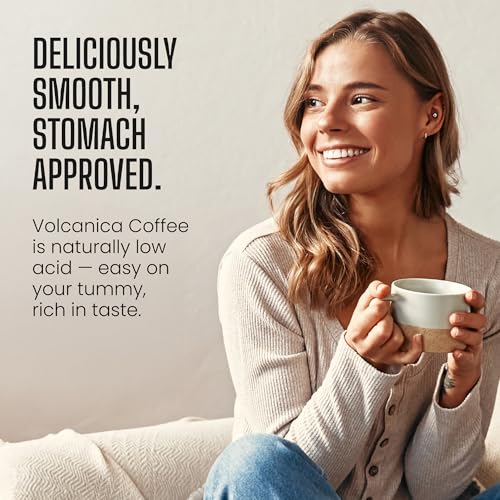
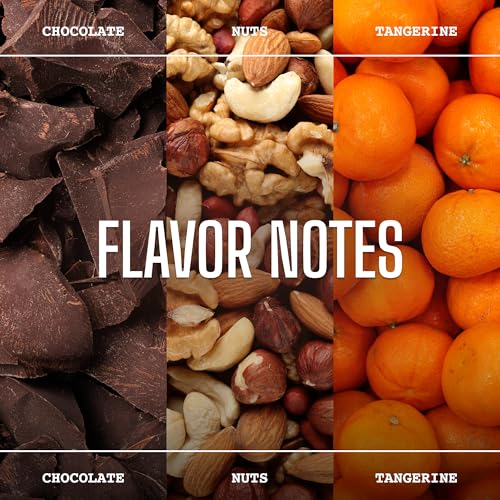
At a pH of 5.3, this blend is genuinely less acidic than most standard coffees, which often dip below 5.0. The washed processing and medium roast bring out chocolate, nut, and tangerine notes, a surprisingly bright and balanced profile for a low-acid coffee. It’s also one of the more affordable options on the list, making it a solid entry point for someone testing whether acid reduction actually helps their reflux.
Owners report it’s smooth and easy to drink, though it doesn’t have the premium branding or third-party certifications of others. It’s not USDA organic, and while it’s tested for mold and mycotoxins, the transparency isn’t as detailed as Fabula or Lifeboost. Still, for the price, it delivers where it counts, flavor and stomach comfort, and serves as a practical first try before investing in pricier, certified options.
Product photos
VitaCup Low Acid Guatemala Dark Roast

Strengths
- Single-origin Guatemalan
- Dark roast complexity
- Fair Trade certified
Trade-offs
- Smaller bag size
- Limited to dark roast
If you’re after a true single-origin dark roast that’s both clean and low in acid, this Guatemalan option is hard to beat. Grown at high altitude, the beans develop a complex, robust profile with deep chocolaty notes and a clean finish, exactly what dark roast lovers want without the gut-punch. The fact that it’s USDA Organic and Fair Trade adds ethical weight, and third-party testing confirms it’s free of mycotoxins and contaminants.
Compared to blended dark roasts, this one feels more authentic and focused. Some low-acid coffees mute flavor to reduce irritation, but VitaCup maintains richness. I’d pick this over Happy Gut if you prefer single-origin clarity and a darker, bolder profile. It’s not as medicated-feeling, but still gentle enough for most sensitive stomachs.
Product photos


Lifeboost Medium Roast K Cups

Strengths
- Keurig compatible
- Third-party tested
- Single-origin purity
Trade-offs
- Expensive per cup
- Plastic pod waste
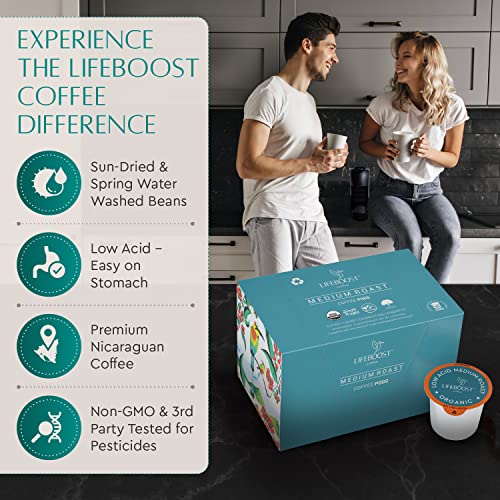
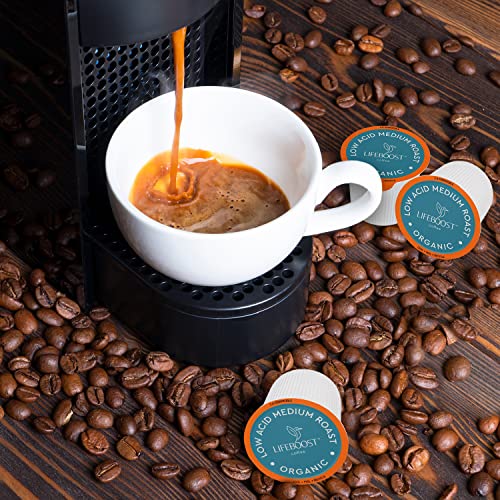
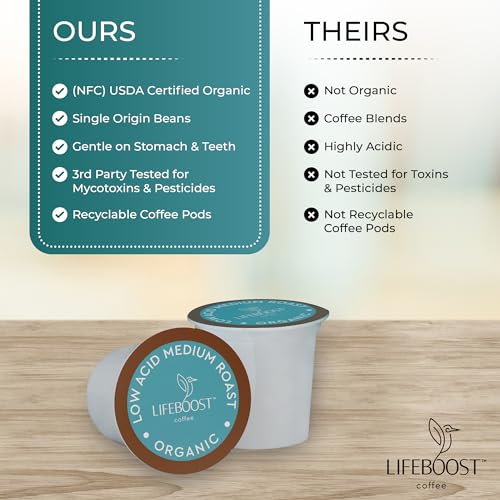
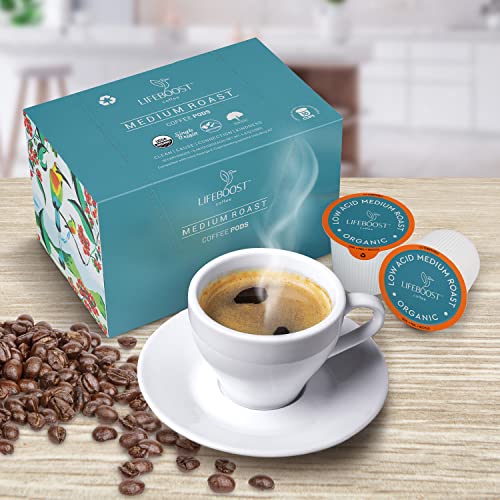
For Keurig users who thought they’d have to give up convenience for gut comfort, these K-Cups are a win. Lifeboost’s single-origin beans are shade-grown, hand-selected, and tested for 400+ toxins, rare for pod coffee. The medium roast is well-balanced and smooth, with no harshness, and owners consistently say it’s the only pod coffee they can drink without acid reflux flaring.
Compared to other K-Cup brands, even premium ones, the purity standards here are next level. Most pods cut corners on sourcing, but this one doesn’t. I’d recommend these over the ground version if convenience is your priority, you’re not sacrificing safety or flavor. The only downside? Cost per cup adds up faster than bulk ground.
Product photos
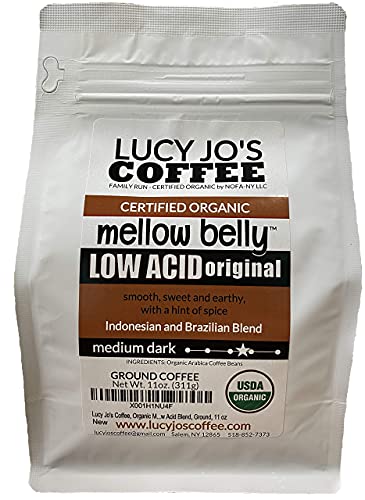
Lucy Jo’s Organic Mellow Belly Blend
Strengths
- Small batch roasted
- Organic Arabica
- Earthy, smooth taste
Trade-offs
- No third-party toxin tests
- Harder to find
Small-batch, hand-roasted, and family-run, Lucy Jo’s feels like the artisanal underdog in a field of wellness brands. The Indonesian and Brazilian blend delivers a smooth, earthy cup with a hint of spice, roasted specifically to be gentle on the stomach. It’s USDA organic and made in small runs, which helps preserve freshness and flavor integrity.
While it lacks the lab reports of Fabula or Lifeboost, the craftsmanship shows. It’s not marketed with scientific claims, but owners say it’s easy to digest and flavorful. Compared to larger brands, it’s more about roast mastery than functional additives. I’d pick this for someone who values craft roasting over clinical testing, but only if they’re confident their sensitivity isn’t mold-related.
Product photos
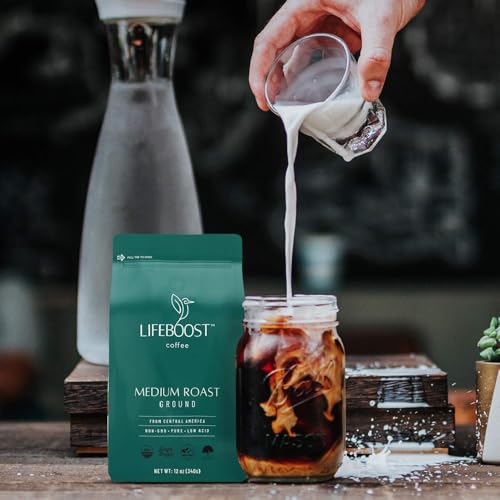
Lifeboost Medium Roast Ground Coffee

Strengths
- Third-party tested
- Single-origin purity
- Smooth flavor
Trade-offs
- Premium price
- Only one roast level
This is the coffee I’d recommend as the overall benchmark for low-acid, health-safe coffee. Single-origin, USDA organic, shade-grown at high elevation, and tested for 400+ toxins, it checks every box for purity and performance. The medium roast is balanced, smooth, and naturally sweet, with none of the sharpness that triggers reflux. Owners repeatedly say it’s the first coffee they’ve found that doesn’t cause stomach pain.
Compared to others, it strikes the best balance between flavor, safety, and accessibility. It’s not stuffed with mushrooms or pH-altering minerals, it just starts with exceptional beans and meticulous processing. My recommendation? Try this first. If it works, you may not need anything else.
Product photos



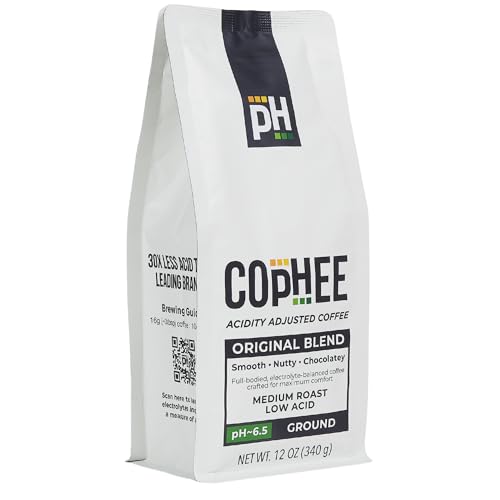
COpHEE Low Acid Original Blend
Strengths
- pH-balanced
- 30x less acid
- Enamel-friendly
Trade-offs
- Newer brand
- Limited availability
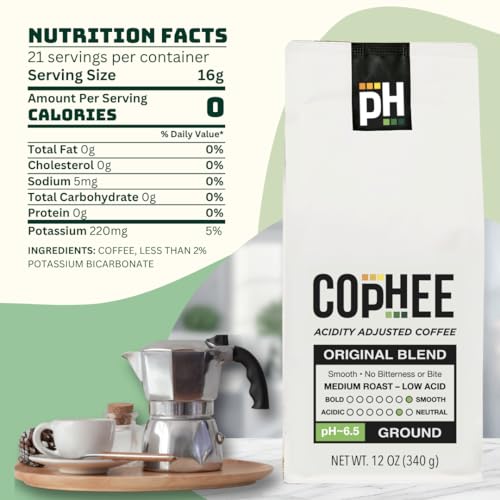
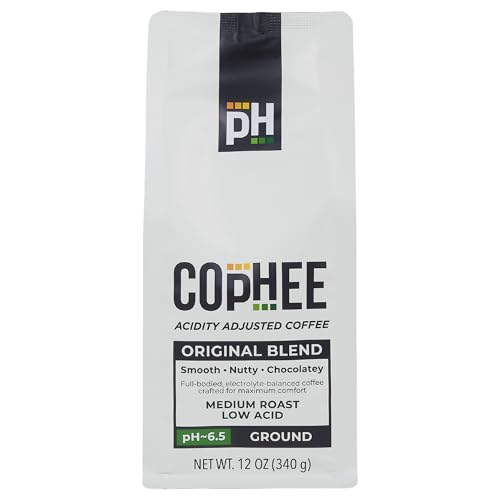
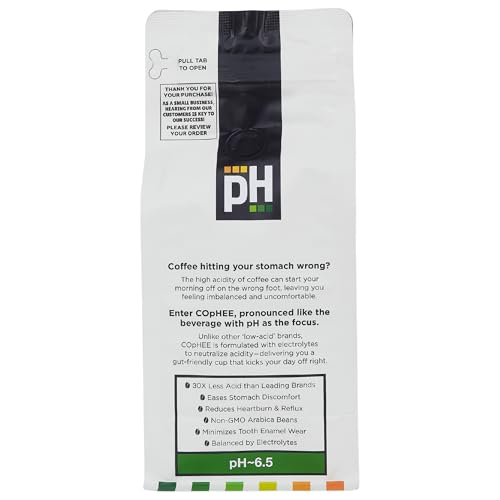
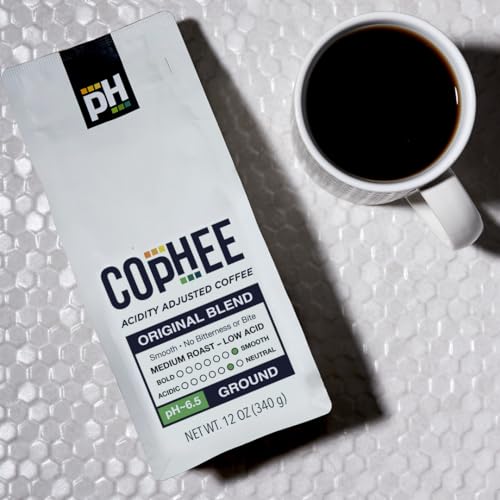
What sets COpHEE apart is its pH-balancing chemistry, it doesn’t just roast low acid, it actively neutralizes acidity using natural electrolytes. That’s a different approach from most, which rely solely on roasting methods. The result is a coffee that’s 30x less acidic than standard brands, with a printed pH level on the bag for transparency. Owners with severe GERD or dental sensitivity often highlight how this one doesn’t trigger their usual symptoms.
Flavor-wise, it’s a smooth, rounded medium roast with full caffeine and no bitterness. Compared to Lifeboost, it’s more focused on chemical neutrality than origin storytelling. I’d pick this for someone whose reflux is highly sensitive to pH shifts or who’s tried other low-acid coffees without relief. It’s science-first, which works when basic roasting isn’t enough.
Product photos

How We Evaluated coffee for acid reflux
As Bean Thusiast’s founder, I’ve long been fascinated by the interplay between coffee and digestive health. Rather than a hands-on lab test of each coffee, this selection is a research-led comparison of published specifications and owner feedback. We examined stated acidity levels, processing methods, and certifications, then weighed that against what people are actually saying about their experiences with each brand – particularly regarding heartburn and stomach upset. Our goal was to identify coffees best suited for those seeking a flavorful cup without the discomfort.
For coffees aimed at those with acid reflux, a few factors stood out as most important. Low acidity, obviously, is key, but how that’s achieved matters. We prioritized coffees where the reduction in acidity was demonstrably addressed through roasting techniques or natural mineral additions, rather than just marketing claims. Equally important was third-party testing for contaminants, as sensitivities are often heightened for those managing reflux. Finally, bean origin and processing played a role, as certain regions and methods tend to yield naturally smoother brews.
Specifications reliably tell you about bean origin, roast level, and certifications like USDA Organic. However, reported acidity levels (like pH) can vary, and ultimately, the experience is subjective. We heavily weighted owner feedback regarding noticeable improvements in digestive comfort, and considered the reputation of brands known for quality and transparency. If you’re considering eliminating caffeine altogether, exploring decaffeinated coffee for reflux is also a worthwhile path.
Choosing The Right coffee for acid reflux
Finding a good cup shouldn’t mean sacrificing your comfort. As someone who’s spent years immersed in the world of coffee – from sourcing to brewing – I know that even the most passionate coffee drinker can be sidelined by acidity issues. Let’s find you a brew that’s both delicious and gentle on your system.
A truly good coffee for those with acid reflux focuses on bean origin (high-altitude Arabica is often preferred), roast level (medium to dark tends to reduce acidity), and processing methods (washed coffees are often lower in acid). Look for certifications like USDA Organic, and consider third-party testing for mycotoxins and other potential irritants. Prioritize brands transparent about their sourcing and roasting practices.
Roast Level: More Than Just Flavor
Many people assume dark roasts are automatically lower in acid, but that’s not always the case. While the roasting process can break down some acids, it also creates others. Generally, a medium-dark roast strikes a good balance. It develops richer flavors without becoming overly bitter or increasing acidity to uncomfortable levels. I often recommend exploring coffees specifically marketed as “low acid” as these roasters have actively worked to minimize those compounds.
Bean Origin & Processing: Where Your Coffee Comes From
The origin of the bean plays a huge role. High-altitude grown Arabica beans (like those from Guatemala or Indonesia) are often naturally lower in acid. The way the beans are processed also matters significantly. Washed process coffees, where the cherry pulp is removed before drying, tend to have lower acidity than naturally processed coffees, where the bean dries inside the cherry. This is because the fermentation process in natural processing can increase acidity.
- Consider Single-Origin options: these allow you to pinpoint specific growing regions known for lower acidity.
- Look for shade-grown coffees: these mature more slowly, developing a more complex flavor profile and often lower acidity.
- Don’t dismiss Indonesian beans: Sumatran coffees, for example, are frequently praised for their smooth, earthy character and naturally low acidity, making them a good smooth low-acid brews.
Beyond the Bean: Certifications & Testing
It’s no longer enough to just look for “organic.” While USDA Organic certification is a good start, it doesn’t guarantee low acidity. I strongly suggest seeking out brands that go the extra mile with third-party testing. Testing for mycotoxins, pesticides, and heavy metals ensures you’re getting a clean, safe product.
A helpful rule of thumb: if a coffee company doesn’t readily share information about their sourcing, roasting, and testing processes, it’s best to look elsewhere. Transparency is key.
Many people find relief by switching to cold brew for acid reflux, as the cold brewing process can further reduce acidity. If you struggle with consistent stomach upset, exploring different brewing methods alongside bean choices may be your best path to a comfortable coffee routine.
Coffee for Acid Reflux Compared
Here is a comparison of key specifications for coffees marketed for those with acid reflux.
| Product Name | Roast | Organic | pH Level | Key Features | Form |
|---|---|---|---|---|---|
| Lifeboost Medium Roast Ground Coffee | Medium | Yes | N/A | Ethically Sourced, 3rd Party Tested | Ground |
| Low Acid Coffee Medium Roast Blend | Medium | N/A | 5.3 | Smooth Taste, Stomach-Friendly | Ground |
| VitaCup Low Acid Guatemala Dark Roast | Dark | Yes | N/A | Single-Origin, Antioxidants | Ground |
| Lucy Jo’s Organic Mellow Belly Blend | N/A | Yes | N/A | Small Batch, Indonesian/Brazilian Blend | Ground |
| Four Sigmatic Gut Health Mushroom Coffee | Medium | Yes | N/A | Probiotics, Chaga Mushrooms | Ground |
| Lifeboost Medium Roast K Cups | Medium | Yes | N/A | Ethically Sourced, 3rd Party Tested | K-Cups |
| COpHEE Low Acid Original Blend | Medium | N/A | N/A | 30x Less Acid, pH Balanced | Ground |
| Fabula Organic Low Acid Peruvian Coffee | Medium | Yes | N/A | Lab-Tested, High Altitude Grown | Ground |
| Happy Gut Doctor-Formulated Organic Coffee | Med-Dark | Yes | N/A | Doctor-Formulated, Low Chlorogenic Acid | Ground |
Frequently Asked Questions
What pH level should I look for in coffee if I have acid reflux?
Generally, a pH of 5.3 or higher is considered preferable for those with acid reflux, though specific tolerance varies. However, pH isn’t always listed and can be misleading; focus on coffees specifically marketed as “low acid” and prioritize owner feedback.
Are dark roasts always better for acid reflux?
Not necessarily. While dark roasts can sometimes mask acidity with bitterness, the roasting process can also create different acids. A medium-dark roast often provides the best balance of flavor and reduced acidity.
Can I reduce acid reflux by changing how I brew my coffee?
Yes, cold brewing consistently shows promise for reducing acidity. The longer, cooler extraction process results in a smoother, less acidic concentrate compared to hot brewing methods like drip or pour-over.
Is organic coffee automatically lower in acid?
No, USDA Organic certification doesn’t guarantee lower acidity. It ensures the beans were grown without synthetic pesticides and fertilizers, but doesn’t address the bean’s inherent acidity or processing methods.
What if I still experience issues with low-acid coffee?
If you’re still struggling, consider exploring acid reflux safe coffee options, as eliminating caffeine altogether can provide significant relief for some individuals.
The Bottom Line
Choosing the best coffee for acid reflux often comes down to balancing your desire for a rich, flavorful cup with the need for digestive comfort. While many brands claim low acidity, Lifeboost Medium Roast Ground Coffee consistently receives high marks from those seeking a smoother brew and offers the reassurance of third-party testing. It’s a solid all-around choice for most people looking to minimize discomfort.
For those on a tighter budget, Low Acid Coffee Medium Roast Blend presents a compelling option, boasting a reported pH of 5.3 and a focus on stomach-friendliness. If you specifically want a single-origin experience, VitaCup Low Acid Guatemala Dark Roast delivers a darker profile with the benefits of Guatemalan beans and added antioxidants. And if you want to explore brewing methods for sensitive stomachs, you’ll find that can make a difference as well.
Ultimately, remember that individual sensitivities vary. No single coffee will work for everyone, and focusing on bean origin, roast level, and third-party testing are more valuable than chasing a specific pH number. Prioritize quality beans and thoughtful processing, these fundamentals will do more to safeguard your enjoyment than any marketing claim.
