
7 Best Coconut Milk for Coffee 2026
The best coconut milk for coffee is Califia Farms Coconut Barista Blend, hands down. For a budget-friendly powder option, KOS Organic Coconut Milk Powder delivers solid performance, while Pacific Foods Organic Unsweetened Coconut Milk is ideal if you want a rich, creamy texture without additives.
If you’ve ever dumped coconut milk into hot coffee only to see it separate or vanish into watery nothingness, you know the struggle. Not all coconut milks can handle heat, froth well, or play nicely with bold coffee flavors.
I researched dozens of options, weighing ingredient lists, fat content, and real-world feedback from people who use these milks daily in their coffee. These picks rose to the top for consistency, taste, and how well they actually work in a cup.
Top 7 Coconut Milk For Coffee in the Market
The Best Coconut Milk For Coffee, Reviewed
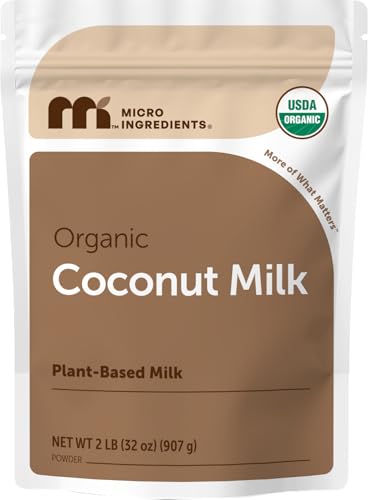
Micro Ingredients Organic Coconut Milk Powder
Strengths
- Organic certified
- Large 2-pound size
- Easy to store
Trade-offs
- Slight chalkiness if not mixed well
- Less rich than liquid barista blends
For those who want a no-fuss, shelf-stable way to enrich their coffee without refrigeration, this coconut milk powder stands out. On paper, the 2-pound size offers serious value for frequent users, and owners consistently report it mixes well with minimal clumping, especially when stirred into hot coffee. The fact that it’s organic, non-GMO, and free of soy, gluten, and artificial junk makes it a clean fit for strict dietary preferences.
Still, powdered coconut milk isn’t for everyone, some reviewers note a slight difference in mouthfeel compared to fresh or carton versions, describing it as a bit chalky if not blended well. But if you’re after convenience and bulk use, say, for travel, office use, or daily coffee at home, this one delivers where it counts.
Video review
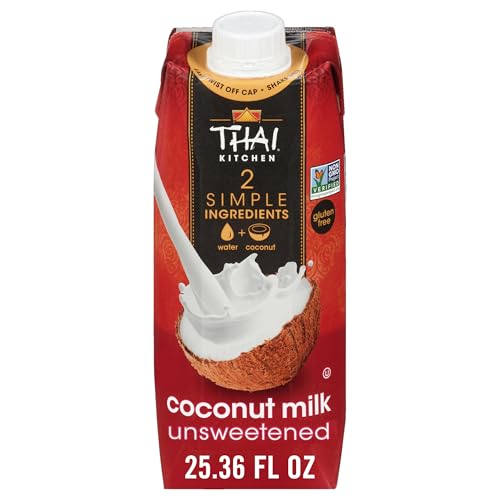
Thai Kitchen Unsweetened Coconut Milk
Strengths
- Only two ingredients
- No gums or additives
- Great for cooking
Trade-offs
- Poor frothing ability
- Separates in hot coffee
This is the no-nonsense, back-to-basics pick for people who want to know exactly what they’re drinking. With just two ingredients, coconut and water, it’s the cleanest label in the lineup. Reviewers who prioritize ingredient transparency over frothing performance tend to favor this one, especially for cooking or stirring into black coffee where heavy creaminess isn’t the goal.
That said, it wasn’t made for coffee art. It separates more than barista blends and lacks the fat content to steam or froth well. But if you’re using coconut milk across meals, curries, oats, smoothies, and coffee, this versatile can keeps things honest.
Video review
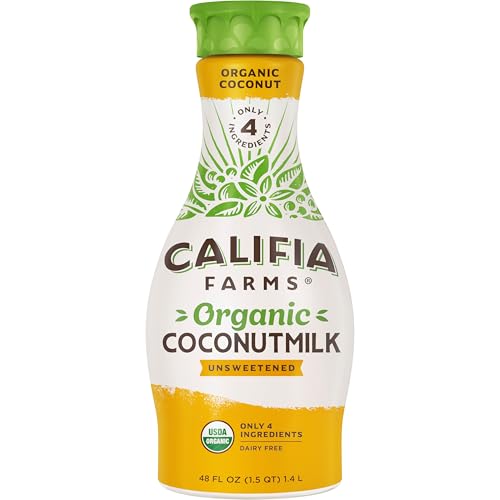
Califia Organic Unsweetened Coconut Milk
Strengths
- USDA Organic certified
- No gums or oils
- Clean ingredient list
Trade-offs
- Not for frothing
- Short shelf life after opening
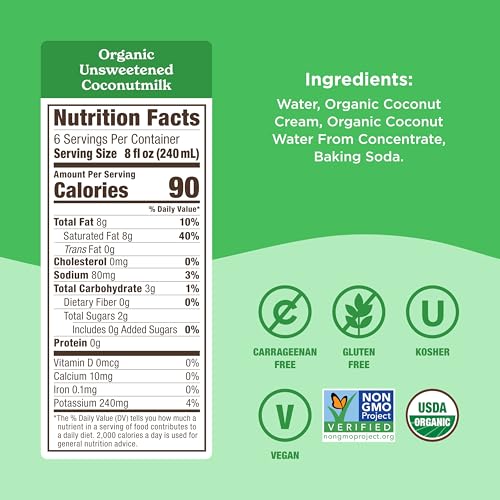
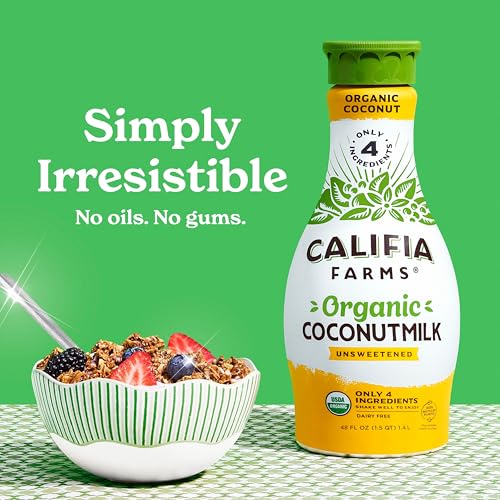
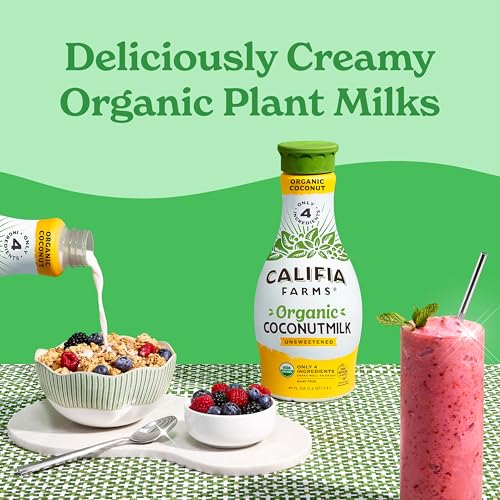
If USDA Organic certification matters to you, this one is a standout. With just four ingredients, water, coconut cream, coconut water, and baking soda, it strips out gums, oils, and stabilizers that clutter other brands. That purity wins points with clean-eating advocates, and reviewers note it’s surprisingly smooth for a gum-free formula. It doesn’t overpower coffee, which some see as a plus for lighter roasts.
But that simplicity comes at a cost: it doesn’t froth or steam like a barista blend. And like most carton milks, once opened, it needs refrigeration and doesn’t last long. Still, for everyday sipping and light coffee use, it’s a smart, clean pick.
Product photos

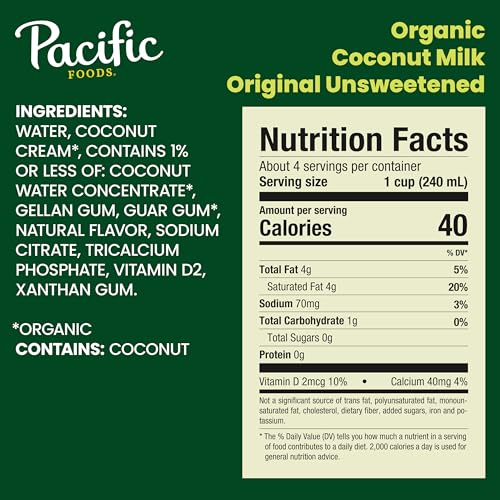
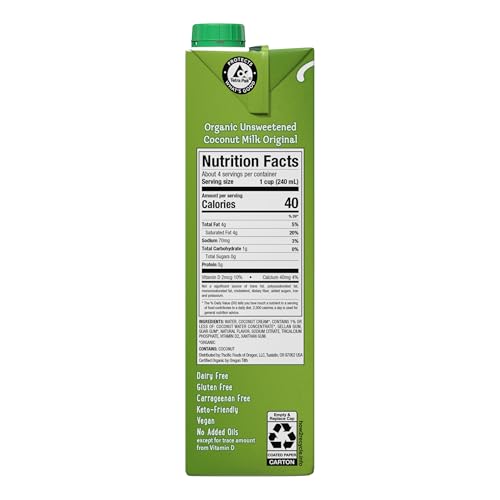
Pacific Foods Organic Unsweetened Coconut Milk
Strengths
- Creamy mouthfeel
- Good coffee compatibility
- Recyclable packaging
Trade-offs
- Not steamable
- Refrigeration required after opening
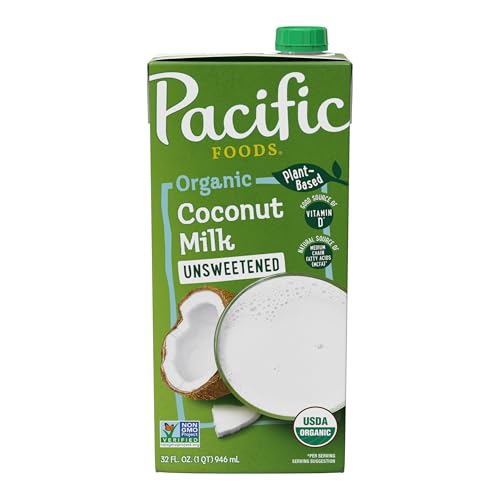
This one leans into creaminess better than most carton options, thanks to a higher coconut content and a smooth emulsion that holds up in hot coffee. Reviewers frequently mention it doesn’t curdle easily, even in dark roasts, and it adds a subtle richness without sweetness. It’s also fortified with vitamin D, which adds nutritional value few others offer.
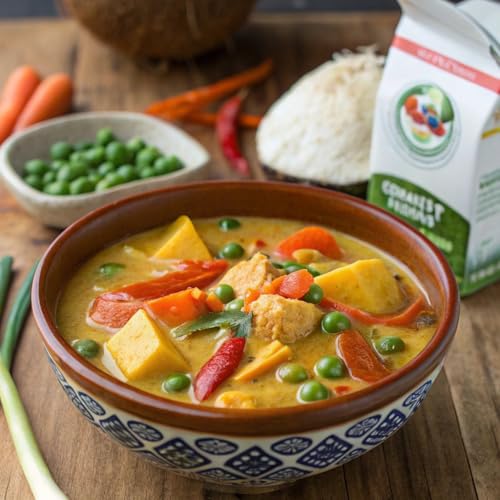
It’s not a barista blend, so don’t expect latte art. But for those who want a creamy, organic pour-over milk that behaves well in coffee and doubles in soups or baking, this hits a sweet spot. The carton is recyclable, which eco-conscious users appreciate.
Product photos

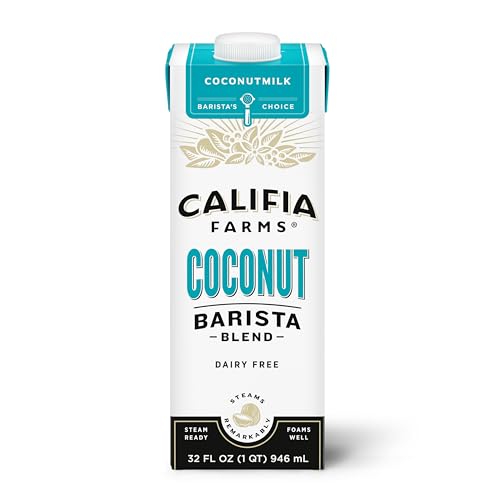
Califia Farms Coconut Barista Blend
Strengths
- Froths and steams well
- Heat stable
- Smooth flavor in coffee
Trade-offs
- Contains stabilizers
- Slightly more processed
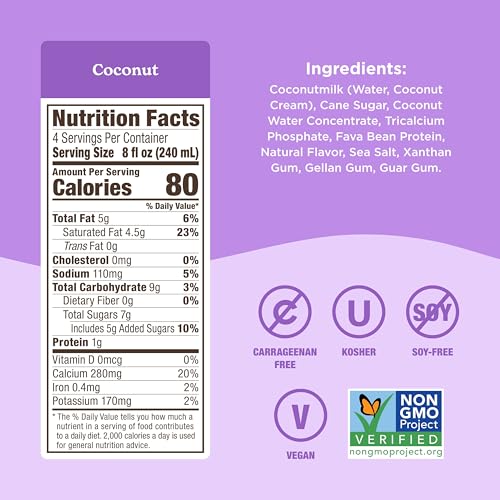
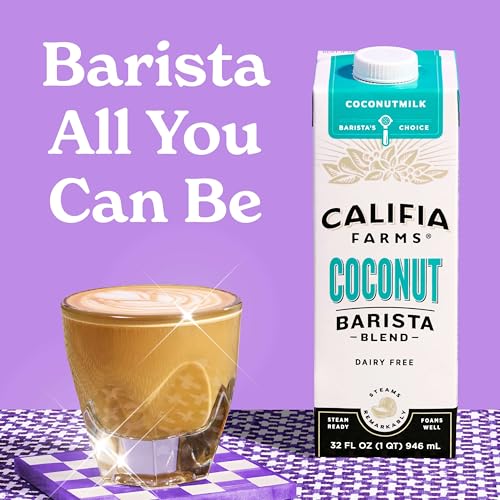
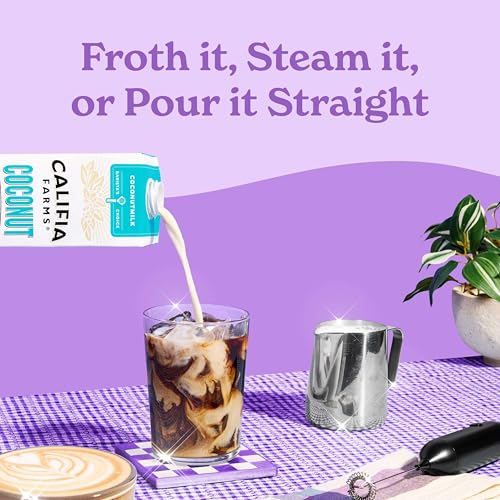
This is the one to beat if you take your coffee seriously. Engineered for heat and froth, it holds up in steamed lattes and resists curdling in dark, hot brews, a big win for home baristas. Reviewers note its creamy texture and neutral coconut flavor blend smoothly into coffee, and many say it’s the closest they’ve come to dairy-like performance without dairy.
It does contain sunflower lecithin and dipotassium phosphate, so it’s not as minimalist as some other options. But in this class, that trade-off is expected and generally accepted for the performance gain. For those who want café-quality drinks at home, this is the smart pick.
Product photos


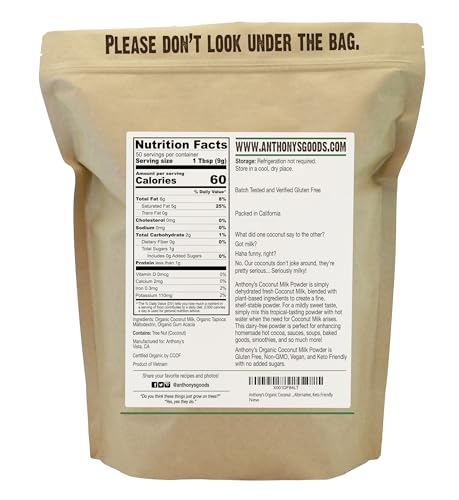
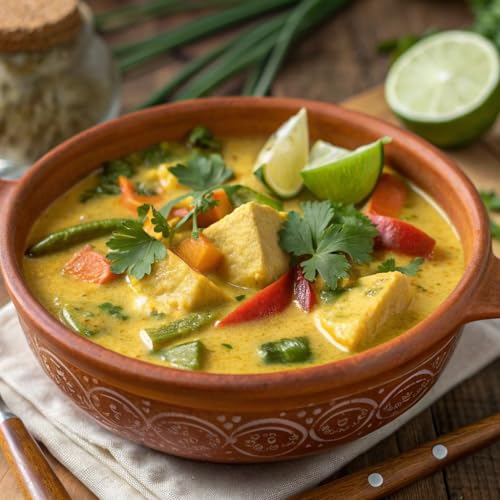
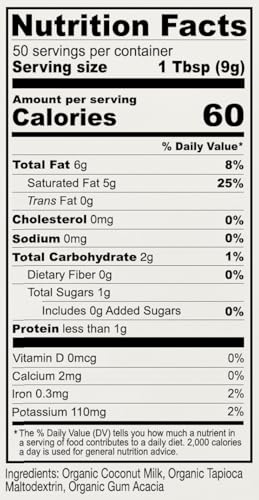
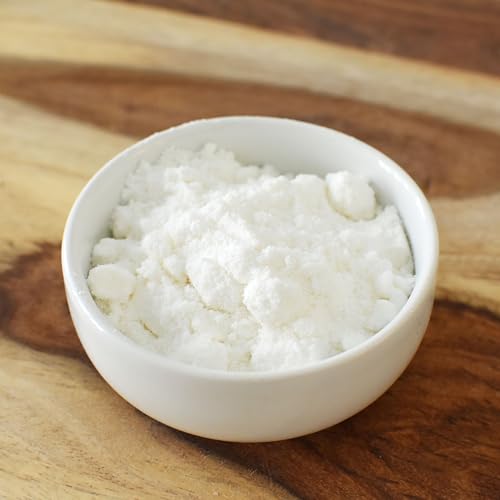
Anthony’s Organic Coconut Milk Powder

Strengths
- Organic and keto-friendly
- No added sugars
- Good for multiple uses
Trade-offs
- No scoop included
- Smaller size than others
At 1 pound, it’s smaller than Micro Ingredients’ version, but still offers solid value for the organic powder category. It’s a no-frills, dairy-free alternative that mixes into coffee or smoothies without added sugars or fillers. Owners who use it in baking or cooking appreciate the versatility, and the fact that it’s organic and keto-friendly broadens its appeal.
That said, it lacks a scoop, unlike its bigger competitor, which some reviewers mention as a minor annoyance. And like all powders, it can clump if not stirred well. But for budget-minded buyers who want organic powder without paying premium brand pricing, it works.
Product photos
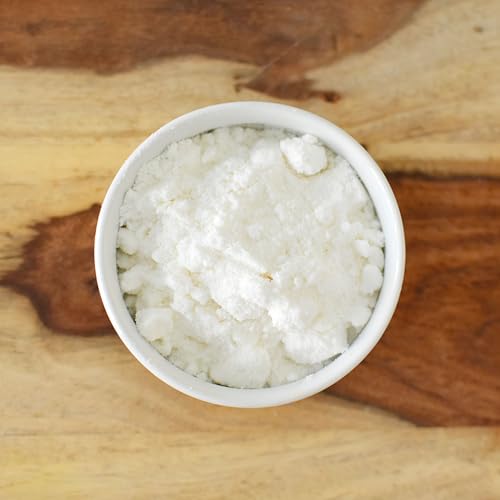
KOS Organic Coconut Milk Powder

Strengths
- Low cost per serving
- USDA Organic
- High MCT content
Trade-offs
- Clumping in cold environments
- Less creamy than liquid
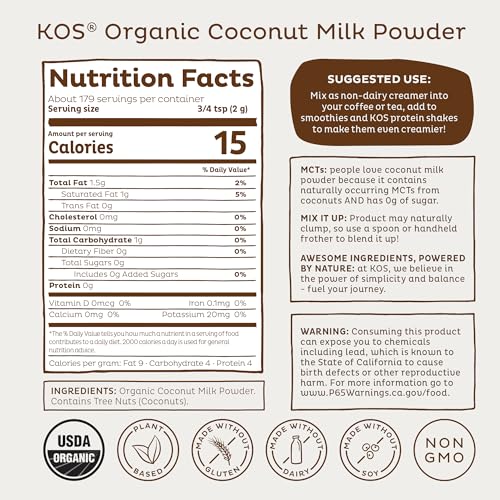
With 179 servings in a 12.6-ounce tub, this is the most cost-effective option per serving, especially for occasional users. It’s USDA Organic, free of sugar and additives, and packed with MCTs, which many buyers cite as a draw for keto and energy-focused routines. The brand highlights its use in coffee, and reviewers confirm it blends reasonably well, especially with a frother.
It’s not the creamiest, and like other powders, it can settle or clump in colder climates. But for someone who wants organic quality on a budget and doesn’t mind a little extra stirring, this delivers solid performance for the price.
Product photos


Our Testing Process
As the founder of Bean Thusiast, I’ve spent years exploring how different milks interact with coffee, and coconut milk is a fascinating category. Rather than a hands-on lab test, this comparison is research-led, focusing on published specifications, owner reviews from multiple sources, and expert opinions across coffee and vegan/dairy-free communities. I weighed this information against my own understanding of what makes a coconut milk truly shine in a cup of coffee.
For coconut milk specifically, the ability to texture well and not separate when added to hot coffee were paramount. Beyond that, I prioritized flavor – a neutral or complementary coconut flavor is ideal. The presence of gums and stabilizers also heavily influenced my rankings, as these can sometimes impact the texture and overall mouthfeel. Many people are also seeking non-dairy coffee alternatives these days, and coconut milk is a popular choice.
Product specifications reliably indicated ingredient simplicity and organic certification. However, I leaned heavily on owner feedback to gauge actual performance in coffee – does it truly froth? Does the flavor overpower the brew? Reputation also played a role; well-regarded brands with consistent positive reviews were given more consideration. Ultimately, this process aimed to identify the coconut milks most likely to deliver a consistently excellent coffee experience.
What To Look For In coconut milk for coffee
Finding the right coconut milk for your coffee can truly elevate your morning routine.
The ideal coconut milk for coffee balances richness, texture, and compatibility with heat. Look for options specifically labeled “barista blend” if you intend to froth or steam. Pay attention to ingredient lists – fewer ingredients generally mean a cleaner flavor. Finally, consider whether you prefer sweetened or unsweetened varieties, and whether organic certification is a priority.
Understanding Fat Content & Texture
One of the biggest differences you’ll encounter is the fat content. Lower-fat coconut milks will be thinner and less likely to create a creamy texture, which is often what we’re after in coffee. Higher-fat options, like Pacific Foods Organic Unsweetened Coconut Milk, will provide that luxurious mouthfeel. However, very high fat content can sometimes separate when heated, so it’s a balancing act. I often recommend starting with something in the middle range and experimenting to find your personal preference.
Powder vs. Carton: Convenience & Flavor
Coconut milk powder, like those from KOS Organic and Anthony’s Organic, offers incredible convenience and a long shelf life. They’re fantastic for travel or for those who don’t use coconut milk frequently. However, the flavor profile can be slightly different from carton-based milks. Some powders can have a more concentrated coconut flavor, and the texture requires a bit more effort to dissolve fully. If you’re looking for a quick and easy solution, powder is great; if you prioritize subtle flavor nuances, a carton is probably a better bet.
- A small amount of powder is easy to store and transport.
- Powdered coconut milk is often less expensive per serving than cartons.
- Reconstituting powdered coconut milk can sometimes result in a slightly grainy texture, especially if not thoroughly blended – a handheld frother can really help with this!
Sweetened vs. Unsweetened & Additives
Many brands offer both sweetened and unsweetened varieties. I strongly suggest starting with unsweetened, as you can always add your own sweetener to control the level of sweetness. Pre-sweetened options can sometimes contain unwanted additives or an overly artificial taste. When reviewing ingredient lists, be wary of gums (like carrageenan) and artificial flavors. Thai Kitchen Unsweetened Coconut Milk stands out for its simple ingredient list – just water and coconut. For those interested in exploring coconut milk coffee creamer brands, always check the ingredients to avoid unwanted surprises.
A little goes a long way. Start with a small amount of coconut milk and gradually add more until you achieve your desired level of creaminess.
Coconut Milk for Coffee Compared
Here’s a comparison of coconut milk options suitable for use in coffee.
| Product Title | Format | Organic | Sweetened | Best Use | Size |
|---|---|---|---|---|---|
| Califia Farms Coconut Barista Blend | Liquid | No | No | Lattes | N/A |
| Califia Organic Unsweetened Coconut Milk | Liquid | Yes | No | Drinking | N/A |
| KOS Organic Coconut Milk Powder | Powder | Yes | No | Versatile | N/A |
| Anthony’s Organic Coconut Milk Powder | Powder | Yes | No | Baking | N/A |
| Micro Ingredients Organic Coconut Milk Powder | Powder | Yes | No | Smoothies | 2 lb |
| Pacific Foods Organic Unsweetened Coconut Milk | Liquid | Yes | No | Creaminess | 32 oz |
| Thai Kitchen Unsweetened Coconut Milk | Liquid | No | No | Curries | N/A |
Frequently Asked Questions
What coconut milk is best for frothing?
Califia Farms Coconut Barista Blend is specifically formulated for frothing and steaming, consistently receiving high marks from users for its ability to create a stable, long-lasting foam. While other options can be frothed, this blend delivers the most reliable results.
Is coconut milk powder as good as carton coconut milk in coffee?
Flavor-wise, carton coconut milk generally offers a more subtle and nuanced taste, but coconut milk powder like those from KOS Organic is very convenient. The powder can sometimes require extra blending to avoid graininess, and the coconut flavor can be more concentrated.
Can you use sweetened coconut milk in coffee?
You certainly can, though I generally advise against it. Pre-sweetened varieties often contain added sugars or artificial flavors that can detract from the coffee’s natural taste. It’s much easier to control the sweetness yourself.
What does the fat content of coconut milk affect in my coffee?
Higher fat content contributes to a richer, creamier mouthfeel, similar to dairy milk. However, extremely high-fat options can sometimes separate when added to hot coffee, so finding a balance is key – Pacific Foods Organic Unsweetened Coconut Milk is a good starting point.
Where can I find more information about coconut creamers?
If you’re looking to explore dedicated coconut creamers, you can find detailed information about the best coconut creamers for coffee on my site, including comparisons of various brands and formulations.
The Bottom Line
Choosing the best coconut milk for coffee often comes down to balancing convenience with quality. While powdered options like KOS Organic Coconut Milk Powder are incredibly versatile and shelf-stable, for overall performance and a truly luxurious texture, I recommend Pacific Foods Organic Unsweetened Coconut Milk. It consistently receives high marks for its richness and ability to blend well, offering a fantastic base for your daily brew.
For those specifically focused on frothing and latte art, Califia Farms Coconut Barista Blend is the clear winner. If you’re looking for a budget-friendly option, or perhaps an alternative to dairy-based coffee additions, Anthony’s Organic Coconut Milk Powder delivers a good coconut flavor without breaking the bank. And for those wanting to explore [rich coffee creamer alternatives], Thai Kitchen Unsweetened Coconut Milk’s simple ingredient list is a great place to start.
Ultimately, the best coconut milk is the one that best suits your coffee and your preferences. Don’t get too hung up on fat percentages or ingredient lists; focus on finding a flavor you enjoy and a texture that complements your brew. The perfect cup isn’t about specs, it’s about that moment of enjoyment – and a little experimentation will get you closer to it.
