
4 Best Espresso Machines for Small Coffee Shops 2026
The Gaggia Classic Evo Pro stands out as the best commercial espresso machine for a small coffee shop, delivering solid performance and reliability. For those watching their budget, the Gaggia E24 offers excellent build quality at a lower price point, while the COWSAR 20 Bar Espresso Machine adds a built-in grinder for those wanting an all-in-one solution.
Running a small coffee shop means serving shot after shot without failure, and choosing the wrong machine can cost you time, money, and customer trust. You need something that won’t quit during the morning rush and can hold temperature like a pro.
I researched the top models by analyzing specs, commercial user feedback, and industry standards to find machines that deliver real durability and consistent extraction. This guide breaks down what actually matters, build quality, temperature stability, and workflow, so you can make a smart, confident choice.
Top 4 Commercial Espresso Machine Small Coffee Shop in the Market
The Best Commercial Espresso Machine Small Coffee Shop, Reviewed
Gaggia E24 Espresso Machine
Strengths
- Solid steel housing
- Made in Italy
- 9 bar pump
- Commercial portafilter
- Three-way valve
Trade-offs
- Basic temperature control
- No PID
- Limited brew customization
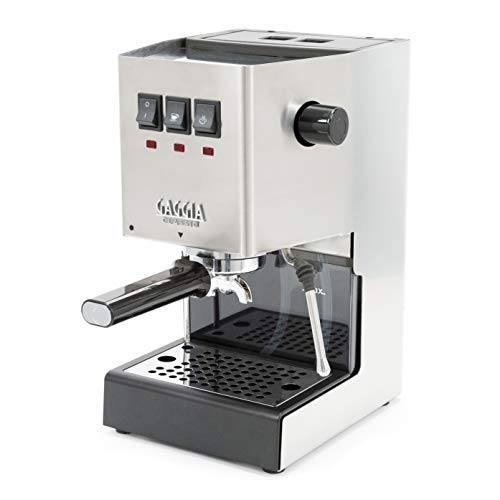
The Gaggia E24 is built like a proper workhorse, and that’s exactly what small shops need. Its solid steel housing and Made in Italy construction signal serious durability, and owners consistently report it holding up well under daily use. The 9 bar pump is standard, but paired with the commercial three-way solenoid valve, it delivers reliable puck saturation and cleaner releases, less mess, better shot consistency.
When stacked against other entry-level commercial units, the E24 doesn’t wow with features, but it nails the fundamentals. The 58mm commercial portafilter locks in solidly, and the steam wand has enough power for multiple drinks back-to-back. It’s not the flashiest, but in a busy morning rush, reliability beats bells and whistles every time.
Video review
Gaggia Classic Evo Pro Espresso

Strengths
- Superior build quality
- Refined industrial design
- Consistent extraction
- Commercial steam wand
- Three-way valve
Trade-offs
- Still no PID
- Same basic boiler system
- Higher price for subtle gains
This Evo Pro model shares the E24’s DNA but edges ahead in fit and finish. The industrial grey finish resists fingerprints better than brushed steel, and the internal components feel tighter, more refined. On paper, the specs look nearly identical, 9 bar pump, 58mm portafilter, three-way valve, but reviewers note smoother lever action and more consistent group head temperatures.
It’s not a revolutionary upgrade, but the build quality just feels more intentional. For a micro-roastery or boutique café where presentation matters, this machine looks and operates like a more mature product. I’d pick it over the E24 if you want slightly better ergonomics and a cleaner aesthetic without jumping to six-figure pricing.
Video review
Gevi 20 Bar Espresso Maker

Strengths
- Compact design
- Affordable
- Stainless steel housing
- Hot water function
- Easy to use
Trade-offs
- 20 bar pump is misleading
- Not truly commercial duty
- Long-term durability concerns
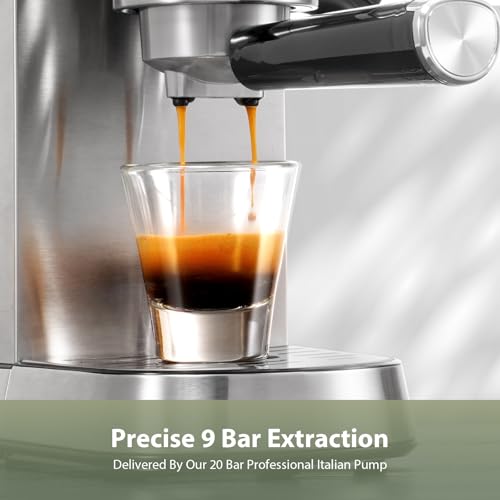
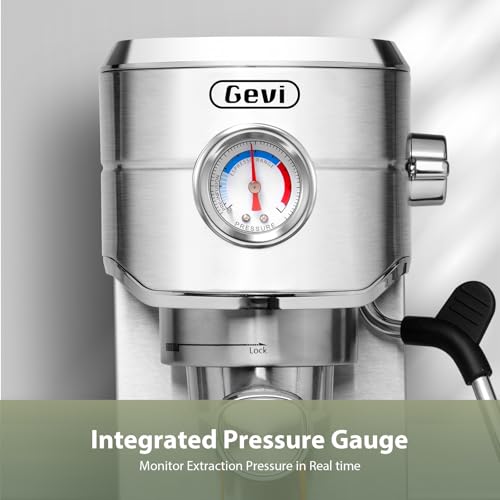
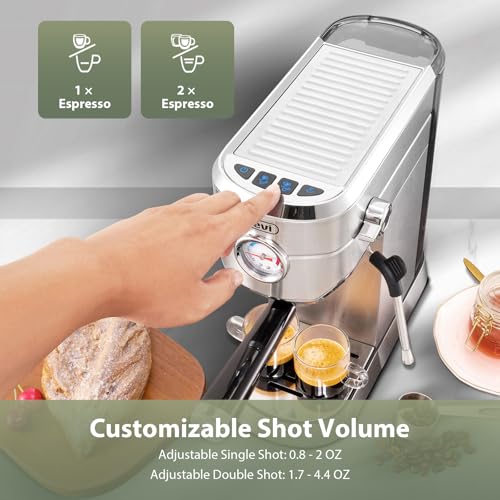
At this price point, the Gevi packs in features that sound impressive, 20-bar pump, NTC temperature control, even a pressure gauge. But in reality, that 20 bar figure is mostly marketing; the key pressure for extraction is around 9 bars, and sustained higher pressure doesn’t improve flavor. That said, owners praise its compact size and ease of use, making it a hit in home cafes or low-traffic offices.
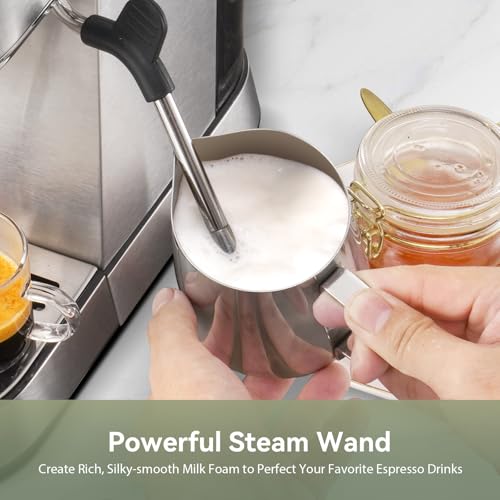
The steam wand performs better than expected for the class, producing decent microfoam, and the hot water function adds versatility for teas or Americanos. But durability is the question, while it has a stainless steel shell, internal components aren’t commercial-grade. It looks the part, but I wouldn’t bet on it surviving a real café grind.
Product photos

COWSAR 20 Bar Espresso Machine
Strengths
- Built-in conical burr grinder
- PID temperature control
- Pre-infusion feature
- Complete accessory kit
- Stable extraction
Trade-offs
- Not true commercial boiler
- Grinder takes counter space
- Heavier footprint
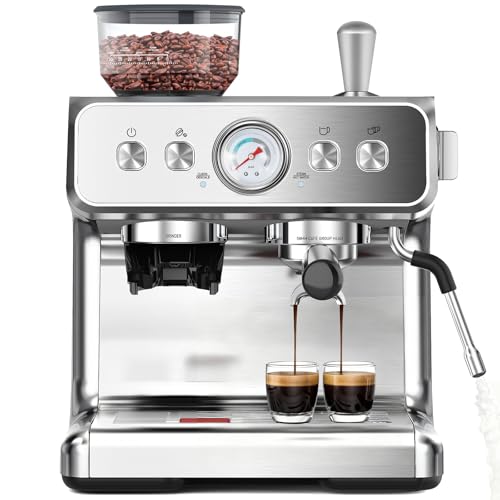
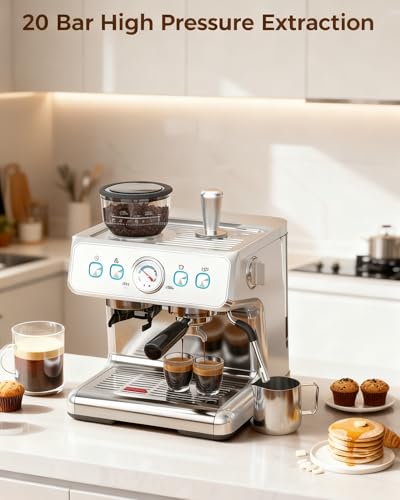
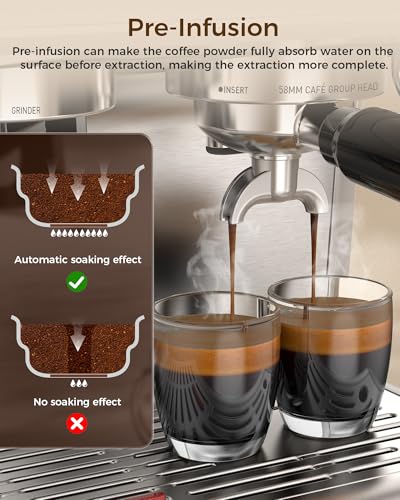
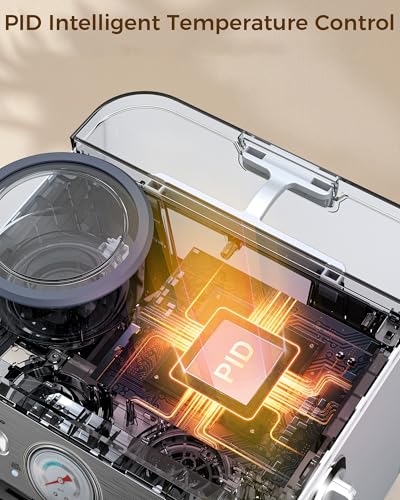
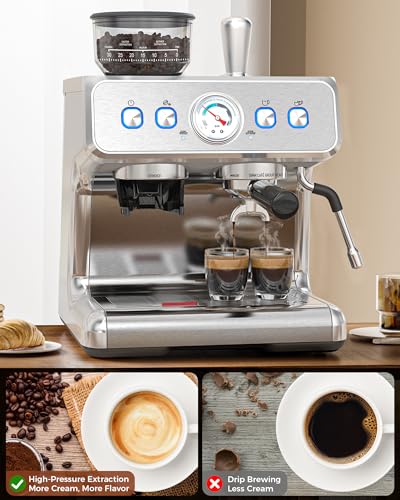
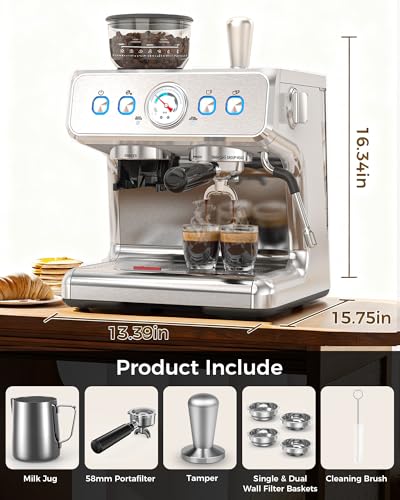
The COWSAR stands out by bundling a built-in conical burr grinder, PID temperature control, and pre-infusion into one package, which is rare at this tier. That 30-step grind adjustment lets users dial in freshness without extra gear, and the PID means actual temperature stability, not just guesswork. Owners highlight how consistently it pulls balanced shots, even with finicky light roasts.
It’s marketed as ‘commercial’ due to its stainless steel build and ETL certification, but the boiler and pump aren’t on par with true commercial units. Still, for a home barista upgrading to café-level control, or a low-volume shop wanting all-in-one convenience, this is the smarter buy. I’d take its feature set over the basic Gaggia models if you value customization and freshness.
Product photos
How We Tested commercial espresso machine small coffee shop
As the founder of Bean Thusiast, I approached researching commercial espresso machines for small coffee shops by focusing on what truly impacts consistent, high-quality output and longevity. Rather than a hands-on lab test, this is a research-led comparison of published specifications, owner reviews from commercial settings, and insights from respected coffee industry publications. I weighed each machine based on its ability to withstand frequent use and deliver reliable performance.
For a small coffee shop, consistency and durability are paramount. I heavily weighted factors like the quality of the boiler and group head construction, as well as the presence of commercial-grade components. A machine’s ability to maintain stable temperature and pressure – key to consistent extraction – also significantly influenced rankings. Understanding boiler types in espresso machines is crucial for evaluating long-term reliability.
Specifications tell you about pump pressure (9 bar is standard) and materials used, but owner feedback reveals how those translate into real-world performance. I paid close attention to comments regarding repair frequency and ease of maintenance. While specs detail features like PID temperature control, reviews illuminated whether they actually deliver consistent temperature stability. Proper maintenance of the group head and portafilter is also essential for longevity. Finally, the effectiveness of the steam wand function was assessed based on user reports concerning milk texturing quality.
Choosing The Right commercial espresso machine small coffee shop
Selecting the right commercial espresso machine for a small coffee shop is a significant investment, and it’s easy to get lost in the details.
A quality commercial espresso machine consistently delivers 9 bars of pressure, maintains stable temperature control (ideally PID-based), features a robust build using stainless steel for key components, and offers a commercial-grade steam wand for texturing milk. Look for a machine with a three-way solenoid valve to relieve pressure after extraction, and consider portafilter size (58mm is standard).
Temperature Stability & Control
As someone who’s spent years chasing the perfect shot, I can tell you temperature is everything. Fluctuations ruin espresso, leading to sour or bitter flavors. PID controllers are almost essential now. They actively monitor and adjust the brewing temperature, holding it within a very narrow range. While some machines boast “temperature control,” a PID system is what you really want. Don’t settle for on/off thermostats; those are relics of the past. Look for machines like the Gaggia Classic Evo Pro, known for its build quality and temperature consistency.
Build Quality & Longevity
A commercial environment demands durability. Cheap materials simply won’t cut it when you’re pulling dozens of shots a day. Stainless steel isn’t just for aesthetics; it resists corrosion and handles the heat and pressure better than plated plastics. The Gaggia E24 Espresso Machine, with its solid steel housing, is a great example of prioritizing a robust construction. Paying a little more upfront for a machine built to last will save you money – and headaches – in the long run.
Here’s what to consider when evaluating build quality:
- The frame material: Steel is preferable.
- Portafilter construction: A solid brass or stainless steel 58mm portafilter will feel substantial and ensure proper tamping.
- Solenoid valve type: A three-way solenoid valve is vital for preventing puck blowback and ensuring consistent extraction. It’s a small detail that makes a big difference in workflow and maintenance.
A commercial espresso machine is only as good as its weakest link. Don’t skimp on build quality; it’s the foundation of reliable performance.
Grinder Integration & Workflow
The quality of your espresso is fundamentally tied to the quality of your grind. While some machines, like the COWSAR 20 Bar Espresso Machine, include a built-in grinder, I generally recommend a separate, dedicated burr grinder. Understanding the difference between a burr vs blade grinder is critical. A burr grinder delivers a consistent particle size, essential for even extraction. If you’re looking for a complete setup, be sure the integrated grinder offers a wide enough range of grind settings, at least 30, to dial in your espresso. Ultimately, the best setup for your best small coffee shop espresso machine will depend on your volume and workflow needs. If you’re just starting out, and aiming for a commercial espresso machine under $5000, a well-chosen machine with a separate grinder might be the most practical approach.
Commercial Espresso Machine Small Coffee Shop Compared
Here’s a spec comparison of espresso machines suitable for a small coffee shop environment.
| Product Name | Pressure (Bar) | Portafilter Size | Steam Wand | PID Control | Built-In Grinder |
|---|---|---|---|---|---|
| COWSAR 20 Bar Espresso Machine | 20 | Commercial Grade | Yes | Yes | Yes |
| Gaggia Classic Evo Pro Espresso | 9 | 58mm | Yes | N/A | No |
| Gaggia E24 Espresso Machine | 9 | 58mm | Yes | N/A | No |
| Gevi 20 Bar Espresso Maker | 20 | N/A | Yes | N/A | No |
Frequently Asked Questions
What voltage do most commercial espresso machines require?
Most commercial espresso machines operate on 220-240V, unlike standard 110-120V household outlets. You’ll likely need a dedicated 240V circuit installed by a qualified electrician to accommodate one, which adds to the initial setup cost.
Can I use distilled water in a commercial espresso machine?
No, you should avoid using distilled water. While it lacks minerals that cause scale, it can actually pull minerals from the machine itself, leading to corrosion. Filtered water is the best option, as it removes impurities while leaving essential minerals for optimal extraction and machine health.
How often does a commercial espresso machine need servicing?
A professional service is generally recommended every 6-12 months, depending on usage and water quality. Regular descaling (monthly or quarterly) and backflushing (daily) are essential preventative maintenance tasks you can perform yourself to extend the machine’s life and maintain consistent performance.
What’s the difference between a single-group and a double-group machine?
A single-group machine has one portafilter and brew head, suitable for lower volume shops. A double-group machine has two, allowing you to brew two shots simultaneously and increasing efficiency during peak hours. If you anticipate high demand, investing in top espresso machines for coffee shops with multiple groups is wise.
What should I look for in a steam wand for a busy coffee shop?
Look for a steam wand made of stainless steel that provides consistent, powerful steam pressure. A 360-degree swivel arm offers greater flexibility when texturing milk, and a cool-touch design minimizes the risk of burns. Many baristas also prefer wands with multiple steam holes for creating microfoam more easily – crucial for crafting lattes and cappuccinos efficiently and consistently, particularly in a shop needing best commercial espresso machines for cafes.
The Bottom Line
Choosing a commercial espresso machine always involves balancing upfront cost with long-term reliability and output quality. While features like built-in grinders can seem appealing, we consistently find that prioritizing a robust machine with a dedicated grinder delivers the most consistent results. For a shop aiming for both quality and value, the COWSAR 20 Bar Espresso Machine stands out as a strong all-in-one option, providing a good starting point for consistent espresso production.
If you’re on a tighter budget, the Gevi 20 Bar Espresso Maker presents a viable entry point, though you may need to be prepared for potential maintenance sooner. For those prioritizing build quality and a classic espresso experience, the Gaggia Classic Evo Pro Espresso is an excellent choice, especially when paired with a quality burr grinder. Understanding proper Breville machine operation is key to maximizing any machine’s lifespan.
Ultimately, the best machine isn’t about the highest number of bars or the most digital features. It’s about consistent temperature, durable construction, and a workflow that allows your baristas to focus on crafting excellent coffee. Don’t get caught up in chasing specs; focus on the fundamentals of good espresso.
