
9 Best Espresso Coffee Makers of 2026
The Illy Caffe Medium Roast stands out as the overall best espresso coffee for its smooth, balanced flavor and consistent performance. For a budget-friendly option that still delivers rich crema, Lavazza Super Crema is a solid pick. If you’re after something more intense and dark, Lavazza Barista Gran Crema brings boldness without losing complexity.
Finding the right espresso coffee isn’t just about strength, it’s about balance, freshness, and how the beans behave under pressure. Too many people buy based on roast color alone and end up with a bitter or flat shot.
As the founder of Bean Thusiast, I researched these picks by analyzing bean composition, roast profile, and real-world feedback from users across different machines. This guide cuts through the noise to focus on what actually matters: crema, body, and flavor that holds up whether you’re drinking it straight or with milk.
Top 9 Espresso Coffee in the Market
The Best Espresso Coffee, Reviewed
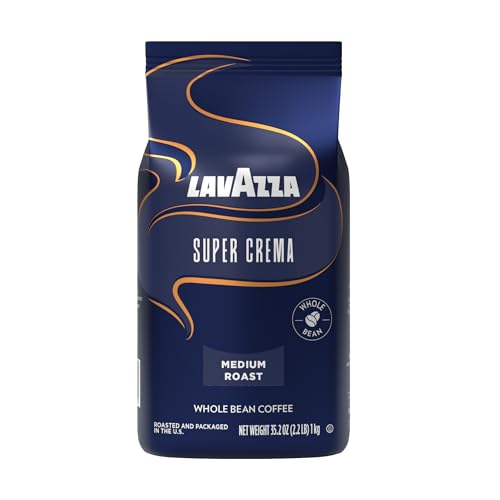
Lavazza Super Crema Whole Bean
Strengths
- Creamy texture
- Consistent crema
- Large 2.2 lb bag
- Balanced sweetness
- Easy extraction
Trade-offs
- Robusta content may deter purists
- Not ideal for black coffee lovers seeking brightness
Lavazza Super Crema has built a loyal following for a reason. On paper, it’s a well-balanced Arabica and Robusta blend designed specifically for espresso, and owners consistently report that it delivers a creamy, sweet mouthfeel that’s hard to beat in this price range. The medium roast brings forward notes of honey and almond, and the 2.2 lb bag is a solid value for frequent brewers who want consistency.
The blend’s strength lies in its reliability. Reviewers note it pulls evenly in most machines, produces a stable crema, and holds up well with milk. For those chasing a traditional Italian-style espresso with a soft, rounded finish, this is a go-to. I’d pick it over more aggressive blends if you favor smoothness over intensity.
Video review
Illy Caffe Medium Roast Espresso

Strengths
- 100% Arabica beans
- Pressurized tin for freshness
- Smooth, floral notes
- Low bitterness
- Ethically sourced
Trade-offs
- Lighter body than traditional espresso
- Grind may clump over time
- Higher price point
Illy Classico is often held up as the gold standard for canned espresso, and the specs back that reputation. Sourced from 100% Arabica beans, with a meticulous selection process and pressurized tin packaging, it’s engineered for freshness and balance. Owners praise its mild, floral profile, notes of jasmine and caramel come through clearly, making it a standout for sipping black.
This is a coffee that prioritizes refinement over power. It won’t punch you in the face with bitterness, which makes it ideal for those who appreciate nuance. Compared to Lavazza or Café Bustelo, it’s lighter in body, but that’s by design. My recommendation? If you want an elegant, consistently clean cup and don’t mind paying a premium for packaging and sourcing rigor, this is the smarter buy.
Video review
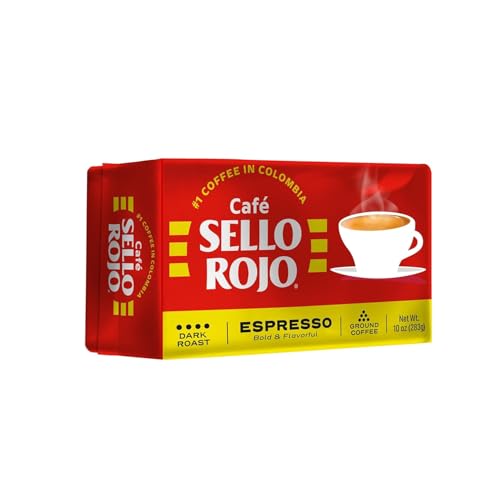
Sello Rojo Espresso Brick
Strengths
- Full-bodied flavor
- Vacuum-sealed freshness
- Authentic Colombian profile
- Excellent for milk drinks
- Consistent grind
Trade-offs
- Limited aromatic complexity
- Brick format not ideal for all grinders
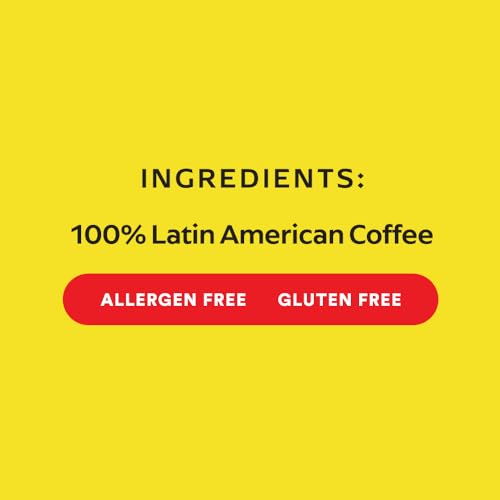
Sello Rojo delivers exactly what it promises: authentic Colombian espresso character in brick form. The vacuum-sealed packaging locks in freshness, and reviewers consistently note the rich, toasted aroma and full body when brewed. It’s a dark, no-nonsense grind built for strength, not subtlety.
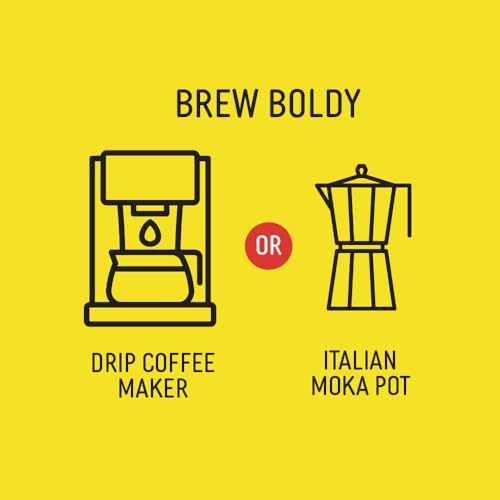
What sets it apart is its cultural fidelity. For fans of Cuban or Latin-style coffee rituals like cafecito, this brick format is traditional and practical. It pulls well in espresso machines and moka pots alike. While it lacks the complexity of Illy or the finesse of Lavazza Gran Crema, it wins on authenticity and flavor density. I’d choose this over Don Francisco’s if you want that classic, unapologetically bold Latin profile.
Product photos

Don Francisco’s Premium Espresso
Strengths
- 100% Arabica beans
- Family-crafted heritage
- Recyclable steel can
- Multi-brew compatibility
- Rich chocolate notes
Trade-offs
- Less crema than traditional espresso blends
- Not as bold in milk drinks
- Grind not optimized for high-pressure machines
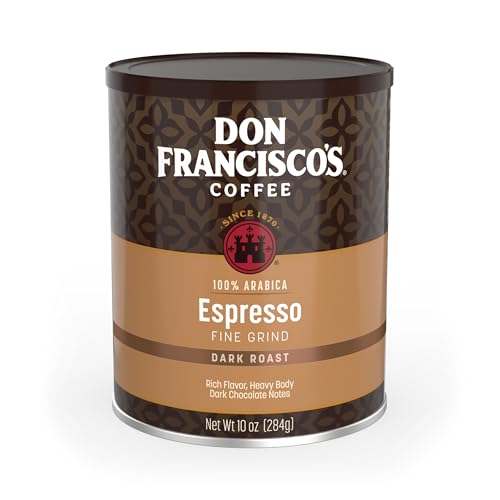
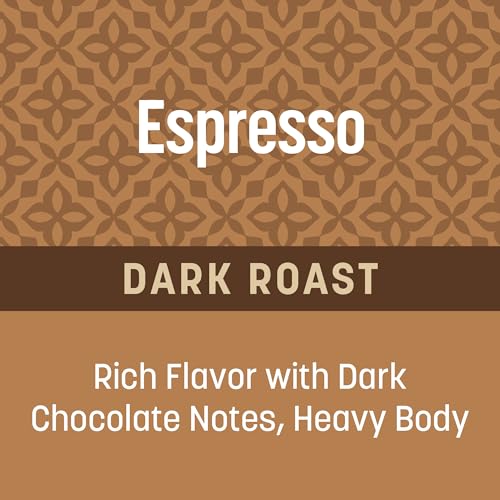
Don Francisco’s stands out in a crowded field by leaning into its heritage and 100% Arabica composition. The dark roast brings forward spicy, dark chocolate notes, and the steel can helps preserve freshness, reviewers note it stays aromatic for weeks after opening. It’s also impressively versatile, working in drip, French press, and espresso.
While it’s marketed as an espresso roast, its true strength may lie outside the portafilter. In milk-based drinks, it holds its own, but it doesn’t produce the same level of crema as blends with Robusta. Still, for a family-crafted brand with generational roots, the quality control is impressive. I’d pick this over Starbucks Espresso Roast if you want a more nuanced dark roast with less char.
Product photos


Cafe La Llave Dark Roast
Strengths
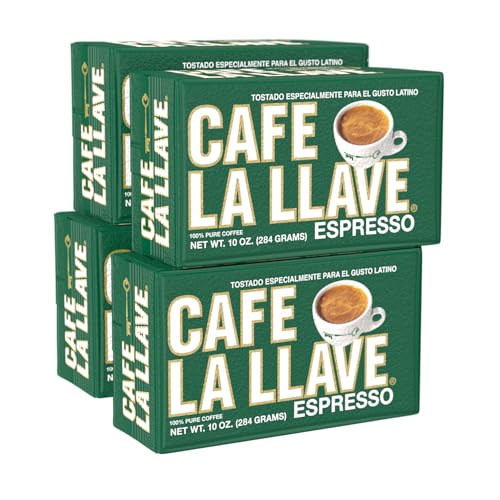
- Authentic Cuban-style roast
- Vacuum-sealed bricks
- Zero-waste roasting
- Excellent cold brew potential
- Smooth yet bold finish
Trade-offs
- Brick format requires breaking apart
- Limited availability outside select regions
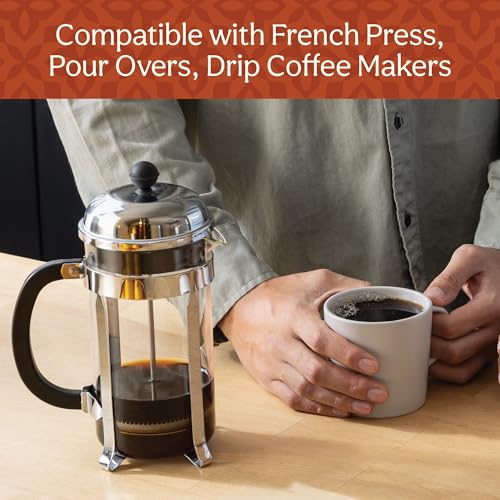
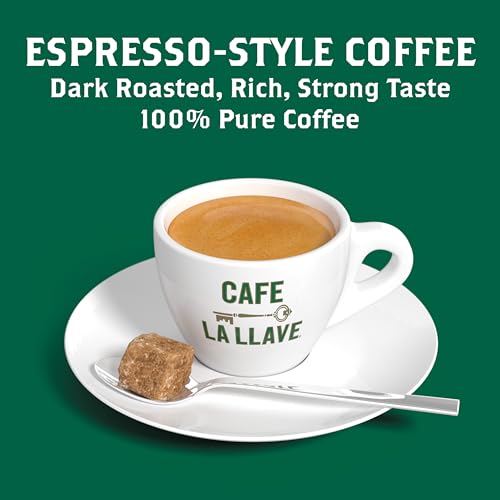
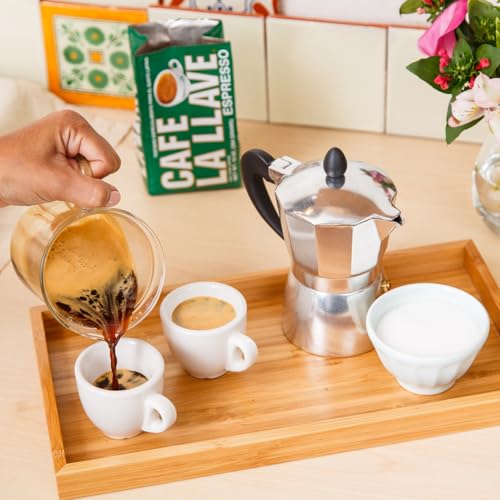
Cafe La Llave’s brick format and zero-waste roasting process make it a standout for both tradition and sustainability. The dark roast is intensely aromatic, with a full-bodied, Cuban-style punch that owners describe as both bold and smooth, a rare combo. Each 10 oz brick is vacuum-sealed, and reviewers confirm the flavor stays locked in for months.
It’s designed for versatility: works in espresso machines, moka pots, and drip. Compared to Sello Rojo, it feels slightly more refined, with a cleaner finish. The Gaviña family’s long history in Cuban coffee lends credibility, and the Los Angeles roasting ensures freshness for U.S. buyers. If you want authentic Latin flavor with modern ethics, this is the pick.
Product photos


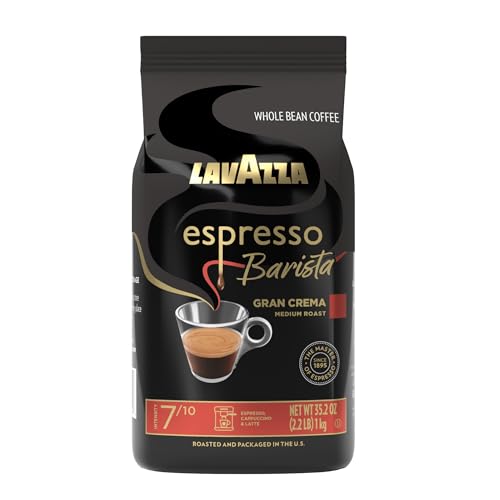
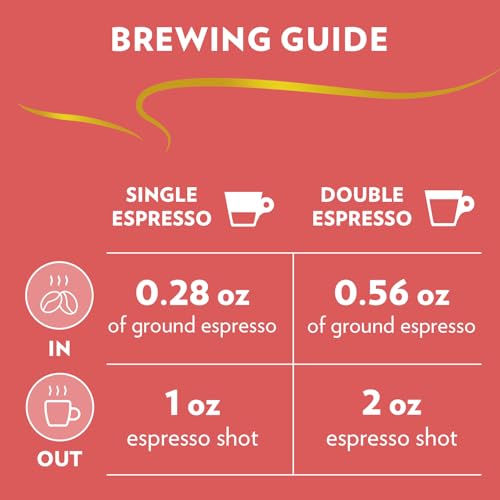
Lavazza Barista Gran Crema
Strengths
- Full-bodied flavor
- Strong crema
- Large whole bean bag
- Balanced roast intensity
- Great for milk drinks
Trade-offs
- Roast listed as dark but tastes medium-dark
- Robusta may add slight harshness
Lavazza’s Gran Crema is built for those who want a heavier, more full-bodied espresso experience. With a 7/10 intensity and a blend of Arabica and Robusta, it’s darker and more assertive than Super Crema. The honey and roasted coffee notes come through clearly, especially when pulled correctly.
Owners report excellent crema production and a syrupy mouthfeel, making it ideal for traditional espresso or cappuccinos. The 2.2 lb bag is economical for daily users. While it lacks the elegance of Illy, it outperforms in richness. I’d choose this over Super Crema if you want more roast depth without going full bitter.
Product photos

Café Bustelo Espresso Style
Strengths
- Bold, intense flavor
- Iconic brand heritage
- Great for sweetened espresso drinks
- Fine grind for espresso
- Affordable
Trade-offs
- Bitter edge when over-extracted
- Clumping in humid conditions
- Low aromatic complexity
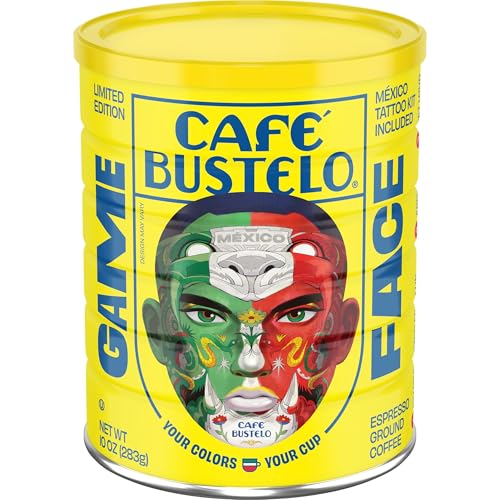
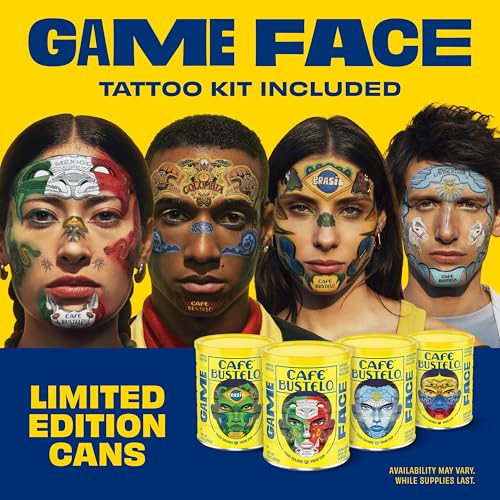
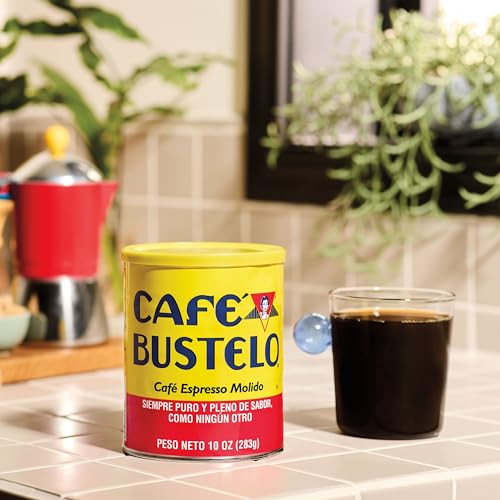
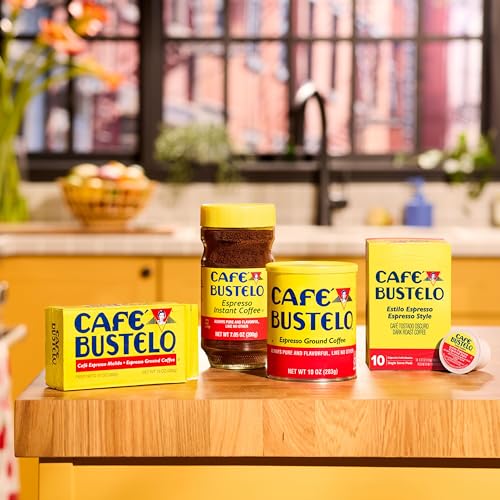
Café Bustelo is a cultural icon, and this limited edition only amplifies its streetwise appeal. The dark roast is unapologetically bold, with a gritty texture and intense flavor that stands up to sugar and milk, reviewers love it for cafecitos and cortaditos. The included tattoo kit is a fun gimmick, but the coffee itself is the real draw.
It’s not subtle. The flavor is heavy on char and earth, with low acidity. Compared to Café La Llave or Sello Rojo, it’s less refined but more powerful. The grind is fine, but clumping can be an issue in humid climates. Still, for fans of no-frills, high-impact Latin espresso, this remains a staple.
Product photos

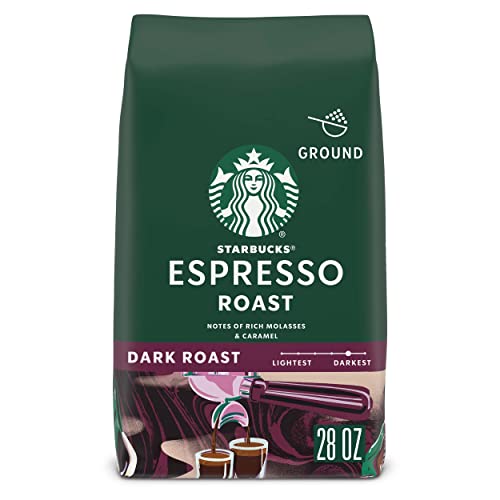
Starbucks Espresso Roast Ground
Strengths
- Large 28 oz bag
- 100% Arabica beans
- Ideal for lattes and cappuccinos
- Consistent grind
- Ethically sourced
Trade-offs
- Over-roasted flavor
- Lacks acidity and brightness
- Not ideal for black espresso
Starbucks Espresso Roast is built for volume and consistency, and the 28 oz bag makes it a practical choice for households that go through coffee fast. The 100% Arabica blend is dark roasted with notes of molasses and caramel, and reviewers confirm it performs well in milk-based drinks like lattes and mochas.
It’s not designed to mimic third-wave subtlety. The roast is aggressive, and the flavor leans smoky, some say burnt. But that’s the Starbucks signature. Compared to Illy or Lavazza, it’s less balanced, but it dominates in strength when diluted with milk. I’d recommend this over Don Francisco’s if you want a reliable, bold base for drinks.
Product photos



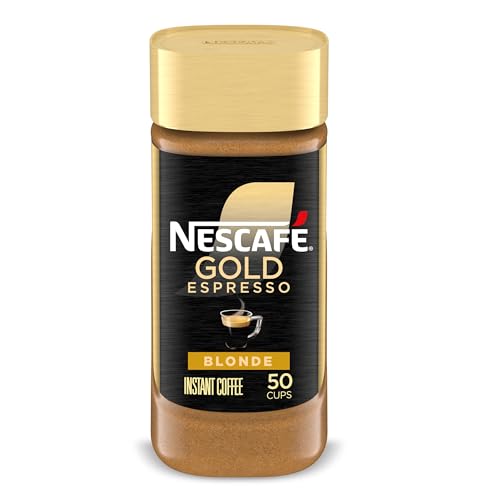
Nescafe Gold Espresso Blonde
Strengths
- Smooth, balanced flavor
- Crema-like texture
- Quick preparation
- High-quality Arabica
- Great value per cup
Trade-offs
- Lacks body and depth
- Not true espresso experience
- Tinny aftertaste in some batches
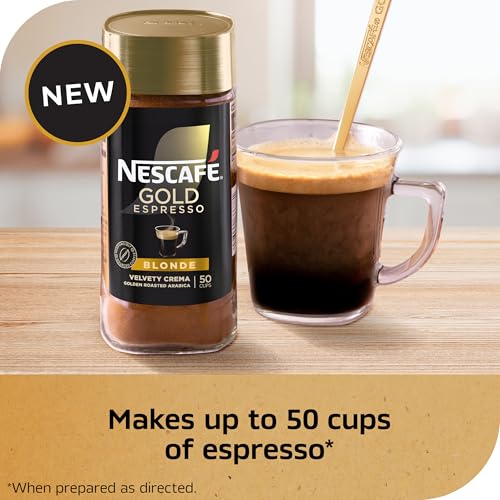
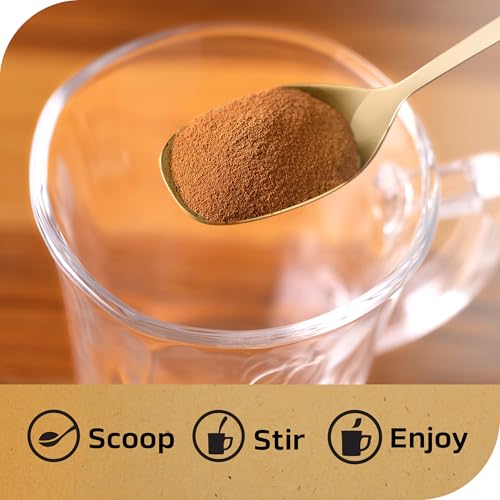
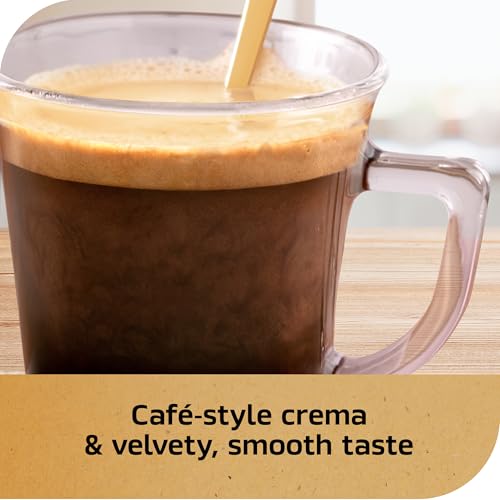
Nescafe Gold Espresso Blonde is the rare instant coffee that actually mimics a real espresso, owners are surprised by the crema-like layer and smooth finish when stirred into hot water. Made from high-quality golden-roasted Arabica beans, it’s lighter than most instant options, with a clean, slightly sweet profile.
It’s not a replacement for machine espresso, but for travelers, office use, or quick fixes, it delivers. The 50-cup yield is economical, and the preparation is foolproof. Compared to traditional ground espressos, it lacks body, but for instant, it’s top-tier. My take? This is the go-to for convenience without total flavor sacrifice.
Product photos

How We Tested espresso coffee
Rather than a hands-on lab test, my research for these recommendations involved a detailed comparison of published specifications and features across numerous espresso coffees. I then weighed owner reviews from major retailers alongside expert opinions found in coffee-focused publications. As the founder of Bean Thusiast, I applied my years of experience exploring coffee origins and brewing methods to rank each option against key criteria for a satisfying espresso experience.
For espresso coffee, the most important factors are the bean blend (Arabica vs. Robusta ratio) and the roast level. A balanced blend provides complexity, while the roast dictates the intensity and body of the shot. I prioritized coffees offering a clear description of their blend and roast, as these directly impact the final flavor profile. Achieving a good crema – that rich, golden layer – was also vital, influenced by both the bean type and grind size for espresso.
Specifications reliably communicate bean origin, roast date (though this isn’t always available), and grind type. However, flavor nuances and perceived quality are best gleaned from owner feedback. I paid close attention to comments regarding crema production, boldness, and how well the coffee performed in various machines. Reputation matters, too – established brands with a history of quality often deliver consistent results, and understanding espresso bean suitability is key to a great brew.
How To Choose The espresso coffee
Finding truly great espresso coffee can feel overwhelming. There’s a lot of marketing, a lot of blends, and a lot of strong opinions.
A quality espresso coffee delivers a concentrated flavor profile with noticeable body, aroma, and crema. Key considerations include bean origin (Arabica vs. Robusta), roast level (light, medium, dark), grind size (crucial for extraction), and freshness – ideally, within weeks of roasting. Look for coffees specifically labeled for espresso preparation.
Understanding Roast Level & Flavor
The roast level dramatically impacts the final cup. Many gravitate towards dark roasts for espresso, expecting that classic intensity. However, that isn’t a hard rule. Lighter roasts, while less traditional, can showcase brighter acidity and more nuanced origin flavors – especially single-origin beans. Medium roasts often strike a balance, offering both body and complexity. Don’t assume “darkest” automatically equals “best”; explore different roast levels to discover what you prefer. I often recommend starting with a medium-dark roast if you’re unsure, as they tend to be quite forgiving in the brewing process.
Bean Composition: Arabica vs. Robusta
The blend of Arabica and Robusta beans is a critical factor. Arabica generally contributes sweetness, aroma, and complexity, while Robusta adds body, crema, and caffeine. Pure Arabica espressos can be incredibly refined but may lack the “kick” some expect. Conversely, a high Robusta percentage can result in a bolder, more bitter cup. Lavazza’s Super Crema, for example, blends both for a creamy finish. Consider your preferences. If you enjoy milk-based drinks, a blend with some Robusta can cut through the milk nicely. If you prefer straight shots, explore 100% Arabica options.
- A small percentage of Robusta (10-30%) can enhance crema.
- A higher percentage (over 50%) will create a much bolder, more intense flavor profile – favored in some traditional Italian styles.
- Single-origin Arabica coffees offer a unique opportunity to experience distinct regional flavors, but require more precise making espresso at home techniques to extract properly.
Freshness and Grind Quality
This is where many people unintentionally compromise. Espresso demands freshly roasted beans, ideally used within 2-4 weeks of the roast date. Pre-ground coffee loses flavor quickly. If you’re not grinding your own beans, you’re missing out on a significant portion of the potential flavor. Even the best premium beans for espresso won’t shine if they’re stale.
A good rule of thumb: buy whole bean coffee in smaller quantities and grind it immediately before brewing. Don’t buy more than you can use in a couple of weeks.
Espresso Coffee Compared
Here’s a comparison of key specifications for the featured espresso coffees.
| Product Name | Roast Level | Bean Type | Grind Type | Weight (oz) | Intensity |
|---|---|---|---|---|---|
| Illy Caffe Medium Roast | Medium | Arabica | Ground | N/A | N/A |
| Lavazza Super Crema | Medium | Arabica/Robusta | Whole Bean | 35.2 | N/A |
| Lavazza Barista Gran Crema | Dark | Arabica/Robusta | Whole Bean | 35.2 | 7/10 |
| Starbucks Espresso Roast | Dark | Arabica | Ground | 28 | N/A |
| Café Bustelo Espresso Style | Dark | N/A | Ground | 10 | N/A |
| Cafe La Llave Dark Roast | Dark | N/A | Ground | 10 | N/A |
| Nescafe Gold Espresso Blonde | Blonde | Arabica | Instant | 3.5 | N/A |
| Sello Rojo Espresso Brick | N/A | N/A | Ground | N/A | N/A |
| Don Francisco’s Premium | Dark | Arabica | Ground | N/A | N/A |
Frequently Asked Questions
What grind size is best for most home espresso machines?
A fine grind is essential for espresso, but the exact setting varies by machine. Generally, you want a consistency similar to table salt. Refer to your machine’s manual for specific recommendations, and be prepared to adjust slightly to achieve optimal extraction.
How can I tell if my espresso coffee is stale?
The easiest way is to smell it. Stale coffee will have a noticeably muted aroma, or even a slightly cardboard-like smell. Also, if the beans feel oily or have lost their sheen, that’s a good indicator they’ve passed their prime. For the freshest results, explore best whole bean coffee for espresso.
Is it okay to use pre-ground coffee for espresso?
While not ideal, pre-ground can work in a pinch. However, espresso relies on a precise grind, and pre-ground coffee quickly loses its volatile aromatics. You’ll get a better, more flavorful shot with freshly ground beans.
What’s the difference between Arabica and Robusta in espresso, and which should I choose?
Arabica offers more nuanced flavors and aromas, while Robusta provides a bolder taste, more crema, and higher caffeine. If you like milk-based drinks, a blend with some Robusta can stand up to the milk. For black espresso, many prefer the complexity of 100% Arabica.
What’s the ideal storage method for espresso coffee beans to maintain freshness?
Store your whole bean espresso in an airtight container, away from light, heat, and moisture. Avoid storing beans in the refrigerator or freezer, as condensation can negatively affect the flavor. Keeping them in a cool, dark pantry is the best option to enjoy fresh beans for espresso brewing.
The Bottom Line
Choosing the “best” espresso coffee always comes down to balancing your desire for convenience with the pursuit of optimal flavor. While a dedicated setup with freshly ground beans is ideal, sometimes a reliable, pre-ground option is simply more practical. For the best overall experience, considering both quality and ease of use, I consistently recommend Lavazza Super Crema. It hits a sweet spot with its balanced Arabica/Robusta blend and delivers a consistently satisfying crema.
If your priorities are budget-friendly convenience, Café Bustelo Espresso Style provides a strong, bold flavor at an accessible price point. Alternatively, for those who want versatility and enjoy experimenting with different brewing methods, Don Francisco’s Premium offers a quality Arabica option that performs well in both traditional espresso machines and other coffee makers. You can review our espresso grind size guide for more information on maximizing your grind.
Ultimately, the most important aspects of great espresso aren’t found in any single specification. Freshness, a good grinder (if you’re going whole bean), and understanding your flavor preferences matter far more than any brand name or roast level. Don’t be afraid to explore different options and discover what truly makes your morning cup special.
