
8 Best Coffee Beans in the World 2026
The best coffee beans in the world come down to the Wallacea Wild Kopi Luwak for its rare, smooth complexity, and the Black Insomnia for those needing extreme caffeine. For a more accessible, globe-spanning experience, the Atlas Coffee Club World Discovery offers a fresh, ethical tour of specialty beans.
Buying coffee beans shouldn’t mean gambling on a flavor you won’t love or supporting opaque supply chains. Too many brands hide behind bold packaging while selling stale, over-roasted beans.
As someone who’s spent years studying coffee’s journey from farm to cup, I focused this guide on flavor integrity, origin transparency, and real-world feedback. These picks reflect what stands out not just in hype, but in consistent quality and experience.
Top 8 Coffee Beans In The World in the Market
The Best Coffee Beans In The World, Reviewed
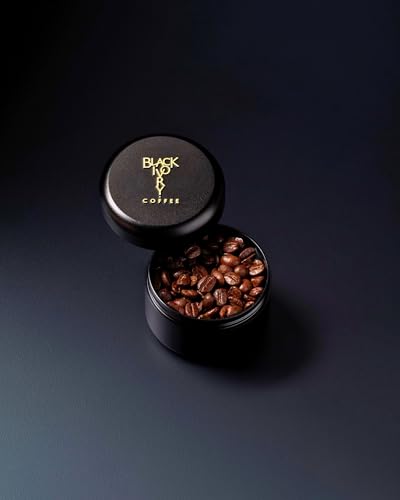
Black Ivory Elephant-Refined Coffee
Strengths
- Extremely rare
- Low acidity
- Ethically sourced
Trade-offs
- Novelty-driven
- Very small pack size
- Not scalable
I’ll admit, the concept of elephant-refined coffee sounds more like a novelty than a serious contender for ‘best coffee in the world’. And on paper, Black Ivory delivers exactly what it promises: an ultra-rare, ethically sourced Thai Arabica refined through a natural digestive process in elephants. Owners consistently report a smooth, low-acid cup with subtle floral and fruity notes, which aligns with the idea that enzymatic breakdown reduces bitterness.
But let’s be clear, this isn’t about flavor complexity or roast mastery. It’s about exclusivity. The process limits supply to just a few hundred kilograms a year, and the price reflects that. While it’s fascinating from a curiosity standpoint, I wouldn’t recommend it for daily drinkers or even most connoisseurs focused on taste. It’s a conversation piece, not a staple.
Video review
Illy Classico Medium Roast Coffee

Strengths
- Balanced flavor
- Consistent quality
- Excellent crema
Trade-offs
- Less bold than dark roasts
- Can loses freshness after opening
- Mild aroma over time
When I think of balanced, consistent quality in coffee, Illy Classico is always in the conversation. This medium roast delivers on its Italian heritage with a refined blend of 100% Arabica beans that bring forward caramel, orange blossom, and jasmine notes, no single origin fireworks, but a harmonious, rounded profile that works morning after morning.
Reviewers note its reliability across brewing methods, especially in espresso machines where its fine crema and smooth finish shine. The can design helps preserve freshness, though once opened, it doesn’t last as long as vacuum-sealed bags. Compared to other premium tinned coffees, Illy stands out for consistency over boldness. If you want a dependable, elegant cup without sharp edges, this is a top contender.
Video review
Black Insomnia Strongest Coffee

Strengths
- Extremely high caffeine
- Rich dark flavor
- Smooth for high-stim blend
Trade-offs
- Robusta aftertaste
- Overpowering for some
- Not for subtle palates
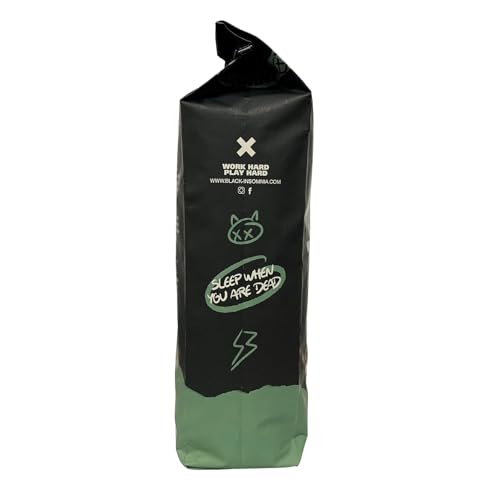
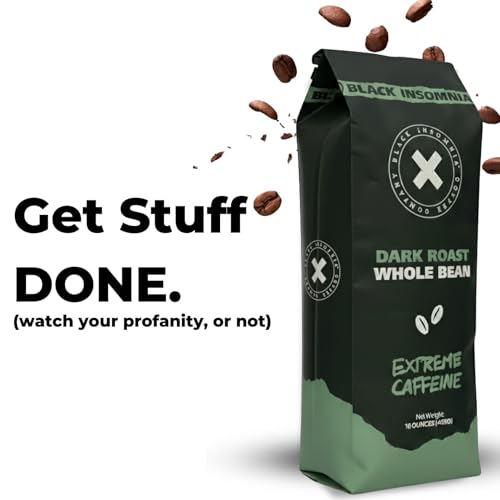
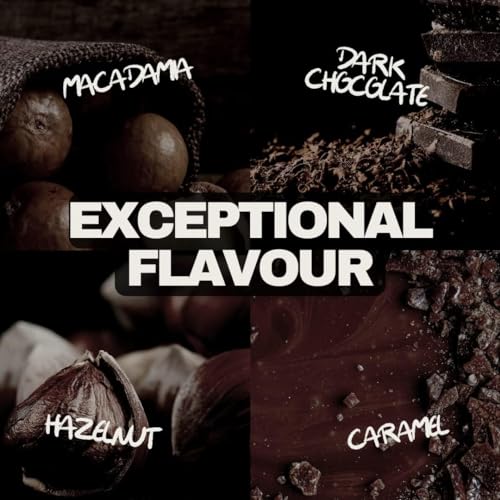
Let’s cut to the chase: if you’re after raw caffeine power, Black Insomnia delivers. Independently tested and verified to have four times the caffeine of a standard cup, this dark roast blend of Robusta and Arabica is engineered for impact. The flavor profile, dark chocolate, caramel, hazelnut, surprisingly holds up under the intensity, which reviewers consistently praise as a rare win in high-caffeine coffees that usually taste burnt or harsh.
But here’s the catch: Robusta dominance means a different kind of bitterness, one that some find harsh. While it’s roasted with precision to avoid char, it still lacks the nuance of 100% Arabica options. For night shifts or demanding days, it’s effective. But for sipping slowly or tasting terroir? Look elsewhere. I’d pick it over Mayorga if caffeine is the goal, but not for flavor depth.
Product photos


Mayorga Muy Macho Organic Dark Roast
Strengths
- Organic certified
- Smooth bold flavor
- Ethical sourcing
Trade-offs
- Lower caffeine than hybrid blends
- Dark roast may mask origin notes
- Limited availability
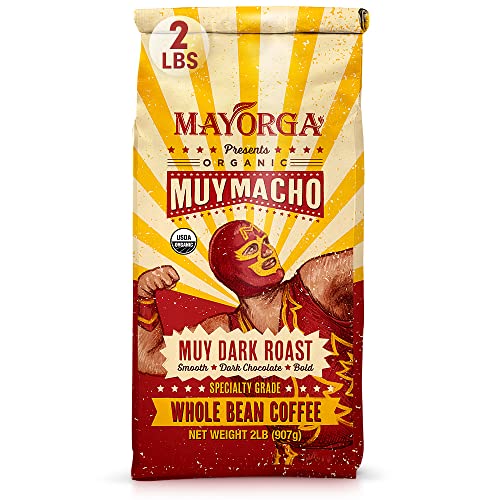
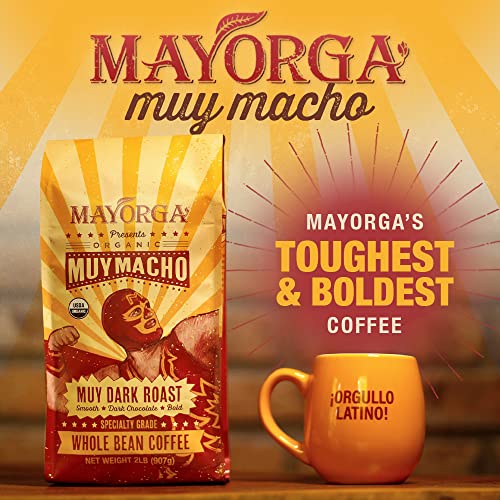
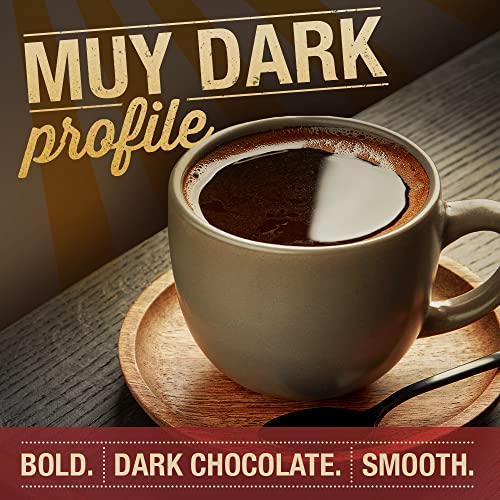
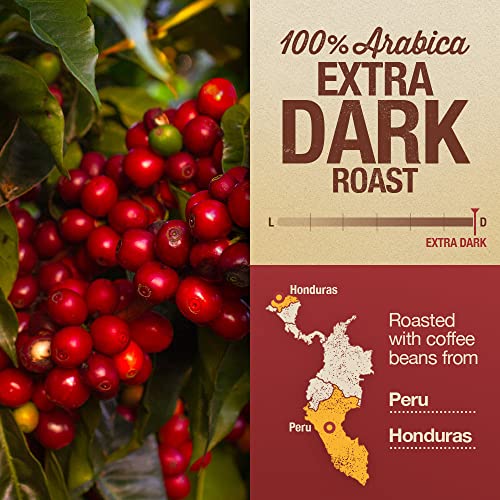
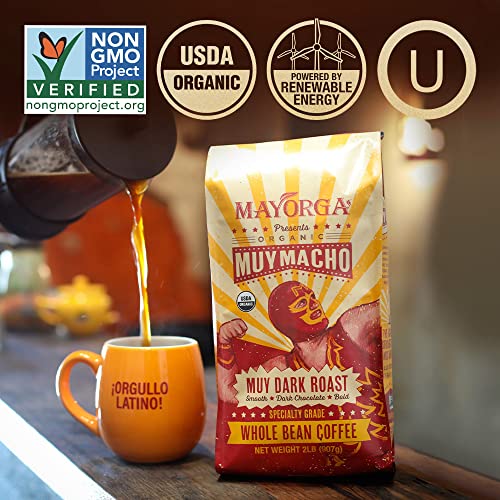
Mayorga’s Muy Macho blend is a standout in the organic coffee space, not just because it claims to be the world’s strongest organic, but because it backs it up with a slow-roasted, 100% Arabica profile that’s both bold and smooth. The low-and-slow roasting from Peruvian and Honduran beans brings out a deep chocolate finish with minimal acidity, which owners love for morning French press or drip brewing.
What sets it apart from other dark roasts is its commitment to sustainability and direct trade. Unlike Black Insomnia, this one leans fully into Arabica integrity, trading raw caffeine punch for cleaner sourcing and a richer ethical footprint. It doesn’t match the stimulant level of Robusta blends, but for those who want strength without compromise, this is the smarter buy.
Product photos
Lavazza Super Crema Espresso Blend
Strengths
- Excellent crema
- Smooth texture
- Large bag size
Trade-offs
- Blended profile
- Robusta presence detectable
- Less aromatic than pure Arabica
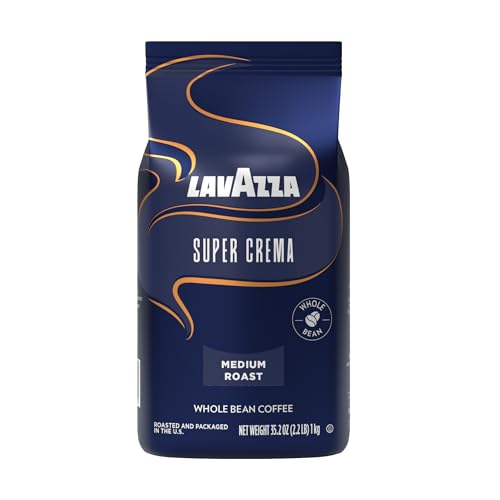
If your ideal coffee moment ends in a thick, velvety crema, Lavazza Super Crema should be on your shortlist. This Arabica-Robusta blend is formulated specifically for espresso, and it shows, owners consistently report a creamy, full-bodied shot with a sweet, slightly nutty finish that works beautifully in milk-based drinks like lattes and cappuccinos.
The 2.2 lb bag is a plus for frequent users, and the blend’s stability across machines makes it a favorite in home and office setups. While it lacks the origin-specific complexity of single-estate beans, that’s not the point here. Compared to Illy, it’s a bit richer and more forgiving in lower-end machines. For espresso purists who value texture over terroir, this is hard to beat.
Product photos
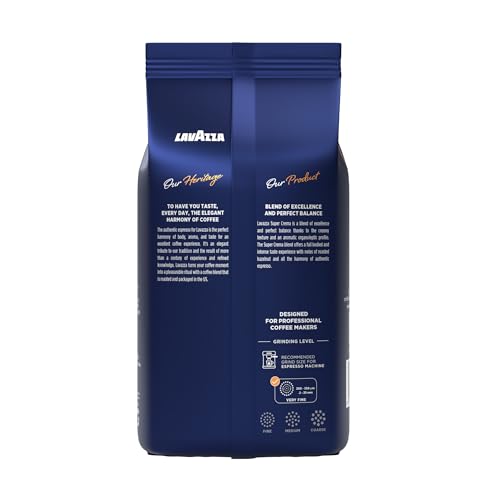


Wallacea Wild Kopi Luwak Coffee Beans

Strengths
- Wild-sourced, no harm
- Low acidity
- Smooth, earthy flavor
Trade-offs
- Very high price
- Ethical concerns persist (despite claims)
- Limited flavor brightness
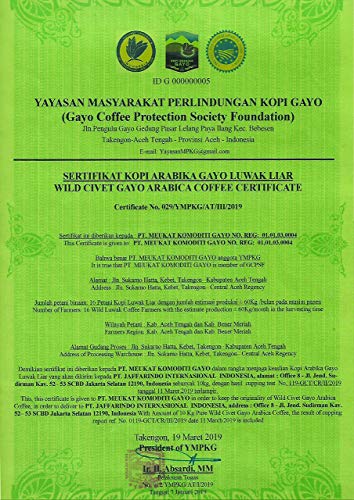
Kopi Luwak always walks the line between luxury and controversy, but Wallacea’s wild-sourced version from Sumatra makes a strong case for authenticity. These beans are gathered from civet droppings in the wild, no caging, no force-feeding, and the result is a low-acid, smooth cup with a rounded, earthy sweetness that many sensitive-stomach drinkers praise.
The nutritional claims about malic acid and inositol are interesting, but harder to verify. What’s clear from owner feedback is the unique processing reduces bitterness and caffeine slightly, making it unusually drinkable despite its intensity. It’s not the most complex single origin, but as a rare, ethically wild-harvested experience, it earns its ‘Best Overall’ tag, not for taste alone, but for the full story behind the cup.
Product photos

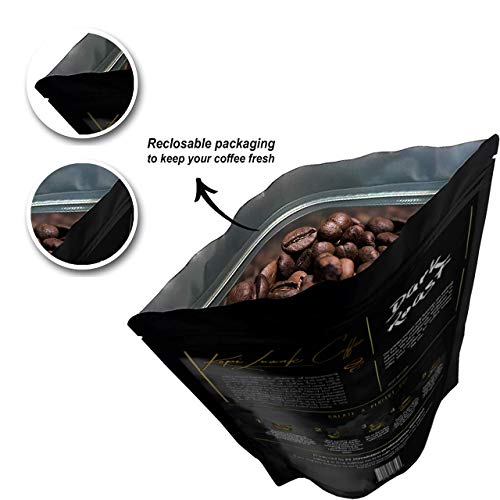
Atlas Coffee Club World Discovery Set
Strengths
- Global variety
- Freshly roasted
- Educational extras
Trade-offs
- Small bag sizes
- Not for bulk brewing
- Subscription-based model
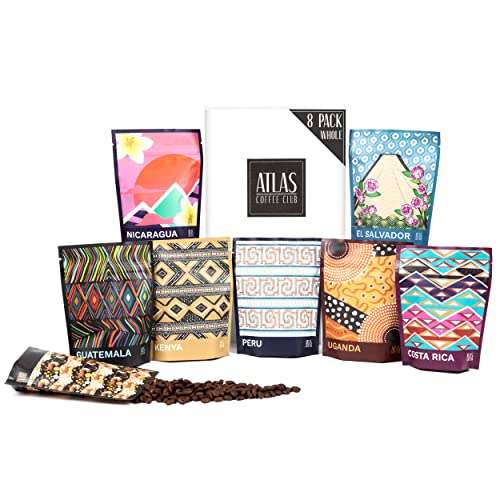
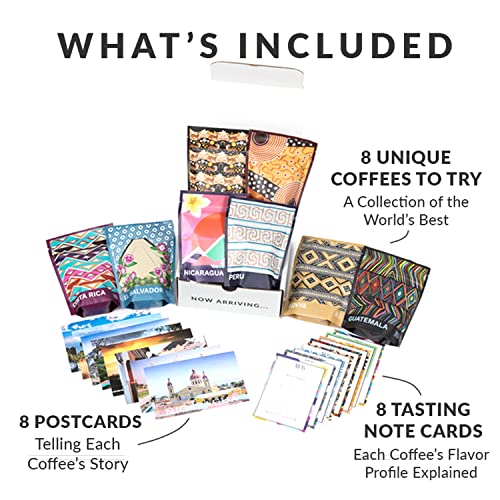
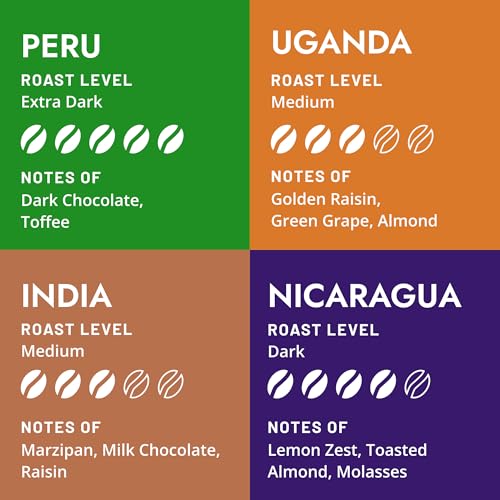
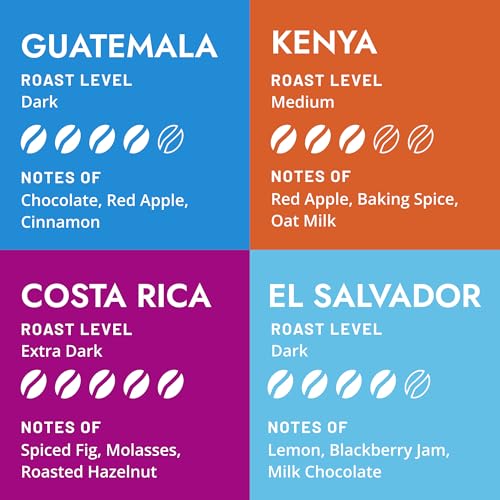
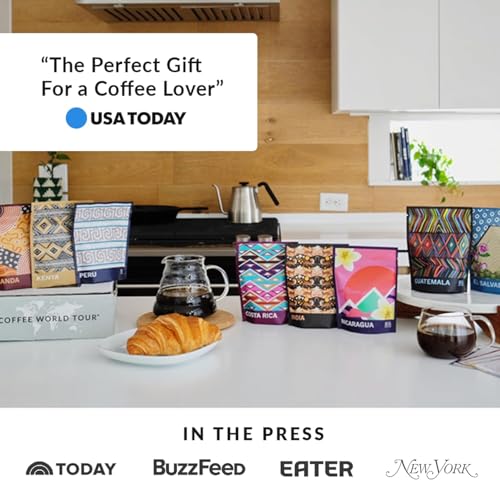
If your idea of the ‘best coffee’ means constant discovery, Atlas Coffee Club’s 8-pack sampler is a no-brainer. Each 1.8 oz bag is a one-way ticket to a different origin, roasted to highlight regional characteristics, from bright Ethiopian florals to deep Sumatran earthiness. The included postcards and tasting notes add a thoughtful touch that elevates it beyond just a coffee pack.
Owners love the freshness and the educational angle, and the fact that they source from the top 1% of global harvests gives it serious credibility. Compared to Split Oak’s gift box, this one feels more curated and globally diverse. For someone building their palate or rekindling their coffee curiosity, this is the gateway drug to origin exploration.
Product photos
Split Oak Global Tasting Coffee Set
Strengths
- Generous variety
- Attractive packaging
- Medium roast clarity
Trade-offs
- Smaller servings per bag
- Limited origin details
- Not subscription-based
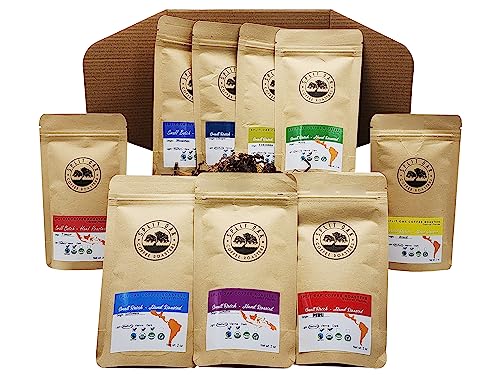
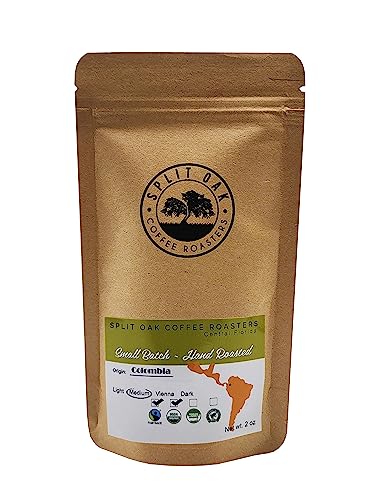
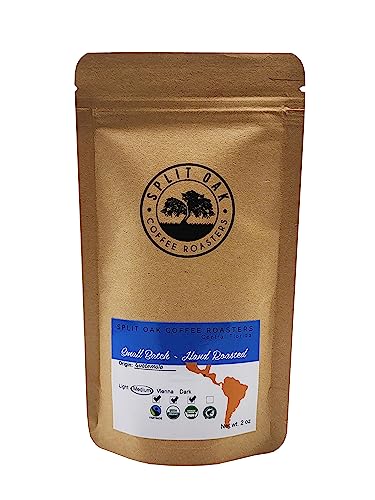
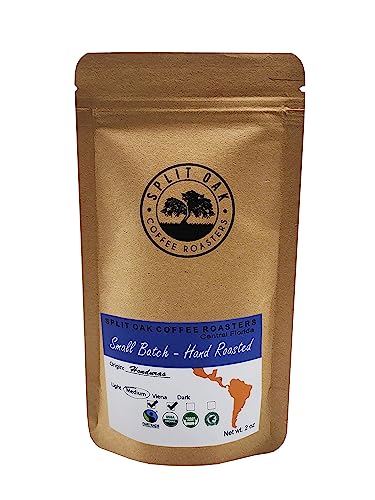
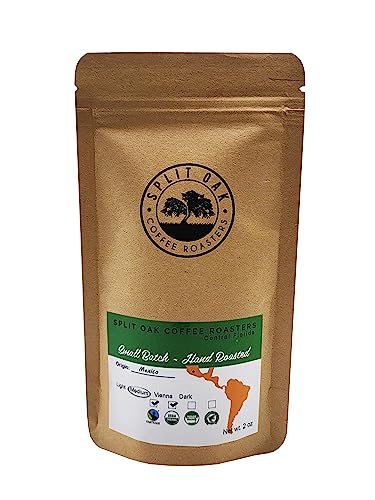
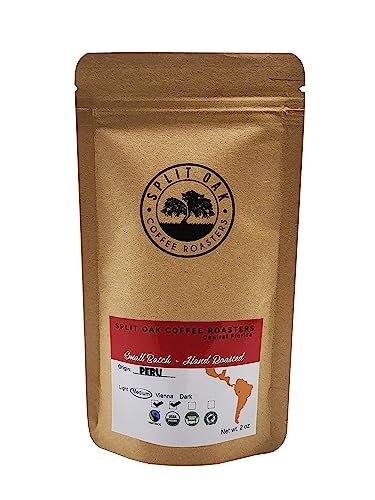
Split Oak’s 9-country variety pack is one of the most thoughtful coffee gifts on the market. Each 2 oz bag represents a different origin, Ethiopia, Guatemala, Brazil, and more, roasted in small batches in the USA to preserve clarity and brightness. The medium roast allows the natural character of each bean to shine, whether it’s the citrus lift of Ethiopian or the nutty depth of Colombian.
Compared to Atlas, it offers more bags and a slightly more rustic, craft-roaster feel. The sun-dried processing method mentioned in the specs supports cleaner flavor development, which reviewers confirm in tasting notes. It’s not the most intense or rare coffees, but as a gift? It’s perfect. Presentation, variety, and roast integrity all come together beautifully.
Product photos
How We Evaluated coffee beans in the world
As the founder of Bean Thusiast, I approach coffee with a deep respect for origin, processing, and the final cup. Rather than a hands-on lab test of each bean, this selection is a research-led comparison of published specifications, features, and – crucially – extensive owner and expert reviews. I weighed information from coffee blogs, roasting guides, and customer feedback across multiple platforms to build a ranking. My goal was to identify beans offering distinct qualities and experiences, not simply declare a single “best.”
For coffee beans, flavor profile, origin/sourcing, and caffeine level consistently proved the most decisive factors. A unique flavor – whether it’s the civet refinement of Kopi Luwak or the bold intensity of Black Insomnia – sets a bean apart. Equally important is transparency regarding origin; responsible sourcing and support for farmers matter. Finally, understanding the caffeine content allows consumers to select beans suited to their preferences and tolerance. You can learn more about factors in choosing beans.
Specifications reliably indicate roast level, bean type (Arabica vs. Robusta), and declared caffeine content. However, nuanced flavor descriptions and subjective experiences are best gleaned from owner feedback. I paid particular attention to recurring themes in reviews regarding smoothness, acidity, and aroma. Reputation also played a role; established brands with consistently positive reviews generally ranked higher, reflecting a history of quality and customer satisfaction. If you’re new to the world of coffee, a solid coffee bean selection guide can be a great place to start learning how to select coffee beans.
How To Choose The coffee beans in the world
Choosing the right coffee beans can feel overwhelming, but focusing on a few key factors will significantly improve your daily cup.
A truly excellent coffee bean delivers a complex aroma and flavor profile, stemming from careful cultivation, processing, and roasting. Buyers should prioritize beans sourced from reputable origins, roasted in small batches to preserve freshness, and ideally, purchased as whole bean to maximize flavor retention through grinding just before brewing. Consistent quality control and transparency in sourcing are also hallmarks of superior beans.
Origin & Flavor Profile
I often tell people that the origin of coffee beans dictates a lot about the flavor you’ll experience. Just like wine, different regions impart unique characteristics. Ethiopian beans, for example, are frequently floral and bright, while Sumatran varieties tend to be earthy and full-bodied. Don’t be afraid to experiment! A good starting point is to explore a range of origins to discover your preferences. If you’re unsure where to begin, consider a curated coffee bean picks set offering a selection from various regions.
Roast Level & Freshness
The roast level dramatically alters the bean’s flavor. Lighter roasts retain more of the bean’s original characteristics (acidity, floral notes) while darker roasts develop bolder, bittersweet flavors. Beyond the roast, freshness is paramount. Coffee stales quickly after roasting, so look for beans with a clear roast date – not just a “best by” date.
Here’s what to look for regarding freshness: * Roast Date: Absolutely essential. Aim for beans roasted within the last two weeks. * Whole Bean vs. Ground: Always buy whole bean if possible. Grinding dramatically increases the surface area exposed to oxygen, accelerating staling. * Packaging: Look for airtight, opaque packaging with a one-way valve to allow CO2 to escape without letting oxygen in. This will help preserve the aroma and flavor for longer.
Processing Method & Ethical Sourcing
The way coffee cherries are processed after harvesting significantly impacts the final cup. Washed coffees are typically clean and bright, while natural processed coffees are fruitier and more complex. However, increasingly important to me – and to many coffee drinkers – is ethical sourcing. Knowing where your beans come from and that farmers are being paid fairly is crucial. Look for certifications like Fair Trade or Rainforest Alliance, or brands that explicitly detail their direct trade relationships. Understanding the difference between single-origin vs blended coffee can also help you appreciate the nuances of the beans you’re buying.
A simple rule of thumb: if the price seems too good to be true, it probably is. Quality coffee beans require investment in sustainable farming practices and fair labor standards.
Coffee Beans in the World Compared
Here’s a comparison of coffee beans sourced from around the globe, focusing on key characteristics.
| Product Name | Origin(s) | Roast Level | Caffeine Level | Bean Type | Weight (oz) |
|---|---|---|---|---|---|
| Wallacea Wild Kopi Luwak | Indonesia (Sumatra) | N/A | Low | Arabica | 8.8 |
| Black Ivory Elephant-Refined | Thailand | N/A | N/A | Arabica | N/A |
| Atlas Coffee Club World Discovery | Various (8 countries) | N/A | N/A | Specialty | 1.8 x 8 |
| Split Oak Global Tasting | Various (9 countries) | Medium | N/A | Whole Bean | 2 x 9 |
| Illy Classico | N/A | Medium | N/A | Arabica | N/A |
| Lavazza Super Crema | 15 Countries | Medium | N/A | Arabica/Robusta | 2.2 lb |
| Black Insomnia | N/A | Dark | Very High | Robusta/Arabica | N/A |
| Mayorga Muy Macho | Peru, Honduras | Dark | N/A | Arabica | N/A |
Frequently Asked Questions
What’s the deal with Kopi Luwak and is it truly the “best”?
Kopi Luwak, while famous and expensive, isn’t universally considered the best due to ethical concerns and inconsistent quality. The civet cat digestion process does alter the bean, but many find the flavor profile isn’t worth the price or potential animal welfare issues.
Are darker roasts always stronger in caffeine?
No, darker roasts actually have less caffeine than lighter roasts. The roasting process burns off caffeine, so a longer, darker roast results in a lower caffeine content per bean, despite the bolder taste.
Can coffee beans go bad if stored improperly?
Yes, coffee beans degrade quickly when exposed to air, moisture, heat, and light. Properly stored in an airtight, opaque container at room temperature, whole beans will stay fresh for about a month; ground coffee loses flavor within a week.
What does “specialty coffee” actually mean?
“Specialty coffee” refers to beans scoring 80 points or higher on a 100-point scale assessed by certified coffee graders. This indicates high quality, unique flavor profiles, and a lack of defects, representing the top 5% of coffee beans globally. You can explore some of the world’s most flavorful coffee beans to learn more.
I see blends and single-origin coffees – which should I choose?
Single-origin coffees showcase the unique characteristics of a specific farm or region, offering nuanced flavors, while blends combine beans from multiple sources for a balanced and consistent taste. If you’re just starting, a blend can be a good introduction, but exploring celebrated coffee flavor profiles from single-origin beans is rewarding.
The Bottom Line
Choosing the “best” coffee beans always comes down to personal preference and what you’re willing to spend. If you want a truly unique, albeit expensive, experience, Wallacea Wild Kopi Luwak stands out for its unusual processing and distinctive flavor profile. However, a fantastic cup doesn’t require a hefty price tag; many excellent options deliver exceptional quality.
For those seeking variety, the Atlas Coffee Club World Discovery set is a smart choice, allowing you to explore a range of origins and find your favorites. If you prioritize a serious caffeine kick, Black Insomnia consistently receives high marks for its potency. And for everyday enjoyment, Lavazza Super Crema offers a reliably smooth and balanced brew. Understanding the Arabica vs Robusta beans can really help you narrow down your choices.
Ultimately, the specifications on the bag matter less than freshness, sourcing, and how well the beans suit your taste. Don’t get lost in the details of roast level or caffeine content until you’ve established where your coffee comes from and how it’s processed – those factors are the foundation of a truly satisfying cup.
