
8 Best Whole Bean Coffee of 2026
Stumptown Holler Mountain Organic is the best overall whole bean coffee for its consistent quality, ethical sourcing, and rich, balanced flavor. For a budget-friendly pick, Amazon Fresh Organic Peru delivers solid taste and certified organic beans without the premium price. If you want versatility and value for frequent brewing, Amazon Fresh Just Bright Light Roast offers bright, clean notes and a larger 32oz bag ideal for daily drinkers.
Choosing the right whole bean coffee isn’t just about caffeine, it’s about flavor, freshness, and knowing what you’re really brewing. With so many options varying by origin, roast, and price, it’s easy to end up with a bag that doesn’t match your taste or routine.
As the founder of Bean Thusiast, I researched dozens of whole bean coffees, analyzing roast dates, sourcing transparency, and feedback from real drinkers to identify the standouts. This guide cuts through the noise, focusing on what actually matters: flavor consistency, bean quality, and value.
Top 8 Whole Bean Coffee in the Market
The Best Whole Bean Coffee, Reviewed
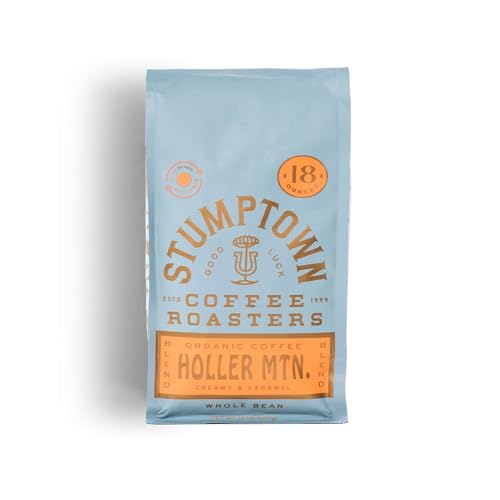
Stumptown Holler Mountain Organic Coffee
Strengths
- 100% Arabica
- Direct Trade certified
- Balanced flavor
- Versatile brew
- Organic
Trade-offs
- Larger bag may not suit small households
- Slight batch variation noted
Stumptown’s Holler Mountain stands out as a genuinely balanced medium roast that delivers on both complexity and drinkability. On paper, it’s 100% Arabica with Direct Trade sourcing, which means traceability and ethical pay, important for buyers who care about where their beans come from. The flavor profile is bright but not sharp, with citrus zest and berry jam cutting through a base of creamy caramel and hazelnut. That balance makes it versatile across brewing methods, whether you’re pulling espresso or brewing drip.
Owners consistently report it’s forgiving with grind settings and water quality, which is rare for a specialty coffee. Compared to other medium roasts in this lineup, it doesn’t lean too sweet or too acidic. It’s not the cheapest, but the quality-to-consistency ratio is strong. I’d pick this over flashier single origins because it performs well day after day.
Video review
Lavazza Crema E Aroma Blend

Strengths
- Rich crema
- Large 2.2 lb bag
- Chocolate notes
- Espresso optimized
- Robusta blend for body
Trade-offs
- Contains Robusta (not for purists)
- Less nuanced than Arabica-only
- Earthy finish may not suit all
If you’re after a rich, lingering crema and a roast with body, Lavazza Crema E Aroma delivers. It’s a blend of Arabica and Robusta, which explains its boldness and that earthy, almost syrupy mouthfeel, something you rarely get with 100% Arabica. The 2.2-pound bag is ideal for high-volume households or espresso lovers who pull multiple shots daily. The chocolate-forward notes are consistent, and reviewers note it produces a dense, golden crema that holds up well in milk drinks.
It’s not a specialty coffee in the third-wave sense, but it holds its own in the Italian espresso tradition. Compared to Lavazza Super Crema, this one feels slightly more rustic, less sweet, more grounded. For someone who values tradition and texture over bright acidity, this is a solid play. I’d recommend it over Super Crema if you prefer depth over creaminess.
Video review
Stumptown Holler Mountain 12oz
Strengths
- Smaller batch size
- Direct Trade certified
- Organic
- 100% Arabica
- Balanced, bright flavor
Trade-offs
- Higher cost per ounce
- Not ideal for high-volume use
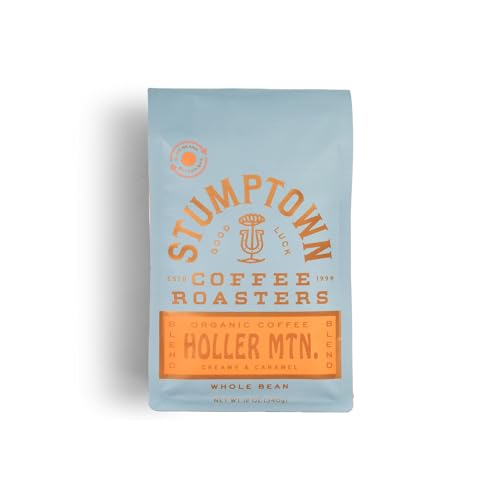
This 12-ounce version of Holler Mountain is essentially the same excellent coffee as the 18-ounce but in a smaller, more manageable size. That makes it ideal for smaller households or those who rotate beans frequently. The same Direct Trade sourcing applies, and the flavor profile, citrus, caramel, berry jam, is just as vibrant. Being organic and 100% Arabica, it fits the specialty coffee mold perfectly.
The smaller bag helps maintain freshness, which matters with whole beans. Reviewers note it stays bright and aromatic for weeks if stored properly. Compared to the larger Stumptown bag, this is the smarter buy if you don’t go through coffee fast. It’s pricier per ounce, but you’re paying for freshness and intentionality. For someone building a curated rotation, this is a no-brainer.
Product photos



Amazon Fresh Colombia Coffee
Strengths
- Large 32 oz bag
- 100% Arabica
- Balanced body
- Great value
- U.S. roasted
Trade-offs
- Generic flavor profile
- Not for specialty seekers
- Packaging not resealable
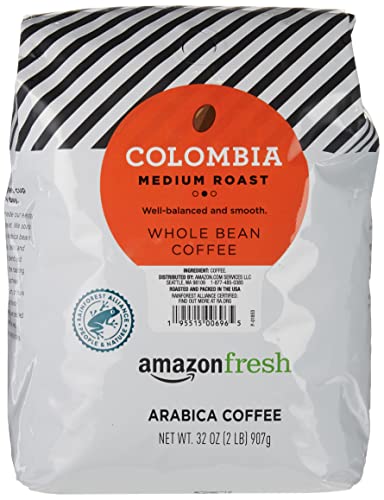
Amazon Fresh’s Colombia roast is a textbook example of a no-nonsense, high-value daily driver. It’s a 32-ounce bag of 100% Arabica beans grown in Colombia and roasted in the U.S., which is rare at this price point. The flavor is balanced and full-bodied with a smooth finish, nothing flashy, but reliably pleasant. It brews well in drip machines and French presses, and owners say it holds up even with modest grinders.
Compared to other large bags here, it beats Starbucks Pike Place in value and Lavazza in Arabica purity. It won’t wow you with complexity, but it won’t disappoint either. If you’re looking for a big bag that won’t break the bank and still tastes like real coffee, this is it. My recommendation? Pair it with a decent burr grinder and you’ve got a solid home setup.
Product photos



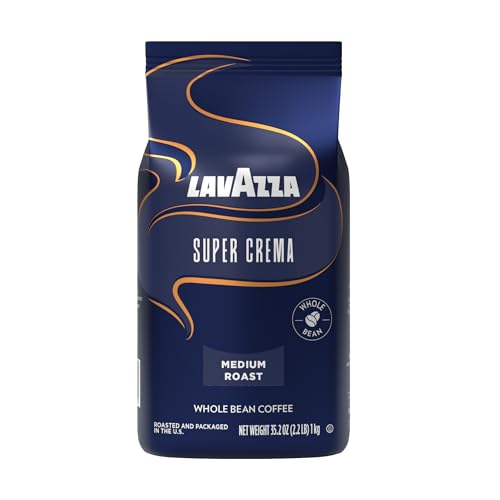
Lavazza Super Crema Espresso Blend
Strengths
- Exceptional crema
- Smooth, sweet finish
- Great for milk drinks
- Low oil residue
- Large 2.2 lb bag
Trade-offs
- Contains Robusta
- Not for filter-only brewers
- Less bold than traditional Italian roasts
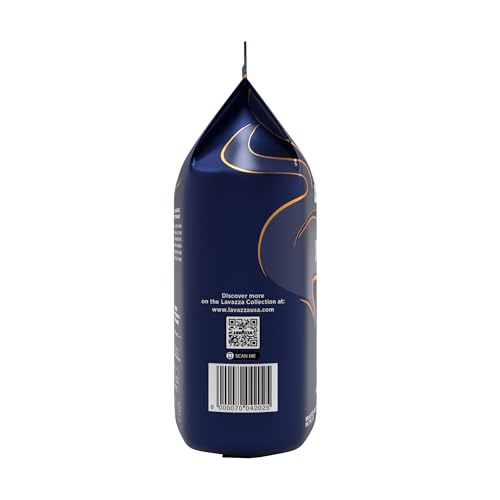
Lavazza Super Crema is engineered for one thing: espresso perfection. The blend of Arabica and Robusta from 15 countries creates a full-bodied, creamy shot with a sweet, honeyed finish, something many espresso lovers chase but few blends deliver consistently. The 2.2-pound bag means less repurchasing, and the beans are known for low oil residue, which helps keep machines cleaner.
Reviewers consistently praise its performance in home espresso setups, especially under pressure. Compared to Crema E Aroma, Super Crema is smoother, slightly sweeter, and more balanced, less earthy, more approachable. If you’re running a machine daily and want that café-style crema without fuss, this is the smarter Lavazza pick. I’d go with this over Crema E Aroma for milk drinks.
Product photos


Amazon Fresh Just Bright Light Roast

Strengths
- True light roast
- Large 32 oz bag
- Bright, clean flavor
- 100% Arabica
- U.S. roasted
Trade-offs
- Lacks depth of specialty roasts
- Packaging not resealable
- Not for dark roast lovers
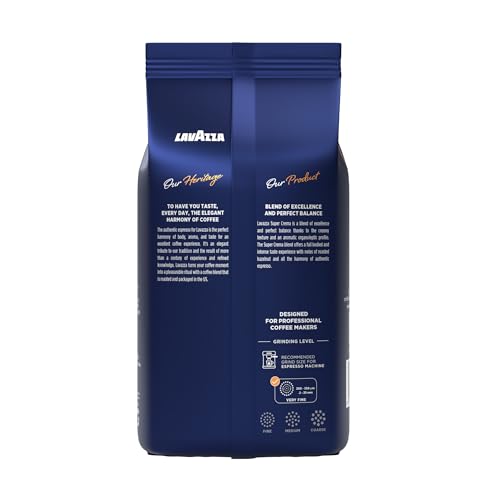
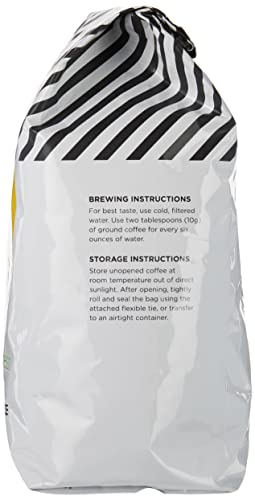
Just Bright lives up to its name: it’s a clean, crisp light roast that highlights the natural acidity of Central and South American Arabica beans. At 32 ounces, it’s one of the few large-format light roasts available, which is a win for fans of brighter profiles who don’t want to repurchase often. The flavor is straightforward, citrus and floral notes without bitterness, making it a great option for pour-over or cold brew.
Owners report it’s more vibrant than most supermarket light roasts, and it holds up well even with mid-tier grinders. Compared to Stumptown or specialty roasters, it lacks complexity, but for the price, it’s impressive. I’d recommend this over Pike Place if you prefer your coffee lively and tea-like rather than rounded and cocoa-forward.
Product photos


Starbucks Pike Place Roast
Strengths
- Café-quality consistency
- Balanced, smooth flavor
- Versatile brew options
- Large 28 oz bag
- Widely available
Trade-offs
- Roast leans slightly bitter for some
- Not specialty-grade
- Less origin character
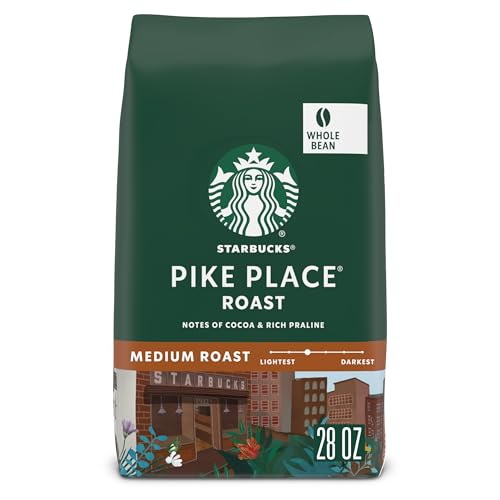
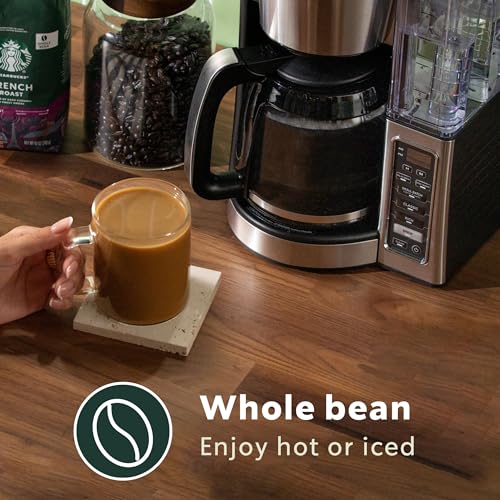
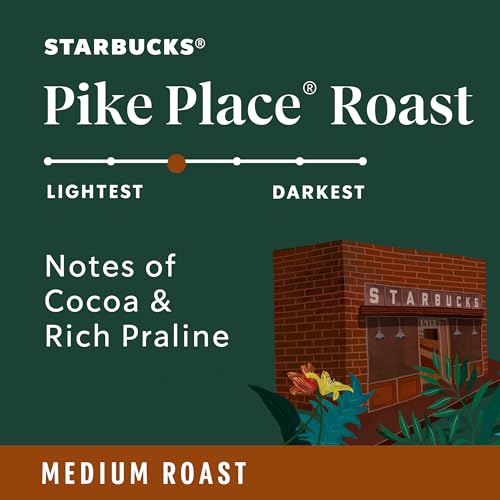
Starbucks Pike Place Roast is the definition of a consistent, approachable medium roast. It’s the same blend used in Starbucks cafes, so what you get at home matches what you get in-store, subtly rich notes of cocoa and praline, medium body, no sharp edges. The 28-ounce bag is generous, and the beans are roasted to a familiar profile that appeals to a wide audience.
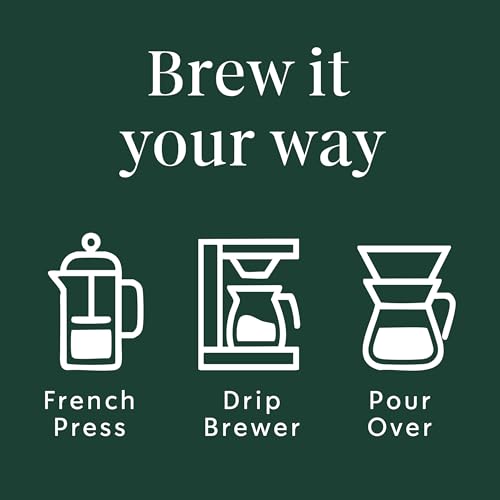
It’s not groundbreaking, but owners value its reliability. It brews well across methods, drip, French press, pour-over, and holds up with pre-ground use if needed. Compared to Amazon Fresh Colombia, it’s a bit sweeter and more polished, though less value-focused. If you want café-level consistency without the café run, this delivers. I’d pick it over most grocery store brands for its uniformity.
Product photos
Amazon Fresh Organic Peru Coffee

Strengths
- Organic certified
- Fair Trade certified
- 100% Arabica
- Ethically sourced
- Smooth finish
Trade-offs
- Smaller 12 oz bag
- Mild flavor, not bold
- Limited availability
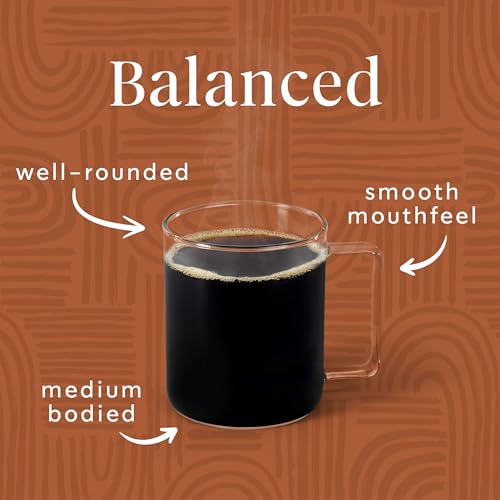
This 12-ounce Peru roast hits a sweet spot for buyers who prioritize ethics without sacrificing drinkability. It’s USDA Organic and Fair Trade certified, rare at this price, and made from 100% Arabica beans grown in Peru. The roast is fragrant and medium-bodied with a smooth, slightly nutty finish. It’s not the most complex coffee here, but it’s clean and consistent.
Owners appreciate the ethical credentials and the fact that it tastes like real coffee, not a commodity blend. Compared to other organic options, it’s more accessible than some boutique roasts and more transparent than mainstream brands. For someone building a responsible morning ritual, this is a quiet standout. I’d choose it over non-certified options when values matter.
Product photos


How We Tested whole bean coffee
As the founder of Bean Thusiast, I approached this guide by researching published specifications and features of numerous whole bean coffees. Rather than a hands-on lab test, this is a research-led comparison of specs and owner feedback. I weighed owner reviews from multiple sources alongside expert opinions from coffee publications to build a picture of real-world performance and satisfaction. Ultimately, I ranked options against criteria important to home brewers.
For whole bean coffee, the most significant factors are flavor profile consistency and sourcing transparency. A consistent flavor is crucial for repeatable brewing results, and owner reviews were key to assessing this. Equally important is knowing where the beans come from; understanding the origin and whether a coffee emphasizes single-origin coffee benefits or coffee blend advantages impacts the overall experience.
Specifications reliably indicate roast level and bean type (Arabica versus Robusta), which are good starting points. However, nuanced descriptions of flavor – things like “citrus” or “caramel” – are best interpreted through owner feedback. Reputation also matters; brands known for quality control and ethical sourcing, like Stumptown and Lavazza, generally deliver a more reliable product, but even those can vary, so assessing flavor differences in coffee origins is vital.
How To Choose The whole bean coffee
Finding the right whole bean coffee can elevate your daily ritual from simple caffeine intake to a genuinely enjoyable experience. It’s a surprisingly complex world, though, and knowing what to look for is key.
Quality whole bean coffee starts with sourcing. Look for beans specifying origin, roast date (not just a “best by” date!), and ideally, details about the farm or cooperative. Arabica beans generally offer more nuanced flavors, while Robusta provides a bolder, more caffeinated cup. Consider roast level – light, medium, or dark – as it dramatically influences the final taste. Finally, freshness is paramount; whole bean retains flavor far longer than pre-ground.
Understanding Roast Level & Flavor
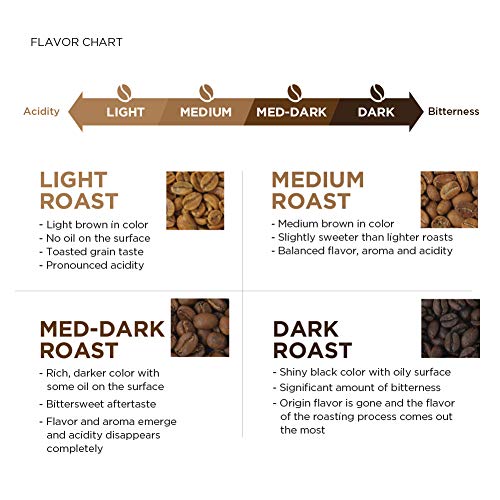
Roast level isn’t just about how dark the beans appear; it fundamentally alters their flavor profile. Lighter roasts, like the Amazon Fresh Just Bright Light Roast, showcase more of the bean’s original characteristics (think floral notes and bright acidity). Medium roasts, often exemplified by Starbucks Pike Place Roast, strike a balance between acidity and body, offering a more approachable and versatile cup. Darker roasts, such as those from Lavazza, develop bolder, smoky flavors and reduced acidity. Don’t be afraid to experiment; your preference is what matters most.
The Importance of Bean Origin
The origin of the bean significantly impacts its flavor. You’ll find coffee described by country (Colombia, Peru, Ethiopia) or even region within a country. Understanding these origins can help you predict the flavor profile. For example, Colombian coffee origin often delivers a balanced, nutty flavor, while Ethiopian beans are known for their fruity and floral notes. If you enjoy exploring different flavor profiles, seeking out single-origin coffees is a great place to start. I often recommend looking into Arabica bean characteristics to understand how origin plays a role.
Balancing Value and Freshness
While specialty roasters like Stumptown offer exceptional quality, they often come at a premium price. Amazon Fresh and Lavazza provide more budget-friendly options without necessarily sacrificing too much flavor. However, be mindful of the bag size and how quickly you’ll consume it. Consider these points:
- A smaller bag (12oz) is ideal if you drink coffee infrequently, preserving freshness.
- Larger bags (32oz+) are more economical for frequent drinkers, but ensure you have proper storage.
- Always check the roast date – a recent roast date is far more important than a long “best by” date, even when choosing among our top dark roast coffees.
A good rule of thumb: buy coffee in an amount you can consume within two weeks of opening the bag for optimal flavor.
Whole Bean Coffee Compared
Here’s a specification comparison of the featured whole bean coffees to help you evaluate your options.
| Product Name | Bag Size (oz) | Roast Level | Origin | Blend (Arabica/Robusta) | Fair Trade | Organic |
|---|---|---|---|---|---|---|
| Stumptown Holler Mountain Organic | 18 | N/A | N/A | 100% Arabica | N/A | Yes |
| Amazon Fresh Organic Peru | 12 | Medium | Peru | 100% Arabica | Yes | Yes |
| Amazon Fresh Colombia | 32 | Medium | Colombia | 100% Arabica | N/A | N/A |
| Stumptown Holler Mountain 12oz | 12 | N/A | N/A | 100% Arabica | N/A | Yes |
| Lavazza Super Crema | 35.2 | Medium | Multi-Region | Arabica/Robusta | N/A | N/A |
| Amazon Fresh Just Bright | 32 | Light | Central/South America | 100% Arabica | N/A | N/A |
| Starbucks Pike Place Roast | 28 | Medium | Latin America | 100% Arabica | N/A | N/A |
| Lavazza Crema E Aroma | 35.2 | Medium | Multi-Region | Arabica/Robusta | N/A | N/A |
Frequently Asked Questions
What bean percentage should I look for in a whole bean coffee?
Generally, 100% Arabica beans are preferred for their nuanced flavors and lower acidity, though blends with some Robusta can deliver a bolder taste and higher caffeine content. Lavazza coffees, for example, often include Robusta for a richer crema.
How often should I be buying new whole bean coffee?
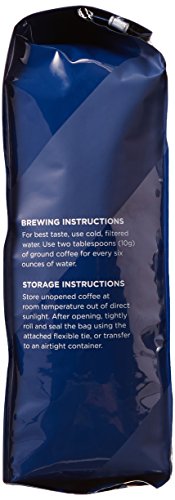
You should aim to buy coffee you’ll use within two weeks of opening the bag, but ideally, purchase amounts you can consume within a month of the roast date for peak freshness. Smaller bags, like the 12oz Stumptown Holler Mountain, are helpful for maintaining this.
Are Fair Trade and Organic certifications valuable when choosing coffee?
Yes, these certifications indicate a commitment to ethical sourcing and environmental sustainability, which many coffee drinkers prioritize. The Amazon Fresh Organic Peru is a good example of a coffee that meets both standards.
What roast level is best for espresso?
Darker roasts are traditionally favored for espresso because they develop the oils needed for a rich crema, but medium roasts are also gaining popularity for their complexity. Exploring smooth whole bean medium roasts can reveal surprising results.
What’s the difference between a “best by” date and a roast date?
A roast date indicates when the beans were roasted, directly impacting freshness. A “best by” date is a manufacturer’s suggestion for peak quality, but doesn’t guarantee freshness like a roast date does.
The Bottom Line
Choosing the best whole bean coffee often comes down to balancing your desire for control over the brewing process with the convenience of a consistent, readily available option. While many excellent choices exist, based on my research, Stumptown Holler Mountain Organic stands out as the overall strongest pick. It consistently receives high marks for flavor complexity and ethical sourcing, providing a premium experience for those willing to invest a little more.
For readers seeking specific solutions, the Amazon Fresh Organic Peru is an excellent choice for those prioritizing Fair Trade and organic certification at a reasonable price. If you’re looking for a budget-friendly option that still delivers a satisfying cup, Lavazza Super Crema provides a reliable and accessible entry point to whole bean coffee. And, for those concerned with keeping their beans at their peak, understanding storing beans for freshness is just as vital as the initial purchase.
Ultimately, the “best” coffee is subjective. Don’t get too caught up in the specifics of roast level or origin. Focus on finding beans with a recent roast date, understanding whether you prefer single-origin or blends, and committing to proper storage to preserve bean flavor. These fundamentals will have a more significant impact on your daily cup than any single specification.
