
How to Keep Awake Without Coffee – The Most Common Mistake
To stay awake without coffee, you need to reset your nervous system with cold water, suppress sleep hormones with bright light, and maintain steady blood sugar with a high-fiber breakfast. The most common mistake is using ice-cold water, which triggers a pain response that distracts from the alertness boost.
Most people reach for a second cup when fatigue hits. They miss the signals their body is already sending: dehydration, circadian lag, and blood sugar dips are the real culprits. Coffee just masks them for an hour.
This guide covers the methods that work, and the specific edge cases where they won’t.
Key Takeaways
- Splash your face with cold tap water for 3 seconds, not ice water. Ice water triggers a pain shock that overrides the alertness signal from the mammalian dive reflex.
- Get morning light within 30 minutes of waking. Blue-spectrum light suppresses melatonin production directly. Without it, your circadian clock stays in sleep mode.
- Drink a full glass of water immediately after waking. Overnight dehydration can cut alertness by 10%; rehydrating restores it in about 20 minutes.
- A high-fiber, low-sugar breakfast beats a sugary one. Oatmeal provides a 3-4 hour energy plateau; a donut creates a crash within 90 minutes.
- For diagnosed conditions like narcolepsy or Shift Work Disorder, these tactics are supports, not cures. They can’t override a broken sleep-wake cycle.
Why Coffee Isn’t the Only Answer
Coffee works because caffeine blocks adenosine receptors in your brain. Adenosine is the chemical that builds up all day to make you feel tired. Block the receptors, you don’t feel the fatigue. It’s a brilliant chemical override.
But it’s also a loan. The adenosine doesn’t disappear. When the caffeine wears off, those receptors flood, and the sleep debt hits harder. That’s the afternoon crash. Relying on coffee to stay awake is like using a credit card for daily expenses, it works until the bill comes due.
The methods here don’t block adenosine. They reduce its production or clear it naturally. They work with your body’s existing alertness systems: the mammalian dive reflex, the circadian clock, and metabolic regulation. They’re slower than a double espresso. They last longer.
Before you start: These methods assume a baseline of adequate sleep. If you’re chronically sleep-deprived (less than 6 hours per night for adults), no amount of cold water or morning light will fully compensate. Prioritize sleep first. Also, if you have a diagnosed sleep disorder like narcolepsy or idiopathic hypersomnia, view these as complementary supports, not replacements for medical treatment.
The 3-Second Cold-Water Reset (and the Mistake That Wastes It)
Splashing your face with cold water is the fastest physiological reset you can do. It takes three seconds.
The mechanism is the mammalian dive reflex. Cold water on the face and especially the forehead triggers bradycardia (slowing of the heart) followed by a sympathetic nervous system surge, your body thinks it’s diving into cold water and needs oxygen. Heart rate increases, blood vessels constrict, and alertness spikes. It’s wired into your brainstem.
The mistake is using ice water.
Ice water hurts. The pain signal from extreme cold travels the same neural pathway as the dive reflex, but it’s louder. Your brain prioritizes the “ouch” over the “wake up.” You get a jolt, but it’s a pain jolt, not a clean alertness jolt. It fades as soon as the sting does.
Use cold tap water. Fill your hands, bring them to your face, and splash for a full three-second count. Hit the forehead, cheeks, and the back of the neck. The neck splash is non-negotiable, that’s where the carotid arteries are closest to the skin, and cooling them directly signals the brain.
Do this when you feel the first wave of drowsiness, usually mid-morning or post-lunch. It’s a hard reset. You get about 45 minutes of clear focus from it.
TL;DR: Cold tap water on the face and neck for 3 seconds triggers the dive reflex for alertness; ice water triggers pain instead and wastes the effect.
The Light and Hydration Lever
Your circadian rhythm runs on light. Specifically, blue-spectrum light. When photons hit specialized cells in your retina, they signal the suprachiasmatic nucleus, your brain’s master clock, to suppress melatonin production. No melatonin, no sleep signal.
The National Institute of Environmental Health Sciences notes that light exposure is a primary regulator of circadian rhythms and alertness. Missing your morning light window is like skipping the starter pistol for your day.
| Light Source | Blue Light Intensity | Effective Distance | Time Needed |
|---|---|---|---|
| Morning sunlight | High (full spectrum) | Direct exposure | 10–30 minutes |
| Bright window | Medium | Within 3 feet | 30–60 minutes |
| Light therapy box | Very High (focused) | 12–18 inches | 20–30 minutes |
Open your curtains within 30 minutes of waking. If you wake before sunrise, use a light therapy box rated for 10,000 lux positioned at your desk. Stare at it indirectly while you check email. The goal is photon intake, not a tan.
Hydration is the other half. Overnight, you lose about a liter of water through breath and sweat. Even mild dehydration, a 1-2% loss of body water, lowers blood volume. Your heart works harder to pump the same amount of oxygen to your brain. The result is a measurable dip in concentration and alertness.
Drink 8 to 12 ounces of water immediately after you get out of bed. Not with breakfast, not after your shower. Straight away. It takes about 20 minutes for the fluid to hit your bloodstream and for cognitive metrics to rebound.
Common mistake: Chugging a large volume of water once at noon, your body can only absorb about 200-300ml every 15-20 minutes. The excess passes through, and you miss the steady hydration that maintains alertness.
If plain water is a chore, add a squeeze of lemon or a splash of 100% orange juice. The flavonoids in citrus, particularly hesperidin, have been linked to increased alertness and cognitive function in controlled studies. It’s a minor boost, but it makes the habit stick.
What to Eat (and What to Skip) for Steady Energy
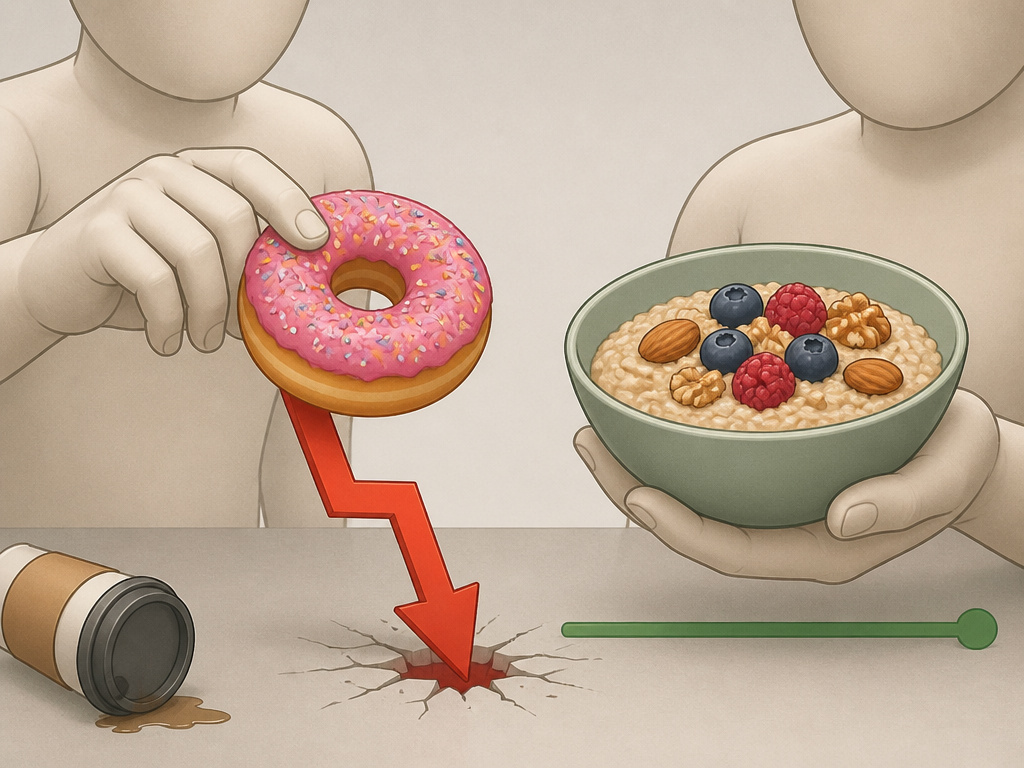
Breakfast sets your blood sugar curve for the next four hours. Get it wrong, and you’re fighting an energy crash by 10:30 AM.
A high-sugar, low-fiber meal, a donut, sugary cereal, toast with jam, spikes blood glucose rapidly. Your pancreas releases a large insulin dose to manage it. The insulin works too well, glucose drops sharply, and you hit a hypoglycemic low. That’s the foggy, irritable, desperate-for-a-snack feeling. It usually hits 90 minutes after eating.
A high-fiber, complex-carbohydrate meal, oatmeal, whole-grain toast with avocado, a vegetable omelet, releases glucose slowly. Insulin release is gradual. Blood sugar stays in a stable plateau for 3-4 hours. No spike, no crash.
Here’s the macronutrient swap that works:
– Skip: Simple sugars (sucrose, fructose syrup, refined flour)
– Add: Soluble fiber (oats, apples, beans), protein (eggs, Greek yogurt), healthy fats (avocado, nuts)
The difference isn’t subtle. In a study comparing breakfasts, participants who ate a high-fiber meal reported sustained alertness throughout the morning. The high-sugar group reported a significant dip in attention and mood before lunch.
This also changes your caffeine intake strategy. When your energy is stable, you don’t need coffee as a rescue tool. You can use it as a focused boost, not a defibrillator.
Movement Beats Another Cup Every Time
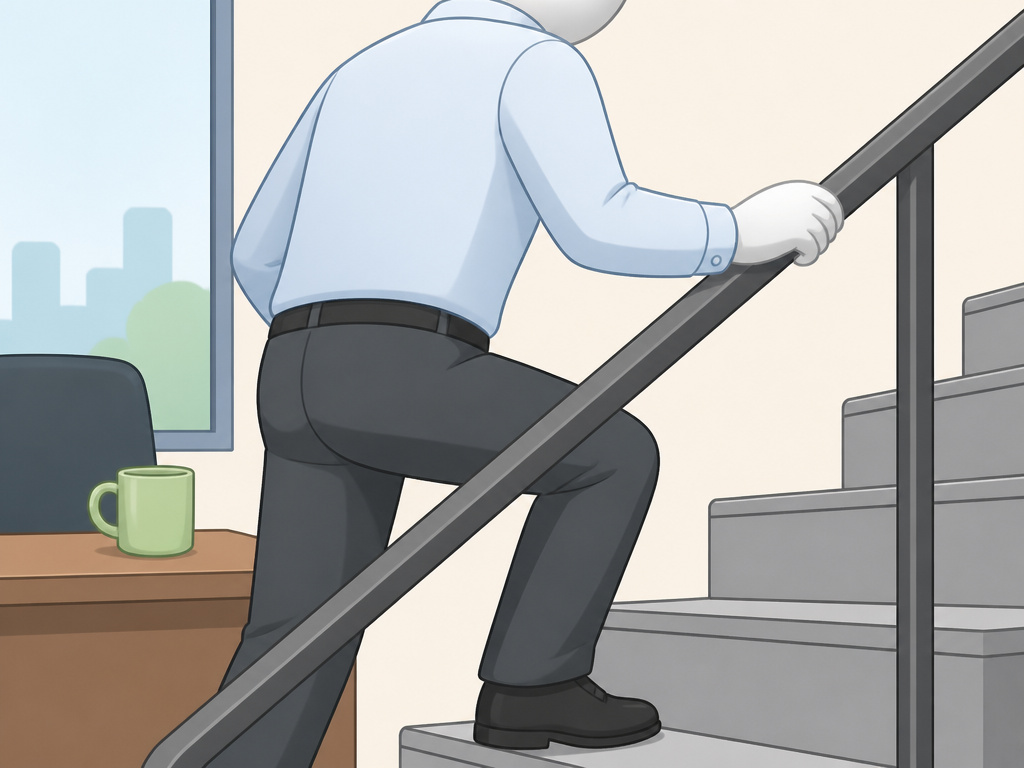
Sitting still is a signal to your nervous system that it’s time to rest. Movement is the opposite.
You don’t need a full workout. A five-minute brisk walk does three things:
1. Increases cerebral blood flow, delivering more oxygen to your brain.
2. Activates the hippocampus, the brain region tied to alertness and memory formation.
3. Triggers the release of norepinephrine, a neurotransmitter that promotes vigilance.
The timing matters more than the duration. Set a timer for 90-minute work blocks. When it rings, stand up and walk. Not a stroll, a brisk, purposeful walk. Around the office, up and down a flight of stairs, around the block if you can.
I used to hit a wall every afternoon at 3 PM. I’d brew another French press. The caffeine would keep me awake but jittery, and I’d crash again by 5. Switching to a 5-minute walk at 2:45 PM changed that. The alertness feels clean, not chemically forced. It lasts about an hour, which is enough to finish the day’s tasks without the evening crash.
If you can’t walk, do 20 jumping jacks or a set of push-ups against your desk. The goal is to elevate your heart rate for a few minutes. The effect is cumulative, three of these movement breaks spaced through the day keep your nervous system in “go” mode far more effectively than a single large coffee.
When These Methods Aren’t Enough
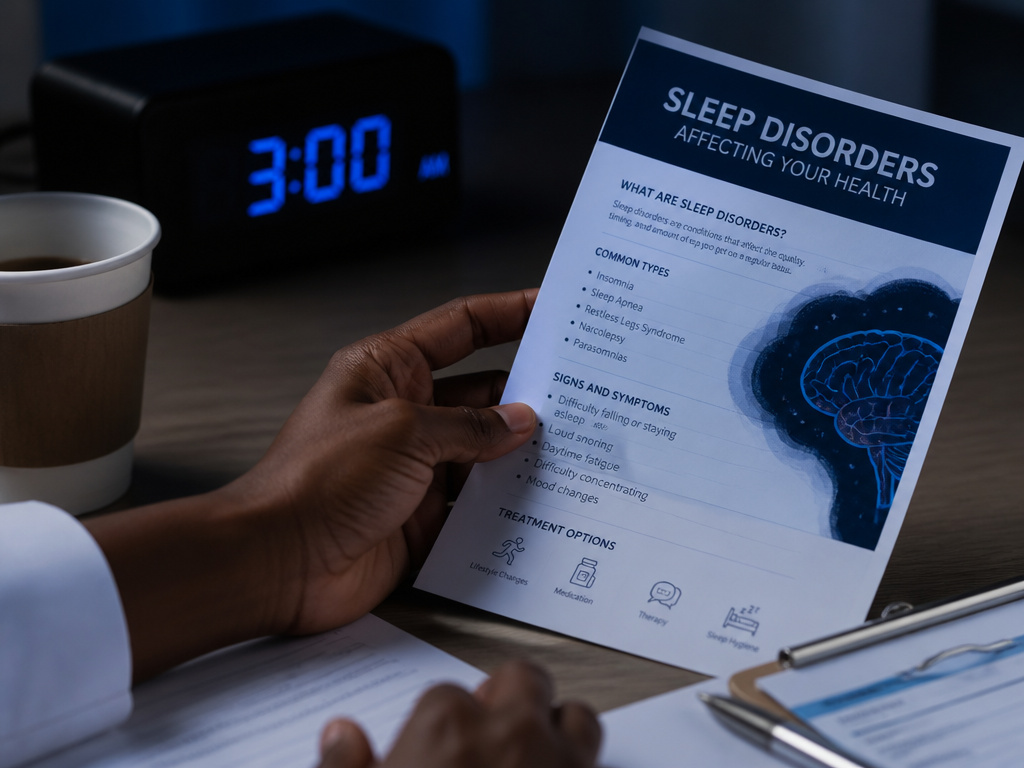
For about 20% of the population, standard sleep hygiene and alertness tricks fall short. The two big categories are shift workers and people with diagnosed sleep-wake disorders.
Shift Work Disorder (SWD) is a circadian rhythm disorder. If you work nights or rotating shifts, your master clock never fully adapts. Bright light exposure and scheduled naps can help, but they’re managing a broken system. The National Institute on Alcohol Abuse and Alcoholism notes that circadian disruption from irregular schedules directly impacts wakefulness and sleep quality. For SWD, these methods are part of a larger toolkit that should include consultation with a sleep specialist, timed melatonin supplements under medical guidance can sometimes recalibrate the clock.
Narcolepsy and Idiopathic Hypersomnia are neurological conditions. The brain’s sleep-wake switch is fundamentally faulty. No amount of cold water or morning light can override the sudden, overwhelming sleep attacks. For these individuals, the methods in this article might provide a slight edge, but they are not a substitute for prescribed stimulant medications or other treatments. Trying to power through with lifestyle hacks alone is like trying to put out a house fire with a garden hose.
That’s the limit of non-pharmacological alertness. If you’ve consistently applied light, hydration, diet, and movement for two weeks and still struggle to stay awake, talk to a doctor. Persistent fatigue can be a symptom of sleep apnea, thyroid issues, or other medical conditions.
The 20-Minute Nap Rule
Napping is a double-edged sword. Done right, it’s a powerful reset. Done wrong, it ruins your night.
Keep it to 20 minutes. Set an alarm. This is a “power nap” that stays in the lighter stages of sleep (Stages 1 and 2). You wake up refreshed, not groggy. Go longer than 30 minutes, and you risk entering deep sleep (Stage 3). Waking from deep sleep causes sleep inertia, that heavy, disoriented feeling that can last an hour.
Nap before 3 PM. Later naps interfere with your circadian drive for nighttime sleep. Your body starts preparing for sleep about 8 hours before your usual bedtime. A late nap is like snacking right before dinner; it kills your appetite for the main event.
Find a quiet, dark place. Use an eye mask if you need to. The goal is signal reduction, no light, minimal sound. Even if you don’t fall asleep, 20 minutes of rest with your eyes closed lowers cortisol and resets attention.
Common mistake: Napping for 45 minutes because you “need it”, you’ll wake in deep sleep, feel worse for an hour, and then toss and turn that night. The grogginess outweighs the benefit.
If you can’t nap, try a “non-sleep deep rest” protocol. Lie down, close your eyes, and focus on relaxing each part of your body for 10 minutes. It’s not sleep, but it drops your nervous system out of fight-or-flight mode. The alertness rebound is milder than a nap’s, but there’s no sleep inertia.
Frequently Asked Questions
Does chewing gum really help you stay awake?
Yes, but only sugar-free gum. The act of chewing increases blood flow to the brain and keeps the jaw muscles active, which sends mild alertness signals. Sugary gum gives a brief glucose spike followed by a crash, which defeats the purpose.
What about energy drinks as a coffee alternative?
They’re a worse choice. Most energy drinks pack far more sugar and synthetic caffeine than a cup of coffee, leading to sharper crashes and greater cardiovascular strain. The alertness is more chaotic and less sustainable.
Can I use tea instead of coffee?
Absolutely. Tea, especially green tea, provides caffeine plus L-theanine, an amino acid that promotes relaxed focus without jitters. The caffeine release is slower and steadier than coffee’s.
I’ve heard cold showers work. Is that true?
The science is there, cold exposure activates wake-promoting brain regions. But a full cold shower is a high-barrier habit. Most people won’t sustain it. A 3-second face splash is 90% as effective for 10% of the discomfort. Start there.
What if I’m sensitive to light or have migraines?
Skip the bright light therapy box. Use natural morning light from a window, which is diffused and less likely to trigger photophobia. The goal is photon exposure, not brightness assault. Even 30 minutes of indirect daylight through a standard window is sufficient for circadian reset.
Are there any risks to drinking too much water?
Hyponatremia (water intoxication) is rare but possible if you drink several liters in a short period without electrolyte replenishment. Stick to the guideline of drinking when thirsty and having one full glass upon waking. Spread intake throughout the day.
The Bottom Line
Staying awake without coffee isn’t about finding a one-to-one substitute. It’s about stacking small, sustainable habits that address the root causes of fatigue: circadian lag, dehydration, and blood sugar swings. Cold water resets your nervous system. Morning light tells your brain it’s daytime. A solid breakfast prevents the 10:30 AM crash.
These methods work because they’re biological, not chemical. They don’t borrow alertness from tomorrow. They generate it today.
For shift workers or those with sleep disorders, these are tools, not cures. They provide a marginal gain in a fight your body is already losing. See a doctor if fatigue persists.
The goal isn’t to never drink coffee again. It’s to not need it to get through the day. When you do have a cup, it becomes a choice, not a crutch.
{
“@context”: “https://schema.org”,
“@type”: “HowTo”,
“name”: “How to Keep Awake Without Coffee”,
“totalTime”: “PT2M”,
“step”: [
{
“@type”: “HowToStep”,
“name”: “Splash your face with cold water for 3 seconds”,
“text”: “Use cold tap water, not ice water, and splash your face and the back of your neck for a full 3-second count. This triggers the mammalian dive reflex, instantly increasing heart rate and alertness.”
},
{
“@type”: “HowToStep”,
“name”: “Open curtains or go outside within 30 minutes of waking”,
“text”: “Exposure to morning light, especially blue-spectrum light, suppresses melatonin production and signals your brain’s circadian clock that it’s daytime. Aim for at least 10 minutes of outdoor light or sit by a bright window.”
},
{
“@type”: “HowToStep”,
“name”: “Drink a full glass of water immediately after waking”,
“text”: “Overnight dehydration can reduce alertness by up to 10%. Drinking 8-12 ounces of water upon waking replenishes fluids and supports cognitive function within 20 minutes.”
},
{
“@type”: “HowToStep”,
“name”: “Eat a high-fiber, low-sugar breakfast”,
“text”: “Choose oatmeal or whole-grain toast over sugary cereals or pastries. The slower glucose release from complex carbohydrates provides sustained energy without the mid-morning crash that follows a simple sugar spike.”
},
{
“@type”: “HowToStep”,
“name”: “Take a 5-minute brisk walk every 90 minutes”,
“text”: “Set a timer for 90-minute work blocks. When it rings, stand and walk briskly for five minutes. This increases blood flow to the brain and reactivates the hippocampus, which governs alertness and memory.”
}
]
}
{
“@context”: “https://schema.org”,
“@type”: “FAQPage”,
“mainEntity”: [
{
“@type”: “Question”,
“name”: “Does chewing gum really help you stay awake?”,
“acceptedAnswer”: {
“@type”: “Answer”,
“text”: “Yes, but only sugar-free gum. The act of chewing increases blood flow to the brain and keeps the jaw muscles active, which sends mild alertness signals. Sugary gum gives a brief glucose spike followed by a crash, which defeats the purpose.”
}
},
{
“@type”: “Question”,
“name”: “What about energy drinks as a coffee alternative?”,
“acceptedAnswer”: {
“@type”: “Answer”,
“text”: “They’re a worse choice. Most energy drinks pack far more sugar and synthetic caffeine than a cup of coffee, leading to sharper crashes and greater cardiovascular strain. The alertness is more chaotic and less sustainable.”
}
},
{
“@type”: “Question”,
“name”: “Can I use tea instead of coffee?”,
“acceptedAnswer”: {
“@type”: “Answer”,
“text”: “Absolutely. Tea, especially green tea, provides caffeine plus L-theanine, an amino acid that promotes relaxed focus without jitters. The caffeine release is slower and steadier than coffee’s.”
}
},
{
“@type”: “Question”,
“name”: “I’ve heard cold showers work. Is that true?”,
“acceptedAnswer”: {
“@type”: “Answer”,
“text”: “The science is there, cold exposure activates wake-promoting brain regions. But a full cold shower is a high-barrier habit. Most people won’t sustain it. A 3-second face splash is 90% as effective for 10% of the discomfort. Start there.”
}
},
{
“@type”: “Question”,
“name”: “What if I’m sensitive to light or have migraines?”,
“acceptedAnswer”: {
“@type”: “Answer”,
“text”: “Skip the bright light therapy box. Use natural morning light from a window, which is diffused and less likely to trigger photophobia. The goal is photon exposure, not brightness assault. Even 30 minutes of indirect daylight through a standard window is sufficient for circadian reset.”
}
},
{
“@type”: “Question”,
“name”: “Are there any risks to drinking too much water?”,
“acceptedAnswer”: {
“@type”: “Answer”,
“text”: “Hyponatremia (water intoxication) is rare but possible if you drink several liters in a short period without electrolyte replenishment. Stick to the guideline of drinking when thirsty and having one full glass upon waking. Spread intake throughout the day.”
}
}
]
}
