
Mushroom Coffee for Weight Loss: Does It Actually Help?
This post contains affiliate links. As an Amazon Associate, we earn from qualifying purchases.
Mushroom coffee does not have sufficient scientific evidence to support direct weight loss in humans. Any potential benefit is indirect, likely stemming from its caffeine content or from supporting overall habits like stress reduction, not from the mushrooms melting fat. The NIH states few supplements are effective for weight loss, and major reviews on Reishi and Cordyceps note a lack of human data for this specific outcome.
The hope that a simple drink swap can trigger fat loss is powerful. It’s also what leads people to spend money on trendy products that overpromise. The marketing for mushroom coffee often leans on the general wellness aura of “functional fungi,” blurring the line between possible indirect support and a direct metabolic solution.
Let’s cut through the haze. We’ll examine the specific research on mushrooms used in these blends, explain why the mechanisms touted online often don’t hold up to a physics check, and show you what actually moves the needle for weight management. This isn’t about bashing mushroom coffee, it can be a tasty, lower-acid alternative, but about being precise with your expectations and your wallet.
Key Takeaways
- Human clinical trials directly linking mushroom coffee consumption to weight loss do not exist. Systematic reviews and NIH fact sheets explicitly note this evidence gap.
- Claims about “boosting metabolism” lack a clear physical mechanism for creating a meaningful calorie deficit. The thermogenic effect of the coffee’s caffeine is a more plausible, minor factor.
- If mushroom coffee helps reduce stress-related snacking or replaces a high-calorie latte, that indirect habit change can support weight management. The drink itself isn’t a catalyst.
- For verified weight-loss support, focus on creating a consistent calorie deficit. Proven tools include monitoring intake, choosing satiating foods, and regular exercise.
- Enjoy mushroom coffee for its potential nootropic or antioxidant properties if you like the taste, but purchase it for those reasons, not as a weight-loss supplement.
What Does the Research Actually Say?
Look past the blog posts and influencer endorsements. The authoritative sources, peer-reviewed systematic reviews and government health agencies, paint a consistent picture. A 2021 systematic review of Reishi (Ganoderma lucidum) concluded that “human data are lacking to support the use of reishi for weight loss.” Its focus was on immune modulation and cardiovascular health. Another 2021 review of Cordyceps militaris, while detailing its chemical profile and noting animal studies on lipid metabolism, ended with the standard scientific caveat: “More clinical trials are needed to confirm these effects in humans.”
The most telling document is the National Institutes of Health (NIH) Office of Dietary Supplements fact sheet titled “Dietary Supplements for Weight Loss.” Updated in late 2023, it reviews the evidence for countless supplements from green tea extract to glucomannan. Medicinal mushrooms like Reishi, Lion’s Mane, Chaga, and Cordyceps are not listed. The sheet’s overarching finding is that “few dietary supplements have been shown to be effective for weight loss.”
A 2021 systematic review in the Journal of Dietary Supplements analyzed available data on Reishi (Ganoderma lucidum). The review identified primary research focuses on immunomodulation and cancer adjunct therapy, with human clinical evidence for metabolic or weight-loss outcomes described as insufficient or lacking. Animal model data exists but does not translate directly to human weight management protocols.
This isn’t a conspiracy of silence. It’s the scientific process working as it should: making claims only when reproducible human data exists. That data is currently absent for mushroom coffee as a weight-loss agent.
TL;DR: Authoritative reviews and the NIH find no convincing human evidence that mushroom coffee drives weight loss. The existing research focuses on other health areas or remains in animal models.
The Potential Mechanisms (And Why They’re Overstated)
Proponents suggest a few pathways. Let’s apply a mechanical plausibility check to each.
Metabolism Boost: This is the vaguest claim. Your basal metabolic rate (BMR) is the energy needed for vital functions. To “boost” it significantly, a substance must alter thyroid function or dramatically increase cellular energy turnover. There is no credible mechanism proposed for mushroom polysaccharides or triterpenes doing this in a healthy human. The caffeine in the coffee base, however, does have a mild thermogenic effect, it can slightly increase calorie burn for a short period. This is a coffee effect, not a mushroom effect.
Stress and Cortisol Reduction: Chronic stress elevates cortisol, which can influence fat storage, particularly abdominal fat. Some mushrooms, like Reishi, are adaptogens studied for modulating stress response. If mushroom coffee genuinely lowers your perceived stress, it might indirectly reduce stress-eating or improve sleep, both of which support weight management. This is a plausible indirect and highly individual pathway. It is not a direct fat-burning effect.
Gut Health and Fiber: Mushrooms contain beta-glucans, a form of soluble fiber. Fiber promotes satiety. If a mushroom coffee blend is high enough in beta-glucans (many are not), it could help you feel fuller longer. This might lead to eating slightly less. Again, this is an indirect satiety aid, similar to starting a meal with a broth soup. It’s not unique to mushroom coffee.
Blood Sugar Regulation: Some animal studies suggest certain mushroom extracts can improve insulin sensitivity. Stable blood sugar can curb cravings. This is another potential indirect support mechanism. However, human evidence for this specific outcome from drinking mushroom coffee is lacking. For reliable blood sugar management, dietary composition and exercise are far more potent levers.
| Claimed Mechanism | Plausibility Check | Direct or Indirect? | Stronger Alternative |
|---|---|---|---|
| Boosts Metabolism | Low. No clear physical mechanism for mushrooms. Caffeine provides minor, temporary thermogenesis. | Indirect (via caffeine) | High-Intensity Interval Training (HIIT) |
| Lowers Stress/Cortisol | Medium. Adaptogenic properties may help some individuals. | Indirect | Mindfulness, adequate sleep, regular exercise |
| Improves Satiety | Low-Medium. Dependent on beta-glucan fiber content, often low in coffee blends. | Indirect | Meals with high protein, fiber, and volume (e.g., vegetables) |
| Regulates Blood Sugar | Low. Based on animal studies; human data for coffee blends is absent. | Indirect | Reducing refined carb intake, building muscle mass |
TL;DR: The mechanisms touted for weight loss are either indirect (stress, satiety) or attributable to the coffee base, not the mushrooms. None create the direct calorie deficit required for fat loss.
What About the Caffeine in Mushroom Coffee?
This is the elephant in the room. A typical cup of mushroom coffee contains caffeine, usually from the coffee or tea it’s blended with. Caffeine is a well-studied stimulant with a proven, if modest, relationship to weight management.
- Thermogenesis: Caffeine can increase your metabolic rate by 3-11% for a limited time after consumption. The effect is real but small.
- Exercise Performance: Caffeine can enhance athletic performance and increase the number of calories burned during a workout.
- Appetite Suppression: Some people experience a temporary reduction in hunger after consuming caffeine.
Common mistake: Attributing any mild thermogenic or appetite effect solely to the “mushrooms” in your coffee, the caffeine in the base is the more likely, evidence-backed actor.
If you feel more energized and potentially eat less after your morning cup, credit the caffeine first. Switching from regular coffee to mushroom coffee of equal caffeine content won’t change this dynamic. If you’re using mushroom coffee as a vehicle to reduce your overall caffeine intake, that’s a separate dietary choice.
The Habit Change That Actually Works
Here is the non-secret, non-trendy truth that every successful long-term weight management story shares: it’s about sustainable habit change. Mushroom coffee can play a tiny, supporting role here, but only if it replaces a worse habit.
- If it replaces a 500-calorie mocha latte, then yes, that change supports weight loss. The benefit comes from the calorie reduction, not the mushrooms.
- If drinking it helps you establish a mindful morning routine that reduces stress-eating later, that’s a win. The benefit comes from the routine and stress reduction.
- If you believe it helps you, and that belief motivates you to make better food choices all day, that’s the placebo effect in a positive, real-world sense.
The danger is in believing the drink is doing the work for you. It isn’t. The work is:
1. Consistently consuming fewer calories than you burn.
2. Choosing satiating, nutrient-dense foods.
3. Incorporating regular physical activity you enjoy.
4. Managing stress and sleep to support hormonal balance.
No coffee, mushroom or otherwise, can bypass these fundamentals. This is why focusing on low-calorie coffee additions or using a pinch of salt to improve flavor without sugar are more practical steps than seeking a magic mushroom brew.
How to Evaluate Claims (And Avoid Getting Ripped Off)
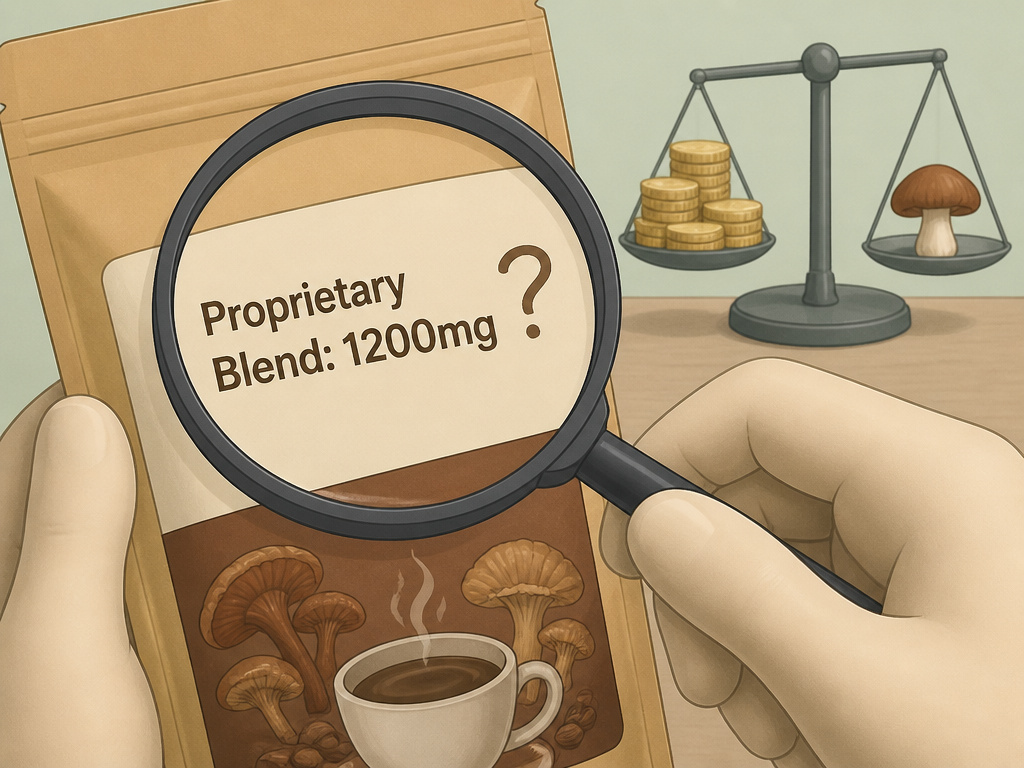
The market is full of overpriced blends making vague promises. Protect your wallet and your expectations.
- Check the Label for “Prop Blend” Trickery: Many brands use a “proprietary blend” of multiple mushrooms (e.g., “1,200mg Myco-Blend™”). This hides how little of each individual mushroom you’re getting. A dose effective in studies for, say, cognitive function is often several grams of a single extract. A 200mg share of a ten-mushroom blend is likely inconsequential.
- Look for Third-Party Testing: Reputable brands test for heavy metals and contaminants and verify beta-glucan content. If this information isn’t easily accessible, be skeptical.
- Ignore Before/After Photos and Anecdotes: These are marketing tools, not evidence. Individual results are confounded by countless other lifestyle changes.
- Research the Brand’s Science: Do they cite specific human clinical trials on their actual product? Or do they link to general studies on lion’s mane and brain cells in a Petri dish? The latter is meaningless for a weight-loss claim.
- Compare to Your Current Drink: Is the switch worth the cost? If you drink black coffee, you’re adding expense for unproven benefits. If you’re switching from a sugary drink, the benefit is in ditching the sugar.
When you read a PMC study on mushroom coffee bioactive substances, note that it identifies compounds like cordycepin and beta-glucans. It does not conclude those compounds cause weight loss in humans who drink the beverage. That’s the critical distinction between basic science and an applied health claim.
Frequently Asked Questions
Does mushroom coffee burn belly fat?
No. There is no food or drink that targets fat loss in a specific area like the belly. Spot reduction is a myth. Belly fat loss occurs through a whole-body calorie deficit, which mushroom coffee does not create.
Is mushroom coffee better than regular coffee for weight loss?
Not inherently. Both contain caffeine, which has mild, short-term metabolic effects. If your mushroom coffee has fewer calories than your usual creamy, sweetened regular coffee, then it’s better for weight management because of the calorie difference, not the mushrooms.
Which mushroom in coffee is best for weight loss?
None have proven, direct efficacy for weight loss in humans. Cordyceps is often marketed for “energy” and Reishi for “stress,” which could provide indirect support. However, as the NIH Dietary Supplements for Weight Loss fact sheet indicates, they are not recognized as evidence-based weight-loss supplements.
Can I drink mushroom coffee while fasting?
Most plain mushroom coffees (just mushroom extract and coffee) contain negligible calories and won’t break a fast. However, always check the label for added fillers, sweeteners, or MCT oil powder, which would contain calories. For pure energy and appetite suppression during a fast, the caffeine is the active component, similar to black coffee.
Are there any risks to drinking mushroom coffee for weight loss?
The primary risk is financial, spending money on an unproven solution. Some individuals may experience mild digestive upset or allergic reactions to specific fungi. As with any supplement, it can interact with medications; Reishi, for example, may have blood-thinning properties. Always consult your doctor before adding new supplements, especially if you have health conditions.
Before You Go
Mushroom coffee is a fascinating product with a story rooted in traditional wellness practices. As a lower-acid, potentially focus-supporting alternative to regular coffee, it has its place. I’ve enjoyed blends for the unique, earthy flavor and the potential nootropic boost from lion’s mane.
But we must be precise. The current scientific evidence does not support the idea that it helps you lose weight. The mechanisms are either indirect, overstated, or attributable to the caffeine in the cup. The NIH and systematic reviews are clear on the lack of human data.
If your goal is weight management, channel your effort and resources toward what has a century of evidence behind it: a modest, sustained calorie deficit built on whole foods and movement. Use tools like cinnamon for blood sugar or almond milk to make your coffee enjoyable without extra sugar. Understand the caffeine levels in coffee you drink. Consider the benefits of MCT oil for satiety if you’re adding fat to your brew.
Enjoy your mushroom coffee if you like it. Just don’t expect it to change the number on the scale. That job is still yours.
{
“@context”: “https://schema.org”,
“@type”: “HowTo”,
“name”: “How to Evaluate Mushroom Coffee for Weight Loss”,
“totalTime”: “PT10M”,
“tool”: [
{
“@type”: “HowToTool”,
“name”: “Scientific review articles from PubMed Central”
},
{
“@type”: “HowToTool”,
“name”: “NIH Office of Dietary Supplements fact sheets”
}
],
“step”: [
{
“@type”: “HowToStep”,
“name”: “Separate animal studies from human evidence”,
“text”: “Identify if weight-loss claims are based on rodent models or actual human clinical trials. Most mushroom coffee claims rely on the former.”
},
{
“@type”: “HowToStep”,
“name”: “Check for direct weight loss endpoints”,
“text”: “Look for studies that measure body weight, body fat percentage, or waist circumference in humans, not just metabolic markers in cells.”
},
{
“@type”: “HowToStep”,
“name”: “Review authoritative consensus documents”,
“text”: “Consult resources like the NIH Dietary Supplements for Weight Loss fact sheet, which does not list medicinal mushrooms as evidence-backed.”
},
{
“@type”: “HowToStep”,
“name”: “Analyze the caffeine variable”,
“text”: “Determine if any observed effect is attributable to the coffee base’s caffeine, not the mushroom extract itself.”
},
{
“@type”: “HowToStep”,
“name”: “Compare to established calorie deficit methods”,
“text”: “Weight loss requires burning more calories than you consume. Evaluate if mushroom coffee contributes to this equation meaningfully.”
}
]
}
{
“@context”: “https://schema.org”,
“@type”: “FAQPage”,
“mainEntity”: [
{
“@type”: “Question”,
“name”: “Does mushroom coffee burn belly fat?”,
“acceptedAnswer”: {
“@type”: “Answer”,
“text”: “No. There is no food or drink that targets fat loss in a specific area like the belly. Spot reduction is a myth. Belly fat loss occurs through a whole-body calorie deficit, which mushroom coffee does not create.”
}
},
{
“@type”: “Question”,
“name”: “Is mushroom coffee better than regular coffee for weight loss?”,
“acceptedAnswer”: {
“@type”: “Answer”,
“text”: “Not inherently. Both contain caffeine, which has mild, short-term metabolic effects. If your mushroom coffee has fewer calories than your usual creamy, sweetened regular coffee, then it’s better for weight management because of the calorie difference, not the mushrooms.”
}
},
{
“@type”: “Question”,
“name”: “Which mushroom in coffee is best for weight loss?”,
“acceptedAnswer”: {
“@type”: “Answer”,
“text”: “None have proven, direct efficacy for weight loss in humans. Cordyceps is often marketed for \”energy\” and Reishi for \”stress,\” which could provide indirect support. However, as the NIH Dietary Supplements for Weight Loss fact sheet indicates, they are not recognized as evidence-based weight-loss supplements.”
}
},
{
“@type”: “Question”,
“name”: “Can I drink mushroom coffee while fasting?”,
“acceptedAnswer”: {
“@type”: “Answer”,
“text”: “Most plain mushroom coffees (just mushroom extract and coffee) contain negligible calories and won’t break a fast. However, always check the label for added fillers, sweeteners, or MCT oil powder, which would contain calories. For pure energy and appetite suppression during a fast, the caffeine is the active component, similar to black coffee.”
}
},
{
“@type”: “Question”,
“name”: “Are there any risks to drinking mushroom coffee for weight loss?”,
“acceptedAnswer”: {
“@type”: “Answer”,
“text”: “The primary risk is financial, spending money on an unproven solution. Some individuals may experience mild digestive upset or allergic reactions to specific fungi. As with any supplement, it can interact with medications; Reishi, for example, may have blood-thinning properties. Always consult your doctor before adding new supplements, especially if you have health conditions.”
}
}
]
}
