
How Coffee on an Empty Stomach Affects Blood Sugar Levels
This post contains affiliate links. As an Amazon Associate, we earn from qualifying purchases.
Yes, for many people, drinking caffeinated coffee on an empty stomach can raise blood sugar. The primary agent is caffeine, which triggers a short-term decrease in insulin sensitivity and increases stress hormones. This acute effect is most pronounced in individuals with existing glucose issues or after a poor night’s sleep.
Most people assume the problem is the coffee itself. It’s not. Black coffee has virtually no carbohydrates. The spike comes from your body’s hormonal response to the stimulant, a reaction that’s amplified when there’s no food in your system to buffer it.
This guide breaks down the science from NIH studies, explains who should be most concerned, and offers practical ways to enjoy your morning cup without the unwanted glucose rollercoaster.
Key Takeaways
- Caffeine, not coffee, is the trigger. It impairs insulin’s ability to usher glucose into cells for about 90-120 minutes.
- The effect is acute and temporary. Long-term coffee consumption is actually linked to a lower risk of Type 2 diabetes.
- Sleep deprivation makes it worse. A bad night’s sleep + morning coffee creates a double-hit on your insulin sensitivity.
- You can test your own response with a glucose monitor and black coffee. Individual variability is huge.
- Mitigation is simple: pair your coffee with a small protein/fat snack, or switch to decaf on empty mornings.
The Caffeine Mechanism: How One Cup Spikes Glucose
Black coffee has about 2 calories and zero sugar. By the numbers alone, it shouldn’t move your blood sugar. The glucose meter tells a different story for a significant portion of the population. The reason is a biochemical chain reaction started by caffeine.
Caffeine blocks adenosine receptors in your brain and tissues. This blockade signals your adrenal glands to release stress hormones, primarily adrenaline (epinephrine) and noradrenaline. These catecholamines have a direct, rapid effect: they tell your liver to dump stored glucose into your bloodstream for quick energy, a fight-or-flight resource. Simultaneously, they make your muscle and fat cells temporarily resistant to insulin. Insulin is the key that unlocks cells to absorb that circulating glucose. With the key not working and more glucose entering the bloodstream, levels rise.
Acute caffeine intake impairs glucose tolerance and insulin sensitivity in both healthy individuals and those with type 2 diabetes. The mechanisms are likely related to increased catecholamine release and direct effects on insulin signaling.
This entire process is a short-term stress response. The NIH study on coffee and glucose metabolism details this cascade, noting the effect can last up to two hours. If you eat breakfast during this window, the glucose from your meal piles on top of the caffeine-induced release.
TL;DR: Caffeine tells your liver to release sugar and tells your cells to ignore insulin. The result is a temporary blood sugar rise, even from zero-carb black coffee.
What the Clinical Studies Actually Say
The consensus from primary research is clear on the acute effect. A landmark 2010 study in Diabetes Care gave patients with Type 2 diabetes caffeinated coffee, decaf, or water before a meal. The caffeinated coffee group saw their post-meal blood sugar soar 25-30% higher than the others. Their insulin levels also spiked higher as their bodies struggled to compensate.
Healthy people aren’t immune. A 2008 study had non-diabetic subjects drink caffeinated coffee before a sugar-tolerance test. Their glucose and insulin curves were significantly higher compared to when they drank decaf. The researchers concluded caffeine “acutely impairs glucose tolerance.”
The contradiction appears when you look long-term. Meta-analyses consistently find that habitual coffee drinkers have a lower risk of developing Type 2 diabetes. This is the critical distinction: the acute impairment from caffeine happens each time you drink it, but chronic adaptation and other beneficial compounds in coffee (like antioxidants) may provide protective effects over years.
| Study Focus | Population | Key Finding on Empty Stomach |
|---|---|---|
| Acute caffeine dose before glucose test | Healthy Adults | Significantly higher postprandial glucose & insulin |
| Caffeinated vs. Decaf coffee before meal | Type 2 Diabetes Patients | Caffeinated coffee increased glucose response by ~25% |
| Coffee after disrupted sleep | Habitual Drinkers | Impaired glucose control was more pronounced |
The takeaway isn’t that coffee is bad. It’s that its most famous ingredient has a specific, measurable effect on metabolism that is most visible, and potentially problematic, when consumed in isolation.
Who Needs to Pay the Most Attention?
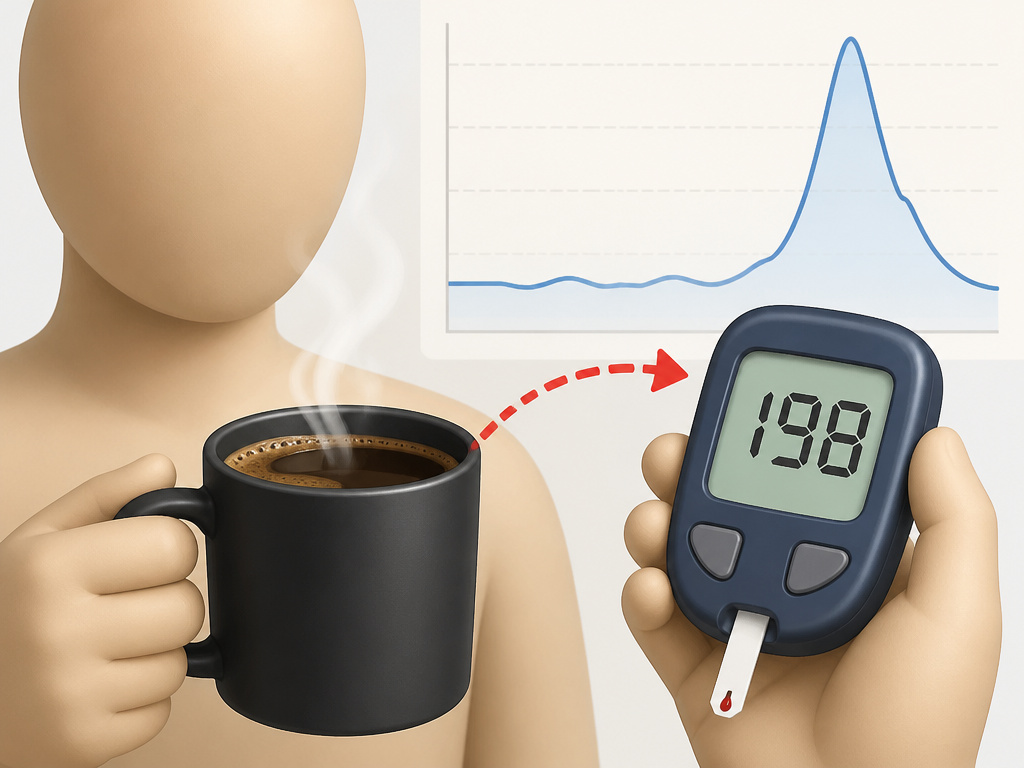
Not everyone will see a dramatic spike. The YouTube self-testers with continuous glucose monitors (CGMs) prove that. Some people’s glucose lines stay perfectly flat after black coffee. Your genetics, caffeine tolerance, and metabolic health create a wide spectrum of response.
You should be particularly mindful if you fall into one of these groups:
- Individuals with Prediabetes or Type 2 Diabetes. Your insulin signaling is already compromised. Adding a caffeine-induced resistance layer can make post-breakfast blood sugar management much harder. That morning number is often the hardest to control, and coffee could be a silent contributor.
- People with Poor Sleep Hygiene. This is a major edge case highlighted by research. A 2021 study found that just one night of disrupted sleep worsened the glucose response to morning coffee. If you’re tired, your stress-hormone system is already on high alert. Caffeine pushes it further.
- Those with High Stress or Anxiety. If your baseline catecholamine level is already elevated, adding caffeine can amplify the hormonal surge that drives glucose release. It’s a compounding effect.
- Individuals Experimenting with Intermittent Fasting. For pure fasts focused solely on autophagy, black coffee is usually fine. But if metabolic health and stable glucose are your fasting goals, caffeine might be creating an unwanted spike during your fasting window. Testing is key.
Common mistake: Assuming “no sugar” means “no spike” – skipping a personal test with a monitor means you’re guessing about your body’s specific response to caffeine.
For everyone else, the effect may be negligible. But the only way to know your personal reaction is to check. A simple blood glucose meter, used before and after your morning cup, provides definitive, individual data.
How to Test Your Own Personal Response
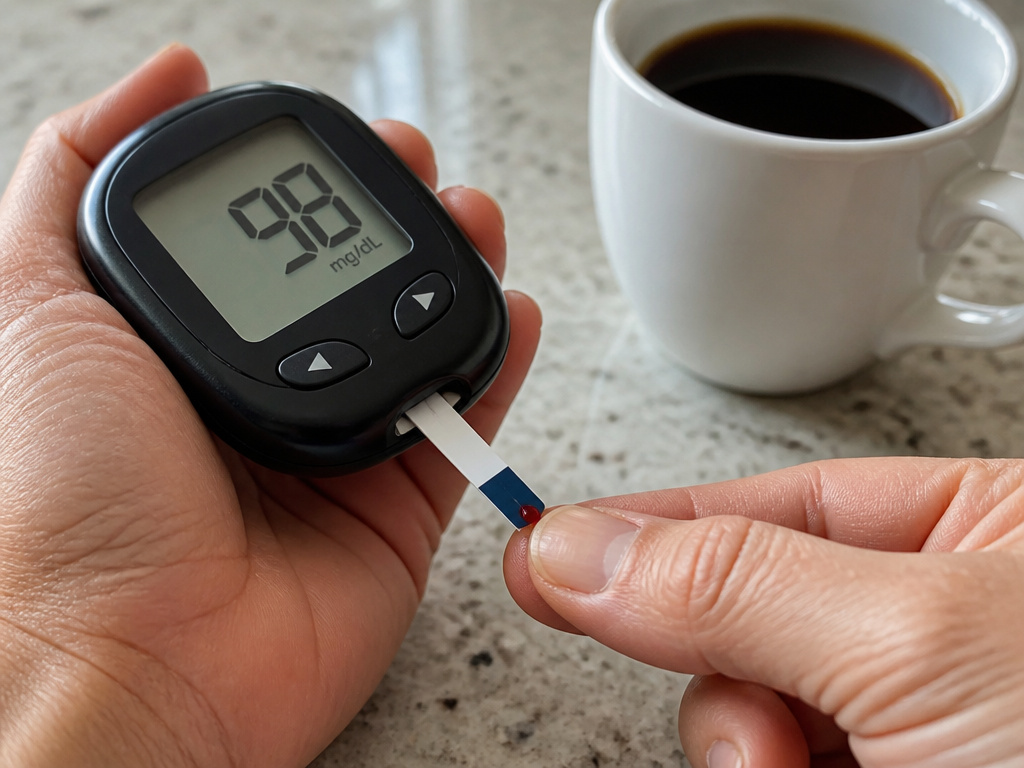
You don’t need a research lab. A basic home glucose monitor can give you the answer in a morning. This self-test removes the guesswork and internet speculation.
- Prep the night before. Ensure a 10-12 hour fast. Go to bed at your normal time.
- Take a fasting baseline. First thing in the morning, before any coffee or water, use your monitor to test your blood sugar. Record the number.
- Drink your control beverage. Brew 8-12 ounces of your regular black coffee. Do not add anything, no milk, no coconut oil coffee, no brown sugar sweetener. The goal is to isolate caffeine.
- Test at intervals. Check your levels again at 30, 60, and 90 minutes after finishing the coffee. Log each result.
- Interpret the data. Compare the later numbers to your baseline. A rise and fall that stays within 10-15 mg/dL is minor. A sustained rise above that suggests your body is reacting to the caffeine.
- Run a decaf comparison. On another morning, repeat the entire process with decaffeinated coffee. If your line stays flat with decaf, you’ve confirmed caffeine as the culprit.
This method mirrors the NIH acute coffee effects study protocols used in clinical settings. It turns anecdote into evidence.
Mitigating the Spike: Practical Strategies for Morning Coffee
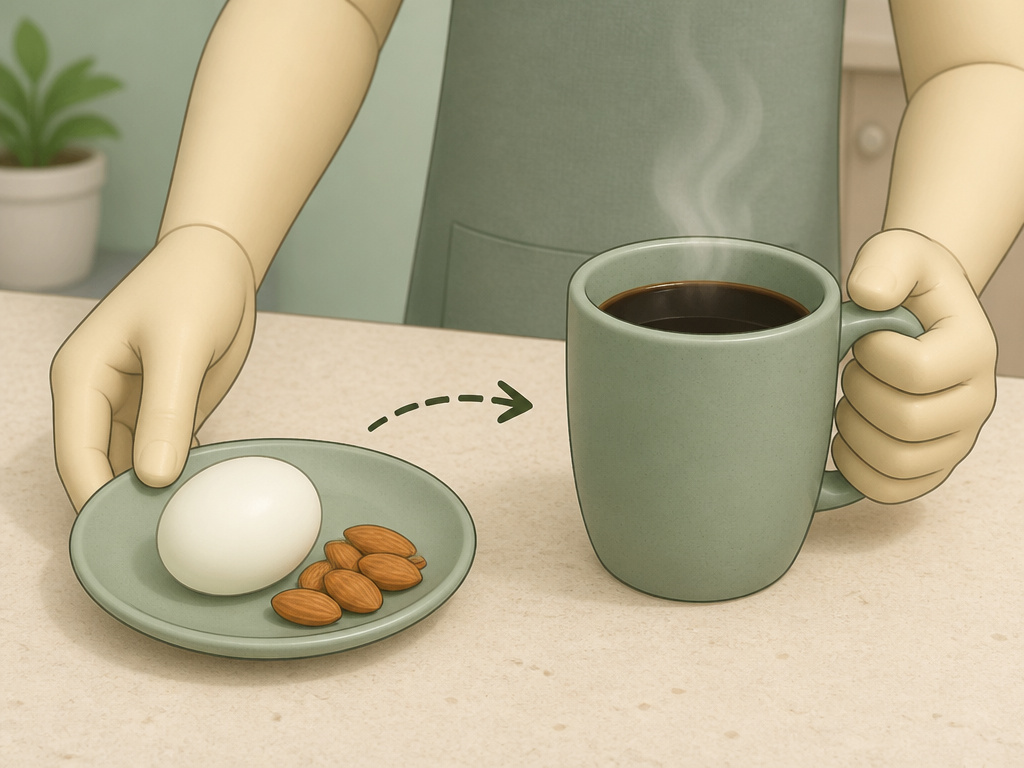
If your test shows a significant reaction, you don’t have to give up coffee. You just need a smarter strategy. The goal is to blunt the caffeine-induced hormonal surge or improve your underlying insulin sensitivity.
Eat Something First (The Most Effective Tactic)
Even a small amount of food provides a buffer. It gives your insulin something concrete to work on and can moderate the liver’s glucose dump. A handful of nuts, a spoonful of nut butter, a hard-boiled egg, or a piece of cheese provides protein and fat without a big carb load. Having this snack 10-15 minutes before your coffee can dramatically smooth the glucose curve.
Consider Your Additives Carefully
What you put in your coffee can change the game. Adding pure fat like MCT oil in coffee or butter may slow caffeine absorption slightly, but it doesn’t address the core hormonal mechanism. Adding sugar or sweetened creamers introduces actual carbohydrates, which will raise blood sugar directly, a different problem entirely. Be mindful of the calories in coffee from dairy or sweeteners.
Switch to Decaf on Empty Stomachs
This is the simplest biochemical fix. Decaffeinated coffee provides the ritual and many of the beneficial antioxidants without the caffeine trigger. If you’re fasting, stressed, or had bad sleep, decaf is a guilt-free alternative. Save the high-test stuff for after a meal.
Build Your Metabolic Resilience
Long-term habits overshadow acute reactions. Regular exercise, especially strength training, improves your muscle cells’ insulin sensitivity. Managing stress through meditation or walking lowers baseline catecholamines. Prioritizing sleep is perhaps the most powerful tool, it resets your entire hormonal system. These practices mean that when you do drink caffeine, your body is better equipped to handle it without dramatic swings.
Explore Other Beverages
Sometimes, the morning ritual is about warmth and habit, not caffeine. Herbal tea, roasted grain beverages (like Teeccino), or even a simple cup of hot water with lemon can fill the role. For a different caffeine source, note that black tea has less caffeine than coffee and contains compounds that may moderate its absorption.
Frequently Asked Questions
Does black coffee break a fast for blood sugar purposes?
For metabolic fasting focused on blood sugar stability, caffeinated black coffee can technically “break” the fasted state by provoking a hormonal response that raises glucose. For fasting aimed solely at calorie restriction or autophagy, it is generally considered permissible.
How long does the blood sugar spike from coffee last?
The acute impairment of insulin sensitivity from caffeine typically lasts 90 to 120 minutes. Your blood sugar should return to its baseline level within that window if you haven’t consumed food.
Is the effect worse with certain types of coffee?
The caffeine content is the primary driver. A light roast typically has slightly more caffeine than a dark roast by volume. Espresso has more caffeine per ounce, but a standard serving is smaller. The brewing method matters less than the total milligrams of caffeine you consume.
Can I develop a tolerance to this effect?
Habitual coffee drinkers do show some adaptation, but studies indicate the acute glucose-elevating effect does not disappear completely. Individuals with managing hypertension or other sensitivities may find the effect persists.
Should I be worried about coffee and heart health in relation to blood sugar?
The acute blood sugar and insulin spike from caffeine can contribute to inflammation and oxidative stress, which are risk factors for cardiovascular issues over time. Managing the spike is part of a holistic approach to health that includes monitoring cardiovascular effects.
The Bottom Line
Coffee on an empty stomach can raise blood sugar, but it’s a conditional yes. The culprit is caffeine’s temporary disruption of insulin sensitivity, an effect magnified by poor sleep or existing metabolic issues. The long-term story for coffee is still positive, but your morning routine matters.
Get a glucose monitor. Test yourself. The data doesn’t lie. If you see a spike, the fix is straightforward: eat a bit of protein first, or switch to decaf. Your energy levels will be steadier, and you’ll understand your body’s unique response to the world’s favorite stimulant. It turns a daily habit into a personalized tool.
