
Can Drinking Coffee Help with Headaches? A Science-Based Guide
This post contains affiliate links. As an Amazon Associate, we earn from qualifying purchases.
Yes, coffee can help with headaches, but only under specific conditions. A dose of about 100 mg of caffeine, equivalent to a strong cup of coffee, acts as an effective analgesic adjuvant, boosting the power of pain relievers. However, regular consumption changes your brain’s chemistry, and skipping your usual dose triggers a withdrawal headache that begins within 12 to 24 hours. Coffee is a tool, not a cure, and misuse turns the relief into the cause.
Most people get this wrong because they treat coffee as a universal headache remedy. They don’t track their baseline intake. So when a headache strikes, they drink a cup without knowing if they’re treating the pain or feeding an addiction. The relief is real but temporary, and the cycle deepens.
This guide breaks down the precise physiology: how caffeine blocks pain, why withdrawal hurts, and the exact timeline that separates a helpful dose from a harmful habit. We’ll look at the peer-reviewed studies and explain when to reach for the mug and when to put it down.
Key Takeaways
- A 100 mg caffeine dose (one strong coffee) significantly improves pain relief, per a Cochrane systematic review. It’s a proven adjuvant, not just folk wisdom.
- Caffeine withdrawal headaches start 12–24 hours after your last dose and can last days. Your brain’s blood vessels rebound-dilate, and a flood of adenosine causes fatigue and pain.
- Coffee plus medication (like Excedrin’s acetaminophen/aspirin/caffeine blend) works better than medication alone. Caffeine increases absorption and receptor targeting.
- Using caffeine for headaches more than two days a week risks Medication Overuse Headache (MOH). The treatment becomes the trigger.
- Hydration is non-negotiable. Dehydration headaches mimic caffeine withdrawal. Drink water first, then decide if you need coffee.
The Double-Edged Sword of Caffeine
Coffee’s relationship with headache is fundamentally paradoxical. It is both a documented treatment and a well-established cause. The difference isn’t about the bean or the brew. It’s about your body’s current chemical expectation.
Your brain adapts to your habitual caffeine intake by growing more adenosine receptors. Adenosine is a neurotransmitter that promotes sleep and dilates blood vessels; caffeine blocks its receptors. When you consistently block these receptors with daily coffee, your brain makes more of them to maintain balance. This is tolerance. Stop the caffeine, and all those extra receptors are suddenly unblocked. Adenosine floods in, vessels dilate rapidly, and pressure builds against the meninges, the protective layers around your brain. That pressure is the withdrawal headache.
Common mistake: Using coffee to treat every headache without tracking your daily intake, you’ll often be treating a withdrawal headache you caused by earlier skipping your routine, locking in a cycle of pain and relief that escalates consumption.
Meanwhile, for someone not in withdrawal, that same caffeine dose has the opposite effect. It constricts cerebral blood vessels and blocks adenosine, which can halt the vascular dilation phase of a tension or migraine headache. This is why a Journal of Headache and Pain review notes caffeine’s established role in acute headache management. The tool is the same. The context changes everything.
TL;DR: Coffee helps a headache if you’re not already dependent on it to avoid one. Track your daily cups.
How Caffeine Relieves a Headache (The Mechanism)
The pain relief isn’t just about “feeling more alert.” It’s a specific pharmacological action with a measurable dose.
Caffeine is a vasoconstrictor. It narrows blood vessels in the brain. During a tension or migraine headache, certain cranial blood vessels are thought to dilate and press on nerve endings. By constricting them, caffeine can reduce that pressure. More importantly, caffeine is an adenosine receptor antagonist. It fits into the receptor without activating it, physically blocking adenosine from binding. Since adenosine promotes vasodilation and pain sensation, blocking it directly dampens the pain pathway.
The adjuvant effect is critical. Studies show caffeine improves the absorption and effectiveness of common analgesics like acetaminophen and aspirin by up to 40%. This is why formulations like Excedrin exist. The caffeine isn’t just there for a buzz; it makes the medicine work faster and more completely.
A dose of caffeine equivalent to that found in a strong cup of coffee (100 mg) provides a small but statistically significant increase in the proportion of people who achieve good levels of pain relief in acute pain conditions.
. Cochrane Database of Systematic Reviews, 2014
This 100 mg figure is your target. It’s the difference between a helpful nudge and overkill. An average 8-ounce cup of brewed coffee contains about 95 mg. A double espresso shot has about 80 mg. A 12-ounce cold brew can easily hit 200 mg. Knowing the caffeine content in espresso versus drip coffee is the first step in dosing correctly, not just guessing.
| Beverage / Method | Approx. Caffeine (mg) | Best Use for Headache |
|---|---|---|
| Drip Coffee (8 oz) | 95–100 | Ideal single-dose analgesic |
| Double Espresso (2 oz) | 80–100 | Quick, concentrated dose |
| Cold Brew (12 oz) | 150–200 | Risk of over-medication |
| Black Tea (8 oz) | 40–70 | Milder option, slower effect |
| Green Tea (8 oz) | 25–45 | Not effective for acute relief |
The table shows why a standard cup of drip coffee is the gold standard for this purpose. It reliably delivers the studied dose. Going far beyond that, as with a large cold brew, doesn’t increase relief, it increases side effects like jitters and sets up a worse withdrawal later.
TL;DR: For headache relief, aim for 100 mg of caffeine, ideally from a regular cup of coffee combined with an OTC painkiller if needed.
When Coffee Causes the Headache: Withdrawal and Overuse
This is the flip side. If you consume caffeine daily, you are not a neutral actor. Your brain has adapted. Skip your morning cup, and a countdown starts.
The StatPearls caffeine withdrawal entry outlines the diagnostic criteria. The primary symptom is headache, occurring in about 50% of people who abruptly stop intake after regular use. The timeline is precise: onset is 12 to 24 hours after last caffeine consumption, peaks at 20–51 hours, and can last up to 9 days. The headache is typically diffuse, throbbing, and worsened by physical activity.
The physiology explains the delay. It takes hours for caffeine to fully clear your system and for adenosine to reclaim its now-more-numerous receptors. The resulting vasodilation isn’t instantaneous. The 12–24 hour window isn’t a guess; it’s the metabolic halftime of this chemical shift.
Common mistake: Interpreting a midday headache as “needing coffee” when you skipped your morning cup, you’re not treating a new headache, you’re aborting a withdrawal you triggered. This reinforces daily dependency.
Even more insidious is Medication Overuse Headache (MOH), previously called rebound headache. If you use caffeine (or caffeine-combination analgesics) for headache relief more than two days a week, you risk transforming episodic headaches into a chronic daily condition. The very substance that helped now perpetuates the pain cycle. This is a formal neurological diagnosis, not just feeling “off.”
The management for both conditions is a structured reduction. You can’t brute-force your way out with more coffee. For withdrawal, a gradual taper over a week softens the blow. For MOH, you must stop the overused medication completely under a doctor’s guidance, often requiring a bridge therapy for the brutal rebound period.
TL;DR: A headache that starts 12+ hours after your last coffee is likely withdrawal. Treating it with more coffee works but tightens the trap.
A Practical Guide: Using Coffee for Headache Relief (Safely)
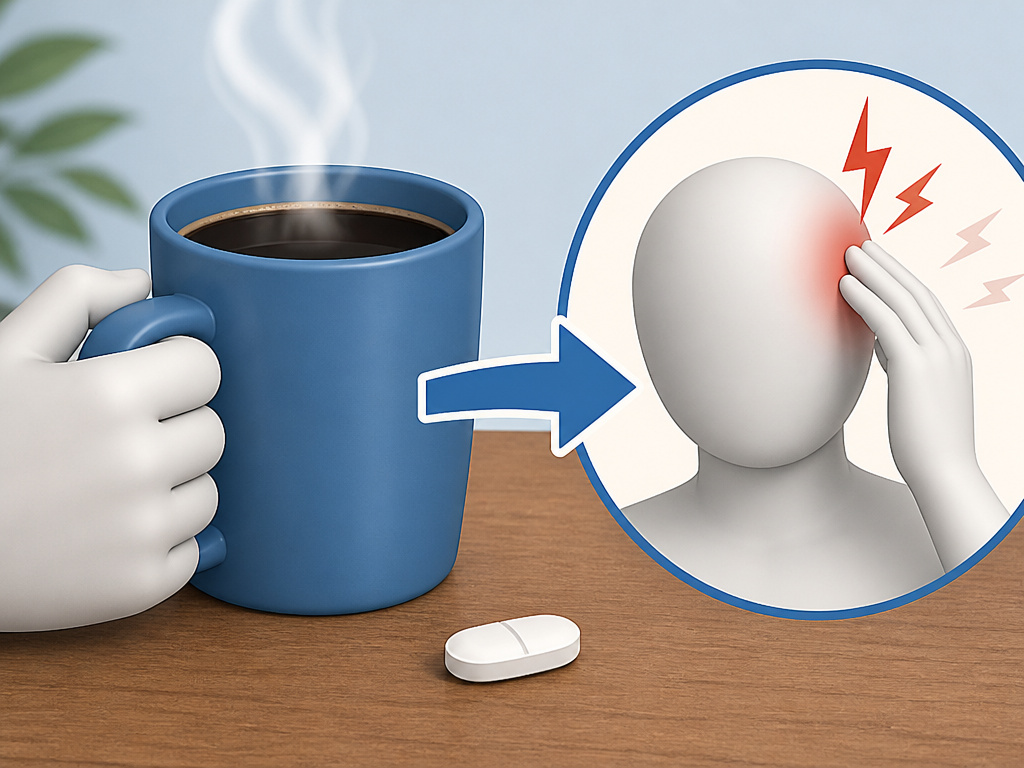
So, you have a headache. Should you drink coffee? Follow this decision tree.
First, ask the timeline question: “Did I have my usual coffee today?” If the answer is no and it’s been over 12 hours, you are likely in early withdrawal. The corrective dose is your regular amount, no more. Exceeding it just resets the clock.
If you are not in withdrawal, assess the headache’s severity. For mild tension headaches, try hydration and a break first. Caffeine is a pharmacological agent, not a first-line hydration tool. If pain persists, proceed.
- Dose accurately. Brew one standard 8-ounce cup of coffee. This is your 100 mg.
- Combine strategically. If you have OTC pain relievers (acetaminophen, ibuprofen, aspirin), take the recommended dose with the coffee. The caffeine will enhance it.
- Time it. Drink it at the onset of pain. Don’t wait.
- Observe. Relief should occur within 30–60 minutes.
- Limit frequency. Do not repeat this more than two days in a week. If headaches are frequent, see a doctor to address the root cause, which isn’t caffeine deficiency.
The tools you choose matter. A caffeine comparison with tea shows tea offers a slower, lower dose due to different compounds like L-theanine. For acute relief, coffee’s rapid, high concentration is superior. For someone looking to reduce overall caffeine intake while managing mild headaches, exploring the health benefits of tea as a lower-stimulant alternative is a wise long-term strategy.
| Scenario | Recommended Action | Why It Works | Risk If Ignored |
|---|---|---|---|
| First headache in weeks, no daily coffee habit | 1 cup coffee + OTC painkiller | Caffeine constricts vessels & boosts analgesic | Minimal risk of overuse |
| Daily drinker with headache after skipped morning cup | 1 regular morning-sized coffee | Aborts withdrawal mechanism | Leads to increased daily dependency |
| Frequent headaches, using coffee + meds >2 days/week | Stop caffeine/meds, see doctor | Breaks Medication Overuse Headache cycle | Headaches become chronic, daily |
| Headache with nausea, aura (possible migraine) | Consult doctor before self-treating | Migraines require specific abortives | Incorrect treatment wastes time, prolongs attack |
TL;DR: Use coffee for headache relief like a prescribed drug: the right dose, at the right time, with strict limits on frequency.
The Bigger Picture: Coffee, Health, and Headaches
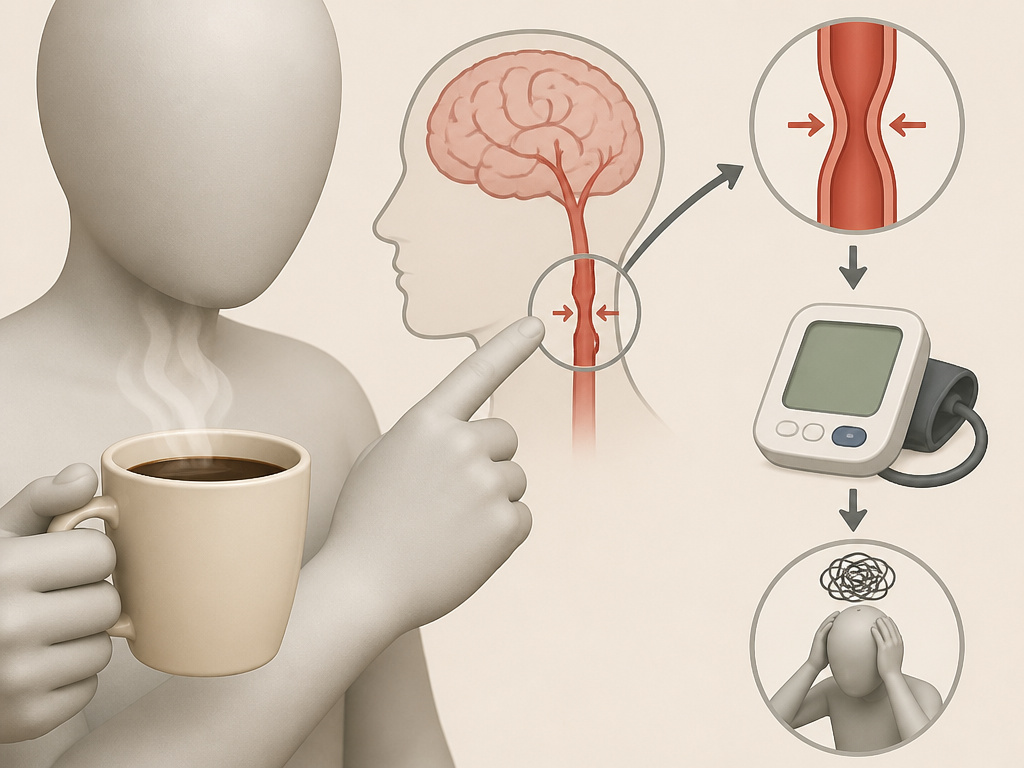
Viewing coffee only as a headache tool misses the broader context of your coffee and heart health and overall nervous system. The same vasoconstriction that helps a headache can transiently raise blood pressure. For most people, this is negligible. For those with hypertension, it’s a factor to discuss with a doctor.
Furthermore, the stimulant effect that comes with caffeine isn’t always desirable. Anxiety can trigger tension headaches. If your coffee habit fuels jittery nerves, you might be solving one problem while exacerbating another. The stimulant effects of coffee are inseparable from its analgesic benefits.
It’s also worth considering acidity. For some, the coffee acidity levels can contribute to GI distress, which can indirectly worsen headache perception. If you find coffee hard on your stomach, a lower-acid brewing method or a switch to a lower-acid beverage option like green tea might be a better holistic approach.
Finally, be wary of swapping coffee for more potent stimulants. The caffeine content in energy drinks is often higher and paired with sugar or other compounds that can worsen crash-related headaches. Coffee, consumed black, is a relatively pure delivery system.
Frequently Asked Questions
Does decaf coffee help with headaches?
No, not in the pharmacological sense. The negligible caffeine content (2-5 mg) is too low to cause vasoconstriction or act as an analgesic adjuvant. Any perceived benefit is likely placebo or due to hydration.
How long does it take for coffee to help a headache?
If it’s going to help, you should feel improvement within 30 to 60 minutes of consumption. This matches the time for caffeine to reach peak blood concentration and exert its physiological effects.
Can coffee help with a migraine?
It can, but it’s complicated. Caffeine is an ingredient in some prescription migraine abortives (like Cafergot) for its vasoconstrictive properties. However, for many migraineurs, caffeine is also a common trigger. Using it requires personal trial and should be guided by a neurologist. Do not self-prescribe coffee for frequent migraines.
What’s worse for headaches: coffee or energy drinks?
Energy drinks are typically worse. They often contain much higher and less predictable doses of caffeine, plus large amounts of sugar which can cause a glycemic crash that triggers headache. The risks of high-caffeine beverages extend beyond just the stimulant.
How do I quit coffee if it’s causing withdrawal headaches?
Taper slowly. Reduce your intake by about half a cup every 3-4 days. Switch part of your brew to decaf. Stay aggressively hydrated. Expect some headache during the taper; treat it with OTC pain relievers that do NOT contain caffeine. The acute caffeine withdrawal effects are real but temporary.
Is tea a good alternative for headache relief?
It can be for very mild headaches or for those with low caffeine tolerance. The dose is lower and the presence of L-theanine can smooth the stimulant effect. But for the studied analgesic adjuvant effect of 100 mg caffeine, you’d need to drink a large volume of strong black tea, which introduces its own issues.
The Bottom Line
Coffee is a potent, accessible tool for headache relief with a clear scientific basis. The effective dose is 100 mg of caffeine, about one strong cup. It works by constricting cranial blood vessels and blocking adenosine, and it significantly boosts the power of common painkillers.
But it is a drug with a cost. Regular use builds tolerance. Skipping a dose then triggers a withdrawal headache that starts within half a day. Using it too frequently for pain can create a rebound headache cycle that’s harder to break than the original pain.
The answer to “does coffee help with headaches” is a conditional yes. Use it intentionally, sparingly, and with precise knowledge of your own consumption. Understand the 12-hour rule. Respect the 100 mg dose. And never let the short-term solution become the long-term problem.
