
Does Coffee Help a Sore Throat? Examining the Pros and Cons
This post contains affiliate links. As an Amazon Associate, we earn from qualifying purchases.
Coffee can provide temporary sore throat relief through warmth, caffeine’s mild analgesic effect, and anti-inflammatory antioxidants, but it risks worsening dehydration and can irritate throats sensitive to acid or heat.
The mistake is treating coffee as a cure. It’s a conditional comfort. The warmth feels good, but the caffeine is a diuretic, and the acidity can turn a scratch into a burn if your throat is already raw from post-nasal drip or acid reflux.
This guide breaks down the science, the risks, and the right way to use coffee for throat pain. We’ll look at when it helps, when it hurts, and what to drink instead.
Key Takeaways
- Caffeine enhances common pain relievers like ibuprofen, per a 2003 Pain journal study, offering a plausible mechanism for mild relief.
- Coffee’s diuretic effect pulls water from your system. If you don’t replace that fluid, dehydration sets in within hours and thickens mucus, worsening throat irritation.
- Drinking any beverage hotter than 149°F (65°C) scalds throat tissue. This damage is immediate and counterproductive.
- For throats irritated by post-nasal drip or acid reflux, coffee’s acidity is an irritant, not a soother.
- A salt water gargle (1/2 tsp salt in 8 oz warm water) is a more effective and zero-risk first response than coffee.
The Caffeine and Pain Relief Connection
Coffee isn’t a painkiller. Its primary ingredient, caffeine, modifies how your brain perceives pain signals. A 2003 study published in the journal Pain demonstrated that caffeine significantly enhances the analgesic effect of over-the-counter drugs like ibuprofen and acetaminophen. The researchers concluded caffeine acts as an adjuvant, making existing pain relief more effective.
Caffeine’s role as an analgesic adjuvant is well-documented in pharmacological literature. It operates by blocking adenosine receptors in the central nervous system, which modulates pain perception pathways and can amplify the effect of common anti-inflammatory medications.
This doesn’t mean your morning cup is a substitute for medicine. It means if you take an ibuprofen for throat pain, having coffee might make that ibuprofen work a little better or faster. The relief you feel from coffee alone is likely a combination of this mild neurological effect and the simple, comforting warmth of the liquid.
TL;DR: Caffeine can boost over-the-counter pain meds, but your black coffee alone is a weak analgesic, not a treatment.
When Coffee Makes a Sore Throat Worse
Coffee has three traits that actively work against sore throat recovery: acidity, heat, and a diuretic effect. Ignoring these turns a potential soother into an irritant.
Acidity and Reflux. Coffee is acidic, with a pH typically between 4.5 and 5.5. If your sore throat is caused or exacerbated by acid reflux or post-nasal drip, that acid washes over already-inflamed tissue. It’s like pouring lemon juice on a cut. The result is more burning, more scratchiness, and a longer healing time. If you have a history of heartburn, coffee is a likely trigger.
The Diuretic Trap. Caffeine prompts your kidneys to flush more water. This isn’t a problem if you’re well-hydrated. But when you’re sick, you’re often already behind on fluids. A single cup of coffee without follow-up water can tip you into mild dehydration within a few hours. Dehydration thickens the mucus in your throat, making it more sticky and irritating. That scratchy feeling gets worse.
Scalding Heat. The instinct is to drink it hot. Too hot is dangerous. The International Agency for Research on Cancer classifies beverages above 149°F (65°C) as probable carcinogens due to the thermal injury they cause to esophageal tissue. For a sore throat, scalding liquid creates micro-burns on top of the existing inflammation. The relief is momentary, followed by increased pain.
Common mistake: Drinking piping hot coffee for a sore throat, the heat scalds the inflamed lining, causing additional tissue damage that prolongs healing by 24-48 hours.
| Coffee Trait | Why It Helps | Why It Hurts | When to Be Cautious |
|---|---|---|---|
| Warmth | Soothes muscle tension, feels comforting. | Above 149°F (65°C) it scalds tissue. | If the coffee steam feels harsh on your face, it’s too hot. |
| Caffeine | Mild analgesic effect, blocks adenosine. | Diuretic, can dehydrate if fluids aren’t replaced. | You feel fatigued, have a headache, or your urine is dark. |
| Acidity | Contributes to bright flavor profiles. | Irritates mucosa, can trigger reflux. | Your sore throat is accompanied by heartburn or a sour taste. |
The Right Way to Try Coffee for Relief
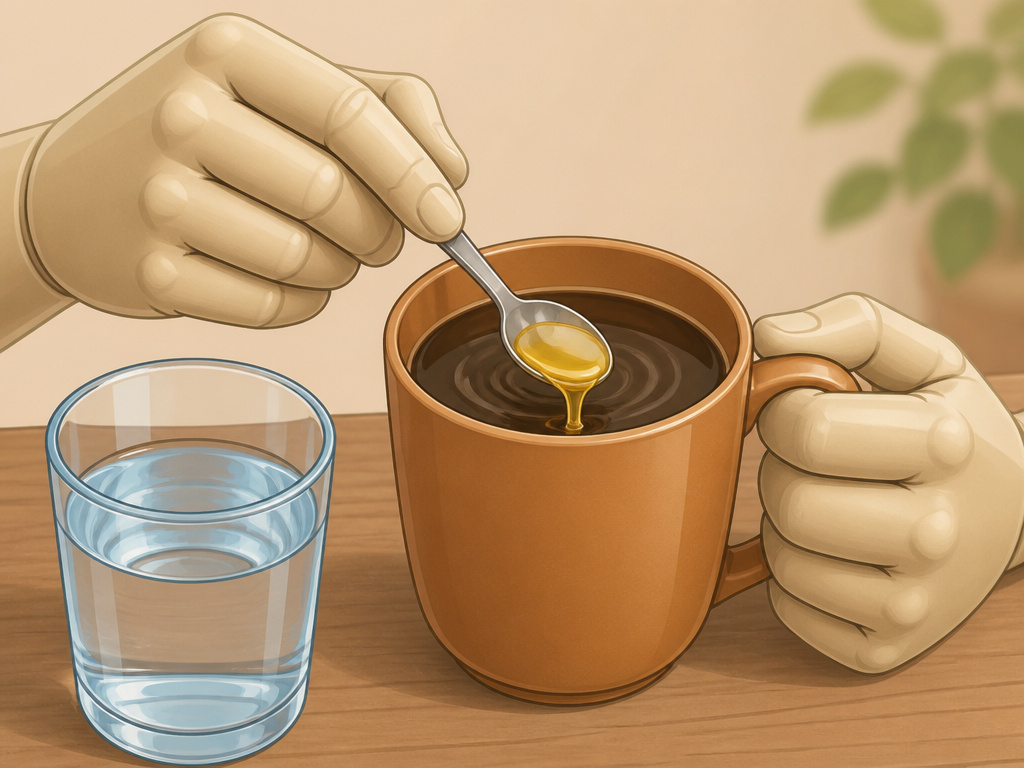
If your sore throat is mild, viral, and not reflux-related, you can use coffee as a palliative. The protocol matters.
- Cool it down. Brew your coffee and let it sit for three full minutes. Aim for a warm, not hot, sipping temperature. Test it on your lip first.
- Add honey. Stir in a teaspoon of raw, manuka, or your preferred honey. Honey is a demulcent, it coats the throat with a viscous layer, providing longer-lasting physical protection than water or coffee alone. Its antimicrobial properties are a bonus.
- Chase it with water. For every cup of coffee, drink an equal amount of plain water within the next 30 minutes. This preempts the diuretic effect and keeps mucus thin.
- Listen to your body. Take two sips. Wait five minutes. Does your throat feel coated and slightly better, or drier and more irritated? Your body will give you the answer. If it’s the latter, pour it out and move to the alternatives below.
Skipping the water chase is the step everyone regrets. By midday, the dehydration headache compounds the misery, and the throat feels glued shut.
Better Beverages for a Sore Throat
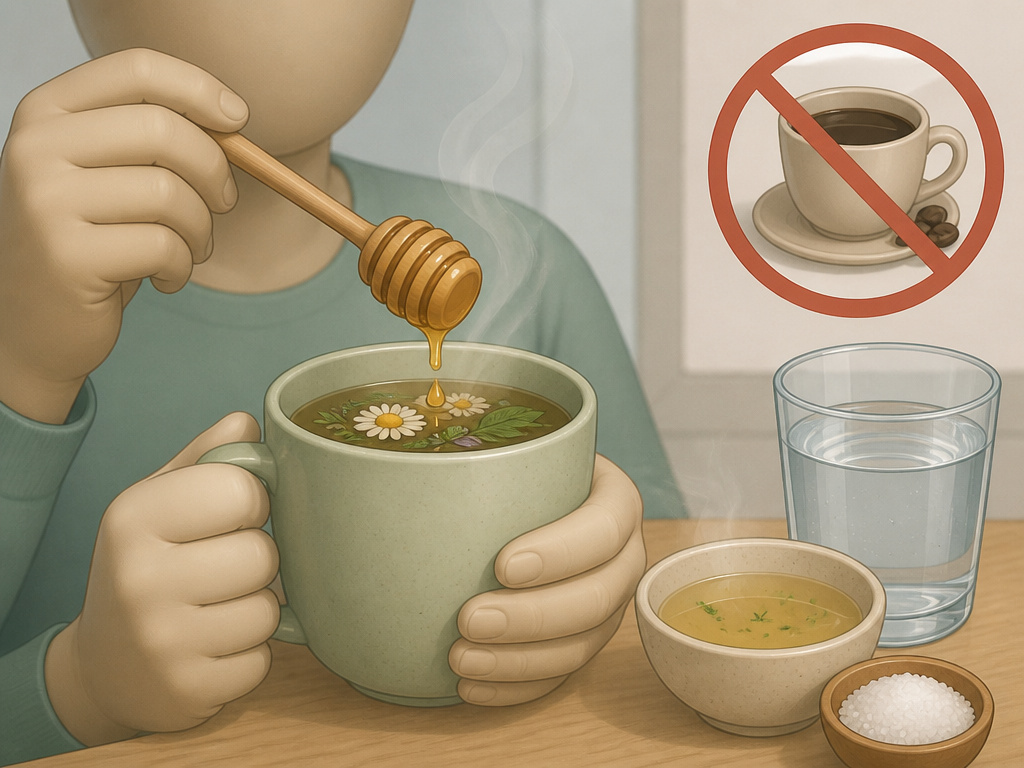
When coffee is a no-go, these options are more reliably soothing and carry less risk. They address the core needs: hydration, coating, and reducing inflammation.
- Salt Water Gargle. This isn’t a drink, but it’s the most effective home intervention. Half a teaspoon of table salt dissolved in 8 ounces of warm water. Gargle for 30 seconds, spit it out. The hypertonic solution draws excess fluid out of swollen throat tissue through osmosis, reducing swelling and pain almost immediately. It also helps loosen mucus.
- Decaffeinated Tea with Honey. Herbal teas like licorice root or slippery elm are natural demulcents. Even decaf black tea with honey provides warmth and coating without caffeine’s diuretic punch. The L-theanine content in green tea can promote relaxation without stimulation.
- Simple Broth. Warm, non-caffeinated, non-acidic, and hydrating. Chicken or vegetable broth provides electrolytes lost to sweating or poor intake. It’s nutrition when swallowing solids is difficult.
These alternatives work because they remove the variables. No caffeine to manage, no acid to gamble with, just pure symptom management. The salt water gargle, in particular, is a mechanical fix, it reduces swelling physically, not pharmacologically.
Understanding What’s Causing Your Throat Pain
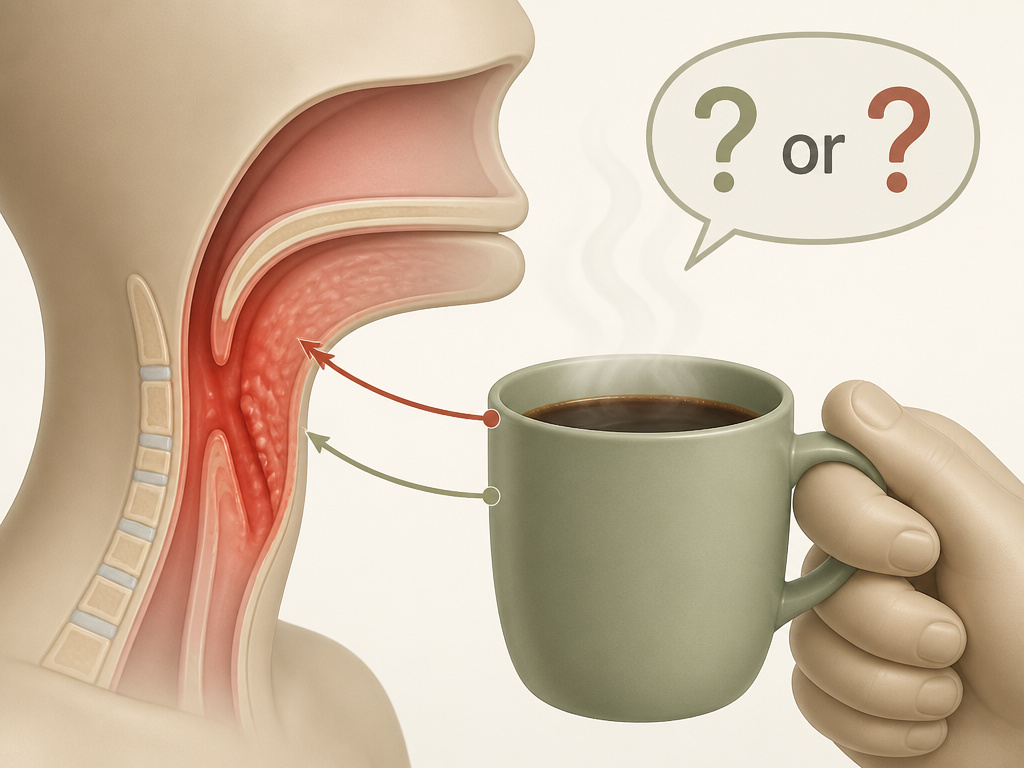
Your response should match the cause. A one-size-fits-all approach wastes time and can aggravate the problem.
| Cause of Sore Throat | Primary Symptom | Coffee’s Likely Effect | Better First Action |
|---|---|---|---|
| Viral (Common Cold) | Scratchiness, mild pain, often with runny nose. | Possibly soothing if warm and followed with water. | Salt water gargle, hydration, rest. |
| Bacterial (Strep) | Severe pain, fever, white patches on tonsils. | Irritating, inadequate. Can mask severity. | See a doctor for antibiotics. |
| Acid Reflux / LPR | Burning sensation, hoarseness, sour taste. | Direct irritant. Will worsen symptoms. | Antacid, avoid all acidic foods/drinks. |
| Allergies / Post-Nasal Drip | Constant clearing, tickle, mucus sensation. | Acid can inflame drip-irritated tissue. | Antihistamine, nasal saline rinse. |
| Vocal Strain | Raw, achy feeling, pain when talking. | Warming but dehydrating. | Vocal rest, steam inhalation, water. |
If swallowing becomes extremely difficult, you develop a high fever, or you see white pus on your tonsils, coffee is irrelevant. You need a medical professional to rule out a bacterial infection like strep throat, which requires antibiotics. Using coffee as a diagnostic delay is dangerous.
Frequently Asked Questions
Can I drink coffee after taking sore throat medicine?
Check the medicine label. Many over-thecounter daytime lozenges and syrups already contain a mild analgesic. Adding coffee’s caffeine on top isn’t harmful for most people, but it isn’t necessary. If you’re taking a dedicated pain reliever like ibuprofen, the caffeine can enhance its effect, but focus on hydration to avoid the diuretic double-whammy.
Is iced coffee better for a sore throat than hot coffee?
No. The cold can cause throat muscles to constrict uncomfortably, and you lose the soothing warmth benefit. Iced coffee also retains all the acidity and caffeine. The temperature extreme, too hot or too cold, is more stressful to inflamed tissue than a warm beverage.
Does adding milk to coffee make it better for a sore throat?
Milk can temporarily buffer acidity, which might reduce immediate sting. However, for some people, dairy increases mucus production, making your throat feel phlegmier and more clogged. It’s a trade-off. If you don’t normally get mucousy from dairy, a splash might help. If you do, it’s a setback.
How does tea compare to coffee for sore throat relief?
Tea, especially herbal or decaffeinated varieties, is generally a safer bet. It’s less acidic than coffee and, if you skip the caffeine, avoids the dehydration risk. Teas like chamomile or ginger have their own anti-inflammatory properties. The health benefits of tea and coffee differ, but for pure throat soothing, tea often wins by having fewer antagonistic traits.
Can coffee consumption lead to other health issues?
For most people, moderate coffee intake is safe and even beneficial. However, excessive consumption can contribute to coffee and digestion issues, anxiety, or sleep disruption. In rare cases for sensitive individuals, very high intake may influence coffee and heart health factors like blood pressure. A sore throat is a short-term condition; your long-term coffee consumption risks are governed by your overall habits and health.
The Bottom Line
Coffee is a conditional comfort, not a cure. Its warmth and caffeine might take the edge off a mild, viral sore throat if you drink it warm, not hot, and chase it with plenty of water. The moment your throat feels drier or more irritated after a sip, it’s telling you to stop.
The more reliable path is the boring one: a salt water gargle, plenty of non-caffeinated fluids, and rest. Save the coffee for when you’re well enough to enjoy its flavor, not just its fleeting, speculative warmth.
{
“@context”: “https://schema.org”,
“@type”: “HowTo”,
“name”: “How to Use Coffee for Sore Throat Relief (And When to Avoid It)”,
“totalTime”: “PT5M”,
“tool”: [
{
“@type”: “HowToTool”,
“name”: “Freshly brewed coffee (not above 149°F / 65°C)”
},
{
“@type”: “HowToTool”,
“name”: “Honey (preferably raw, manuka)”
},
{
“@type”: “HowToTool”,
“name”: “Large glass of water”
}
],
“step”: [
{
“@type”: “HowToStep”,
“name”: “Check your symptoms”,
“text”: “Rule out severe strep or bacterial infection. If swallowing is extremely difficult or you have a high fever, skip coffee and see a doctor.”
},
{
“@type”: “HowToStep”,
“name”: “Brew and cool”,
“text”: “Make your coffee as usual, but let it sit for 2-3 minutes. The ideal sipping temperature is warm, not scalding hot, to avoid tissue damage.”
},
{
“@type”: “HowToStep”,
“name”: “Add a soothing agent”,
“text”: “Stir in a teaspoon of honey. The viscous honey coats the throat, while the warm liquid provides comfort.”
},
{
“@type”: “HowToStep”,
“name”: “Hydrate immediately after”,
“text”: “For every cup of coffee, drink an equal amount of water within the next 30 minutes to counteract caffeine’s diuretic effect.”
},
{
“@type”: “HowToStep”,
“name”: “Monitor and stop if worse”,
“text”: “If your throat feels more scratchy, dry, or irritated after coffee, switch to a non-caffeinated, non-acidic broth or tea for the rest of the day.”
}
]
}
{
“@context”: “https://schema.org”,
“@type”: “FAQPage”,
“mainEntity”: [
{
“@type”: “Question”,
“name”: “Can I drink coffee after taking sore throat medicine?”,
“acceptedAnswer”: {
“@type”: “Answer”,
“text”: “Check the medicine label. Many over-thecounter daytime lozenges and syrups already contain a mild analgesic. Adding coffee’s caffeine on top isn’t harmful for most people, but it isn’t necessary. If you’re taking a dedicated pain reliever like ibuprofen, the caffeine can enhance its effect, but focus on hydration to avoid the diuretic double-whammy.”
}
},
{
“@type”: “Question”,
“name”: “Is iced coffee better for a sore throat than hot coffee?”,
“acceptedAnswer”: {
“@type”: “Answer”,
“text”: “No. The cold can cause throat muscles to constrict uncomfortably, and you lose the soothing warmth benefit. Iced coffee also retains all the acidity and caffeine. The temperature extreme, too hot or too cold, is more stressful to inflamed tissue than a warm beverage.”
}
},
{
“@type”: “Question”,
“name”: “Does adding milk to coffee make it better for a sore throat?”,
“acceptedAnswer”: {
“@type”: “Answer”,
“text”: “Milk can temporarily buffer acidity, which might reduce immediate sting. However, for some people, dairy increases mucus production, making your throat feel phlegmier and more clogged. It’s a trade-off. If you don’t normally get mucousy from dairy, a splash might help. If you do, it’s a setback.”
}
},
{
“@type”: “Question”,
“name”: “How does tea compare to coffee for sore throat relief?”,
“acceptedAnswer”: {
“@type”: “Answer”,
“text”: “Tea, especially herbal or decaffeinated varieties, is generally a safer bet. It’s less acidic than coffee and, if you skip the caffeine, avoids the dehydration risk. Teas like chamomile or ginger have their own anti-inflammatory properties. The health benefits of tea and coffee differ, but for pure throat soothing, tea often wins by having fewer antagonistic traits.”
}
},
{
“@type”: “Question”,
“name”: “Can coffee consumption lead to other health issues?”,
“acceptedAnswer”: {
“@type”: “Answer”,
“text”: “For most people, moderate coffee intake is safe and even beneficial. However, excessive consumption can contribute to coffee and digestion issues, anxiety, or sleep disruption. In rare cases for sensitive individuals, very high intake may influence coffee and heart health factors like blood pressure. A sore throat is a short-term condition; your long-term coffee consumption risks are governed by your overall habits and health.”
}
}
]
}
