
Hair Loss: Does Coffee Cause Hair Fall or Can Caffeine Help?
No, drinking coffee does not directly cause hair fall. Peer-reviewed research indicates caffeine, particularly in topical formulations, can stimulate hair follicles and counteract hormones linked to hair loss. The real risk to hair health comes from the sugar in fancy coffee drinks, the sleep disruption from late-day caffeine, and the stress that often accompanies high consumption.
The confusion makes sense. You see hair in the drain, you know caffeine is a stimulant, and you connect the dots. But the dots connect to the wrong picture. The science points the other way.
Let’s separate the bean from the brew. We’ll look at what the clinical studies actually say, explain why your latte might be a problem, and give you a clear action plan.
Key Takeaways
- Caffeine applied directly to the scalp can promote hair growth by blocking DHT and extending the growth phase, per a 2007 study in the British Journal of Dermatology.
- The sugar and dairy in commercial coffee drinks can spike inflammation, which may worsen conditions like seborrheic dermatitis that impact follicle health.
- Consuming caffeine too late in the day reliably fragments sleep; poor sleep quality elevates cortisol, a hormone that can push hair follicles into a resting phase.
- If you’re shedding, audit your total diet and stress load before blaming your morning cup. Genetic pattern hair loss, thyroid issues, and iron deficiency are far more common culprits.
- For those concerned, switching to black coffee or cold brew and cutting off caffeine by 2 PM is a more effective hair-health strategy than quitting coffee entirely.
The Science Says: Caffeine May Help
Research on caffeine and hair growth is surprisingly robust. The pivotal work is a 2007 in vitro study published in the British Journal of Dermatology. It found that caffeine, at concentrations between 0.001% and 0.005%, stimulated hair shaft elongation and prolonged the anagen (growth) phase of human hair follicles. More notably, it counteracted the suppressive effect of testosterone on hair growth in male follicles.
Caffeine stimulates hair shaft elongation, prolongs anagen duration, and counteracts testosterone-induced suppression of hair growth in vitro. The optimal concentration for this effect is 0.001%–0.005%. (Fischer et al., British Journal of Dermatology, 2007)
This happens through a few key mechanisms. Caffeine is a known 5-alpha-reductase inhibitor. This enzyme converts testosterone to dihydrotestosterone (DHT), the hormone that shrinks follicles in androgenetic alopecia (male and female pattern hair loss). By slowing this conversion, caffeine may protect the follicle. It also increases cell proliferation in the hair bulb and extends the growth cycle.
Later reviews, like a 2019 article in the Indian Journal of Dermatology, have affirmed this potential, citing caffeine’s role in inhibiting 5-alpha-reductase and stimulating growth. The research is so compelling that it has spawned an entire category of caffeine-containing shampoos and topical treatments.
TL;DR: The biochemical evidence is clear: caffeine, especially applied topically, has properties that can promote hair growth and combat a primary cause of genetic hair loss.
When Coffee Could Indirectly Affect Hair Health
While the caffeine molecule itself isn’t the villain, your coffee habit can create conditions that are hostile to hair. The issue isn’t the coffee, it’s everything around it.
First, consider what’s in your cup. A daily caramel macchiato or pumpkin spice latte delivers a massive hit of refined sugar and often dairy. A high-sugar diet promotes systemic inflammation. For the scalp, this can exacerbate conditions like psoriasis or seborrheic dermatitis, which can clog follicles and weaken hair anchors. If you’re adding sweeteners, you’re not drinking a hair-loss potion; you’re drinking a soda with coffee flavoring.
Second, timing matters. Caffeine has a half-life of about 5-6 hours. A 3 PM coffee means significant caffeine is still in your system at 9 PM. This reliably leads to fragmented, shallow sleep. Poor sleep quality is a direct trigger for elevated cortisol, the body’s primary stress hormone. Chronically high cortisol can push a disproportionate number of hair follicles from the growing phase into the telogen (resting) phase, leading to a diffuse shedding known as telogen effluvium.
| Coffee Habit | Direct Effect | Potential Hair Impact |
|---|---|---|
| High-sugar specialty drinks | Spikes blood sugar, increases inflammation | Worsens scalp conditions, may weaken follicles |
| Caffeine after 2 PM | Disrupts sleep architecture, elevates cortisol | Can trigger telogen effluvium (diffuse shedding) |
| Replacing meals with coffee | May lead to nutrient deficiencies (iron, protein) | Direct cause of hair thinning and loss |
| Drinking on an empty stomach | Can increase stress hormone release | May exacerbate stress-related shedding |
Finally, coffee is often a coping mechanism for high-stress lifestyles. The drink itself isn’t causing the stress, but the association is strong. You can’t out-caffeinate a burnout. The physiological stress response, of which caffeine is a part, does the damage.
TL;DR: Your fancy coffee drink’s sugar can inflame your scalp, and drinking it too late can ruin your sleep. Both inflammation and poor sleep raise stress hormones that directly trigger hair shedding.
What You’re Actually Losing Hair From (It’s Probably Not the Coffee)
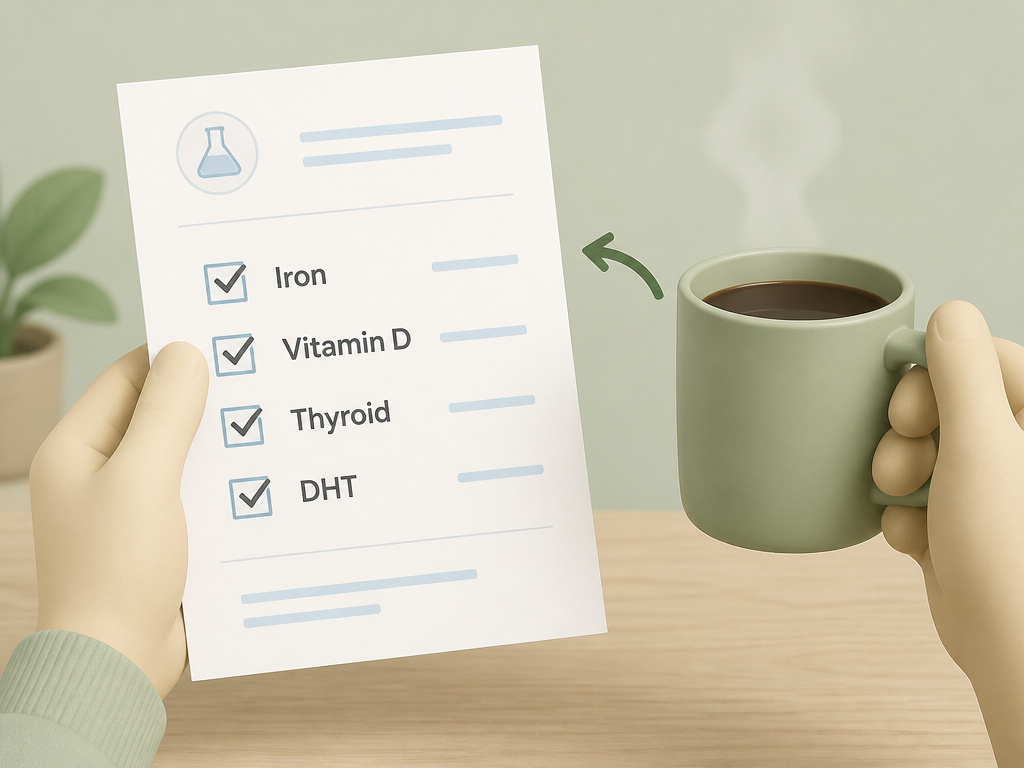
If you’re noticing thinning, the statistical likelihood points elsewhere. Jumping to blame coffee wastes time you could spend addressing the real cause.
Androgenetic alopecia is the most common cause, responsible for over 95% of hair loss in men and a significant majority in women. It’s genetic and mediated by hormones like DHT. This process happens regardless of your caffeine intake. In fact, given the research, your coffee might be slightly slowing it down.
Nutritional deficiencies are a massive, often overlooked, factor. Iron deficiency (even without full-blown anemia), low vitamin D, and insufficient protein intake are frequent culprits in unexplained hair loss, especially in women. If your “breakfast” is a large black coffee, you’re starting the day in a deficit.
Other common medical causes include thyroid disorders (hypothyroidism or hyperthyroidism), autoimmune conditions like alopecia areata, and certain medications. This is why a dermatologist visit is step one. They can order a simple blood panel to check iron, thyroid, and vitamin levels, answers you can’t get from Google.
Sudden, significant stress, like surgery, severe illness, or emotional trauma, can shock the system and cause telogen effluvium about three months later. This shedding is temporary but alarming. It’s another reason to look at your life timeline, not just your coffee log.
TL;DR: Before you ditch coffee, get checked for genetic pattern loss, iron deficiency, and thyroid issues. These are the usual suspects, not your morning brew.
Action Plan: How to Drink Coffee Without Worry
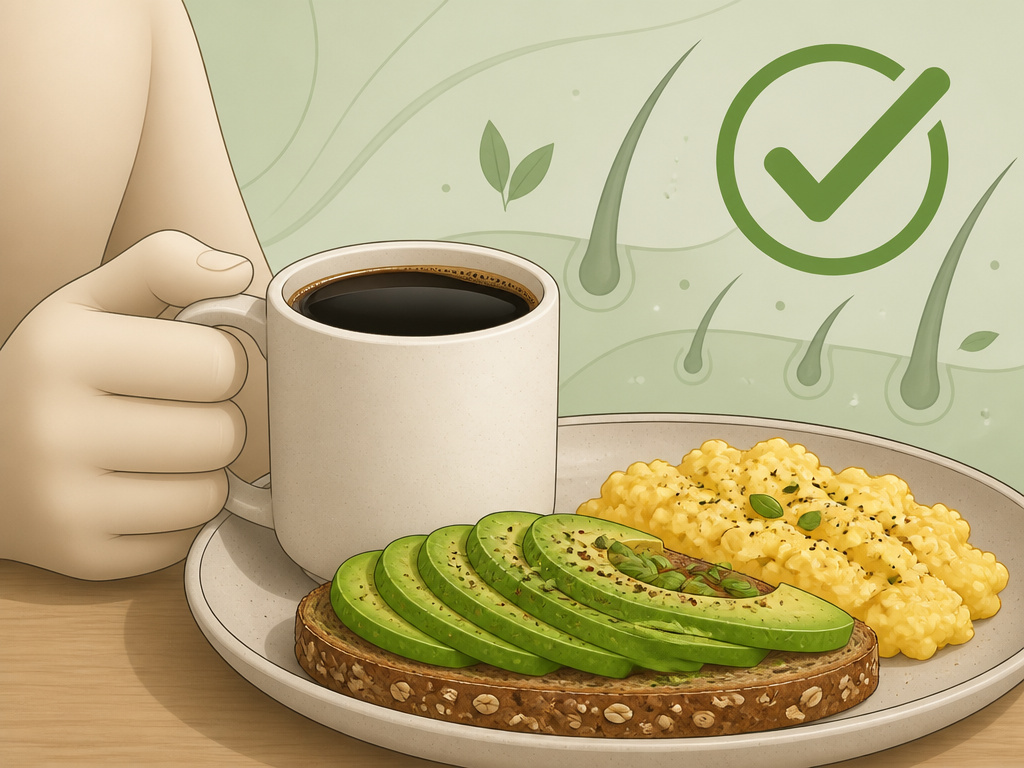
You don’t need to quit. You need to optimize. Here’s how to enjoy your ritual while supporting your hair.
- Clean Up Your Cup: Drink it black, or with a splash of milk or a non-dairy alternative. Avoid sugary syrups and whipped cream. If you need sweetness, use a tiny amount of a natural sweetener like stevia or monk fruit. This single change eliminates the inflammatory sugar load.
- Respect the Cutoff: Set a firm caffeine curfew of 2 PM. This gives your body enough time to metabolize the caffeine before bedtime, protecting your sleep quality. If you need an afternoon pick-me-up, try decaf, a walk, or a green tea (which has less caffeine and contains L-theanine).
- Pair It With Food: Never replace a meal with coffee. Always have your morning cup with or after a balanced breakfast containing protein and healthy fats. This stabilizes blood sugar and provides the nutrients your hair follicles need to function.
- Manage Your Stress, Don’t Mask It: Use coffee as a morning ritual, not a constant energy crutch. If you’re on your fourth cup just to function, the problem is your workload or sleep, not your need for caffeine. Address the root cause.
- Consider Topical Support: If you have genetic thinning, look into a caffeine shampoo. The research on topical application is strong because it delivers caffeine directly to the follicle. It’s a more targeted approach than drinking it.
The goal is systemic balance. Good sleep, managed stress, and solid nutrition create the environment for healthy hair growth. Your coffee should fit into that balance, not sabotage it.
Frequently Asked Questions
Could the acidity in coffee cause hair loss?
No. The acidity in coffee affects your digestive tract, not your hair follicles. There is no biological pathway for dietary acid to impact hair growth. However, for some, high acidity can contribute to digestive side effects of coffee, which could indirectly affect nutrient absorption if severe.
I drink a lot of coffee and my hair is thinning. What should I do first?
First, see a dermatologist or doctor to rule out genetic, nutritional, and medical causes. Second, document your habit for one week: write down how many cups, what you add, and when you drink your last one. Third, implement the 2 PM cutoff and switch to black coffee. Re-evaluate in 8-12 weeks.
Is decaf coffee better for your hair?
From a purely caffeine-centric view, decaf removes the stimulant. This eliminates any risk of sleep disruption from caffeine, which is a benefit. However, if your decaf drink is loaded with sugar, you still have the inflammation problem. The health of your hair is more affected by your drink’s additives and your overall lifestyle than by the trace caffeine in decaf.
Do energy drinks cause hair loss?
They pose a higher risk than black coffee. Energy drinks typically contain massive amounts of sugar and caffeine, plus other stimulants. This combination is a perfect storm for spiking blood sugar, disrupting sleep, and elevating stress hormones, all factors that can contribute to hair shedding. The caffeine content comparison between a shot of espresso and a canned energy drink is stark.
What about tea vs. coffee for hair health?
Green tea contains caffeine and antioxidants like EGCG, which also has DHT-blocking properties. The caffeine in tea vs coffee is generally lower and released more slowly due to tannins, which may be gentler on your system. For hair health, the choice matters less than the overall volume, timing, and what you add to it.
The Bottom Line
The science is counterintuitive but clear: the caffeine in your coffee is not making your hair fall out. In a lab, it shows promise for doing the opposite. The real threats are the lifestyle factors that often travel with high coffee consumption, the sugar, the lost sleep, the unmanaged stress.
Your action isn’t to panic and pour your beans down the drain. It’s to drink smarter. Have your coffee black and early. Use it as a pleasure, not a prop. And if you’re worried about your hair, talk to a doctor and look at your whole picture, diet, sleep, stress, genetics, not just the mug in your hand.
{
“@context”: “https://schema.org”,
“@type”: “HowTo”,
“name”: “How to Assess If Coffee Affects Your Hair Health”,
“totalTime”: “PT10M”,
“step”: [
{
“@type”: “HowToStep”,
“name”: “Review your coffee additives”,
“text”: “Write down everything you add to your daily coffee for one week, noting sugar, creamer, and syrup amounts.”
},
{
“@type”: “HowToStep”,
“name”: “Track sleep and stress patterns”,
“text”: “Note your sleep quality and perceived stress levels for two weeks, correlating them with late-day caffeine intake.”
},
{
“@type”: “HowToStep”,
“name”: “Evaluate hair care routine”,
“text”: “Audit your shampoo, conditioner, and any topical treatments, checking for harsh sulfates or allergens.”
},
{
“@type”: “HowToStep”,
“name”: “Consult a dermatologist with your notes”,
“text”: “Bring your one-week log to a professional to rule out genetic, nutritional, or autoimmune causes of hair thinning.”
}
]
}
{
“@context”: “https://schema.org”,
“@type”: “FAQPage”,
“mainEntity”: [
{
“@type”: “Question”,
“name”: “Could the acidity in coffee cause hair loss?”,
“acceptedAnswer”: {
“@type”: “Answer”,
“text”: “No. The acidity in coffee affects your digestive tract, not your hair follicles. There is no biological pathway for dietary acid to impact hair growth. However, for some, high acidity can contribute to digestive side effects of coffee, which could indirectly affect nutrient absorption if severe.”
}
},
{
“@type”: “Question”,
“name”: “I drink a lot of coffee and my hair is thinning. What should I do first?”,
“acceptedAnswer”: {
“@type”: “Answer”,
“text”: “First, see a dermatologist or doctor to rule out genetic, nutritional, and medical causes. Second, document your habit for one week: write down how many cups, what you add, and when you drink your last one. Third, implement the 2 PM cutoff and switch to black coffee. Re-evaluate in 8-12 weeks.”
}
},
{
“@type”: “Question”,
“name”: “Is decaf coffee better for your hair?”,
“acceptedAnswer”: {
“@type”: “Answer”,
“text”: “From a purely caffeine-centric view, decaf removes the stimulant. This eliminates any risk of sleep disruption from caffeine, which is a benefit. However, if your decaf drink is loaded with sugar, you still have the inflammation problem. The health of your hair is more affected by your drink’s additives and your overall lifestyle than by the trace caffeine in decaf.”
}
},
{
“@type”: “Question”,
“name”: “Do energy drinks cause hair loss?”,
“acceptedAnswer”: {
“@type”: “Answer”,
“text”: “They pose a higher risk than black coffee. Energy drinks typically contain massive amounts of sugar and caffeine, plus other stimulants. This combination is a perfect storm for spiking blood sugar, disrupting sleep, and elevating stress hormones, all factors that can contribute to hair shedding. The caffeine content comparison between a shot of espresso and a canned energy drink is stark.”
}
},
{
“@type”: “Question”,
“name”: “What about tea vs. coffee for hair health?”,
“acceptedAnswer”: {
“@type”: “Answer”,
“text”: “Green tea contains caffeine and antioxidants like EGCG, which also has DHT-blocking properties. The caffeine in tea vs coffee is generally lower and released more slowly due to tannins, which may be gentler on your system. For hair health, the choice matters less than the overall volume, timing, and what you add to it.”
}
}
]
}
