Does Black Coffee Burn Fat? The Research Says This
Yes, the caffeine in black coffee can increase your metabolic rate and the rate at which your body burns fat, a process called fat oxidation. The effect is acute, meaning it happens in the hours after drinking it, and is generally modest in terms of total calories burned. It is not a magic weight-loss potion, but a supportive tool when consumed plain.
Most people get this wrong by focusing only on the “boost” and ignoring the numbers. They expect a cup of coffee to melt fat while they sit still. It doesn’t work like that. The real value is in the synergy, using that small metabolic nudge to enhance other weight-management efforts.
This guide breaks down the peer-reviewed science on caffeine and fat burning, explains the exact mechanisms, gives you the realistic numbers, and shows you how to use black coffee effectively without falling for the hype.
Key Takeaways
- Caffeine stimulates your nervous system, signaling fat cells to break down stored fat and increasing your resting metabolic rate by 3-11% for several hours.
- A 2018 study in The American Journal of Clinical Nutrition found higher caffeine intake was linked to increased 24-hour fat oxidation and lower body fat percentage in young adults.
- The thermogenic effect is more pronounced in lean individuals compared to those with obesity, according to a 1994 study in the International Journal of Obesity.
- Adding milk, sugar, or creamer adds calories that can completely offset the modest fat-burning boost from the caffeine.
- For best results, drink black coffee before fasted exercise and maintain it as one component of a calorie-controlled diet.
How Caffeine Works to Burn Fat
Caffeine is a stimulant that crosses the blood-brain barrier quickly. Once it’s in your system, it doesn’t directly burn fat. Instead, it triggers a cascade of hormonal and neurological signals that make fat burning more likely.
The primary mechanism is the antagonism of adenosine receptors. Adenosine is a neurotransmitter that promotes relaxation and sleepiness. By blocking these receptors, caffeine increases the release of neurotransmitters like norepinephrine. This heightened nervous system activity sends direct signals to your fat tissue, instructing it to break down triglycerides into free fatty acids that can be used for energy. This process is called lipolysis.
Simultaneously, the increase in epinephrine (adrenaline) in your bloodstream raises your overall metabolic rate. Your body starts consuming more oxygen and burning more calories at rest, a state called thermogenesis. Research, including a foundational 1989 study in the American Journal of Clinical Nutrition, confirmed that caffeine ingestion significantly increases both energy expenditure and fat oxidation.
Caffeine ingestion stimulates the sympathetic nervous system, leading to increased plasma epinephrine levels. This hormonal shift enhances lipolysis and raises the metabolic rate, resulting in measurable increases in thermogenesis and fat oxidation in the hours following consumption.
TL;DR: Caffeine tells your nervous system to rev up, which signals fat cells to release energy and increases the calories you burn at rest.
The Numbers: How Much Fat Are We Talking About?
This is where expectations need to meet reality. The metabolic boost is real, but it’s not a furnace. The increase in energy expenditure is typically in the range of 3% to 11%. For an average person, this might translate to an extra 80 to 150 calories burned over a 24-hour period from a dose of caffeine.
The variability is huge. It depends on your body size, tolerance, and genetics. A lean, caffeine-naive individual will see a stronger response than someone with obesity who drinks coffee daily. That 1994 study in the International Journal of Obesity and Related Metabolic Disorders made this clear: the thermogenic effect was markedly blunted in the obese subject group.
Let’s put that calorie burn in perspective. One pound of body fat equals roughly 3,500 calories. If coffee helps you burn an extra 100 calories a day, it would take 35 days to burn one pound, assuming nothing else changes. That’s why thinking of coffee as a “fat burner” is misleading. It’s a metabolic enhancer.
Common mistake: Counting on black coffee alone for weight loss, the calorie burn is too small to create a meaningful deficit without diet and exercise changes. You’ll see the scale move only if coffee supports a larger plan.
Black Coffee vs. Coffee with Additives
This is the non-negotiable part. The fat-burning research is conducted using caffeine or plain black coffee. The moment you add calories, the equation changes drastically.
A single tablespoon of sugar adds about 50 calories. A splash of half-and-half adds another 20. A flavored latte can easily contain 250 calories. You just ingested more calories in one minute than the caffeine might help you burn in three hours. You’ve not only neutralized the benefit but likely reversed it into a calorie surplus.
If your goal is weight management, the choice is simple. You can explore low-calorie coffee drinks that use minimal milk or sugar-free syrups. For a different metabolic approach, some people add MCT oil in coffee for sustained energy, though that adds significant fat calories intended for a ketogenic diet, not a caloric deficit.
| Additive | Approximate Calories | Effect on Fat-Burning Goal |
|---|---|---|
| Black Coffee | 0-5 | Preserves the caloric deficit and caffeine’s metabolic effect. |
| 1 tsp Sugar | 16 | Small offset; reduces net benefit of caffeine’s calorie burn. |
| 1 oz Whole Milk | 18 | Similar small offset. |
| Flavored Creamer (1 tbsp) | 35+ | Likely cancels out the entire thermogenic boost. |
| Mocha Latte (12 oz) | 250+ | Adds surplus calories; completely overrides any fat-burning aid. |
The other benefit of going black is appetite suppression. The YouTube transcript context notes that many people use it specifically “to help suppress their appetite.” The bitter taste and caffeine’s effect on hunger hormones can lead to reduced calorie intake later, a second, potentially larger, benefit for weight loss.
When and How to Drink It for Maximum Effect
Timing turns a passive metabolic nudge into an active tool. The goal is to align the peak caffeine concentration in your blood with periods where you want increased energy and fat utilization.
The most effective strategy is to drink black coffee 30 to 60 minutes before aerobic exercise. The increased fatty acids in your bloodstream, courtesy of caffeine-induced lipolysis, are then available as fuel for your muscles. You may find you can train harder or longer. This practice is common in fasted training protocols.
Drinking it first thing in the morning can also leverage its appetite-suppressing qualities, helping you delay or reduce breakfast calories. This aligns well with intermittent fasting windows. If you’re curious about the specifics of this, our article on coffee and intermittent fasting dives deeper.
- Brew it fresh. Stale coffee has lower levels of beneficial compounds. Use a method you enjoy, pour-over, French press, or a properly extracted espresso caffeine content shot.
- Skip the additives. This is the rule. If the bitterness is an issue, try a naturally sweeter light roast or a pinch of cinnamon.
- Time it before activity. For the metabolic and performance boost, drink it about 45 minutes before your workout or walk.
- Don’t sabotage sleep. Consuming caffeine too late in the day impairs sleep quality. Poor sleep wrecks hormone balance and increases hunger, undoing any fat-burning benefit. Cut off caffeine at least 6 hours before bedtime.
What happens if you ignore timing? You might get the jitters during a meeting instead of energy for your workout, or you might lie awake at night. The fat-burning effect still occurs, but you lose the synergistic advantage.
The Limitations and What Coffee Can’t Do
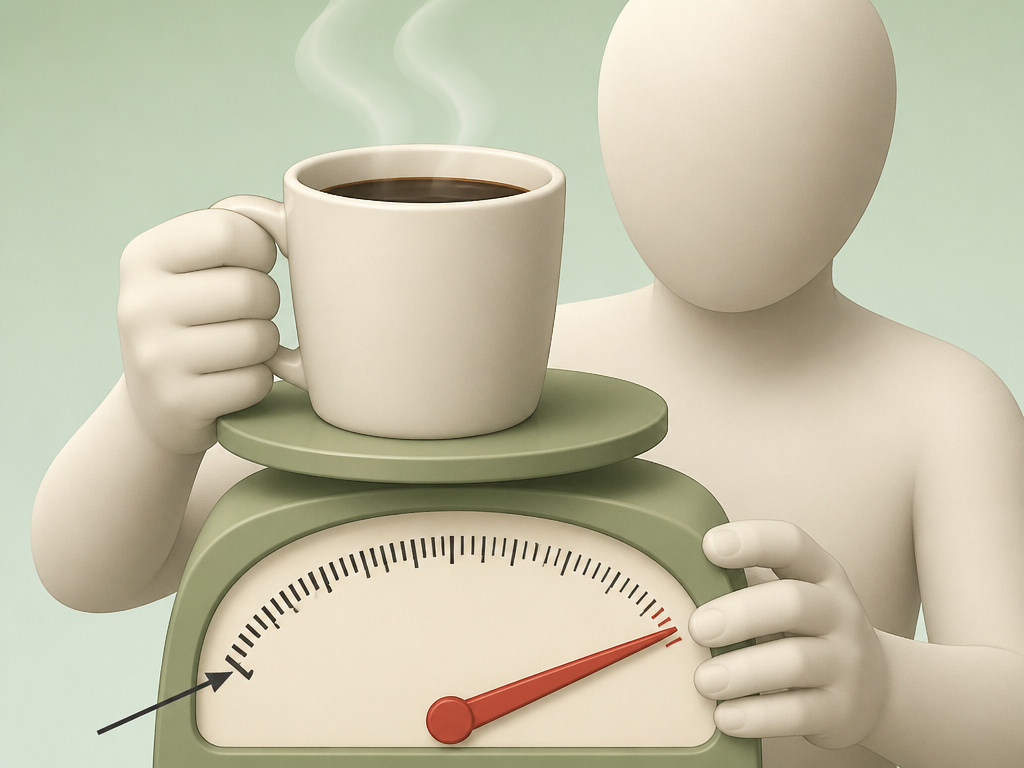
Coffee is not a substitute for a caloric deficit. It cannot outrun a bad diet. The most optimistic estimates of its thermogenic effect are still just a fraction of the calorie cut needed for weight loss.
Your body also builds tolerance. Regular caffeine consumption diminishes the stimulant and thermogenic response over time. The nervous system adjusts by producing more adenosine receptors. This is why a first-time coffee drinker feels a huge buzz and someone who drinks it daily might just feel normal. The fat-burning effect attenuates as well, though some studies suggest it doesn’t disappear completely.
Furthermore, caffeine affects people differently based on genetics, particularly the CYP1A2 enzyme that metabolizes it. Slow metabolizers may experience prolonged anxiety and jitters with a heightened cortisol response, which can promote fat storage around the abdomen, the opposite of the desired effect.
I used to drink three large black coffees right up until noon, convinced I was stoking my metabolism. My sleep suffered, my afternoon energy crashed, and my weight didn’t budge. Cutting back to one cup before 8 a.m. made a bigger difference than the extra caffeine ever did.
Consider other beverages too. A comparison of green tea benefits shows it contains EGCG and L-theanine, which may also support metabolism without the same jittery side effects. It’s about finding what works for your system.
Frequently Asked Questions
Does black coffee burn belly fat specifically?
No. Spot reduction is a myth. Caffeine increases overall fat oxidation, but where your body loses fat from is determined by genetics and hormones. It can contribute to whole-body fat loss as part of a deficit, but it won’t target your stomach.
How many cups of black coffee a day for fat burning?
Most research uses doses of 100-400 mg of caffeine, equivalent to 1-4 cups of brewed coffee. More is not better, excess caffeine causes anxiety, insomnia, and digestive issues. Start with one cup and assess your tolerance. The Scientific Reports caffeine content study shows brew method and roast degree greatly affect the final caffeine amount in your cup.
Can I drink black coffee while fasting?
Yes, plain black coffee is generally considered non-caloric and does not break a fast for metabolic purposes. It may even enhance the benefits of fasting by suppressing appetite and providing an energy boost. However, even black coffee can trigger digestive processes in some individuals.
Does caffeine in tea work the same way?
Yes, the caffeine in tea will have a similar thermogenic effect, though the total amount per cup is usually lower than coffee. The presence of other compounds like L-theanine may modulate the effect. Our breakdown of caffeine in tea vs coffee covers the differences in release rate and overall stimulation.
Are there negative side effects to using coffee for weight loss?
Yes, if overused. High intake can lead to anxiety, jitters, increased heart rate, digestive discomfort like acid reflux, and caffeine and bowel movements. It can also stain your teeth, so consider your brushing teeth timing. Tolerance builds, requiring more for the same effect and potentially disrupting sleep architecture.
The Bottom Line
Black coffee can be a useful ally in fat loss, but it’s a lieutenant, not the general. The caffeine provides a measurable, if modest, boost to your metabolism and fat-burning rate. Its real power lies in its ability to suppress appetite and enhance exercise performance when timed correctly.
Keep it black to preserve the calorie-free advantage. Understand that the effect is small and diminishes with tolerance. It will not replace the fundamental law of weight management: consuming fewer calories than you expend. Use it as a tool within a smart diet and consistent training plan. That’s how you turn a daily ritual into a legitimate metabolic edge.
