
Burnt Coffee Taste? Here’s Why & How to Fix It Immediately
Your coffee tastes burnt because of one of three primary faults: brew water heated past 205°F (96°C), the use of an excessively dark roasted bean, or an over-extraction caused by fine grind size, long brew time, or a dirty machine introducing rancid oil flavors.
Most people assume a bitter cup means they need a lighter roast. They switch beans and the problem stays. That’s because the burnt flavor often comes from the process, not the bean.
This guide walks through each fault with a diagnostic step. You’ll identify your specific problem in five minutes and know the exact fix.
Key Takeaways
- Water over 205°F (96°C) scorches grounds, extracting harsh tannins. The Specialty Coffee Association’s standard is 197–205°F (92–96°C).
- Dark, oily beans are roasted past the point where origin flavors survive. The roast itself tastes like ash.
- Over-extraction from a fine grind or long steep creates a flat, harsh bitterness, distinct from a smoky burnt note.
- Rancid coffee oils stuck in your grinder or machine taste like stale nuts and will ruin fresh beans.
- A sour and bitter cup signals uneven extraction, usually from a blade grinder or channeling in an espresso puck.
The Most Common Culprit: Brewing Water Temperature
Boiling water is the silent killer of a balanced cup. Pour 212°F (100°C) water onto your grounds and you guarantee a sharp, ashy bitterness. The mechanism is chemical, not just thermal.
The Specialty Coffee Association (SCA) brewing standard calls for water between 92–96°C (197.6–204.8°F). A 2019 study in the Journal of Food Science notes temperatures above 206°F extract tannins and chlorogenic acid breakdown products at accelerated rates, directly contributing to burnt, astringent flavors.
Your kettle’s “boil” setting is the enemy. Electric kettles with hold functions often keep water at 212°F. Stovetop kettles whistle at a full boil. The fix is simple: wait. After boiling, let the kettle sit for 45 to 60 seconds. This drops the temperature into the safe 200–205°F range. A gooseneck kettle with variable temperature control is the definitive solution, but patience is free.
TL;DR: Never brew with boiling water. Let it cool for a minute first to stay under the 205°F threshold where scorching begins.
What About Cold Brew?
Cold brew operates on a completely different principle. It uses cold or room-temperature water steeping for 12–24 hours. This method extracts the most soluble, least bitter compounds, bypassing the high-temperature tannin extraction entirely. If your hot coffee tastes burnt but you enjoy cold brew, your problem is almost certainly water temperature or roast level.
The Roast Itself: When the Bean is the Problem
Sometimes the fault is in the bean, not the brew. A dark roast pushed too far tastes like carbon. This is a distinct flavor from over-extraction bitterness.
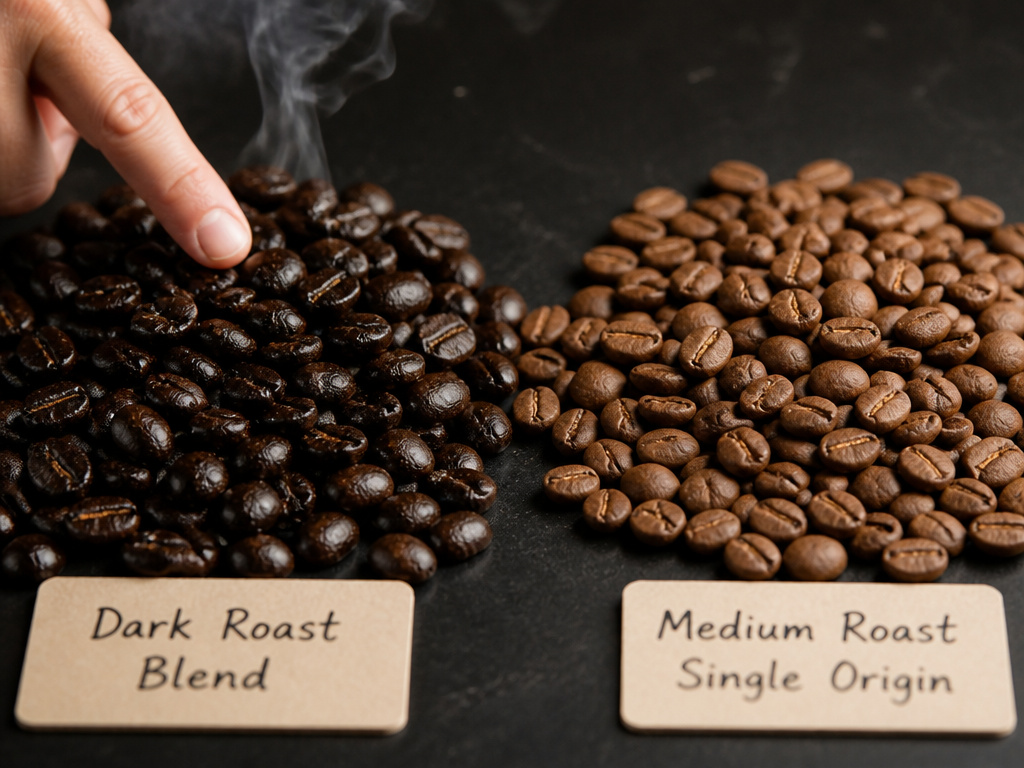
Visually, these beans are very dark brown, nearly black, and have an oily sheen on the surface. The oil is coffee lipid forced out of the cell structure when internal bean temperatures exceed 440°F (227°C) during roasting. That heat carbonizes the sugars and cellulose. The resulting flavor is smoky, ashy, and one-dimensional. It’s the dominant note in many large-scale commercial blends designed for milk and sugar, where subtlety is irrelevant.
Common mistake: Choosing a dark roast to get a “stronger” coffee, strength comes from the coffee-to-water ratio, not roast level. A dark roast often just adds a burnt mask over lower-quality beans.
The fix is to move to a medium or light roast. Look for beans described as “City” or “Full City” roast, not “French” or “Italian”. A quality light roast, like a blonde roast coffee, will showcase origin flavors, fruit, chocolate, nut, without a charred backdrop. This shift requires you to also adjust your grind and possibly your water temperature, as lighter roasts are denser and extract differently.
| Roast Level | Visual Cue | Primary Flavor Note | Best For |
|---|---|---|---|
| Light (Blonde) | Light brown, dry surface | Fruity, floral, tea-like | Pourover, drip |
| Medium (City) | Medium brown, no oil | Balanced, chocolate, nutty | Most methods |
| Dark (French) | Dark brown, oily surface | Smoky, ashy, bitter | Espresso with milk |
The Grind and The Time: Over-Extraction’s Bitter Harshness
Over-extraction pulls too many compounds from the coffee grounds, including the undesirable bitter ones. It creates a flat, hollow, and harsh bitterness. It’s different from the sharp, smoky note of a burnt roast. The usual suspects are grind size, brew time, and water chemistry.
A grind that’s too fine presents more surface area to the water. For methods like French press, a fine grind will over-extract during the 4-minute steep, making the cup muddy and bitter. For espresso, a grind that’s too fine will cause the shot to run longer than 30 seconds, and the tail end of the shot delivers a wave of bitter chlorogenic acids.
Here’s the sequence that leads to a burnt-tasting over-extraction:
- Grind too fine. Particles are small and dense.
- Water contacts too much surface area. It struggles to flow through.
- Brew time extends. Water sits with the grounds longer than intended.
- Bitter compounds dissolve. Harshness dominates the cup.
The tool you use to grind is critical. A blade grinder smashes beans into random particles, fine dust and large chunks. The dust over-extracts instantly, tasting bitter, while the chunks under-extract, tasting sour. This combination is why blade-ground coffee often has a harsh, burnt edge. Switching to a burr grinder for consistent particle size is the single biggest upgrade for flavor clarity.
Hard water, with mineral content exceeding 150 parts per million (ppm) total dissolved solids, amplifies bitter compound extraction. If your coffee is consistently bitter across different beans and methods, your water might be the culprit. Use filtered water or a product like Third Wave Water minerals.
TL;DR: If your bitterness is flat and drying, not smoky, coarsen your grind size by one full setting and shorten your brew time by 15 seconds.
Diagnostic Step: Check Your Puck and Your Machine
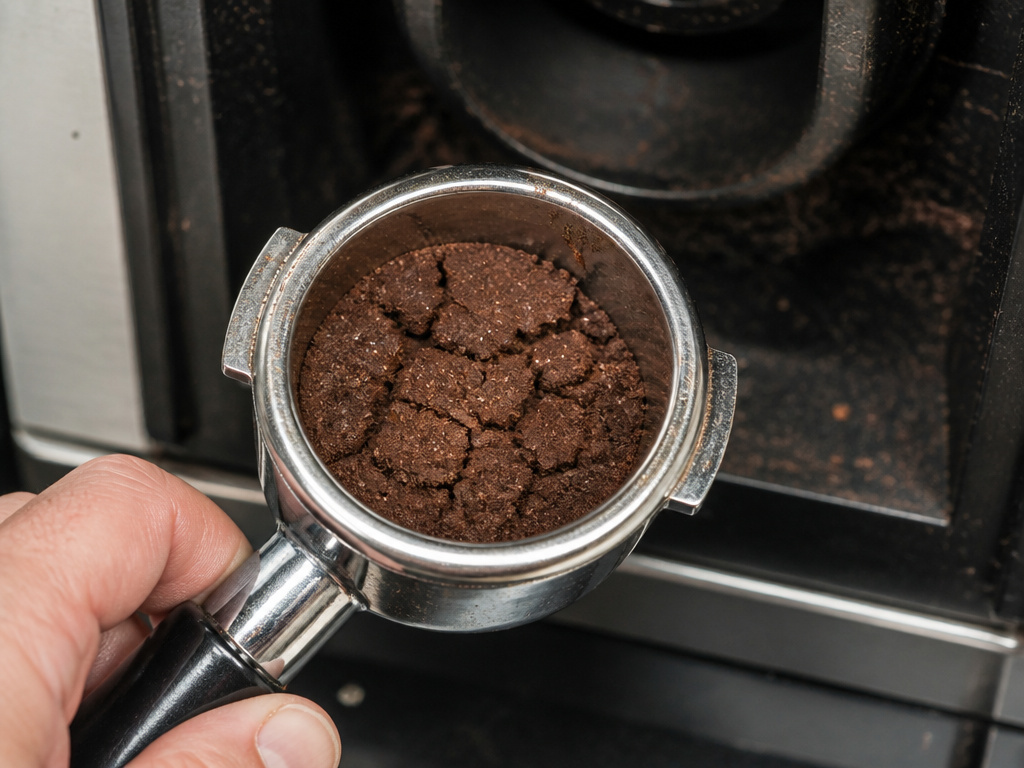
Your equipment holds clues. For espresso drinkers, the spent puck tells a story. A dry, crumbly puck means the dose was too high or the grind too fine, water couldn’t permeate evenly, leading to localized over-extraction and a burnt taste. A wet, sloppy puck means the grind was too fine and water channeled, creating both sour and bitter notes.
For all brew methods, smell your empty equipment. Your grinder’s chamber and your coffee maker’s brew basket should smell like fresh coffee or nothing. If you catch a scent of crayons, stale nuts, or old cardboard, you’re smelling rancid coffee oils.
Coffee oils turn rancid within 7–10 days when exposed to heat and air. These rancid oils coat fresh grounds during grinding or brewing, imparting a foul, bitter taste that reads as “burnt plastic.” This is a common issue with machines that aren’t cleaned regularly, like pod systems or drip machines with permanent filters.
The Cleaning Regimen That Works
A monthly deep clean is non-negotiable. For your grinder, run a handful of dedicated grinder cleaning tablets or uncooked white rice through it to absorb oils, then wipe it out. For your machine, run a brewing cycle with a descaling solution like Dezcal or a mixture of water and white vinegar (check your Black & Decker coffee maker manual for specifics). Always follow with multiple cycles of fresh water to flush.
Paper filters trap oils, which is why a Bunn coffee maker with a fresh paper filter produces a cleaner cup than a French press. Whether you use bleached or unbleached filters is a minor preference; using a fresh one is the critical step.
The Sour & Bitter Combo: Diagnosing Uneven Extraction
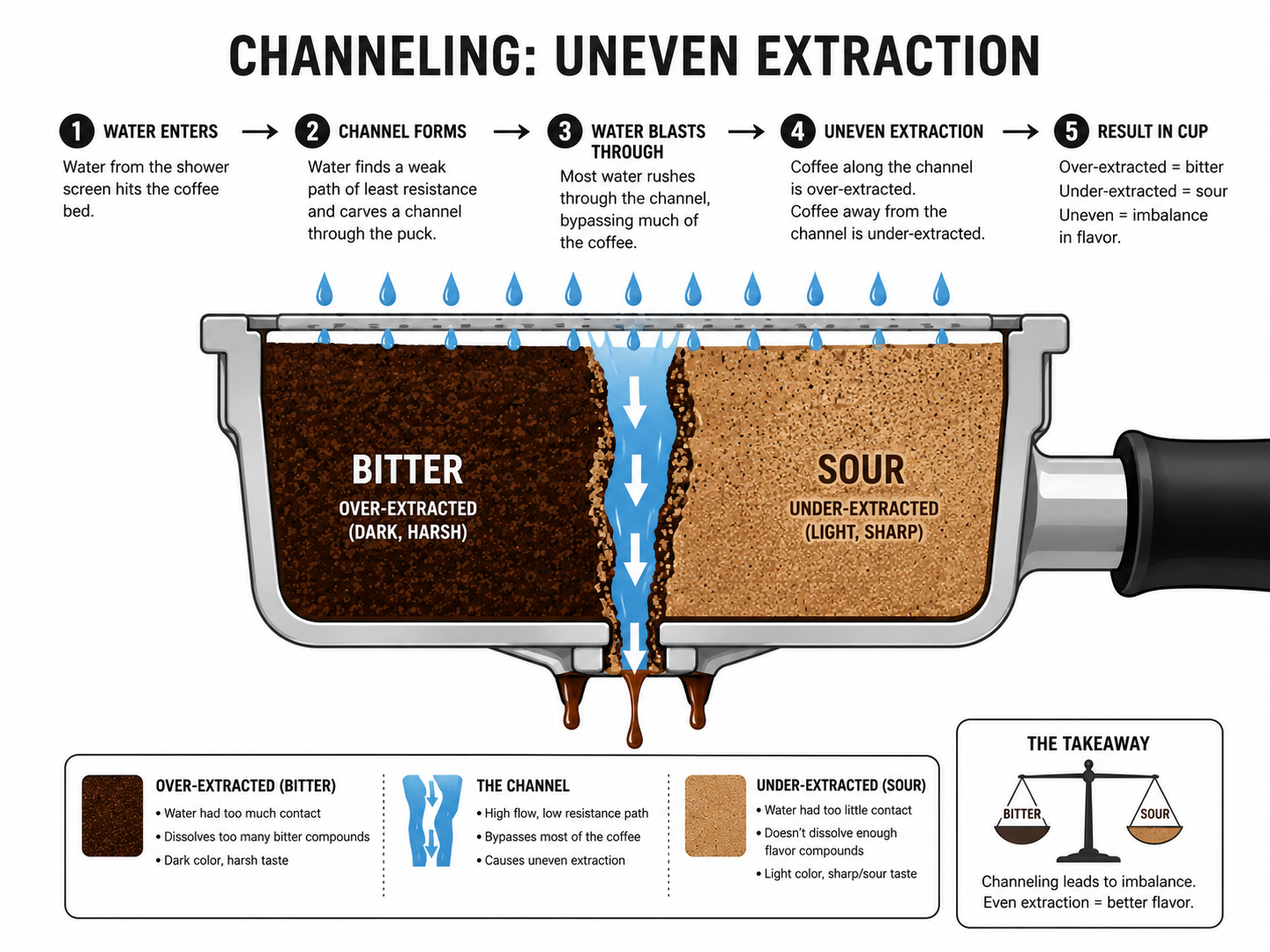
When a single cup is both sour and bitter, the problem is almost never just temperature or time. It’s uneven extraction. Some grounds gave up all their bitter compounds, while others only gave sour acids.
This is the classic signature of a blade grinder. It’s also the hallmark of channeling in espresso, where water finds a weak path through the puck instead of saturating it evenly. The fix depends on your method.
For pourover or drip: Ensure your grounds are evenly saturated from the start, a proper “bloom” where you pour just enough water to wet all grounds and let it sit for 30 seconds releases gases and sets up even extraction. Stirring the slurry gently can help.
For espresso: Focus on puck preparation. Use a burr grinder for consistency, distribute the grounds evenly in the portafilter with a tool or your finger, and tamp level. A bottomless portafilter will show you if channeling is occurring.
For French press: Use a consistent coarse grind and avoid stirring aggressively during the steep, which can force fines to over-extract.
Bean Origin and Blend: The Underlying Factor
The species of coffee bean sets the baseline. Robusta beans have nearly twice the chlorogenic acid content of Arabica beans. This makes them inherently more bitter and harsh, which is why low-quality commercial blends heavy on Robusta taste aggressively bitter, even at lighter roasts. Most specialty coffee is 100% Arabica beans.
Large brands that source from hundreds of thousands of farms, like Starbucks, often roast darker to create a uniform flavor profile across variable single-origin coffees. That uniform flavor is the classic “dark roast” note many describe as burnt. If you seek variety and clarity, explore medium-roast single-origin coffee from local roasters.
Stale beans are another culprit. Coffee is perishable. After roasting, beans are best used within 3–4 weeks. Old beans don’t bloom, extract poorly, and taste flat, woody, or papery, a bitterness devoid of any pleasant aroma. Store beans in an airtight container in a cool, dark place, not the freezer or fridge.
Frequently Asked Questions
Can a cheap coffee maker cause burnt coffee?
Yes. Many basic drip machines brew with water that is far too hot, sometimes holding it on a hot plate that continues to cook the coffee. They also often use aluminum heating elements that can create scorching spots. If your machine always produces a bitter cup regardless of bean or grind, the machine itself is likely the problem.
Does the type of water affect bitter taste?
Absolutely. Water with high chlorine content (above 2 ppm) introduces medicinal, harsh notes. Very hard water (high mineral content) leads to over-extraction of bitter compounds. Using a simple carbon filter pitcher can make a dramatic improvement, as will using third-wave coffee mineral packets designed for brewing.
My espresso is bitter but runs in 25 seconds. What’s wrong?
Time is just one metric. If your 25-second shot is bitter, the dose might be too high, packing too much coffee into the basket and causing uneven resistance. Try reducing your dose by 0.5 grams while keeping the grind the same. Also, check your brew temperature; many home espresso machines run hot.
Is a darker roast stronger in caffeine?
No. The roasting process burns off caffeine. Light roasts actually have slightly more caffeine by weight because less has been destroyed by heat. The perception of “strength” comes from the bold, bitter flavor notes of the roast, not the stimulant content.
How do I clean my grinder without special products?
You can use uncooked white rice. Grind about a quarter cup of rice until it becomes a fine powder. The rice acts as an abrasive to knock off old oils and a desiccant to absorb them. Dump the rice powder, then wipe the burrs and chamber thoroughly with a dry brush. Run a small amount of fresh coffee beans through as a final purge.
The Bottom Line
A burnt-tasting cup usually points to a correctable error in your process, not a fatal flaw in your palate. Start by measuring your water temperature and ensuring it’s below 205°F. Examine your beans for an oily, dark roast. Taste for the difference between smoky bitterness and flat harshness, the first points to the bean, the second to your grind or time.
Finally, clean your gear. Rancid oils are a silent saboteur. A clean grinder and machine are as important as fresh beans. Once you isolate the variable, change only that one thing and brew again. The fix is almost always simpler than you think.
{
“@context”: “https://schema.org”,
“@type”: “HowTo”,
“name”: “How to Diagnose and Fix Burnt-Tasting Coffee”,
“totalTime”: “PT20M”,
“tool”: [
{
“@type”: “HowToTool”,
“name”: “Digital kettle or thermometer”
},
{
“@type”: “HowToTool”,
“name”: “Burr coffee grinder”
},
{
“@type”: “HowToTool”,
“name”: “White ceramic tasting cup or mug”
}
],
“step”: [
{
“@type”: “HowToStep”,
“name”: “Taste with a clean palate”,
“text”: “Drink a sip of the burnt coffee from a white ceramic cup. Note if the bitterness is sharp and ashy (burnt roast) or flat and harsh (over-extraction).”
},
{
“@type”: “HowToStep”,
“name”: “Check your water temperature”,
“text”: “Measure your brew water with a thermometer. If it’s above 205°F (96°C), let it cool for 30-60 seconds before brewing.”
},
{
“@type”: “HowToStep”,
“name”: “Inspect your beans”,
“text”: “Look at the beans. Dark, oily surfaces indicate a very dark roast. Smell them; a sharp, smoky scent confirms a roast-driven burnt flavor.”
},
{
“@type”: “HowToStep”,
“name”: “Examine your equipment”,
“text”: “Sniff the empty brew basket or carafe. Rancid oil smells like crayons or old nuts. If present, clean your grinder and machine with a dedicated cleaner.”
},
{
“@type”: “HowToStep”,
“name”: “Adjust one variable”,
“text”: “Based on your diagnosis, change one thing: lower water temperature, use a coarser grind, or switch to a lighter roast bean. Brew again and compare.”
}
]
}
{
“@context”: “https://schema.org”,
“@type”: “FAQPage”,
“mainEntity”: [
{
“@type”: “Question”,
“name”: “Can a cheap coffee maker cause burnt coffee?”,
“acceptedAnswer”: {
“@type”: “Answer”,
“text”: “Yes. Many basic drip machines brew with water that is far too hot, sometimes holding it on a hot plate that continues to cook the coffee. They also often use aluminum heating elements that can create scorching spots. If your machine always produces a bitter cup regardless of bean or grind, the machine itself is likely the problem.”
}
},
{
“@type”: “Question”,
“name”: “Does the type of water affect bitter taste?”,
“acceptedAnswer”: {
“@type”: “Answer”,
“text”: “Absolutely. Water with high chlorine content (above 2 ppm) introduces medicinal, harsh notes. Very hard water (high mineral content) leads to over-extraction of bitter compounds. Using a simple carbon filter pitcher can make a dramatic improvement, as will using third-wave coffee mineral packets designed for brewing.”
}
},
{
“@type”: “Question”,
“name”: “My espresso is bitter but runs in 25 seconds. What’s wrong?”,
“acceptedAnswer”: {
“@type”: “Answer”,
“text”: “Time is just one metric. If your 25-second shot is bitter, the dose might be too high, packing too much coffee into the basket and causing uneven resistance. Try reducing your dose by 0.5 grams while keeping the grind the same. Also, check your brew temperature; many home espresso machines run hot.”
}
},
{
“@type”: “Question”,
“name”: “Is a darker roast stronger in caffeine?”,
“acceptedAnswer”: {
“@type”: “Answer”,
“text”: “No. The roasting process burns off caffeine. Light roasts actually have slightly more caffeine by weight because less has been destroyed by heat. The perception of \”strength\” comes from the bold, bitter flavor notes of the roast, not the stimulant content.”
}
},
{
“@type”: “Question”,
“name”: “How do I clean my grinder without special products?”,
“acceptedAnswer”: {
“@type”: “Answer”,
“text”: “You can use uncooked white rice. Grind about a quarter cup of rice until it becomes a fine powder. The rice acts as an abrasive to knock off old oils and a desiccant to absorb them. Dump the rice powder, then wipe the burrs and chamber thoroughly with a dry brush. Run a small amount of fresh coffee beans through as a final purge.”
}
}
]
}
