
What is a Long Black Coffee? The Key Technique Cafes Skip
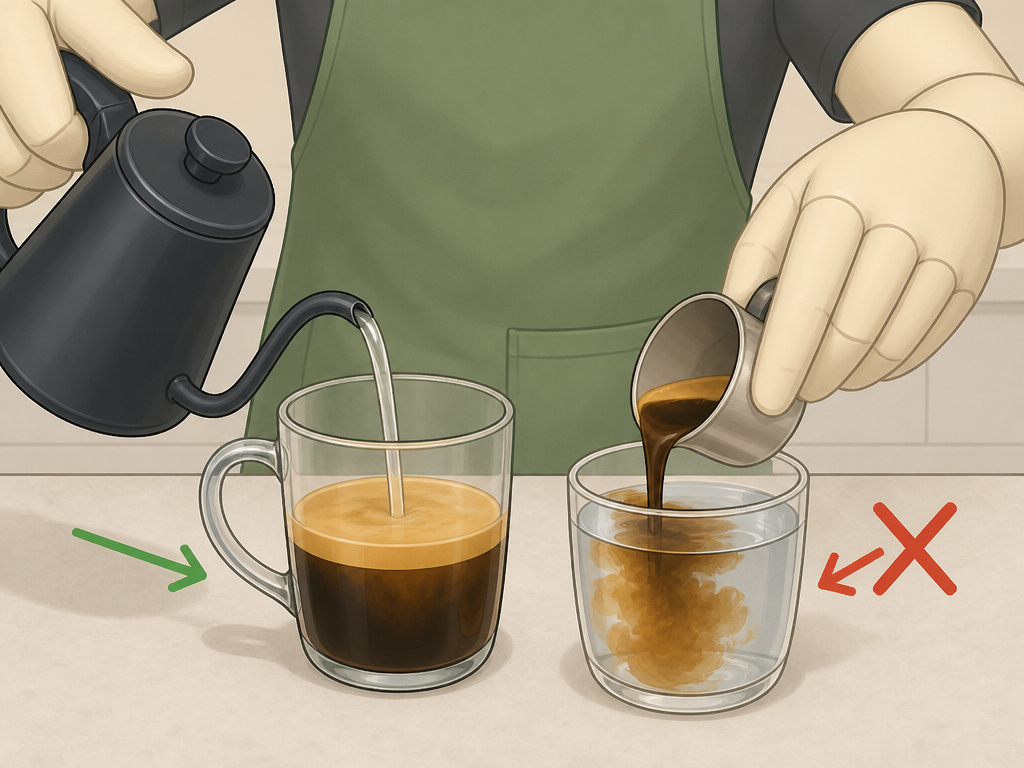
A long black coffee is an espresso-based drink where a double shot of espresso is poured over hot water, not the other way around. This preserves the crema and yields a richer, more aromatic cup than an Americano, with a typical volume of 120-160ml.
Most people think any espresso watered down is the same. They order an Americano and get a long black, or vice versa, without knowing the difference changes the drink in your hand. The mistake is in the pour order, and it costs you the signature texture and intensity that defines a proper long black.
This guide breaks down exactly what a long black is, where it came from, and why that one flipped step matters more than any barista uniform. You will learn the professional specs, the common points of confusion, and how to make one correctly at home.
Key Takeaways
- The defining feature is the pour order: hot water first, then espresso on top. Reverse it and you have an Americano.
- This order physically preserves the crema, the flavorful foam atop the espresso, creating a richer mouthfeel and more concentrated aroma.
- A standard long black uses a double shot (36-40g) and 90-120g of water heated to 80-85°C, resulting in a 120-160ml drink.
- If adding milk, pour it in after the espresso has combined with the water to adjust the finished drink without destroying its structure.
- The term “long coffee” is not synonymous; it can refer to any extended-extraction brew method, not necessarily this specific espresso preparation.
What is a long black coffee?
A long black is a hot coffee drink built on a double shot of espresso. The technical move is pouring that espresso over already-hot water in the cup. This method comes from Australia and New Zealand, where it sits as a standard cafe order alongside the flat white.
The goal is preservation. By introducing the espresso to the water from above, the delicate crema—the golden-brown foam that carries much of the espresso’s aroma and some of its oils—floats on the surface instead of being dissolved by a torrent of water. You get a drink that looks and tastes more like a strong, elongated espresso than a diluted one.
A long black typically has a volume of approximately 120-160ml, achieved by combining a 36-40g espresso shot with 90-120g of hot water at 80-85°C. The water-first pour preserves the crema layer, distinguishing it from an Americano.
TL;DR: It’s an espresso drink defined by a water-first pour to save the crema, yielding a stronger, more aromatic cup than its cousin, the Americano.
The physics of pour order: long black vs. Americano
The difference between a long black and an Americano isn’t semantic. It’s mechanical. Both use espresso and hot water. The sequence changes the fluid dynamics in your cup.
In an Americano, hot water plunges into the espresso. The force and heat of the water stream shred the crema, dissolving its delicate bubbles and oils into the liquid almost instantly. The drink homogenizes quickly. What you taste is espresso diluted by water—a simple mixture.
When you make a long black, the espresso meets a still body of water. The crema, being less dense, spreads across the water’s surface tension. It forms a distinct layer that lasts for minutes. This layer acts as a lid, trapping volatile aromatic compounds that would otherwise steam off. Your first sip is through that fragrant foam, then the integrated body below. The experience is layered, not blended.
The distinction is clear in a side-by-side test. The Americano looks like a uniform brown liquid. The long black has a defined, tawny head. It is the foundational technique for other espresso-based drinks that rely on textural contrast.
The professional recipe: weights, temps, and timing
Cafe consistency relies on numbers. Home success does too. Vague “splashes” of water lead to a weak or bitter long black every time.
Start with the espresso. Use 18-20 grams of coffee in your portafilter to pull a standard double shot. The extraction should run for 20-30 seconds, yielding 36 to 40 grams of liquid espresso. This is your flavor core. Using a burr grinder for consistent particle size is non-negotiable here; a blade grinder produces too many fines that over-extract and make the shot harsh.
Now the water. The common instruction is “hot water.” That’s not enough. For a long black served black, James Roche of Wrexham Bean Co. specifies 80-85°C (176-185°F). Water at a full boil scalds the espresso, amplifying bitterness. If you plan to add cold milk, start with nearly boiling water so the final drink is still hot.
| Component | Specification | Purpose |
|---|---|---|
| Espresso | 36-40g double shot, 20-30 sec extraction | Provides the concentrated coffee base and crema. |
| Water | 90-120g, 80-85°C for black; near-boiling if adding milk | Dilutes to drinking strength without destroying flavor compounds. |
| Final Volume | 120-160ml | Standard serving size for a balanced strength. |
| Milk (optional) | 20-40g cold milk, added after assembly | Adjusts texture and temperature without disrupting the crema. |
Combine them in order: measured hot water in the cup first, then the fresh espresso poured gently over the back of a spoon onto the water’s surface. Do not stir. The layering is the point.
TL;DR: Weigh your espresso (36-40g) and water (90-120g). Keep water at 80-85°C. Pour espresso over water, not the other way. Stirring defeats the purpose.
Where the long black came from (and what it’s not)
The long black emerged from the same Antipodean coffee culture that gave us the flat white. As specialty coffee took hold in Australia and New Zealand in the 1980s and 90s, drinkers wanted a longer, gentler espresso drink that maintained intensity. The flat white cafe in London’s Soho, which helped introduce the flat white to Britain, was part of a wave that also cemented the long black’s place on menus outside its homeland.
It is often confused with an Americano, which has World War II roots. The story goes that American GIs in Italy diluted espresso with hot water to mimic the drip coffee back home. The Italian method became water onto espresso. The two drinks are forever linked but distinct.
Common mistake: Calling any “long coffee” a long black — the term “long coffee” can refer to extended brews like French press or cold brew, which don’t use espresso at all and have a completely different flavor profile.
More confusion arises with similar drinks. A Lungo is different. It’s a single espresso shot pulled longer with more water, resulting in a more extracted, often bitterer, single beverage. A long black is two distinct components combined post-brew. Understanding these nuances helps when navigating a cafe menu or choosing beans. A bright, fruity single-origin coffee can shine in a long black, while a darker coffee blend might work better in a milkier drink.
How to make a long black at home (the right way)

You need an espresso machine that can pull a proper shot. A moka pot or Aeropress won’t create the necessary crema. Follow this sequence.
- Heat your water and cup. Boil fresh water, then let it cool for 30-45 seconds to hit the 80-85°C range. Pour some into your serving cup to preheat it, then dump it out.
- Pull your espresso shot. Dose 18-20g of freshly ground coffee into your portafilter. Tamp evenly and start your shot. Aim for 36-40g of output in 20-30 seconds. Timing matters here as much as the espresso preparation for any other drink.
- Assemble the drink. Measure 90-120g of your hot water into the preheated cup. As your espresso shot finishes, gently pour it over the back of a spoon held just above the water’s surface. The spoon disperses the force, helping the crema settle on top.
- Serve immediately. Do not stir. Deliver the drink as it is, with the crema layer intact. The integration happens as the drinker sips.
If you want a creamier version, the Wrexham Bean Co. recipe suggests 22.5g of espresso, 100g of water, and 40g of milk. The rule from professionals like James Roche is clear: add the milk after the espresso and water have combined. You are adjusting the finished drink, not interfering with its construction.
TL;DR: Preheat everything. Pull a timed double shot. Pour espresso over measured hot water using a spoon. Never stir. Add milk last if using it.
When to order a long black (and what to ask for)
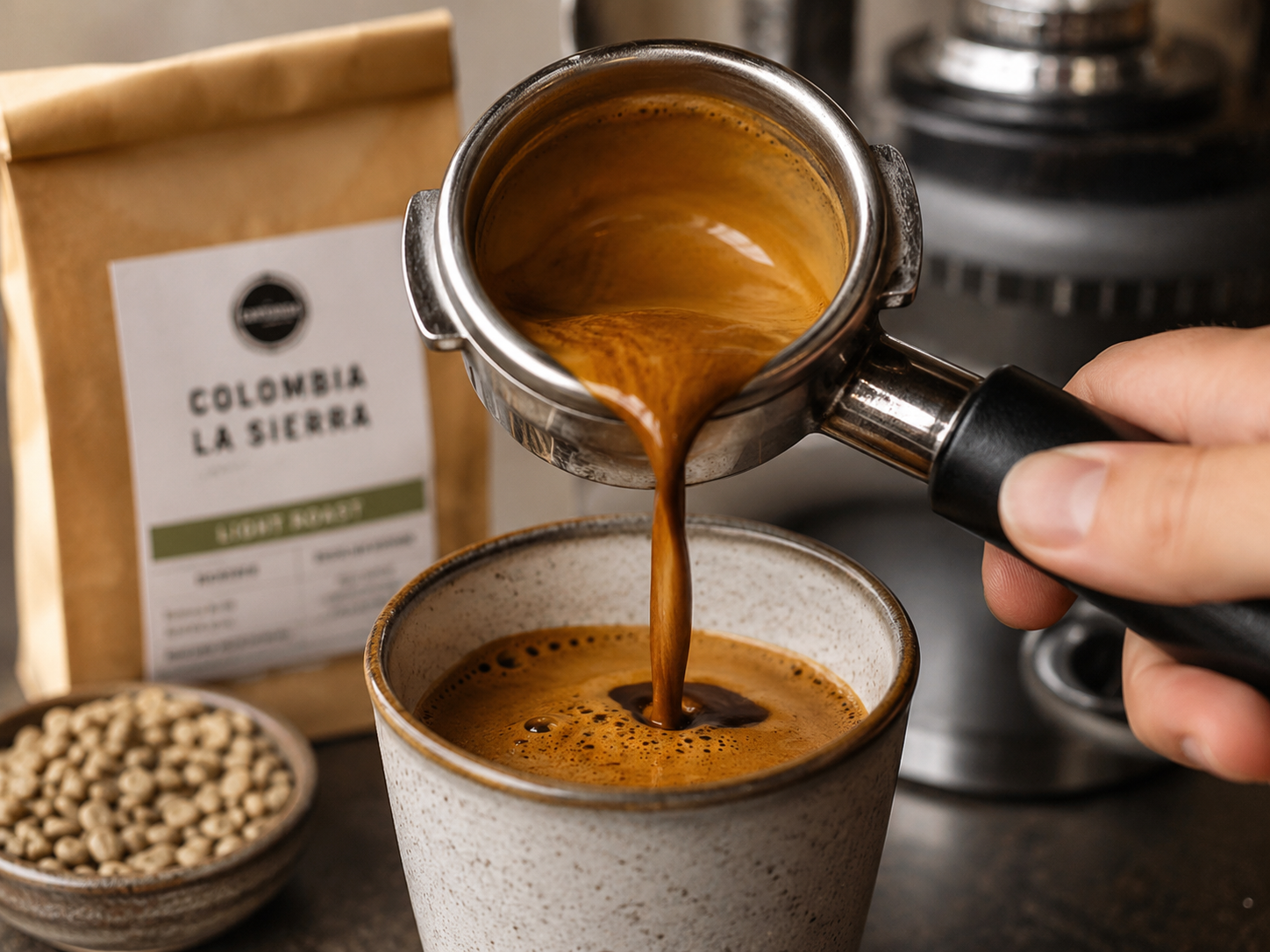
Order a long black when you want the flavor intensity of an espresso but in a larger, sippable volume. It’s the choice when a drip coffee method feels too weak and an Americano seems too flat.
In a specialty coffee shop, just ask for a “long black.” In the United States, some baristas might not know the term. Be prepared to explain: “A double shot of espresso poured over hot water, please.” This clarifies you don’t want an Americano.
The drink is best with beans that have clear, pleasant notes when extracted as espresso. A blonde roast or light roast can work beautifully, highlighting floral or citrus tones. Avoid very dark, oily roasts meant for traditional Italian espresso; they can taste ashy when extended. The choice of paper filters is irrelevant here, but your choice of bean is everything.
I once tried to make a long black with a cheap, pre-ground espresso blend. The shot had no real crema to preserve. The result was just hot, bitter water. The drink only works if you start with a quality, freshly ground espresso shot that actually produces that protective foam layer.
Frequently Asked Questions
Is a long black stronger than an Americano?
In terms of caffeine content, they are identical if they use the same espresso shot. In terms of perceived strength and flavor concentration, the long black is stronger. The preserved crema delivers a more intense aroma and richer mouthfeel, making it taste bolder.
Can I make a long black without an espresso machine?
No, not authentically. The drink is defined by the crema from a 9-bar espresso extraction. A moka pot or strong Aeropress coffee lacks this essential textural component. You would just make a strong coffee with hot water.
What’s the difference between a long black and a black coffee?
“Black coffee” is a broad term for any coffee served without milk or cream. It could be drip, pour-over, French press, or an Americano coffee. A long black is one specific type of black coffee, made via the espresso-over-water method.
Why is my long black bitter?
Two likely causes. First, your espresso shot is over-extracted (grind too fine, shot time over 35 seconds). Second, your water is too hot, scalding the coffee. Use a thermometer and aim for 80-85°C. Also, check your beans; a stale or overly dark roast will trend bitter.
Do you add sugar to a long black?
You can, but add it after the drink is assembled. Stirring in sugar will break up the crema, defeating part of the purpose. Many enthusiasts prefer it without sugar to appreciate the layered flavors.
Before you go
A long black is more than a recipe. It is a technique that respects the integrity of a well-pulled espresso shot. The water-first pour is a small act with a big result: a drink that is simultaneously elongated and intense.
Remember the core specs: a 36-40g double shot over 90-120g of 80-85°C water. Remember the rule: milk after, never before. Most importantly, remember that this drink is a product of a specific coffee culture that values clarity and texture. It is the best answer when you want espresso, but more of it, without compromise.
{
“@context”: “https://schema.org”,
“@type”: “HowTo”,
“name”: “How to Make a Perfect Long Black Coffee”,
“totalTime”: “PT5M”,
“tool”: [
{
“@type”: “HowToTool”,
“name”: “Espresso machine with grinder”
},
{
“@type”: “HowToTool”,
“name”: “Scale”
},
{
“@type”: “HowToTool”,
“name”: “Kettle for water temperature control”
}
],
“step”: [
{
“@type”: “HowToStep”,
“name”: “Heat the water”,
“text”: “Bring fresh water to 80-85°C (176-185°F) if serving black. Use nearly boiling water if you plan to add cold milk later.”
},
{
“@type”: “HowToStep”,
“name”: “Pull the espresso”,
“text”: “Grind and dose 18-20g of coffee. Pull a double shot of espresso, aiming for a 20-30 second extraction to yield 36-40g of liquid.”
},
{
“@type”: “HowToStep”,
“name”: “Assemble the drink”,
“text”: “Pour 90-120g of hot water into your cup first. Then, gently pour the freshly pulled espresso shot over the back of a spoon onto the water’s surface.”
},
{
“@type”: “HowToStep”,
“name”: “Serve immediately”,
“text”: “Do not stir. The crema should form a distinct layer on top. Serve immediately to enjoy the separate textures before they integrate.”
}
]
}
{
“@context”: “https://schema.org”,
“@type”: “FAQPage”,
“mainEntity”: [
{
“@type”: “Question”,
“name”: “Is a long black stronger than an Americano?”,
“acceptedAnswer”: {
“@type”: “Answer”,
“text”: “In terms of caffeine content, they are identical if they use the same espresso shot. In terms of perceived strength and flavor concentration, the long black is stronger. The preserved crema delivers a more intense aroma and richer mouthfeel, making it taste bolder.”
}
},
{
“@type”: “Question”,
“name”: “Can I make a long black without an espresso machine?”,
“acceptedAnswer”: {
“@type”: “Answer”,
“text”: “No, not authentically. The drink is defined by the crema from a 9-bar espresso extraction. A moka pot or strong Aeropress coffee lacks this essential textural component. You would just make a strong coffee with hot water.”
}
},
{
“@type”: “Question”,
“name”: “What’s the difference between a long black and a black coffee?”,
“acceptedAnswer”: {
“@type”: “Answer”,
“text”: “\”Black coffee\” is a broad term for any coffee served without milk or cream. It could be drip, pour-over, French press, or an Americano coffee. A long black is one specific type of black coffee, made via the espresso-over-water method.”
}
},
{
“@type”: “Question”,
“name”: “Why is my long black bitter?”,
“acceptedAnswer”: {
“@type”: “Answer”,
“text”: “Two likely causes. First, your espresso shot is over-extracted (grind too fine, shot time over 35 seconds). Second, your water is too hot, scalding the coffee. Use a thermometer and aim for 80-85°C. Also, check your beans; a stale or overly dark roast will trend bitter.”
}
},
{
“@type”: “Question”,
“name”: “Do you add sugar to a long black?”,
“acceptedAnswer”: {
“@type”: “Answer”,
“text”: “You can, but add it after the drink is assembled. Stirring in sugar will break up the crema, defeating part of the purpose. Many enthusiasts prefer it without sugar to appreciate the layered flavors.”
}
}
]
}
