
How to Make Espresso with Instant Coffee: A Proven Method
To make espresso with instant coffee, mix 2 teaspoons (about 4 grams) of instant coffee granules with just 1 ounce (30 ml) of near-boiling water. Stir into a thick, smooth paste, then optionally froth it with a milk frother to create a foamy top layer that mimics crema. This concentrated shot serves as a base for lattes, americanos, and other espresso-style drinks.
The universal mistake is using too much water. A full cup of water turns your instant coffee into a weak, American-style drip, not a potent espresso substitute. You need a sludge, not a soup.
This guide walks through the exact ratio, the tools that make a difference, and how to turn this concentrate into credible café-style drinks. We’ll also be clear about what you’re actually making, and what you’re not.
Key Takeaways
- True espresso requires 9 bars of pressure, which instant coffee cannot provide. You are making a highly concentrated instant coffee, not replicating espresso’s chemical extraction.
- The ratio is non-negotiable: 2 teaspoons of granules to 1 ounce of water. More water dilutes the intensity needed for milk drinks.
- A handheld milk frother is the single best tool for creating a stable, crema-like foam on top of your instant concentrate.
- For a cleaner, less bitter result, start by dissolving the granules in a tiny amount of cold water before adding the hot water.
- If you want a result closer to real espresso without a machine, a Moka pot or AeroPress is a more effective and affordable long-term investment.
What You’re Actually Making (And Why It’s Not Espresso)
Let’s settle this first. Espresso is defined by a specific process: forcing near-boiling water through finely-ground, tamped coffee at approximately 9 bars of pressure. This high-pressure extraction pulls out oils, solubles, and gases that create the signature body, aroma, and crema.
Instant coffee skips the extraction phase entirely. Manufacturers brew coffee at scale, then dehydrate the liquid through spray-drying or freeze-drying. You are rehydrating a coffee solution. No amount of whisking changes the fundamental chemistry. You cannot generate the emulsified oils and dissolved CO2 that form real crema under pressure.
What you can create is a strong, flavorful concentrate that serves a similar functional purpose in drinks. It’s a useful hack, not a replica. Understanding this sets realistic expectations, your latte will taste good, but it will have a different texture and aftertaste than one from a café’s machine.
TL;DR: You’re making concentrated instant coffee, not espresso. The difference is extraction under pressure versus simple dissolution.
The Right Ratio and Method
Getting the ratio wrong is the point of failure. The standard “one teaspoon per cup” instruction on the jar makes a mild brew. For an espresso stand-in, you need roughly double the coffee and one-sixth the water.
For a standard “double shot” volume, use 2 teaspoons (approximately 4 grams) of instant coffee granules and 1 fluid ounce (30 milliliters) of water at 90–95°C (195–205°F). Stir for at least 15 seconds until no granules remain.
The water temperature matters less for extraction (there isn’t any) but more for immediate and complete dissolution. Water that’s too cool leaves a gritty, undissolved layer at the bottom of your cup. Water straight from a rolling boil is fine.
I used to just dump granules into a mug and pour water over them. The result was always a weak top layer and a syrupy, bitter sludge at the bottom. Now I mix in a separate small bowl or cup first. It takes an extra ten seconds and guarantees a uniform concentrate every time.
Here is the core method, compared to the common wrong approach:
| Step | The Right Way | The Common Mistake |
|---|---|---|
| Vessel | Small cup or bowl | Your final drinking mug |
| Coffee Amount | 2 tsp (4g) | 1 tsp (2g) |
| Water Amount | 1 oz (30ml) | 6-8 oz (180-240ml) |
| Mixing | Stir 15+ sec into a smooth paste | Quick stir, leaves granules |
| Result | Thick, uniform concentrate | Watery coffee with a bitter sinker |
TL;DR: Mix 4g instant coffee with 30ml hot water in a separate cup until it’s a smooth paste. This is your base.
A Pro Tip for Smoother Flavor
One technique from specialty coffee circles improves the result noticeably. Start with a small amount of cold water, about half a teaspoon, to slurry the granules into a paste first. Then add your ounce of hot water.
Common mistake: Adding all the water at once, the outer granules dissolve too fast and start to over-extract bitter compounds from the still-dry inner granules before they get wet.
The cold-water start ensures every granule hydrates evenly and simultaneously. It cuts the harsh, acidic edge you sometimes get with instant. Try it side-by-side with the hot-water-only method. The difference is clearer in a straight shot.
Choosing Your Instant Coffee

Not all instant coffees are equal for this task. The goal is intensity and a flavor profile that can stand up to milk.
- Dark Roast / Espresso Style: This is your best bet. Brands like Nescafé Clasico Dark Roast are specifically processed to have a richer, bolder flavor that mimics the darker notes of espresso. They provide the robust base you need.
- Freeze-Dried vs. Spray-Dried: Freeze-dried granules often have better aroma retention and a slightly cleaner taste. They dissolve a touch faster, too.
- Single-Origin or Specialty Instant: These are becoming more common. They offer distinct flavor notes (chocolate, nutty, fruity) but can be more expensive. They work well if you plan to drink your concentrate straight.
Avoid flavored instant coffees (vanilla, hazelnut) for this purpose. The artificial flavors can clash when concentrated and make your drink taste synthetic. Save those for a regular mug.
If you’re exploring other brewing methods, understanding grinder types is key for real espresso, but for instant, the granule is the final form.
Frothing Your Instant “Espresso”

This step builds the visual and textural illusion of crema. You are not creating crema, but you are entraining air into the concentrate to make a stable, light-brown foam that sits on top.
The tool dictates your success.
| Tool | Method | Best For | Result |
|---|---|---|---|
| Handheld Milk Frother | Submerge the whisk head in the concentrate and turn on for 20-30 seconds. | Most users; creates fine, stable foam quickly. | A thick, creamy layer of microfoam that lasts several minutes. |
| French Press | Pour concentrate into press, pump plunger rapidly for 60 seconds. | Those who already own one; builds good foam. | A lighter, larger-bubbled foam that dissipates faster. |
| Whisk or Fork | Whisk vigorously by hand for 45-60 seconds. | In a pinch; requires effort. | A thin, inconsistent foam that sinks into the drink within a minute. |
The nano-foamer mentioned in one transcript is essentially a high-quality handheld frother with a fine mesh screen. It works exceptionally well. The key is to start with the whisk just below the surface to pull in air, then lower it to circulate and refine the bubbles.
Your foam will not taste like espresso crema, it will taste like aerated instant coffee. But it looks the part and adds a pleasant texture.
TL;DR: A $15 handheld milk frother is the best investment for creating a convincing, lasting foam on your instant coffee concentrate.
Building Espresso Drinks at Home
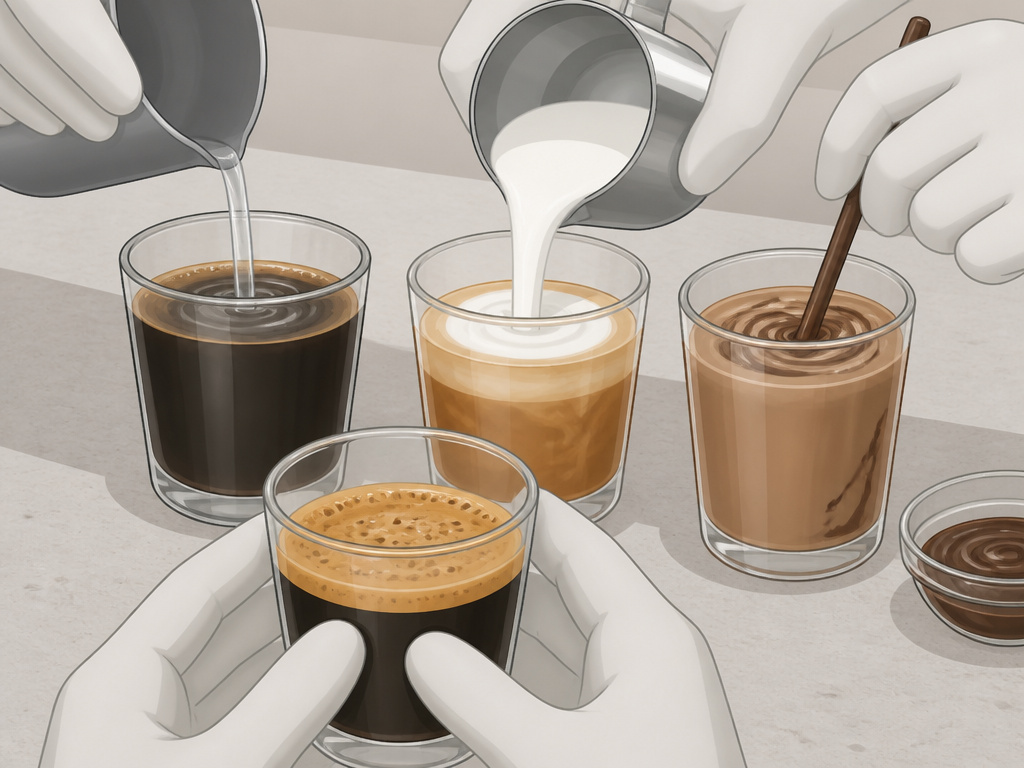
Now you have your foamy, concentrated shot. This is your base for a whole menu.
- Americano: Add 4-6 ounces of hot water to your shot. This is the most forgiving drink, as the water dilutes any lingering bitterness from the instant coffee.
- Latte / Cappuccino: Steam or froth your milk separately. For cappuccino, aim for stiff, dry foam. For a latte, aim for silky, wet microfoam. Pour the milk over your instant espresso shot. The success of these depends heavily on your milk frothing technique, especially with dairy alternatives.
- Mocha: Mix a tablespoon of chocolate syrup or powder into your hot concentrate before adding steamed milk.
- Drink It Straight: If you’ve used good instant and the cold-water start method, you can sip it as a strong, short coffee. Add a pinch of salt to counteract any harsh bitterness.
Remember, the espresso caffeine content in a real shot comes from the rapid extraction. Your instant version will have caffeine based purely on the granule type and amount, usually slightly less than a true espresso.
How This Stacks Up Against Other No-Machine Methods
This instant method is about speed and convenience, not quality. If you find yourself making these often, consider a small upgrade.
A Moka pot brews a strong, concentrated coffee by passing boiling water and steam through a grounds basket. It’s not true 9-bar espresso, but it’s a real extraction that pulls oils and creates a richer, more authentic flavor base. An AeroPress, using a fine grind and a firm press, can get even closer to an espresso-like profile.
The instant method wins on time (under 2 minutes) and cleanup (one spoon). The Moka pot or AeroPress wins on taste, body, and the satisfaction of a more involved process. They represent different points on the spectrum of brewing methods.
Frequently Asked Questions
Can you make real espresso with instant coffee?
No. Espresso is defined by extraction under high pressure, which instant coffee granules cannot undergo. You are making a concentrated instant coffee drink that can be used similarly in recipes.
What is the best instant coffee for espresso?
Look for dark roast or “espresso style” instant coffee. Freeze-dried varieties generally offer better flavor and aroma than spray-dried. Nescafé Clasico Dark Roast is a widely available and reliable option.
Why do you froth the instant coffee mixture?
Frothing incorporates air to create a foam that visually mimics the crema on a real espresso shot. It also slightly changes the mouthfeel, making the drink feel less thin.
Is instant espresso powder the same as instant coffee?
Instant espresso powder is a type of instant coffee, but it is typically made from darker roasted beans and processed to have a more intense, bitter flavor profile. It works very well for this concentrated method.
How much caffeine is in instant espresso?
It varies by brand, but a concentrate made from 2 teaspoons of standard instant coffee granules contains roughly 60-80mg of caffeine. This is generally comparable to or slightly less than a single shot of real espresso. For a detailed breakdown, see our guide on espresso vs coffee caffeine.
Before You Go
Making a serviceable espresso-style drink with instant coffee boils down to a severe ratio and a good frother. Use twice the coffee and a fraction of the water you normally would. Whip it until it’s foamy. It will make a decent latte.
But know the limits. The flavor will always be that of rehydrated coffee, not the complex, oily extraction from a machine. If you enjoy the ritual and the results, that’s what matters. If you find yourself craving more, a simple Moka pot is the logical and affordable next step. It bridges the gap between your kettle and a café machine.
